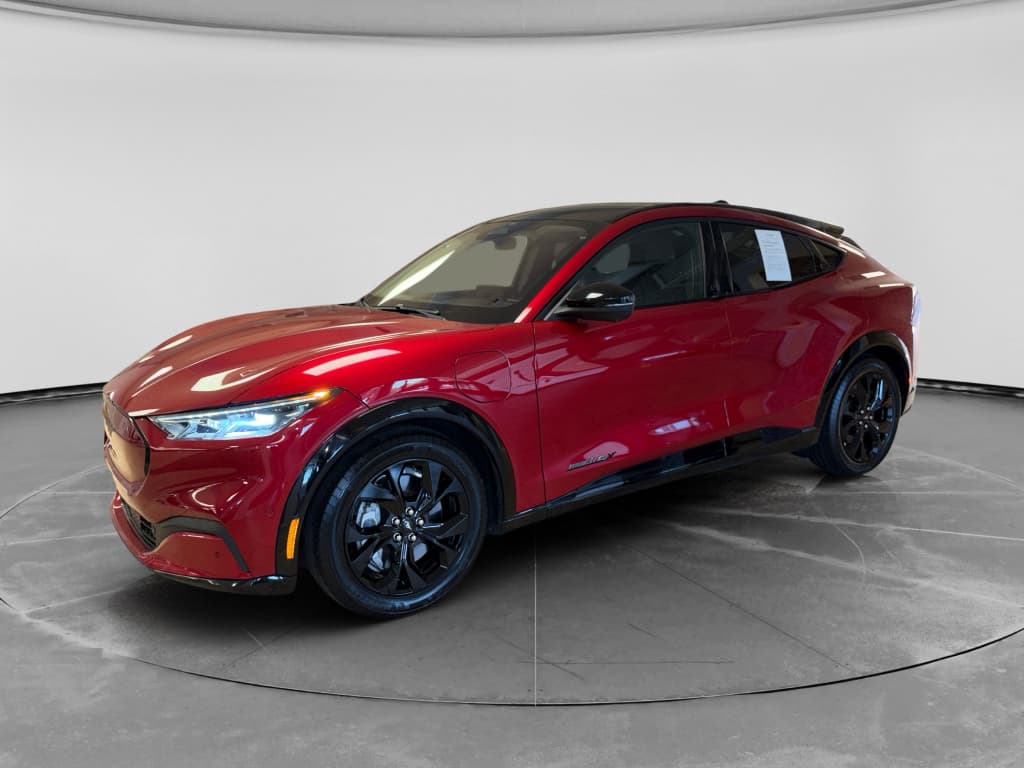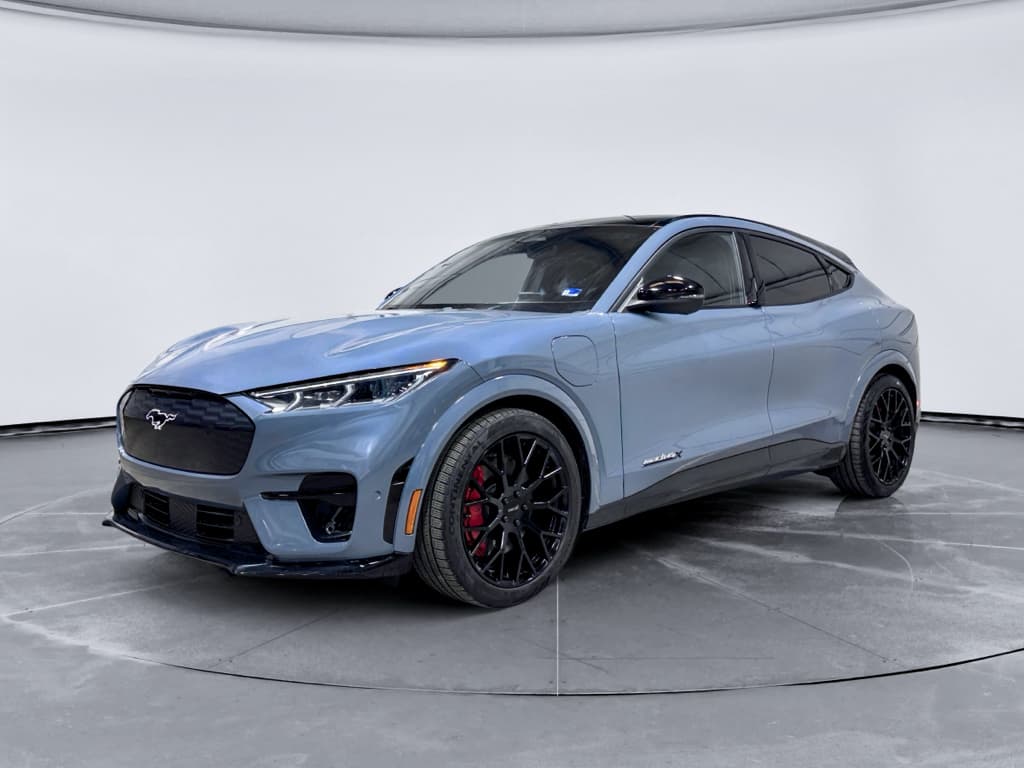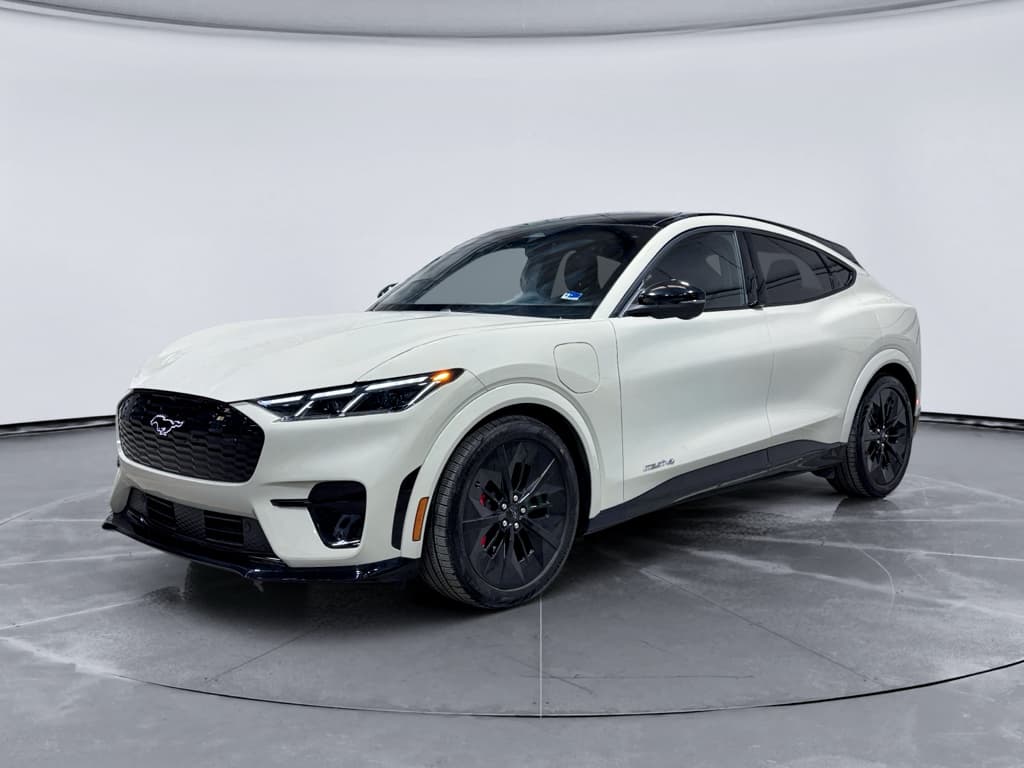
Search for Ford Mustang Mach-E KBB value and you’ll get a blizzard of numbers: trade‑in ranges, “Fair Purchase Prices,” dealer retail, private party. If you own or want to buy a Mach‑E, the real question is simpler: what is this electric pony actually worth in today’s very weird used‑EV market?
KBB is a compass, not a verdict
Why KBB value matters for the Mustang Mach-E
The Mustang Mach‑E sits at the center of two big forces: the EV price crash and the long‑shadow appeal of the Mustang badge. New‑car prices have seesawed, federal incentives keep changing, and used EVs have dropped sharply, roughly a third off their 2023 peaks in many cases. In that kind of turbulence, shoppers lean on trusted anchors like Kelley Blue Book (KBB) to figure out if a number is sane.
For the Mach‑E, KBB data helps you answer three key questions: 1) What should I pay for a used Mach‑E today? 2) What’s a fair trade‑in or private‑party price for mine? 3) How badly has this thing depreciated compared with other compact electric SUVs?
Quick look: current Mach-E KBB values
Mach-E values at a glance (early 2026)
Those are broad strokes, but they tell a simple story: the Mach‑E started expensive, came down in new‑car price for 2025, and used values adjusted downward in its wake. That’s bad news if you bought one new; it’s terrific news if you’re shopping used in 2026.
How KBB calculates Mustang Mach-E value
Kelley Blue Book ingests millions of transactions and listings, including auctions, dealer sales, and private‑party data. For the Ford Mustang Mach‑E, KBB then adjusts for things like trim, options, mileage, condition, and region to spit out several different numbers:
- Trade‑in value – what a dealer might realistically offer you against another purchase.
- Private‑party value – what a person‑to‑person sale might bring in a typical market.
- Dealer retail – what KBB thinks a franchised dealer will ask on the lot.
- Fair Purchase Price – the average price recent buyers actually paid, new or used, in your area.
Always plug in your exact details
Real-world used prices vs. KBB on the Mach-E
Pull KBB, then browse the used market, and you’ll see the two tracks don’t always line up perfectly, especially for EVs. With the Mach‑E, the gap often comes from fast‑moving incentives and the perception that EV tech ages like consumer electronics.
KBB numbers vs. what the market is doing
How typical used Mach-E prices line up with guidebook values
KBB: past transactions, averaged
KBB values lean on recent completed sales. When the market is calm, that’s great. When EV prices are falling fast, it can feel like looking in the rear‑view mirror.
For a 2023 Mach‑E, you might see a KBB dealer retail in the high‑$20Ks to low‑$30Ks while asking prices are already nudging lower in your area.
Live listings: today’s asking prices
Listing aggregators often show the average used Mach‑E near the high‑$20Ks, with 2021 models dipping into the low‑$20Ks and newer, low‑mile 2024–2025 examples well into the $30Ks.
If your local listings are thousands below KBB, it usually means the market has moved faster than the guidebook, not that every seller is crazy.
Watch out for stale KBB assumptions
What makes your Mach-E worth more or less
The Mustang Mach‑E is not one car; it’s a small family. KBB will treat a base rear‑drive Select very differently from a dual‑motor GT Performance Edition. Here’s what moves the needle most when that “What’s my Mach‑E worth?” page crunches your number:
Key value drivers for a used Mach-E
Trim and performance package
A GT or Premium trim typically books higher than a Select, especially with performance or extended‑range battery packages. KBB bakes this into the base value, but local demand for quick, high‑spec trims can widen the gap.
Battery size and range rating
Extended‑range Mach‑Es, especially the later‑year cars with improved efficiency, tend to hold more value. Range equals freedom, and buyers will pay for it, particularly if daily commuting or winter driving is part of the equation.
All‑wheel drive vs. rear‑wheel drive
In snow‑belt ZIP codes, AWD Mach‑Es generally fetch stronger KBB values and easier resale. In mild climates, AWD adds less value unless the buyer is specifically chasing performance.
Mileage and usage pattern
Low odometer readings always help, but how those miles were accumulated matters too. Lots of DC fast charging or heavy ride‑share duty can quietly erode long‑term value, even if KBB only sees the raw mileage.
Cosmetic and interior condition
EV shoppers are surprisingly picky. Curb rash, worn seats, or a stained headliner can knock you below the KBB “Clean” band and put you in “Average” or “Rough” territory, thousands of dollars gone for what looked like small flaws.
Options, tech and driver assistance
Packages like BlueCruise, panoramic roof, upgraded audio and tow packages all influence KBB. On the used market, buyers like a Mach‑E that feels “fully loaded” and future‑proof.
Battery health: the silent price driver
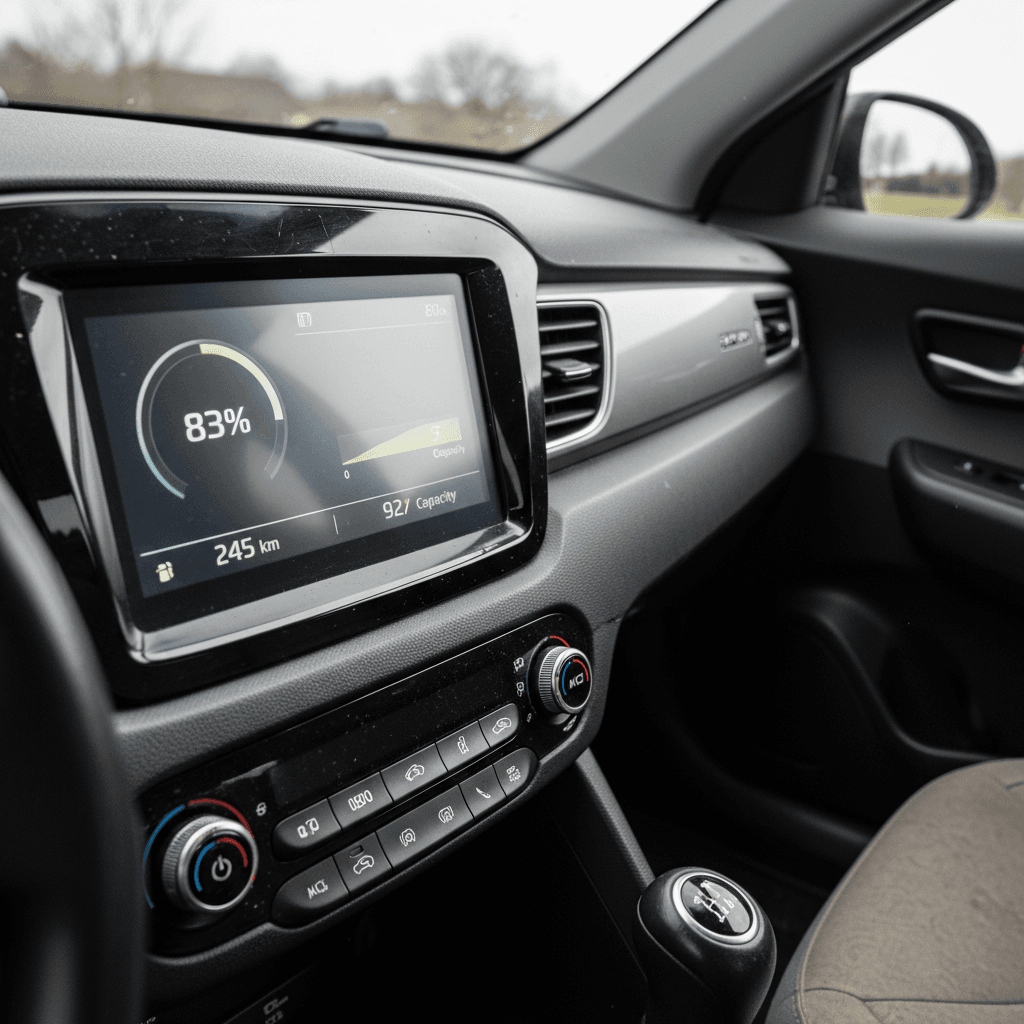
KBB does not plug a battery scanner into your Mach‑E. It assumes a pack in typical condition for its age and miles. In reality, battery health can widen the chasm between two otherwise identical cars more than any wheel option or paint color.
Where Recharged changes the math
Ready to find your next EV?
Browse VehiclesStrong battery = above‑KBB pricing
If diagnostics show minimal degradation, gentle charging habits, and healthy cell balance, that Mach‑E deserves to sit at the top of the KBB value band, or even command a premium in a range‑anxious market.
For buyers, that’s an argument to pay slightly more now to avoid an expensive battery problem later.
Tired battery = discount territory
Noticeable range loss, repeated DC fast‑charging and thermal alerts should push the price below the KBB median. This is where some sellers quietly hope the guidebook bails them out.
On Recharged, battery data is surfaced up front, so a “deal” that only works on paper doesn’t survive the daylight.
Using KBB value when you’re buying a used Mach-E
When you’re on the buy side, KBB is leverage. It gives you a neutral third‑party number to wave around while you and the seller politely argue about whose feelings matter more. The trick is to use it as a frame, not a finish line.
Buyer playbook: turning KBB into a better deal
1. Pull a VIN‑specific KBB estimate
Start with the exact year, trim, mileage, ZIP and options. Screenshot the trade‑in, private‑party and dealer retail numbers. These will anchor your negotiation, especially with private sellers guessing off old loan balances.
2. Cross‑check against live listings
Look at several Mach‑Es similar to the one you want, same trim, similar miles. If most are $2,000 under KBB retail in your region, that’s your new reality. Bring comps to the conversation.
3. Demand real battery info
Ask for a recent battery‑health report or at least a full‑charge range reading in mild weather. On Recharged, this is baked into the listing via the Recharged Score so you’re not playing guessing games with an 88% state of charge screenshot.
4. Adjust for upcoming costs
Tires, brakes, service campaigns and recalls all matter. If the Mach‑E is coming up on new tires or has an outstanding recall, that’s justification to be below the mid‑KBB value for its condition band.
5. Use KBB bands, not one number
KBB gives a range: Rough, Average, Clean, Outstanding. Walk around the car with that spectrum in mind. A couple of door dings and a curbed wheel? That’s "Average" money, not "Clean" bragging rights.
Let the market do the talking
Using KBB value when you’re trading or selling
If you’re the one parting ways with a Mach‑E, KBB is your reality check and your marketing tool. Reality check, because EVs, Mach‑E included, have swallowed some brutal depreciation. Marketing tool, because buyers and dealers recognize KBB’s logo and language.
Two ways to use KBB as a seller
Same data, different strategies
Asking price anchor
For a private sale, price your Mach‑E at or just below KBB private‑party “Clean” if the car truly deserves it. In your listing, mention that the price aligns with KBB, then point to recent maintenance and battery health as reasons it should be on the high side of that band.
Trade‑in sanity check
When a dealer gives you a number, compare it with KBB trade‑in for your condition. If you’re getting thousands below, ask them to walk you through the reconditioning estimate. Or turn their lowball into leverage by getting an instant offer or consignment quote from a platform like Recharged.
How Recharged can help you sell
Mustang Mach-E depreciation: what to expect
The Mach‑E has lived multiple lives in a short span, hero of Ford’s EV push, then collateral damage in the broader EV comedown. Prices for new models have been cut; used values followed. Understanding depreciation helps you decide whether to buy, sell, or hold.
Illustrative depreciation on recent Mach-E model years
Approximate relationship between original MSRP and current KBB/market values in early 2026 (assumes average mileage and condition).
| Model year | Typical original MSRP (Select trim) | Approx. current KBB / market price | Share of original price kept |
|---|---|---|---|
| 2021 | ~$43,000 | Low–mid $20,000s | ~50–55% |
| 2022 | Mid $40,000s | Mid–high $20,000s | ~50–60% |
| 2023 | ~$44,000–$47,000 | Low–mid $20,000s | ~45–55% |
| 2024 | Upper $40,000s | High $20,000s–low $30,000s | ~50–60% |
| 2025 (price‑cut new) | High $30,000s–mid $50,000s | Too new for clean data | TBD, but new price cuts may pressure used values |
These are broad, directional figures, your exact KBB value will depend on trim, miles, battery health and location.
EVs can drop faster than the guidebooks
Should you keep or cut your Mach-E?
If you already own a Mach-E
If you like the car and the battery is healthy, driving it longer is usually smarter than locking in today’s low resale value.
Refinance if your interest rate is ugly; the monthly savings can matter more than chasing an extra $1,000 on trade‑in.
Keep up with software updates and recalls, especially anything related to safety or battery management, to protect future value.
If you’re shopping used
Target 2–3‑year‑old Mach‑Es where someone else took the worst depreciation hit.
Use KBB as your guardrail, then focus on battery health and total cost to own, not just the purchase price.
Consider financing through an EV‑centric retailer like Recharged, where lenders understand used‑EV residuals and don’t panic at the word “battery.”
FAQ: Ford Mustang Mach-E KBB value
Frequently asked questions about Mach-E KBB value
Bottom line on Mach-E KBB value
Kelley Blue Book gives you a solid, if slightly rear‑facing, look at Ford Mustang Mach‑E KBB value. It’s essential context in a market where EV prices move faster than the guidebooks can type, but it’s only half the story. The other half is battery health, real‑time local demand, and your own tolerance for riding the depreciation curve.
If you’re shopping, use KBB to frame a fair range, then let independent battery diagnostics and live listings tell you which Mach‑E is actually worth the money. If you’re selling or trading, expect some sting from early‑EV depreciation and shop your car widely. And if you want a simpler path, Recharged can help you finance a used Mach‑E, trade out of your current EV, and see a transparent Recharged Score on every car, so KBB is a helpful data point, not the only thing standing between you and a fair deal.