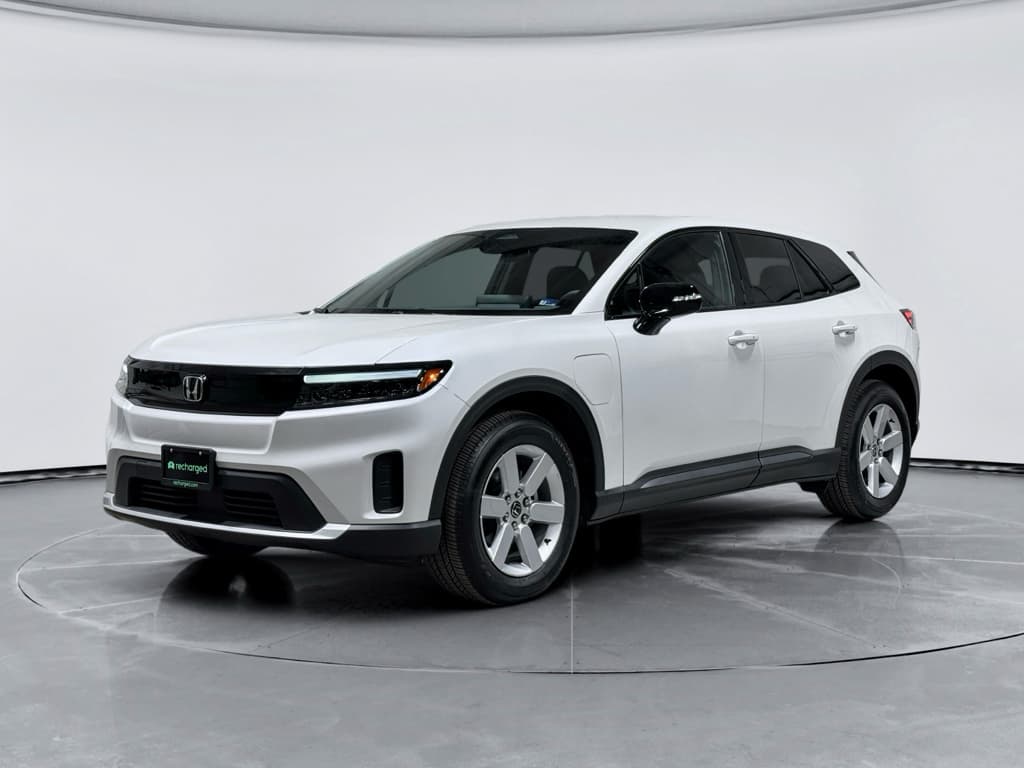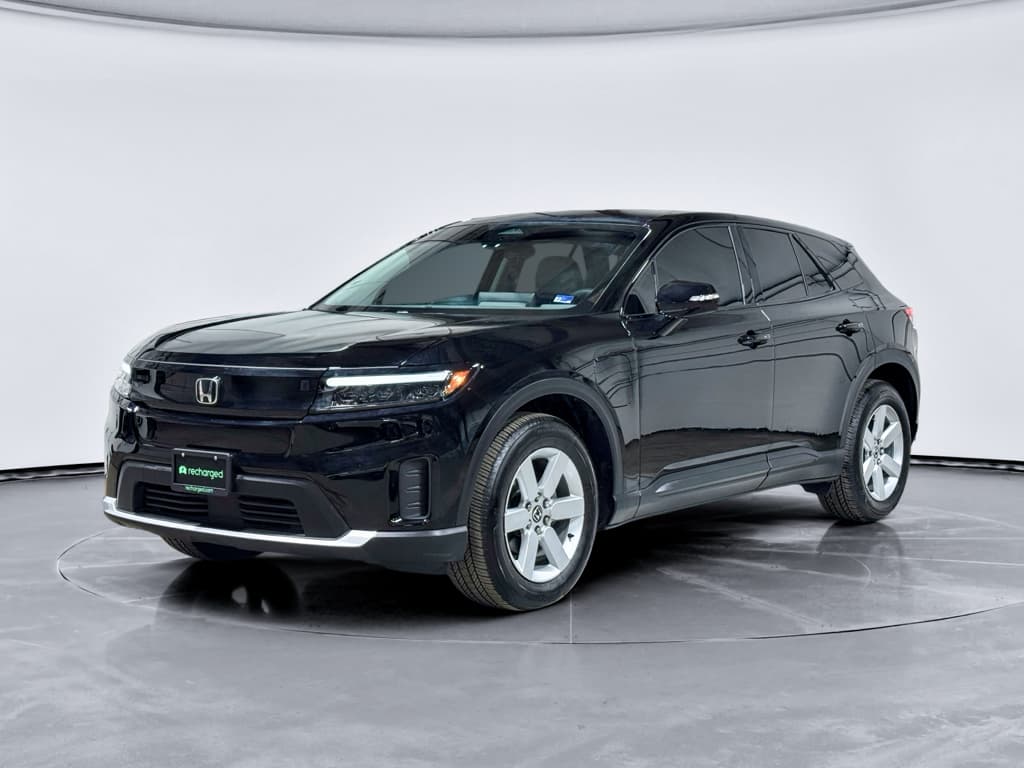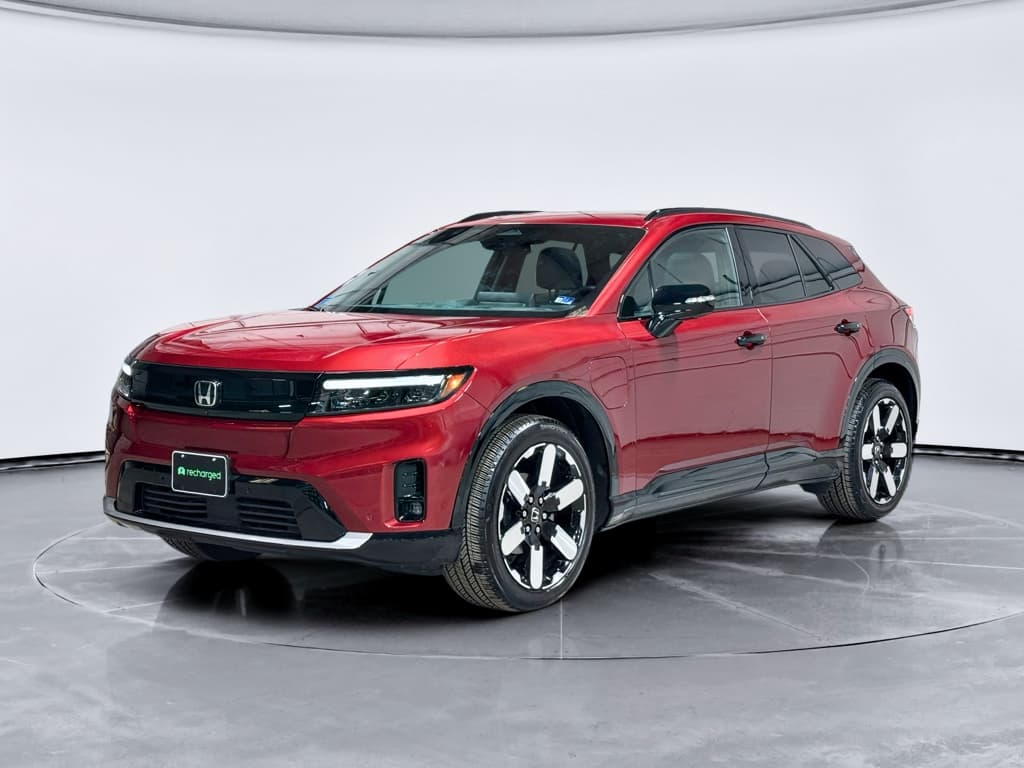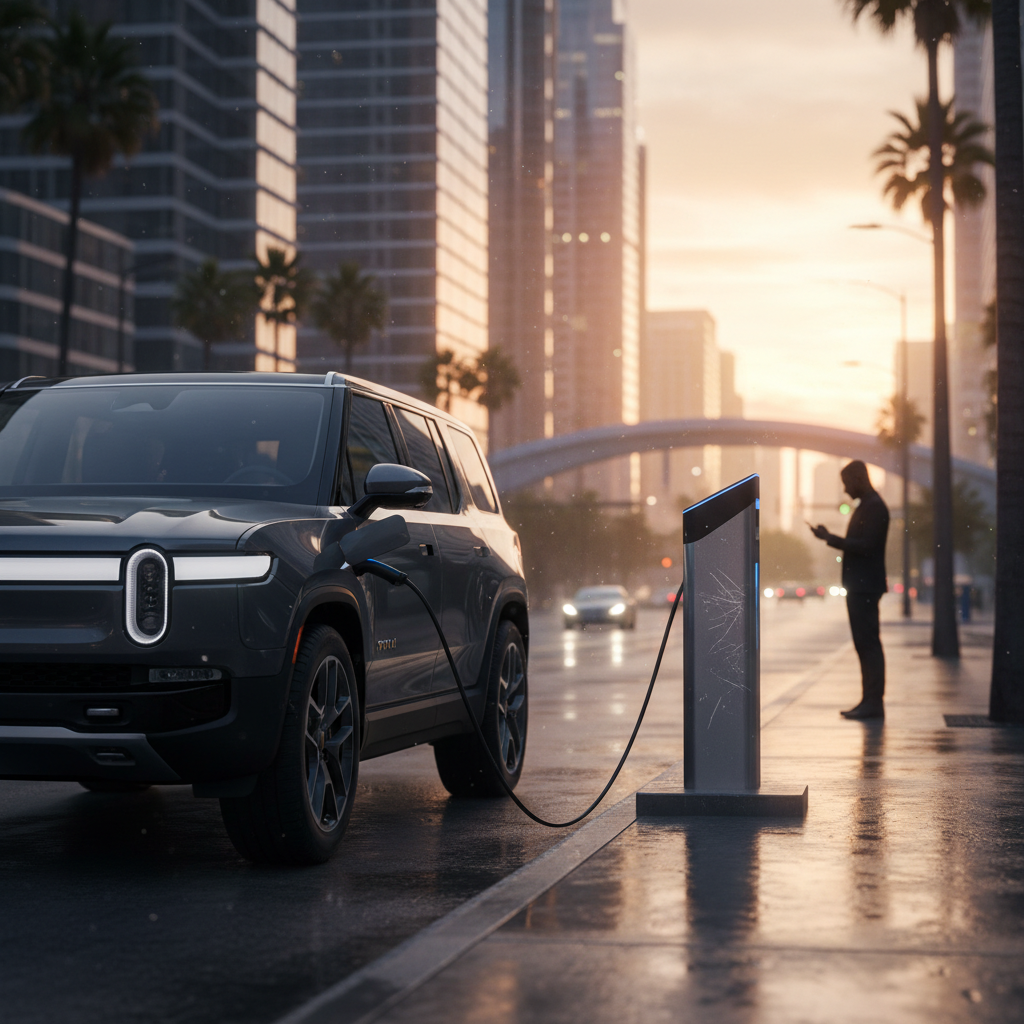
If you’re eyeing a Honda Prologue and dreaming about long highway drives, the big question is simple: is the Honda Prologue actually a good road trip EV? On paper it has solid range, GM’s Ultium-based battery tech, and now even access to Tesla Superchargers via an adapter. But road trips are where spec sheets meet real life, where charging speeds, seat comfort, and energy use at 75 mph matter a lot more than brochure numbers.
At-a-glance verdict
Honda Prologue Road Trip Overview
For road trips, you care about four things: highway range, charging speed, comfort, and cargo space. The Honda Prologue does well in three of the four, and is merely decent in the fourth.
- Battery: ~85 kWh usable pack on the Ultium platform
- EPA range (2025 FWD): up to about 308 miles; AWD trims in the high-200s
- DC fast charging peak: about 150 kW on a 400V architecture
- Real-world highway range: typically 220–260 miles per charge, depending on trim, speed, weather, and load
- Class: midsize electric SUV, about 192 inches long with seating for five
On a typical U.S. interstate run, cruise control set around 70–75 mph, some elevation changes, luggage and a couple of passengers, the Prologue can comfortably space out stops every 2.5 to 3 hours. That puts it right in the sweet spot for most drivers’ natural rest breaks.
Honda Prologue Road Trip Numbers (Real-World Oriented Estimates
Best trims for road tripping
Range and Efficiency on the Highway
Officially, the 2025 Honda Prologue offers EPA range estimates up to about 308 miles for front-wheel-drive EX and Touring trims, with AWD models rated in the mid- to high-200s. Those are competitive numbers in the midsize electric SUV class.
EPA vs. Real-World Highway Range
EPA range is measured on a mixed city/highway cycle. On a real highway road trip, 70–75 mph, loaded with people and luggage, you should mentally discount those numbers.
- FWD trims (EPA ~308 mi): Plan on ~240–260 miles per charge in mild weather.
- AWD trims (EPA high-200s): More like ~220–240 miles at typical interstate speeds.
Colder temps, strong headwinds, or mountain grades can knock another 10–25% off those estimates.
Energy Use in Context
The Prologue’s efficiency is solid for its size, with combined MPGe around the low 100s and energy use in the low 30s kWh/100 miles. That’s right in the ballpark of rivals like the Hyundai Ioniq 5, Kia EV6, and Chevy Blazer EV.
For you, that means range anxiety isn’t the limiting factor; your bladder, hunger, or kids in the back seat will usually call time before the battery does.
Watch your speed and elevation
Charging the Prologue on a Road Trip
Range gets you between stops; charging speed determines how long your road trip feels. The Honda Prologue uses a 400V architecture with a peak DC fast charge rate of about 150 kW, which is respectable but not segment-topping.
Honda Prologue Road Trip Charging Basics
What to expect at DC fast chargers and on Level 2
DC Fast Charging
At a capable DC fast charger, expect roughly 10–80% in about 30–35 minutes. Honda and independent testing suggest you can gain roughly 60–75 miles of range in 10 minutes at higher states of charge.
Level 2 Top-Ups
On a 240V Level 2 charger, the onboard charger can add roughly 30–35 miles of range per hour. Overnight at a hotel, you’ll almost always wake up to a full battery.
400V Tradeoffs
The 400V system’s upside is maturity and cost; the tradeoff is that it can’t hit the 230–270 kW peaks of some 800V rivals, so your stops are a bit longer if you drive the battery deep each leg.
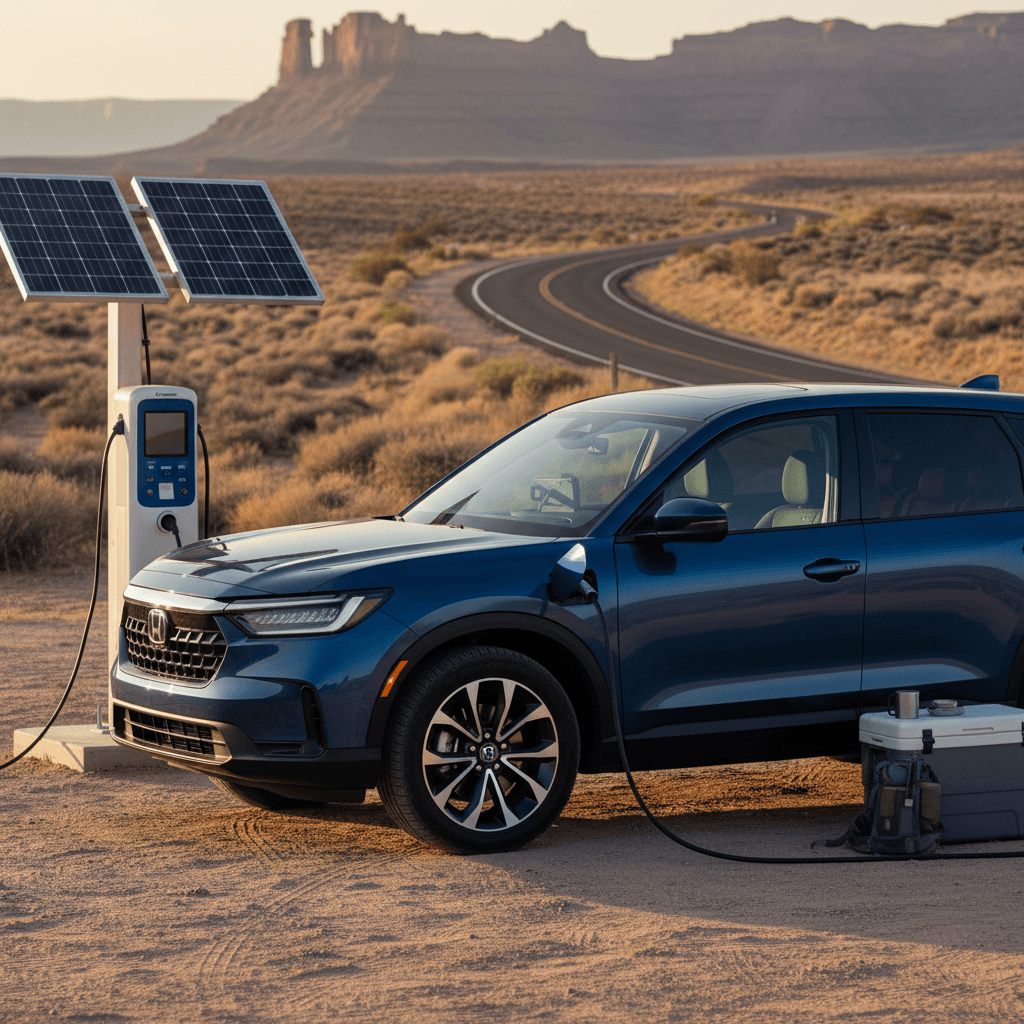
Using Tesla Superchargers with the Prologue
Typical Honda Prologue Road Trip Charging Stops
Approximate charge times under good conditions at a capable DC fast charger.
| Start SOC | Target SOC | Approx. Time | Why You’d Use It |
|---|---|---|---|
| 10% | 60% | ~20–25 min | Quick hop to the next charger, light lunch stop |
| 10% | 80% | ~30–35 min | Standard road trip stop, restroom + snack |
| 20% | 90% | ~35–40 min | Longer stop when kids need a break or you’re having a sit-down meal |
Real-world times will vary based on charger quality, temperature, and how busy the site is.
Plan around 10–60%, not 10–100%
Comfort, Noise, and Long-Haul Fatigue
On genuine all-day drives, the seat design, driving position, and noise levels matter just as much as the range number. The Prologue lands on the comfortable side of the spectrum, though it’s tuned more for relaxed cruising than sporty slicing through corners.
Road Trip Comfort in the Honda Prologue
Seats & Driving Position
The front seats are well-shaped with enough thigh support for taller drivers. Adjustable lumbar is trim-dependent, so if you’re sensitive to back fatigue, target EX or Touring with the right seat package.
Noise & Ride Quality
The Prologue’s ride is tuned more like a traditional Honda crossover than a stiff performance EV. Road and wind noise are well controlled at 70–75 mph, especially on smaller wheels. The big-wheel Elite can feel a bit busier over sharp impacts.
Climate & Comfort Features
Heated seats, dual-zone climate, and a heat pump (where equipped) help keep winter drives comfortable without completely trashing range. Use the seat heaters instead of blasting cabin heat when possible to preserve miles.
One quirk to know
Space, Cargo, and Family Road Trip Duty
The Honda Prologue is sized right in the middle of the hot two-row electric SUV segment, think Hyundai Ioniq 5, Tesla Model Y, or Ford Mustang Mach-E. That makes it a natural fit for small families and couples who pack heavy.
Honda Prologue Space for Road Trips
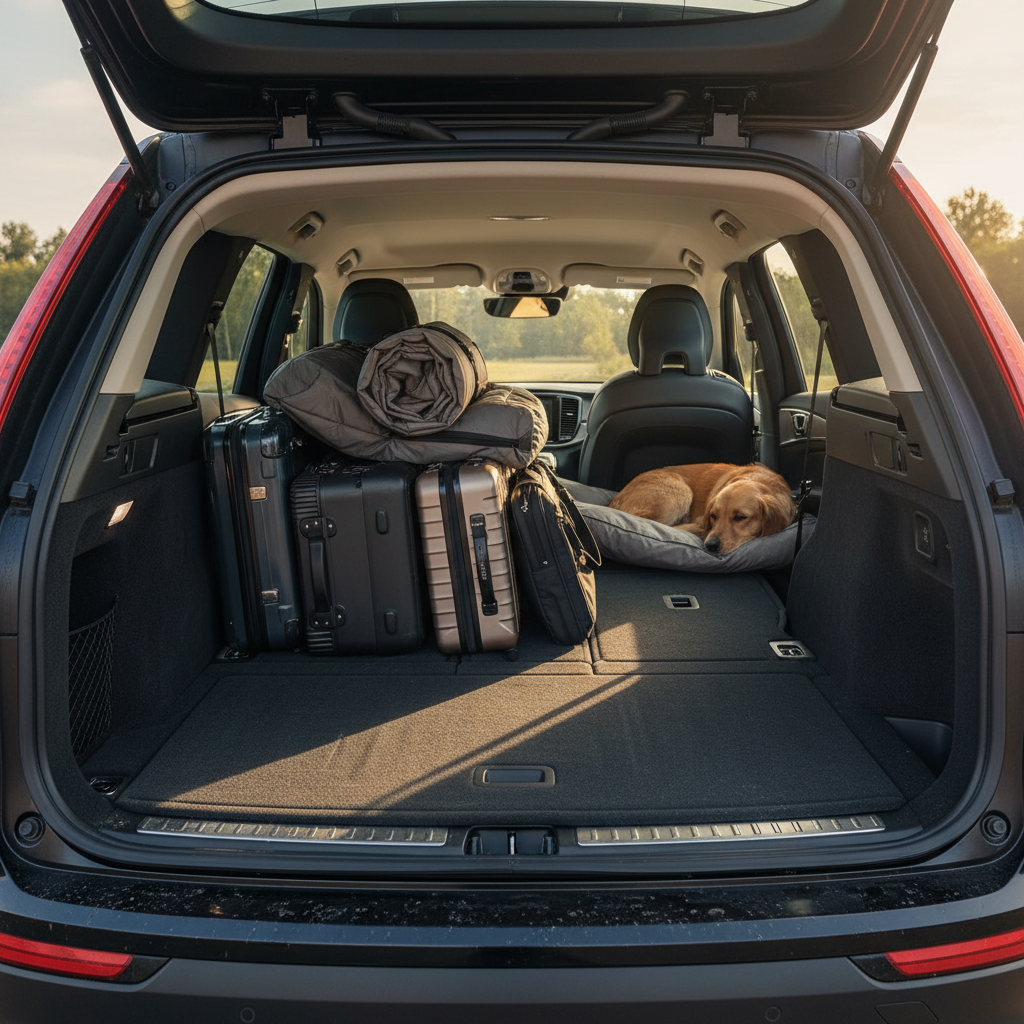
In practical terms, you can fit two large suitcases, a stroller, and several duffel bags behind the second row if you pack smart. The rear seat offers enough legroom that adults won’t dread the third or fourth hour in the back.
Road-tripping with kids
Tech, Driver Assistance, and Navigation
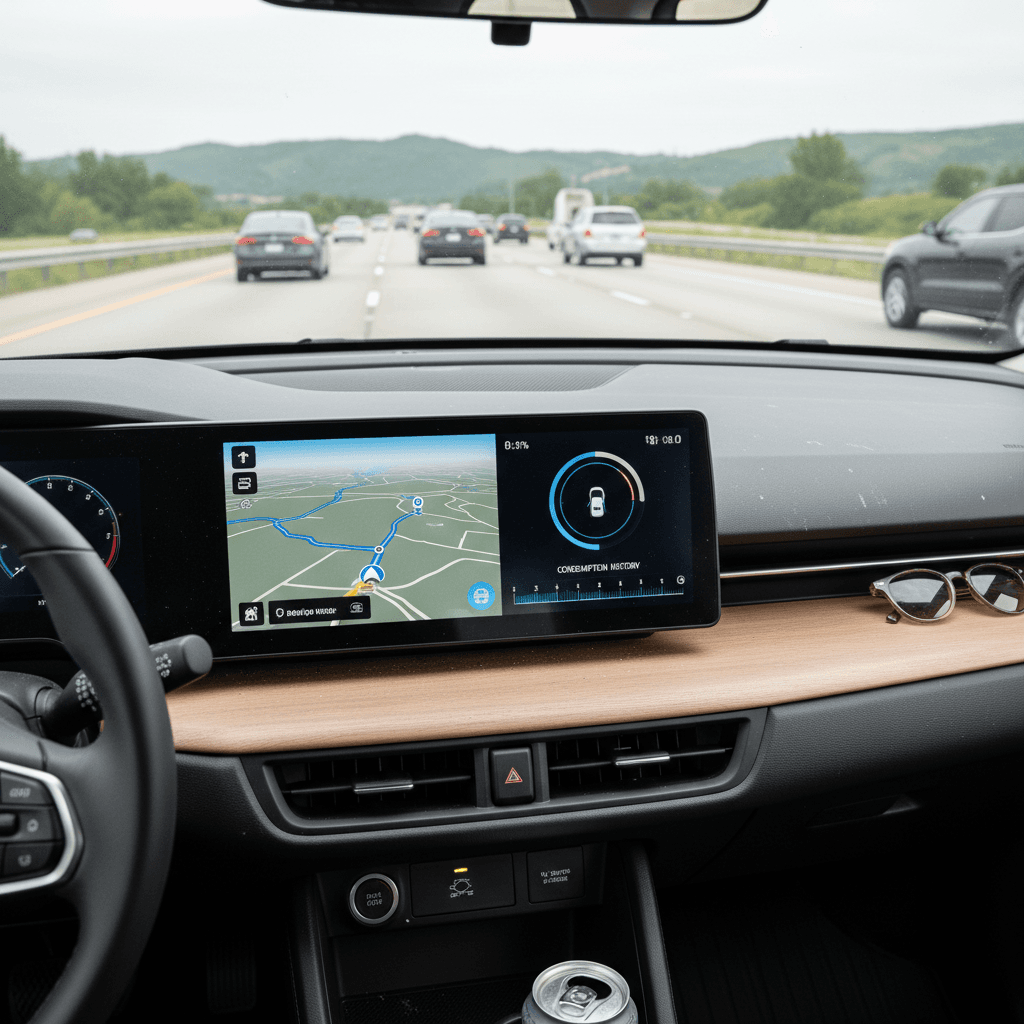
Road trips are where the Prologue’s Google-based infotainment really pays off. Built-in Google Maps with EV routing can factor in your state of charge and help you plan charging stops without juggling multiple apps.
Infotainment & Maps
- Large center touchscreen with Google built-in on most trims.
- EV routing that can surface compatible DC fast chargers along your route.
- Wireless Apple CarPlay and Android Auto where equipped, if you prefer your own apps.
For peace of mind, it’s wise to keep a backup app like PlugShare or A Better Routeplanner on your phone, especially in less-developed charging regions.
Driver Assistance
Adaptive cruise control, lane keeping assistance, and blind-spot monitoring all help reduce fatigue on long days. When tuned well, they let you relax your shoulders without turning you into a passive passenger.
If you find lane centering or braking behavior too aggressive, experiment with sensitivity settings or disable features that bother you. The goal is less fatigue, not more frustration.
Let the car help, but stay engaged
How the Honda Prologue Compares for Road Trips
In a crowded field of electric SUVs, the question isn’t just "Is the Prologue good?" but "Is it better than my other options for road trips?" The honest answer: it’s competitive and easy to live with, but not the outright champ in every category.
Honda Prologue vs. Key Road Trip Rivals
High-level comparison focused on long-distance driving priorities.
| Model | Max EPA Range (approx.) | Peak DC Fast Charge | Highway Comfort Feel | Charging Network Access |
|---|---|---|---|---|
| Honda Prologue | Up to ~308 mi | ~150 kW | Calm, crossover-like | CCS public + Tesla (with adapter) |
| Hyundai Ioniq 5 | Up to ~303 mi | Up to 235 kW (800V) | Comfortable, slightly firmer | CCS public; strong Electrify America coverage |
| Tesla Model Y | Up to ~310 mi | Up to ~250 kW | Firm but controlled | Integrated Supercharger access |
| Ford Mustang Mach-E | Up to ~320 mi | Up to ~150 kW | Varies by trim, more sporty | CCS public + Tesla (with adapter on newer models) |
Exact specs vary by trim and year; this is a generalized road-trip-oriented snapshot.
Where the Prologue shines
Where it trails the best
Real-World Road Trip Tips for Prologue Owners
Honda Prologue Road Trip Prep Checklist
1. Choose the right trim for your driving
If most of your driving is highway and you live in a region with good charging, prioritize <strong>higher-range FWD trims</strong>. Big wheels and extra equipment look great, but they can nibble away at range and ride comfort.
2. Update software and maps before you leave
Make sure your Prologue’s infotainment, navigation data, and driver-assist systems are up to date. Do the same for any third-party charging apps on your phone.
3. Plan your charging around 10–60% SOC
Use EV trip planners or Google Maps EV routing to build a route that keeps you in the fast-charging window. Aim to arrive with 10–20% and leave with 60–70% for efficient stops.
4. Book hotels with Level 2 charging
Overnight Level 2 access is a game-changer. You leave in the morning effectively "full" and can skip the first DC fast charge of the day. Call ahead to verify the chargers work and aren’t just decorative.
5. Pack smart for efficiency and comfort
Avoid roof boxes if you can, they hurt aerodynamics and range. Use the rear cargo area efficiently, keep heavy items low and close to the axle line, and don’t forget charging cables and your Tesla adapter if you have one.
6. Have a Plan B for every charging stop
Before you pull into a charger, know where the <strong>next closest site</strong> is in case of outages or long queues. This is especially important in rural areas or along less-traveled corridors.
Thinking about a used Honda Prologue?
Is the Honda Prologue a Good Road Trip EV?
Taken as a whole, the Honda Prologue is a genuinely capable road trip companion. Its range is competitive, its ride and cabin are tuned for comfort, and its tech is modern without being fussy. DC fast charging speeds are solid, if not class-leading, and Honda’s move to enable Tesla Supercharger access via an adapter dramatically improves long-distance usability across North America.
If your priority is highway comfort and predictable, stress-free travel rather than bragging rights for the fastest 10–80% charge time, the Prologue hits a very appealing sweet spot. Add in Honda’s familiarity, plus the growing supply of used examples, and it’s an EV that can make the jump from weekly commute to cross-country road trip without drama, especially when you buy from a retailer that specializes in EVs and can verify battery health up front.