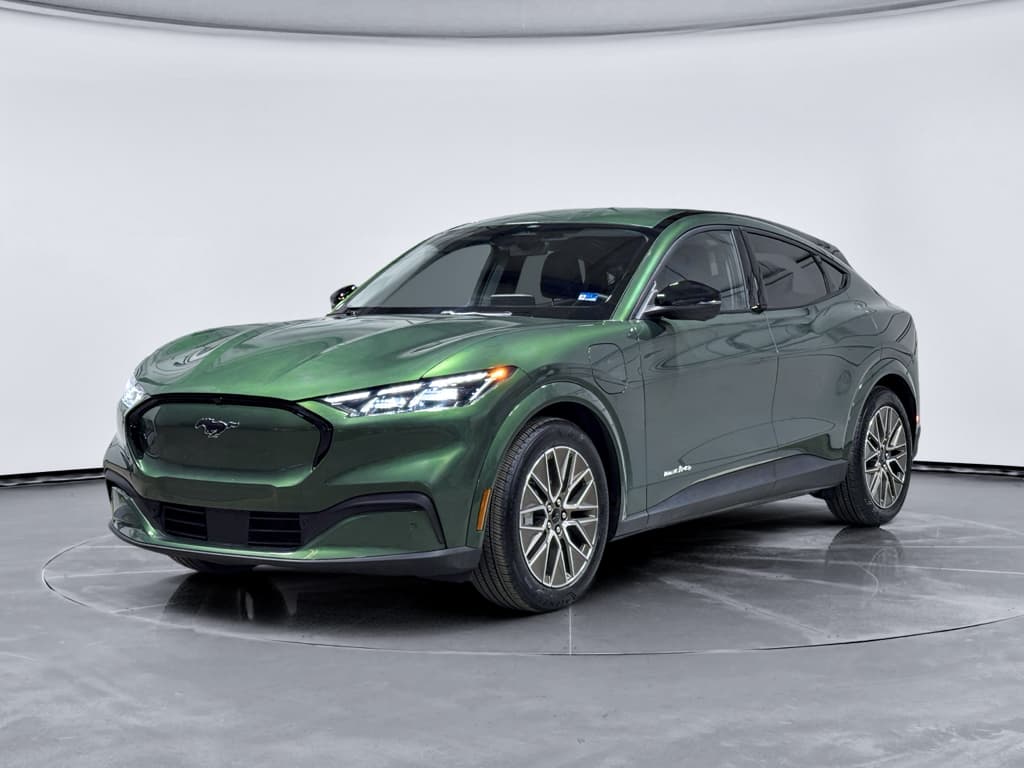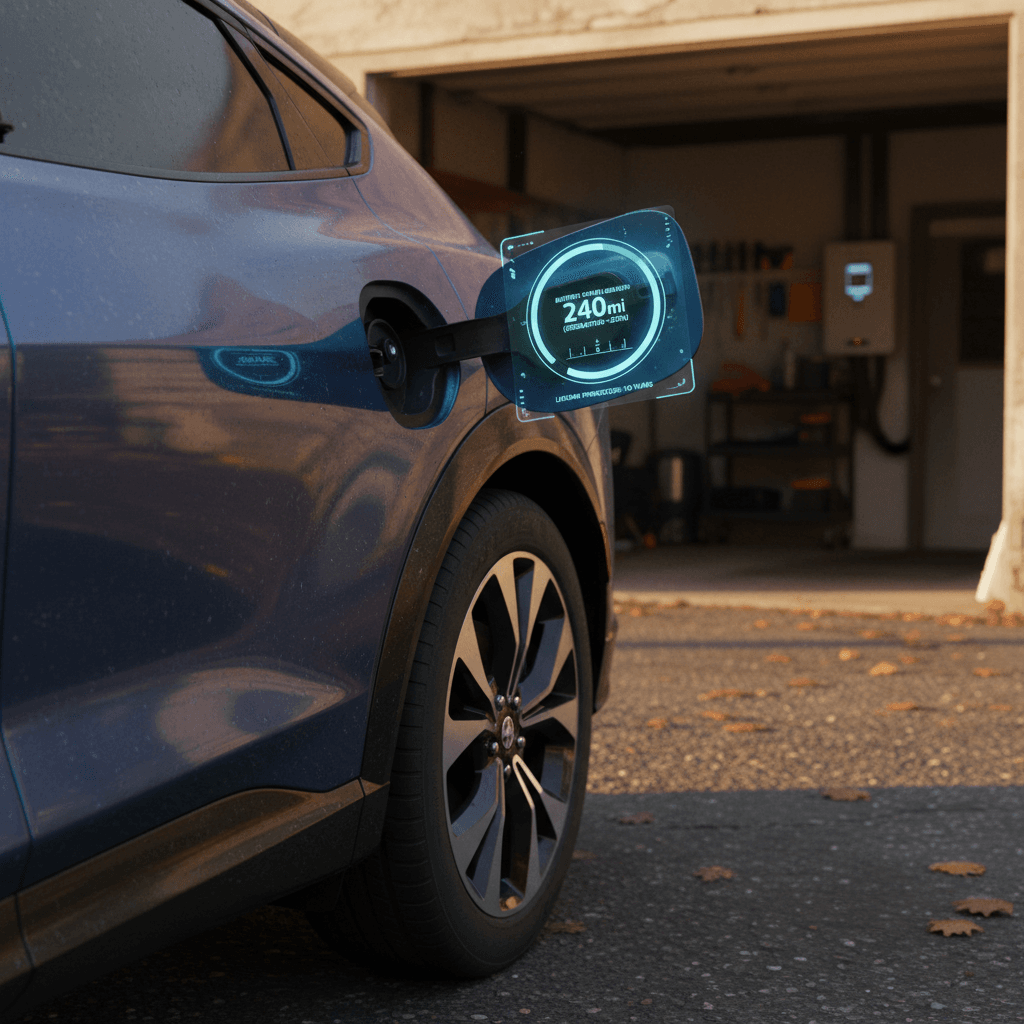
If you’re driving, or shopping for, a Ford Mustang Mach-E, one of your first questions is simple: how long does the Mustang Mach-E battery really last? Between warranties, chemistry changes, and scary replacement-price rumors, it can be hard to separate fact from fear. This guide breaks down Mach-E battery lifespan in plain English, using real-world data and the same lens we use at Recharged when we evaluate used EVs every day.
Quick answer
Ford Mustang Mach-E battery lifespan at a glance
Mustang Mach-E battery life by the numbers
Lab testing on modern lithium-ion EV packs and real‑world Mach-E use both point in the same direction: calendar age and charging behavior matter more than hitting some fixed “mileage limit.” If you’re not fast‑charging all the time and you keep the battery within reasonable state‑of‑charge (SOC) limits, you’re very unlikely to “wear out” a Mach-E pack before the rest of the vehicle feels old.
Mach-E battery sizes, chemistry, and why it matters for lifespan
To understand how long a Ford Mustang Mach-E battery lasts, it helps to know what’s actually under the floor. Across the 2021–2026 model years, Ford has offered the Mach-E with two basic battery sizes and evolving chemistry.
Mustang Mach-E battery options and usable capacity
Battery size and chemistry influence not just range, but also thermal management needs and cycle life potential.
| Model years | Battery name | Usable capacity (approx.) | Chemistry notes | Typical EPA range window* |
|---|---|---|---|---|
| 2021–2023 | Standard Range (SR) | ≈68–70 kWh | Nickel-manganese-cobalt (NMC) | 211–247 miles depending on trim |
| 2021–2024 | Extended Range (ER) | ≈88–91 kWh | Nickel-manganese-cobalt (NMC) | 260–312 miles depending on trim |
| 2024–2026+ (select trims) | Standard Range LFP | ≈72–78 kWh | Lithium iron phosphate (LFP) | Similar or slightly lower than early SR, but with improved charging behavior |
Real‑world usable capacity varies slightly by model year and software version, but these ranges are a useful rule of thumb.
LFP vs NMC in plain English
Regardless of chemistry, Ford designed the Mach-E battery with a built‑in buffer, some energy you can’t access, so the pack never truly hits 0% or 100% at the cell level. That “hidden” buffer is one reason real‑world degradation tends to be gradual and manageable, especially compared with early‑generation EVs.
Warranty: how long Ford stands behind the Mach-E battery
Ford’s warranty gives you a hard floor under the theoretical lifespan. Every new Mustang Mach-E sold in the U.S. includes an 8‑year / 100,000‑mile high‑voltage battery warranty. Within that window, Ford will repair or replace the pack if it fails or if its usable capacity drops beyond what’s considered normal for age and mileage.
- Coverage starts at the vehicle’s in‑service date (when it was first sold or leased).
- Warranty follows the car, not the first owner, important for used Mach-E shoppers.
- Coverage is time‑ or mileage‑limited, whichever comes first.
- Ford’s documentation for recent model years references capacity loss thresholds around 30% as the point where warranty coverage may apply if no abuse is found.
Warranty is not a wear‑item guarantee
If you’re considering a used Mustang Mach-E, check the in‑service date and mileage. A 2022 Mach-E with 35,000 miles on the clock in 2026 could still have several years and tens of thousands of miles of battery coverage left, which is exactly the kind of detail we highlight in the Recharged Score on every Mach-E we list.
Real-world evidence: high‑mileage Mach-E battery life
Warranty tells you what the automaker is willing to back. Real‑world use tells you what actually happens. Here’s what we’re seeing so far from early, high‑mileage Ford Mustang Mach-E owners.
What the real world says about Mach-E battery life
Owner experience is lining up with lab expectations.
Rideshare / fleet use
An early‑build Mach-E used in high‑mileage service has logged well over 300,000 miles while reporting only single‑digit percentage battery degradation and original brake pads still in service thanks to strong regen.
Typical private owners
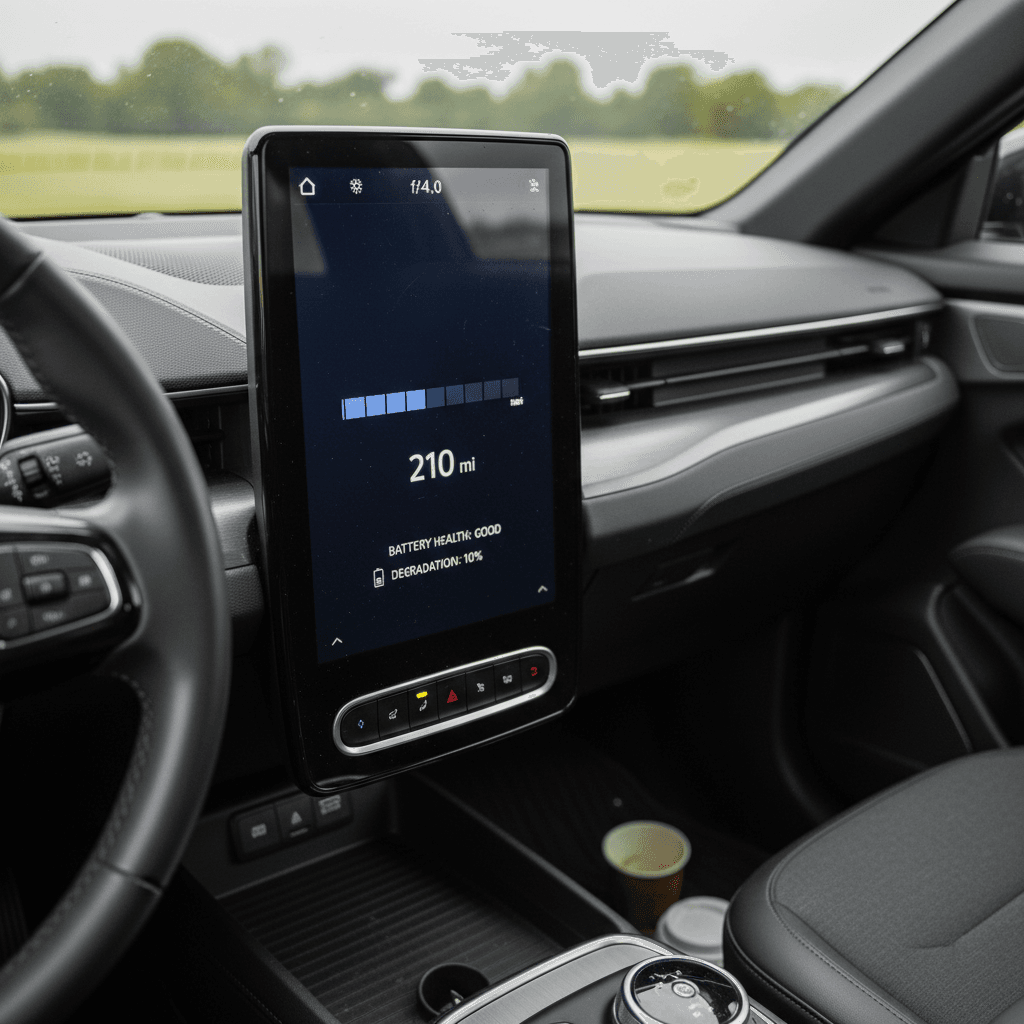
Owners in the 50,000–100,000‑mile range often report 10–15% estimated range loss, which tracks with modern EV expectations and still leaves plenty of usable daily and road‑trip range.
Degradation curve
Most of the loss appears front‑loaded: a noticeable dip in the first few years, then a much gentler slope. That’s consistent with what we see across many EV brands, not just Ford.
Good news for used buyers
What actually affects how long a Mach-E battery lasts
Battery lifespan isn’t a single number baked into the car, it’s the result of how the pack is treated over thousands of charge cycles and years. Here are the factors that matter most for a Ford Mustang Mach-E battery.
1. Charging habits
- DC fast charging frequency: Occasional fast charging is fine; heavy, daily use, especially to 100%, can accelerate wear.
- Home charging strategy: For NMC packs, living mostly between about 20–80% SOC is easier on the cells than camping at 100%.
- Depth of discharge: Running from 100% down to near 0% every time stresses the pack more than smaller swings.
2. Temperature exposure
- Ambient heat: Hot climates and frequent parking in blazing sun add thermal stress, even with liquid cooling.
- Cold weather: Extreme cold reduces temporary range, but doesn’t usually harm the pack; repeated rapid fast‑charging on a very cold pack can be tougher on it.
- Garage vs. street: Parking in a garage moderates temperature swings and is generally beneficial long‑term.
3. Mileage and usage pattern
- Urban stop‑and‑go: Takes advantage of regenerative braking, which is relatively gentle on the battery.
- Highway road‑trips: More constant high power draw and frequent fast‑charging can be harder on the pack, but occasional trips are not a problem.
- Overall miles: The Mach-E pack is designed for many hundreds of full‑charge equivalents, translating to hundreds of thousands of miles when combined with typical daily driving.
4. Software and maintenance
- Over‑the‑air (OTA) updates: Ford has rolled out software tweaks that can improve charging behavior and thermal management over time.
- Regular service: While the pack is sealed, keeping cooling systems and firmware up to date helps the battery stay in its comfort zone.
- Abuse or damage: Deep physical damage or attempting unapproved modifications can shorten life and jeopardize warranty coverage.
When you really can hurt a battery
Seven habits to extend your Mach-E battery lifespan
Practical steps to help your Mach-E battery last longer
1. Use a conservative daily charge limit
If your Mach-E has an NMC pack (most 2021–2024 models), set the charge target around <strong>70–80%</strong> for daily use. Save 100% charges for road‑trips. LFP‑equipped trims are more tolerant of daily higher SOC, but you still don’t need 100% every day.
2. Prefer Level 2 home charging over daily DC fast charging
Fast charging is a great tool, not a lifestyle. When possible, use a 240‑volt Level 2 charger at home or work for routine charging. Reserve DC fast‑charging for trips or special situations.
3. Avoid letting the car sit at 0% or very low SOC
It’s fine to occasionally run the pack low on a trip, but don’t park the car at a near‑empty state for days. Try to plug in sometime after the gauge dips below roughly 10–15%.
4. Park in the shade or a garage when you can
Lower heat exposure means less stress on the cells and cooling system. A simple choice like garage parking in summer can pay dividends over many years of ownership.
5. Keep software up to date
Don’t ignore update prompts. Ford uses over‑the‑air updates to refine thermal management, charging curves, and range estimation, all of which quietly support the pack’s long‑term health.
6. Warm the pack before hard use in deep cold
In very cold weather, give the car time to precondition its battery before a DC fast‑charge or hard highway pulling. The Mach-E can use cabin pre‑conditioning to help bring the pack into its happy temperature window.
7. Monitor battery health trends, not just one snapshot
Use the in‑car range estimates plus consistent trip data to watch for changes over time. If you’re buying used, ask for a recent battery health report, at Recharged, this is built into every Mach-E’s Recharged Score.
Battery replacement: cost, timing, and is it likely?
When people ask about Ford Mustang Mach-E battery lifespan, they’re often really asking: “Will I get stuck with a five‑figure battery bill?” Here’s how to think about replacement risk and cost.
Understanding Mach-E battery replacement risk
Why most owners will move on before the battery does.
Estimated replacement cost
Ford doesn’t publish a simple retail price for a brand‑new pack, but high‑voltage battery replacements on modern EVs often land in the low five‑figure range if performed out of warranty. Used or remanufactured packs can cost less.
Vehicle life vs. pack life
Most Mach-E owners will change vehicles for other reasons, newer tech, interior wear, evolving needs, long before the battery becomes unusable. Think of the pack more like an engine designed for the long haul.
Resale value and degradation
Moderate, well‑documented degradation (for example, 10–15% at 80,000 miles) is normal and baked into market pricing. The hit comes when a pack is clearly unhealthy or unverified.
How Recharged treats battery health on used Mach-E listings
Used Mustang Mach-E buyers: battery health checklist
If you’re shopping the used market, you care less about theoretical chemistry and more about whether this specific car’s pack is healthy. Use this checklist to vet a used Mach-E, whether it’s on a dealer lot or an online marketplace.
Must‑do battery checks for a used Mach-E
Confirm remaining factory battery warranty
Ask for the in‑service date and current mileage, then compare to Ford’s <strong>8‑year / 100,000‑mile</strong> battery coverage. A 2021 Mach-E first sold in mid‑2021, for example, is covered until roughly mid‑2029 or 100,000 miles, whichever comes first.
Ask for a recent battery health or range report
Ideally you’ll see a <strong>third‑party diagnostic or detailed range test</strong>. On Recharged, this is part of the Recharged Score; elsewhere, you may need to request documentation or arrange an inspection.
Compare indicated range to factory expectations
Charge the car to a known SOC (for example, 80%) and compare the estimated range to EPA ratings for that trim. Remember that temperature, driving profile, tires, and wind all influence the number, but a huge gap may be worth investigating.
Review charging history and usage pattern
Ask how the car was charged: primarily home Level 2, or heavy DC fast‑charging? A highway‑road‑tripper that fast‑charges constantly might show slightly more wear than a commuter that charges gently overnight.
Look for battery warnings or reduced‑power messages
Scan for any <strong>instrument‑cluster warnings</strong>, turtle‑mode incidents, or past service records mentioning high‑voltage faults. These can indicate pack‑level or cooling‑system issues that deserve deeper review.
Have a plan if degradation surprises you later
Even healthy packs age. Buying with a <strong>discounted, health‑adjusted price</strong> (instead of assuming a perfect pack) and understanding Ford’s warranty status helps you avoid unwelcome surprises later.
FAQ: Ford Mustang Mach-E battery lifespan
Common questions about Mach-E battery life
Bottom line: how long will a Mustang Mach-E battery last?
Put simply, the Ford Mustang Mach-E battery lifespan is measured in decades and hundreds of thousands of miles, not in a few short years. Ford’s 8‑year / 100,000‑mile warranty sets a strong baseline, and the emerging crop of high‑mileage Mach-Es with minimal degradation shows that the pack is built for the long haul when used reasonably.
If you already own a Mach-E, a few simple habits, sensible charging limits, moderate use of fast‑charging, and avoiding extreme heat at a full charge, will help you preserve range for the long term. If you’re shopping for a used Mustang Mach-E, focus less on the odometer and more on verified battery health data, remaining warranty, and how the car was actually used.
At Recharged, every Mach-E we list comes with a Recharged Score battery health report, transparent pricing that reflects real‑world pack condition, and EV‑savvy guidance from first click through delivery. That way, you can enjoy the performance and practicality of a Mustang Mach-E, confident that the battery under your feet is ready for the next chapter of its life.