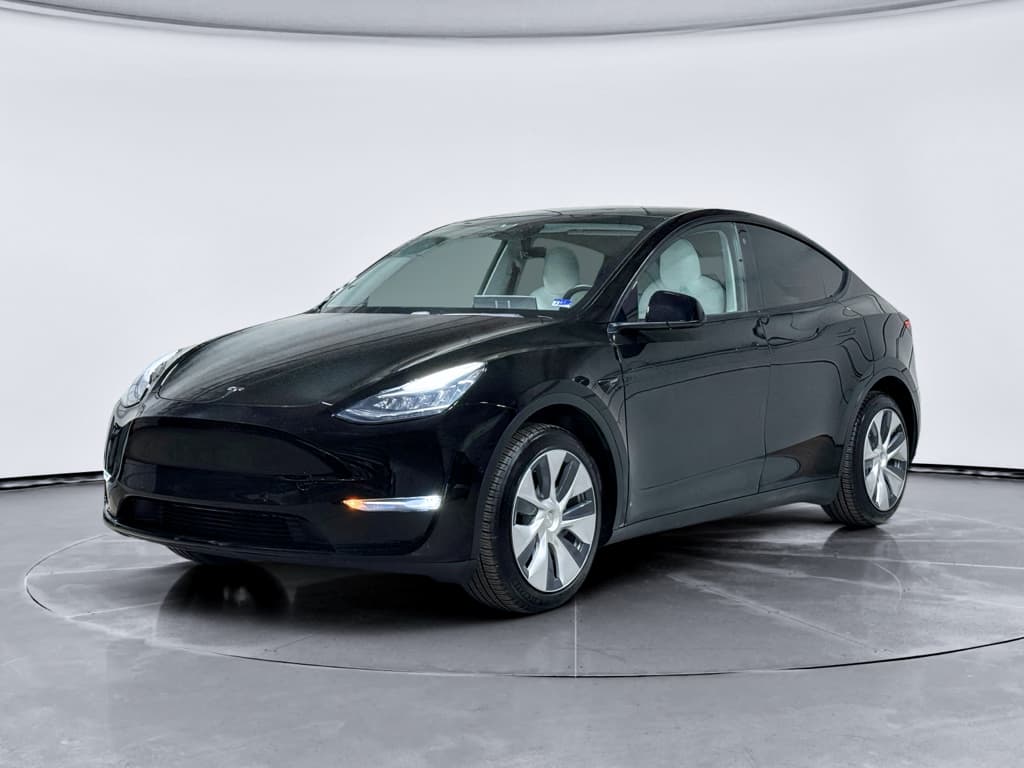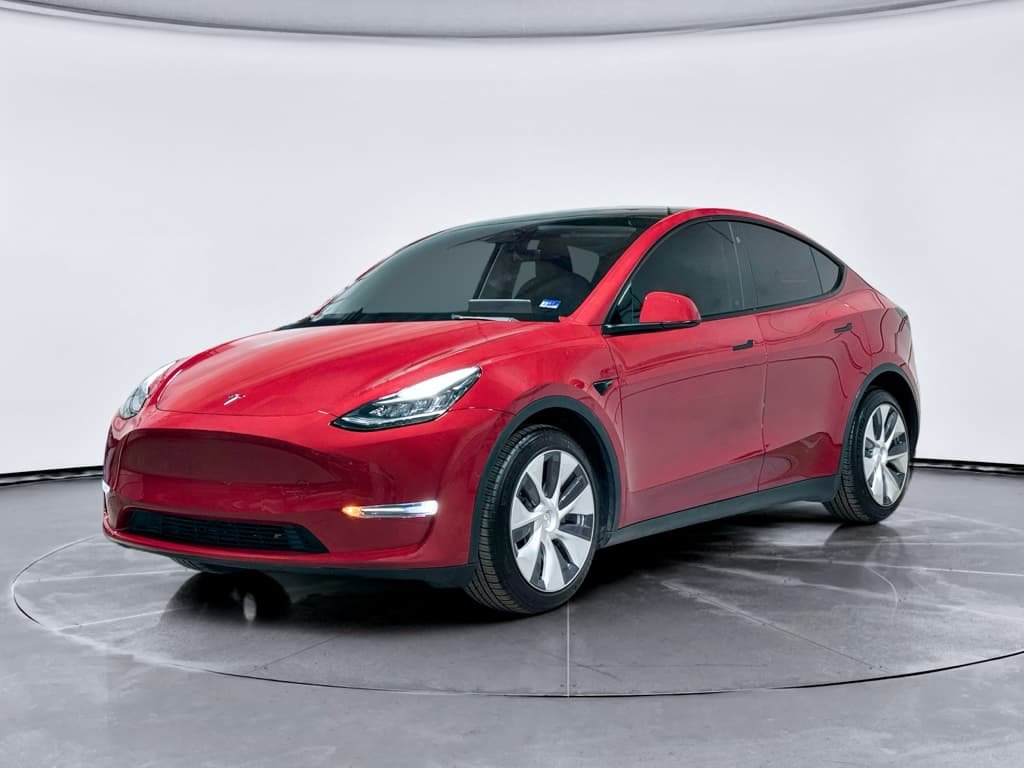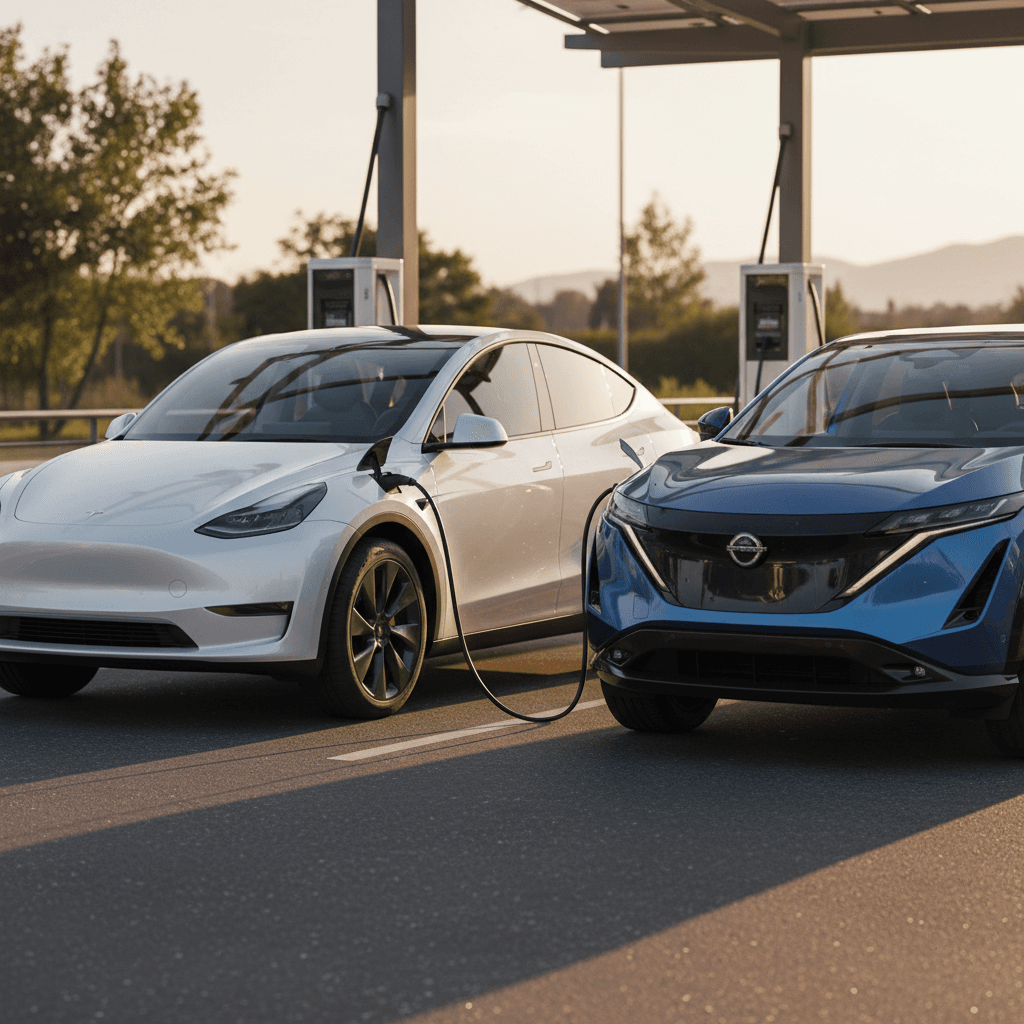
If you’re cross‑shopping the Tesla Model Y vs Nissan Ariya and wondering which is better, you’re not alone. Both are all‑electric compact SUVs with real family practicality, modern tech, and enough range for everyday use. But they don’t feel like the same kind of car, and depending on how you drive, one will almost certainly suit you better.
Snapshot: two very different takes on an electric SUV
Tesla Model Y vs Nissan Ariya: the short answer
When the Tesla Model Y is better
- You road‑trip often and want the best DC fast‑charging experience, including access to Tesla’s Supercharger network.
- You care most about range, efficiency, and charging convenience.
- You want the strongest resale value and the biggest used‑market selection.
- You’re comfortable with a minimalist interior and touchscreen‑heavy controls.
When the Nissan Ariya is better
- You prioritize a quiet, upscale interior that feels more like a luxury SUV.
- You mostly drive locally and don’t live on DC fast chargers.
- You prefer physical buttons and a more traditional infotainment layout.
- You’re value‑hunting: used Ariyas are typically priced lower than comparable Model Ys.
Recharged’s high‑level take
Quick specs: Tesla Model Y vs Nissan Ariya
Core specs comparison (typical U.S. trims, 2024–2025)
Exact numbers vary by trim and wheel size, but this snapshot shows how the Model Y and Ariya stack up where it counts.
| 2024–2025 Tesla Model Y | 2024–2025 Nissan Ariya | |
|---|---|---|
| Body type | 2‑row compact electric SUV | 2‑row compact electric SUV |
| Drivetrain options | RWD or dual‑motor AWD | FWD or dual‑motor e‑4ORCE AWD |
| Usable battery (approx.) | ~60–80 kWh depending on trim | ~63–87 kWh depending on trim |
| EPA range window | ~260–330 miles | ~205–304 miles |
| 0–60 mph (typical trims) | ~6.0 sec (RWD) to 3.5 sec (Performance) | ~7+ sec FWD, ~4.8–5.1 sec e‑4ORCE |
| Max DC fast‑charge rate | Up to ~250 kW on V3 Supercharger | Up to ~130–150 kW depending on trim |
| Onboard AC charger | 11.5 kW (48A) | Up to 7.2–7.4 kW |
| Cargo volume (behind 2nd row, approx.) | ~30 cu ft (seats up), 70+ cu ft (seats down) plus large front trunk | ~23–27 cu ft (seats up), mid‑50s cu ft (seats down), no frunk |
| 3rd‑row option | Available on some Model Y trims (tight but usable for kids) | Not available |
| U.S. safety scores | NHTSA 5‑Star overall; IIHS Top Safety Pick+ | NHTSA 5‑Star overall; IIHS Top Safety Pick |
Approximate specifications for popular trims; always verify exact numbers for the specific vehicle you’re considering.
Price and value: new and used
Price reality check
Sticker price is only part of the story, depreciation and demand matter just as much, especially if you’re shopping used.
New‑car pricing (2025)
- Tesla Model Y: New U.S. pricing has seesawed, but most trims land in the low‑to‑mid $40Ks to low $50Ks before incentives, depending on motor count and options.
- Nissan Ariya: 2025 models start around low $40Ks and run into the mid‑$50Ks for top e‑4ORCE trims.
- Both may qualify for state or local EV incentives depending on where you live and whether you buy new or used.
Used‑market reality
- Model Y is one of the most popular EVs on the road, so used supply is deep, but demand is too, which props up resale values.
- Ariya sales volumes are much smaller, and Nissan is ending U.S. sales after 2025. That has translated into aggressive pricing and steeper depreciation on the used market.
- If you’re value‑focused and plan to keep the car a long time, a used Ariya can often be had for noticeably less than a similar‑mileage Model Y.
How Recharged can help on value
Range, efficiency, and charging
Range and charging at a glance
- Range: In most comparable trims, the Model Y will travel farther on a charge than an Ariya, and it tends to be more efficient (fewer kWh per mile). That shows up in day‑to‑day electricity costs if you drive a lot.
- Home charging: Both work very well with a 240‑volt Level 2 charger. The Y’s stronger onboard AC charger (up to 11.5 kW) means it can take fuller advantage of high‑amp home hardware, but overnight charging is easy in either.
- Road‑trip charging: This is where Tesla simply wins. Access to the Supercharger network, thousands of reliable DC fast chargers with consistent hardware and pricing, turns long drives into a non‑event. The Ariya uses CCS fast charging, which works, but the network is patchier and hardware quality varies by operator.
- Future connector changes: Many non‑Tesla brands are moving from CCS to Tesla’s NACS plug over the next few years. Ariya is on the older side of that change, so you’ll likely rely on CCS stations (or adapters) for the life of the vehicle. The Model Y is already native to NACS.
Don’t just look at the EPA range label
Performance and driving feel
Tesla Model Y: eager and efficient
- Even the rear‑wheel‑drive Model Y feels quick; dual‑motor trims are flat‑out fast.
- Low center of gravity gives you good confidence on back roads, though the ride can feel firm or busy on rough pavement.
- Steering is light and direct, more like a tech product than a traditional SUV.
- Strong, natural‑feeling one‑pedal driving once you’re used to it.
Nissan Ariya: calm and composed
- Single‑motor FWD Ariya is tuned more for smoothness than speed; dual‑motor e‑4ORCE trims add real punch.
- Ride quality is noticeably softer and quieter than the Y, especially on coarse pavement.
- Steering and braking feel familiar if you’re coming from a gas crossover.
- Nissan’s e‑4ORCE torque‑vectoring AWD helps the Ariya feel secure and planted in bad weather.
Which one is more fun?
Interior space, comfort, and design
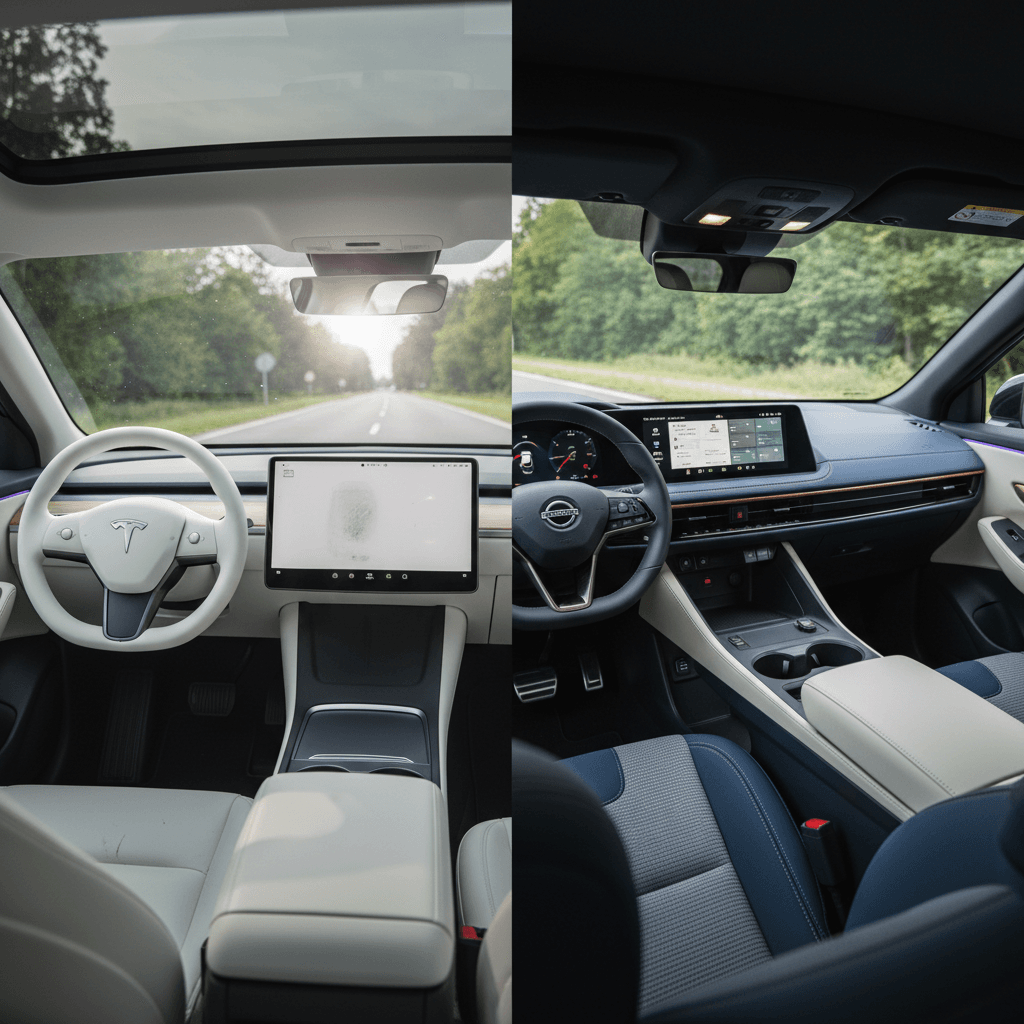
Step inside these two and you can see their philosophies at a glance. The Model Y interior is minimalist and tech‑first: a big center touchscreen, almost no buttons, and a clean, airy glass‑roof cabin. The Ariya feels more like a cozy lounge, with warm materials, ambient lighting, and more traditional controls. Both will handle kids, dogs, and Costco runs, but they’ll make you feel very different while they do it.
Cabin and cargo comparison
Practical space vs pampering, here’s how each SUV treats you and your passengers.
Space & seating
- Model Y: Excellent rear legroom and headroom, plus an optional (tight) 3rd row for kids. Big frunk and deep rear well make it feel roomier than specs suggest.
- Ariya: Comfortable 2‑row layout with supportive seats and generous front space. Rear space is good, but cargo area and flexibility lag the Y slightly.
Comfort & noise
- Model Y: Seats have improved over time but still feel a bit firm to some. Cabin noise is OK but not segment‑leading, especially on coarse highways.
- Ariya: One of the quieter cabins in the EV SUV class with cushier seats and a more relaxed ride. Feels more premium than its badge suggests.
Design & materials
- Model Y: Clean design, but materials and trim are intentionally simple to keep costs down. Think Scandinavian‑inspired tech product.
- Ariya: More textures, ambient lighting, and design flourishes. Feels closer to an entry‑luxury SUV inside than a mainstream Nissan.
Try your daily ergonomics test
Tech, infotainment, and driver assistance
Tesla Model Y tech highlights
- Massive central touchscreen runs everything from navigation to wipers. The UI is fast, modern, and updated frequently over the air.
- Native navigation tightly integrated with Supercharger routing and battery pre‑conditioning, fantastic for road trips.
- Autopilot and optional enhanced features offer lane‑centering, adaptive cruise, and more advanced driving aids.
- But: No Apple CarPlay or Android Auto; you live entirely inside Tesla’s ecosystem.
Nissan Ariya tech highlights
- Dual‑screen setup with a mix of touch and physical controls for climate and key functions.
- Supports Apple CarPlay and Android Auto, which many drivers prefer for maps and media.
- ProPILOT Assist offers competent lane‑centering and adaptive cruise; newer trims add hands‑on‑wheel highway assist features on limited roads.
- Interface is more familiar if you’re coming from a traditional crossover, but not as slick or unified as Tesla’s.
Think about your phone life
Safety ratings and features
Safety is a genuine strength for both of these SUVs. They’ve each earned 5‑Star overall ratings from NHTSA, and in independent testing the Tesla Model Y has landed an IIHS Top Safety Pick+ while the Ariya has been named a Top Safety Pick in its class. Both come standard with the modern safety suite you’d expect: automatic emergency braking, lane‑keeping assistance, and plenty of airbags.
- Tesla Model Y: Historically performs extremely well in crash tests, with a very low rollover risk thanks to the battery’s low center of gravity. Active safety features are tightly integrated with the Autopilot hardware suite.
- Nissan Ariya: Solid crash‑test performance and a full suite of driver‑assist features. Its e‑4ORCE all‑wheel‑drive system also pays dividends in bad‑weather stability and confidence.
- Real‑world confidence: In either SUV, you’re driving one of the safest vehicles on the road. The bigger day‑to‑day safety question is how comfortable you are with advanced driver assistance systems and how you use them.
A word on driver‑assist features
Ownership costs, reliability, and resale
Electric SUVs all save you money on fuel and routine maintenance versus a gas counterpart. The real separation between the Model Y and Ariya comes from depreciation, brand momentum, and long‑term support.
Long‑term ownership picture
What it’s like to live with each vehicle over 5–10 years, financially and practically.
Depreciation & resale
- Model Y: One of the best‑selling EVs globally. That demand has helped it hold value better than many rivals, even as new‑car pricing has yo‑yoed.
- Ariya: A slower seller, and Nissan has already announced U.S. sales will end after 2025. That uncertainty has pushed used prices down, which is good for buyers but not for long‑term resale.
Reliability & support
- Both benefit from relatively simple EV powertrains and fewer wear items than gas SUVs.
- Tesla: Has a large EV‑only service network and lots of experience managing battery‑related issues, though some owners report inconsistent service experiences.
- Nissan: Massive national dealer network and deep experience with EVs from the Leaf era, but Ariya‑specific expertise will depend on your local dealer.
Use battery health as your North Star
Which one fits you? Buyer profiles
Pick the description that sounds most like you
The road‑trip family
You drive several long trips a year and want stress‑free charging on unfamiliar routes.
You’re thinking about a 3rd row for kids or car‑pool duty.
You’re comfortable learning a new interface if it makes trips easier.
<strong>Best fit:</strong> Tesla Model Y, ideally a dual‑motor long‑range trim. The Supercharger network and optional 3rd row make it the go‑to family EV SUV.
The comfort‑first commuter
Most of your miles are suburban commuting, errands, and kids’ activities within a 30–50‑mile radius.
You care a lot about seat comfort, noise, and a relaxing ride.
You love Apple CarPlay or Android Auto and want to keep using them.
<strong>Best fit:</strong> Nissan Ariya, especially an e‑4ORCE trim if you live where it snows. Look for a strong deal in the used market.
The value hunter
You’re shopping used and want the most EV for the least money.
You plan to keep the car 5–8 years and aren’t chasing the latest badge.
You’re open to either brand if the numbers make sense.
<strong>Best fit:</strong> Either, depending on the specific car. A clean, low‑mileage Ariya can be a bargain; a slightly older Model Y with excellent battery health may still be worth the premium. Rely on the <strong>Recharged Score</strong> to compare real‑world condition.
The tech‑forward early adopter
You love software updates, slick UI, and being in the thick of the EV evolution.
You care about charging innovation and connector standards.
You’re okay with a firm ride in exchange for performance and efficiency.
<strong>Best fit:</strong> Tesla Model Y. Its software cadence and charging ecosystem still set the pace in this pair.
FAQ: Tesla Model Y vs Nissan Ariya
Frequently asked questions
Bottom line: how to choose with confidence
Final 6‑step checklist before you decide
1. Be honest about your driving pattern
Add up your weekly miles and how often you truly road‑trip. If long‑distance travel is a big part of your life, the Model Y’s range and Supercharger access are probably worth the premium.
2. Sit in both, not just drive both
Cabins are where you live. Spend time adjusting seats, using the screens, and imagining your daily routines. If you feel at home in the Ariya’s cosier interior, that matters as much as a spec sheet.
3. Look beyond the window sticker
Run the numbers on total cost of ownership: purchase price, estimated depreciation, electricity, insurance, and financing. A cheaper Ariya today may or may not pencil out better than a pricier Model Y with stronger resale.
4. Check real battery health on any used EV
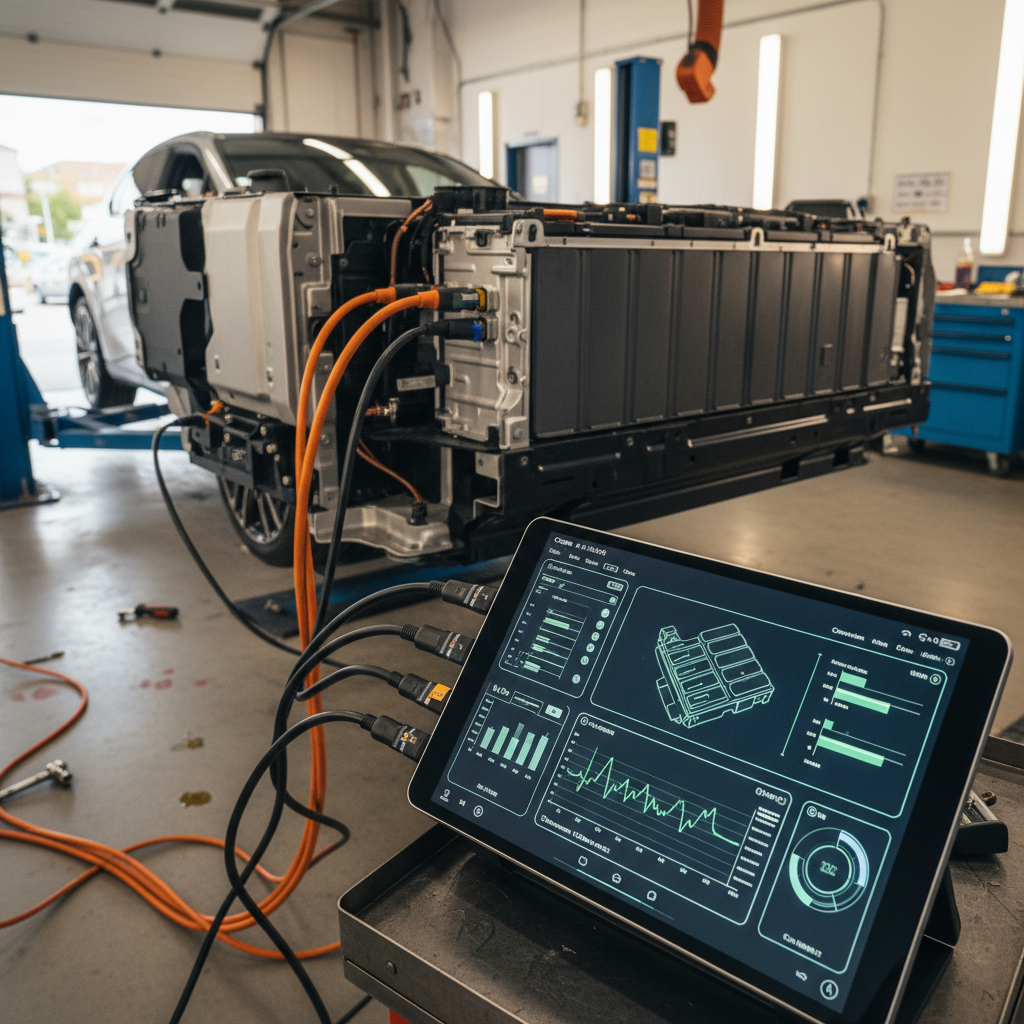
Don’t rely on mileage alone. Use independent diagnostics, like the <strong>Recharged Score battery‑health test</strong>, to compare how much usable capacity each pack still has.
5. Think about support where you live
Look at nearby Tesla service centers and Nissan EV‑savvy dealers, plus local DC fast‑charging infrastructure. The best SUV on paper won’t feel great if the nearest competent service is three hours away.
6. Take advantage of expert help
If you’re torn between a specific used Model Y and a specific Ariya, talk to an <strong>EV specialist</strong>. At Recharged, our team spends all day looking at battery reports, pricing data, and real‑world customer stories, and they can help you pick the one that actually fits your life.
So, Tesla Model Y vs Nissan Ariya, which is better? For sheer capability, charging convenience, and long‑term confidence, the Model Y still takes the win. But that doesn’t make the Ariya a consolation prize. If you value comfort, quiet, and a high‑quality cabin, and you find a strong deal in the used market with a healthy battery, it can be the more satisfying partner for the way you actually drive. The key is to shop specific cars, not just badges. That’s where tools like Recharged’s Score Report, transparent pricing, and EV‑specialist guidance turn a tough either/or question into a confident yes.