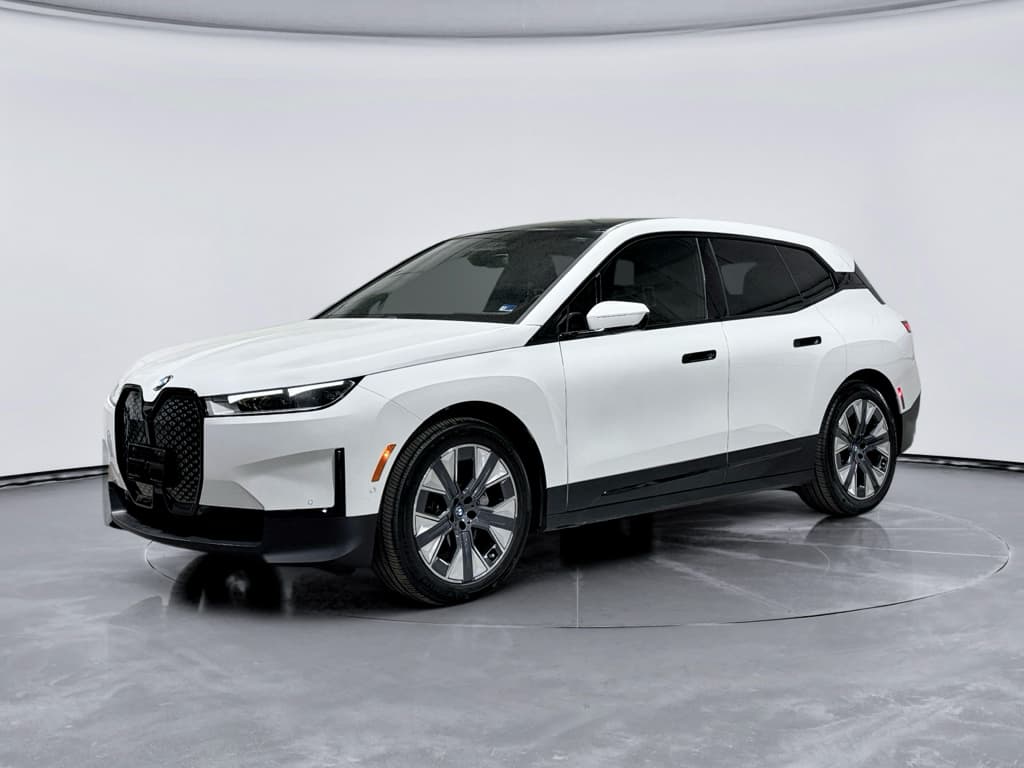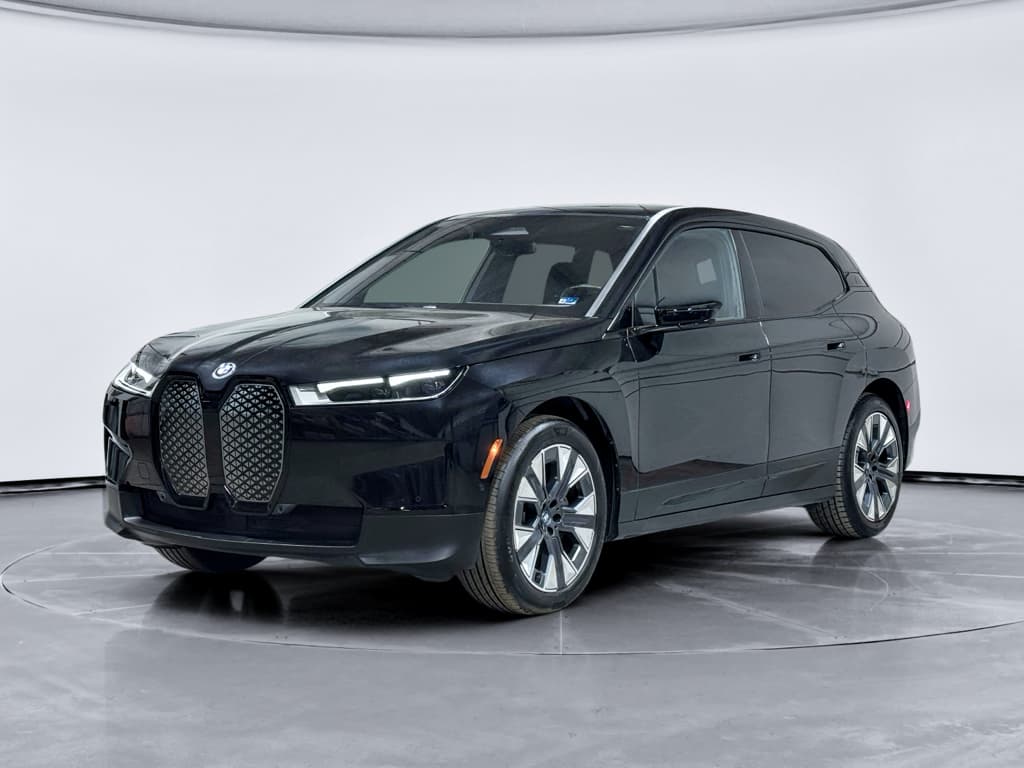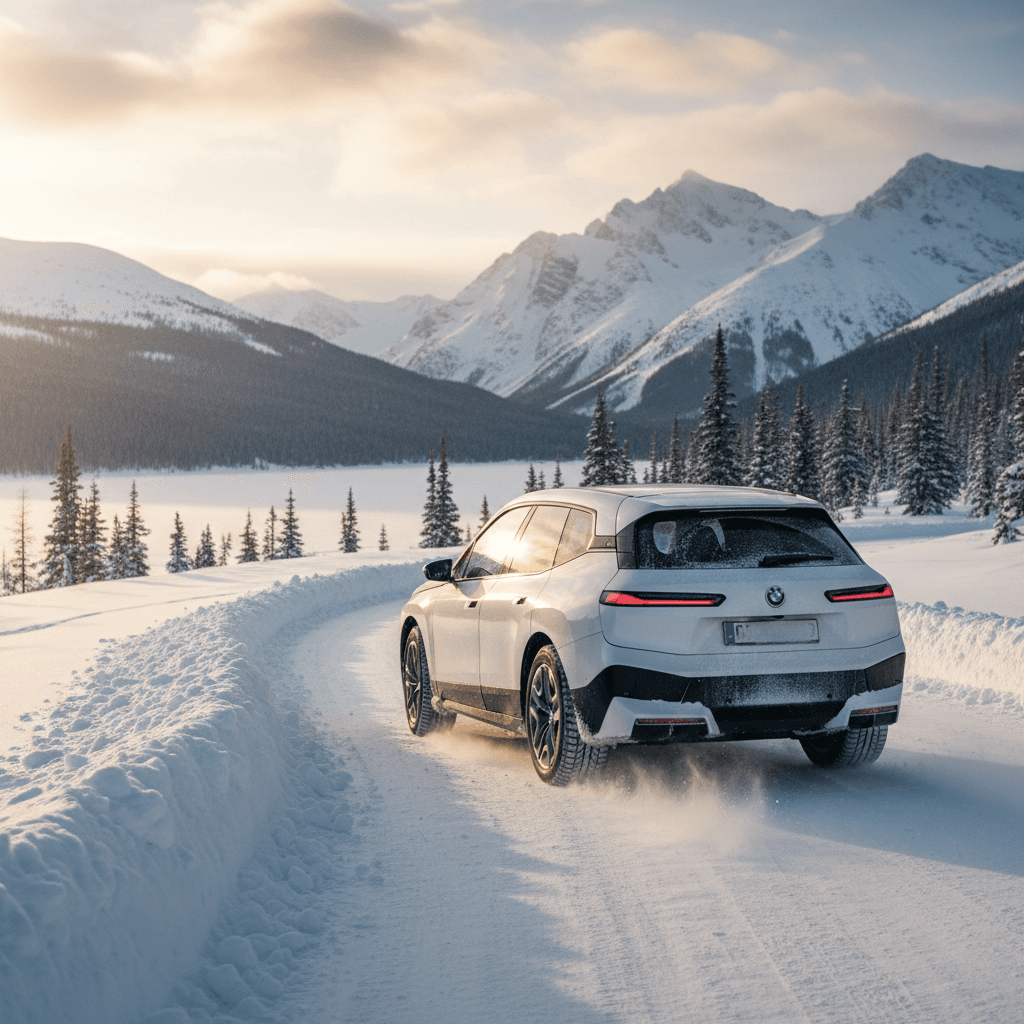
If you live where roads turn white for months, you’re probably wondering whether the BMW iX is actually good in snow and ice, and whether it’s the right electric SUV to trust when the plows are late and the thermometer is in the teens. The short answer: the iX can be an excellent winter daily, but only if you set it up correctly and understand its cold‑weather tradeoffs.
In a Hurry? The 30‑Second Answer
BMW iX in Snow & Ice: Quick Overview
BMW iX Winter Hardware Snapshot
Every BMW iX sold in the U.S. uses xDrive dual‑motor all‑wheel drive, with one motor on each axle and fast electronic torque management. Curb weight lands around 5,650 pounds, and ground clearance is roughly 8 inches, depending on wheel and tire package. That combination, plus advanced traction and stability systems, gives the iX the raw ingredients to be a solid snow and ice performer, provided the tires are up to the job and you manage winter range realistically.
Why the BMW iX Can Shine in Winter
Key BMW iX Advantages in Snow and Ice
These features help the iX feel planted and predictable when the weather turns ugly.
Instant, Precise Torque Control
Sophisticated Stability Systems
Quiet, Comfortable Cabin
Owners in cold‑weather markets routinely report that the iX feels sure‑footed on plowed but slick roads. The long wheelbase and low battery placement keep the center of gravity down, so the SUV tends to feel stable and composed in sweeping, snowy turns instead of tippy. Compared with a traditional BMW X5 or X7, the iX leans more toward calm, planted luxury than playful oversteer, which many winter commuters actually prefer.
When the iX Feels at Its Best
Where the BMW iX Struggles in Snow and Ice
- Deep, unplowed snow: Around 8 inches of ground clearance sounds good, but heavy curb weight means the iX can start to plow and get stuck sooner than a lighter SUV with more aggressive tires.
- Polished ice: No all‑wheel drive system can cheat physics. On glaze ice or packed snow at intersections, the iX is only as good as its tires.
- Cold‑soaked battery: If the car sits outside unplugged in single‑digit temperatures, you’ll see worse efficiency and slower DC fast‑charging speeds until the pack warms up.
- Summer tires in winter: Some trims ship with performance‑oriented rubber; those are borderline unusable on snow or ice and should be swapped before the first storm.
Don’t Let the Weight Fool You
Ground Clearance, Weight and Stability on Slick Roads
Ground Clearance: About 8 Inches
The BMW iX rides with roughly 8 inches of ground clearance, depending on wheels and equipment. That’s comparable to many midsize luxury SUVs and better than some low‑slung EV crossovers. It’s enough for rutted snowbanks at the end of your driveway and typical plow ridges, but you’ll still want to slow down when the snow depth climbs past the lower edge of the bumper.
Weight and Center of Gravity
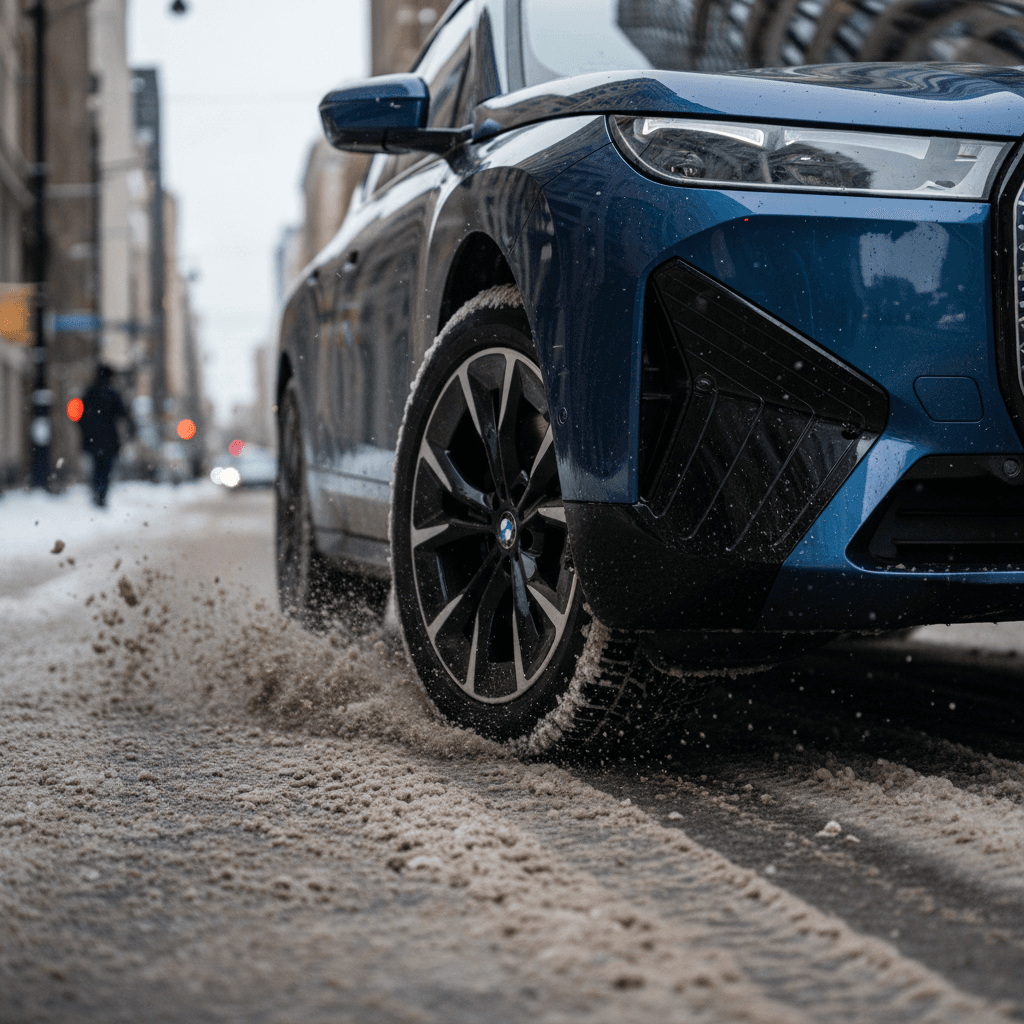
With curb weight around 5,600–5,700 pounds, the iX is no lightweight. The upside is a very low center of gravity thanks to the under‑floor battery, which helps keep body motions in check on slippery roads. The downside is longer braking distances and more momentum to manage if you get into deep, heavy snow or slushy ruts.
How to Drive It in Deep Snow
The Biggest Factor: Winter Tires vs All-Seasons
Ask any BMW iX owner who drives through real winters: tires are the single biggest factor in whether this SUV feels “OK,” “great,” or “terrifying” in snow and ice. The stock tire setup varies by trim and market. Some U.S. iX models ship with all‑season Goodyear or Michelin rubber; others wear performance‑oriented tires that are excellent on dry pavement but awful on snow.
Tire Choices for a BMW iX Winter
Match your rubber to your climate, not to the brochure photos.
Dedicated Winter Tires
All-Weather / 3PMSF Tires
Standard All-Seasons or Summer Tires
Critical Safety Note
Using xDrive, Drive Modes and Regen for Grip
The iX’s software gives you several tools to help in winter: drive modes that change throttle response, adjustable regeneration, and traction/stability programming tuned for low‑grip surfaces. Learning how these interact will make the SUV feel calmer and more predictable on snow and ice.
Recommended BMW iX Settings for Winter Conditions
Use this as a starting point; always adjust to your own comfort level and local roads.
| Condition | Drive Mode | Regen Level | Notes |
|---|---|---|---|
| Light snow / wet roads | Comfort or Efficient | Adaptive or Medium | Balanced response with smooth torque and natural coasting feel. |
| Packed snow in town | Efficient | Low to Medium | Reduces sudden decel that can unsettle the car mid‑corner. |
| Steep, slick hills | Efficient or Eco Pro | Low | Minimize regen to avoid rear‑axle lockup feel; let friction brakes and ABS work. |
| Icy parking lots | Efficient | Low | Gentle throttle, steering and braking matter more than settings, go slow. |
Settings are generalized; verify specifics in your owner’s manual and iDrive menus.
ABS, Stability Control and Regen
Cold-Weather Range: What to Expect from a BMW iX
Like every EV, the BMW iX loses range in cold weather because the battery chemistry is less efficient and you’re using extra energy to heat the cabin and pack. In real‑world owner reports and instrumented tests, it’s common to see roughly 25–40% less range at freezing temperatures compared with mild weather, especially at highway speeds.
City vs Highway in the Cold
At lower speeds around town, the iX can actually do reasonably well in the cold, especially after the cabin and battery are warmed up. On the highway, though, aerodynamic drag and headwinds multiply energy use. Add softer, knobbier winter tires, and a rated 300‑mile iX can easily behave like a 180–220 mile SUV in winter conditions at 70–80 mph.
How to Protect Your Winter Range
- Precondition while plugged in: Use the app or schedule departure, so grid power warms the pack and cabin.
- Keep speeds in check: 5–10 mph slower on the highway can save meaningful range.
- Use seat and wheel heaters: They sip far less energy than cranking the cabin heater alone.
- Plan more frequent stops: When it’s below freezing, build an extra charging stop into longer trips.
Winter Range and Used iX Shopping
Buying a Used BMW iX for Snow: What to Check
The BMW iX is increasingly common on the used market, which is good news if you’re looking for a relatively affordable luxury EV that can handle winter. But winter driving raises a few extra questions beyond the usual test drive and inspection checklist.
Cold-Climate Checklist for a Used BMW iX
Confirm Battery Health and Winter Range
Ask for a recent battery health report and, ideally, <strong>real-world winter consumption numbers</strong> from the previous owner. On Recharged, every vehicle includes a <strong>Recharged Score Report</strong> with verified battery diagnostics and range expectations, including cold‑weather scenarios where available.
Inspect Tires and Wheel Setup
Check whether the vehicle comes with <strong>a separate winter wheel-and-tire set</strong> or just one all‑season set. Budget for quality winter or all‑weather tires if you’ll see regular snow and temps below 40°F.
Look for Corrosion or Winter Wear
Road salt and slush are hard on any car. Inspect underbody plastics, suspension components and brake hardware. A pre‑purchase inspection from a shop familiar with EVs is worth the money.
Verify Heated Features Work
Test the <strong>heated seats, steering wheel and any heated surfaces</strong>. These comforts matter a lot in an EV, letting you run slightly lower cabin temps while staying comfortable.
Check Charging Port and Seals
Open the charge port and inspect gaskets and covers. In snowy climates, you want tight seals so <strong>packed snow and ice don’t build up around the connector</strong>.
Ask How the Car Was Stored
A car kept in a <strong>garage or covered parking</strong> usually sees less winter abuse than one parked on the street. That can affect both cosmetic condition and long‑term component health.
How Recharged Helps Winter Shoppers
Ready to find your next EV?
Browse VehiclesChecklist: Set Up Your BMW iX for Winter
Whether you already own an iX or are about to pick up a used one, a bit of preparation goes a long way toward making snow and ice feel routine instead of stressful. Use this quick setup list as you head into your first serious winter with the SUV.
Pre‑Winter Setup for a BMW iX
1. Choose the Right Tires
Install <strong>dedicated winter tires</strong> if you live in a true snow belt or ski regularly. In milder climates with occasional storms, a top‑tier 3PMSF all‑weather tire can be enough.
2. Set Up Charging Where You Park
Home Level 2 charging is ideal, but even a reliable Level 1 outlet at home plus workplace or public charging can work. The key is to <strong>keep the car plugged in overnight</strong> so you can precondition in the morning.
3. Program Departure Times
In iDrive or the BMW app, schedule departures on cold mornings. This lets the car <strong>warm the battery and cabin from grid power</strong>, preserving more driving range.
4. Adjust Drive and Regen Modes
Experiment with <strong>Comfort or Efficient mode and lower regen</strong> on slick days, then save your preferred winter profile so you’re not constantly digging through menus.
5. Pack a Winter Kit
Carry a compact shovel, snow brush, gloves, charging‑cable cleaner and a small amount of kitty litter or traction mats. An EV‑friendly roadside kit is cheap insurance if you get stuck.
6. Practice in a Safe Area
On the first serious snow, find an empty lot to <strong>feel how the iX accelerates, turns and stops</strong> in low‑grip conditions. It’s far better to learn the car’s behavior in a controlled environment than at a busy intersection.
BMW iX Winter Driving FAQs
Frequently Asked Questions About the BMW iX in Snow and Ice
Bottom Line: Is the BMW iX Best for Snow and Ice?
If you define “best for snow and ice” as a vehicle that can comfortably get you through real winters without drama, school runs, commutes, ski weekends, the BMW iX absolutely earns its place near the top of the EV pack. Its xDrive all‑wheel drive, low center of gravity and refined stability systems make it calm and predictable on slick roads, and thoughtful cabin heating makes cold mornings easier to live with.
It’s not a snow‑plow substitute; deep, unplowed roads and glare ice will still expose its limits, especially on the wrong tires. Range will drop in the cold, and you’ll need to plan charging a bit more carefully than you would in July. But if you equip it with the right tires, lean on preconditioning and respect winter physics, the BMW iX is far better in snow and ice than its sleek design might suggest.
If you’re weighing a used BMW iX against other winter‑capable EVs, taking advantage of tools like the Recharged Score battery‑health report, transparent pricing data and EV‑specialist support can help you zero in on the right spec and tire setup for your climate. Get those pieces right, and the iX can be a winter partner you’ll look forward to driving when the next storm hits.