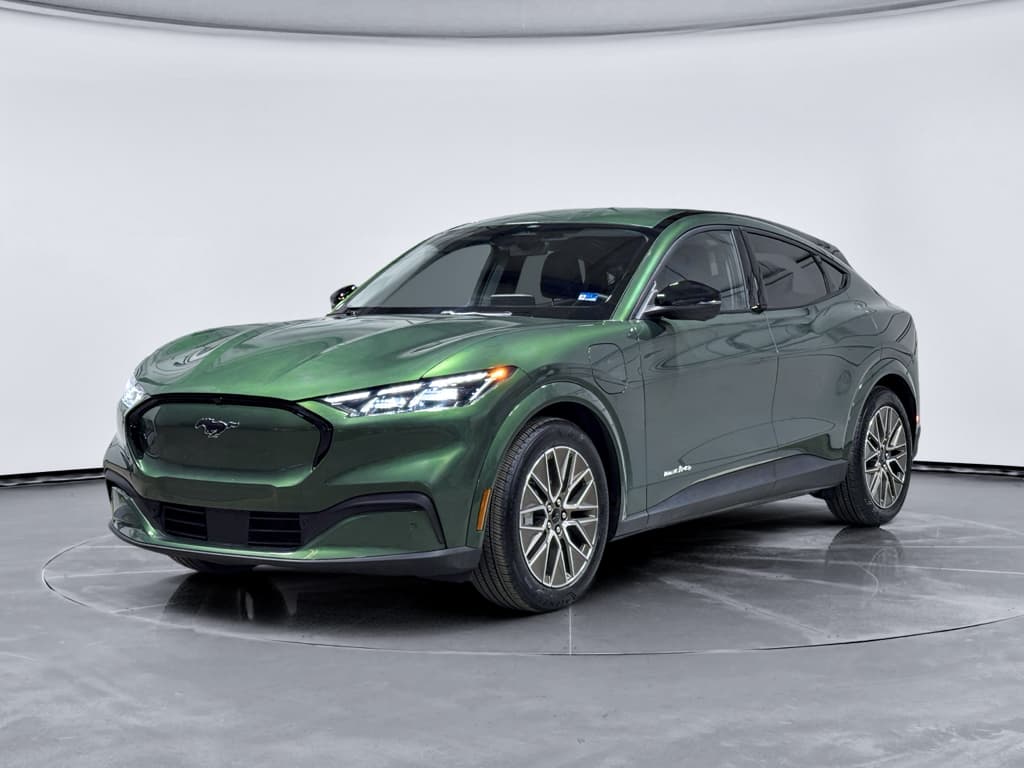
If you own, or are thinking about buying, a Ford Mustang Mach-E, it’s smart to look past the glossy range and performance numbers and ask a blunter question: what will this EV cost me after the warranty runs out? Battery packs, high‑voltage electronics, and software-heavy infotainment systems don’t fail often, but when they do, repair bills can climb quickly. This guide walks through real‑world Ford Mustang Mach-E after warranty costs, what’s still covered by Ford, where the big risks are, and how to protect yourself, especially if you’re shopping used.
Quick context
How much does a Mustang Mach-E cost to own long term?
5-year cost picture for a new Mach-E
Kelley Blue Book pegs the 5‑year cost to own a new 2025 Ford Mustang Mach‑E at about $56,500. That includes depreciation, insurance, interest, state fees, fuel (electricity), maintenance, and repairs over the first five years. Of that, roughly $4,500–$5,000 is routine service and repair, and the rest is mostly insurance and depreciation. In other words, the Mach‑E looks relatively inexpensive to run while it’s new, and while Ford’s factory warranties are still doing a lot of the heavy lifting.
Where owners and used‑EV shoppers get nervous is years six through ten, when the basic warranties have expired and higher‑ticket failures can land squarely on your wallet. To understand what’s at stake, you first need to know what Ford covers by default, and for how long.
What the factory warranty really covers, and when it ends
Ford Mustang Mach-E warranty overview
Key factory warranty coverages that shape your after‑warranty risk profile.
| Coverage type | What it covers | Length (time) | Length (miles) | Notes |
|---|---|---|---|---|
| New Vehicle Limited (bumper-to-bumper) | Most components excluding wear items | 3 years | 36,000 mi | Covers early electronics, interior, suspension issues |
| Powertrain warranty | Electric drive motor, related hardware | 5 years | 60,000 mi | Separately from HV battery warranty |
| High-voltage battery warranty | Traction battery pack, excessive capacity loss | 8 years | 100,000 mi | Ford EV battery retains coverage long after bumper‑to‑bumper expires |
| Corrosion perforation | Rust‑through of body panels | 5 years | Unlimited | Cosmetic corrosion not always covered |
| Roadside assistance | Towing, flat tire, lockout | 5 years | 60,000 mi | Useful for breakdowns and charging mishaps |
Coverage can vary slightly by model year and region; always verify against your specific warranty booklet.
For the Mustang Mach‑E, the single most important line item is the high‑voltage battery warranty. Ford covers the traction battery for 8 years or 100,000 miles (whichever comes first), including certain cases of excessive capacity loss. That means many used Mach‑Es sold today still have several years of battery coverage left, even if the 3‑year bumper‑to‑bumper warranty has expired.
Why this matters for used buyers
Major Mach-E components and their out-of-warranty costs
EVs have fewer moving parts than gas vehicles, but the parts they do have can be pricey. Below is a realistic, ballpark view of what key Mustang Mach‑E components can cost once you’re out of warranty. Actual pricing will vary by dealer, region, and model year, but the ranges are representative of what owners and independent shops are seeing.
High-impact Mach-E components after warranty
These are the big-ticket items you’ll want to understand before you buy or keep a Mach‑E past its initial coverage.
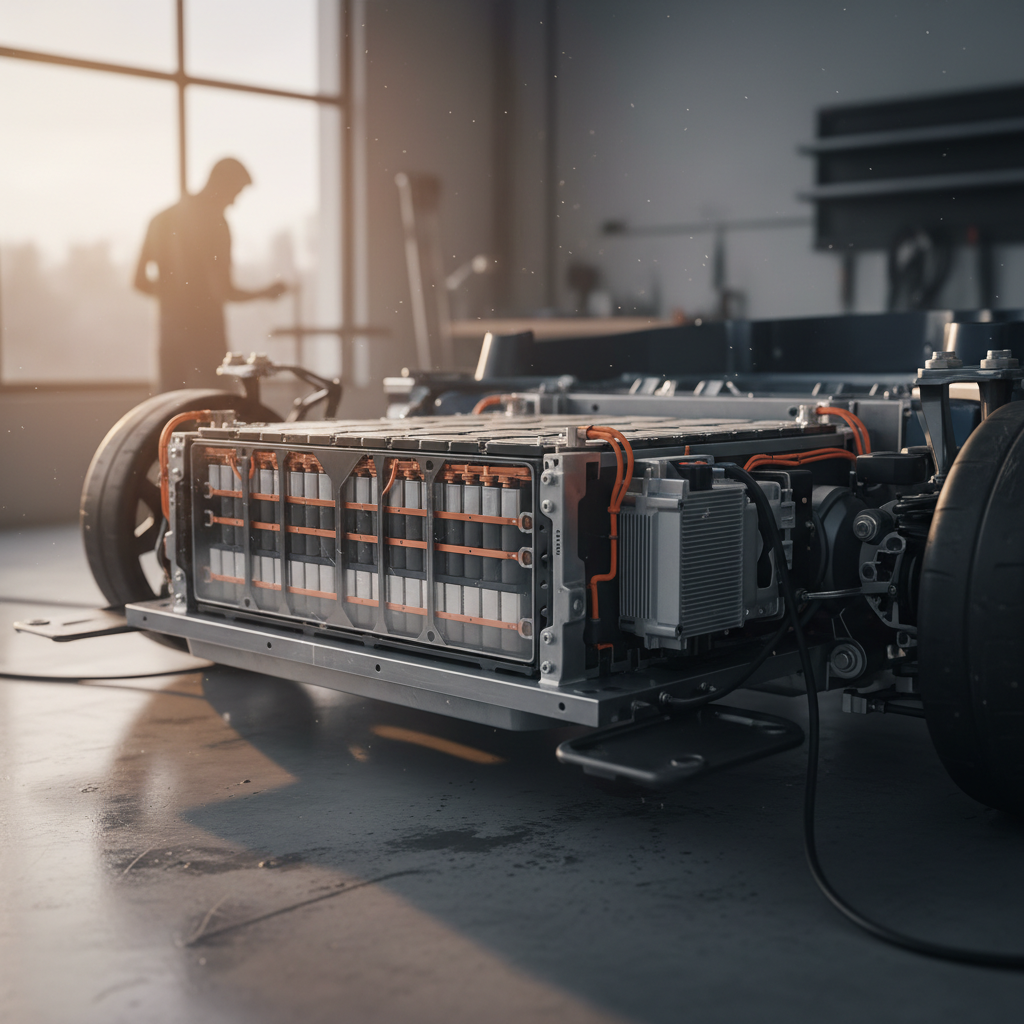
High-voltage battery pack
Full pack failures on the Mach‑E have been rare so far, and the vast majority will occur under Ford’s 8‑year/100,000‑mile battery warranty. But if you are well beyond that coverage window, a replacement pack can easily run into the five‑figure range at dealer retail pricing.
More common are replacements of related components like the battery junction box or battery control modules, which owners report in the low $1,500–$2,500 range installed when out of warranty.
On-board charger & charge port hardware
Issues with charging, random charge stops, communication errors, or a failed onboard charger, are among the most frustrating for EV owners. Once you’re beyond bumper‑to‑bumper, expect repair bills in the $1,000–$2,000 range for components like the charge control unit and related labor if they’re not covered by a service campaign.
Smaller parts, like a damaged charge port door, usually fall under a few hundred dollars, but they add up if you have multiple incidents over time.
Electronics, software, and hardware you shouldn’t ignore
These aren’t as dramatic as a battery failure, but they’re much more likely to show up in years 4–10.
Infotainment & driver display
The Mach‑E’s large central touchscreen and digital cluster are the nerve center of the car. Most issues are solved with software updates, but physical component failures out of warranty, like a dead screen or control module, can mean $700–$1,500 in parts and labor.
Don’t forget smaller modules, cameras, and sensors that feed Ford’s driver‑assist systems. Individually they may cost a few hundred dollars, but collision damage or water intrusion can quickly stack multiple components on a single repair order.
12‑volt battery & low‑voltage systems
Early Mach‑Es saw reports of premature 12‑volt battery failures and related error messages. A replacement 12‑volt battery at a dealer isn’t catastrophic, typically in the $250–$400 range, but a weak low‑voltage system can contribute to other gremlins if ignored.
Expect to replace the 12‑volt battery at least once in a 10‑year ownership window, and sooner if the car sees lots of short trips or sits unused for long stretches.
Chassis, brakes, and suspension
The Mach‑E is heavier than a comparable gas crossover, which puts more stress on suspension components and tires over time. Fortunately, basic chassis work is similar to any other modern SUV:
- Brake service (inspection, cleaning, fluid) can range from about $150–$300, though pads and rotors last longer on EVs thanks to regenerative braking.
- Suspension and steering repairs after many years, control arms, bushings, shocks, or steering components, often fall in the $1,000–$2,500 range depending on what’s replaced.
- Tire replacements are a recurring cost: performance‑oriented trims can eat through a set of tires in 25,000–35,000 miles, at roughly $900–$1,400 per set mounted and balanced.
Body, glass, and doors
On the body side, the Mach‑E has seen recalls tied to door latches and software. When those are handled under recall, they’re free. But collision damage or out‑of‑warranty failures can be expensive:
- Modern side mirrors with integrated cameras and sensors can land well north of $1,000 each installed.
- Glass with embedded antennas or HUD elements is pricier than conventional windshields.
- Door latch and handle mechanisms themselves aren’t ruinous individually, but diagnosing intermittent electronic issues is where labor adds up.
Insurance covers collision damage, but higher repair complexity is a factor in rising premiums for EVs generally.
Don’t anchor on a single big number
Routine maintenance vs. repairs after warranty
One of the Mach‑E’s selling points is that it ditches oil changes, spark plugs, and many other gas‑car consumables. That advantage doesn’t disappear when the warranty does. It just shifts the mix of what you’re paying for.
Typical Mach-E routine maintenance items
Tire rotations and replacements
EVs are heavier and deliver instant torque, so staying ahead of tire wear is critical. Budget for rotations every 5,000–7,500 miles, and a full set of tires roughly every 25,000–40,000 miles depending on driving style and trim.
Brake system inspections
Even though regenerative braking extends pad and rotor life, you still need periodic inspections, cleanings, and occasional fluid changes. The cost is modest compared to gas vehicles, but don’t ignore it, rusted components can get pricey.
Cabin air filter and basic inspections
Expect to replace the cabin air filter every 1–2 years and pay for multipoint inspections. These visits are usually well under $300 unless the tech finds something that needs repair.
High-voltage system health checks
Dealers can run diagnostics on your battery and power electronics. While the check itself may be bundled into regular service, any out‑of‑warranty repair recommendations deserve extra scrutiny and a second quote where possible.
Software updates and recalls
Many Mach‑E glitches are fixable via over‑the‑air updates or dealer reflashes, often at no cost if they’re associated with campaigns or recalls. Staying current here can <strong>prevent</strong> issues from snowballing into paid repairs later.
Good news on maintenance
Common Mach-E issues that can show up out of warranty
No modern vehicle is trouble‑free, and early‑generation EVs tend to have more software‑centric pain points than mechanical ones. The Mustang Mach‑E is no exception. Most owners report smooth sailing, but a few patterns are worth watching as the fleet moves into years four, five, and beyond.
- 12‑volt battery and low‑voltage issues: Early cars saw cases of the 12‑volt battery discharging unexpectedly, triggering warning messages or no‑start conditions. Ford has addressed many of these with software updates, but a weak 12‑volt battery is still a common root cause of odd behavior.
- Charging system gremlins: Intermittent charging stoppages or communication errors between the car and certain public chargers show up in owner forums. Often the fix is software, but faulty charge controllers or junction boxes occasionally need hardware replacement.
- Infotainment glitches: Frozen screens, laggy responses, or audio issues can usually be solved with resets or updates. A truly failed screen or module out of warranty is when you’re looking at a four‑figure repair.
- Driver‑assist and camera system faults: Lane‑keeping, adaptive cruise, or BlueCruise errors may stem from misaligned sensors (such as after a windshield replacement) or failed modules, again, typically a few hundred to well over a thousand dollars if not covered.
- Door latch and body control quirks: Large recalls have addressed some latch and software issues via free fixes, but lingering problems outside campaign windows may be on you if the car is out of basic warranty.
Don’t ignore warning lights
Extended warranties and how they change your risk
Ford and third‑party providers both sell extended service plans for the Mustang Mach‑E. As of late 2024, sample quotes for Ford’s own PremiumCARE EV coverage on a new Mach‑E ran from roughly $2,300–$3,000 for 8 years/100,000 miles, with longer 10‑year/175,000‑mile plans climbing higher. Independent warranty brokers sometimes advertise lower pricing for similar coverage terms.
When an extended warranty makes sense
- You rack up mileage quickly and will exit the 3‑year/36,000‑mile bumper‑to‑bumper window early, but plan to keep the car well into years five to eight.
- You’re uncomfortable with surprise four‑figure repairs and prefer predictable, finance‑able costs up front.
- You’re shopping for a used Mach‑E that’s just leaving basic warranty but still has plenty of battery coverage left, pairing that with a comprehensive service plan can dramatically reduce your risk profile.
If you go this route, shop quotes from multiple dealers or reputable online sellers. Pricing on the exact same Ford‑backed plan can vary by hundreds of dollars.
When to skip or downsize coverage
- You tend to swap vehicles every 3–5 years, long before the high‑voltage battery is out of warranty.
- You have the savings or cash flow to absorb a couple of $1,000–$2,000 repairs without stress.
- The premium quoted for long‑term, top‑tier coverage approaches what you’d reasonably expect to pay in out‑of‑pocket repairs over that same time period.
In those cases, you’re often better off self‑insuring, setting aside a dedicated EV repair fund instead of pre‑paying for coverage you might never fully use.
Negotiating extended protection
Buying a used Mustang Mach-E: how to avoid a money pit
With heavy early depreciation and long battery warranties, used Mustang Mach‑Es can be compelling buys, if you choose carefully. The trick is separating cars that have been maintained and updated from those that have quietly accumulated software issues, deferred maintenance, or hidden damage.
Used Mustang Mach-E due diligence checklist
1. Verify remaining factory warranty
Confirm the in‑service date and mileage to see how much bumper‑to‑bumper, powertrain, and high‑voltage battery coverage remains. An extra two or three years of battery warranty can materially change your risk.
2. Review recall and software update history
Ask for documentation showing that major recalls and updates have been performed. A Mach‑E that’s been consistently updated is less likely to surprise you with software‑related issues.
3. Get a battery health report, not just a range estimate
A simple range readout on the dash doesn’t tell the whole story. A proper <strong>battery health report</strong>, like the Recharged Score used at Recharged, runs diagnostics on pack capacity and performance so you know what you’re buying.
4. Inspect charging behavior and charge port
Test the car on both home‑style AC charging and, if possible, DC fast charging. Listen for unusual noises from the on‑board charger and look for any visible damage or corrosion around the charge port and cables.
5. Check all driver-assist and safety systems
Verify that adaptive cruise, lane‑keeping, cameras, parking sensors, and BlueCruise (if equipped) work as intended. Re‑calibration or replacement of cameras and sensors after glass or body work can be costly.
6. Look for water intrusion and body repair
Inspect door seals, liftgate area, and the under‑floor storage for signs of leaks or musty odors. Examine panel gaps and paint for evidence of collision repair, especially near sensor‑heavy bumpers.
Why reports like Recharged Score matter
How Recharged helps you manage after-warranty costs
Recharged is built around one idea: used EV ownership should be transparent, not a guessing game. When you shop for a used Mustang Mach‑E on Recharged, every vehicle comes with a Recharged Score Report that includes verified battery health diagnostics, fair‑market pricing, and a detailed condition overview.
Shopping a used Mach-E with Recharged
How we reduce your after‑warranty risk before you ever sign paperwork.
Battery-first inspection
We use EV‑specific diagnostics to assess pack health, charging behavior, and thermal management. That feeds into the Recharged Score, so you can compare different Mach‑Es by more than just mileage and model year.
Fair, transparent pricing
Our pricing factors in battery health, remaining warranty, and current market trends, so a Mach‑E with a stronger pack and more coverage is clearly valued differently than one without.
Digital-first, EV-specialist support
From financing and trade‑ins to nationwide delivery, our team of EV specialists helps you understand total ownership costs up front. You can shop, finance, and complete paperwork entirely online or visit our Experience Center in Richmond, VA.
Ready to find your next EV?
Browse VehiclesIf you already own a Mach‑E and are thinking about selling, Recharged can provide an instant offer or consignment option that highlights your car’s battery health to buyers, often improving its attractiveness versus generic listings where that information is missing.
Ford Mustang Mach-E after-warranty FAQ
Frequently asked questions about Mach-E costs after warranty
Bottom line: Is a Mustang Mach-E expensive to own after warranty?
Over a decade of ownership, a Ford Mustang Mach‑E is likely to cost you less in routine maintenance than a comparable gas SUV, even after the warranty ends. Where the equation gets more complicated is in the realm of electronics, charging hardware, and high‑voltage components: they don’t fail often, but when they do, you’ll feel it. That’s why understanding your remaining battery coverage, budgeting for a few $1,000–$2,000 repairs over time, and being selective about which used Mach‑E you buy matters so much.
If you prefer predictability, pairing Ford’s long battery warranty with a well‑priced extended service plan or a dedicated repair fund gives you a clear ceiling on risk. And if you’re shopping used, platforms like Recharged, with verified battery diagnostics, transparent pricing, and EV‑specialist support, can dramatically tilt the odds in your favor. The Mach‑E can be a smart long‑term bet; the difference between a win and a wallet‑drain usually comes down to the homework you do before you buy, and how you manage the car as it ages.