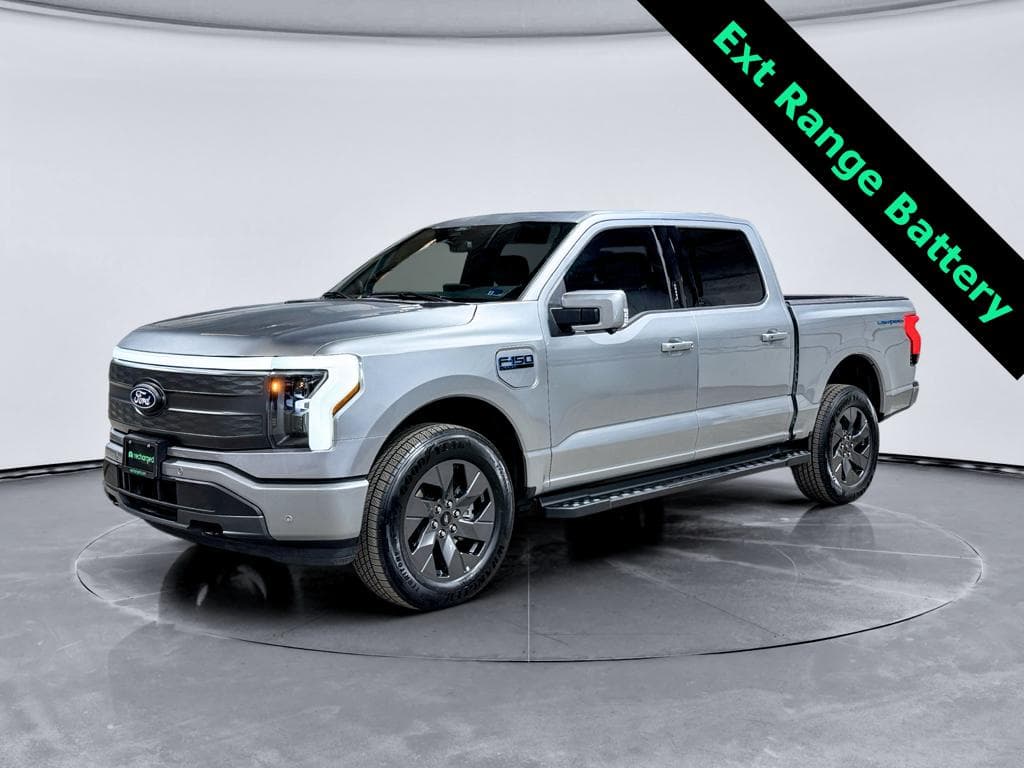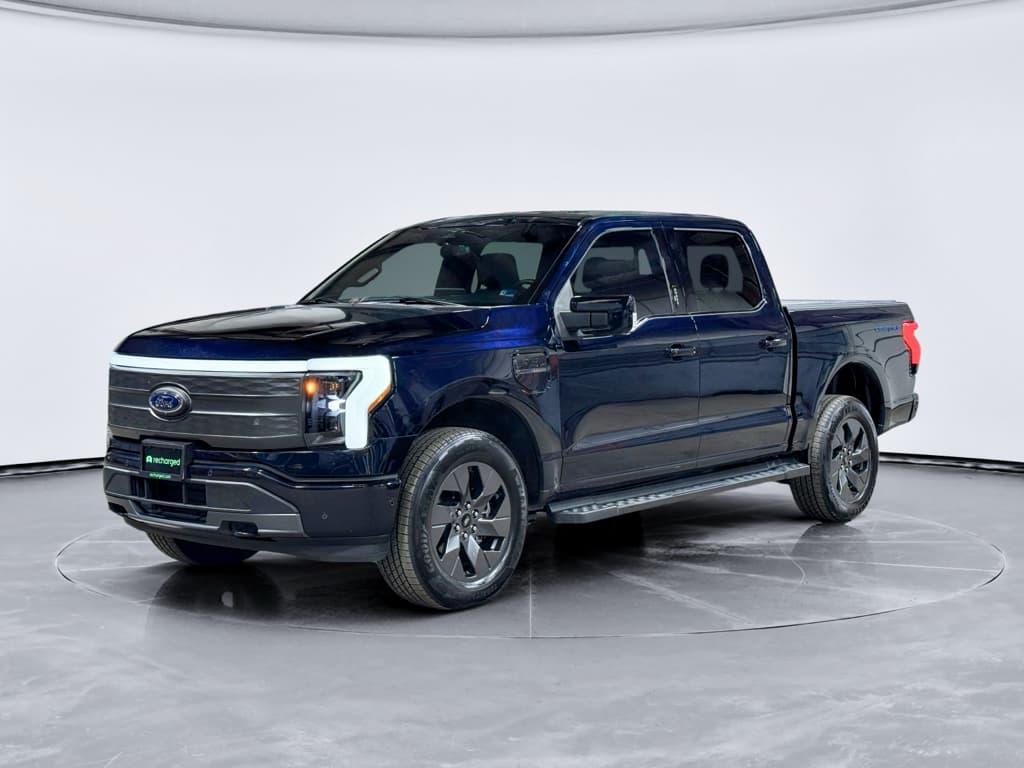
If you’re trying to understand the Ford F-150 Lightning depreciation rate in 2026, you’re not alone. Early buyers paid eye-watering prices for these trucks, and since then we’ve seen price cuts, shifting EV demand, and even Ford dialing back its all-electric truck plans. That combination has created some of the steepest early depreciation of any modern pickup, which is painful if you bought new, but a huge opportunity if you’re shopping used.
Quick take
Why F-150 Lightning depreciation matters in 2026
Depreciation is the single biggest line item in the total cost of owning any new vehicle, and electric pickups are no exception. For the F-150 Lightning, 2026 is a pivotal year because the model has now been on sale long enough that we can see clear patterns in resale values, auction data, and asking prices on dealer lots.
At the same time, Ford has publicly shifted away from an all‑in EV truck strategy, including ending production of the current fully electric F-150 Lightning in favor of hybrids and more efficient gas trucks. That kind of strategy pivot tends to weigh on used values in the short term while the market figures out what the long‑term story looks like for a model line.
Depreciation cuts both ways
How much do F-150 Lightnings depreciate by 2026?
Ford F-150 Lightning depreciation at a glance
Those ranges are broad because trim, incentives, and how aggressively a dealer discounted the truck when it was new all matter. But if you boil down the data and real‑world trade‑in stories, the picture in 2026 looks roughly like this:
- A 2022–2023 F-150 Lightning that sold new around $60,000 is often worth $32,000–$40,000 as a trade or private‑party sale in 2026.
- Higher trims that stickered near or above $80,000, especially early Lariat and Platinum builds, can be worth only half of MSRP (or less) within about 2.5–3 years.
- Base Pro work trucks with lower MSRPs and heavy fleet incentives have also fallen, but the percentage hit can be a bit smaller because many were discounted from day one.
How this compares to “normal”
3- and 5-year F-150 Lightning depreciation forecasts
To make sense of your own situation, it helps to translate those percentages into what they might look like for trucks bought at different times and price points. The table below uses approximate real‑world prices and independent value‑retention projections for electric pickups to build a realistic 2026 snapshot. These are estimates, not guarantees, but they’re useful guardrails.
Illustrative Ford F-150 Lightning depreciation by model year
Approximate value trajectories for common purchase scenarios, assuming average mileage and condition by 2026.
| Model year | Original typical transaction price | Age in 2026 | Estimated 2026 market value | Approx. depreciation |
|---|---|---|---|---|
| 2022 XLT / Lariat | $70,000–$80,000 | 3–4 years | $35,000–$45,000 | ≈45–55% lost |
| 2023 Pro / XLT | $55,000–$65,000 | 2–3 years | $32,000–$42,000 | ≈35–45% lost |
| 2024 Flash / Lariat (post‑price cuts) | $55,000–$70,000 | 1–2 years | $40,000–$55,000 | ≈20–30% lost |
| 2025–2026 fleet‑oriented trims | $50,000–$60,000 | 0–1 years | $45,000–$55,000 | ≈10–20% lost |
Actual values will vary by region, incentives, equipment, and battery/range configuration, but the pattern, heavy early depreciation, then a slower decline, is consistent.
Look at transaction prices, not just MSRP
How Lightning depreciation compares to gas F-150 and other trucks
Versus a gas F‑150
- Historically, a well‑equipped gas F‑150 might retain 60–65% of its value after 5 years, especially in popular trims and configurations.
- The Lightning, by contrast, is on track in many trims to lose roughly that much in closer to 4–5 years.
- Gas F‑150 demand is also broader: fleets, rural buyers, and used‑truck shoppers are all familiar and comfortable with them, which props up resale values.
Versus other electric pickups
- Independent cost‑of‑ownership studies show the F‑150 Lightning sitting in the middle of the pack for EV truck depreciation, worse than some niche halo trucks, but similar to other mainstream EV pickups.
- Rivian R1T and GMC Hummer EV can have better percentage retention in low volumes, but they started at even higher prices, so the dollar loss can still be huge.
- Tesla Cybertruck is still too new for robust 3–5‑year data; speculative premiums on early builds aren’t a useful comparison for normal buyers.
The upside for used buyers
Factors driving Ford F-150 Lightning depreciation in 2026
What’s pushing Lightning values down?
Several overlapping forces explain why these trucks are such bargains on the used market in 2026.
Aggressive price cuts
EV tech moving fast
Shifting EV demand
Narrow buyer pool
Range & charging reality
Ford’s strategy pivot
Don’t ignore local conditions
Real-world examples: what owners and buyers are seeing
Market data is useful, but it’s also worth listening to what real owners have experienced through late 2025 and into 2026:
- An early‑build 2022 Lightning Lariat that stickered near $80,000 and sold in late 2022 for the high‑$70k range later listed in the high‑$40k range with around 10,000–15,000 miles, about 40% value lost in ~2.5 years.
- Shoppers hunting for 2022–2023 XLTs report many trucks advertised in the $35,000–$40,000 range with mid‑teens to 30,000 miles, depending on options and region.
- Fleet buyers who took advantage of heavy incentives on 2023 Pro models sometimes see a smaller percentage hit, because they never paid full retail to begin with, even if the trucks still lose five figures on paper.
“Over roughly 2.5 years I watched my Lightning lose about half its value. Tough pill to swallow as a first owner, but the person buying it next is getting a lot of truck for the money.”
Stories like these aren’t outliers, they’re broadly consistent with auction lanes and online listings. They confirm what the spreadsheets already suggest: early depreciation on the Lightning has been brutal for first owners, and that’s exactly what sets up attractive deals in 2026 for informed used buyers.
Depreciation and your total cost of ownership
Depreciation is only one piece of the F‑150 Lightning cost puzzle. Compared with a gas F‑150, the Lightning typically offers lower fueling and routine maintenance costs, especially if you can charge at home on affordable electricity. So even if it loses value faster, your total cost of ownership can still be competitive or better, depending on how you use the truck.
Where you save money
- Energy costs: For many U.S. households, charging at home works out to the equivalent of paying $1–$2 per gallon for fuel, especially with off‑peak rates.
- Maintenance: No oil changes, fewer moving parts, and less brake wear thanks to regen can trim running costs versus a gas F‑150.
- Incentives: Depending on your state and timing, some buyers stacked federal and local incentives on top of Ford discounts, effectively lowering their depreciation hit.
Where depreciation bites
- High MSRPs: Early Lightnings often pushed into luxury‑SUV pricing territory. Even normal depreciation on a $75k–$85k truck looks painful in dollar terms.
- Rapid model evolution: As newer EV trucks with more range and better charging appear, older models get compared against those specs, and priced accordingly.
- Uncertain demand: If the next few years see a swing back toward hybrids and efficient gas trucks, used Lightning values could stay under more pressure than a conventional F‑150.
Think in dollars per year, not just percentages
How to shop smart for a used F-150 Lightning
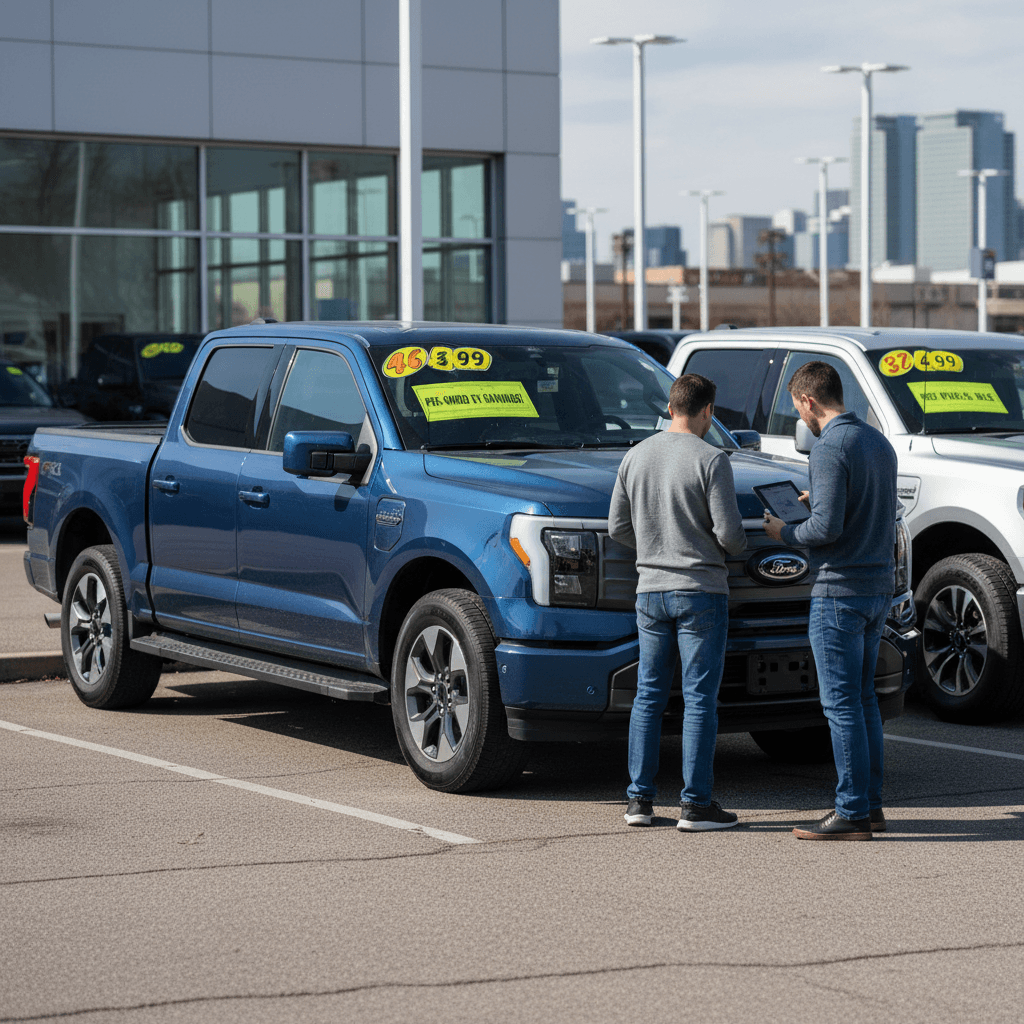
If you’re stepping into the market in 2026, you’re in a much better position than early adopters. You have real data, a wide pool of trucks, and the ability to let depreciation work in your favor, if you focus on the right details.
Strategies to get the most value from a used Lightning
You can’t control the market, but you can control how you participate in it.
Target 2–4‑year-old trucks
Verify battery health
Buy where demand is softer
Understand warranty coverage
Check for software & recall updates
Leverage trade‑in or consignment
Where Recharged fits in
Checklist before you buy a used F-150 Lightning
Essential pre‑purchase checks for a 2022–2024 F-150 Lightning
1. Confirm real transaction value
Look up recent sales, not just asking prices, for the same trim, battery configuration, and mileage. This tells you whether the truck you’re eyeing is realistically priced relative to its depreciation curve.
2. Get objective battery diagnostics
Ask for a recent, third‑party battery health report, not just a photo of the range display. Recharged’s battery diagnostics, for example, give you a quantified view of usable capacity versus new.
3. Verify fast‑charging behavior
If possible, review fast‑charge session logs or test a DC fast charge. A healthy Lightning should be able to sustain reasonable charge rates without abrupt throttling once the pack is warm.
4. Check software level and feature set
Confirm that the truck is on current software and that all OTA updates and campaign fixes have been applied. Features like BlueCruise and charging improvements often ride on software updates.
5. Inspect tires, brakes, and suspension
EV trucks are heavy, and hard‑driven examples can show accelerated wear. Uneven tire wear or tired dampers can hint at rough use and future costs.
6. Align purchase with your use case
Be honest about how far you tow, where you park, and how often you can charge at home. A lightly used Lightning might be an incredible value, or the wrong tool, depending on your reality.
FAQ: F-150 Lightning depreciation and resale value
Frequently asked questions about Ford F-150 Lightning depreciation
Bottom line on F-150 Lightning depreciation in 2026
By 2026, the story on Ford F-150 Lightning depreciation is clear: first owners paid dearly for being early adopters, while used buyers are now in a position to benefit from some of the steepest value drops in the pickup market. Most 2022–2023 trucks are worth roughly half of their original MSRP, and projections suggest the model will continue to depreciate a bit faster than a comparable gas F‑150 over a 5‑year window.
That doesn’t make the Lightning a bad truck, in many ways it’s one of the most compelling full‑size pickups to drive. It simply means you need to be strategic about where you get on the depreciation curve. If you’re shopping in 2026, the smartest move is usually to target a well‑documented 2–4‑year‑old truck with verified battery health and a price that already bakes in the market’s learning curve.
That’s exactly where a platform like Recharged is built to help. With battery‑health diagnostics, fair market pricing, expert EV support, and options for financing, trade‑ins, instant offers, or consignment, Recharged lets you turn the Lightning’s depreciation story into an opportunity instead of a liability.