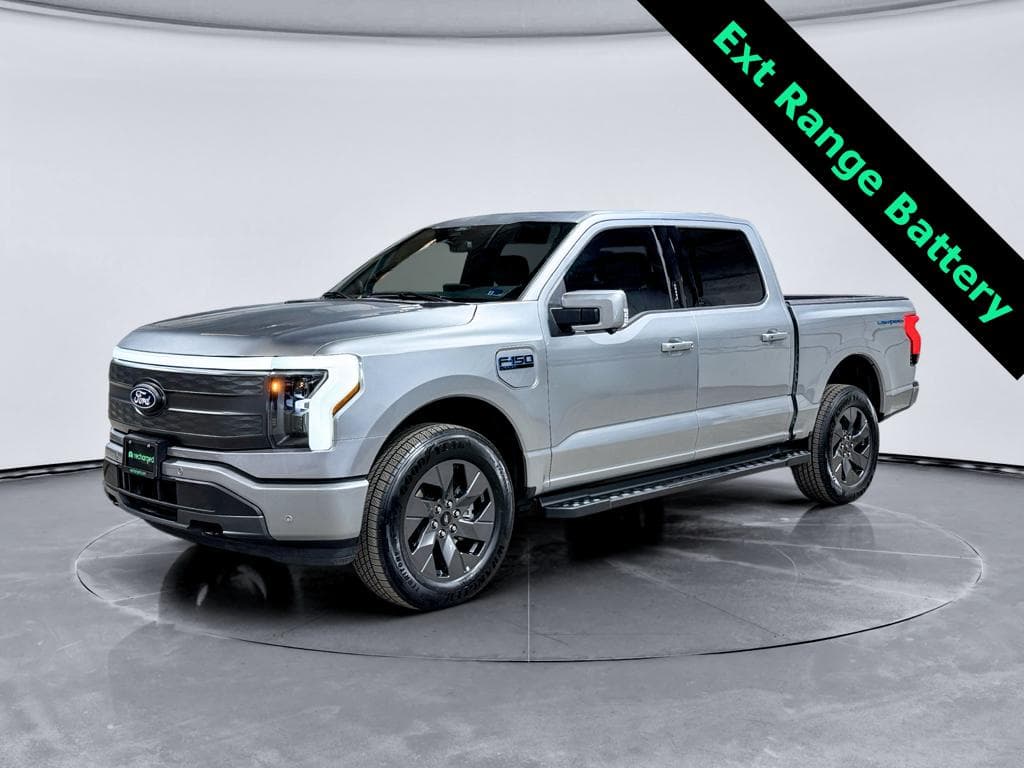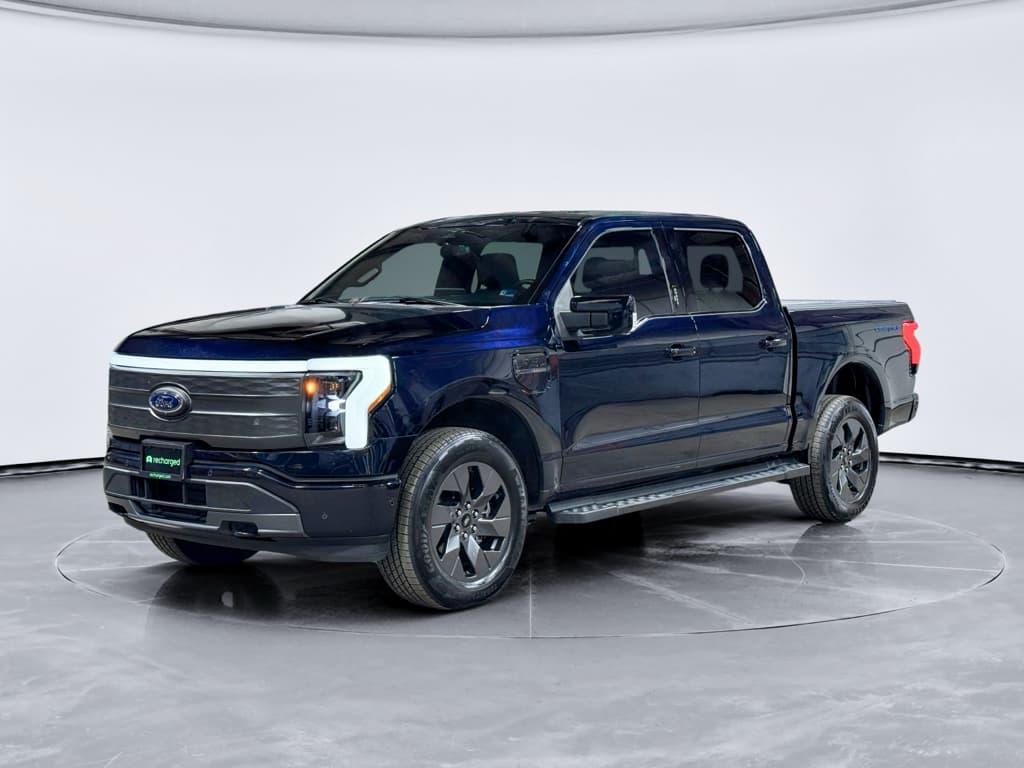
If you’re looking at a Ford F-150 Lightning, you’ve probably noticed the impressive EPA range numbers. But on the highway, especially at 70–75 mph, with a family, gear, or a trailer, the truck tells a different story. Understanding the Ford F-150 Lightning real world range on the highway is the key to deciding whether it fits your commute, your road trips, or your towing needs.
Highway Range in One Sentence
Why the F-150 Lightning’s Highway Range Feels Different from the EPA Number
Ford’s advertised range for the F-150 Lightning, up to about 320 miles for 2024–2025 extended‑range 4WD models, is based on the EPA combined cycle. That test mixes city and highway driving and includes lower speeds, more stops, and gentle accelerations. Real American highway use is the opposite: sustained 70–80 mph cruising, headwinds, roof racks, big tires, and sometimes a trailer. All of that magnifies the truck’s size and aerodynamics, so you burn more energy per mile and see less range than the window sticker suggests.
- EPA range = mix of city and highway at moderate speeds
- Real highway driving = steady high speeds with more wind resistance
- Electric trucks are heavy and tall, so aerodynamic drag matters more
- Towing, cold weather, and aggressive driving can cut range dramatically
Don’t Plan a Trip on EPA Numbers Alone
EPA Range vs Real‑World F-150 Lightning Highway Range
Typical Highway vs EPA Range for F-150 Lightning
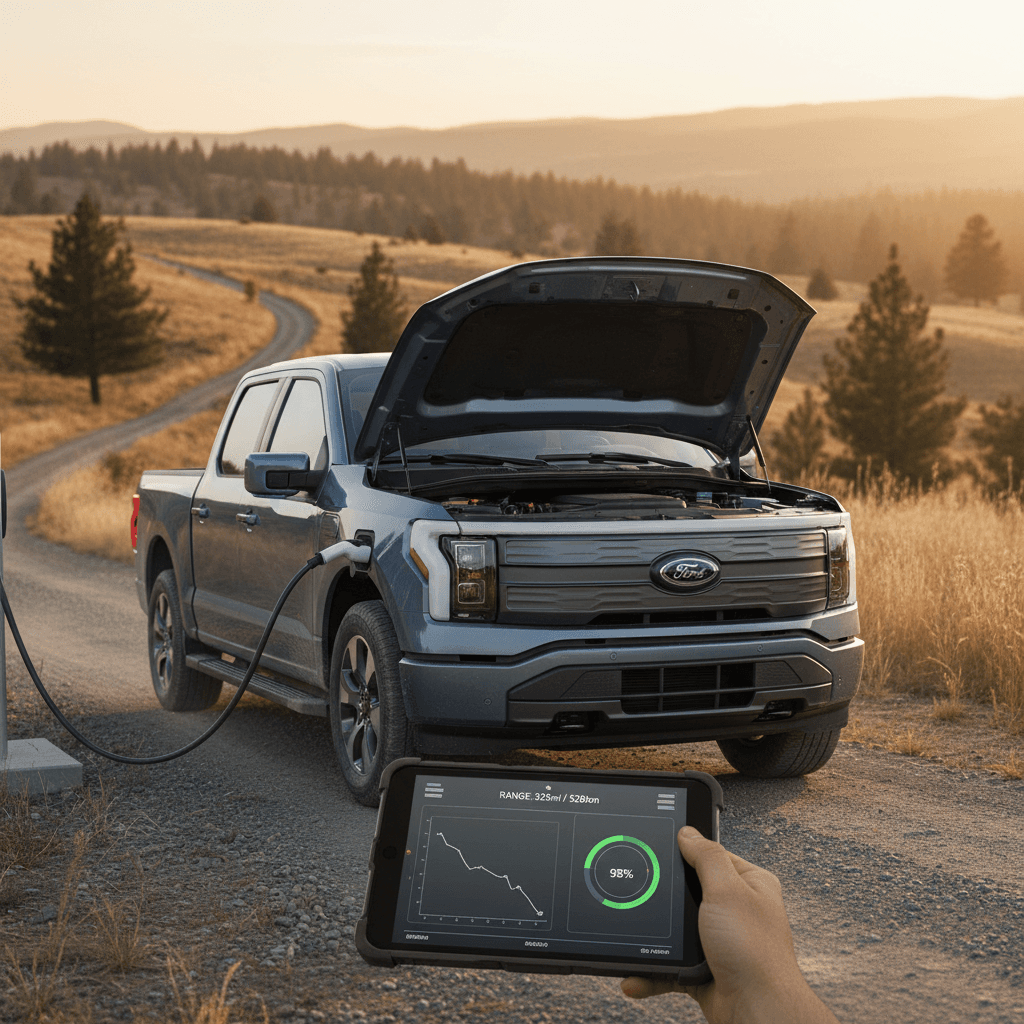
Independent tests and owner reports consistently show that at a steady 70–75 mph, a Ford F-150 Lightning will cover roughly 65–80% of its EPA rating before you need to recharge. For example, an extended‑range 4WD model rated around 320 miles has been measured around 300 miles on gentle mixed use, but closer to the low‑ to mid‑200s on pure highway runs in real conditions. Cold weather, bigger wheels, and headwinds can shrink that further.
Energy Use Numbers to Know
Real‑World Highway Range by Speed and Trim
The Lightning’s battery comes in two main sizes: a standard‑range pack and an extended‑range pack (with various EPA ratings depending on wheels and trim). To translate that into what you can expect on the highway, it helps to think in terms of speed, conditions, and a healthy safety buffer instead of chasing maximum numbers.
Approximate Real‑World Highway Range (Mild Weather, No Trailer)
These are realistic planning numbers for a healthy battery, 10–80% usable charge, light cargo, and relatively flat terrain.
| Model / Battery | EPA Combined Range | 65 mph Typical | 70–75 mph Typical | Ideal Planning Target* |
|---|---|---|---|---|
| Standard‑range 4WD (newer models) | ~240 mi | 190–205 mi | 160–180 mi | 150 mi |
| Extended‑range 4WD (20" wheels) | ~300–320 mi | 240–260 mi | 200–235 mi | 200 mi |
| Extended‑range Platinum (22" wheels) | ~300 mi | 225–245 mi | 190–220 mi | 190 mi |
Use these as conservative planning ranges, not absolute limits.
*What “Planning Target” Means
How Towing and Hauling Change Highway Range
If you’re considering a Lightning, you’re probably thinking about towing, a boat, enclosed trailer, camper, or work equipment. Like any pickup, range drops when you tow. The difference with an EV is that you feel it more because the “tank” is smaller and you can’t refill in five minutes at any corner station.
Typical Range Hit from Towing with an F-150 Lightning
How much capacity you can realistically count on at 65–70 mph
Light Utility Trailer
Load: ~2,000–3,000 lbs open trailer or small boat.
- Highway range cut: ~30–40%
- Extended‑range truck that does 200+ mi solo may see 120–150 mi towing.
Mid‑Size Camper or Enclosed Trailer
Load: ~4,000–6,000 lbs with higher frontal area.
- Highway range cut: ~45–55%
- Expect 100–135 mi per charge segment in mild weather.
Near Max Tow Rating
Load: 8,000–10,000 lbs with big aero penalty.
- Highway range can drop to under 100 miles per leg at 65–70 mph.
- Plan frequent, shorter hops between fast‑chargers.
Weight Isn’t the Only Issue
Ford’s own towing guidance emphasizes that trailer weight, wind resistance, traffic speed, weather, elevation changes, and driving style all affect range. The Lightning’s Intelligent Range software watches load, conditions, and past driving to adjust your range estimate once you hitch up, but it’s still smart to assume your effective highway range could be cut roughly in half with a substantial trailer at speed.
Towing Prep Checklist for the Best Range
1. Slow Down a Little
Dropping your cruising speed from 75 mph to 65 mph when towing can easily save 15–25% energy, often more than any other single change you can make.
2. Use the Built‑In Trailer Profiles
Set up a trailer profile in the truck so Intelligent Range can learn how that specific trailer affects efficiency and refine its estimates over time.
3. Plan Chargers Along Your Route
Before you leave, map fast‑chargers directly on your route and on either side of it so you have backup options if a site is down or crowded.
4. Start Legs with a Warm Battery
If possible, precondition the battery (by setting a departure time) so you begin towing with optimal battery temperature for peak efficiency and fast‑charge speeds.
Weather, Speed, and Driving Style: The Big Highway Range Levers
Speed and Aerodynamics
Above about 55 mph, aerodynamic drag rises sharply. At 65–70 mph in a big truck like the Lightning, you’re pushing a lot of air, and at 75–80 mph you’re paying a serious range penalty. That’s why many independent highway tests at 75 mph report ranges roughly 20–30% below EPA even in mild weather.
Roof racks, large mirrors, lift kits, and aggressive all‑terrain tires can all nibble away additional miles from your highway range.
Temperature and Climate Control
Cold weather hits EVs twice: the battery is less efficient, and you use more energy to heat the cabin. Tests in subfreezing temps have seen a Lightning lose roughly 20–25% of its EPA range on mixed driving, and more at highway speeds.
Using the heated seats and steering wheel instead of cranking the cabin heat, and pre‑conditioning the cabin while plugged in, can reclaim a meaningful chunk of that loss.
Winter Highway Strategy
Planning a Road Trip in a Ford F-150 Lightning
A Lightning can be an excellent road‑trip truck if you reframe how you think about range. Instead of tank‑to‑empty distance, think in terms of comfortable legs between fast‑charges using a 10–80% battery window. That range, rather than the maximum number on the Monroney, is what determines how relaxed your highway experience will be.
Sample Road‑Trip Planning Numbers (Extended‑Range 4WD)
Assuming healthy battery, 15–75°F temps, and no trailer.
| Scenario | Speed / Conditions | Comfortable Leg Length | Typical SOC Window |
|---|---|---|---|
| Solo driving, light cargo | 65–70 mph, mild temps | 190–210 mi | 10–80% |
| Family + bed full of luggage | 70 mph, some hills | 170–190 mi | 10–80% |
| Light trailer, good weather | 65 mph, mostly flat | 110–140 mi | 10–80% |
| Cold weather (freezing) | 65–70 mph, no trailer | 140–170 mi | 10–80% |
These are conservative, real‑world highway planning targets, not bragging rights numbers.
Road‑Trip Reality Check
Modern trip‑planning apps and in‑truck navigation can automatically route you through DC fast‑chargers and estimate your arrival state‑of‑charge. Still, you’ll want to sanity‑check those suggestions against conservative numbers like the ones above, especially in winter or with a trailer.
Highway Charging Strategy: Where and How to Charge
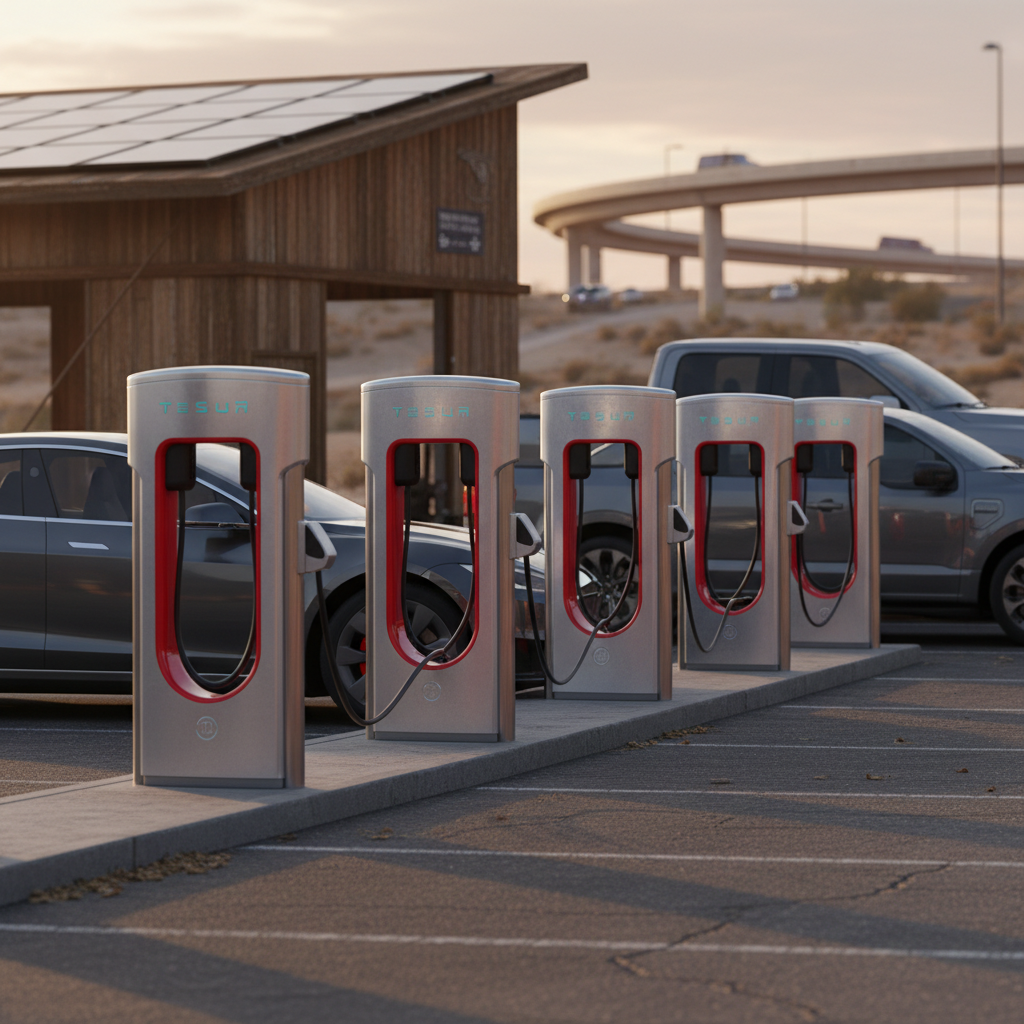
Highway range is only half the story, charging speed and charger locations are just as important. Fortunately, the Lightning supports DC fast‑charging on multiple public networks, and Ford has been integrating access to high‑power stations across the country.
Smart Highway Charging Habits for Lightning Owners
Cut trip time and range anxiety with a few simple rules
Aim for 10–80% Sessions
EVs, including the Lightning, charge fastest when the battery is between roughly 10% and 80%. Plan shorter, more frequent stops in that band instead of one long session from nearly empty to 100%.
Favor High‑Power Sites
Look for 150 kW or higher chargers along interstates. These will take better advantage of the Lightning’s DC fast‑charge capability and keep your stops shorter.
Always Have a Plan B
Before you depart, identify a backup charger 20–40 miles beyond your planned stop. If your first choice is full or down, you won’t be stuck stretching the bottom of the battery.
Let the Truck Help You
Highway Range and Used F-150 Lightning Battery Health
If you’re shopping the used market, you’re not just buying a truck, you’re buying the remaining useful battery. Two otherwise identical Lightnings can deliver very different highway range if one has seen many high‑mileage years, repeated fast‑charging, or heavy towing, and the other hasn’t.
How Recharged Helps You Judge Real‑World Range
What Affects Long‑Term Highway Range
- Age and mileage: More miles generally mean more battery wear, though Lightning packs are designed to retain a large share of capacity over time.
- Fast‑charge habits: Heavy use of DC fast‑charging isn’t necessarily bad, but extreme patterns (daily high‑power sessions from low SOC) can accelerate degradation.
- Climate: Very hot or very cold climates can stress a pack if it isn’t cooled or heated properly.
Why a Third‑Party Assessment Matters
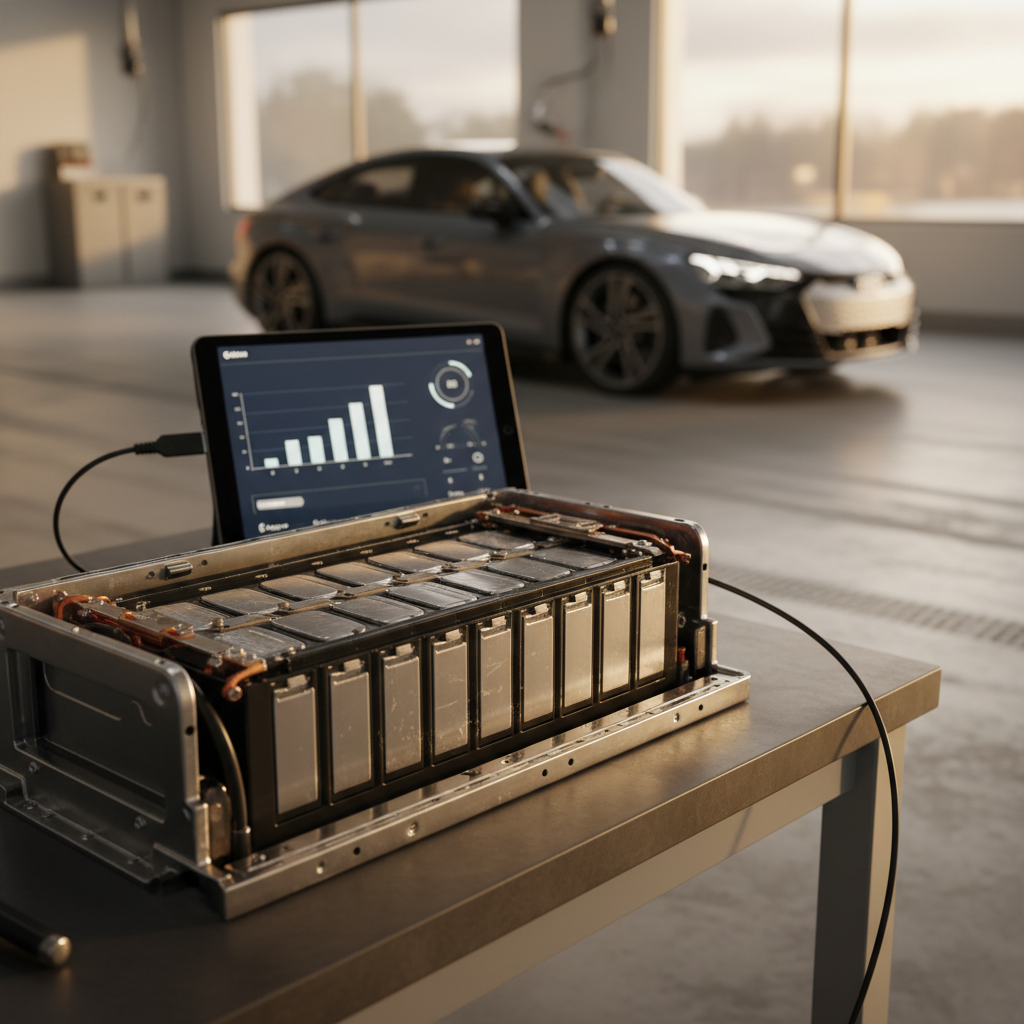
On a test drive, you only see a snapshot: the range estimate on the dash. A structured battery‑health report like the Recharged Score combines data from diagnostics, driving, and charging patterns to give you a truer picture of how much of the original highway range is still available.
Practical Tips to Maximize Your Lightning’s Highway Range
10 Ways to Stretch Your F-150 Lightning’s Highway Range
1. Choose the Right Speed
If traffic allows, keep cruise control closer to 65–70 mph than 75–80 mph. That alone can add 30–40 miles of real‑world highway range on an extended‑range truck.
2. Mind Your Tires and Wheels
Bigger wheels and aggressive all‑terrain tires look great but cost range. If you care about highway efficiency, stick with more aerodynamic wheels and low‑rolling‑resistance tires when possible.
3. Pack Aerodynamically
Avoid tall roof boxes, open tailgate racks, or big frontal‑area accessories on long highway trips. If you must carry them, lower your speed assumptions accordingly.
4. Use Eco or Normal Mode on Trips
Sportier modes sharpen throttle response but can encourage wasteful acceleration. Eco or normal mode makes it easier to drive efficiently without thinking about it.
5. Pre‑condition While Plugged In
On cold or very hot days, set a departure time so the truck warms or cools the cabin and battery from grid power instead of drawing heavily from the pack at the start of your drive.
6. Lean on Heated Surfaces, Not Blasts of Air
Heated seats and wheel use less energy than cranking the cabin heat. The cabin can be a bit cooler while you still stay comfortable.
7. Watch Instant and Average Consumption
Use the truck’s energy screens to monitor kWh/100 mi or mi/kWh during a trip. Over a few drives, you’ll quickly learn what speeds and conditions your truck “likes” on the highway.
8. Keep Weight Reasonable
Payload matters. Tools, gear, and accessories add up fast. Cleaning out unneeded items before a long trip can quietly claw back a few extra miles.
9. Don’t Chase 100%,
For most road trips, aim to arrive at fast‑chargers with 10–20% and leave around 70–80%. It’s faster overall than waiting to top off to 100%, and it keeps your average highway speed higher.
10. Build in Margin
Plan legs with at least 10–15% battery in reserve at your next charger. That way, if you hit headwinds, colder temps, or traffic detours, you’re not white‑knuckling the last miles.
Avoid This Common Mistake
Ford F-150 Lightning Highway Range FAQ
Frequently Asked Questions About F-150 Lightning Highway Range
The Ford F-150 Lightning rewrites what a pickup can do, instant torque, quiet cruising, and enough power to run your home or jobsite. But like every EV, its real‑world highway range is shaped by speed, weather, load, and how you plan your charging stops. If you go into ownership with realistic expectations, using conservative planning numbers, building in margin, and, if you’re buying used, insisting on solid battery‑health data, the Lightning can be a highly capable daily driver, weekend tow vehicle, and road‑trip partner. And if you’re considering a used Lightning, working with a seller that provides a transparent battery report, like the Recharged Score, is one of the best ways to make sure the truck’s real‑world highway range matches your life, not just the brochure.