Searches for Ford EV sales have exploded for a simple reason: shoppers want to know if Ford is all‑in on electric or quietly backing away. The reality is more nuanced. Ford’s EV sales surged in 2024, cooled in parts of 2025, and shifted heavily toward one breakout model, the Mustang Mach‑E, while the F‑150 Lightning and E‑Transit found more selective audiences. If you’re thinking about a new or used Ford EV, understanding these trends can save you real money and a lot of guesswork.
Quick context
Ford EV sales at a glance (2024–2025)
Ford EV sales snapshot
The headline is this: Ford EV sales are growing, but unevenly. The company hit record BEV volume in 2024, led by big gains for the Mustang Mach‑E and steady improvement from the F‑150 Lightning. In 2025, though, growth cooled as the broader EV market digested higher interest rates, incentive changes, and buyer fatigue with early‑adopter pricing. Ford’s dedicated EV unit, Model e, even saw U.S. EV volume fall more than 30% year‑over‑year in Q2 2025, despite revenue more than doubling on a richer product mix.
A market that’s still growing, but bumpier
Mustang Mach‑E: Ford’s EV sales workhorse
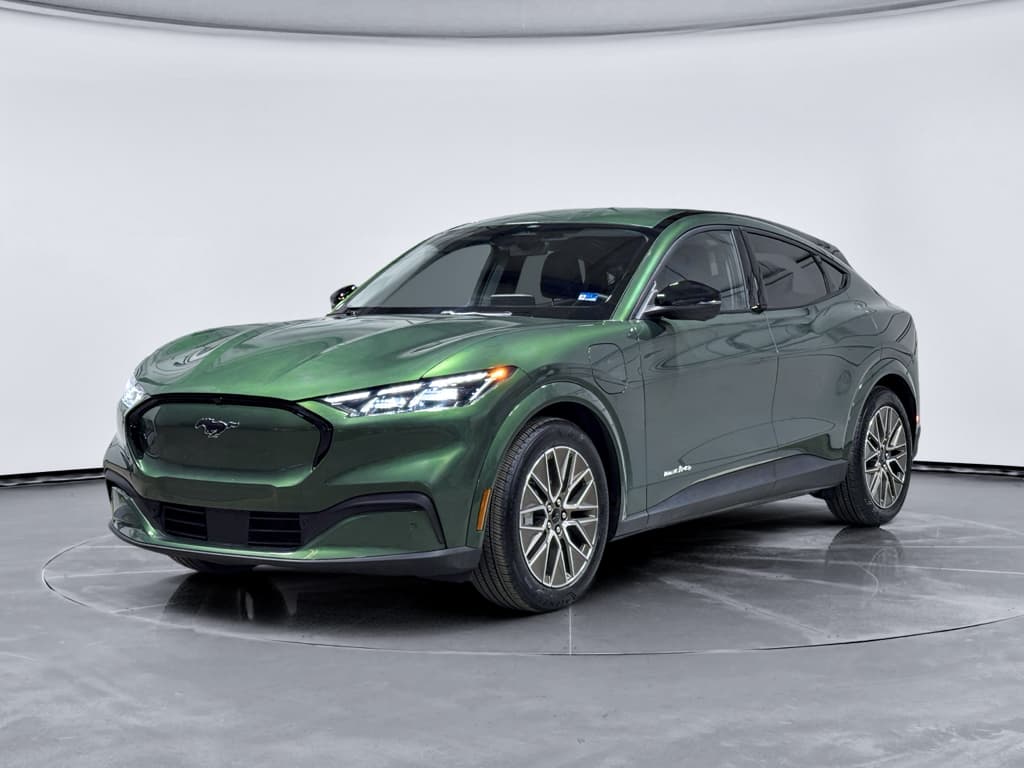
If you’re trying to understand Ford EV sales, start with the Mustang Mach‑E. It’s the car that turned Ford from a niche EV player into a legitimate Tesla alternative in the SUV space.
- Ford sold roughly 51,700 Mustang Mach‑E SUVs in the U.S. in 2024, up around a third from 2023 and enough to outsell the gas Mustang coupe.
- In 2024 and into 2025, the Mach‑E consistently ranked as America’s second‑best‑selling electric SUV, behind only the Tesla Model Y.
- Through the first three quarters of 2025, Ford sold more than 21,000 Mach‑Es in the U.S., with strong double‑digit growth over early‑2024 levels.
Why Mach‑E sales are holding up
What Mach‑E demand means if you’re buying used
Strong sales today mean plenty of used inventory tomorrow. Mach‑E lease returns and early trade‑ins are already showing up in volume, which is good news if you’re hunting for value:
Mach‑E resale dynamics in plain English
High new‑car volume plus incentive‑heavy leasing equals interesting used‑car opportunities.
Price pressure from incentives
Battery and range improvements
Importance of verified battery health
F‑150 Lightning: Demand, pullbacks, and what the numbers say
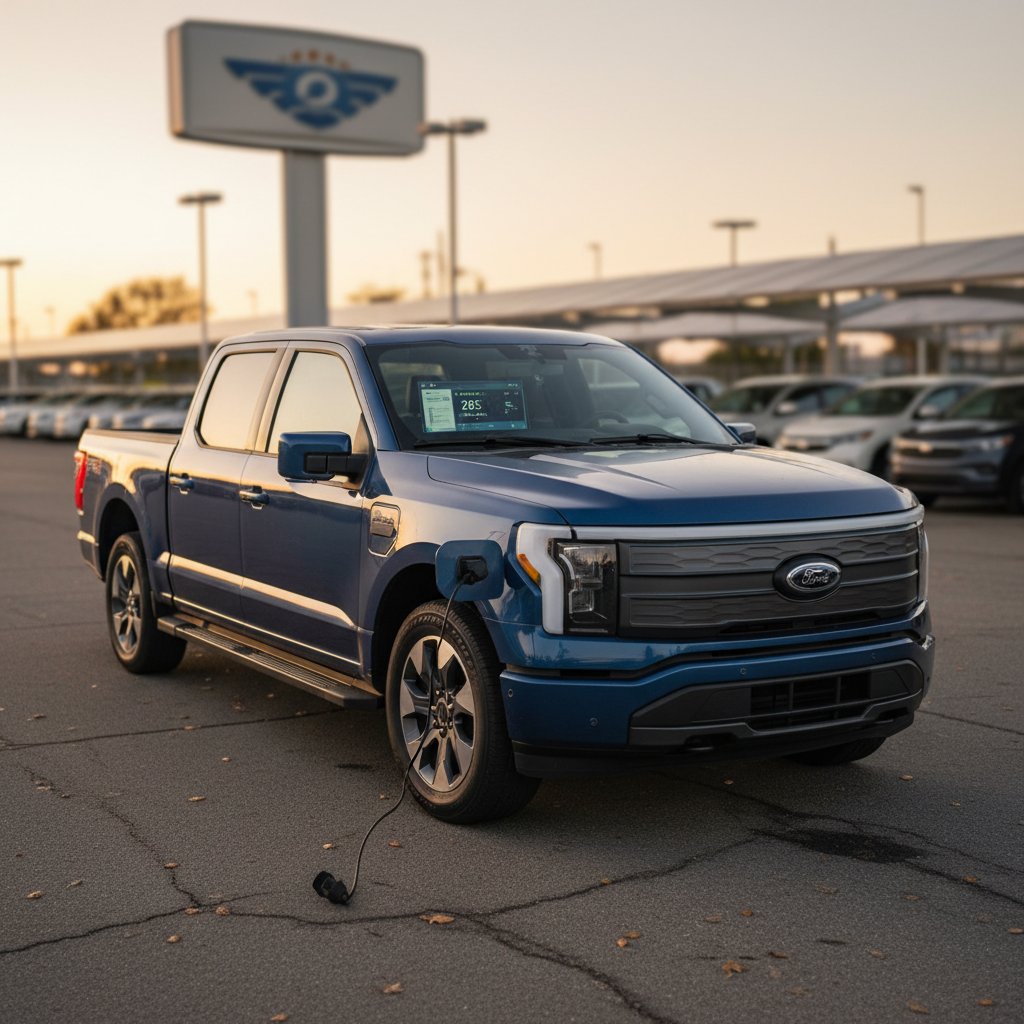
The F‑150 Lightning might be the most closely watched Ford EV because it tests whether Americans are ready to go electric with their full‑size pickups. The sales story here is one of early optimism, solid growth, and then a deliberate step back.
F‑150 Lightning U.S. sales by year
Approximate U.S. sales based on Ford and industry reporting.
| Year | Units Sold (U.S.) | Trend |
|---|---|---|
| 2022 | 15,617 | Launch year, constrained supply |
| 2023 | 24,165 | +55% vs. 2022 as production ramped |
| 2024 | 33,510 | +~39% vs. 2023; best year so far |
| 2025 (Jan–Sep) | ~24,500 | On pace for a flat to slightly lower full‑year vs. 2024 as Ford right‑sizes output |
Even with Ford trimming production plans, Lightning sales grew from the mid‑teens to the mid‑30‑thousands between 2022 and 2024.
In early 2024, Ford cut planned Lightning output roughly in half and consolidated to one shift at its Rouge Electric Vehicle Center. That wasn’t because the truck failed in the market; it was because the original 150,000‑unit annual target no longer fit real‑world demand at the price points Ford needed to earn a profit.
How to read the Lightning tea leaves
Used F‑150 Lightning: a buyer’s market in places
Where shoppers have the upper hand
Because Ford dialed back production and offered rich incentives on some trims, early‑build Lightnings, especially well‑equipped Lariat and Platinum models, can be aggressively priced used. Fleet buyers and early adopters trading out after 2–3 years create a steady stream of inventory.
If you don’t need the absolute latest software or range tweaks, a 2022–2023 Lightning with documented battery health can represent a lot of truck for the money.
What to watch closely
- Battery and thermal history: Frequent DC fast charging or heavy towing in hot climates can impact long‑term battery health.
- Use case fit: Lightning is fantastic as a daily driver and light work truck, but rural contractors towing heavy loads long distances may still be better served by gas or hybrid F‑150s.
- Software and feature changes: Ford has tweaked pricing, equipment and software frequently. Make sure you know exactly what features a given model year offers.
E‑Transit and commercial EVs: Niche but important
The E‑Transit doesn’t generate headlines like the Mach‑E or Lightning, but it matters a great deal to Ford’s EV strategy. Sales volumes are far lower and more volatile, driven mainly by fleet orders, last‑mile delivery companies and municipal buyers.
- E‑Transit sales were relatively modest in 2024 and dipped sharply in early 2025 as some fleets delayed or resized their electrification plans.
- Per‑unit economics can be challenging; Ford’s Model e division has reported large losses, and commercial EVs are part of that equation.
- That said, E‑Transit gives Ford a foothold in the growing urban delivery and service‑van segment, where quiet operation and zero local emissions are big advantages.
Why you see fewer used E‑Transits
What’s really driving Ford EV sales up or down?
When you zoom out, Ford EV sales are being pushed and pulled by the same forces shaping the broader U.S. EV market, plus a few Ford‑specific decisions.
Key forces shaping Ford EV sales
From policy changes to pricing strategy, a handful of levers explain most of the ups and downs.
Incentives & total cost of ownership
Charging & real‑world usability
Right‑sizing production
Segment‑by‑segment adoption
Don’t misread the headlines
How Ford EV sales trends affect used prices
For shoppers, the most practical question isn’t whether Ford hit its original volume targets. It’s what today’s Ford EV sales environment does to used pricing and long‑term value.
Four ways Ford EV sales patterns shape used values
1. Incentive‑heavy new sales soften used prices
When Ford leans on rebates, subsidized leases or free home‑charger programs to move new EVs, it effectively lowers the ceiling for used values. Buyers compare used prices to the net cost of a discounted new vehicle.
2. Strong Mach‑E volume means plenty of choice
High Mach‑E sales in 2023–2025 translate into a larger pool of lease returns and trade‑ins. That <strong>increased supply often benefits used‑car buyers</strong> with more trims, colors and price points to choose from.
3. Slower Lightning growth keeps some trims rare
Because Ford pulled back on Lightning production, certain configurations, especially lower‑spec work trucks, remain relatively scarce. That can support stronger resale values in specific regions and use cases.
4. Battery condition is the real value driver
Regardless of headline sales, <strong>battery health dominates EV resale value</strong>. Two otherwise similar Mach‑Es can be thousands of dollars apart in value if one’s pack shows above‑average degradation or heavy fast‑charging use.
Lean on battery data, not guesswork
Should you buy a Ford EV now or wait?
Given the noise around Ford EV sales, it’s fair to ask whether you should jump in today or sit on the sidelines. The honest answer depends on your priorities: price, technology, and timing.
Reasons to consider buying now
- Used pricing has reset: After the 2021–2022 frenzy, used Mach‑E and Lightning prices have come down to more rational levels in many markets.
- Plenty of real‑world data: By late 2025, we have several years of ownership history on Ford EVs, how they hold up, how fast they charge, and how range holds over time.
- Ford’s charging strategy is maturing: Ford is integrating access to Tesla’s Supercharger network and improving its own BlueOval Charge Network experience, making road‑trip planning easier than it was at launch.
Reasons you might wait
- Policy and incentives are in flux: With the federal EV tax credit changing and automakers responding with their own programs, the deal landscape could shift again in 6–12 months.
- Next‑gen products are coming: Ford has publicly committed to more cost‑optimized EV platforms and mid‑decade launches. If you always want the newest tech, waiting might fit your personality better.
- Your current vehicle still fits your life: If you’re not under pressure to replace a vehicle, giving the market another model year to stabilize isn’t a bad strategy.
A balanced approach
How Recharged helps you shop Ford EVs with confidence
Market headlines tell you where Ford EV sales are going; they don’t tell you whether a specific Mach‑E or Lightning on a lot is a smart buy. That’s where a data‑driven, EV‑specialist retailer like Recharged comes in.
Shopping Ford EVs the Recharged way
More transparency, less guesswork, especially around battery health and pricing.
Recharged Score battery diagnostics
Fair‑market pricing built in
Flexible ways to buy or sell
Ready to find your next EV?
Browse VehiclesIf you’re curious how today’s Ford EV sales environment is affecting the specific model you have in mind, you can explore used inventory, get an instant offer on your current vehicle, or talk through options with an EV specialist, without setting foot in a traditional showroom.
Ford EV sales FAQ
Frequently asked questions about Ford EV sales
Bottom line: What Ford’s EV sales story means for you
Taken together, Ford EV sales in 2024–2025 tell a story of normalization, not collapse. The Mustang Mach‑E has established itself as a mainstream electric SUV, the F‑150 Lightning has proven there is a real, if smaller, market for electric trucks, and the E‑Transit quietly serves fleets where EV economics already pencil out. Ford is learning, adjusting and right‑sizing its ambitions, just as buyers are learning what they really need from an EV.
For you as a shopper, that means more choice, better pricing and far more real‑world data than early adopters ever had. Whether you’re cross‑shopping a Mach‑E against a Model Y or wondering if a Lightning can replace your gas F‑150, the key is to look beyond the headlines to the specifics of the vehicle in front of you, especially its battery health and pricing relative to today’s market. That’s exactly where a transparent, EV‑focused marketplace like Recharged can turn a confusing landscape into a straightforward, confidence‑inspiring decision.