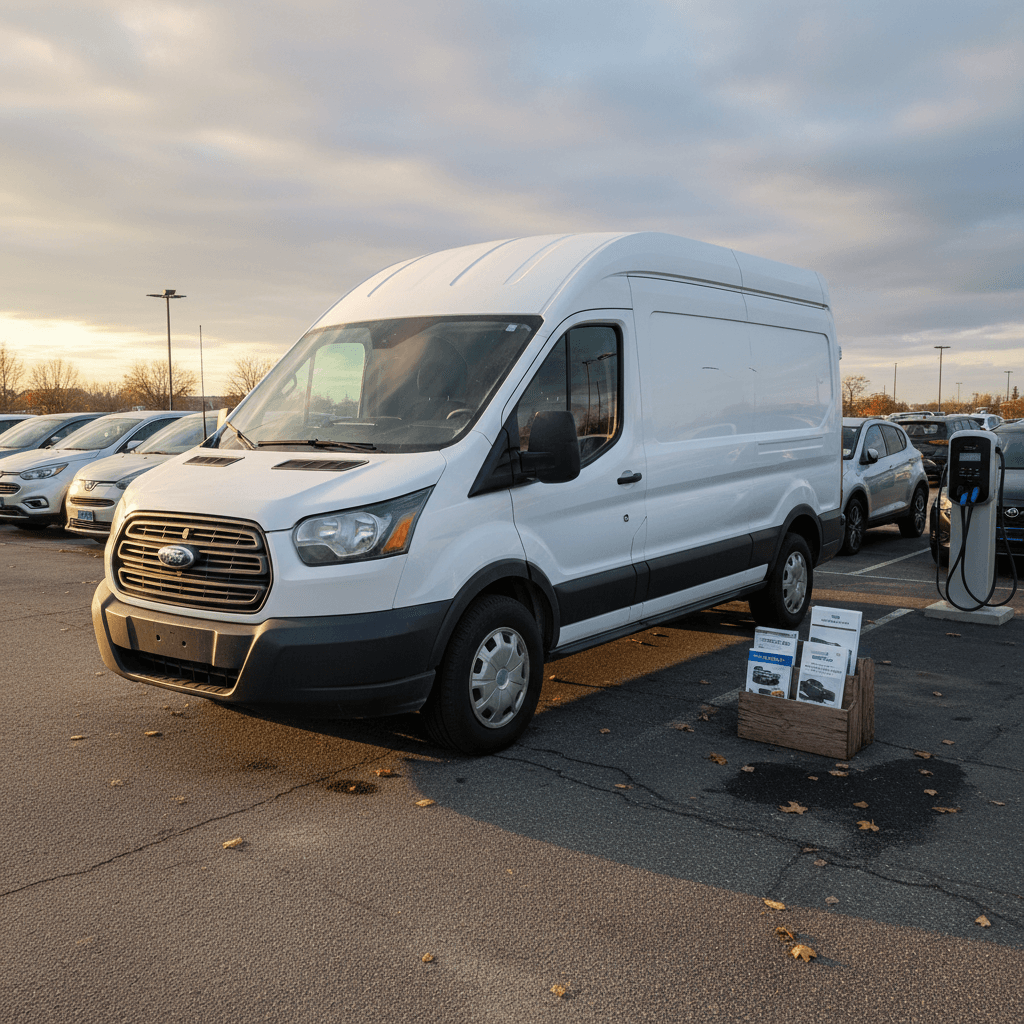
If you’ve started hunting for a Ford E-Transit for sale, you’re probably trying to solve a very specific problem: how do you haul people, tools, or packages every day without bleeding cash at the pump? Ford’s all‑electric Transit promises low running costs and quiet, city‑friendly manners, but it’s still a work van at heart. This guide walks you through specs, real‑world range, pricing, and what to look for when you’re buying a new or used E‑Transit.
Quick snapshot
Why consider a Ford E-Transit for sale?
Ford didn’t set out to build a luxury lifestyle van with the E‑Transit. This is a working tool first, EV second. If your routes are predictable, mostly under 100 miles a day, and you have somewhere to plug in at night, the numbers can make a lot of sense compared with a gas Transit.
What the Ford E-Transit is really good at
Think in terms of daily jobs, not Instagram road trips.
Urban and suburban delivery
The E-Transit shines on stop‑and‑go routes: parcel delivery, service calls, food and floral runs, mobile workshops. Instant torque and one‑pedal driving turn city traffic from a chore into just another part of the job.
Fleet and trades
Electric Transits are ideal for electricians, plumbers, HVAC techs, and facility maintenance crews whose vans leave the yard in the morning and return in the evening. Predictable routes make charging simple.
Cutting fuel and service costs
No oil changes, no exhaust systems, fewer moving parts. Add cheap off‑peak electricity and you can dramatically cut your per‑mile cost compared with a gas or diesel Transit.
Know the mission first
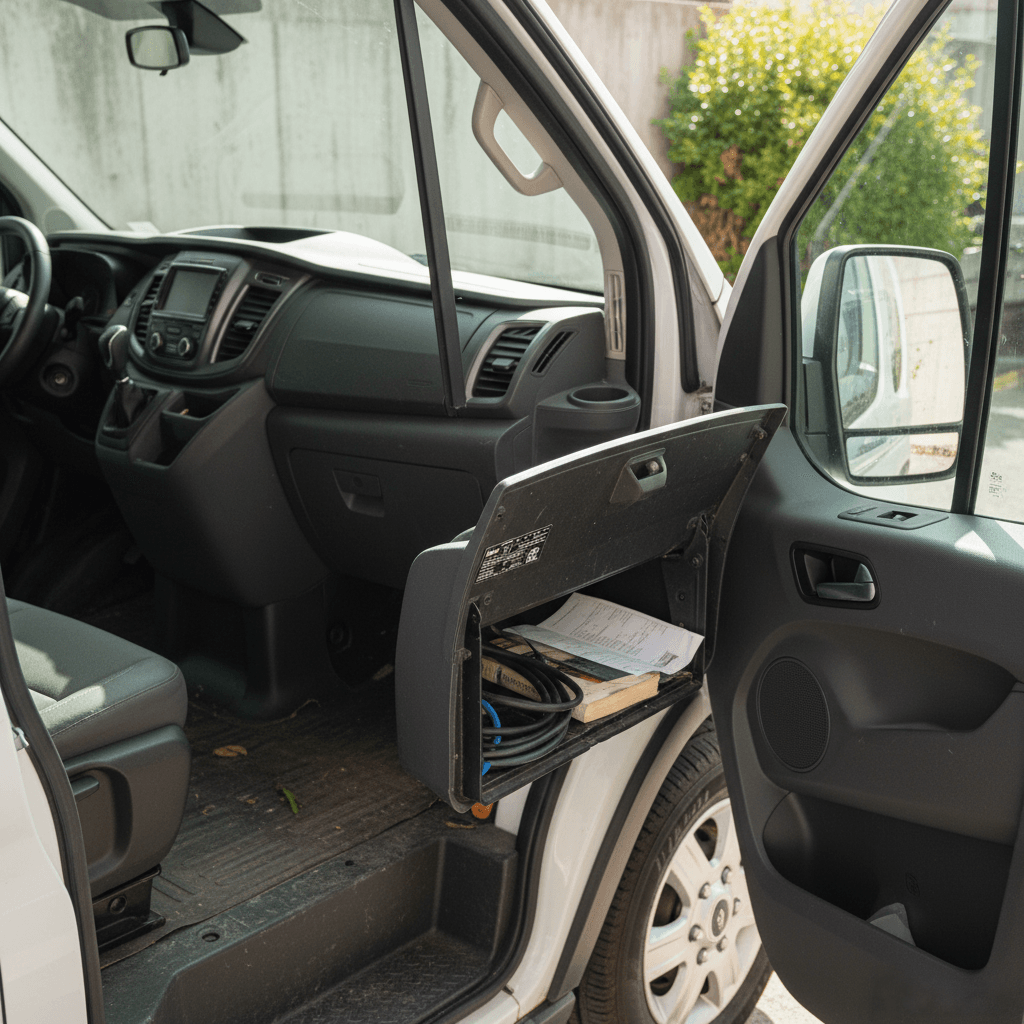
Key Ford E-Transit specs: range, payload, configurations
Before you get too attached to a specific van you see listed, it helps to understand what the E‑Transit actually is under the skin. The basics haven’t changed much from 2024 through the 2026 model years, so most used examples on the market will look very similar on paper.
Ford E-Transit headline specs (2024–2026 models)
Ford E-Transit cargo van configurations at a glance
Exact payload and range depend on model year and options, but this gives you a sense of how the main configurations differ.
| Config | Roof height | Wheelbase | Approx. range (est.) | Max payload (approx.) | Cargo volume (approx.) |
|---|---|---|---|---|---|
| Cargo Van Low Roof | Low | Long | Up to 159 mi | ~3,200 lb | ~280 cu ft |
| Cargo Van Medium Roof | Medium | Long | Mid‑140s mi | Just under 3,200 lb | ~350 cu ft |
| Cargo Van High Roof | High | Long or Extended | Low‑140s mi | ~2,800–3,300 lb | Up to ~530 cu ft |
| Chassis Cab / Cutaway | Low | Long or Extended | Varies with upfit | Up to ~4,000 lb | Depends on body |
Check the specific VIN’s window sticker or Ford build sheet for exact specs.
No passenger version (in the U.S.)
Real-world range and charging for E-Transit owners
On paper, you’ll see Ford touting up to an estimated 159 miles of range for certain 2024–2026 E‑Transit cargo vans. In the real world, range depends on weight, speed, temperature, and how hard you drive. If you plan around a realistic number instead of the headline figure, you’ll be much happier with the van.
Real-world range expectations
- City & mixed driving: Many owners report 110–140 miles per charge in moderate weather on mixed routes, especially with low or medium roofs.
- Highway-heavy days: Hold 70–75 mph with a loaded van and you can see range dip closer to 90–110 miles.
- Cold weather: Winter heat plus dense air can knock another 15–25% off. Plan conservatively if you’re in a northern climate.
Charging basics
- AC charging: A 240V Level 2 station is the sweet spot for overnight depot or home charging, typically taking the van from near empty to full in roughly 8–12 hours.
- DC fast charging: Later E‑Transit models can add around 60–70 miles of range in about 15 minutes on a high‑power DC fast charger, which is handy for mid‑day top‑ups.
- Pro Power Onboard: Select models provide 2.4 kW of onboard power, enough to run tools or equipment directly off the van at a job site.
Route‑planning tip
Ford E-Transit pricing: new vs. used
The good news if you’re shopping today: electric commercial vans depreciate faster than their gas counterparts, especially in the first three years. That’s painful for the first owner, but excellent for you if you’re hunting a used Ford E‑Transit for sale.
How E-Transit pricing usually stacks up
Exact numbers vary by mileage, upfit, and condition, but these ranges are common in late 2025.
New Ford E-Transit
- MSRP typically lands in the high-$40,000s to low-$60,000s for cargo vans before incentives and upfits.
- Chassis cab and cutaway models can be higher or lower depending on body and equipment.
- Fleet programs and Ford Pro deals can move the needle if you’re buying multiple units.
Used Ford E-Transit
- Lightly used 2024 cargo vans with a few thousand miles often list in the mid‑$30,000s, sometimes lower depending on region.
- Higher‑mileage or early‑build vans (2022–2023) can slide into the low‑$30,000s or below.
- Specialized upfits (refrigerated, shelving, lifts) add value but narrow the buyer pool, negotiate accordingly.
Don’t forget incentives
What to check before buying a used Ford E-Transit
Buying any used work van is part detective work, part gut feeling. With the E‑Transit, you’ve also got a big battery pack and charging hardware to think about. The trick is to separate routine wear from red flags that could cost you serious money down the road.
Used Ford E-Transit inspection checklist
1. Verify remaining battery warranty
Most E‑Transits come with an 8‑year/100,000‑mile high‑voltage battery warranty from the original in‑service date. Ask to see the original paperwork or run the VIN to confirm how much coverage is left.
2. Review a battery health report
Ideally, you want more than just a guess about battery condition. At Recharged, every vehicle gets a <strong>Recharged Score Report</strong> with verified battery health so you know how the pack is performing versus new.
3. Look for abuse, not just use
Scratches in the cargo area are normal. Crumpled floor sections, heavy rust, mismatched body panels, and poorly repaired wiring for aftermarket equipment are not. They’re clues to how the van was treated.
4. Confirm charging equipment works
If the van includes a Ford mobile charger or Level 2 unit, plug it in and test it. Also confirm that the van takes a full AC charge and, if possible, do a quick test at a DC fast charger to rule out charge‑port issues.
5. Pull data on usage patterns
Many E‑Transits have telematics or connected services. Ask for any available logs showing typical daily mileage, charge habits, and fast‑charging frequency. Frequent 100% fast charges aren’t a deal‑breaker but may accelerate wear.
6. Scan for software updates and alerts
Have the van scanned for stored trouble codes, especially in the high‑voltage and charging systems. Confirm that important software updates have been applied, including recalls or service campaigns.
Walk away if…
Ford E-Transit vs. gas Transit: which makes sense?
You can’t judge the E‑Transit in a vacuum, you have to compare it to the gas Transit it’s based on. The gas van can go farther, tow more, and fill up anywhere. The electric one is quieter, cheaper to run, and simpler to maintain. Which one wins depends entirely on your routes.
Where E-Transit usually wins
- Operating costs: Electricity is typically cheaper per mile than gasoline, and there are fewer scheduled services.
- Urban drivability: Instant torque, one‑pedal driving, and no idle noise make a long day in traffic less punishing.
- Emissions & access: Zero tailpipe emissions can matter for city contracts, emissions‑regulated zones, or corporate sustainability goals.
Where gas Transit still makes sense
- Long or unpredictable routes: If your vans wander 250+ miles in random directions, gasoline’s refuel‑anywhere nature is hard to beat.
- Towing & heavy payloads: A gas Transit can be configured for higher payload and towing than the E‑Transit in many cases.
- Rural operations: Sparse public charging infrastructure can make an electric van more hassle than help in some regions.
Map your current fuel spend
Ownership costs, incentives, and warranties
Sticker price is only half the story. Electric vans shift your costs from fuel and frequent service to electricity and occasional tire replacements. Understanding the whole picture is how you decide whether that used E‑Transit you’re eyeing is a bargain or a headache.
- Fuel vs. electricity: In many parts of the U.S., running an E‑Transit on off‑peak electricity can cost the equivalent of paying well under $2 per gallon for fuel, depending on your local rates.
- Maintenance: No oil changes, fewer filters, and simpler drivetrains typically mean fewer shop visits. You’ll still need brakes, tires, and suspension work over time.
- Battery and EV components: The high‑voltage battery and related hardware are the big‑ticket items, which is why remaining warranty coverage and a good battery health report are so important.
- Incentives and rebates: Federal, state, and utility programs for commercial EVs and charging can significantly lower your real‑world cost if you take the time to apply.
- Resale value: As more businesses get comfortable with EVs, clean, well‑documented E‑Transit vans with strong battery health are likely to stand out on the used market.
Understanding the typical battery warranty
How Recharged helps you buy a used E-Transit with confidence
Hunting through random listings for a Ford E‑Transit for sale can feel like a full‑time job, especially if you’re trying to run a business at the same time. That’s where Recharged comes in. We’re built specifically around used EVs and work vans, so you don’t have to become a battery expert overnight.
Why shop for your Ford E-Transit with Recharged?
Less guesswork, more transparency.
Recharged Score battery health diagnostics
Every E‑Transit we sell comes with a Recharged Score Report that includes verified battery health, real‑world range insight, and a transparent look at how that van has been used.
Financing and trade-in support
Need to move out of a gas van and into an E‑Transit? Recharged offers financing, trade‑in, instant offer or consignment options so you can keep cash flow predictable.
Nationwide, digital-first buying
Browse, get expert EV‑specialist support, sign paperwork digitally, and have your E‑Transit delivered. If you want to see and touch in person, our Experience Center in Richmond, VA is there for you.
Ready to find your next EV?
Browse VehiclesBuilt for EV-first buyers
Ford E-Transit for sale: FAQ
Frequently asked questions about buying a Ford E-Transit
Bottom line: is a used Ford E-Transit right for you?
If your work or business lives inside a predictable radius, and that radius fits comfortably inside the E‑Transit’s real‑world range, a used Ford E‑Transit for sale can be one of the smartest moves you make. You trade gas receipts and oil changes for overnight charging and quieter days behind the wheel. The key is honesty: about your routes, your charging options, and the specific van sitting in front of you.
Take the time to verify battery health, understand remaining warranty, and run the math on your true operating costs. If you’d rather have a partner in that process, Recharged was built to make EV ownership simple and transparent, from Recharged Score battery diagnostics to financing, trade‑ins, and nationwide delivery. When you’re ready to put an electric workhorse to work, we’re ready to help you find the right E‑Transit.