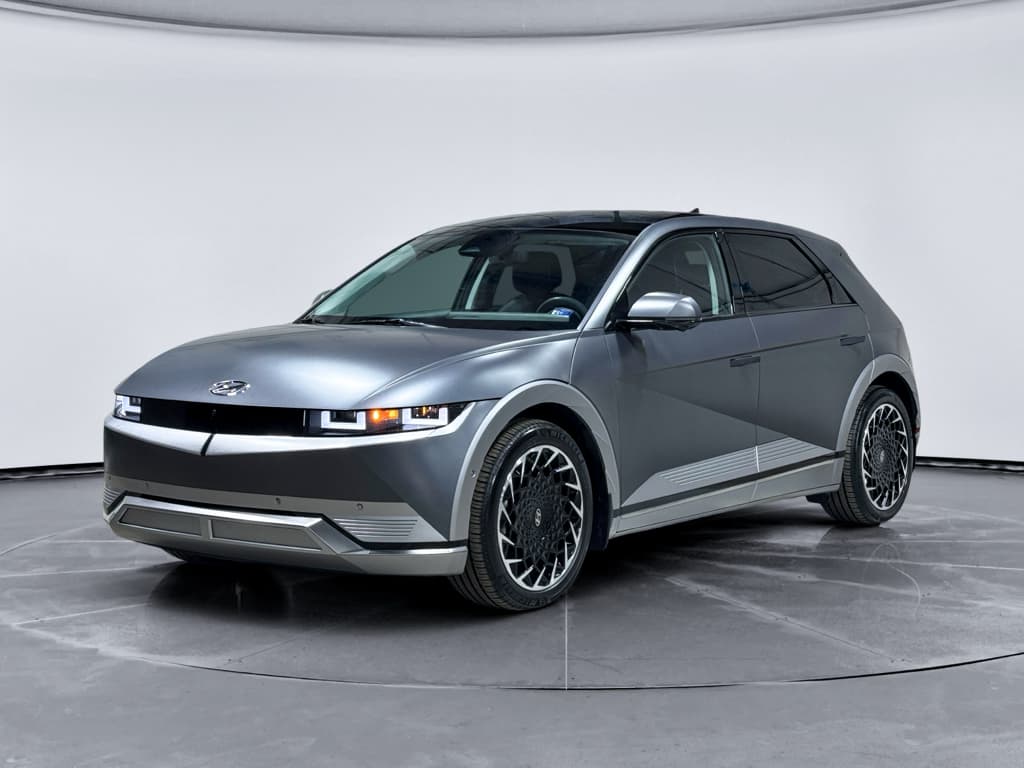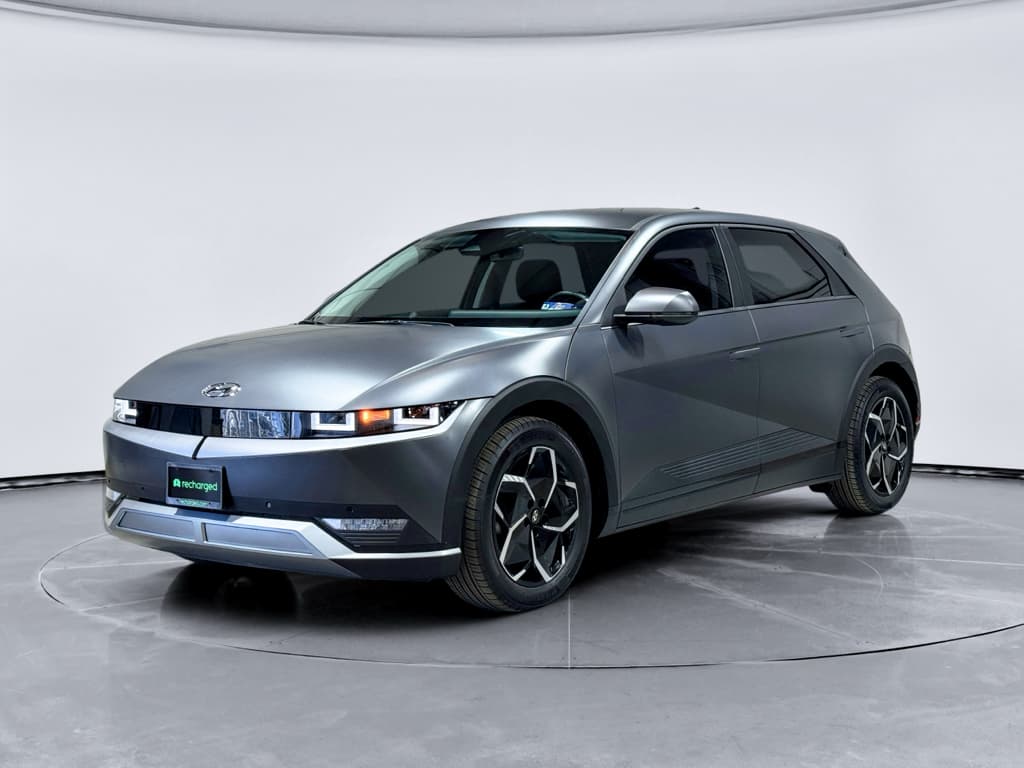
If you bought or are considering a 2026 Hyundai Ioniq 5, you’re probably already thinking about what it will be worth when it’s time to trade it in. With EV prices and incentives moving fast, understanding 2026 Hyundai Ioniq 5 trade in value is the difference between leaving money on the table and using your car’s equity wisely.
Quick Take
Overview: How 2026 Ioniq 5 Trade‑In Value Works
Trade‑in value is simply what a dealer, online buyer, or marketplace is willing to pay for your Ioniq 5 today, based on what they think they can resell it for tomorrow. For a 2026 Hyundai Ioniq 5, that number will be driven less by the sticker price you paid and more by three things: EV‑specific depreciation, battery health, and local demand for used electric crossovers.
EV & Ioniq 5 Depreciation Context (2024–2026)
EV Reality Check
How Much Will a 2026 Hyundai Ioniq 5 Be Worth?
No one can quote a guaranteed number for a future trade‑in, but based on how 2022–2025 Ioniq 5s and similar EVs are behaving, we can build a realistic range for a typical 2026 model in the U.S. market.
Sample 2026 Ioniq 5 Trade‑In Value Ranges (U.S.)
Illustrative ranges assuming a well‑equipped 2026 Ioniq 5 with a large battery and all‑wheel drive, purchased new around $45,000–$48,000 before taxes and fees. Real‑world values will vary by trim, incentives, mileage, and battery health.
| Ownership Age & Timing | Approx. Mileage | Typical Depreciation vs MSRP | Likely Trade‑In Range |
|---|---|---|---|
| 1 year old (2027) | 12,000–18,000 miles | 25–35% | $30,000–$35,000 |
| 2 years old (2028) | 24,000–30,000 miles | 35–45% | $25,000–$30,000 |
| 3 years old (2029) | 36,000–45,000 miles | 45–55% | $20,000–$26,000 |
| 4–5 years old (2030–2031) | 50,000–70,000 miles | 55–65% | $16,000–$22,000 |
Think of these as planning brackets, not firm offers. A clean battery report, strong local demand, or meaningful accident history can push your actual number outside these ranges.
Why These Are Ranges, Not Quotes
7 Key Factors That Shape 2026 Ioniq 5 Trade‑In Value
What Dealers Actually Look At
Seven levers that move your 2026 Ioniq 5 trade‑in price up or down.
1. Trim & Options
2. Mileage & Usage
3. Battery Health
4. Accident & Title History
5. Cosmetic Condition
6. Local Demand
7. Incentives & New‑Car Discounts
Trim Tip
Battery Health: The Make‑or‑Break Factor
For gas cars, a dealer can glance at mileage and condition and be 80% of the way to a trade‑in number. For a 2026 Ioniq 5, battery health is just as important as miles. Two Ioniq 5s with identical odometers can have very different real‑world range and charging behavior, and different resale value.
What Buyers Worry About
- Reduced range: A tired battery might turn a 260‑mile EPA estimate into 210–220 real‑world miles.
- Slower fast charging: If the pack can’t comfortably accept high power, road trips get painful.
- Out‑of‑warranty risk: Replacement packs are expensive, even if prices fall over time.
How a Battery Report Helps You
- Quantifies SOH: A good report shows battery State of Health vs. new, not just a dashboard guess.
- Builds buyer confidence: Dealers and marketplaces pay more when they can prove the pack is strong.
- Justifies top‑of‑range pricing: If your Ioniq 5’s battery tests well, it’s easier to argue for a better trade‑in number.
How Recharged Uses Battery Data
Ready to find your next EV?
Browse Vehicles
Where to Sell: Trade‑In vs Private Sale vs EV Marketplace
When you say “trade‑in value,” you’re usually thinking about what a dealer will give you toward your next car. But 2026 and beyond give you more options: a traditional dealer, an instant‑offer site, a private sale, or an EV‑specialist marketplace like Recharged. Each has different math and different levels of hassle.
Pros & Cons of the Main Selling Channels
Your 2026 Ioniq 5’s best home depends on how much time you’re willing to trade for money.
Dealer Trade‑In
- Pros: Fast and convenient; tax credit in many states (you pay sales tax only on the price difference).
- Cons: Often the lowest dollar offer; many rooftops still struggle to price EVs accurately.
Instant Offer Sites
- Pros: Quick online quote, simple pickup; good for clean‑title, mid‑mileage cars.
- Cons: Limited EV nuance; adjustments at inspection can be steep if the battery or tires aren’t perfect.
EV‑Focused Marketplace (Recharged)
- Pros: Battery‑aware pricing, EV‑savvy buyers, options for trade‑in, instant sale, or consignment.
- Cons: May take a bit longer than an on‑the‑spot dealer deal, but often yields stronger net value.
When a Dealer Trade‑In Still Makes Sense
How to Estimate Your 2026 Ioniq 5 Trade‑In Value
You don’t need a crystal ball or a dealer visit to start modeling what your 2026 Ioniq 5 will be worth. You do need a little homework and a realistic view of how EVs depreciate.
Step‑by‑Step: Build a Realistic Trade‑In Estimate
1. Start from Current New Pricing
Look up current transaction prices, not just MSRP, for a 2026 Ioniq 5 in your trim. Remember that aggressive discounts or factory incentives today will usually pull used values down over the next 12–24 months.
2. Apply a Conservative Depreciation Curve
For planning, assume roughly 25–35% value loss in year one, then 10–15% in each of the next two years. If Ioniq 5 incentives spike again, aim for the higher side of those ranges.
3. Adjust for Your Actual Mileage
If you drive significantly less than 12,000–15,000 miles per year, you can tack on a few percentage points of value. If you commute heavily or road‑trip often, shave a few off.
4. Research Real Used Listings
Scan EV‑specific marketplaces and classifieds for 2–3‑year‑old Ioniq 5s with similar trim, miles, and equipment. Asking prices aren’t trade‑ins, but they frame the ceiling of what the market will pay.
5. Factor In Battery & Condition
If you plan to keep the battery healthy, gentle fast‑charging habits, regular service, good tires, you can comfortably model your trade‑in toward the upper half of the range. If not, plan for the middle or lower half.
6. Get Multiple Early Quotes
Six to twelve months before you actually plan to move on, collect soft quotes from a dealer, an instant‑offer site, and an EV‑specialist like Recharged. It will tell you whether your assumptions are holding up.
Planning Example
9 Ways to Maximize Your Ioniq 5’s Trade‑In Offer
You can’t control macro EV pricing or Federal incentives. You can control how attractive your 2026 Hyundai Ioniq 5 looks to the next owner, and therefore to whoever is writing your trade‑in check.
- Keep mileage in check where possible, road‑trip with DC fast charging, but don’t use your Ioniq 5 as a long‑haul rideshare workhorse if you care about resale.
- Stay on top of recommended maintenance and software updates, and keep your service records handy.
- Protect the battery: avoid living at 100% charge, minimize repeated 0–5% to 100% DC fast‑charge cycles, and park in shade or a garage when you can.
- Fix inexpensive cosmetics ahead of time, professional detailing, paintless dent repair, and wheel touch‑ups often pay for themselves in a stronger offer.
- Replace worn tires with a reputable brand; bald tires are an easy deduction for any buyer.
- Avoid aftermarket modifications that are hard to reverse. Subtle tint is fine; chopped springs and non‑OEM electronics can be a resale drag.
- Time your trade when supply is tight, before a new wave of off‑lease EVs or big new‑car incentives hit your local market.
- Get at least two competing offers; even if you prefer one channel, a second quote gives you leverage.
- Consider selling through an EV marketplace like Recharged if you have a high‑spec, well‑cared‑for Ioniq 5; specialist buyers will actually pay up for things like battery health, fast‑charge performance, and driver‑assist features.
Biggest Trade‑In Killers
When to Trade In Your 2026 Ioniq 5
Because EV technology and pricing are still evolving quickly, timing your trade‑in matters more with a 2026 Ioniq 5 than with a conventional compact SUV. There’s no single “perfect” month, but there are windows that tend to work in your favor.
Smart Timing Strategies for Your Trade‑In
1–2 Years of Ownership
Best if you want the latest tech and are comfortable with a bigger depreciation hit up front.
You’ll likely capture the highest absolute dollar value, but you’re also competing with aggressive new‑car incentives.
Ideal if a new job, move, or lifestyle change makes you rethink your range or space needs.
3–4 Years of Ownership
Often the sweet spot between getting good use from the car and avoiding the steepest long‑term battery‑age worries from buyers.
You’ve likely cleared most early‑build recalls or software wrinkles by this point.
Your monthly depreciation cost typically starts to flatten out after year three.
5+ Years of Ownership
Best if you want to extract maximum value from what you already paid, especially if you drive moderate miles and maintain the car well.
Battery warranty coverage will be closer to expiring, which can make some buyers more cautious.
At this point, your Ioniq 5 is less about trade‑in math and more about overall cost of ownership vs. replacing it.
Watch the Incentive Cycles
FAQs: 2026 Hyundai Ioniq 5 Trade‑In Value
Frequently Asked Questions
Bottom Line: Setting Realistic Expectations for Your 2026 Ioniq 5
The market has already shown that the Hyundai Ioniq 5 is one of the better EVs to own, quick charging, comfortable, and well‑equipped, but not necessarily the strongest at holding value, especially in the first few years. If you go in expecting a 25–35% hit in year one and roughly half of MSRP gone by year three, you won’t be shocked when it’s time to negotiate. From there, battery health, mileage, and condition are the levers you can actually pull to outperform the averages.
If you’d rather not guess, an EV‑specialist marketplace like Recharged can give you a battery‑aware view of your 2026 Hyundai Ioniq 5 trade‑in value, plus options ranging from instant sale to consignment and trade‑in toward another EV. However you choose to sell, understanding the forces behind that number puts you back in control of the conversation, long before you pull into the lot.