If you’re hunting for the fastest used electric car you can buy, you’re really asking two questions: what’s the absolute quickest EV built so far, and which of those rockets actually make sense as a used purchase. This guide walks through both, from sub‑2‑second hypercars to realistically affordable Teslas, Porsches, Rivians and Hyundais, with clear 0–60 times, price expectations, and what to look for in a used performance EV.
EV performance has leapt ahead
Why fast used EVs are so appealing right now
High‑performance EVs are depreciating faster than slow ones, and much faster than traditional exotic cars. That means you can buy staggering performance, the kind that embarrassed supercars just a few years ago, for what a well‑optioned midsize SUV costs new. On top of that, electric powertrains deliver instant torque, near‑silent launches, and low running costs if you charge at home.
- Brutal 0–60 mph times that rival or beat gas supercars
- Used pricing that’s often 20–50% below original MSRP after just a few years
- Lower maintenance (no oil changes, fewer wear items) versus comparable gas performance cars
- Software‑defined behavior, many fast EVs get better with over‑the‑air updates
Speed has trade‑offs
How we define the “fastest” used electric car you can buy
When shoppers say “fastest,” they usually mean 0–60 mph acceleration. Top speed matters far less in the real world, and quarter‑mile times mostly track with 0–60 on these cars. For this guide, we focus on factory‑quoted or independently tested 0–60 mph figures and then filter by what’s realistically obtainable on the U.S. used market in 2026.
Three lenses on “fastest” you should care about
Look beyond headline 0–60 numbers to what you can buy and live with.
1. Absolute quickest
The all‑out record‑holders: hypercars and halo sedans with sub‑2‑second launches and seven‑figure price tags.
2. Fastest you can realistically buy
Cars that actually show up on the used market under roughly $300k, still outrageous, but attainable for some buyers.
3. Everyday fast
Performance EVs you can daily: 0–60 in ~3 seconds, usable range, four seats, and a price that fits a conventional auto loan.
Headline answer: the fastest used electric car you can buy today
If your only priority is the absolute quickest 0–60 electric car that could, in theory, show up as a used vehicle, the crown right now belongs to the Rimac Nevera R. It’s a limited‑run Croatian hypercar making around 2,100 hp and posting a claimed 0–60 mph time of about 1.7 seconds, with a top speed north of 260 mph. Production is tiny and prices live deep in seven‑figure territory, but it is a production car, and sooner or later, every production car becomes used.
Reality check on the Rimac
Top 10 fastest used electric cars: key stats at a glance
Here’s a quick comparison of some of the quickest production EVs that either already appear on the used market in the U.S., or plausibly will within the next few years. Times are manufacturer claims or well‑documented independent tests; used price bands are approximate U.S. asking prices as of early 2026, not guarantees.
Fastest production EVs you can (at least theoretically) buy used
Sorted by 0–60 mph time; price bands reflect early‑2026 used market ballparks, where data exists.
| Model | Typical body style | 0–60 mph (approx.) | New MSRP (approx.) | Used market reality (U.S.) |
|---|---|---|---|---|
| Rimac Nevera / Nevera R | 2‑door hypercar | ~1.7 s | $2.5M+ | Ultra‑rare; occasional listings well above $2M |
| Pininfarina Battista | 2‑door hypercar | ~1.8 s | $2.5M+ | Similar to Rimac: collectible, rarely traded publicly |
| Porsche Taycan Turbo GT Weissach | 4‑door sedan | ~1.9 s | $230k+ | Limited build; used examples will be scarce, likely near MSRP |
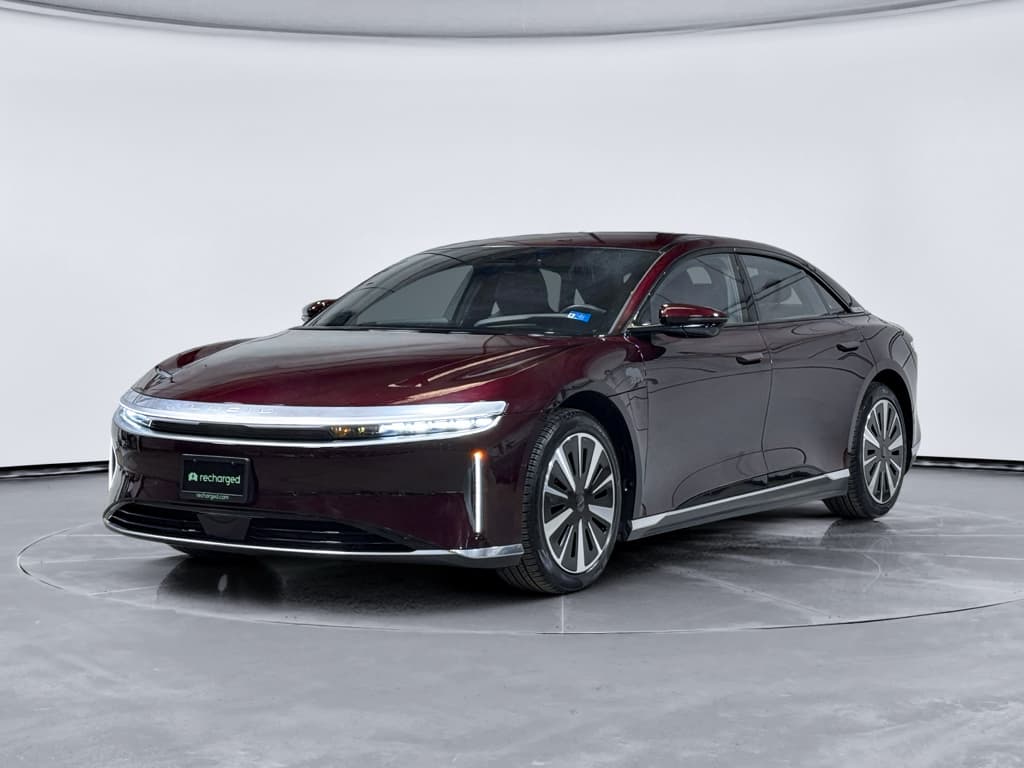
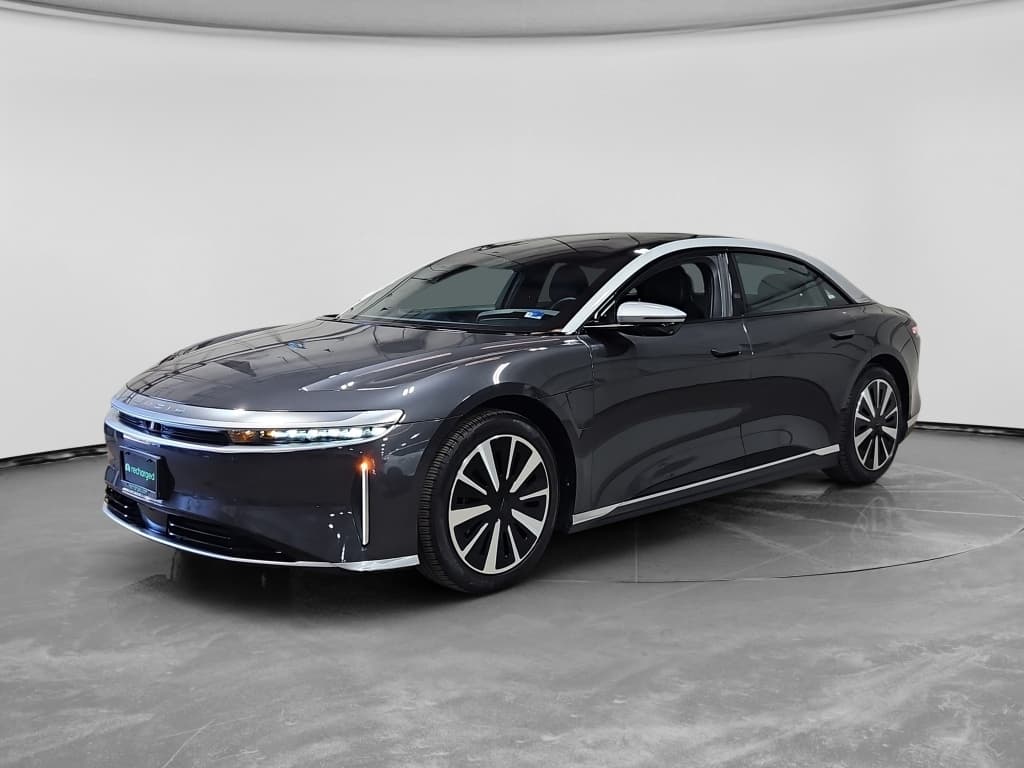
| Lucid Air Sapphire | 4‑door sedan | ~1.9–2.1 s | ~$250k | Small numbers; expect used examples around $200k+ initially |
| Tesla Model S Plaid | 4‑door hatchback | ~2.0–2.1 s | ~$90k–$95k | Widely available used; many cars already $60k–$80k |
| Xiaomi SU7 Ultra* | 4‑door sedan | ~2.0 s | ~$70k eq. | China‑only for now; not a normal U.S. used‑market option |
| Tesla Model X Plaid | 3‑row SUV | ~2.5 s | $95k+ | Used mid‑$60k–$90k depending on year/miles |
| Porsche Taycan Turbo S | 4‑door sedan | ~2.4–2.6 s | $190k+ optioned | Early cars dipping toward $110k–$140k used |
| Hyundai Ioniq 5 N | Performance crossover | ~2.8 s (with launch mode) | ~$65k–$70k | Still new; expect used in the $50k+ range |
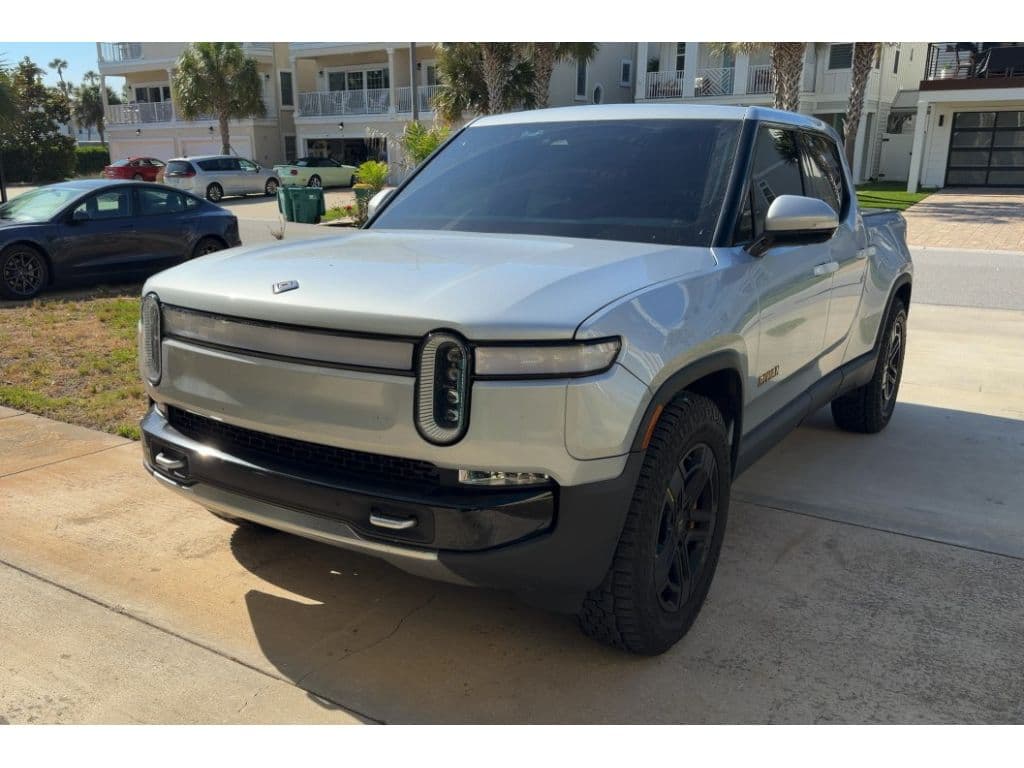
| Rivian R1T/R1S Quad‑motor | Pickup / SUV | ~3.0 s or better | $80k+ when new | Used examples appearing in $60k–$90k range |
Hypercar‑level speed at the top, more realistic used buys toward the middle and bottom of the table.
Asterisk on global models
Fastest used EVs you can actually find and live with
Now let’s talk about the cars you’re far more likely to see on a site like Recharged or at a local seller. These offer outrageous speed, real‑world usability, and pricing that, while still serious money, can make sense for a dedicated enthusiast.
Four headline choices for a “fast used EV”
These combine serious speed with four seats and real practicality.
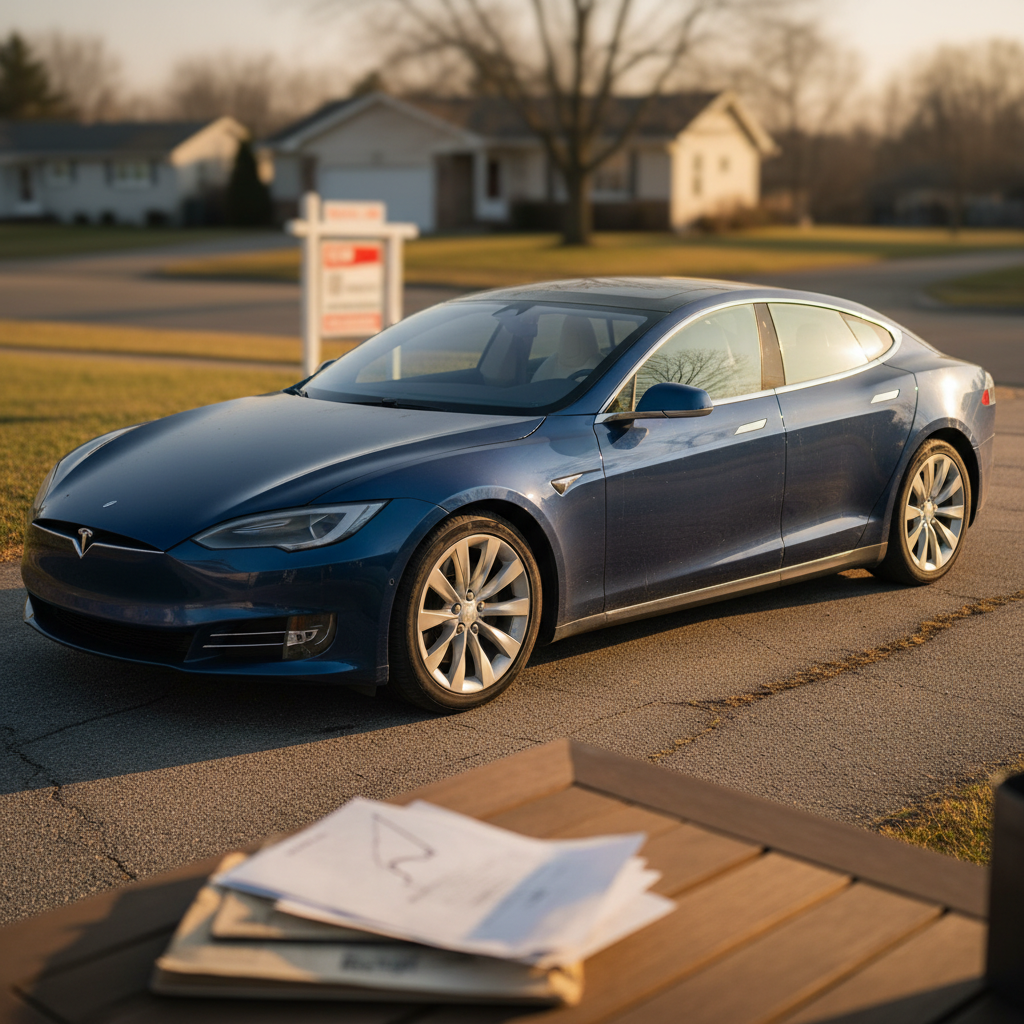
Tesla Model S Plaid
Why it matters: Dual‑role family car and drag‑strip monster in one package.
- 0–60 mph around 2.0–2.1 seconds on a prepped surface.
- Roomy hatchback, usable back seat, big trunk.
- Massive performance community and tuning/track‑prep know‑how.
Used watch‑outs: Wheel/tire damage, evidence of repeated high‑speed runs, and battery/drive‑unit warranty status.
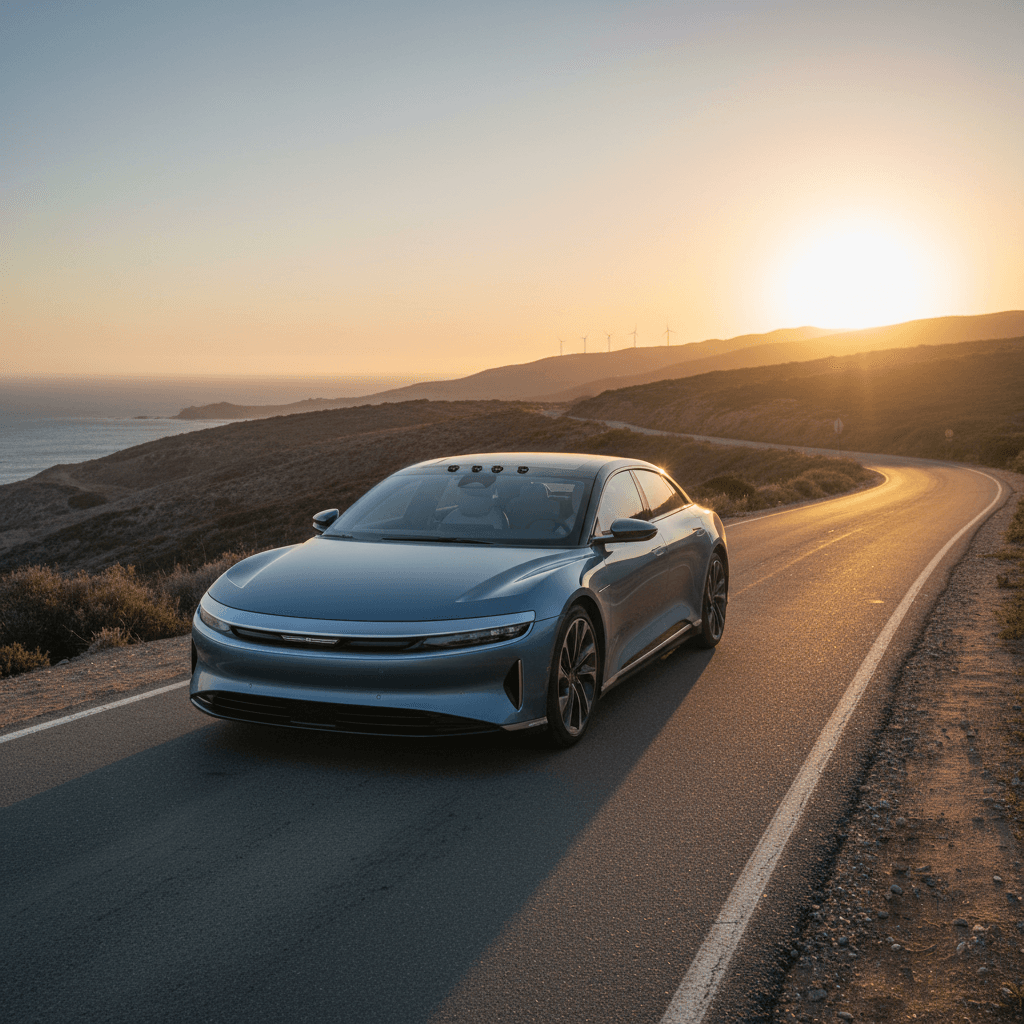
Lucid Air Sapphire & Grand Touring Performance
Why it matters: Astonishing straight‑line speed with big‑range comfort.
- Sapphire trims can dip below 2.0 seconds 0–60 mph; other fast Air models are comfortably in the low‑3‑second range.
- Among the longest‑range EVs sold, even in performance form.
- Cabin quality and ride compete with German flagships.
Used watch‑outs: Software update history, service support in your region, and wheel/tire costs.
Porsche Taycan Turbo S / Turbo GT
Why it matters: The most “sports‑car‑like” of the big sedans.
- Launch‑control 0–60 times in the low‑2‑second bracket in GT form.
- Repeatable performance lap after lap at a road course.
- Classic Porsche steering and chassis feel.
Used watch‑outs: Option‑heavy build sheets, brake wear, and DC fast‑charge history on track‑driven cars.
Rivian R1T / R1S Quad‑motor
Why it matters: The quickest full‑size truck/SUV combo many buyers will ever experience.
- 0–60 mph in roughly 3 seconds or less with the right spec.
- Real off‑road capability and utility, not just a toy.
- Over‑the‑air updates keep adding modes and features.
Used watch‑outs: Towing history (heat and load), tire wear, and underbody impacts from off‑roading.
Price, depreciation & total cost on used performance EVs
How fast EVs are dropping into used‑buyer territory
The big surprise for many shoppers is how quickly performance EVs fall from their lofty MSRPs. A Tesla Model S Plaid that stickered around $120,000 with options might show up a few years later in the $70,000 range. Early Taycans and Lucid Airs are experiencing similar trajectories. That hurts first owners but makes the used market very attractive if you shop carefully.
Up‑front costs
- Purchase price plus taxes and fees
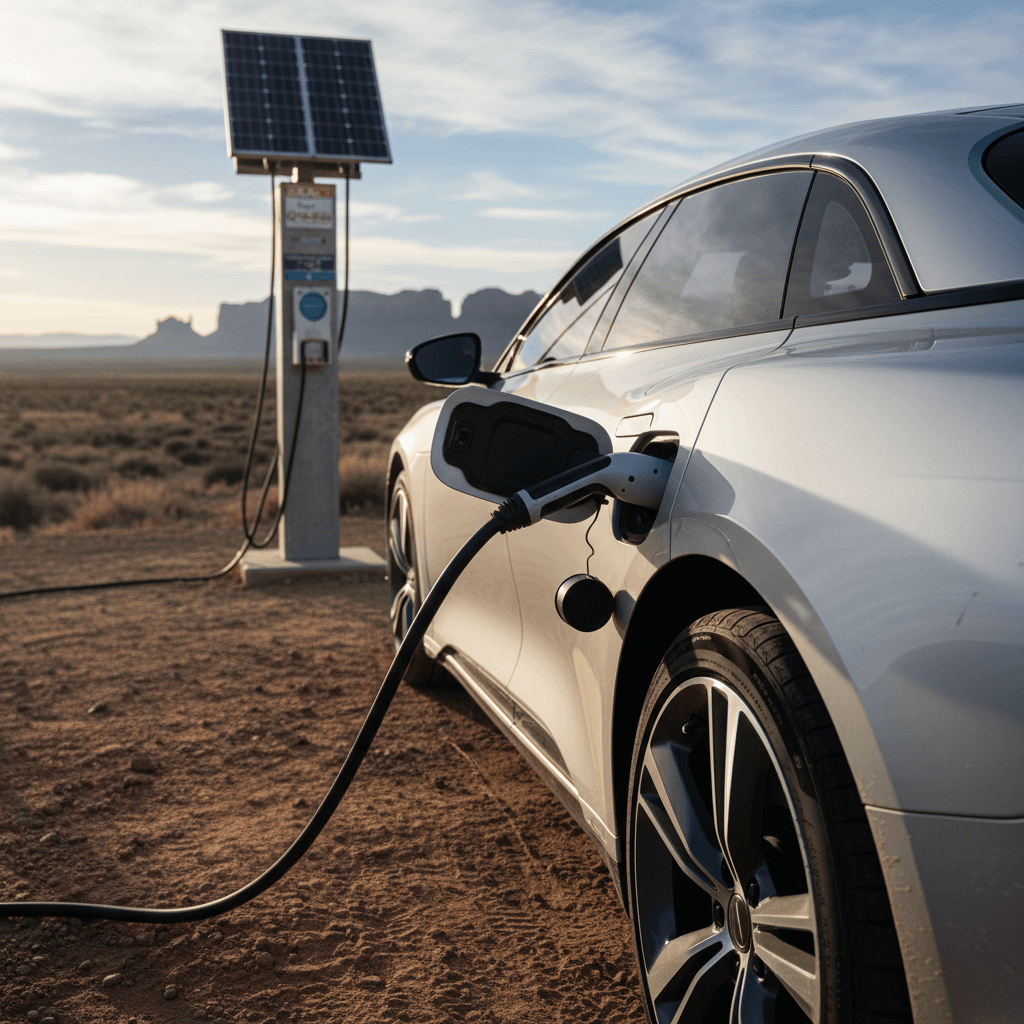
- Home charging installation (often $800–$2,000 if you need a new 240V circuit)
- Insurance, performance EVs can cost more to insure
Ongoing costs
- Electricity vs. gasoline savings
- Tires, sticky performance rubber wears quickly
- Out‑of‑warranty repairs if you buy an older or high‑mileage example
Think monthly, not just sticker
Battery health & heat: the hidden cost of speed
Electric motors don’t mind spinning hard, but batteries absolutely care about heat. Repeated launches, track sessions, and dense fast‑charging can all add stress. The result, eventually, is lower usable capacity and reduced range. That’s why understanding battery health is just as important as knowing a car’s 0–60 time when you’re buying used.
Battery questions to ask on a fast used EV
1. What’s the actual usable range today?
Don’t rely solely on the original EPA rating. Ask the seller for a full charge screenshot and compare real‑world range to the spec sheet.
2. How often was it DC fast‑charged?
Occasional road‑trip fast‑charging is fine. A lifetime diet of high‑power DC charging plus track days is harder on the pack.
3. Any track time or drag‑strip use?
Enthusiast owners might be honest about this; you’re not trying to disqualify the car, you just want to know how it’s been treated.
4. Has it ever shown battery or drive‑unit warnings?
Ask specifically about warning lights, limp‑mode events, or repair invoices related to the high‑voltage system.
5. Is there remaining battery warranty?
Many EVs carry 8‑year/100k‑plus‑mile battery warranties. A car still under coverage has a safety net.
Don’t guess on pack health
How to shop smart for a fast used EV
Shopping for a performance EV is part car buying, part consumer‑electronics purchase. You’re balancing hardware (battery and motors), software (firmware versions, performance modes), and traditional used‑car concerns (history, mileage, condition). Here’s a straightforward process to keep you out of trouble.
Two paths: max performance vs. smart value
Performance‑first buyer
Prioritize the strongest factory 0–60 times and top‑spec trims (Plaid, Sapphire, Turbo GT, N, Quad‑motor).
Budget extra for tires, brakes, and possible track‑prep items (fluid, pads, alignment).
Look for single‑owner cars with complete service records, enthusiasts often maintain them better.
Be realistic about range; performance tires and aggressive driving will shrink it.
Value‑focused enthusiast
Target 0–60 in the low‑3‑second range instead of chasing sub‑2‑second unicorns.
Shop 2–4 model years old where depreciation has already done its work.
Consider slightly lower trims (e.g., Lucid Air Grand Touring, Taycan 4S/4S Performance Battery Plus) that are still very quick.
Focus hard on battery health, warranty balance, and total cost to own over 5–7 years.
- Set your non‑negotiables: maximum budget, minimum range, and whether you need four doors or an SUV body style.
- Make a short list of models that fit (for many shoppers that’s some mix of Model S Plaid, Taycan, Lucid Air, Rivian R1T/R1S, and Ioniq 5 N).
- Research known issues for each model year, software updates, recalls, and common wear items.
- Always test drive from a cold start so you can feel how the car behaves before it’s fully warmed and in its sportiest mode.
- Get a pre‑purchase inspection that includes high‑voltage system checks and a battery health assessment.
Where Recharged fits into this
How Recharged helps you buy a fast used EV with confidence
Fast EVs are thrilling, but they’re also complicated machines that mix high‑voltage electronics with supercar performance. Buying one should feel exciting, not like a gamble. That’s the gap Recharged is built to fill for used‑EV shoppers.
What you get when you shop performance EVs with Recharged
Designed to take the guesswork out of going fast on electrons.
Recharged Score battery diagnostics
Every vehicle gets a Recharged Score Report with objective battery health data, so you can compare a fast EV’s pack condition as easily as you compare its 0–60 time.
Fair‑market performance pricing
Recharged benchmarks each car against the broader market, so you see if a Plaid, Sapphire, or Taycan Turbo is priced fairly for its mileage, options, and battery status.
EV‑specialist guidance
From financing and trade‑ins to explaining track‑mode settings, Recharged’s EV‑savvy team can walk you through the details that matter on a high‑performance electric.
Ready to find your next EV?
Browse VehiclesShop fully online or visit in person
Recharged offers a fully digital buying experience, plus an on‑the‑ground Experience Center in Richmond, VA if you’d rather talk performance EVs face‑to‑face.
End‑to‑end ownership support
Need help with charging setup, warranty questions, or planning a road‑trip in your new rocket? Recharged can help with financing, nationwide delivery, and ongoing EV ownership advice.
FAQ: Fastest used electric cars
Frequently asked questions about the fastest used EVs
Bottom line: choosing the right kind of fast
If you define the fastest used electric car you can buy by raw stopwatch numbers, hypercars like the Rimac Nevera sit at the top of the heap. But for most shoppers, the more useful answer is a Tesla Model S Plaid, a Taycan Turbo, a hot‑spec Lucid Air, or a Rivian that can rip off supercar‑grade launches and still handle family duty. The key is matching the level of performance you want with the range, budget, and battery health that make sense for your life.
Spend the time to understand each model’s strengths, insist on real battery‑health information, and run the numbers on total ownership cost, not just headline 0–60 times. Do that, and you can enjoy world‑class acceleration every time you merge onto the highway, without feeling like you gambled on the wrong kind of fast.