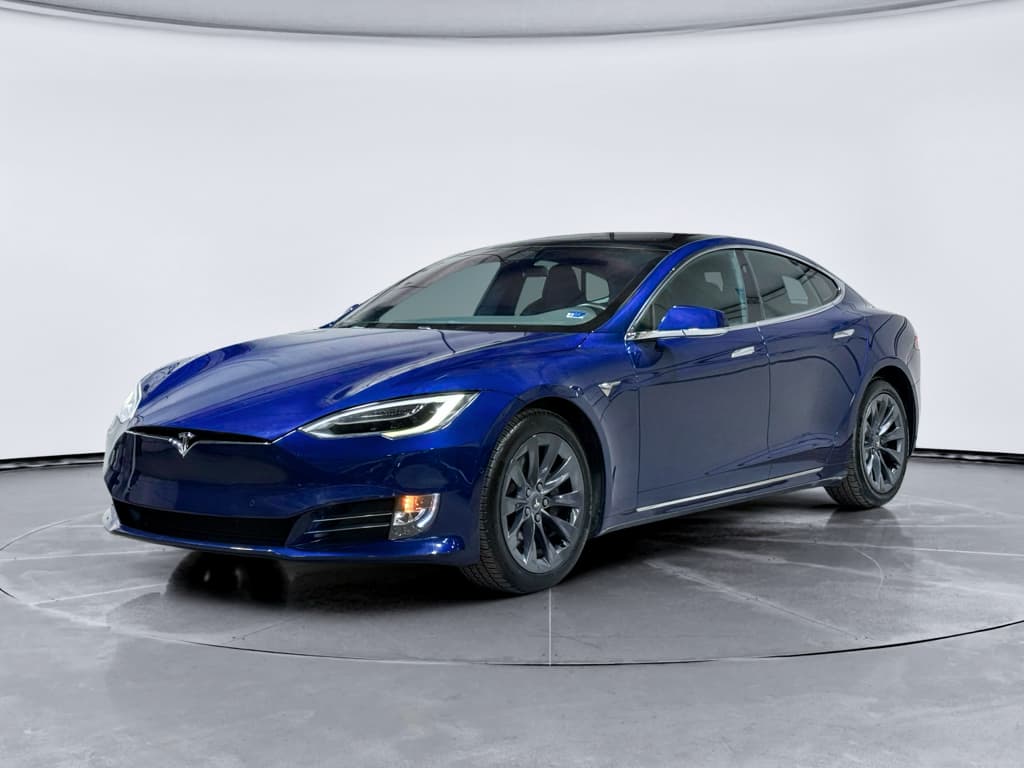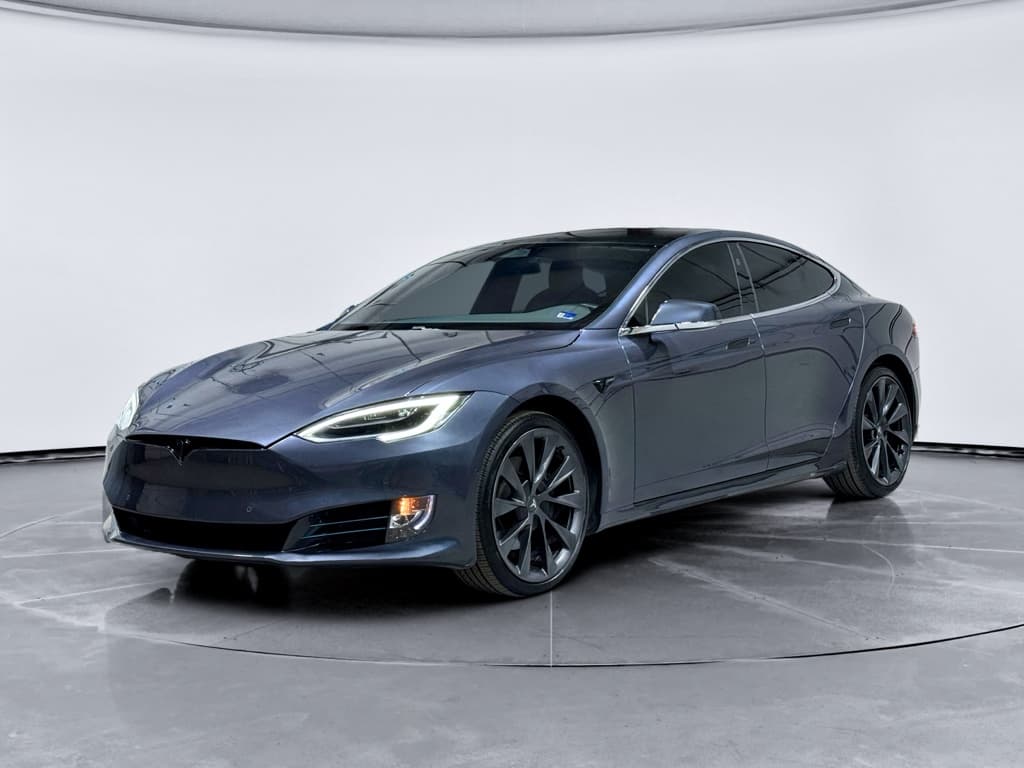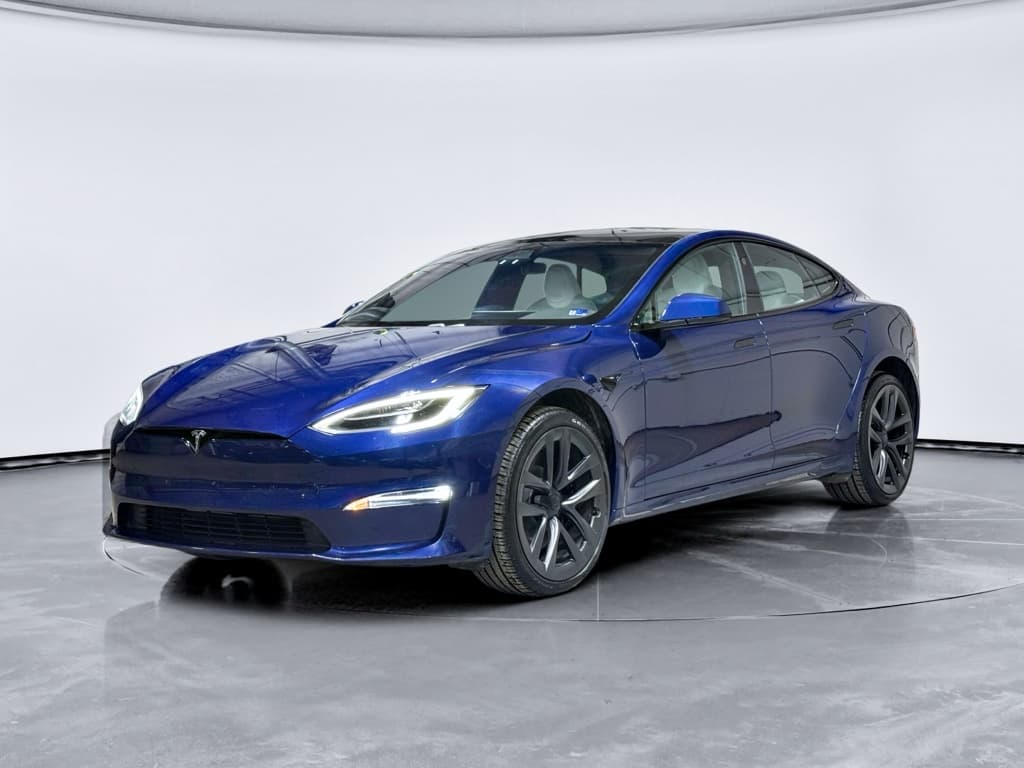
If you own a Tesla, you’ve already discovered one uncomfortable truth about the future: software gets better, but cars still depreciate the old‑fashioned way. And when it comes to the Tesla Model S value after 5 years, the story is dramatic. The car that once ruled EV resale charts is now one of the steepest‑depreciating luxury vehicles on the market, painful if you bought new, oddly wonderful if you’re shopping used.
Key takeaway in one line
Overview: Model S value after 5 years
Tesla Model S value after 5 years at a glance
The punchline: the Model S is no longer a resale superhero. Between intense EV price wars, more competition, higher interest rates, and the end of many tax incentives, five‑year‑old Model S sedans are selling for a fraction of their original sticker price. The upside is that the same depreciation that stings original owners turns the Model S into a genuinely compelling used‑EV bargain, if you know what you’re looking at.
How much is a 5‑year‑old Tesla Model S worth?
Let’s put some working numbers on it. Imagine a well‑equipped Model S that stickered for $95,000 five years ago. Across multiple resale and market studies, you’ll repeatedly see the same rough outcome: after five years, that car is often worth around $30,000–$35,000, sometimes less if mileage is high or equipment is dated.
Typical 5‑Year Tesla Model S Value Bands
Approximate private‑party / retail asking prices for 5‑year‑old Model S sedans in 2026, assuming good condition and clean history.
| Original MSRP (New) | Condition & Mileage (5 yrs) | Likely Value Range | Notes |
|---|---|---|---|
| $80,000 | Excellent, <40,000 miles | $30,000–$34,000 | Later refresh, dual‑motor, popular colors, clean history. |
| $90,000 | Good, 50,000–70,000 miles | $28,000–$32,000 | Typical 5‑year‑old long‑range car, some cosmetic wear. |
| $100,000+ | Average, 70,000–90,000 miles | $25,000–$30,000 | Performance trims may fetch more if clean; mileage drags value. |
| $80,000+ | High mileage, >100,000 miles | $20,000–$25,000 | Battery and drive unit history become critical to pricing. |
These are ballpark ranges, your individual car can sit above or below these bands based on spec, history, and local demand.
Mind the spread
If you compare this to some legacy luxury sedans, it’s startling. A five‑year‑old Mercedes E‑Class or BMW 5 Series might keep closer to half its value. A Model S often keeps only about a third. But that’s the headline; the reasons underneath are more interesting, and more useful if you’re deciding whether to sell, keep, or buy used.
Why has the Model S depreciated so much?
Six forces pushing Model S values down
Once the EV darling of Wall Street, the Model S is now paying the price of progress.
1. Aggressive new‑car price cuts
2. Rapid tech turnover
3. Flood of off‑lease & early adopters
4. EV market correction
5. Higher interest rates
6. More competition
The paradox of progress
Battery health and 5‑year value
Depreciation charts don’t tell the whole story. Underneath the price graphs is the question every used‑EV shopper secretly cares about most: Is the battery still good? On that front, the Model S has a bit of a split personality. Early cars with older cell chemistry can show more variation, but on the whole, Tesla packs have aged better than the scare stories suggest.
- Real‑world owner data typically shows roughly 8–12% capacity loss in the first 100,000 miles, then a slower, almost asymptotic decline.
- Well‑maintained cars that avoid constant 100% charges and frequent DC fast charging often sit around 90–93% of original capacity after about five years of mixed use.
- Extremely high‑mileage or heavily supercharged cars can fall outside that range and should be evaluated more carefully.
Range, not chemistry, is what buyers feel
This is where a structured inspection matters. At Recharged, every Model S we list comes with a Recharged Score battery health diagnostic, so you’re not guessing from dash readouts or owner anecdotes. That clarity is part of why heavily depreciated luxury EVs can suddenly make sense: you get S‑class performance at Camry‑money running costs, without flying blind on the pack.

5‑year Model S vs. gas luxury sedan depreciation
How the Model S compares
Recent five‑year depreciation studies consistently show EVs losing more value than the market average, and the Model S sitting toward the steep end even within the EV pack. Meanwhile, many gas luxury sedans have quietly returned to their old, boring depreciation curves, bad, but not spectacularly bad.
- Typical 5‑year depreciation for all vehicles: ~45–50%.
- Typical 5‑year depreciation for many luxury sedans: ~50–55%.
- Common 5‑year depreciation for the Tesla Model S in recent studies: ~65%+.
What that means in dollars
On a $90,000 new car, that extra 10–15 percentage points of depreciation translates into $9,000–$13,000 more lost value over five years compared with some gas rivals. From the original owner’s perspective, that’s a gut punch. From the used buyer’s perspective, that’s the discount that makes a high‑end EV suddenly affordable.
In other words: if you’re buying new, the Model S is no longer the safe‑bet residual king. If you’re buying used at five years, you’re walking into the party just as the bottles get cheaper.
Is a 5‑year‑old Model S a good buy in 2026?
Pros and cons of a 5‑year‑old Tesla Model S
A brutally honest look at why you might want one, and why you might not.
Why it’s a great buy now
- Huge upfront discount: You’re often paying 30–35% of original MSRP for a still‑fast, still‑modern EV.
- Low operating costs: Electricity and maintenance remain dramatically lower than comparable gas sedans.
- Proven drivetrain: Tens of thousands of high‑mileage cars have taken the mystique out of long‑term ownership.
- Quiet, comfortable, quick: Even a five‑year‑old Model S feels special on the highway.
Where you need to be cautious
- Tech aging curve: Older screens, AP hardware, and interiors can feel dated next to newer Teslas.
- Out‑of‑warranty risk: Many five‑year‑old cars are aging out of factory coverage, raising the stakes on big repairs.
- Option‑sensitive resale: Odd specs or less‑popular colors can be harder to move later.
- Charging expectations: If you don’t have reliable home charging, the ownership math gets trickier.
The sweet spot, defined
How to estimate your own Model S value
Online pricing tools will give you a rough ballpark, but the Model S is option‑sensitive and reputation‑sensitive enough that you’ll want a more nuanced view. Instead of fixating on a single number, think in terms of a value band that moves up or down as you add or subtract risk in the buyer’s mind.
7 steps to get a realistic 5‑year Model S value
1. Start with year, trim, and current miles
Note your model year, whether it’s Long Range, Performance, Plaid, etc., and current odometer reading. These three inputs define the rough neighborhood for your car’s value.
2. Check current listings for similar cars
Look at live listings for similar Model S examples in your region, not national averages. Ask what a buyer would choose instead of your car at the same price.
3. Factor in options and refreshes
Later interior refresh, premium audio, Autopilot/FSD hardware, wheel size, and paint color all move the needle. A well‑specced car in a mainstream color will sit at the top of the band.
4. Pull your service and battery history
Documented software updates, tire rotations, brake and coolant service, and any battery or drive‑unit work can reassure buyers and justify a stronger price.
5. Be honest about cosmetic condition
Curb rash, paint chips, interior wear, and glass issues don’t just affect curb appeal, they signal how the car’s been treated. Clean cars sell faster and closer to asking.
6. Adjust for market noise
If Tesla just cut new‑car prices or your local economy is soft, expect more pressure on your asking number. The Model S does not live in a vacuum; it trades against other luxury metal.
7. Get a professional valuation
If you want a data‑backed number, get an <strong>instant offer</strong> or <strong>trade‑in estimate</strong> from a specialist. Recharged, for example, uses real‑time EV market data and battery diagnostics to price your Model S realistically, not optimistically.
How to protect your Model S resale value
If you’re reading this as an owner, not a shopper, the question becomes: What can I still control? You can’t rewind market cycles or undo Tesla’s price cuts, but you can absolutely influence how your particular car is perceived, and priced, when it hits the used market.
Practical ways to defend your Model S value
You can’t beat depreciation, but you can lose more gracefully.
1. Protect the battery
2. Keep records obsessive
3. Fix cosmetic issues early
4. Stay current on software
5. Get an independent battery report
6. Choose the right selling channel
What hurts resale the most
Selling or trading in your Model S with Recharged
The Model S is now an aging icon, no longer built as of 2026, yet still instantly recognizable. That mix of prestige and market volatility makes it a tricky car to price and sell on your own. This is exactly the kind of problem Recharged was built to simplify.
- Instant offer or consignment: Get a fast, data‑backed offer for your Model S, or have Recharged list it on your behalf to reach EV‑focused shoppers.
- Recharged Score battery diagnostics: Every vehicle gets a verified battery and high‑voltage health report, turning unanswered questions into selling points.
- Expert EV pricing: Recharged tracks Model S pricing across trims, mileages, and regions so your car isn’t mispriced against the latest market swings.
- Financing and trade‑ins: If you’re rolling from a Model S into something newer, EV or otherwise, Recharged can help structure a trade‑in and financing in one digital flow.
- Nationwide reach, local ease: Sell entirely online or visit the Recharged Experience Center in Richmond, VA, if you like to handshake the future in person.
From sunk cost to next chapter
FAQ: Tesla Model S value after 5 years
Frequently asked questions about 5‑year Model S value
Five years into the ownership curve, the Tesla Model S has gone from future‑proof status symbol to something more interesting: a depreciated luxury EV that finally makes financial sense for ordinary buyers. If you’re selling, your job is to package what’s left, battery health, care, and spec, into a story the next owner can believe. If you’re buying, your job is to separate genuinely solid cars from the ones whose prices look tempting because the headaches are merely hidden. Either way, moving through a curated marketplace like Recharged, with battery diagnostics and EV‑specialist support baked in, can turn an anxious transaction into a rational decision about where your money, and your miles, go next.