If you’re looking at a Ford Mustang Mach-E, you’re probably wondering how fast it loses value and whether it holds up against rivals like the Tesla Model Y. Understanding the Mustang Mach-E depreciation rate isn’t just an academic exercise, it’s the difference between a smart EV purchase and an expensive lesson in cutting-edge tech.
Depreciation is your single biggest cost
Why the Mustang Mach-E’s depreciation rate matters
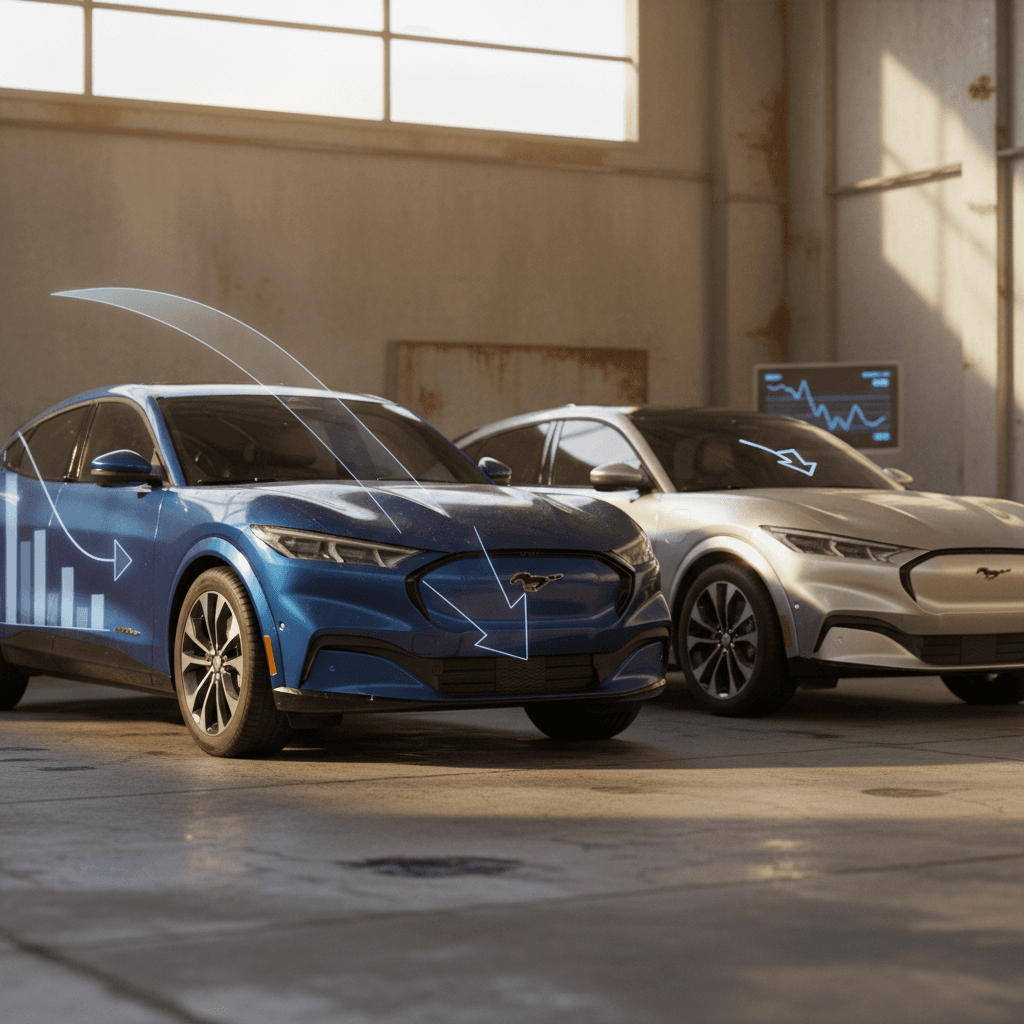
Depreciation is simply how much value your Mach-E loses over time. For a tech-heavy electric crossover like this, the curve is steeper and more complex than for a traditional gas SUV. Battery tech is improving rapidly, incentives change often, and the flood of new EV models keeps used prices moving.
If you buy new, depreciation tells you what your equity will look like when your loan outpaces your car’s value. If you buy used, you’re deciding where you want to land on the curve: pay more now and lose less later, or let the first owner eat the biggest hit and you step in once prices stabilize.
Ford Mustang Mach-E depreciation at a glance
Ford Mustang Mach-E depreciation rate: quick-look numbers
Different sources calculate depreciation slightly differently, but they paint a consistent picture of the Mach-E as a **middle-of-the-pack EV for resale value**, better than some early EVs, still behind Tesla.
Headline Mustang Mach-E depreciation figures
These are generalized estimates for a typical, well-kept Mach-E driven about 13,500 miles per year. Real-world results vary by trim, options, and local market demand.
| Timeframe | Estimated depreciation | Approx. residual value | What it means for owners |
|---|---|---|---|
| Year 1 | ~35–37% | Low- to mid-$30Ks on a $47K example | Biggest hit happens in the first 12 months, especially when new incentives or price cuts hit. |
| Year 3 | ~50–52% | Low- to mid-$20Ks | Curve starts to flatten; many buyers feel this is the "value sweet spot". |
| Year 5 | ~57% | Around $19,000–$20,000 | CarEdge projects about 57% loss over 5 years, with resale near $19,930 on a ~$46,840 new price. |
| Year 10 | ~74% | Low $12,000s | By a decade in, remaining value is more about condition, battery health, and local demand than model-year bragging rights. |
Remember: these are directional numbers, not guarantees. Market swings, incentives, and battery tech can move real prices up or down.
Depreciation is not a straight line
How fast does a Ford Mustang Mach-E depreciate?
You’ll see two broad kinds of data on the Mach-E:
- Cost-to-own models (Kelley Blue Book, Edmunds) that show annual dollar depreciation alongside maintenance, insurance, and taxes. For 2025 Mach-E models, these tools generally show $25,000–$27,000 of depreciation over 5 years, or roughly $5,000 per year on average.
- Residual-value models (like CarEdge) that work from an initial price, for example, $46,840, and estimate that a Mach-E loses about 57% of its value in 5 years, leaving about $19,930 of resale value.
Those two views are telling the same story from different angles: a Mach-E is likely to lose roughly half its value by year 4–5, with the majority of that hit front-loaded into the first years of ownership.
Typical Mustang Mach-E depreciation pattern
Directional pattern only; local market and incentives can move any given year up or down.
Years 0–1: Shock and awe
New EVs are exposed to:
- Instant drop from new to used
- Incentive changes and price cuts
- Fast-moving tech improvements
It’s common for a new Mach-E to lose a third of its value in the first year on paper.
Years 2–3: Slowing down
By year 3, the Mach-E is no longer the latest thing, but:
- Most steep drops are behind you
- Battery degradation is still relatively modest
- Used demand picks up as prices become approachable
Years 4–6: Plateau zone
Residual values in the high teens to low twenties (thousand) become typical.
- Depreciation slows to thousands, not tens of thousands
- Condition, mileage and battery health matter more than model year
EVs vs gas cars on depreciation
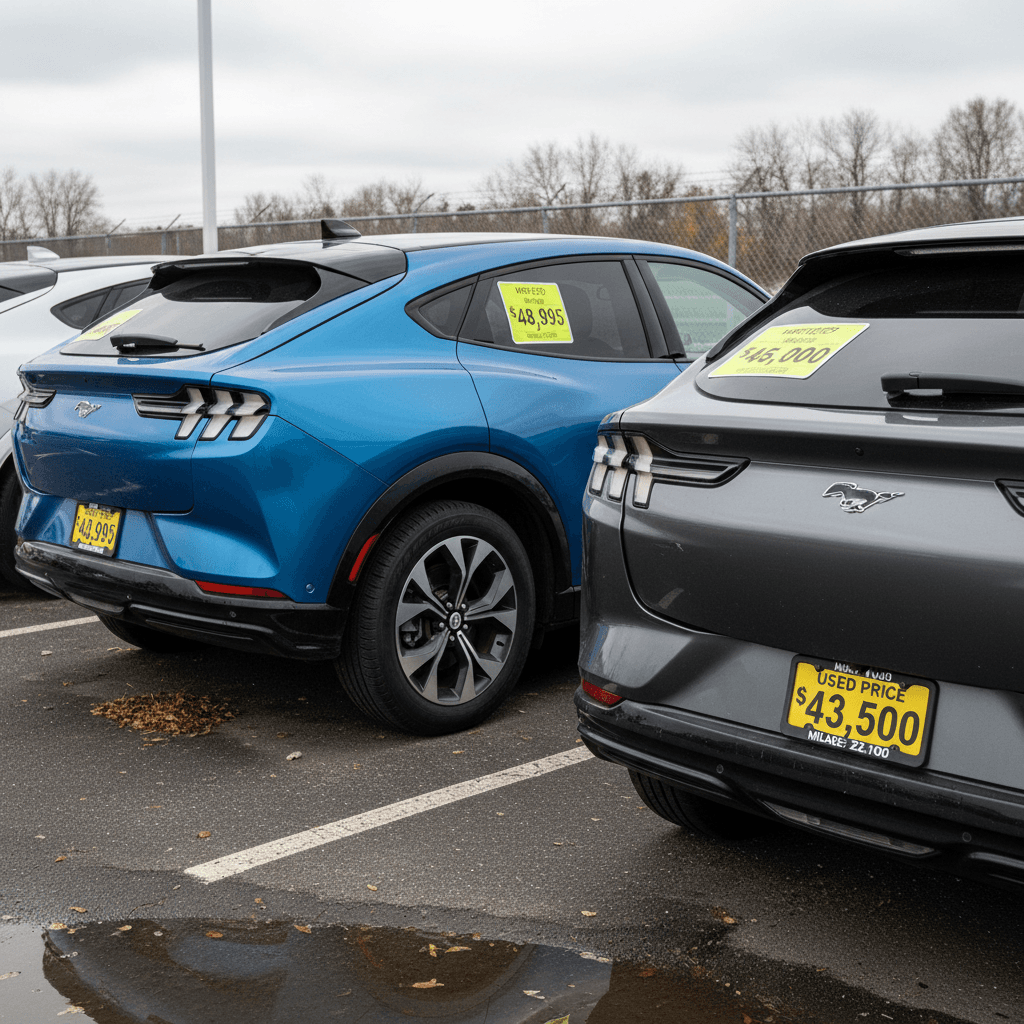
Mach-E depreciation vs Tesla Model Y and other EVs
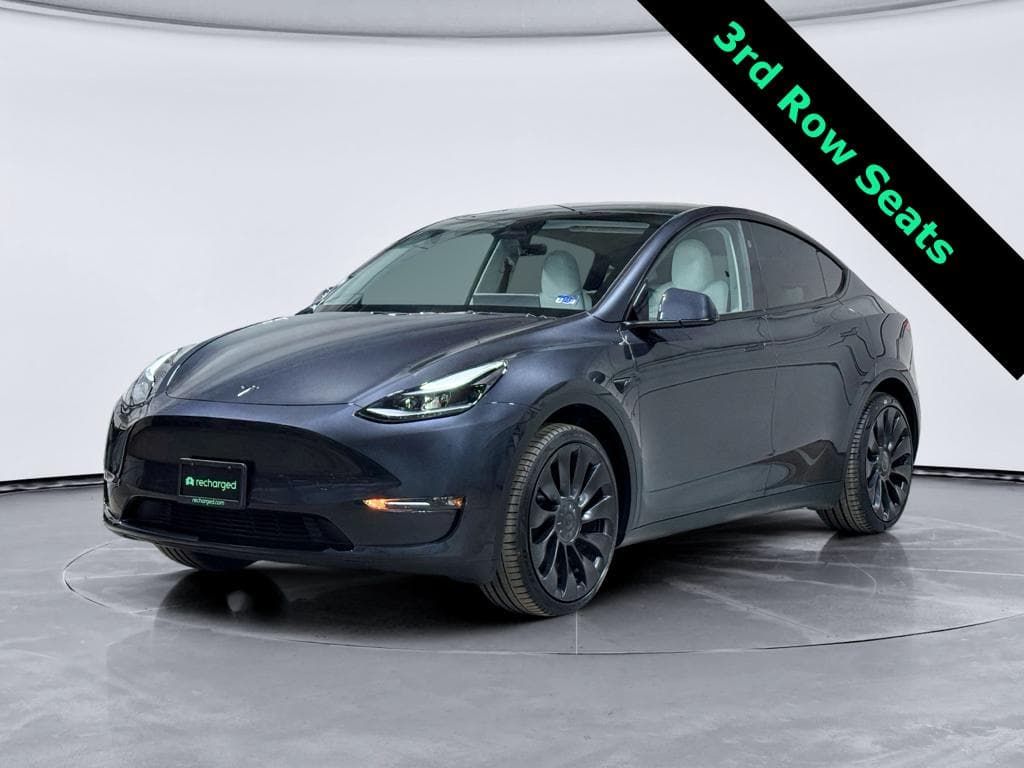
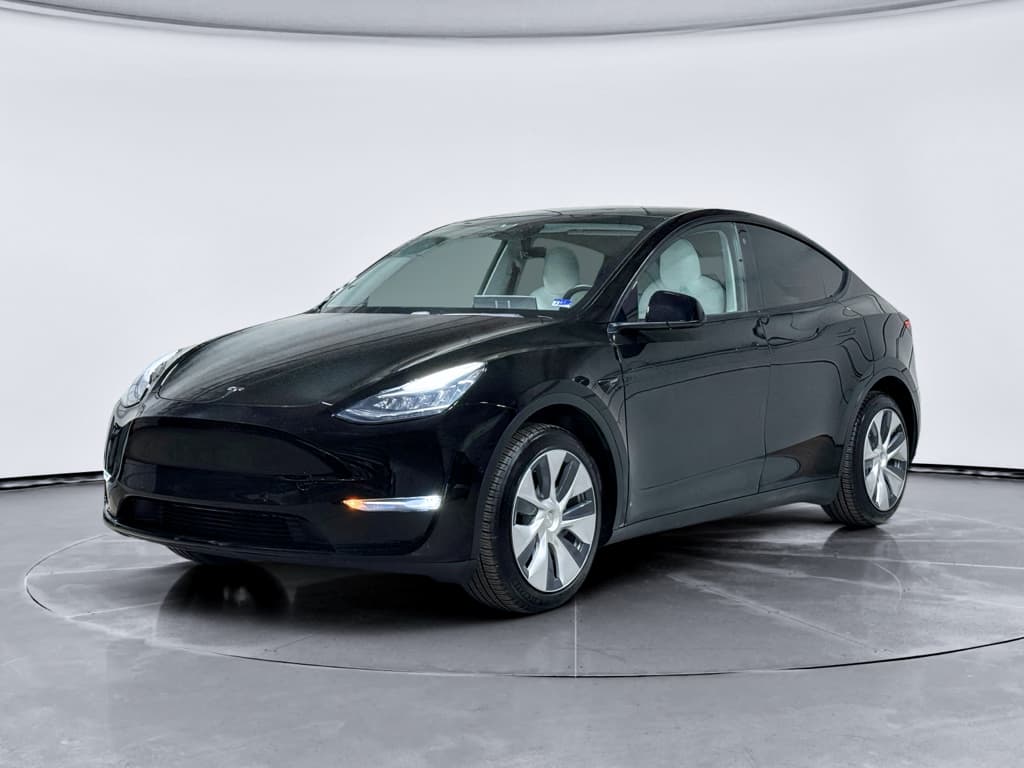
If you’re cross-shopping a Mach-E with a Tesla Model Y, depreciation is one of the big separating factors. Tesla’s brand strength and Supercharger halo effect still give it an edge in resale value, but the gap has narrowed as Ford has improved the Mach-E and joined the NACS charging ecosystem.
Mach-E depreciation vs key competitors (directional)
These are generalized 3-year resale expectations for popular compact electric crossovers, assuming similar MSRP and mileage. Local markets, incentives, and specific trims will change individual results.
| Model | 3-year residual value | 3-year depreciation estimate | Depreciation story |
|---|---|---|---|
| Ford Mustang Mach-E | ~48–52% of original price | ~48–52% lost | Middle-of-the-pack EV. Stronger trims and tax-credit eligibility help. |
| Tesla Model Y | ~55–60% of original price | ~40–45% lost | Still the resale champ in this segment, helped by brand and charging network. |
| Hyundai Ioniq 5 / Kia EV6 | ~45–50% of original price | ~50–55% lost | Aggressive incentives and fast-changing trims hurt early resale, great for used buyers. |
| VW ID.4 | Low- to mid-40% range | Mid-50%+ lost | Deep discounts and fleet sales push used prices down more quickly. |
Tesla still leads on resale, but Ford’s mainstream brand and growing EV credibility keep the Mach-E competitive, especially if you buy used rather than new.
How to use this comparison
What drives Mustang Mach-E resale value up or down
Unlike a gas SUV where resale is mostly about mileage and accident history, a Mach-E’s value is tightly bound up with its battery, software, and charging experience. Here’s what really moves the needle.
Key factors that shape Mach-E depreciation
Some you can control, some you can only respond to when you buy.
Battery health & warranty
- Ford warrants the high-voltage battery for 8 years/100,000 miles (in most trims).
- Documented, low degradation and no "HV battery replaced" history help resale.
- 3rd-party battery health reports, like the Recharged Score, give buyers confidence and support higher prices.
Charging access & standards
- 2024+ Mach-E models add NACS access to Tesla’s Supercharger network.
- Earlier cars with adapters and updated software are more attractive than those locked into CCS only.
- Buyers heavily favor cars that plug into the most convenient networks.
Software & hardware updates
- OTA updates improve driving dynamics, range estimates, and infotainment.
- Firmware up to date and recalls addressed signal a well-cared-for vehicle.
- Major hardware changes (e.g., heat-pump additions, frunk changes) can make older years feel “left behind.”
Accident, title, and service history
- Clean title and no airbag or structural repairs are table stakes for strong resale.
- Consistent service history at Ford dealers or recognized EV specialists reassures the next owner.
Where value really gets crushed
How model year, trim, and battery affect depreciation
Not all Mach-Es depreciate equally. Changes in tech, tax-credit eligibility, and trim positioning can make two seemingly similar crossovers behave very differently on the used market.
Model year & tech changes
- Early-build 2021s had more teething issues and fewer over-the-air improvements; some buyers discount them relative to 2023–2025 cars.
- 2023–2025 updates improved performance, efficiency, charging curves, and software, making them more desirable on the used market.
- Hardware revisions like the addition of a heat pump (and the shrinkage, then optional pricing, of the frunk) subtly influence buyer perception and thus resale.
Trim, range, and performance
- Extended-range battery models generally hold value better than standard-range because range anxiety is real, and used buyers pay to avoid it.
- GT and performance trims tend to depreciate more in dollars (higher price to start) but can keep a higher percentage of their MSRP if demand for fun EVs stays strong.
- Poorly specced cars, odd color combos, base audio, no driver-assistance packages, can be harder to sell and force bigger discounts.
How different Mach-E configurations tend to depreciate
Directionally compares how configuration choices influence depreciation risk, assuming similar mileage and condition.
| Configuration | Relative 5-year depreciation risk | Why it matters |
|---|---|---|
| Standard-range, base trim | Higher | Lower upfront price but more range anxiety and less equipment on the used market. |
| Extended-range, mid-trim (Premium) | Moderate to lower | Sweet spot of range, comfort, and price, often the easiest to sell later. |
| GT / Performance Edition | Moderate (higher dollar loss) | Niche demand; loses more dollars but can keep a higher percentage if performance EVs stay hot. |
| Odd builds (no active safety, unusual colors) | Higher | Smaller buyer pool; more price-sensitive shoppers. |
You’re buying a future used car today. Choose the spec the second owner will also want.
Should you lease or buy a Mach-E given its depreciation?
When depreciation is this front-loaded, leasing starts to look tempting. You’re essentially renting through the steepest part of the curve and handing the residual-value risk back to Ford Credit at the end.
Lease vs buy: how Mach-E depreciation changes the math
1. If you want the latest tech, consider leasing
Leasing a new Mach-E for 3 years lets you walk away before newer battery tech and software make yours look dated. You also avoid guessing what a 36-month-old Mach-E will be worth when NACS access and incentives keep moving the goalposts.
2. If you want long-term value, buy slightly used
Buying a 2–3-year-old Mach-E means someone else already took the 30–40% first-owner hit. You still get most of the battery warranty and the better tech vintages without gambling on future residuals.
3. If you drive a lot, watch lease mileage caps
High annual mileage accelerates depreciation. On a lease, that shows up as overage penalties; on a purchase, it shows up in a lower resale price. Either way, factor your real usage into the decision.
4. Consider total monthly cost, not just payment
A cheap lease with high due-at-signing costs and strict mileage isn’t always better than a used purchase with slightly higher payment but much lower long-run depreciation per mile.
Where Recharged fits in
Ready to find your next EV?
Browse VehiclesHow to buy a used Mustang Mach-E without overpaying
Shopping used is where depreciation goes from an abstract headache to a concrete advantage. The key is separating healthy, fairly priced Mach-Es from overpriced or compromised examples.
Smart steps when evaluating a used Mach-E
You’re not just buying a body style, you’re buying a battery, software stack, and depreciation profile.
Check true market value
Look at recent sale prices for similar Mach-E trims, miles, and locations, not just asking prices.
Used-EV specialists like Recharged price vehicles against live market data so you can see how your deal stacks up.
Get objective battery health info
Battery condition is the single biggest unknown on a used EV.
- Ask for a recent battery health report, not just a state-of-charge reading.
- At Recharged, our Score Report includes diagnostics so you’re not guessing.
Scrutinize history and software
- Check for open recalls and confirm they’ve been addressed.
- Verify OTA software updates are current.
- Review Carfax/AutoCheck for airbag or structural repairs.
Beware EV “bargains” with missing context
7 ways to protect your Mach-E’s value
Once you own a Mach-E, you can’t rewrite the depreciation curve, but you can absolutely decide whether you ride on the shallow part of that curve or the steep part. These habits help.
Owner habits that keep depreciation in check
1. Stay on top of software updates
Ford’s OTA updates can improve range estimates, charging behavior, and even performance. Keeping your Mach-E fully updated makes it feel newer for longer in the eyes of future buyers.
2. Document every service visit
Buyers and lenders prefer vehicles with complete digital paper trails. Save invoices, dealer service records, and recall confirmations so the next owner can see exactly how the car was cared for.
3. Treat the battery kindly
Frequent DC fast charging from low state of charge to 100% isn’t great for long-term battery health. Use Level 2 home or workplace charging when possible and avoid leaving the pack at 0% or 100% for long stretches.
4. Keep miles aligned with the market
The depreciation models assume about 13,500 miles per year. If you pile on 20,000+ annually, expect to sit below the headline residual values unless your pricing reflects that mileage.
5. Fix cosmetic issues early
Curb rash, windshield chips, and interior wear don’t just look bad, they give buyers an excuse to negotiate hard. Address small issues promptly to present a car that looks “worth book value.”
6. Mind modifications
Radical wraps, oversized wheels, or suspension changes might make the car feel more “you,” but they usually hurt resale. If you modify, choose reversible changes and keep the stock parts.
7. Sell at the right moment
Mid-way through the warranty with roughly average mileage is often the sweet spot to sell if you plan to move on. Waiting until after the battery warranty expires typically forces you to accept steeper discounts.
Ford Mustang Mach-E depreciation rate: FAQs
Common questions about Mach-E resale and depreciation
Bottom line: Is the Mustang Mach-E a good value?
Viewed purely through the lens of depreciation, the Ford Mustang Mach-E is neither a bargain-bin EV nor a resale superstar. It sits squarely in the middle: roughly half its value gone by year five, with the worst of the hit happening early. If you buy new and sell quickly, you’re volunteering to fund Ford’s EV learning curve. If you step in after that curve has done its damage, buying a healthy, fairly priced used Mach-E, you can enjoy a fast, practical electric crossover with much more predictable, flatter depreciation.
That’s where marketplaces like Recharged come in. By combining transparent Recharged Score battery diagnostics, fair-market pricing, financing, and nationwide delivery, Recharged lets you target the smartest part of the Mach-E’s depreciation curve and avoid the guesswork that still surrounds many used EVs. If you’re ready to let someone else pay for the steepest part of the learning curve, and the depreciation curve, it’s hard to argue with a well-vetted used Mustang Mach-E.