When people talk about EV repair costs, you usually hear two extremes: “EVs never need maintenance” or “One battery failure will bankrupt you.” In 2025, the truth sits somewhere in the middle. Electric vehicles are clearly cheaper to maintain than gas cars over time, but certain repairs can be eye‑opening if you’re not prepared, especially on a used EV.
Key takeaway up front
EV repair costs vs. gas cars: the 2025 reality
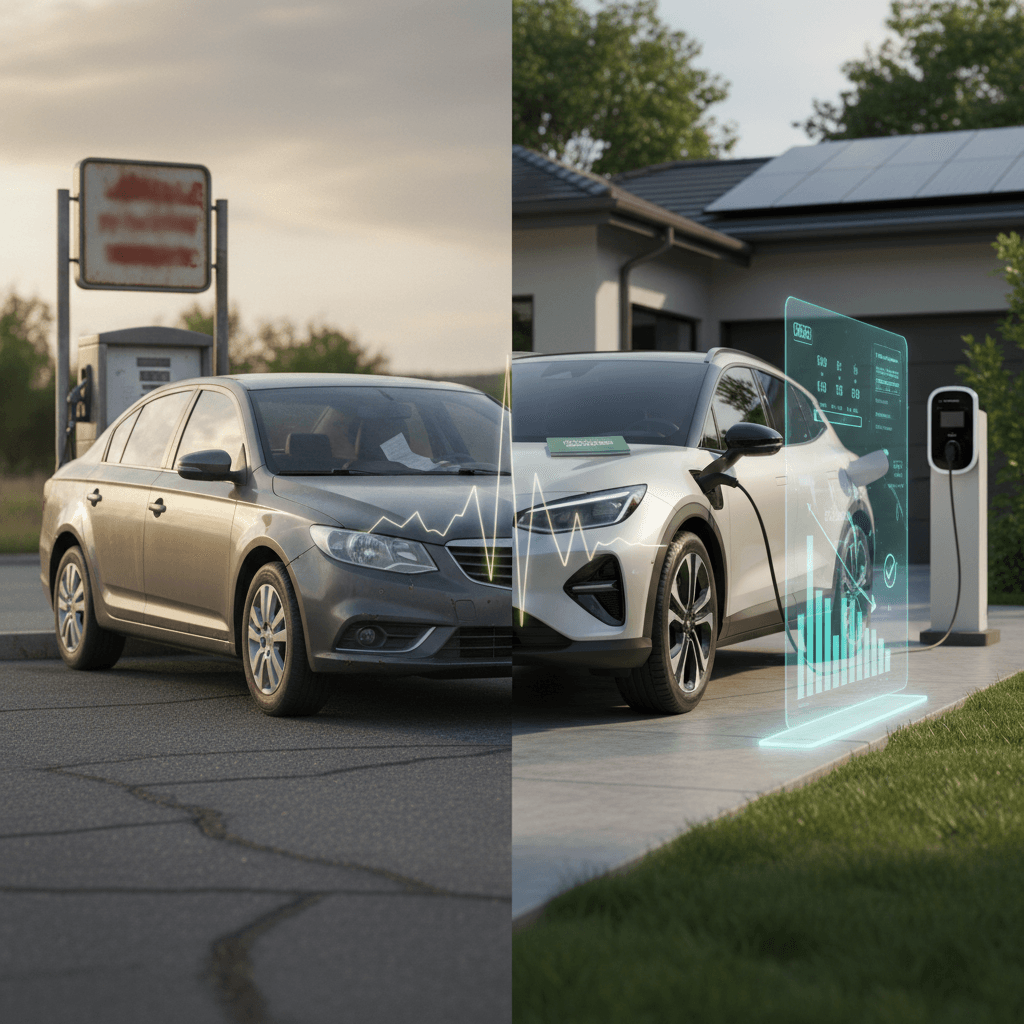
How EV repair costs compare to gas cars
Why the gap? EVs simply have fewer parts that can break. There’s no engine oil, spark plugs, exhaust, or multi‑speed automatic transmission to service. Regenerative braking also stretches brake life, so you spread those repairs over more years.
That doesn’t mean EV repairs are always cheaper line‑by‑line. A given job, diagnosing a high‑voltage fault or recalibrating sensors after a collision, can be pricey. But those jobs show up less often than engine or transmission work on traditional cars, which is why total repair spend stays lower.
Don’t ignore total ownership cost
What routine EV maintenance actually costs
For day‑to‑day ownership, EVs are inexpensive to keep on the road. Typical annual maintenance for a mainstream electric crossover or sedan in the U.S. looks like this:
Typical annual maintenance: EV vs. gas car (2025, U.S.)
Approximate owner‑paid costs at 15,000 miles per year once free scheduled maintenance periods end. Actual prices vary by market and brand.
| Service item | Typical EV cost (annualized) | Typical gas-car cost (annualized) |
|---|---|---|
| Oil changes | $0 | $100–$150 |
| Engine tune‑ups, spark plugs, belts | $0 | $200–$400 |
| Transmission service | $0–$50 (single‑speed gearbox fluid, if specified) | $150–$250 |
| Brake service | $50–$100 (thanks to regenerative braking) | $150–$300 |
| Cooling system service | $50–$100 | $100–$200 |
| Misc. filters & fluids | $100 | $150–$250 |
| Estimated total per year | ~$200–$350 | ~$700–$1,300 |
EVs usually save $500–$1,000 per year on routine service compared with gas cars.
Put simply, a typical EV owner might spend $200–$350 per year on basic service, while a comparable gas‑car owner is more likely in the $700–$1,300 range once the vehicle is a few years old. You still need tires, alignment checks, and cabin air filters, but the number of big, greasy jobs drops dramatically.
Software updates are the new tune‑ups
Big-ticket EV repairs and what they cost
Where EV repair costs can sting is when larger components fail outside warranty. These events are rare compared with day‑to‑day maintenance, but they’re exactly what shoppers worry about, especially when they’re considering a used EV.
Common major EV repairs in 2025
Realistic ranges, not one scary quote from the internet.
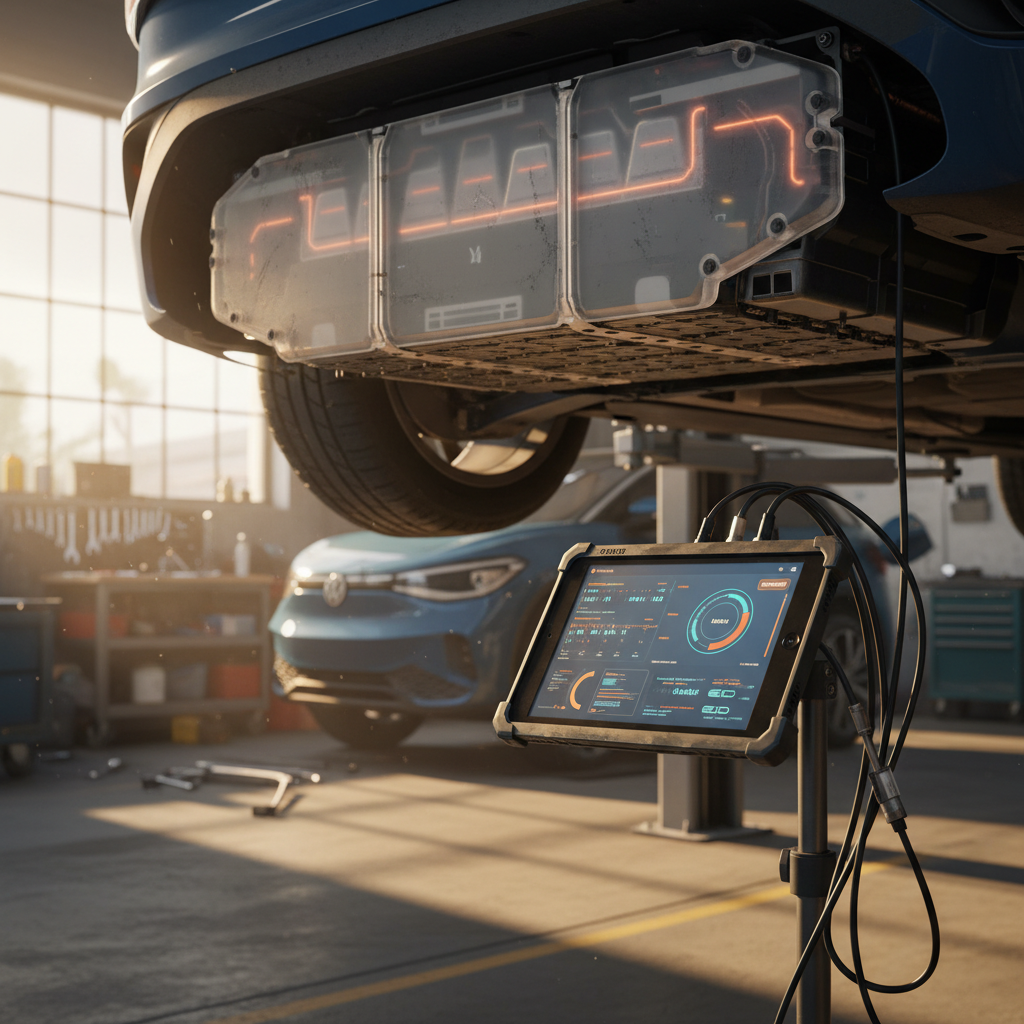
High‑voltage battery repair or replacement
What fails: Individual modules, contactors, or battery management electronics more often than the entire pack.
Typical cost: $1,000–$5,000 for module‑level repairs; $8,000–$15,000+ for full pack replacement on mainstream models, before any goodwill or warranty support.
Good news: Most packs are warrantied 8 years/100,000+ miles, and real‑world failure rates are low within that window.
Drive unit / inverter issues
What fails: Electric motor bearings, reduction gears, or power electronics.
Typical cost: $3,000–$8,000 at retail if out of warranty, depending on whether components can be rebuilt vs. replaced.
Context: Still generally cheaper than replacing a modern turbo engine or multi‑speed automatic transmission.
On‑board chargers & electronics
What fails: On‑board AC charger, DC‑DC converter, or control modules.
Typical cost: $1,000–$3,000, heavily influenced by labor rates and parts availability.
Note: These are the “brains” of the car; failures are uncommon but not unheard of as fleets age.
Battery horror stories vs. the norm
As battery prices keep trending downward and more independent shops learn how to service packs at the module level, the ceiling on these big‑ticket repairs should come down over the next decade. For now, the most important thing you can do as a shopper is understand warranty coverage and verified battery health before you sign anything.
Collision repair: why some EV bodywork is pricier
Ask any body shop manager and they’ll tell you: fixing a damaged EV isn’t the same as fixing a Corolla. Even when the dent looks minor, there’s more going on behind the scenes, and that can push EV collision repair costs above those of gas cars.
High‑voltage safety procedures
Before a technician straightens a frame rail or cuts into a body panel near the battery, they often need to power down and isolate the high‑voltage system. That means extra steps, extra time, and specialized training.
Shops that invest in that training and equipment understandably charge more per hour. And if a pack or high‑voltage cable is near the impact area, the insurer may insist on inspection or replacement even if damage looks cosmetic.
ADAS and sensor calibration
EVs tend to be tech‑heavy: radar units in the front fascia, cameras in the windshield, ultrasonic sensors in the bumpers. After a collision repair, many of these systems require precise recalibration.
Advanced driver‑assistance systems (ADAS) can add $300–$1,000 in scanning and calibration costs to a repair bill, whether the car burns gas or electrons.
Put that together and it’s not surprising that insurers sometimes total out EVs at lower damage thresholds than similar gas cars. High parts prices, complex structures around the battery, and expensive sensors can turn a moderate hit into a big number.
Why this still favors EVs long‑term
5 factors that drive EV repair costs up or down
What really determines your EV repair costs
1. Brand and parts pricing
Luxury brands and low‑volume models almost always carry higher parts prices. A headlight or radar sensor on a premium EV can cost several times what a mainstream part does.
2. Age and warranty coverage
Most EVs have 8‑year/100,000‑mile (or better) battery warranties and strong powertrain coverage. As long as you’re inside that window, the manufacturer eats the big‑ticket failures.
3. Local shop expertise
In metro areas with experienced EV technicians and body shops, diagnosis times are shorter and more work can be repaired instead of replaced. In EV‑scarce regions, shops may need more billed hours to figure out issues.
4. Driving and charging habits
Frequent DC fast charging, heavy towing, extreme heat, and repeated full‑throttle driving all add stress. Gentle use and mostly home Level 2 charging tend to minimize long‑term repair risk, especially for the battery.
5. Insurance coverage choices
Higher deductibles reduce premiums but put more collision and comprehensive repair cost on you. On tech‑dense EVs, a slightly lower deductible can make sense given the price of sensors and glass.
Check EV‑specific insurance pricing
EV repair costs for used-EV buyers
Used EVs are the hottest value play in the segment right now. Prices on 2‑ to 5‑year‑old models have fallen sharply in the last couple of years, while the underlying hardware, especially batteries, has held up better than many early skeptics predicted. That combination makes used EVs compelling, but you need a clear view of potential repair costs before you buy.
Why used EVs look so cheap
- Rapid tech improvement and range gains push older models down the price ladder.
- Lingering battery‑fear headlines scare away some shoppers, further softening prices.
- Incentives and discounts on new EVs ripple into the used market, particularly when leases return in volume.
For buyers who do their homework, depreciation becomes your friend: you’re getting a lot of hardware for the money.
The repair‑cost risks to watch
- Battery and powertrain warranties may be close to expiring or already lapsed.
- Fast‑charging‑heavy histories (e.g., ride‑hail cars) can mean more battery wear.
- Out‑of‑network collision repairs may not follow OEM procedures, complicating future work.
This is where objective battery health data and a thorough inspection can make or break the deal.
How Recharged helps de‑risk used EV repairs
How to budget for EV repairs and protect yourself
Even though EVs usually win on total cost of ownership, you should still build a realistic repair and maintenance budget. That way, the occasional big bill doesn’t derail your finances, or sour you on the technology.
Smart EV repair‑budget game plan
1. Separate maintenance from repairs
Plan on <strong>$250–$400 per year</strong> for routine EV maintenance once the car is a few years old. That covers tires, inspections, and basic fluids. Treat this as a fixed annual line item.
2. Create a long‑term repair fund
Set aside an extra <strong>$500–$800 per year</strong> in a dedicated auto‑repair savings account. Over 5–8 years, that gives you several thousand dollars to absorb an out‑of‑warranty electronics or charging‑hardware issue if needed.
3. Know your warranty dates cold
Before you buy, especially on a used EV, confirm the in‑service date, mileage, and battery/powertrain warranty terms. Put reminders in your calendar a few months before coverage ends so you can address any emerging issues under warranty.
4. Be strategic about charging
Whenever possible, favor home or workplace Level 2 charging over constant DC fast charging. It’s easier on the battery, reduces heat stress, and minimizes the odds of needing expensive high‑voltage repairs down the road.
5. Consider extended coverage selectively
Third‑party EV extended warranties are still evolving and hit‑or‑miss. If you’re risk‑averse and buying a complex premium EV near the end of its factory coverage, a vetted plan from a reputable provider, or certified‑pre‑owned coverage from an OEM, can make sense.
6. Buy from EV‑savvy sellers
Whether you’re purchasing through a dealer, marketplace, or private party, prioritize sellers who can provide <strong>battery diagnostics, service history, and transparency</strong>. With Recharged, that’s built into the experience, along with financing, trade‑in options, and nationwide delivery.
FAQ: EV repair costs
Frequently asked questions about EV repair costs
If you strip away the hype, EV repair costs in 2025 look straightforward: you trade a long list of small, regular services for a shorter list of infrequent but sometimes pricey jobs. For most drivers, especially those who buy smart, understand their warranties, and keep an eye on battery health, that’s a favorable swap. And if you’re shopping the used market, working with an EV‑focused partner like Recharged can give you the diagnostics, pricing transparency, and support you need to enjoy the benefits of electric driving without losing sleep over the repair bill.