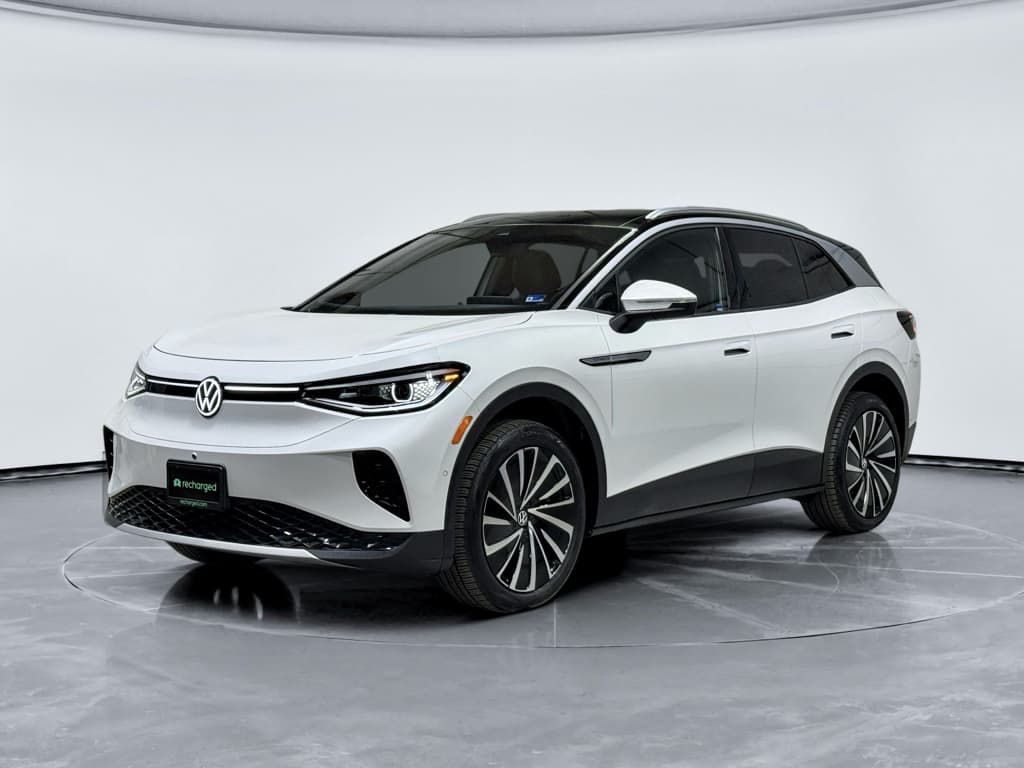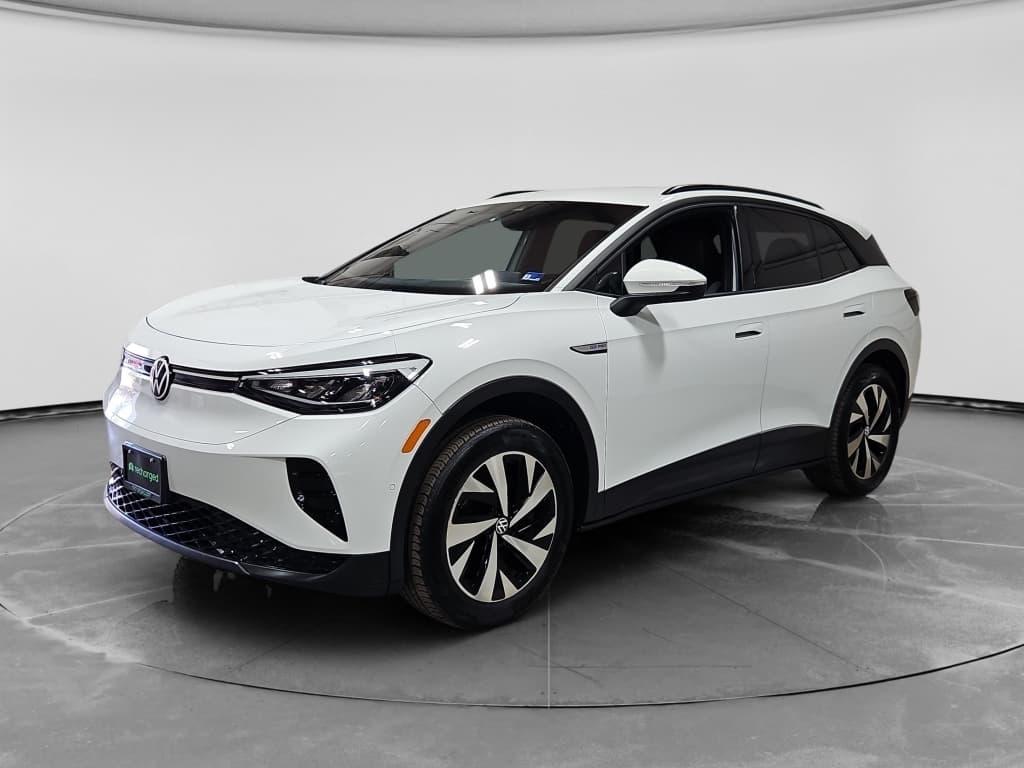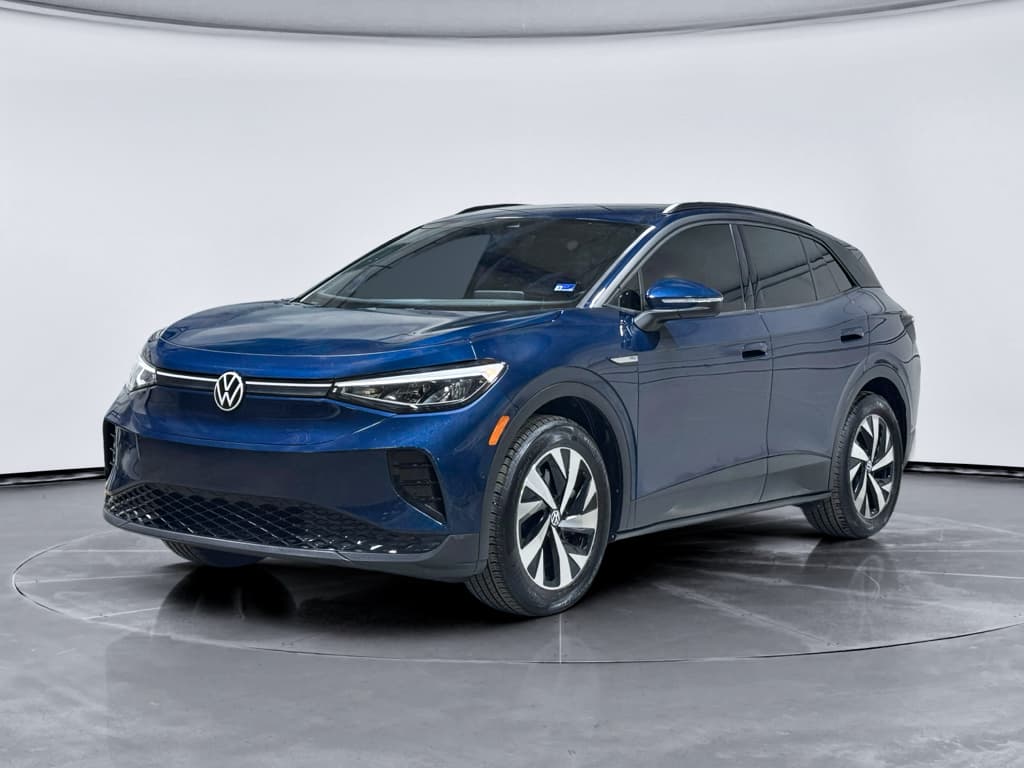
If you drive a Volkswagen ID.4, the high-voltage battery is the heart of your SUV, and the most expensive component to replace. The good news is that maximizing Volkswagen ID.4 battery life isn’t mysterious. A handful of smart charging, driving, and storage habits can keep your range strong for years, whether you bought your ID.4 new or picked up a used one from a marketplace like Recharged.
Quick answer: how to maximize ID.4 battery life
Why ID.4 battery care matters
Every modern ID.4 uses a large lithium‑ion battery pack, typically 62 kWh or 82 kWh usable capacity, made up of hundreds of cells working together. Over time, those cells lose a bit of capacity, which shows up as fewer miles of range. That natural aging is called battery degradation. You can’t stop it entirely, but you can absolutely control the speed of it by how you charge, drive, and store your ID.4.
Volkswagen ID.4 battery longevity at a glance
Volkswagen has steadily improved the ID.4’s charging curves and thermal management via software updates, and newer 82 kWh packs can fast charge from roughly 10–80% in around half an hour on a strong DC station. That combination of decent speed and robust battery management means you can enjoy the car today without sacrificing tomorrow, if you follow some simple rules.
How the Volkswagen ID.4 battery works
What’s inside the pack?
The ID.4’s high‑voltage battery is a large floor‑mounted pack made up of modules and individual lithium‑ion cells. Most North American models use packs in the 62–82 kWh range, which feed an electric motor (or two, in AWD models) through an inverter.
The battery has its own Battery Management System (BMS) that constantly monitors cell voltages, temperature, and state of charge (SoC), and it decides how much power you can draw or accept while charging.
What actually wears the battery out?
- High and low SoC extremes – Sitting near 0% or 100% for long periods is tougher on cells than living in the middle.
- Heat – Elevated temperatures accelerate chemical aging, especially when combined with high SoC.
- High charge and discharge power – Frequent DC fast charging and repeated full‑throttle launches add stress.
- Time – Even with perfect care, lithium‑ion batteries slowly age just by existing (called calendar aging).
Manual note
Daily charging rules to maximize ID.4 battery life
If you remember only one section from this guide, make it this one. Your everyday charging habits have the biggest impact on how your Volkswagen ID.4 battery ages. Think of it as setting and forgetting a few smart defaults.
Core daily rules for a healthy ID.4 battery
Simple habits that quietly add years of useful range
1. Aim for ~20–80% SoC
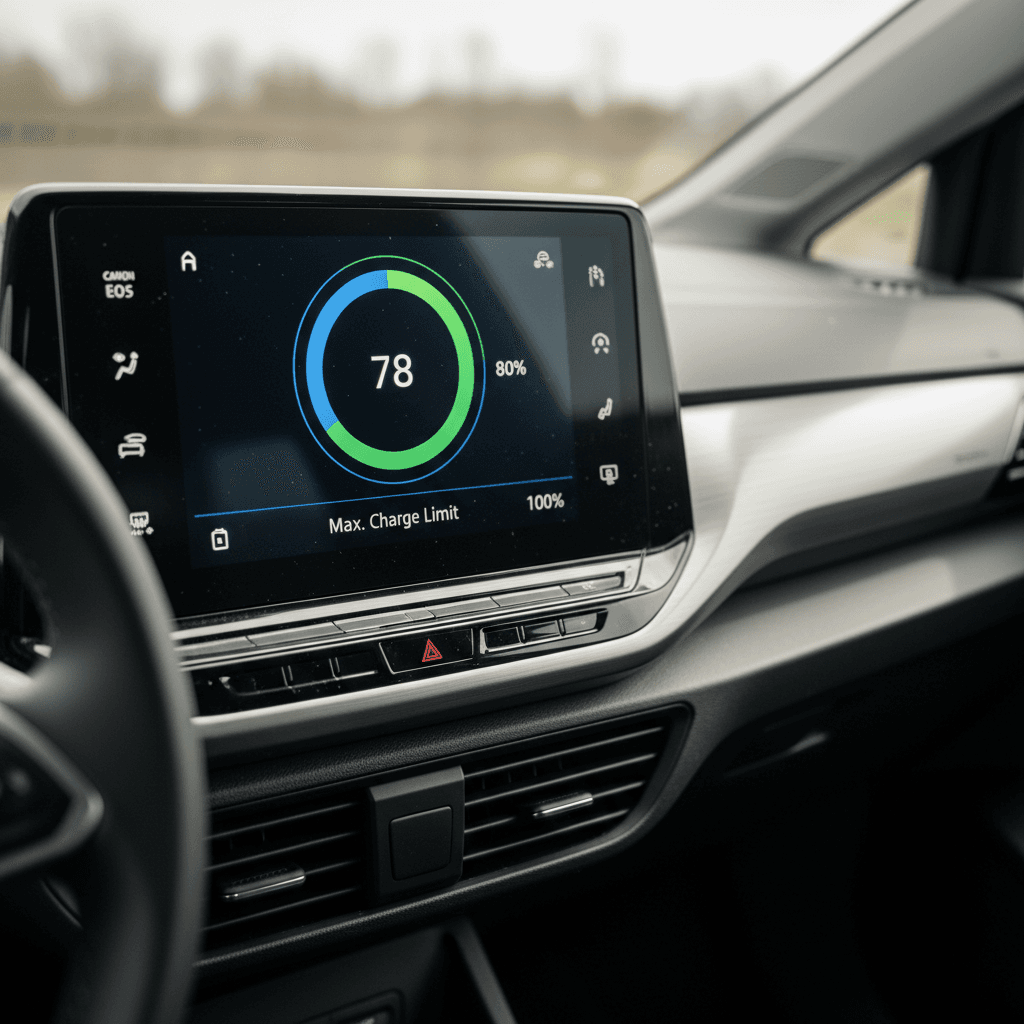
For most commutes, you don’t need the full pack every day. Use the charge limit slider or Battery Care Mode so your ID.4 usually charges to around 70–80%, and try not to dip below 10–20% unless you’re on a trip.
2. Prefer Level 2 over DC fast
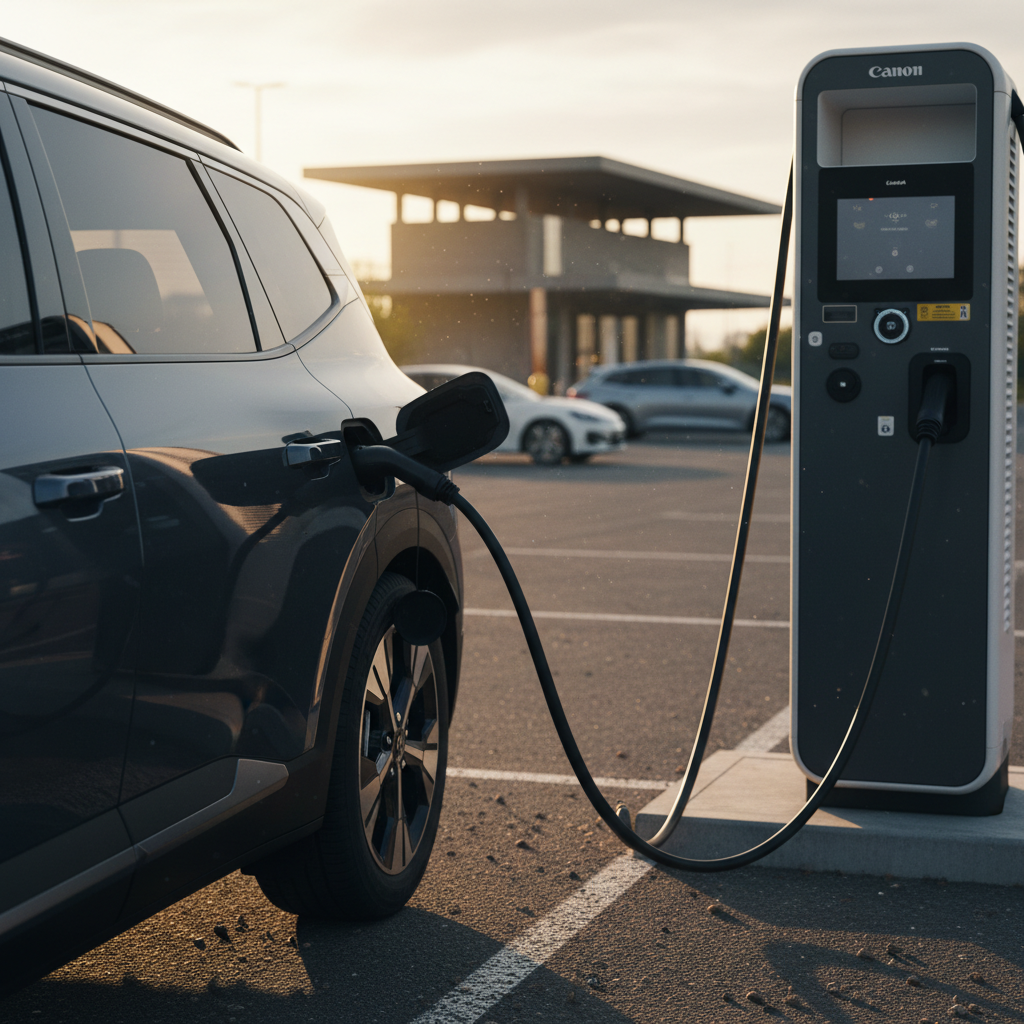
At home or work, rely on Level 2 (240 V) charging. It’s easier on the pack and typically cheaper. Save DC fast charging for road trips or when you genuinely need a quick turnaround.
3. Time charging to finish before you leave
In the app or infotainment screen, you can schedule charging so the car reaches its target SoC close to departure. That means less time spent sitting at a high charge level, especially helpful in hot climates.
Small, frequent top‑ups are perfectly fine for the chemistry Volkswagen uses. In fact, topping from, say, 40% to 70% overnight is easier on the pack than swinging from 5% to 100% every few days.
Set up a home base charging profile
Using Battery Care Mode and charge limits
Later‑model ID.4s add smarter software tools to help you do the right thing for the battery automatically. If you’ve never explored the charging menus, it’s worth five minutes in the driveway.
Key Volkswagen ID.4 battery protection settings
Where to find the features that quietly protect your high‑voltage pack.
| Feature | What it does | When to use it |
|---|---|---|
| Charge limit slider | Lets you cap daily charge level (for example 70–80%) instead of always filling to 100%. | Set this for everyday use; temporarily raise to 100% when you need maximum range for a trip. |
| Battery Care Mode (older versions) | Automatically adjusts charge target (often around 80%) after a full charge to reduce time spent at 100%. | Enable once and allow it to manage your daily target in the background. |
| Enhanced Battery Care (newer software) | Considers temperature, expected usage, and pack health to choose a smart charge target. | Keep it on unless you have a specific reason to override with a manual limit. |
| Scheduled charging & departure times | Starts charging later so the car reaches your target SoC shortly before a chosen departure. | Use this if you leave for work at the same time most days or want a warm cabin and battery in winter. |
Menu paths may vary slightly by model year and software version, but the basic tools are similar.
If you bought a used Volkswagen ID.4, it’s worth checking whether the latest software is installed. Dealers can update earlier cars, and that can improve charge curves, Battery Care behavior, and even displayed range estimates. At Recharged, late‑model used ID.4s include a Recharged Score Report that notes software version and verified battery health so you’re not guessing.
Good news for forgetful owners
Fast-charging habits that protect your ID.4
DC fast charging is where convenience and battery life start to wrestle. The ID.4 can pull roughly 125–175 kW from a compatible station depending on pack and model year, which means very useful 10–80% times on the road. Used wisely, fast charging won’t ruin your pack, but using it as your primary fuel pump every day is not ideal.
- Use DC fast chargers mainly for road trips or when Level 2 isn’t practical.
- Try to arrive at the station between about 5–40% SoC and unplug by 70–80%, the last 20–30% is slower and adds more heat for less benefit.
- In winter, let the car precondition the battery by routing to the charger in the built‑in navigation or by driving a bit before plugging in.
- On very hot days, avoid stacking multiple back‑to‑back fast charges if you can; give the car some drive time or a Level 2 session to cool things down.
- Don’t worry about the occasional 0–100% fast charge on a trip, your long‑term pattern is what matters most.
Don’t chase the biggest kW number
Driving and climate tips to reduce battery stress
You don’t have to baby your Volkswagen ID.4, but a few driving and climate‑related tweaks will reduce how hard the pack has to work, and they usually boost range at the same time.
Smart habits behind the wheel
Range, comfort, and battery health can all get along
Smooth acceleration
Full‑throttle launches now and then are fine, but constant hard acceleration heats the pack and chews through range. Using Eco or Comfort drive modes for daily errands lightens the load on the battery.
Plan for cold weather
Cold batteries can’t accept charge as quickly and temporarily lose usable capacity. Use scheduled preconditioning or a departure time so the cabin and battery warm up while the car is still plugged in.
Respect extreme heat
In hot climates, avoid leaving the car fully charged in direct sun all day. Whenever possible, park in shade or a garage and set your daily limit lower (for example 70%) during heat waves.
Use climate wisely
Long-term storage: how to park your ID.4 for weeks or months
Maybe you’re leaving for an extended trip or parking the Volkswagen ID.4 at a vacation home. Long‑term storage is one of the few situations where you can accidentally do real harm if you’re careless, but it’s easy to get right.
Long-term Volkswagen ID.4 storage checklist
1. Park between ~40–70% SoC
Before you leave, adjust the charge limit and let the car settle somewhere around the middle of the battery gauge, many owners aim for about 50–60%. This is where the cells are “happiest” for calendar life.
2. Avoid 0% and 100% while parked
Don’t park the ID.4 for weeks at either extreme. A fully depleted pack can become unrecoverable, and a full pack sitting in heat will age faster.
3. If possible, leave it plugged into Level 2
A properly configured Level 2 charger lets the car manage its own state of charge and keeps the 12 V system topped up. Just double‑check your charge limit before you go.
4. Protect the 12 V battery
The high‑voltage pack ages slowly in storage, but the 12 V battery can discharge enough that the car won’t wake up. If you’re leaving it completely unplugged for many weeks, consider a quality 12 V maintainer (following VW’s guidance) or have someone drive the car briefly now and then.
5. Mind temperature swings
If you can choose, a cool, dry garage is ideal. Avoid baking a parked car in desert heat at high SoC for months if you have other options.
What VW’s manual suggests
How to tell if an ID.4 battery is healthy
Maybe you’re wondering how your own pack is aging, or you’re shopping for a used Volkswagen ID.4 and want to avoid a problem child. While you can’t see cell‑by‑cell data in the factory screens, you can piece together a pretty good picture from range, charging behavior, and a professional health report.
DIY signs of a healthy pack
- Consistent range – After the first year or so, most ID.4s show a gentle, predictable decline in estimated range, not big sudden drops.
- Normal fast‑charge speeds – On a strong DC fast charger with a warm battery, 10–80% should still be a “coffee stop,” not an all‑afternoon affair.
- No frequent high‑voltage faults – Warning lights, repeated high‑voltage errors, or chronic rapid‑charging issues deserve professional diagnosis.
When to get expert help
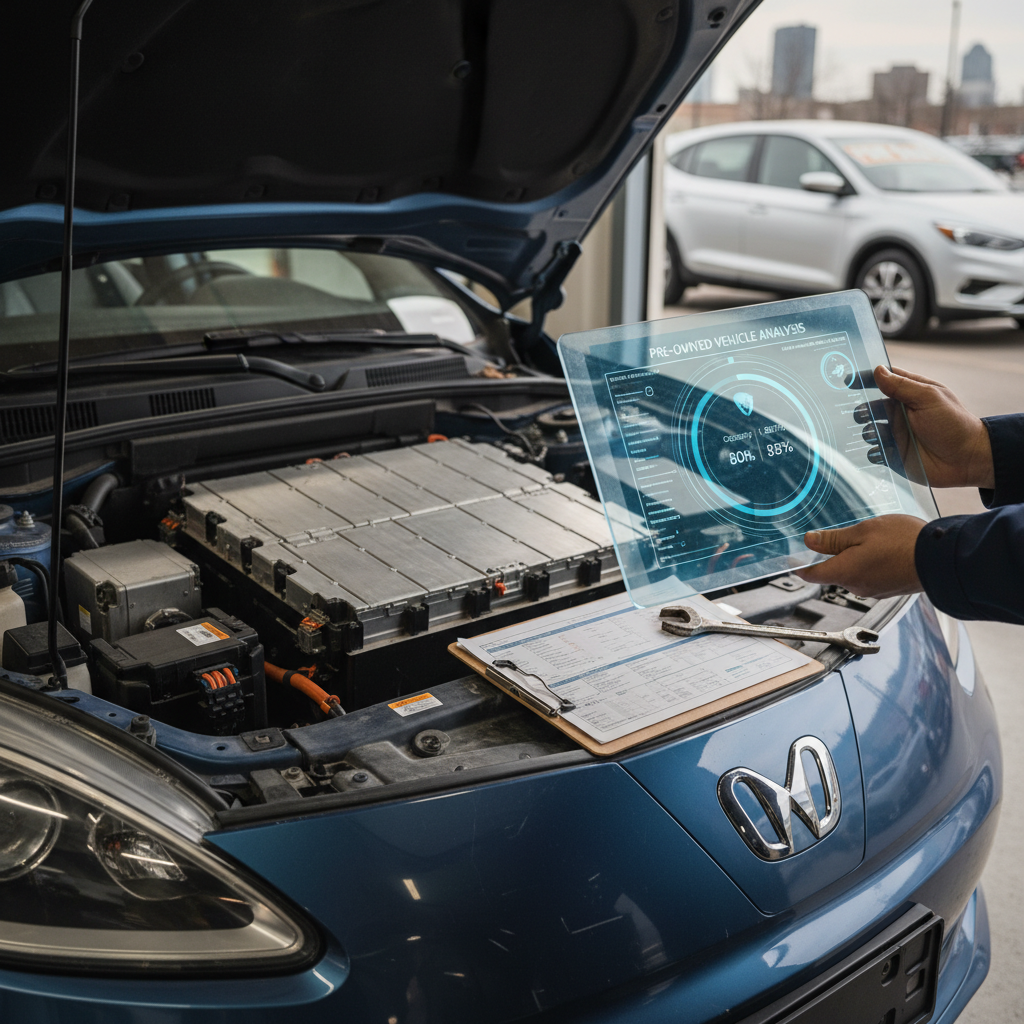
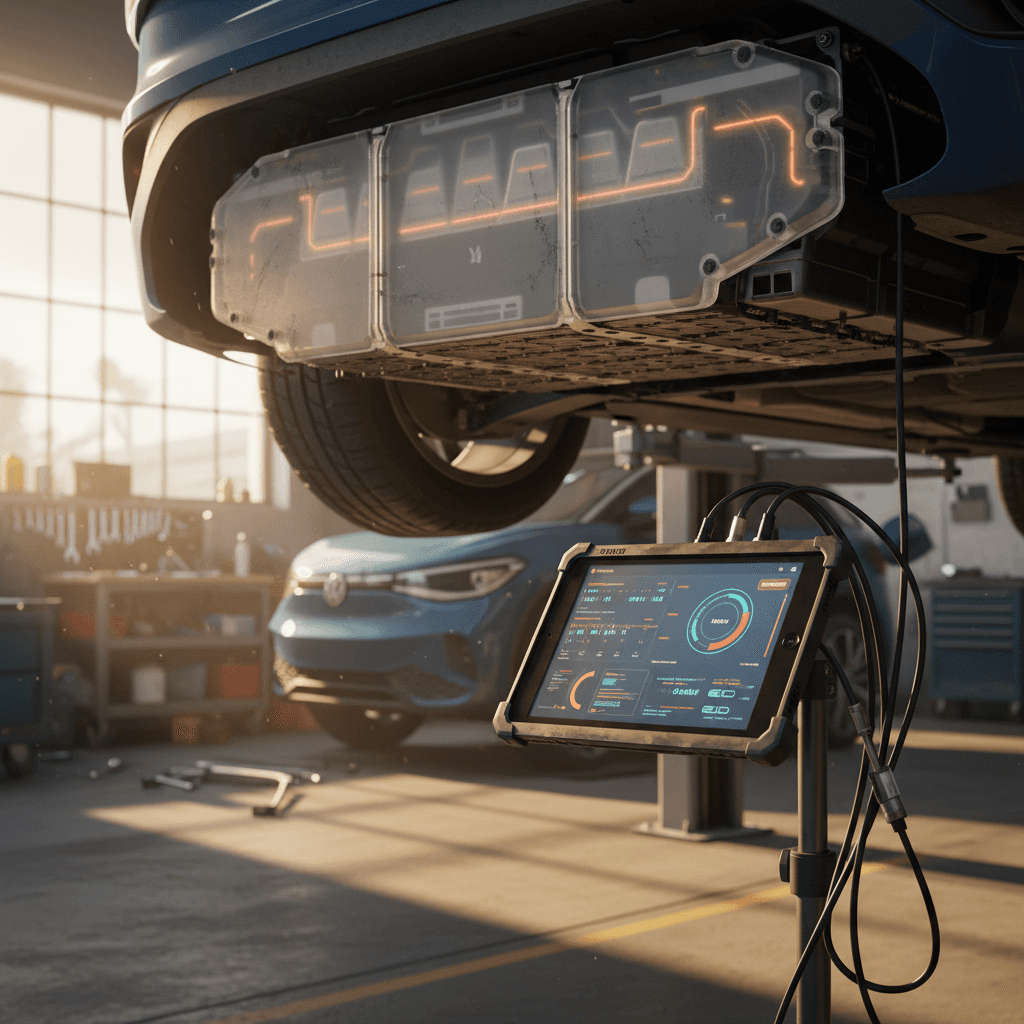
A dedicated battery health report goes far beyond the dash readout. At Recharged, every used ID.4 gets a Recharged Score Report with verified pack health data and charging history patterns where available. That helps you see whether a car spent its life on gentle home charging or as a DC fast‑charging warrior.
If you already own an ID.4 and notice unusual range loss, ask a VW‑trained technician or EV‑savvy shop to pull detailed diagnostics. Catching issues early can sometimes mean warranty help instead of a big out‑of‑pocket repair later.
Checklist: ID.4 habits for maximum battery life
Here’s a one‑page playbook you can keep in mind. You don’t need to be perfect, just consistent most of the time.
Everyday Volkswagen ID.4 battery-care habits
Keep daily SoC roughly between 20–80%
Use charge limits or Battery Care Mode so the car doesn’t sit at high or low extremes more than necessary.
Make Level 2 your default
Charge at home or work on Level 2 whenever practical and save DC fast charging for trips or occasional convenience.
Schedule charging to finish near departure
Especially in hot or very cold weather, time charging so the battery isn’t sitting full, or freezing cold, long before you leave.
Warm the battery before fast charging in winter
Use the built‑in navigation to route to a DC fast charger or drive for a bit before plugging in so the BMS can accept power more comfortably.
Avoid long-term parking at 0% or 100%
If you’ll be away for weeks, aim to leave the car around 40–70% SoC in a shaded or indoor spot.
Stay current on software and recalls
Battery management and charging behavior often improve with software updates; keep up with Volkswagen service campaigns.
Volkswagen ID.4 battery life FAQ
Common Volkswagen ID.4 battery questions
The bottom line on Volkswagen ID.4 battery life
You don’t need an engineering degree, or a second job as a charging concierge, to maximize Volkswagen ID.4 battery life. If you keep your daily charge window mostly in the middle, favor Level 2 charging, treat fast charging as an occasional tool, and store the car at a moderate state of charge when you’re away, you’ve already done 90% of what the experts recommend.
For current and future owners, that’s the real payoff: more years of usable range, fewer surprises as the odometer climbs, and better resale value if you decide to move on. And if you’re shopping for a used ID.4, buying from a marketplace like Recharged, where every vehicle comes with a Recharged Score Report and expert EV support, means you start with a pack that’s been tested, not guessed at, and a team that can help you keep it healthy for the long haul.