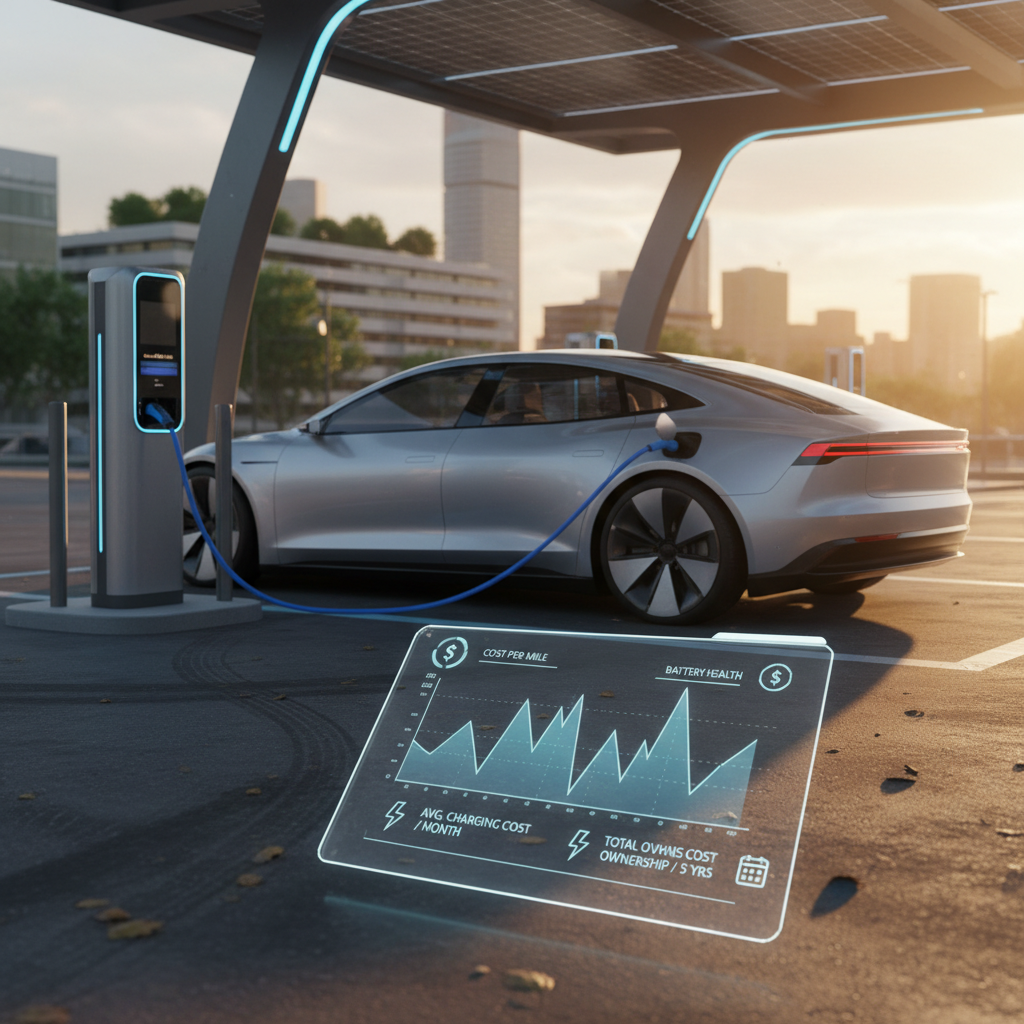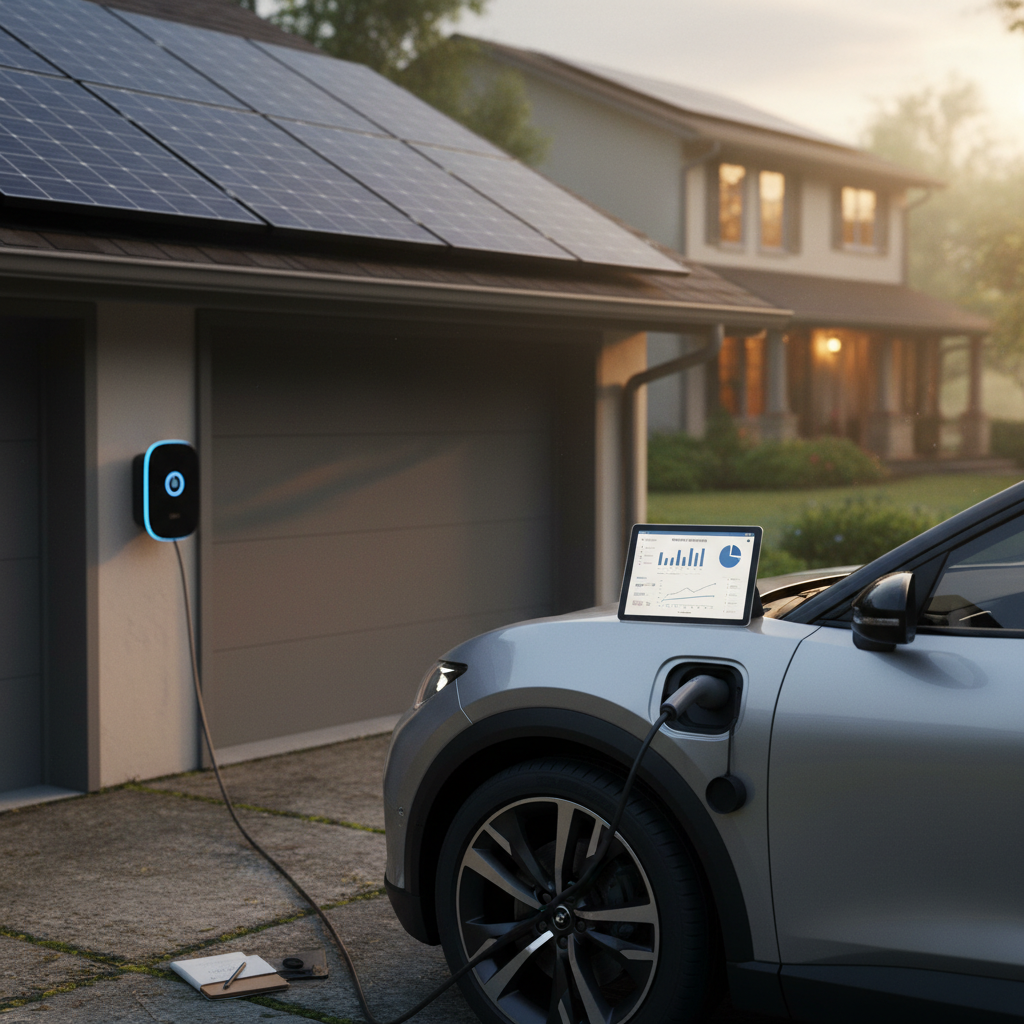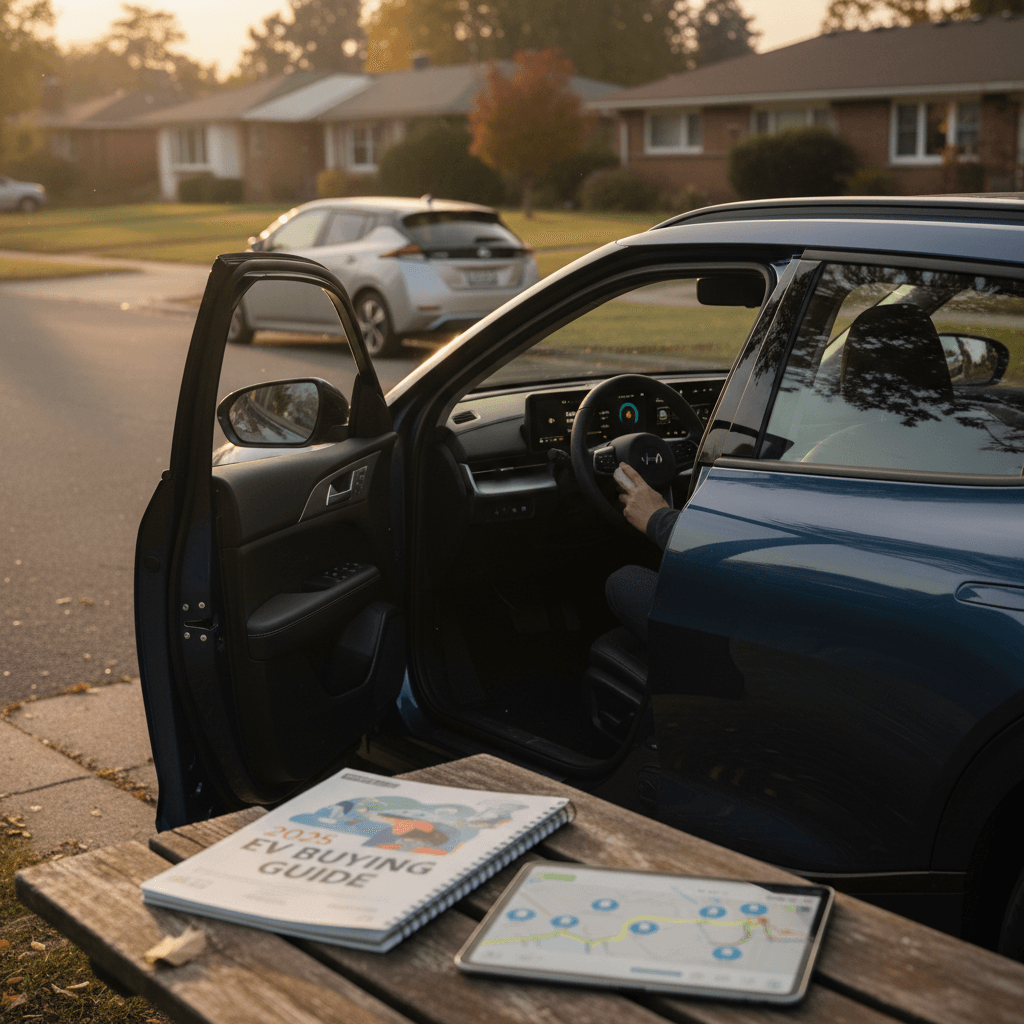
If you’re thinking about buying your first electric car in 2025, you’re not alone. EVs now make up roughly one in ten new vehicles sold in the U.S., and there’s a growing supply of affordable used models. That also means more choice, more jargon, and more ways to make a mistake. This first electric car buying guide for 2025 walks you, step‑by‑step, through the decisions that matter, so you can pick the right EV, at the right price, with confidence.
Who this guide is for
Why 2025 Is a Unique Year to Buy Your First EV
EV adoption is growing, but the market is shifting
For first‑time buyers, 2025 is a bit of a crossroads. On one hand, you benefit from more choice and better tech than ever: longer range, faster charging, and more mainstream brands in the mix. On the other, EV incentives are changing, interest rates are still elevated, and new EV prices remain higher than many gas cars. Used EV prices have corrected from their 2021–2022 highs, but you now have to think seriously about battery health and future resale values.
Why many first‑timers start used
Step 1: Clarify How You’ll Use Your First Electric Car
Daily driving profile
Start by sketching out a normal week behind the wheel:
- Commute distance: How many miles round‑trip on a typical workday?
- Errands & kids: How often are you stacking trips, school, sports, groceries, on the same day?
- Weekends: Mostly local, or frequent 100+ mile drives?
For many Americans, a typical day is 20–50 miles. If that’s you, and you can charge at home, almost any modern EV has more than enough range.
Road‑trip and lifestyle needs
Next, think about the exceptions, not just the routine:
- Road trips: How many trips over 200 miles do you take per year?
- Towing & cargo: Do you need truck capability or three‑row seating?
- Climate: Cold winters or very hot summers can cut effective range 20–30%.
Your answers will influence battery size, charging capability, and whether you should prioritize an EV with a strong highway‑fast‑charging record.
Don’t design your EV around a once‑a‑year trip
Step 2: Range and Battery Size, How Much Do You Really Need?
Typical range targets for first‑time EV buyers
Use these as starting points, not hard rules
Up to 200 miles EPA
Best for: Short commutes, second cars, city households with home charging.
Pros: Often cheapest, lighter, more efficient.
Watch out: Limited winter and highway range; plan carefully for occasional longer trips.
200–260 miles EPA
Best for: Most first‑time buyers who do a mix of city and suburban driving.
Pros: Comfortable margin for daily use; workable for regional trips with public fast charging.
Watch out: Range still shrinks in cold weather or at 75–80 mph.
260–320+ miles EPA
Best for: Heavy commuters, frequent highway drivers, rural areas with sparse charging.
Pros: Fewer charging stops, more flexibility.
Watch out: Higher purchase price; consider whether you truly use the extra range often.
EPA range vs. real‑world range
For a first electric car, the sweet spot for many U.S. drivers in 2025 is an EPA rating between 220 and 280 miles, paired with reliable DC fast‑charging. That’s enough to cover typical commutes with margin for weather and detours, while keeping battery size, and cost, reasonable.
Step 3: New vs Used EV in 2025
New vs used EV: Pros and cons for first‑time buyers
Use this comparison to decide whether your first electric car should be new or used.
| Factor | New EV in 2025 | Used EV (2–5 years old) |
|---|---|---|
| Upfront price | Highest; prices still carry a premium over gas cars, though the gap is shrinking. | Often 30–50% less than new, especially for early‑generation models with shorter range. |
| Technology | Latest range, driver‑assist tech, and native NACS fast‑charging support become more common. | May lack the very latest features, but many 2021–2023 models already feel modern. |
| Warranty | Full factory warranty; most brands offer 8‑year / 100k‑mile battery coverage. | Portion of battery and powertrain warranty usually remains; check in‑service date and mileage. |
| Incentives | Eligibility depends on assembly location, price caps, and income rules that have changed since 2024. | Some used EVs qualify for separate used‑EV tax credits or state/local rebates. |
| Depreciation | Higher risk if EV prices fall further or incentives change again. | Biggest depreciation has usually already happened; value loss tends to slow after year 3–4. |
| Battery health | Brand‑new pack; no degradation history. | Varies widely by model and prior use, requires a real battery health check, not just mileage. |
Remember to factor in your charging situation, budget, and risk tolerance, especially around battery health.
A practical rule of thumb
This is where a marketplace focused on used electric vehicles, like Recharged, can simplify things. Instead of guessing about battery health or whether the price reflects true market conditions, every vehicle on Recharged comes with a Recharged Score Report that includes verified battery diagnostics and fair‑market pricing data, giving first‑time EV buyers a clearer picture than you’ll get from a typical gas‑focused dealer lot.
Step 4: Battery Health Is the New Mileage
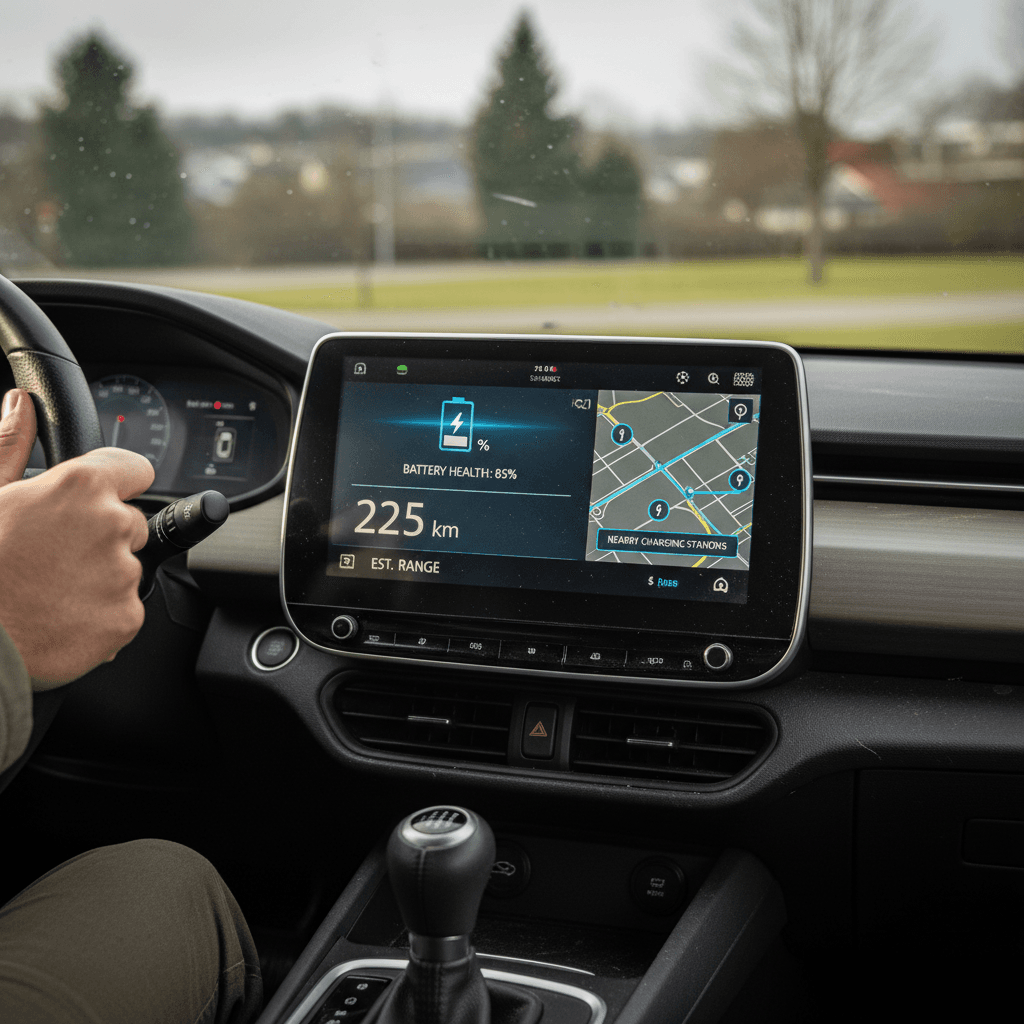
With gas cars, you’re used to asking, “How many miles are on it?” For EVs, mileage matters, but battery state of health (SoH) is just as important. A 60,000‑mile EV with a battery that’s still at 93% of its original capacity can be a better buy than a 30,000‑mile EV that’s been fast‑charged hard and is down to 80%.
What affects EV battery health most?
These factors are more important than mileage alone
Heat & climate
High ambient temperatures accelerate battery wear. Desert climates or cars stored outdoors in hot regions tend to show more degradation.
Fast‑charging habits
Occasional DC fast‑charging is fine, but daily 0–100% fast‑charge cycles stress the pack. A mixed diet of home Level 2 charging is healthier.
Charge levels over time
Keeping the battery between about 20% and 80% for daily use is ideal. Cars that lived at 100% or sat at 0% for long stretches can age faster.
Don’t buy blind on battery health
Recharged uses specialized tools and data models to evaluate pack condition on every vehicle it lists, then rolls that into a simple score along with pricing and history. That kind of transparency is especially valuable if this is your first electric car and you’re not yet fluent in kWh, SoH, and charge‑cycle counts.
Step 5: Charging at Home and On the Road
- Level 1 (120V): Standard household outlet; adds roughly 3–5 miles of range per hour. Fine for short commutes and plug‑in hybrids, slow for full battery EVs.
- Level 2 (240V): Similar to an electric dryer outlet; adds ~20–40 miles per hour. Ideal for overnight charging at home or at workplaces.
- DC fast charging: High‑power public stations along highways and in cities; can add 150–200 miles in 20–40 minutes on many newer EVs. Perfect for road trips, not for daily battery care.
Home charging reality check
Questions about home charging
- Do you have off‑street parking where you control the outlet?
- Is your electrical panel modern enough to handle a 40–50‑amp circuit?
- Will your landlord or HOA approve a charger installation?
If the answer is yes to most of these, budget for a Level 2 charger and installation, it’s one of the best investments you can make in EV ownership.
Questions about public charging
- How many fast‑charging stations are within 10–15 minutes of home or work?
- Which networks (Tesla Supercharger, Electrify America, etc.) support your car’s plug standard?
- What do prices look like at local stations compared with your utility’s home electricity rate?
Take a few practice visits with a friend’s EV or a rental before you buy, so you know what real‑world charging times and queues look like.
Charging standards are in transition
Step 6: Total Cost of Ownership and 2025 Incentives
Sticker price is only part of the story. Many first‑time buyers are surprised to find that an EV that costs more upfront can still be cheaper to own over 5–7 years once you factor in fuel, maintenance, and incentives. In 2025, you also have to account for evolving federal tax credits and a patchwork of state and utility rebates.
Key pieces of your EV cost puzzle
Look beyond the monthly payment
Fuel vs electricity
EVs typically cost the equivalent of paying $1–$2 per gallon for fuel when charged at home, depending on your electricity rate. Public fast charging can be pricier but is used less often.
Maintenance & repairs
No oil changes, fewer moving parts, and regenerative braking mean lower routine maintenance. Budget for tires and cabin air filters; brake pads often last longer than in gas cars.
Incentives & fees
Federal credits, state rebates, utility incentives, and special EV registration fees all influence your net cost. Some benefits are point‑of‑sale, others show up at tax time.
Run the numbers for your ZIP code
Step 7: Financing and Shopping Strategy With Recharged
Once you know your budget and rough target (small crossover vs sedan, 240‑mile range vs 300‑mile range, new vs used), it’s time to plan how you’ll actually shop and pay. Traditional dealerships are still learning how to sell EVs, and their focus is often on new inventory. For first‑time buyers, a simpler, EV‑native experience can reduce a lot of friction.
How Recharged can simplify your first EV purchase
Built specifically for used electric vehicles
Recharged Score Report
Every vehicle includes a Recharged Score with verified battery health, pricing vs the market, and key history details, so you’re not guessing about the one component that matters most.
Fully digital experience
Browse used EVs online, review reports, line up financing, get an instant offer or consign your trade‑in, and arrange nationwide delivery without bouncing between stores.
EV‑specialist support
Talk to EV‑focused specialists instead of general sales staff. They’ll walk you through charging, range, and model comparisons, and you can visit the Recharged Experience Center in Richmond, VA if you want to see cars in person.
Financing your first EV
Checklist: Questions to Answer Before You Buy
First electric car pre‑purchase checklist
1. How will I use this EV 90% of the time?
Write down your typical weekday and weekend driving, including mileage and passenger/cargo needs. Design your purchase around the 90%, not the rare edge cases.
2. Where will I charge most often?
Confirm whether you’ll charge at home, work, or public stations. If at home, verify that a 240V circuit is feasible. If public, map nearby fast chargers and check that your target models are compatible.
3. What’s my minimum comfortable range?
Decide on a real‑world range target (after accounting for weather) that covers your worst normal day plus a safety margin. Translate that into an EPA range band when shopping.
4. Am I open to used, and how will I verify battery health?
If you’re considering used, decide whether you’re comfortable buying only with a professional battery report, such as the Recharged Score, versus rolling the dice on a generic used‑car lot.
5. What’s my total budget, not just monthly payment?
Include taxes, fees, home charger installation, insurance, and an emergency fund. Then look at fuel and maintenance savings over 3–7 years to see the full picture.
6. Which incentives or programs apply to me?
List federal credits you’re eligible for, plus state, local, and utility programs. Some require income or price caps; others are first‑come, first‑served.
7. Who will support me after the sale?
Consider where you’ll go for service, software updates, and EV education. An EV‑specialist retailer like Recharged can provide ongoing guidance that traditional dealers often don’t.
Frequently Asked Questions About Buying Your First EV in 2025
Common first‑time EV buyer questions
Bottom Line: How to Buy Your First Electric Car With Confidence
Buying your first electric car in 2025 doesn’t have to be overwhelming. If you start with how you actually drive, choose a realistic range target, and think of battery health as the new mileage, you’ll avoid most of the common pitfalls. From there, your biggest levers are charging access, total cost of ownership, and whether new or used gives you the better balance of budget and peace of mind.
If you decide a used EV is the right move, working with an EV‑focused retailer like Recharged can remove much of the uncertainty. With verified battery diagnostics in every Recharged Score Report, transparent pricing, financing options, trade‑in or consignment, and nationwide delivery backed by EV‑specialist guidance, you get a clearer view of what you’re buying than the typical used‑car experience. Answer the checklist questions in this guide, line them up with real vehicles, and your first electric car can feel less like a gamble, and more like a smart, future‑proof upgrade to your daily drive.