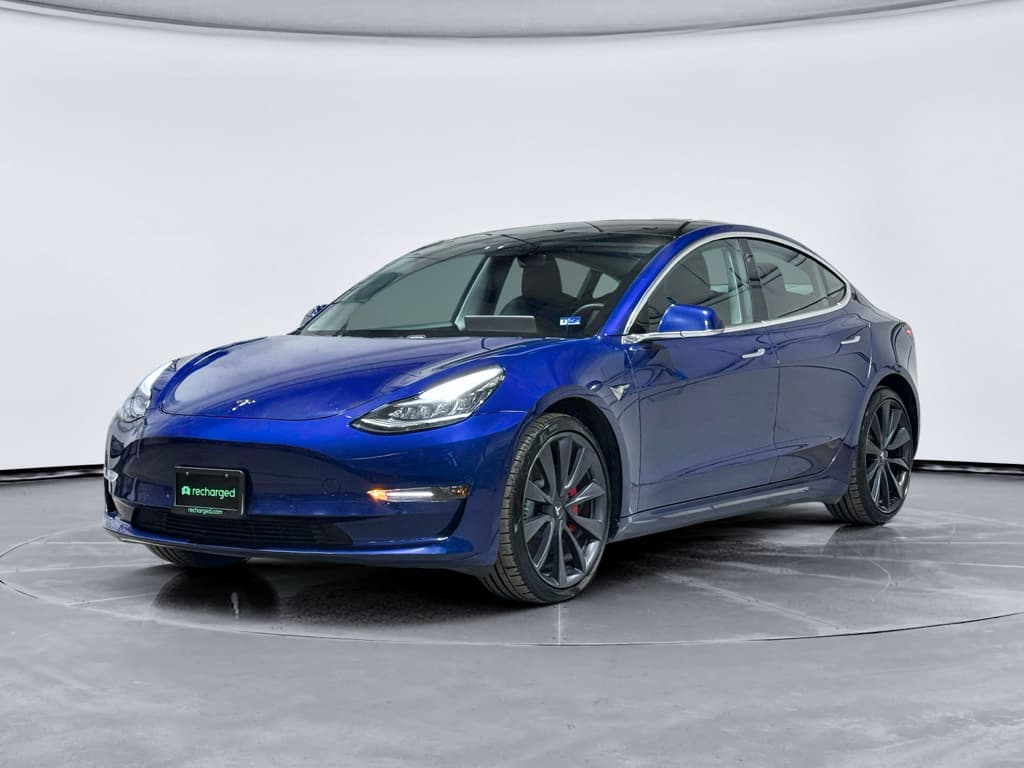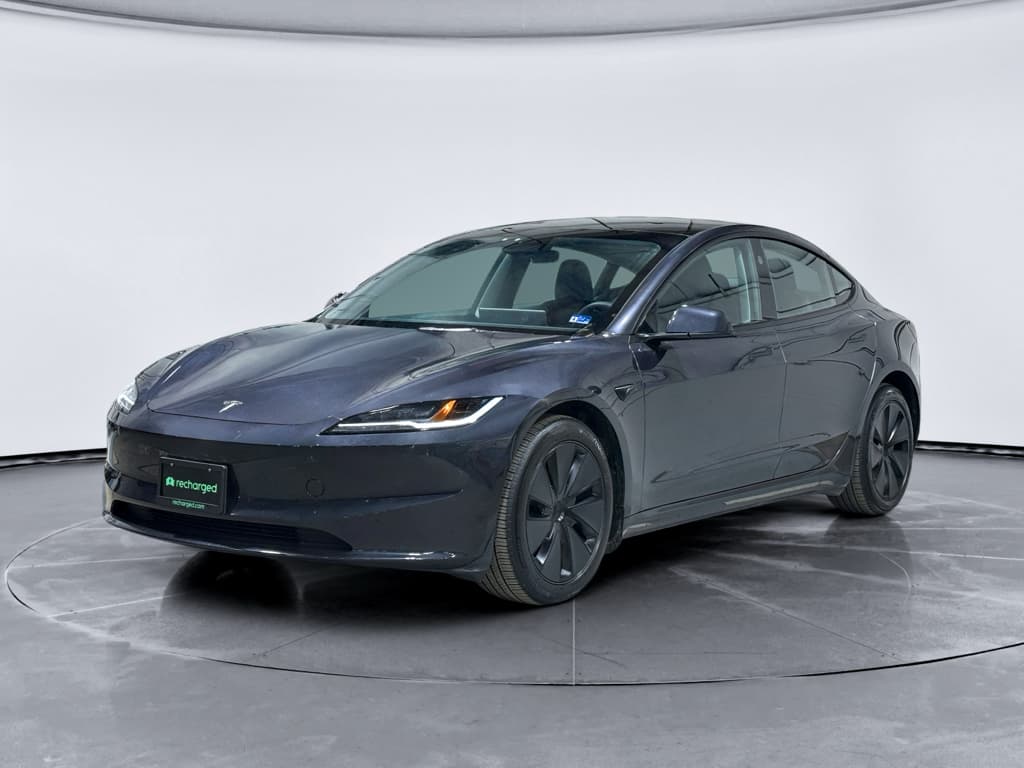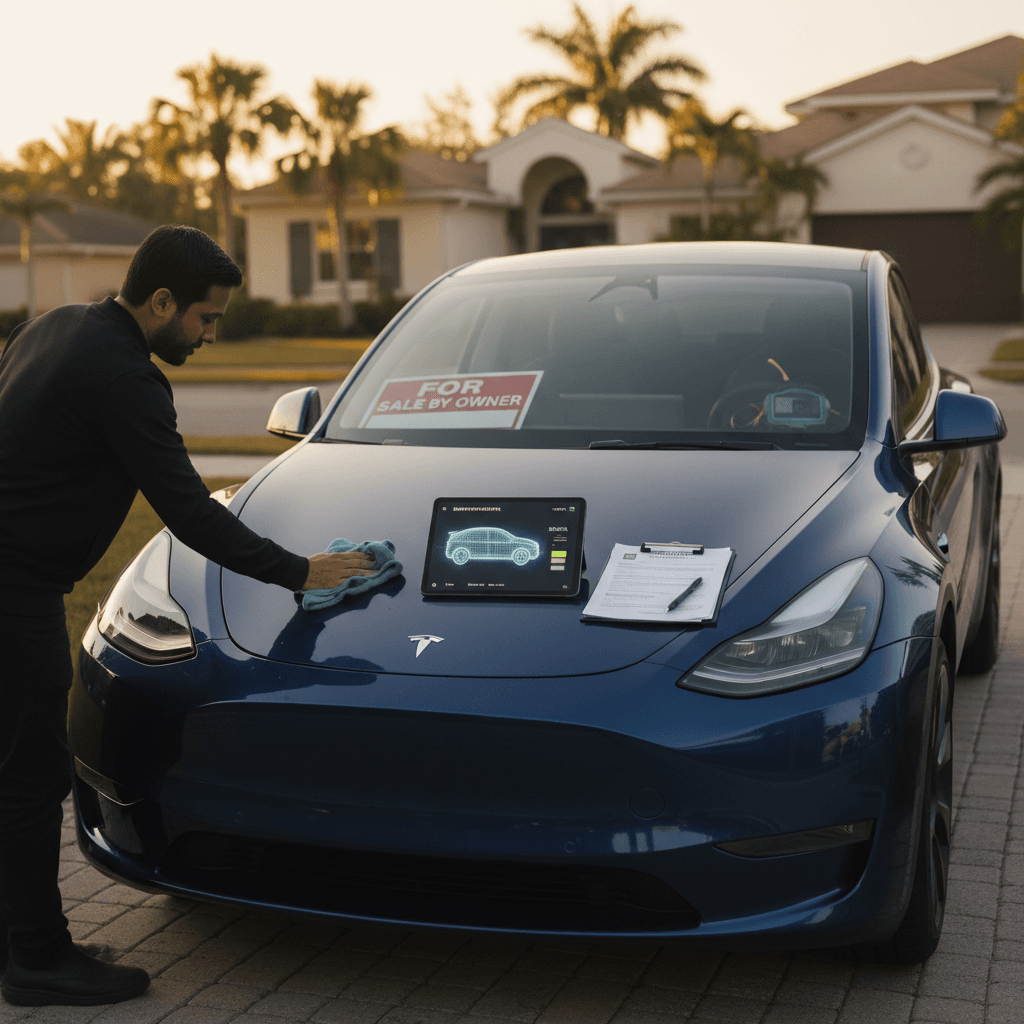
If you’re thinking, “I’m ready to sell my electric car in Florida, but I don’t want to get burned,” you’re in the right place. Florida is now one of the hottest EV markets in the country, which is good news for you, if you know how to price your car, where to list it, and how to handle the paperwork so the sale doesn’t come back to haunt you.
Florida’s EV moment
Why selling an EV in Florida is different
Selling an electric car isn’t quite the same as selling a gas SUV you’ve had forever. Buyers care less about oil‑change records and more about battery health, real‑world range, and whether the car qualifies for any remaining incentives or software features. In Florida, they’re also thinking about hurricanes, heat, and charging access in condos and apartments.
Florida’s electric car market at a glance
Put simply: you’re not trying to convince Floridians that EVs are real anymore. You’re competing with a lot of other used electric cars, especially off‑lease Teslas and SUVs, so the way you present your car, and the channels you use to sell it, matter more than ever.
Decide how you want to sell your EV
Four main ways to sell an electric car in Florida
Each path trades off time, effort, and how much money you keep.
1. Trade it in at a dealer
Best if: You’re buying another vehicle and want a fast, low‑friction deal.
- Least hassle, dealer handles payoff and paperwork.
- Often the lowest dollar amount you’ll get.
- Good if your EV has cosmetic issues or high miles.
2. Sell to an online buyer / instant offer
Best if: You want a quick, firm offer without private‑sale drama.
- Enter your VIN and mileage, get an offer in minutes.
- Companies like Recharged focus on used EVs specifically.
- Price usually beats a trade‑in but trails a top‑dollar private sale.
3. Private party sale
Best if: You want maximum value and are willing to put in work.
- List on classifieds and EV‑focused marketplaces.
- You manage test drives, questions, and payment safety.
- Often brings the highest sale price, especially for in‑demand models.
4. Consignment with an EV specialist
Best if: You want dealer‑style convenience with closer‑to‑private‑sale pricing.
- You keep the car or drop it off; they market it for you.
- Helps with photography, pricing, and buyer screening.
- Recharged offers consignment and expert guidance for used EVs.
Match method to your situation
Step‑by‑step: how to sell your electric car in Florida
Your Florida EV selling checklist
1. Confirm your title and payoff
Check whether your Florida title is paper or electronic and confirm if there’s still a lien. If you have a loan, call the lender for an exact payoff and ask how they handle titles when you sell.
2. Gather EV‑specific records
Collect service records, battery or drive‑unit warranty info, any DC fast‑charging history you have, and documentation for home charger installation. Buyers love proof your EV has been properly cared for.
3. Get a realistic value range
Use multiple sources: generic book values, EV‑specific pricing tools, and recent online listings in Florida. You’ll likely see a spread, aim for a realistic middle, not the unicorn number.
4. Decide where you’ll sell
Based on your time and risk tolerance, choose trade‑in, instant offer, consignment, or private sale. You can always start with an instant‑offer baseline to know your floor price.
5. Prep and photograph the car
Detail the interior, wash and clay‑bar the paint if needed, and take clear photos in daylight. Highlight the charge port, charging screen, and range readout, these are EV‑buyer catnip.
6. Handle showings and test drives safely
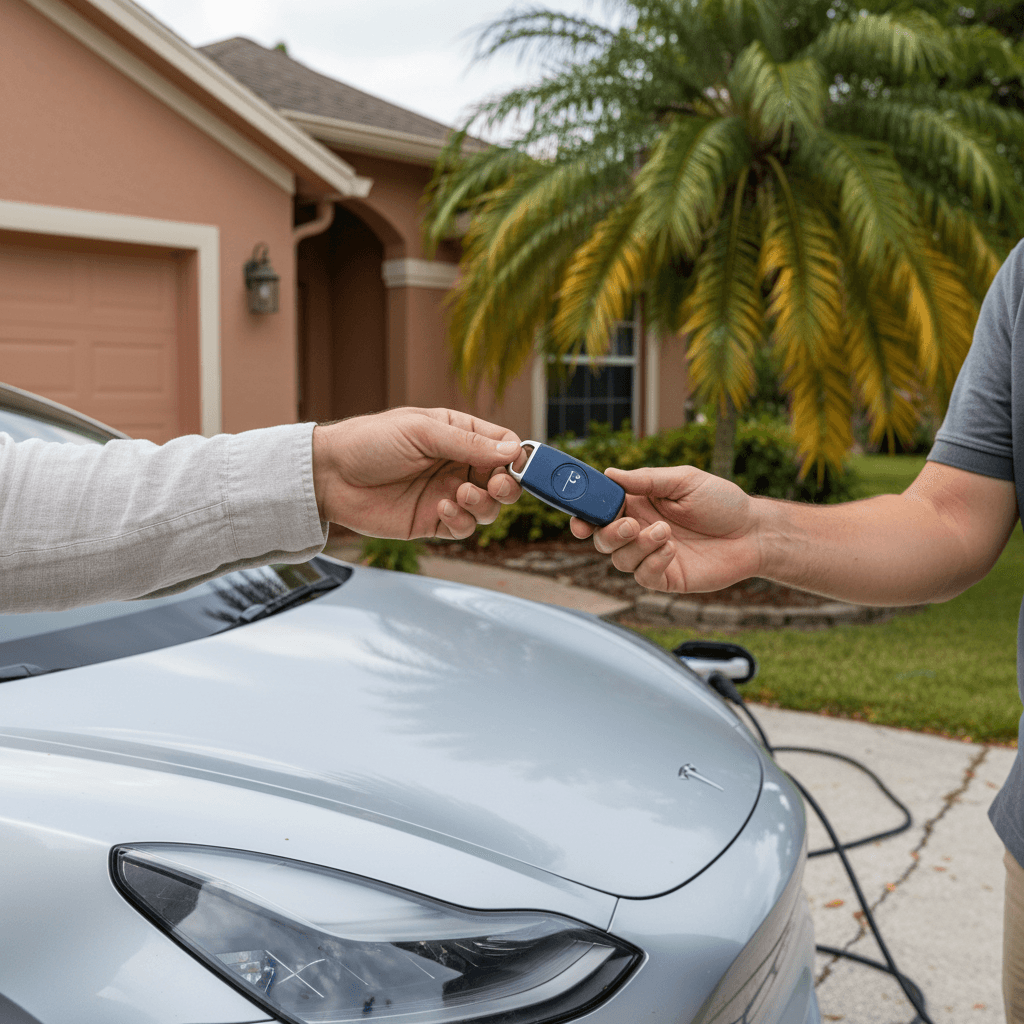
Meet in safe, well‑lit public places or at a buyer’s bank. For test drives, ride along, verify insurance, and keep the key card/fob with you until the deal is done.
7. Close the deal and file the Notice of Sale
Use a Florida bill of sale, sign the title correctly, remove the plate, and file form HSMV 82050 (Notice of Sale) with the state so you’re not on the hook for future tolls or tickets.
Pricing your electric car for the Florida market
Setting the right price is where most sellers leave money on the table. Used EV values took a noticeable dip in 2024 as new‑car discounts and tax credits pushed prices down. By 2026 that free‑fall has largely settled, but buyers are still picky, and they have a lot of choices, especially in Florida’s bigger metros.
Key factors that drive your EV’s price
- Battery health & remaining range – More than mileage, buyers want to know how far it still goes on a charge.
- Fast‑charging capability – Vehicles with robust DC fast charging and NACS access (or adapters) are easier to sell.
- Software & options – Paid options like enhanced autopilot, premium audio, or larger battery packs can add value.
- Accident history – Frame or battery‑pack damage is a big red flag; clean Carfax/AutoCheck helps.
Florida‑specific price nudges
- Coastal vs. inland – Buyers near the coasts may worry about corrosion and hurricane flooding; clean inspections and underbody photos help.
- Heat exposure – High heat can accelerate degradation. Shaded parking and a healthy battery report reassure buyers.
- Seasonality – Tax‑refund season and snowbird arrivals can juice demand, especially for crossovers and luxury EVs.
What you’ll usually get by sale method
These are typical patterns in the used EV world; your numbers will vary by model and condition.
| Sale method | Convenience | Typical price vs. private sale | Best for |
|---|---|---|---|
| Dealer trade‑in | Very high | Lowest (often 10–20% less) | Fastest possible swap into another car |
| Instant offer / online buyer | High | Lower (roughly 5–15% less) | You want speed and a firm number |
| Consignment with EV specialist | Medium | Near market (within a few percent) | You want help marketing and negotiating |
| Private party sale | Low | Highest | You’re willing to handle the whole process |
Use this as a sanity check when offers start coming in.
Don’t price it like a gas car
How battery health affects what you can get
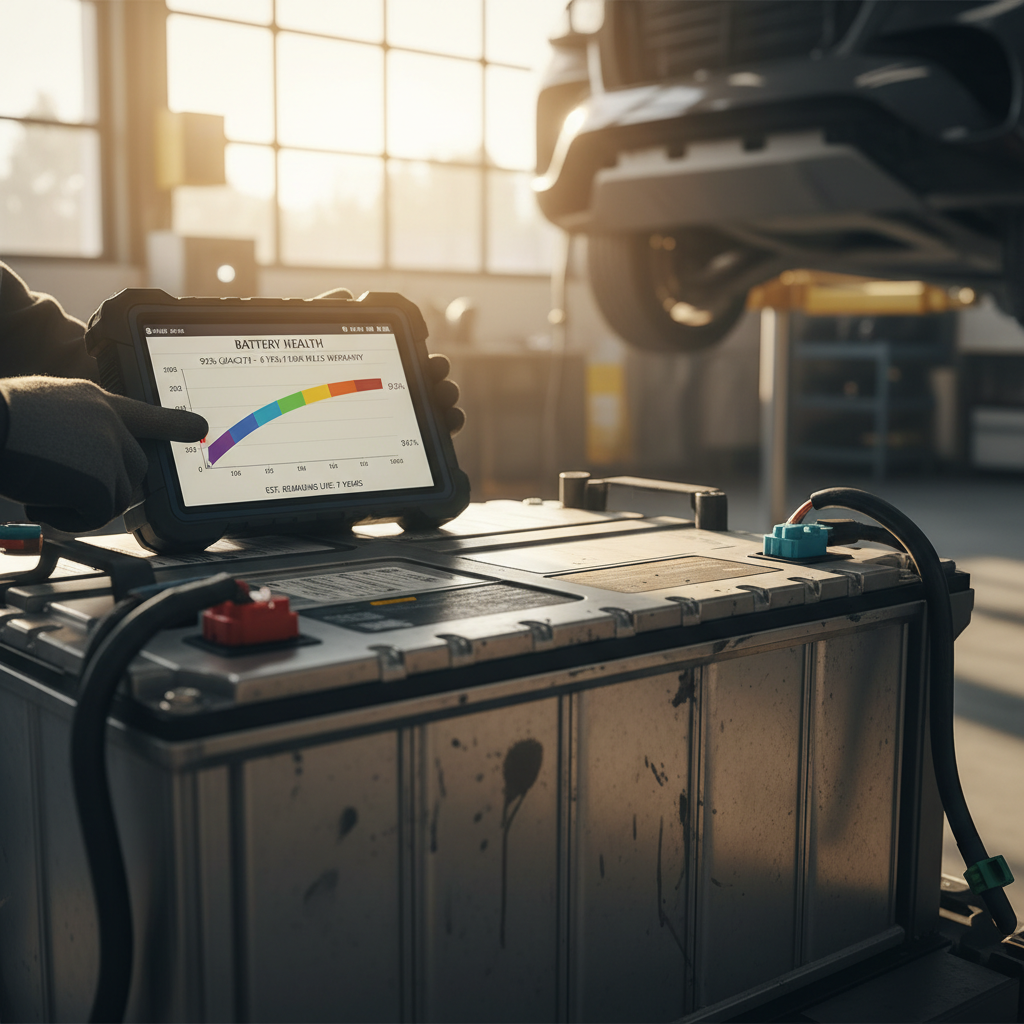
For an electric car, the battery is both the fuel tank and the engine. Florida buyers know that, and more of them are asking, “What’s the battery at?” before they care about seat color. A car that left the factory with 300 miles of range but only shows 230 at full charge is going to be valued differently than one still holding close to its original range.
- Most modern EVs in warm climates like Florida lose a chunk of range in the first few years, then degrade more slowly.
- Fast charging, frequent 100% charges, and constantly parking in full sun can all accelerate degradation.
- A healthy battery with documentation can make your EV stand out from the sea of anonymous used Teslas and crossovers.
Where the Recharged Score comes in
Must‑do paperwork when you sell an EV in Florida
The good news is that Florida doesn’t treat EV paperwork much differently than gas cars. The bad news is that if you skip a form or two, you can end up getting hit with someone else’s SunPass tolls or parking tickets months after you wave goodbye to the car.
Florida EV paperwork essentials
Title transfer
Whether you have a paper title or an electronic one, make sure the buyer’s name, mileage, and date of sale are filled in correctly. If there’s a lien, follow your lender’s instructions, many will send the title directly to the buyer or the tax collector once you’re paid off.
Bill of sale
Use a simple bill of sale that includes VIN, sale price, date, buyer and seller info, and whether the car is sold "as‑is." This protects both sides and can be required for registration.
Form HSMV 82050 (Notice of Sale)
After the sale, submit a Notice of Sale to the Florida Department of Highway Safety and Motor Vehicles. This is your official “I don’t own this anymore” record and helps shield you from future liability.
License plate & tolls
In Florida, the plate usually stays with you, not the car. Remove it when the deal is done and update your SunPass or other toll accounts so the new owner’s trips don’t hit your credit card.
Insurance & lender
Once the sale is final and paperwork is signed, cancel or adjust your insurance and confirm your lender has processed the payoff if you had a loan.
Watch out for “we’ll handle the title later”
Prepping your EV to sell in the Sunshine State
You don’t need a concourse‑level detail, but a clean, well‑presented EV looks like it’s been cared for, and buyers will mentally bump your asking price before they even sit inside. Florida’s climate gives you great light for photos and also magnifies faded trim, water spots, and sand in the carpets.
Make your EV pop in Florida listings
A weekend of work can be worth hundreds of dollars.
Detail inside and out
- Vacuum sand and pet hair thoroughly.
- Clean touchscreen and digital displays, fingerprints scream “neglect.”
- Wash, clay, and lightly polish paint if it’s oxidized from the sun.
Show it as an EV
- Photograph the charge port open.
- Show the main screen with battery at or near 100%.
- Include photos of the charging cable, adapters, and any home charger you’re including.
Use the Florida backdrop
- Shoot in early morning or late afternoon for softer light.
- A clean driveway with palm trees beats a crowded apartment lot.
- Avoid deep shade that makes the car look dull or dirty.
Bundle the right extras
Common pitfalls when selling an EV in Florida
- Overpricing based on what you paid, not what the market will bear. EV prices moved quickly between 2022 and 2025; your memory of the sticker price isn’t the market reality in 2026.
- Ignoring battery health questions. Saying “range is fine” without data is a red flag for savvy buyers, especially in hot‑weather states like Florida.
- Letting strangers take solo test drives. With key cards and app‑based access, protect yourself the same way you would with any modern car.
- Forgetting to unlink your apps. Tesla, Ford, Hyundai, and others tie the car to your account. Before or at delivery, factory‑reset infotainment and remove the car from your apps.
- Skipping the Notice of Sale. It’s a simple step that protects you if the buyer parks illegally, blows through tolls, or never finishes registering the car.
Flood and hurricane history matters
When it makes sense to use a service like Recharged
Maybe you want more than a dealer trade‑in but don’t have the time, or frankly the patience, to field late‑night messages and joyride requests from Marketplace. That’s where an EV‑focused partner can save your weekend and still get you a strong price.
How Recharged can help Florida sellers
- EV‑specialist pricing – Recharged leans on real‑time market data and a detailed Recharged Score Report, including battery diagnostics, to price your car fairly and transparently.
- Multiple ways to sell – You can request an instant offer, explore consignment, or even trade into another used EV from Recharged’s inventory.
- Nationwide buyer pool – Even if your buyer ends up in another state, Recharged handles nationwide delivery, which can support better offers for niche models.
What the process typically looks like
- Share your VIN, photos, and basic condition details online.
- Recharged performs battery health diagnostics and issues a Recharged Score.
- You choose whether you want an instant, no‑hassle sale or to list the car with Recharged’s help.
- Recharged supports the paperwork and logistics, so you’re not spending evenings answering the same questions over and over.
You don’t have to live near a showroom
FAQ: Selling an electric car in Florida
Frequently asked questions about selling an EV in Florida
Florida is one of the best states in America to sell an electric car right now, but only if you treat it like the modern piece of technology it is, not just another used appliance. Price it with the current EV market in mind, lead with battery health and charging info, button up the Florida‑specific paperwork, and you’ll put yourself in front of the right buyers at the right price. And if you’d rather not go it alone, Recharged is built to make selling, and buying, used EVs simple, transparent, and a lot less stressful than haggling in a strip‑mall lot.