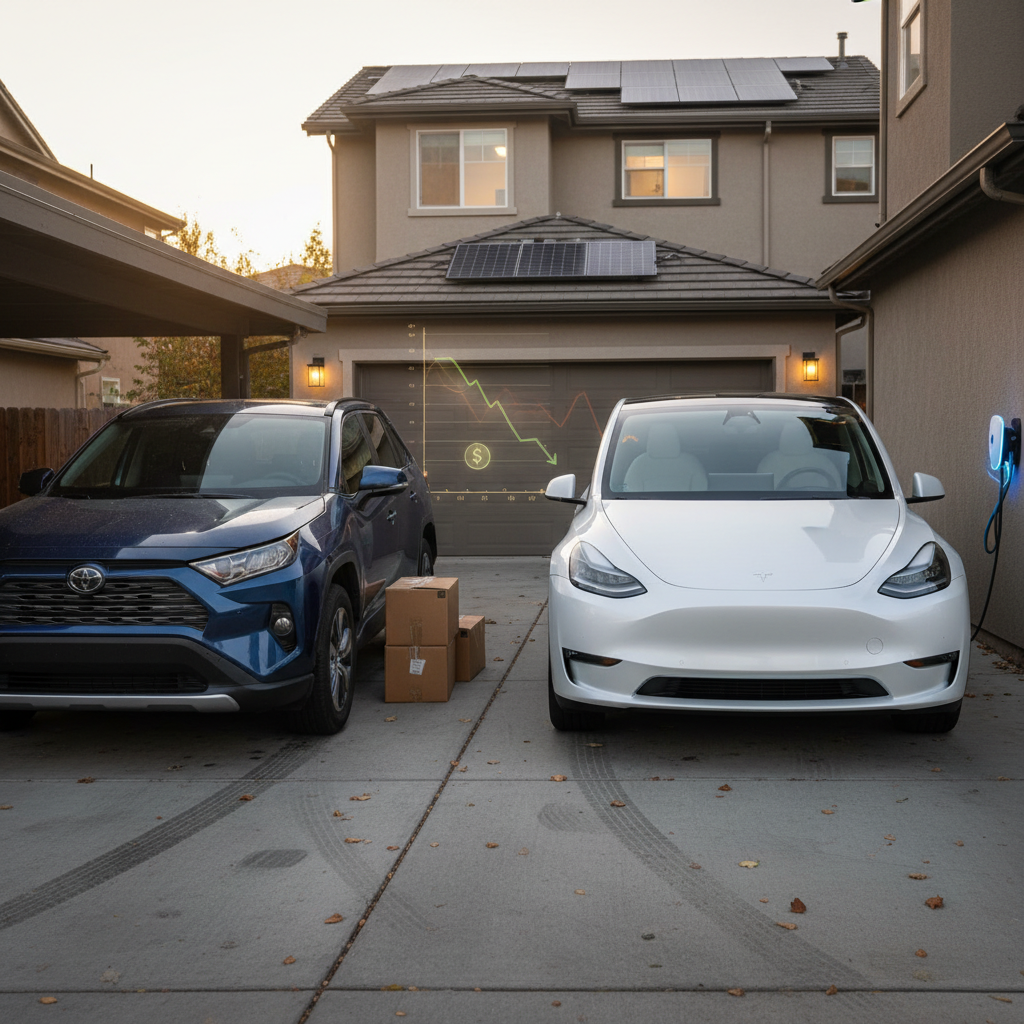
If you’re looking up EV incentives in Ohio for 2026, you’ve probably noticed a lot has changed. Federal purchase credits ended in late 2025, Ohio still doesn’t offer its own statewide EV tax credit, and the incentive landscape is more fragmented than ever. The good news: there are still real savings opportunities, especially if you’re open to a used EV and willing to be strategic about home charging.
Key 2026 reality for Ohio drivers
Overview: EV incentives in Ohio in 2026
Ohio EV incentive snapshot for 2026
In 2026, the incentive story for Ohio looks very different from the glossy national headlines of a few years ago. Instead of a big, easy button like a $7,500 federal purchase credit, you’re dealing with a patchwork of expiring federal charging credits, local utility rebates, and, crucially, how fairly the vehicle itself is priced. That last piece is where used EV-focused retailers like Recharged can effectively substitute some of the “missing” tax credit by starting from data-driven pricing and verified battery health.
What happened to the federal EV tax credit for 2026?
Through September 30, 2025, many new EVs qualified for a federal Clean Vehicle Credit worth up to $7,500, and used EVs could qualify for up to $4,000 if they met strict income and price caps. Congress then passed a deficit and tax package that terminated those purchase credits for vehicles acquired after September 30, 2025. Heading into calendar year 2026, there is no ongoing federal tax credit for buying a new or used EV placed in service after that date.
- If you bought or leased an eligible EV on or before September 30, 2025 and placed it in service that year, you can still claim the credit on your 2025 federal return if you didn’t transfer it at the dealership.
- If you transfered the credit to the dealer in 2025 (they gave you the value as a discount), you still report the transaction on IRS Form 8936 when you file.
- For vehicles first placed in service after September 30, 2025, there’s no federal purchase credit available under the old Clean Vehicle or Used Clean Vehicle programs.
Don’t plan your 2026 purchase around an old rule
Used EVs and leftover tax benefits
If you’re shopping for a used EV in Ohio in 2026, there’s some nuance. The federal Used Clean Vehicle Credit under Section 25E technically still exists in the tax code in 2026, but only applies to qualifying used EVs acquired on or before September 30, 2025. That means you might still see a tax benefit for a past purchase when you file, but you can’t claim a new 25E credit for a used EV you buy today.
If you bought a used EV in 2025
- Purchase had to be from a licensed dealer for $25,000 or less.
- Income limits applied (for example, $75,000 for single filers and $150,000 for joint filers).
- You could claim up to $4,000 or 30% of the price, whichever was lower.
- You may still file Form 8936 with your 2025 return if you didn’t assign the credit to the dealer.
If you buy a used EV in 2026
- No federal purchase credit is currently available for newly acquired vehicles.
- Your savings come from vehicle price, financing terms, and ongoing ownership costs (fuel, maintenance).
- Tools like the Recharged Score report help quantify battery health and fair market value, critical in a post-credit world.
How to “replace” the lost credit on a used EV
Ohio statewide EV incentives in 2026
Ohio is still behind many states when it comes to direct purchase incentives. As of early 2026, Ohio offers no statewide income-tax credit or point-of-sale rebate for buying an electric vehicle. In fact, Ohio has gone the opposite direction by adopting extra registration fees on EVs and hybrids to make up for lost gasoline tax revenue.
- Ohio has no statewide EV purchase rebate or state income-tax credit in 2026.
- Ohio continues to charge additional annual registration fees on battery electric vehicles and plug‑in hybrids, which partially offset gasoline tax collections.
- Most financial support in Ohio is targeted at charging infrastructure, especially through utilities and local or federal grant programs, not the vehicle purchase itself.
Watch for EV registration fees
Utility & local EV programs in Ohio
The real action for EV incentives in Ohio in 2026 is at the utility and local level. These programs shift around as funding is used up or reauthorized, so you should always confirm details with your own electric utility before you make a purchase decision.
Common types of Ohio utility EV incentives
Exact rebates and tariffs vary by service territory and year, but these are the patterns to look for in 2026.
Level 2 charger rebates
Several Ohio utilities periodically offer rebates for installing a Level 2 home charger. These can range from a few hundred dollars up to around $1,000 per installation, usually on a first‑come, first‑served basis while funding lasts.
Time-of-use EV rates
Programs like AEP’s EV‑focused tariffs or similar offerings from other utilities give you cheaper overnight electricity when you charge your EV off‑peak. Over a few years, that discount can rival a modest rebate.
Workplace & multifamily charging
In metro areas like Columbus, utilities and public‑private partnerships have funded workplace and multifamily chargers. You don’t get cash directly, but free or subsidized charging can significantly cut your operating costs.
Many of these programs are funded in rounds. AES Ohio, for example, has administered millions of dollars in charger rebates for homes and businesses on a first‑come basis. Some rounds are fully subscribed, others reopen when new money becomes available. The same is true of workplace charging initiatives tied to Columbus’s Smart Columbus program and similar efforts in other cities.
Where to check for 2026 utility incentives
Home charging incentives & the 30% credit
Even though purchase credits ended in 2025, a key federal perk is still alive in 2026: the Alternative Fuel Vehicle Refueling Property Credit for charging equipment. For residential taxpayers, this credit can cover 30% of the cost of purchasing and installing a home Level 2 EV charger, up to $1,000, for qualifying property installed through June 30, 2026.
2026 federal home charging credit basics
How the Alternative Fuel Vehicle Refueling Property Credit generally applies to Ohio homeowners in 2026.
| Question | Answer (high-level overview) |
|---|---|
| What’s covered? | Qualified EV charging hardware and reasonable installation costs for property you own and use as a residence. |
| How much is it? | 30% of eligible costs, up to $1,000 for residential installations completed by June 30, 2026. |
| Who claims it? | The taxpayer who owns the property and pays for the charger; you claim it on your federal return. |
| Can I combine with utility rebates? | Usually yes, but rebates may reduce your net cost basis for calculating the 30% credit. |
| Is it Ohio-specific? | No, this is a federal credit, but it applies to Ohio homeowners just like anywhere else. |
Always confirm current IRS rules and instructions before you claim any credit.
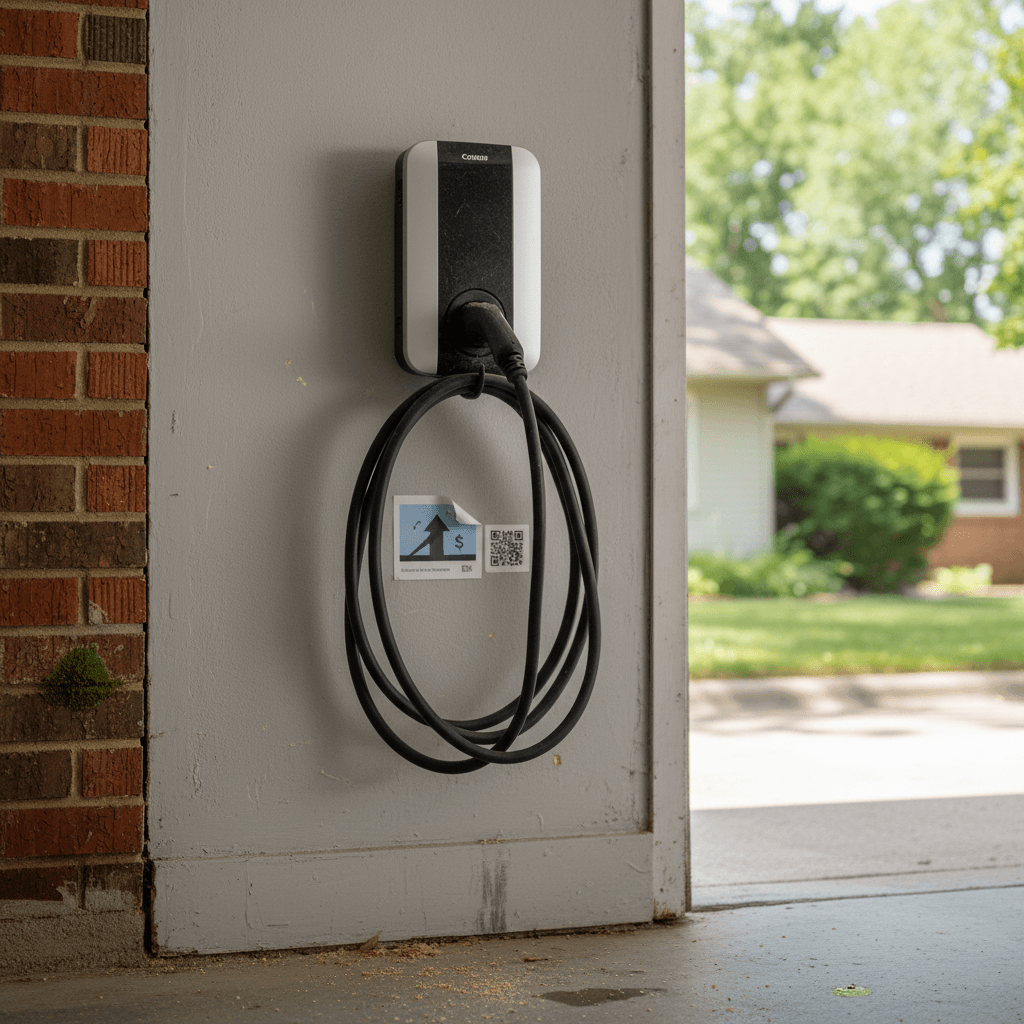
Timing matters for the charger credit
How to combine incentives with smart EV shopping
With big headline purchase credits off the table, the way you shop for an EV in Ohio in 2026 matters more than ever. You can’t control Congress, but you can control what you pay, what you finance, and how efficiently you charge. This is where the economics of used EVs and transparent retail models become powerful.
1. Start with a fair vehicle price
A transparent used‑EV price that’s $3,000–$6,000 below a comparable new vehicle will typically beat what the old federal credits delivered, without tax complexity.
Recharged, for example, anchors every vehicle to a Recharged Score report that includes verified battery health and fair‑market pricing data. That helps replace guesswork and haggling with data, which is critical when you no longer have a federal credit to backstop a bad deal.
2. Optimize financing and energy costs
- Use low‑rate EV financing if available, or refinance later if rates fall.
- Enroll in an EV‑friendly time‑of‑use rate so most charging happens overnight at a discount.
- Leverage the 30% home charger credit plus any utility rebate to lower installation cost.
Taken together, these levers can easily be worth thousands of dollars across a 5‑ to 7‑year ownership period.
A realistic Ohio 2026 savings stack
Step-by-step: How to check what you qualify for
2026 Ohio EV incentive & savings checklist
1. Confirm whether an old federal credit still applies
If you already bought an EV before October 1, 2025, gather your purchase contract and any seller documentation. Talk to a tax professional or review IRS Form 8936 instructions to see if you can claim a 2025 credit on your next tax return.
2. Identify your electric utility
Look at your current electric bill and note the utility (AEP Ohio, AES Ohio, Duke, FirstEnergy, municipal, or co‑op). Search their website for “EV rebate,” “charger rebate,” or “time-of-use rate.” Save or print program details you find.
3. Evaluate your home charging situation
Decide whether you’ll rely on Level 1 (120V) charging or install a Level 2 charger. Get at least one quote from a licensed electrician for a 240V circuit and charger installation so you know your eligible cost basis for the 30% federal credit.
4. Time your charger installation
If you want to claim the Alternative Fuel Vehicle Refueling Property Credit, plan to complete the charger purchase and installation before June 30, 2026, and keep all receipts and invoices organized for tax season.
5. Compare used EV options with battery health data
When you shop for a used EV, whether through <strong>Recharged</strong> or another source, insist on documentation of <strong>battery health</strong> and clear pricing versus fair market value. This is your biggest lever for replacing the lost purchase tax credit.
6. Model your total cost of ownership
Estimate annual fuel and maintenance savings versus your current gas vehicle, plus any utility rate discounts. Even without a purchase credit, many Ohio households see meaningful net savings over 5–7 years of EV ownership.
FAQ: EV incentives in Ohio for 2026
Frequently Asked Questions
Bottom line for EV incentives in Ohio in 2026
For Ohio drivers, 2026 is the year when the EV incentive landscape finally looks like what insiders have long expected: less sugar on the hood, more focus on fundamentals. The big federal purchase credits are gone, Ohio still doesn’t offer its own EV tax credit, and most remaining financial help is tied to charging infrastructure and electricity rates rather than the vehicle itself.
That doesn’t mean EVs stopped making financial sense, especially not used EVs. If you combine a well‑priced used electric vehicle (backed by real battery data, like a Recharged Score report), the 30% federal credit on a home charger before mid‑2026, and a smart utility rate plan, you can still come out ahead of a comparable gas car over a typical ownership cycle. In a world without simple, headline‑grabbing credits, the win goes to the Ohio buyers who do their homework and use every tool available, including smarter online retailers like Recharged, to stack the smaller, but very real, advantages that remain.