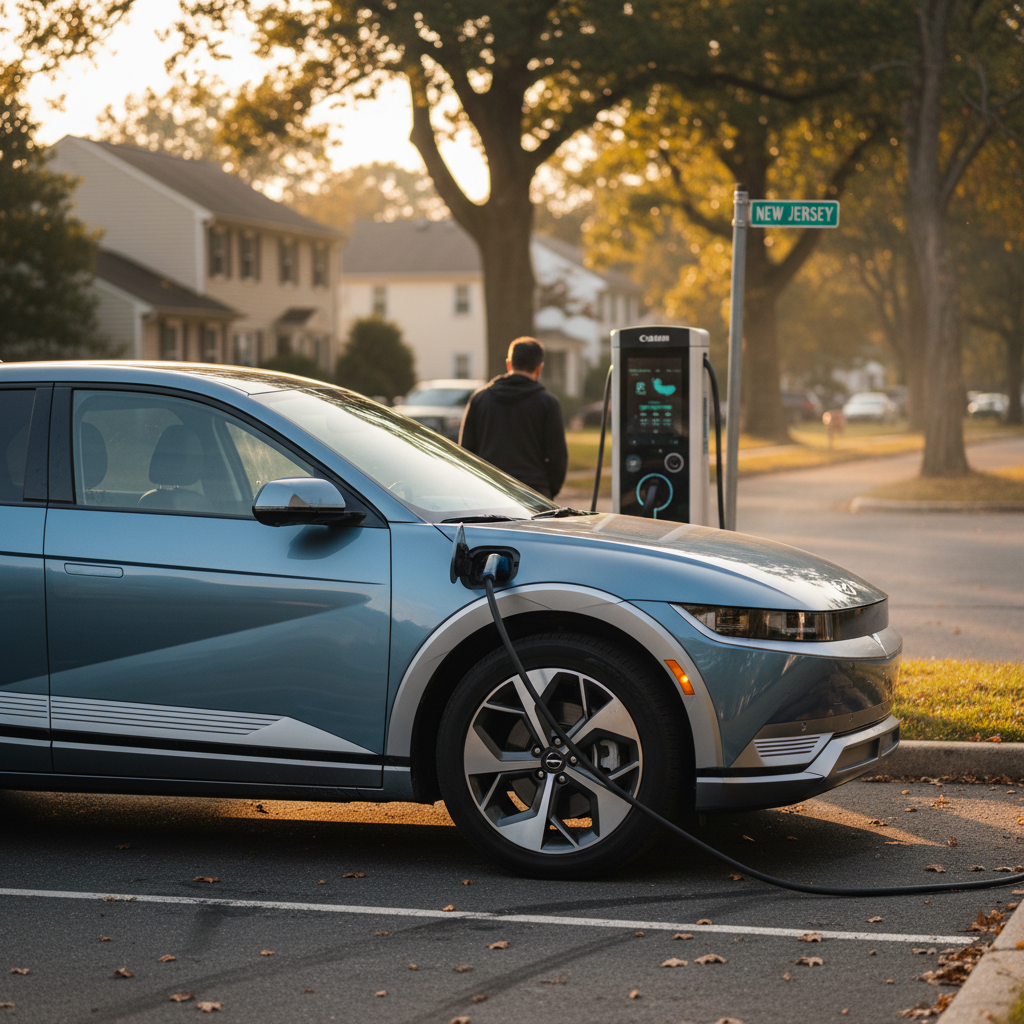
If you’re driving a Toyota RAV4 and eyeing a Tesla Model Y, you’re probably wondering about more than acceleration and Autopilot. The big question is simple: will switching from a Toyota RAV4 to a Tesla Model Y save you money, or are you trading fuel stops for a higher monthly payment? This guide breaks down the real costs, fuel, electricity, maintenance, insurance, and resale, so you can see where the savings actually come from.
Assumptions used in this guide
Why compare a Toyota RAV4 to a Tesla Model Y?
On paper, the Toyota RAV4 and Tesla Model Y don’t look like direct rivals: one’s a mainstream compact SUV that’s been around for decades, the other is a newer all‑electric crossover built on Silicon Valley software DNA. But in the driveway, they fill a similar role: two‑row family SUVs with decent cargo space, all‑weather capability, and everyday practicality. For many households, the decision isn’t "EV or no EV", it’s whether to replace a RAV4‑type gas SUV with a Model Y and what that does to long‑term costs.
RAV4 vs Model Y at a glance
Roughly comparable size, very different drivetrains
Toyota RAV4 (gas)
- Compact SUV, 5 seats
- ~30 mpg combined (recent models)
- Regular maintenance and fuel stops
Toyota RAV4 Hybrid
- Better fuel economy (~40 mpg combined)
- Lower fuel cost, still ICE maintenance
- No plug, relies on gasoline
Tesla Model Y (Long Range)
- All‑electric, ~310 miles EPA range (varies by year)
- No gasoline, lower routine maintenance
- Access to Tesla Supercharger network
Quick take: where the Model Y saves (and where it doesn’t)
Typical annual cost differences (U.S. averages)
Where costs can increase
Purchase price: new vs used RAV4 and Model Y
The first shock when you price out a Tesla Model Y versus a RAV4 is the sticker. A new RAV4, especially in non‑luxury trims, typically undercuts a similarly equipped Model Y, even accounting for recent Tesla price cuts and federal EV incentives that may be available depending on configuration and your tax situation. Where the equation changes is in the used market, where early Model Y depreciation and high demand for used gas SUVs narrow or even erase the price gap.
Typical price ranges (recent model years)
- Used Toyota RAV4 (gas): Often in the mid‑$20,000s to low‑$30,000s for late‑model, moderate‑mileage examples.
- Used RAV4 Hybrid: Usually a few thousand more than equivalent gas models due to strong demand.
- Used Tesla Model Y: Early‑build Long Range and Performance models increasingly show up in the low‑to‑mid‑$30,000s, sometimes lower with higher mileage or older build years.
New purchase context
- New RAV4: Mainstream trims often under federal luxury thresholds, with dealer incentives occasionally available.
- New Model Y: Priced higher than many RAV4 trims, but may qualify for federal and state EV incentives when purchased new, lowering the real cost if you qualify.
- Key takeaway: New‑for‑new, the Model Y usually costs more. Used‑for‑used, the gap can shrink a lot, especially if you shop intelligently and let someone else take the fastest upfront depreciation.
Use total cost, not just price tags
Fuel vs electricity: how much can you really save?
For most RAV4 owners, fuel vs electricity is the largest and most visible cost shift. You’re trading unpredictable gas prices for largely stable electricity rates, and, if you can charge at home, a lot of your "fuel" becomes cheap, quiet, and automatic.
Illustrative annual energy costs: RAV4 vs Model Y
Estimates based on 12,000 miles per year, U.S. average prices, and reasonable efficiency assumptions.
| Vehicle | Energy use assumption | Energy price assumption | Annual energy cost (approx.) |
|---|---|---|---|
| Toyota RAV4 (gas) | 30 mpg combined | $3.75 per gallon | ~$1,500 |
| Toyota RAV4 Hybrid | 40 mpg combined | $3.75 per gallon | ~$1,125 |
| Tesla Model Y (mostly home charging) | ~0.28 kWh/mi | $0.15 per kWh at home | ~$500 |
| Tesla Model Y (mix of home & fast charging) | ~0.28 kWh/mi | Blended ~$0.20 per kWh | ~$675 |
Your actual costs will vary with driving style, climate, energy prices, and trim level, but this table shows the basic direction of the math.
Electricity vs gas: why the spread is so wide
Maintenance and repairs: gas SUV vs EV
Maintenance is where EVs quietly win over time. A RAV4’s reputation for reliability is well‑earned, but it still carries the complexity of an internal‑combustion powertrain: oil changes, transmission service, exhaust, timing components, and more. A Tesla Model Y replaces that system with an electric motor, inverter, and battery pack, components that have far fewer moving parts and typically require less routine service.
Common ownership costs over time
Not an exhaustive list, but highlights where expenses show up
Typical Toyota RAV4 expenses
- Oil and filter changes every ~5,000–10,000 miles
- Transmission fluid services over the life of the vehicle
- More frequent brake wear (no full‑time regenerative braking)
- Cooling system, exhaust, and engine‑related repairs as mileage climbs
Typical Tesla Model Y expenses
- Tire rotations and replacements (EVs can be heavier and quicker)
- Cabin air filter changes, brake fluid inspections
- Less frequent brake wear thanks to strong regenerative braking
- Software updates delivered over‑the‑air at no service‑center cost
What this means in dollars
Insurance, registration, and taxes
Insurers and tax authorities see the RAV4 and Model Y differently. A RAV4 is a mainstream, relatively affordable SUV with modest repair costs. A Tesla Model Y is a higher‑value, tech‑forward vehicle with more expensive body and glass repairs, which can translate to higher premiums, especially in regions where Tesla repair capacity is constrained. On the flip side, many U.S. states have begun to add or increase EV registration fees to offset lost gas‑tax revenue.
- Insurance for a Model Y can be higher than for a RAV4, especially if your driving record, location, or credit profile already push premiums up.
- Some owners find Tesla’s in‑house insurance competitive; others get better rates from traditional carriers, quotes are essential before you switch.
- State and local taxes may favor or penalize EVs differently than gas SUVs. Some regions still offer perks (like HOV access or reduced registration fees), while others add EV‑specific fees.
Don’t skip the insurance quote step
Depreciation and resale: how each ages
Depreciation is where the market’s psychology shows up most clearly. Toyota’s RAV4 enjoys strong residual values thanks to its long‑running reputation and broad appeal in both urban and rural markets. The Tesla Model Y, meanwhile, has lived through rapid price changes and intense EV hype cycles, early buyers saw values fall quickly when Tesla cut new‑car prices, but that also means today’s used shoppers can benefit from those adjustments.
RAV4 depreciation traits
- Strong resale, especially for hybrids and all‑wheel‑drive models.
- Slow, predictable value curve, easy to estimate what a 5‑year‑old RAV4 will be worth.
- Demand from buyers who prefer conventional powertrains and nationwide service familiarity.
Model Y depreciation traits
- Higher initial drop from new, especially during periods of Tesla pricing changes.
- Stabilizing used values as EV adoption grows and more buyers seek lower‑cost Teslas.
- Battery health is a key variable, two used Model Ys with similar mileage can have different real‑world value if their packs have aged differently.
Why battery health matters so much
Real‑world scenarios: when switching makes financial sense
The question isn’t just "Is a Model Y cheaper than a RAV4?" It’s "In my specific situation, does switching from my RAV4 to a Model Y make financial sense over the next several years?" Let’s look at a few common scenarios and how the math tends to shake out.
Three common RAV4 → Model Y scenarios
Your mileage will literally vary, but these patterns are typical
High‑mileage commuter
Profile: 15,000–20,000 highway miles per year, mostly home charging in a garage or driveway.
Result: Big fuel savings (often $1,500+/year vs gas RAV4), clear maintenance edge, and a strong case for a used Model Y if purchase price is reasonable.
Low‑mileage city driver
Profile: 6,000–8,000 miles per year, mix of street parking and some home or workplace charging.
Result: Fuel savings exist but are smaller; insurance and parking/charging convenience may dominate the decision. Financial payoff period stretches longer, but you still gain from lower maintenance.
Public‑charger dependent
Profile: Apartment dweller without home charging, relying heavily on public DC fast charging.
Result: Electricity costs climb closer to hybrid fuel costs, and convenience may suffer. The financial case for switching is weaker unless your current fuel costs are extremely high or you can establish consistent, low‑cost Level 2 charging at work or nearby.
Use a multi‑year lens, not a single payment
How buying a used Model Y with Recharged changes the math
Where things get interesting is when you stop thinking of the Model Y as an expensive new luxury purchase and start seeing it as a pre‑owned EV with transparent condition. That’s where Recharged is intentionally focused: making it easier to swap out of a gas SUV like a RAV4 and into a used Model Y with far fewer unknowns.
Ways Recharged can tilt the numbers in your favor
Lower risk, more transparency, and flexible ways to move on from your RAV4
Recharged Score & battery health
Every EV on Recharged comes with a Recharged Score Report that includes verified battery health and pricing versus the market. That means you’re not guessing how much useful life is left in the pack or whether you’re overpaying for a particular Model Y.
Financing, trade‑in, and delivery
You can finance a used Model Y directly through Recharged, get an instant offer or consignment option for your RAV4, and arrange nationwide delivery without ever setting foot in a traditional dealership. That reduces friction and helps you focus on the total cost of ownership, not just how hard you negotiated in a showroom.
Ready to find your next EV?
Browse VehiclesTry before you fully commit

Checklist: what to evaluate before switching
Key questions before you trade your RAV4 for a Model Y
1. Where will you charge most of the time?
If you have a driveway or garage and can install Level 2 home charging, your energy savings and convenience will be dramatically better than if you rely mainly on public DC fast charging.
2. How many miles do you drive each year?
The more you drive, the more a Model Y’s low per‑mile energy and maintenance costs work in your favor. If you only drive a few thousand miles a year, the fuel savings won’t move the needle as much.
3. What are your local electricity and gas prices?
In areas with expensive electricity and cheap gas, the savings gap narrows. Where gas is high and off‑peak electricity is reasonable, the Model Y’s advantage widens. Check your utility’s EV rates and any time‑of‑use plans.
4. What do insurance quotes look like for you?
Get real quotes for your current RAV4 and the specific Model Y you’re considering. A higher premium on the EV can offset a chunk of your expected energy savings if you don’t factor it in.
5. How long do you typically keep vehicles?
If you tend to keep cars for 5–10 years, EV economics usually work better, you spread the higher purchase price over many low‑cost miles. If you flip cars often, you’re more exposed to short‑term depreciation swings.
6. Are you buying new or used?
A new‑for‑new swap is usually more expensive up front. A smartly priced used Model Y, especially one with verified battery health through a Recharged Score, can make the cost curve much more favorable.
FAQ: switching from Toyota RAV4 to Tesla Model Y
Frequently asked questions
Bottom line: is a Tesla Model Y cheaper than a RAV4?
Switching from a Toyota RAV4 to a Tesla Model Y isn’t an automatic money‑saver, but for the right driver, it absolutely can be. The Model Y typically wins on per‑mile energy cost and routine maintenance, especially if you drive a lot and can charge at home. The RAV4 fights back with strong reliability, lower new‑car pricing, and (often) cheaper insurance. The real answer lives in your mileage, energy prices, insurance quotes, and how long you keep vehicles.
If you want to tilt the numbers in your favor, look closely at the used Model Y market and insist on transparent battery health and fair pricing. That’s exactly what Recharged is built for: verified Recharged Score Reports, expert EV guidance, digital‑first buying, and support for trading out of your RAV4 without dealership games. Run your own numbers over a 5‑ to 8‑year window, and if they point toward an EV, you’ll know you’re not just upgrading your tech, you’re reshaping your long‑term costs too.