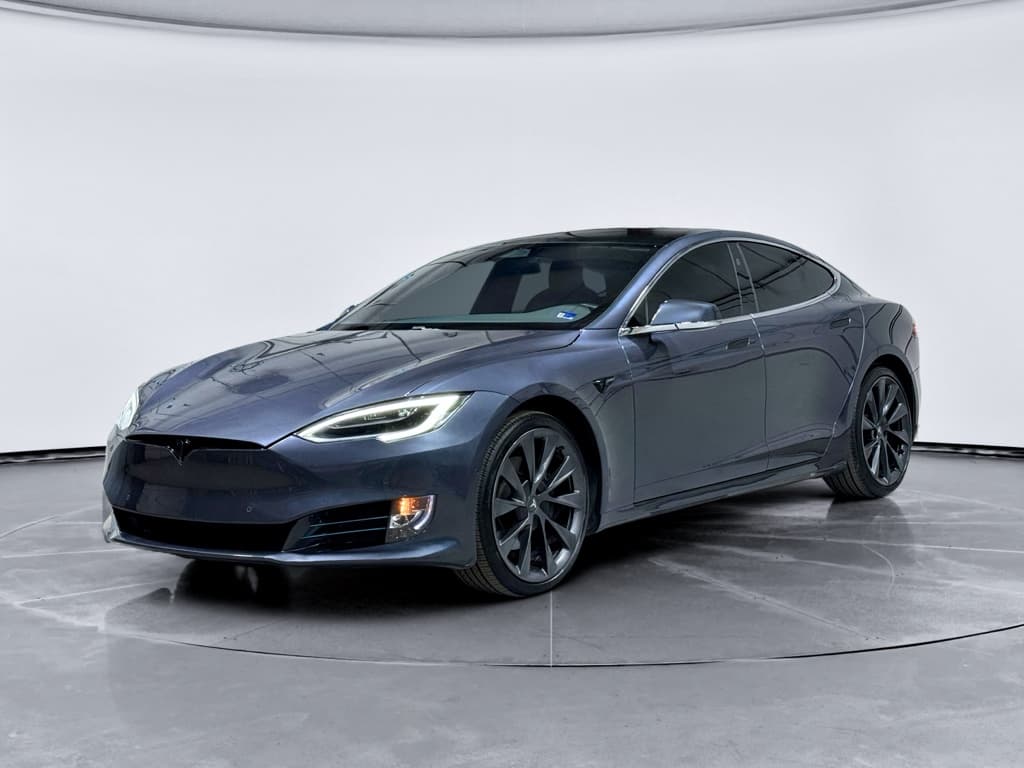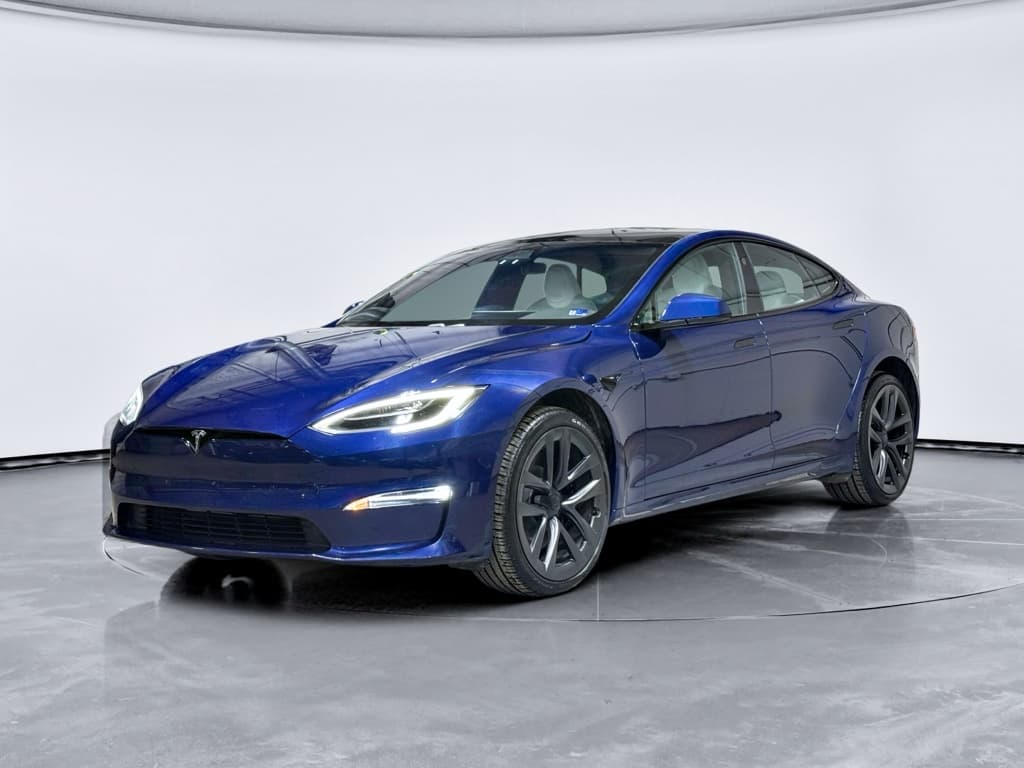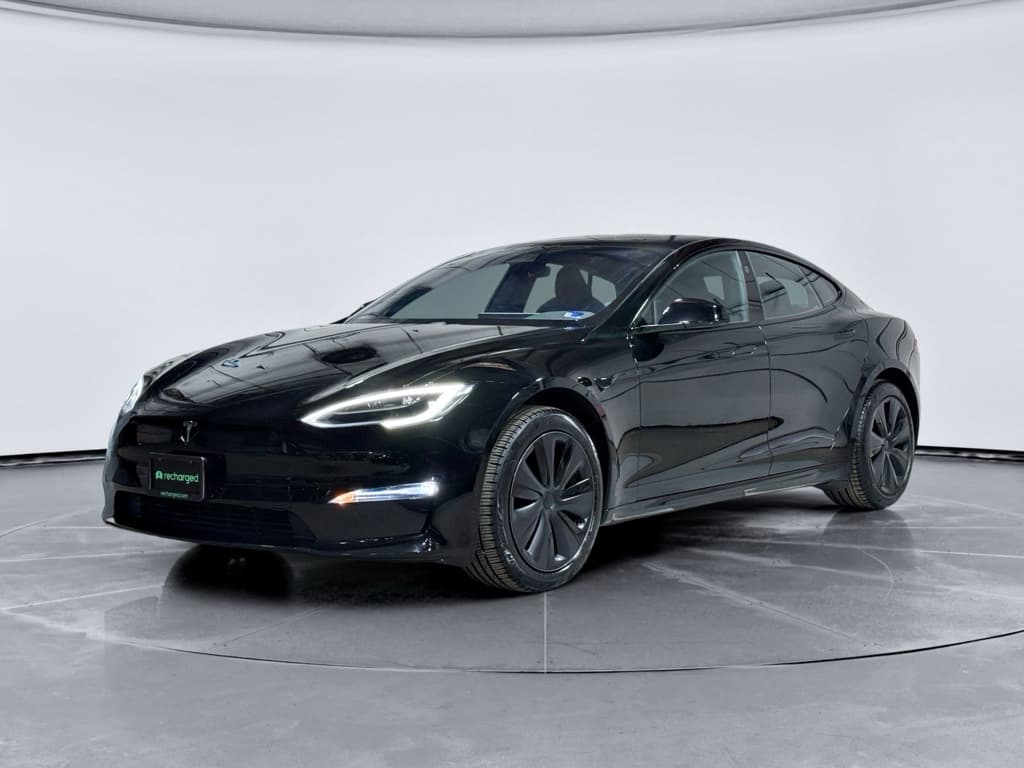
If you’re eyeing a used 2020 Tesla Model S, you’re probably wondering whether its thrilling performance and long range are backed up by solid reliability. The answer is nuanced: the 2020 Model S pairs very high owner satisfaction with below‑average reliability scores and a long list of recalls. This guide walks you through how reliable the 2020 Model S really is, what tends to go wrong, and how to shop smart if you’re buying one used.
Quick takeaway
2020 Tesla Model S reliability at a glance
Key reliability signals for the 2020 Model S
Put simply, the 2020 Model S is a high‑satisfaction, medium‑reliability car. Owners generally love driving it and appreciate the low day‑to‑day running costs, but independent survey data flags recurring issues with electronics, suspension, trim, and body hardware. For a used buyer, that means you should focus less on whether the car is enjoyable, which it is, and more on verifying that known weak points have been addressed.
Owner satisfaction vs. reliability scores
If you only listened to owners, the 2020 Tesla Model S would look like a slam‑dunk. Consumer reviews on major sites consistently score it around 4.5–4.8 out of 5 stars, with the vast majority of drivers saying they’d buy one again. They praise its instant torque, roomy hatchback practicality, quiet cabin, and the convenience of the Supercharger network.
What owners love
- Performance: Even non‑Performance trims feel genuinely quick, with effortless highway passing.
- Range & charging: Around 370 miles of rated range when new and seamless road‑trip charging via Tesla Superchargers.
- Tech experience: Over‑the‑air software updates, advanced driver aids, and a minimalist cabin that feels futuristic.
- Low routine costs: No oil changes, far fewer wear items than a gas luxury sedan, and lower “fuel” cost per mile.
Where surveys raise flags
- Below‑average reliability: Consumer Reports scores the 2020 Model S lower than the typical 2020 car, largely due to hardware and electronics glitches.
- Initial quality issues: J.D. Power’s early quality studies have historically ranked Tesla near the bottom for problems per 100 vehicles, especially cosmetic and trim defects.
- Multiple recalls: The 2020 S has been included in a range of software and safety‑related recalls affecting Autopilot behavior and other systems.
How to read the mixed signals
Most common 2020 Model S problems
Reliability data and owner reports cluster 2020 Tesla Model S issues into a few recurring buckets. When you shop used, assume these are the systems most likely to have needed attention, or to need it in the future.
Typical trouble spots on the 2020 Model S
Most aren’t catastrophic, but they can be annoying and expensive out of warranty.
Suspension & steering
Owners and surveys report issues with:
- Air suspension components (compressor, valves, or air leaks)
- Shocks/struts and bushings
- Steering alignment and uneven tire wear
Listen for clunks over bumps and look for abnormal tire wear patterns.
Main screen & electronics
Earlier Model S years had widely publicized touchscreen computer failures. By 2020, Tesla had revised hardware, but:
- Glitches, rebooting screens, or camera issues can still appear
- Window regulators, mirrors, and seat controls may act up
In‑car tech & ADAS
Software‑heavy features like Autopilot and the infotainment system can be temperamental:
- Occasional false alerts or dropouts in driver‑assist features
- Sensor or camera calibration issues after windshield or body repairs
Paint & trim quality
Many Teslas, including the 2020 Model S, receive complaints about:
- Thin or easily chipped paint
- Panel gaps and alignment
- Wind noise from doors or sunroof seals
Body hardware & door handles
Power‑presenting door handles and frameless windows are great when they work, but:
- Handles can stick or fail to present
- Windows may misalign with seals
- Occasional issues with latches and liftgate mechanisms
Charging quirks (less common)
Serious drivetrain and high‑voltage failures are relatively rare, but some owners report:
- Inconsistent charging behavior at certain public stations
- Charge port door or latch issues
Most charging problems are resolved under warranty or via software updates.
Luxury sedan = luxury‑level repair bills
Battery health and range over time
For most used‑Tesla shoppers, the big reliability question is simple: Will the battery and range hold up? The good news is that, across real‑world data sets, Tesla batteries generally degrade slowly. The 2020 Model S benefits from improved chemistry and thermal management compared with early cars, and serious pack failures are rare relative to the number on the road.
- Most owners see a noticeable range drop in the first 1–2 years, then a slower decline after that.
- By 80,000–100,000 miles, many Model S packs still retain roughly 85–90% of original usable capacity when cared for properly.
- Fast‑charging often, living in extreme heat, or charging to 100% daily can accelerate degradation.
- The 8‑year / 150,000‑mile (or more, depending on variant) battery and drive unit warranty on a 2020 Model S typically still has runway left for today’s used buyers.
Typical real‑world range for a 2020 Model S today
Because battery health is so central to an EV’s value, Recharged runs a Recharged Score battery health diagnostic on every used Model S we list. Rather than guessing from the dash display, you get a report showing pack health, charging history indicators, and how that particular car stacks up against the broader fleet. That’s the difference between buying a long‑range cruiser and inheriting someone else’s fast‑charged‑to‑death commuter.
Recalls, software updates, and safety concerns
One look at the recall record for the 2020 Model S can be alarming. There are double‑digit recalls attached to this model year, many relating to Autopilot behavior, warning systems, and other safety‑critical functions. The nuance is that Tesla fixes a large share of these via over‑the‑air (OTA) software updates, without a traditional service visit.
Representative recall themes for 2020 Model S
Not an exhaustive list, always run a fresh VIN check, but these categories show the pattern.
| Recall type | Area affected | Typical remedy |
|---|---|---|
| Autosteer / Autopilot behavior | Advanced driver assistance | OTA software update to change driver alerts, disengagement behavior, or system limits |
| Full Self‑Driving Beta behavior | Traffic control and intersection handling | OTA update that adjusts how the car behaves at stop signs, signals, and speed changes |
| Backup camera / screen visibility | In‑car display and rear camera | Software patch; in rare hardware failures, infotainment module replacement |
| Warning chimes & telltales | Instrument cluster alerts | OTA update to ensure required safety warnings are displayed and audible |
| Parking brake / drive system alerts | Drive system control logic | Software update, occasional hardware inspection or part replacement if warnings persist |
Many software‑related recalls can be remedied remotely, but you still want a clean, up‑to‑date vehicle.
Your checklist on recalls
Maintenance and repair costs on a 2020 Model S
Day to day, the 2020 Tesla Model S is cheaper to operate than a comparable gas luxury sedan. You’re not paying for oil changes, transmission services, spark plugs, or complex exhaust systems. Most owners report spending money only on tires, wiper blades, cabin filters, and washer fluid in the first several years.
Where you’ll spend money with a 2020 Model S
Low routine costs, punctuated by occasional big‑ticket items if you’re unlucky.
Routine ownership costs
- Electricity vs. fuel: Many owners save hundreds to thousands per year compared with premium gas.
- No oil changes: Tesla recommends simple inspections and tire rotations rather than traditional service schedules.
- Tires: Heavy EVs and strong torque mean you may replace tires more frequently than in a compact sedan, especially on Performance trims.
Potential big‑ticket repairs
- Air suspension fixes: Leaking bags, compressors, or control valves can add up quickly.
- Door handles & body hardware: Seem minor, but labor and parts for power handles, actuators, or liftgate mechanisms are priced like luxury‑car components.
- Out‑of‑warranty electronics: Replacing a main display or control module is far costlier than a traditional radio.
Budgeting rule of thumb
What to check before you buy a used 2020 Model S
Because of the 2020 Model S’s mixed reliability picture, the specific car in front of you matters more than the model’s reputation. Here’s a concise pre‑purchase checklist you can use whether you’re buying from a private seller, a traditional dealer, or a digital retailer.
Pre‑purchase checklist for a 2020 Tesla Model S
1. Run a full VIN history and recall check
Look for accident history, lemon/buyback titles, flood damage, and odometer inconsistencies. Confirm that there are <strong>no open recalls</strong> and ask the seller for documentation on when major recalls were resolved.
2. Verify battery health, not just displayed range
Have the battery evaluated with a proper diagnostic, not guesswork. A <strong>Recharged Score battery health report</strong> or equivalent will show actual pack health relative to similar Teslas, plus signs of abusive fast‑charging or extreme use.
3. Inspect suspension, tires, and alignment
On a test drive, listen for clunks over bumps, vibrations at highway speed, or a steering wheel that’s off‑center. Check for uneven tire wear, especially on the rear, which can reveal alignment or camber issues that may require hardware fixes.
4. Test every electronic feature
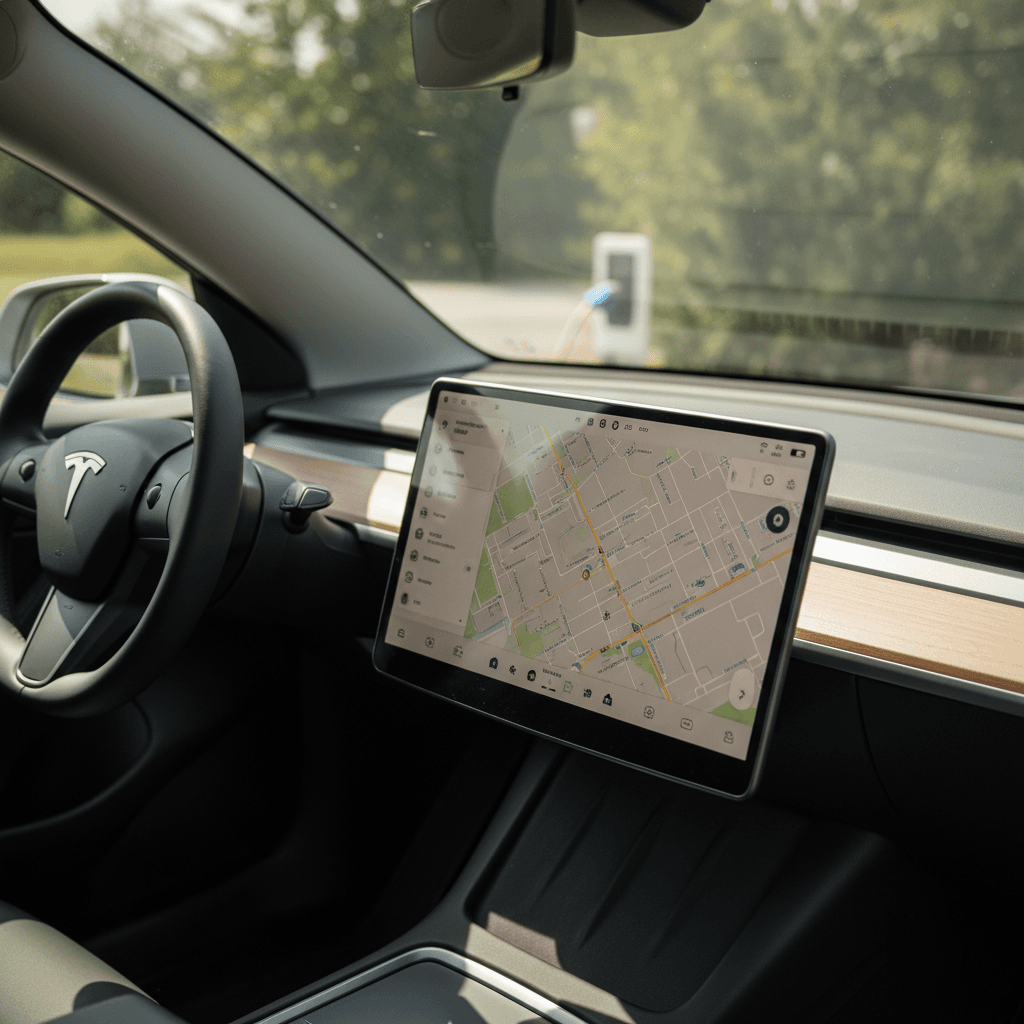
Cycle the touchscreen, backup camera, audio, Bluetooth, heated seats, mirrors, windows, and all driver‑assistance modes the car is equipped with. <strong>Any glitch today is a potential repair bill tomorrow</strong>, or a negotiation point on price.
5. Examine paint, glass, and panel alignment
Step back and view the car in good lighting. Look for color mismatch between panels, overspray, excessive stone chips, or poor alignment of doors, trunk, and hood. Cosmetic issues don’t always affect safety, but they do affect resale value and noise levels.
6. Confirm charging behavior
If possible, plug into both a home‑style Level 2 charger and a DC fast charger. Ensure the car initiates and sustains charging properly, the charge port door works as expected, and no fault messages appear.
How Recharged evaluates 2020 Teslas (and protects you)
Buying a used 2020 Tesla Model S doesn’t have to feel like a gamble. At Recharged, every vehicle we list, including Model S, Model 3, Model X, and Model Y, goes through an EV‑specific evaluation that’s very different from a traditional dealer’s quick walk‑around.
What you get with a Recharged 2020 Model S
Data‑driven inspection, transparent pricing, and EV‑specialist support.
Recharged Score battery health
We plug into the car and pull real battery data, not just the dash estimate. Your Recharged Score report shows pack health, degradation compared with similar 2020 Model S vehicles, and charging patterns that may affect long‑term reliability.
EV‑focused inspection
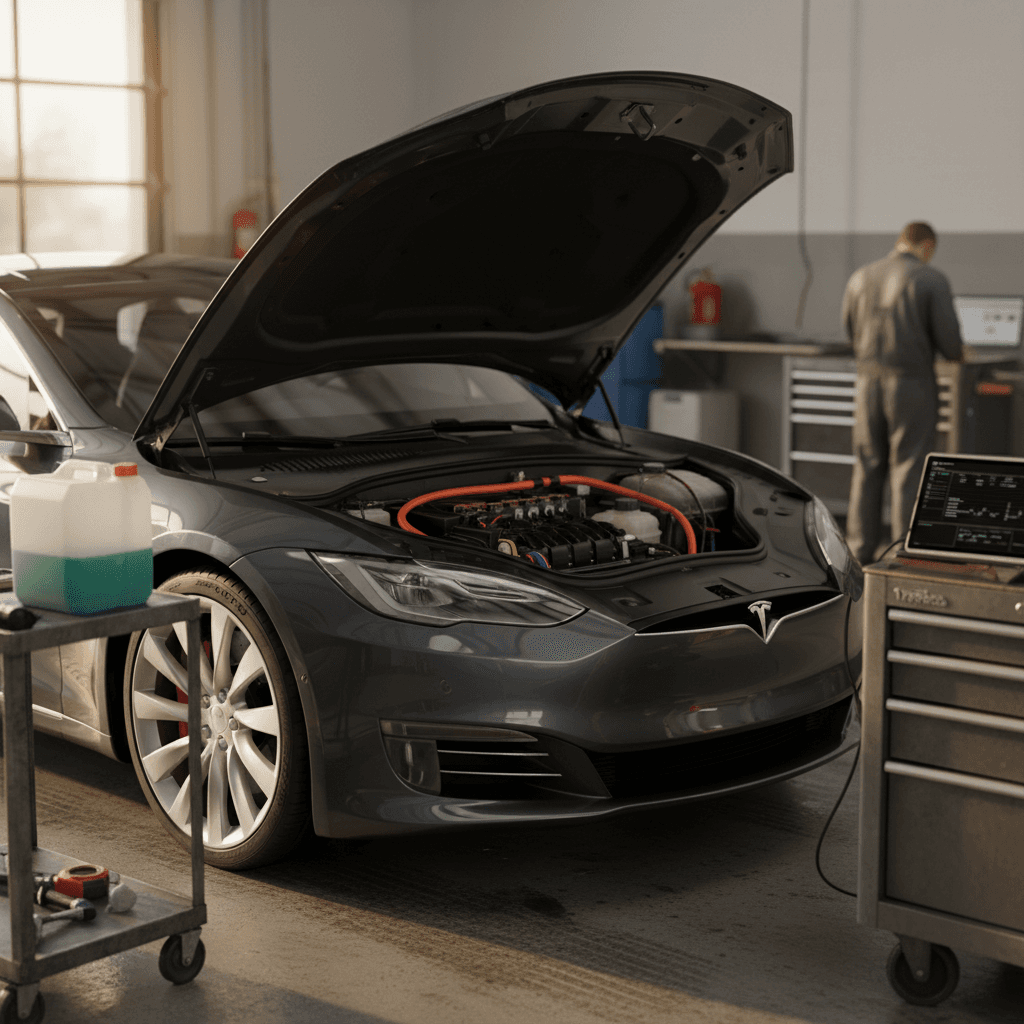
Our specialists check the known weak points on a 2020 Model S: air suspension, door handles, body seals, alignment, charging hardware, and all major electronics. You see what we found, not just a “passed inspection” stamp.
Fair pricing & flexible selling options
Because we focus on used EVs, our pricing reflects battery health, options, and market data, not just mileage. We also offer financing, trade‑ins, instant offers or consignment, and nationwide delivery so you can shop entirely online.
Ready to find your next EV?
Browse VehiclesWhy this matters for reliability
Is a 2020 Tesla Model S a good used buy?
Taken in isolation, the 2020 Tesla Model S doesn’t look great on a reliability chart. It has more problems per vehicle than many mainstream cars and an unusually long list of recalls. But context matters. This is a complex, high‑performance, all‑electric luxury sedan packed with software and advanced hardware. When you adjust for that, the picture sharpens.
When it’s a strong buy
- The car has a clean history and documented service at Tesla or reputable EV shops.
- A battery health report shows good remaining capacity relative to similar 2020 cars.
- Suspension, tires, and alignment check out, with no major clunks or warning lights.
- You value long range, performance, and the Tesla ecosystem more than having a traditional luxury badge.
When to be cautious, or walk away
- The seller can’t explain which recalls and software updates have been completed.
- You notice recurring warning messages, touchscreen glitches, or inconsistent charging behavior.
- Tire wear and ride quality suggest suspension or alignment issues the seller is downplaying.
- You’re shopping at the very bottom of the price range and don’t have budget set aside for surprises.
If you match with a well‑cared‑for example, and you go in with realistic expectations about premium‑car repair costs, the 2020 Tesla Model S can be a deeply satisfying, long‑range EV that still feels cutting‑edge today. The key is to treat reliability not as a yes‑or‑no question, but as a set of risks you can measure, manage, and price correctly. That’s where objective tools like the Recharged Score, careful inspection, and transparent history reports turn a risky impulse buy into a smart, informed decision.