If you follow electric vehicles in New Jersey, you know the playbook has changed. The state once offered **no sales tax** and generous cash rebates; by 2026, some of those perks have been scaled back or reshaped. But there are still meaningful EV incentives in New Jersey in 2026, especially if you understand how the newer rules work and where the money is actually flowing.
Quick snapshot for 2026
Overview: EV incentives in New Jersey for 2026
New Jersey EV money on the table in 2026
Broadly, here’s how New Jersey’s 2026 EV incentive landscape looks for everyday drivers: - Sales tax: The long-running zero-emission vehicle sales‑tax exemption is gone. Since July 1, 2025, EVs are taxed at the full 6.625% rate. - New EV rebates: The Charge Up New Jersey program is still funded, with a $50 million pot for FY 2026 and point‑of‑sale rebates on qualifying new EVs. - Home charging: Residential Level 2 charger incentives remain through state clean‑energy and utility programs, typically around $250 per installation. - Used EVs: There’s no dedicated statewide rebate for used EVs, and federal used credits expired in late 2025. Your savings now come from pricing, financing and long‑term running costs. The upshot: in 2026 you’ll pay more at the register than early adopters did, but you can still blunt the impact if you layer remaining rebates and shop carefully.
What’s changed since 2024–2025? Key policy shifts
1. Sales-tax exemption is fully phased out
New Jersey used to exempt qualifying zero‑emission vehicles (ZEVs) from state sales tax altogether. Lawmakers approved a phase‑out in 2024, with partial exemptions running through mid‑2025 and then disappearing.
As of July 1, 2025, ZEVs sold or leased in New Jersey are subject to the full 6.625% sales tax, regardless of price. That remains true heading into 2026.
2. Federal EV tax credits ended in late 2025
The Inflation Reduction Act’s revamped clean vehicle credits, $7,500 for many new EVs and $4,000 for qualifying used EVs, were effectively sunset for purchases after September 30, 2025 under new federal legislation.
In 2026 you generally can’t count on a federal tax credit for a new or used EV unless Congress revives or replaces the program.
Don’t rely on outdated rebate info
Charge Up New Jersey EV rebate in 2026
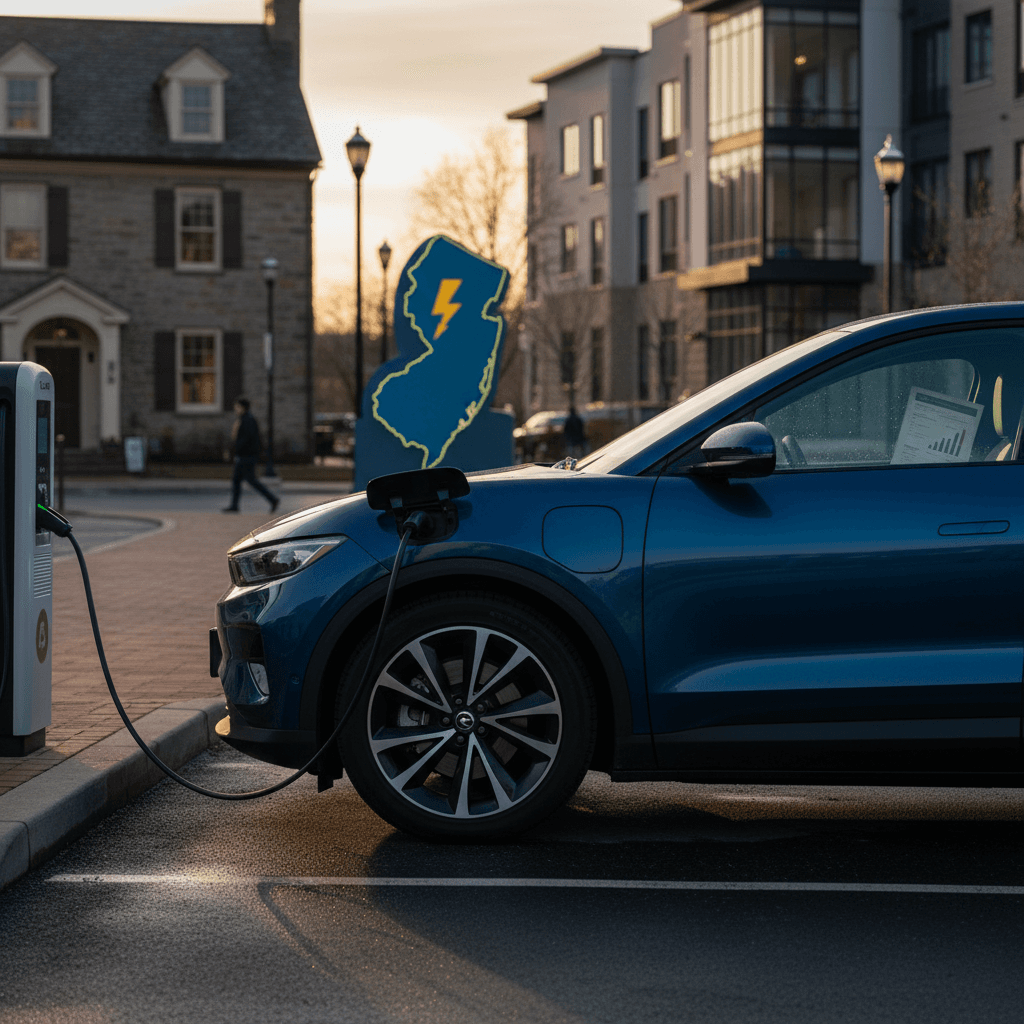
Charge Up New Jersey remains the state’s flagship incentive for new EVs. It’s funded out of the state’s clean‑energy program and, as of the FY 2026 budget, carries a $50 million line item dedicated to EV rebates. That makes it the single most important incentive for New Jersey EV buyers this year.
How Charge Up New Jersey works in 2026
Key rules most buyers need to know before signing a contract
Point-of-sale rebate
Charge Up is applied at the dealership as a discount on the purchase or lease of an eligible new battery‑electric vehicle (not plug‑in hybrids). You shouldn’t have to wait for a check.
Typical rebate amounts
Recent program years have offered $2,000 base incentives, with up to $4,000 for income‑qualified buyers and certain lower‑MSRP vehicles. The Board of Public Utilities has kept a similar structure as funding has rolled into FY 2026.
Eligibility basics
- New, not used, EVs only
- Battery‑electric, with a minimum EPA range threshold
- MSRP cap (varies by model year)
- Registered in New Jersey and kept here a minimum number of years

Watch the program calendar
Charge Up New Jersey: 2026 snapshot
Program features based on FY 2025–2026 budget documents and BPU guidance.
| Feature | What to expect in 2026 |
|---|---|
| Program type | Point-of-sale rebate on new battery‑electric vehicles |
| Funding level | Approximately $50 million for FY 2026 |
| Rebate range | Around $2,000 base; up to ~$4,000 for income‑qualified buyers |
| Vehicle types | New BEVs only (no used, no PHEVs) |
| Where applied | Participating New Jersey dealerships and showrooms |
| Key limits | MSRP cap, residency requirements, one incentive per buyer in a set period |
Exact terms can change mid‑year, so always confirm on the official Charge Up New Jersey site before you buy.
Home and multi-family EV charger incentives
The most overlooked EV incentive in New Jersey in 2026 isn’t on the car, it’s on the charger. The state and utilities continue to promote Level 2 home charging through rebates and “make‑ready” support that can shave hundreds off your installation bill.
Where charger incentives come from
You’ll often stack a state clean‑energy rebate with a utility program
State Clean Energy Program
Through New Jersey’s Clean Energy Program, buyers who install networked Level 2 equipment at home may qualify for an incentive typically around $250 toward hardware and/or installation.
Utility make-ready funds
Major utilities operating in New Jersey offer rebates or credits to offset panel upgrades, wiring and other infrastructure costs when you add a Level 2 charger.
Multi-family & workplace
Condo associations, landlords and employers can tap separate incentives for shared Level 2 stations, sometimes up to $5,000 per port or more for public or fleet use.
Checklist: Claiming a New Jersey home charger rebate
1. Confirm you own or lease an eligible EV
Most programs require proof you own or lease an electric vehicle registered at your New Jersey address. Some utility offerings will verify this automatically through account data.
2. Choose a qualifying Level 2 charger
Pick a <strong>networked</strong> Level 2 charger on the state or utility’s approved list. “Dumb” chargers often don’t qualify, even if they’re cheaper up front.
3. Use a licensed electrician
Programs nearly always require professional installation with a permit. Keep your contract, itemized invoice and photos of the installation for your rebate application.
4. Apply within the deadline
There’s usually a firm window, 90 or 180 days after installation, to submit paperwork. Mark that date in your calendar as soon as the job is done.
5. Stack incentives where allowed
In many cases you can combine a state clean‑energy rebate with a utility rebate, plus any promotional offers from the charger manufacturer.
Fleet and business EV incentives in NJ
If you’re running vehicles for a business or public fleet in New Jersey, 2026 is arguably a better year for incentives than it is for individual retail buyers. Several major programs are geared toward commercial and government operators.
Key New Jersey fleet and infrastructure programs
Most of these are behind-the-scenes but can dramatically cut operating costs
NJ ZIP (Zero Emission Incentive Program)
Supports the purchase of medium‑ and heavy‑duty zero‑emission trucks and buses. Incentives frequently reach tens of thousands of dollars per vehicle for eligible fleets.
Clean Fleet EV Program
Offers incentives to local and state governments and nonprofits for battery‑electric fleet vehicles and Level 2/DC fast chargers at depots and public sites.
Take Charge Program
A $50 million pilot run by the NJ Economic Development Authority that helps private fleets cover the cost of installing charging infrastructure, including utility upgrades and network fees.
Why fleets matter to retail shoppers
Federal EV tax credits and 2026 changes
From 2023 through most of 2025, many New Jersey buyers could pair state incentives with a $7,500 federal new clean vehicle credit and a $4,000 used EV credit. Federal legislation passed in 2025 shut those programs down for purchases after September 30, 2025, and no replacement has taken effect as of April 2026.
- There is no widely available federal tax credit for new EV purchases made in 2026 under current law.
- The separate used clean vehicle credit (Section 25E) also expired for purchases after late 2025.
- Some buyers will still be filing 2025 tax returns claiming credits for vehicles purchased earlier, but that’s about last year’s purchase, not 2026 deals.
- Future Congresses could resurrect or redesign EV incentives, but you shouldn’t count on that when budgeting for a 2026 purchase.
Don’t bank on “pending” federal bills
How much can a New Jersey EV buyer still save in 2026?
With sales tax back on the table and federal credits gone, it’s reasonable to ask whether EVs are still financially competitive. For many New Jersey drivers, the answer is yes, but the math looks different than it did in 2022 or 2023.
Sample 2026 savings math: New Jersey EV vs. comparable gas car
Illustrative example for a typical commuter over the first year of ownership.
| Item | Gas vehicle | EV in NJ (2026) |
|---|---|---|
| Purchase price (MSRP) | $30,000 | $35,000 |
| State EV rebate (Charge Up) | N/A | -$2,000 to -$4,000 |
| Sales tax (6.625%) | +$1,988 | +$2,322 (after rebate applied to price) |
| Fuel/energy for 12,000 miles | ~$1,800 (gas) | ~$600 (home charging) |
| Oil changes | $120–$200 | $0 |
| Net first-year advantage | Baseline | Potentially comparable or better, despite higher sticker price |
Actual numbers will vary based on model, driving habits, utility rates and gasoline prices.
Run the total-cost-of-ownership numbers
Step-by-step: How to actually claim New Jersey EV incentives
Step-by-step playbook for New Jersey EV buyers in 2026
1. Decide new vs. used before you shop
The only major state rebate, Charge Up New Jersey, applies to <strong>new</strong> EVs. If you’re leaning used, plan around price, battery health and financing instead of state cash.
2. Confirm current Charge Up terms
Visit the official Charge Up New Jersey website right before you shop. Check whether the program is currently open, what the <strong>rebate amounts</strong> are, and whether your short list of models and MSRPs qualifies.
3. Work with a participating NJ dealer
Ask dealers directly: “Are you set up for Charge Up New Jersey point-of-sale rebates?” A good retailer will know the process and bake the incentive into your buyer’s order up front.
4. Verify the rebate line items
On your purchase or lease contract, look for a separate line showing the Charge Up NJ incentive as a reduction in the selling price or capitalized cost. If it’s not there, press pause until the paperwork is fixed.
5. Gather documents for charger incentives
If you’re installing Level 2 at home, create a folder with your charger receipt, electrician invoice, permits and photos. You’ll use these when applying for state and utility rebates.
6. Track all deadlines
Put rebate application deadlines and any required ownership periods (for example, keeping the car registered in NJ for a set number of years) on your calendar. Selling too early can require you to repay incentives.
Smart strategies for used EV shoppers in New Jersey
Used shoppers lose the most in 2026’s incentive shake‑up: there’s no state‑level used EV incentive and the federal used credit expired in late 2025. That makes it even more important to buy the right car at the right price, and to lean on tools that de‑risk the purchase.
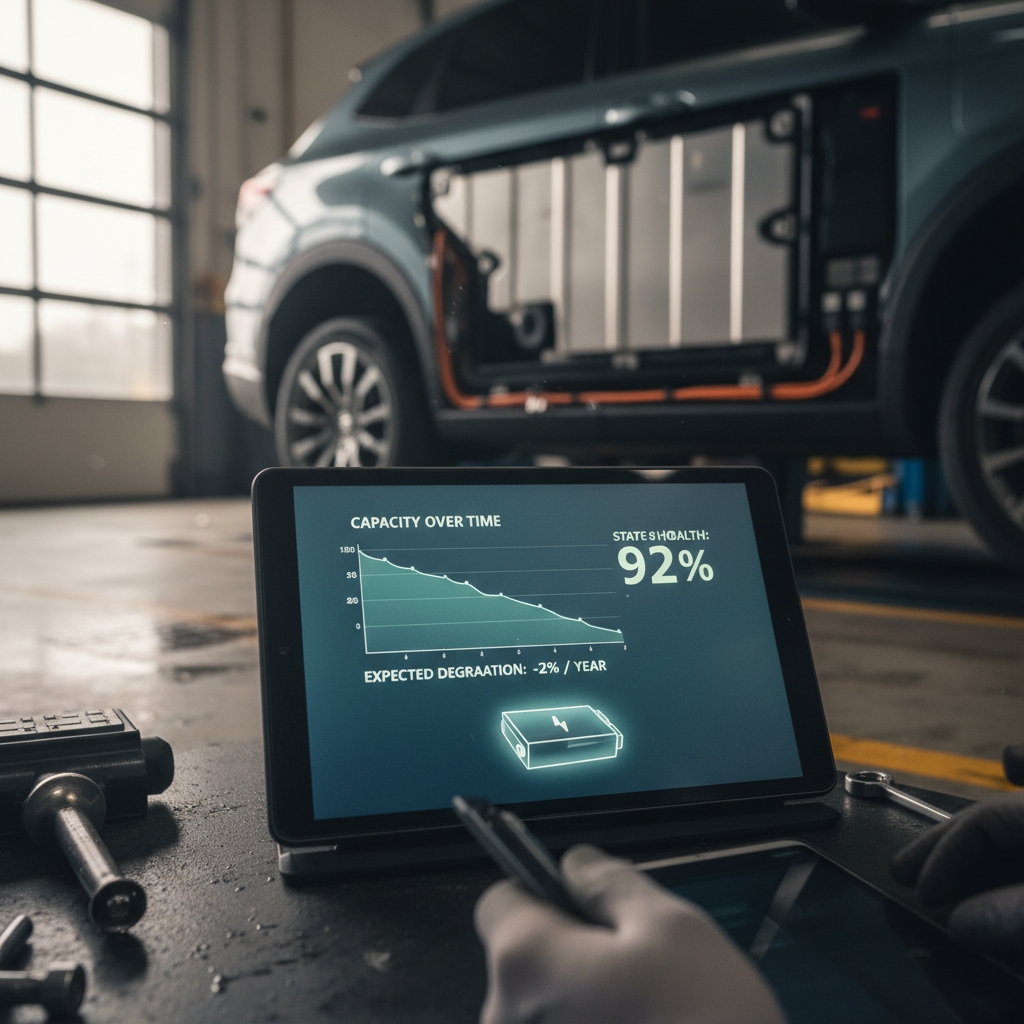
1. Treat battery health like an incentive
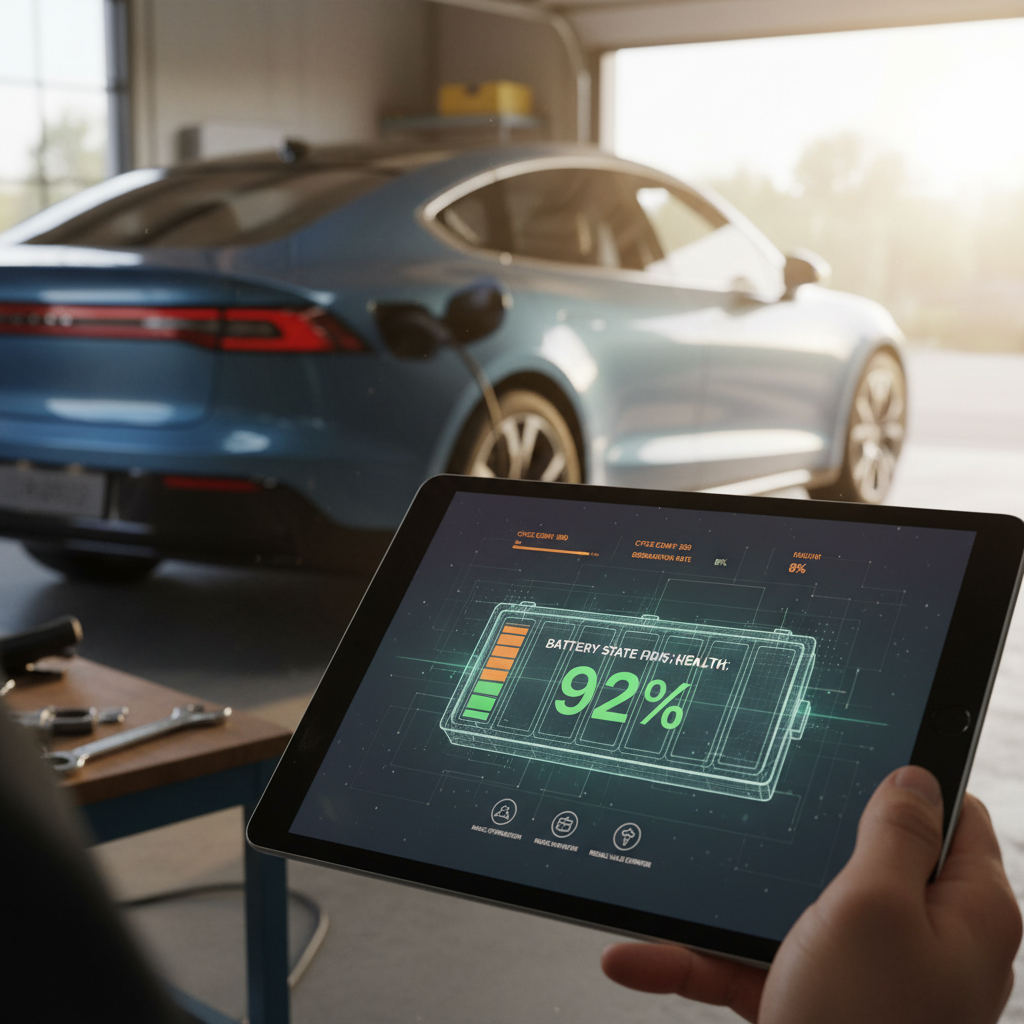
A used EV with a strong battery is worth thousands more over the life of the vehicle than one that’s already degraded. Instead of chasing a disappearing tax credit, focus on verified battery health. Platforms like Recharged’s Score Report quantify remaining capacity so you’re not guessing.
That information can be a bargaining chip: if a battery is stronger than average, you may be willing to pay a little more; if it’s weaker, you’ll know to demand a discount or walk.
2. Use financing and trade-ins to offset lost credits
With cash rebates thinner, the financing structure matters more. A marketplace built around used EVs, such as Recharged, can help you:
- Pre‑qualify for financing without hurting your credit
- Get an instant offer or consignment option for your trade‑in
- Compare vehicles nationwide and have one delivered to New Jersey
That kind of flexibility often saves more in the long run than a one‑time incentive would have.
Buying used out of state?
Common pitfalls and fine print New Jersey shoppers miss
- Assuming every EV qualifies for Charge Up. The program has strict rules about battery range, MSRP and body style. Always cross‑check the official eligible vehicle list.
- Confusing estimates with guarantees. Online calculators may show a “typical” rebate amount, but the actual number depends on your income, the exact trim and timing of your purchase.
- Forgetting the ownership requirement. Many incentives require you to keep the EV registered in New Jersey for a set period. Selling or moving too soon can trigger clawbacks.
- Letting dealers “bake in” incentives quietly. Some stores will advertise a price that already assumes the rebate, then add fees that effectively take it back. Insist on a detailed, line‑item buyer’s order.
- Missing charger rebate deadlines. It’s easy to install Level 2 and forget to file the paperwork. Set a reminder the day the electrician leaves your driveway.
FAQ: EV incentives in New Jersey for 2026
Frequently asked questions about New Jersey EV incentives in 2026
Bottom line: Is 2026 still a good time to buy an EV in New Jersey?
New Jersey’s incentive story in 2026 is more complicated than it was a few years ago. The easy wins, no sales tax, federal tax credits on nearly every EV, have faded. In their place you get a patchwork: a well‑funded but narrower Charge Up New Jersey program, solid support for home and fleet charging, and a used‑EV market where value comes more from smart shopping than from subsidies.
If you’re eyeing a new EV, the key is timing your purchase while Charge Up funds are available and making sure the rebate actually hits your buyer’s order. If you’re shopping used, focus on battery health, transparent pricing and total cost of ownership rather than chasing credits that no longer exist. In both cases, partnering with an EV‑focused platform like Recharged, with its Recharged Score battery diagnostics, financing help, trade‑in options and nationwide delivery, can be the difference between overpaying and getting a car that fits your budget and your daily driving.