If you’re ordering a new electric car, or deciding which used one to buy, the big question is: which EV options add the most resale value, and which are just expensive extras you’ll never see back? With EVs, the gap between smart options and sunk cost is bigger than it is with gas cars.
Quick takeaway
Why EV options matter more for resale than you think
On a gas car, buyers focus on mileage, condition, and whether it has basics like leather and a sunroof. On an EV, shoppers add a new mental checklist: How healthy is the battery? How far will it go? How fast can it charge? Will the tech still feel modern in five years? Options that improve those answers tend to keep more of their value.
Used EV value: what really drives price
At Recharged, we see this play out every day in real pricing. Our used EV pricing guide breaks down the numbers, but the pattern is simple: the cars that sell fastest and command the strongest prices tend to have the right hardware plus a clean bill of battery health.
Think like your future buyer
EV resale basics: what really moves the price
Five core drivers of used EV pricing
Options work best when they strengthen these fundamentals
Battery health
Real‑world range
Charging capability
Software + OTA
Safety + ADAS
Brand + reputation
Options don’t override the fundamentals, no trim package can rescue a weak battery, but they can lift a good car into the top of its price band. That’s where you want to be when it’s time to sell or trade.
High-impact EV options that usually add the most resale value
1. Battery size, range and charging options
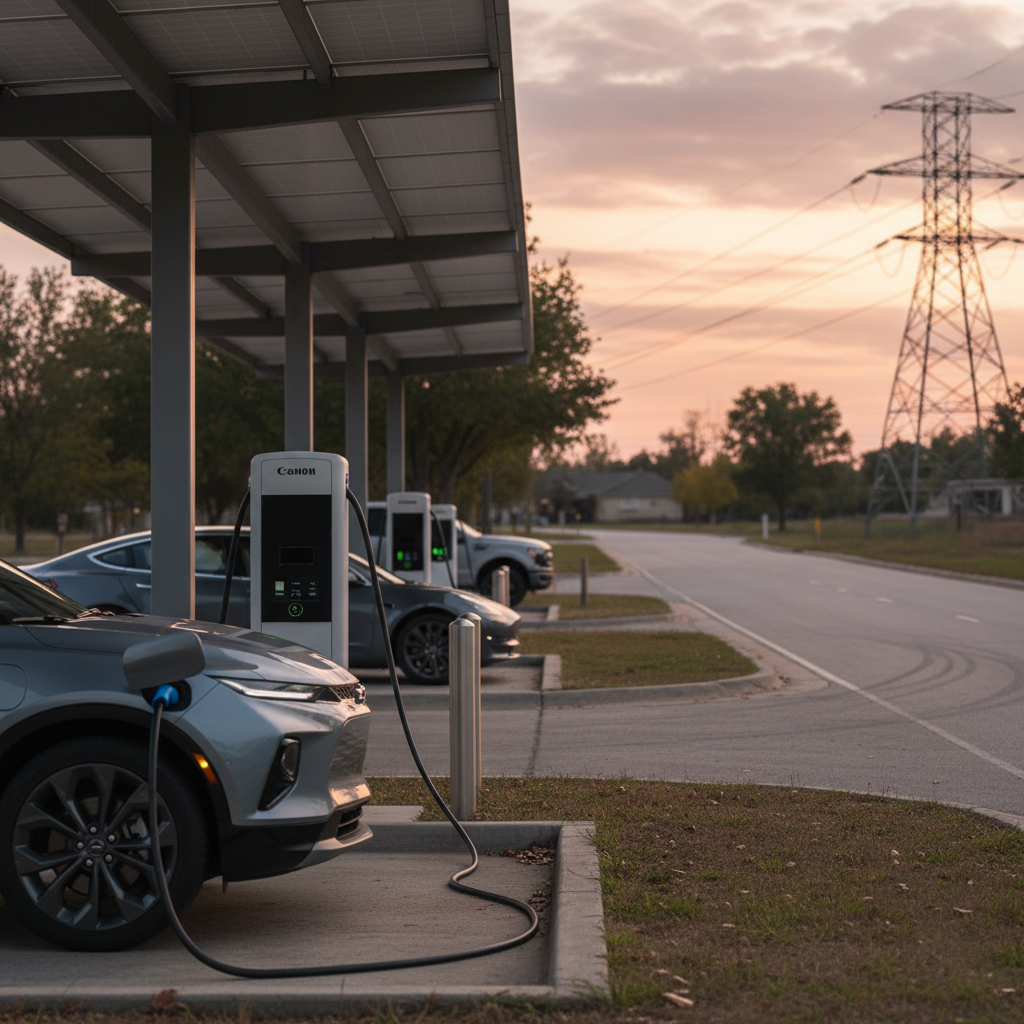
If you remember nothing else, remember this: battery and charging options are where EV resale value lives or dies. You generally want the configuration that gives you comfortable real‑world range and modern charging, without going overboard into halo‑car territory.
- Larger battery / extended‑range packs: On most mainstream EVs, the long‑range or extended‑range battery pays you back at resale. Used buyers love seeing a higher EPA range number and a bigger buffer for cold weather or highway driving.
- DC fast‑charging capability: Some entry‑level EVs still make DC fast charging optional, or limit speed on base trims. Opting for the hardware that enables 100–150+ kW charging makes your car much easier to live with, and easier to sell.
- Dual‑voltage onboard charger: A more capable onboard AC charger (for example, 11 kW instead of 7.2 kW) won’t set used‑car forums on fire, but it shortens home charging times for the next owner. That’s a quiet plus in your favor.
- Heat pump & thermal management: Cold‑weather shoppers pay attention to whether an EV has a heat pump and a decent battery thermal system. These options support better winter range and battery longevity, both of which keep prices stronger.
When range upgrades don’t pay back
2. Safety tech and driver‑assistance packages
Safety options have quietly become some of the strongest resale boosters on modern EVs. Many brands now bundle blind‑spot monitoring, adaptive cruise control, lane‑centering, and 360° cameras into named packages. When those are missing, the car looks “bare” in online listings.
Common EV safety/ADAS options and their resale impact
How used buyers and dealers tend to view popular safety packages
| Feature / package | Resale impact | Why it matters |
|---|---|---|
| Automatic emergency braking + lane‑keeping | High | Viewed as baseline modern safety; missing it can eliminate buyers. |
| Blind‑spot + rear cross‑traffic alert | High | Big confidence boost for daily driving and urban traffic. |
| Adaptive cruise + lane centering (highway assist) | Medium–High | Popular with commuters and road‑trippers; helps your car compete with newer tech. |
| 360° / surround‑view camera | Medium | Makes parking easier and reduces minor damage, nice perk on used listings. |
| Hands‑free “autopilot”‑style systems | Model‑dependent | Can help resale on brands with strong reputations, but not all buyers want to pay extra for it. |
Not every package is created equal, some are ‘must‑haves’, others are nice‑to‑have.
Good news for value shoppers
3. Software, connectivity and infotainment
EVs are software on wheels. That means their screens, apps, and connectivity age almost as fast as your phone. Options that keep an older EV feeling modern are worth more than you might think.
Software & interface features that add value
- Over‑the‑air (OTA) updates so the car can keep improving after you buy it.
- Native route planning with charging stops, especially when paired with DC fast‑charging capability.
- Solid smartphone app for pre‑conditioning, lock/unlock, and charge control.
- Wireless Apple CarPlay / Android Auto, which help the system feel fresh even as phones evolve.
Hardware options that help resale
- Larger or upgraded infotainment screens on models where the base unit looks dated.
- Premium audio on mid‑ and upper‑trim EVs, especially in luxury segments.
- Extra USB‑C and household outlets for families and road‑trip duty.
- Built‑in dashcam / sentry features on brands that support them.
Why Recharged cares about software
Comfort and convenience features that actually hold value
Traditional comfort features don’t disappear just because the car is electric. But some features hold their value better on EVs than others, especially in colder climates or family duty.
Comfort options with the best resale upside
These tend to be worth a premium when you sell or trade
Heated seats & wheel
Heat pump HVAC
Power liftgate & keyless entry
Vehicle‑to‑load (V2L) outlets
Second‑row comfort
Ventilated front seats
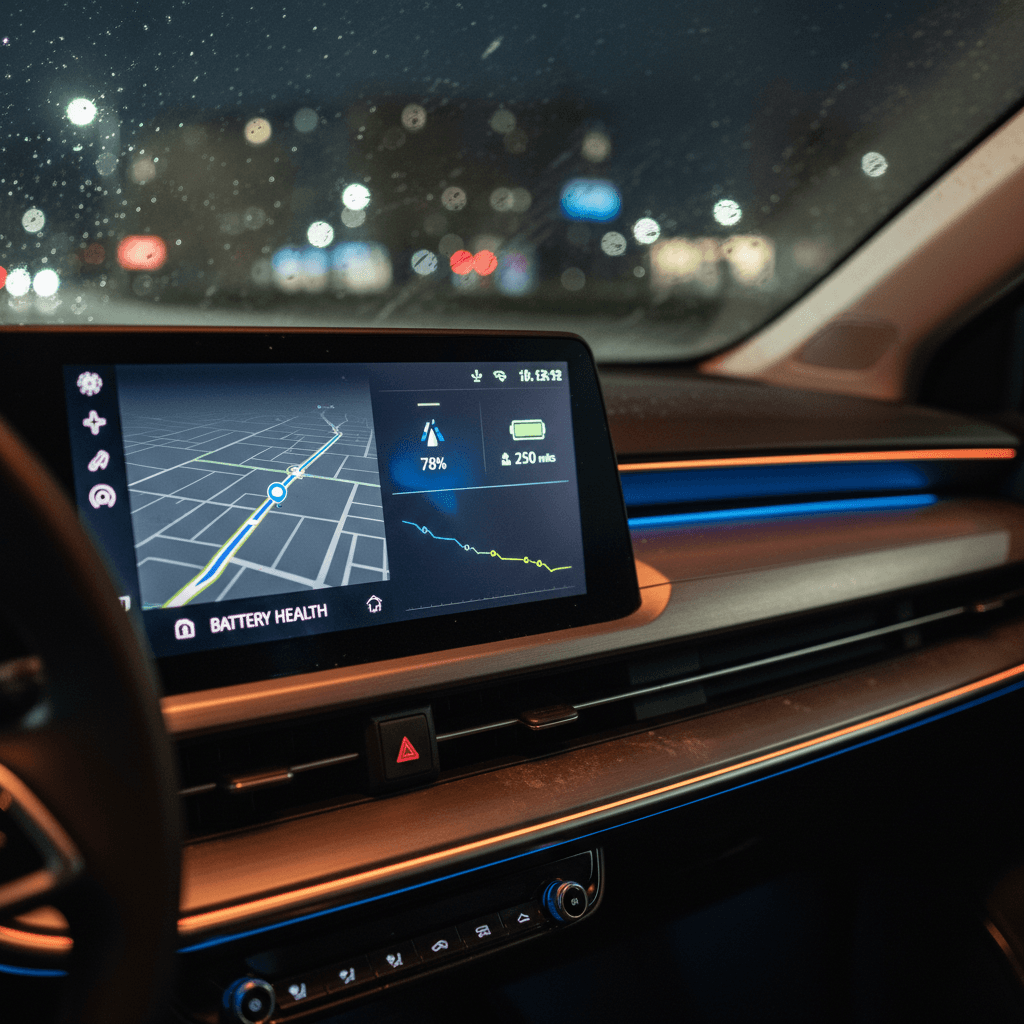
Skip the “show car” spec
Low or negative ROI options on EVs
Some options are fantastic for your enjoyment but lousy investments. If your goal is maximizing resale value, approach these with clear eyes.
- Oversized wheels and performance tires: The 21–22 inch wheel packages look great but often reduce range and ride quality. Used buyers don’t always pay extra for that privilege, especially once they price replacement tires.
- Ultra‑premium paint colors: A tasteful color can help resale, but many special paints cost thousands new and return only a fraction later. The exception: very limited or halo colors on enthusiast models.
- Most dealer add‑ons: Nitrogen fills, paint sealants, VIN etching and similar extras almost never move the needle on a used EV’s price.
- Track‑oriented performance packs: Big‑brake, adaptive‑suspension, or performance‑tire packages can attract a narrow enthusiast audience but don’t reliably boost mainstream resale value.
- Single‑use tech fads: Gesture controls, obscure touch surfaces, or gimmicky lighting packages age quickly. Unless you love them personally, they’re not strong resale bets.
The wheel and tire trap
How much more will the right options really add?
Resale math is never perfect, but you can think of options in buckets. Some mainly improve your ownership experience, some also help you hold the top end of the price range for your model when you sell.
Typical resale impact of common EV option bundles
Very rough guide, actual numbers depend on model, region, and condition.
| Option bundle | Upfront cost (approx.) | Typical added resale value | Notes |
|---|---|---|---|
| Extended‑range battery + DC fast charge | $3,000–$7,000 | $1,500–$4,000 | Often keeps the car in a stronger price band and sells faster. |
| Full safety/ADAS package | $1,000–$3,000 | $700–$1,800 | Especially valuable if base trim is sparsely equipped. |
| Comfort + cold‑weather (heaters, heat pump) | $750–$2,000 | $500–$1,200 | Biggest lift in northern climates; modest in warm regions. |
| Large wheels + cosmetic packs | $1,500–$4,000 | $0–$800 | Usually a loss financially; choose only if you truly love the look. |
Assumes a mainstream EV after 4–6 years of typical use.
Think total cost of enjoyment, not just ROI
Factory vs. aftermarket: what used EV buyers actually trust
With EVs, buyers and dealers are picky about what’s been changed. The wrong aftermarket work can spook shoppers, or void parts of the warranty.
What tends to help or hurt EV resale
Factory options = safest bet
Battery, charging, safety and infotainment options installed at the factory are baked into valuation tools and are easy for buyers to understand and trust.
Mild aftermarket accessories are fine
Floor liners, trunk organizers, basic window tint, and quality protective film rarely hurt resale and can make a used EV feel well cared for.
Be cautious with suspension and wheels
Lowering springs, coilovers and very aggressive wheel setups narrow your buyer pool. Many shoppers prefer stock or near‑stock ride and efficiency.
Avoid DIY high‑voltage tinkering
Anything that touches the battery pack, high‑voltage wiring, or onboard charger should be documented dealer or specialist work. Homebrew modifications can tank resale.
Document everything
If you do add accessories or upgrades, keep receipts and notes. A neat folder (or PDF) of work history builds confidence with the next owner.
Why documentation matters at Recharged
Ordering new vs. shopping used: option strategies
Your approach to options should look a little different depending on whether you’re spec‑ing a new EV or hunting for a used one. The end goal is the same: maximize what you get per dollar, today and when you sell.
If you’re ordering a new EV
- Prioritize: the battery/charging combo that fits your real life, a solid safety/ADAS bundle, and a comfort package that suits your climate.
- Skip or downsize: wheel upgrades that hurt range, top‑tier audio if you’re not fussy, and ultra‑premium paints unless they genuinely spark joy.
- Buy for 5–8 years: Assume you’ll own the car longer than you think. Options that reduce daily friction (range, charging, seats) age the best.
If you’re buying a used EV
- Look for sweet‑spot builds: mid‑trim cars with range and safety upgrades, but without every cosmetic extra.
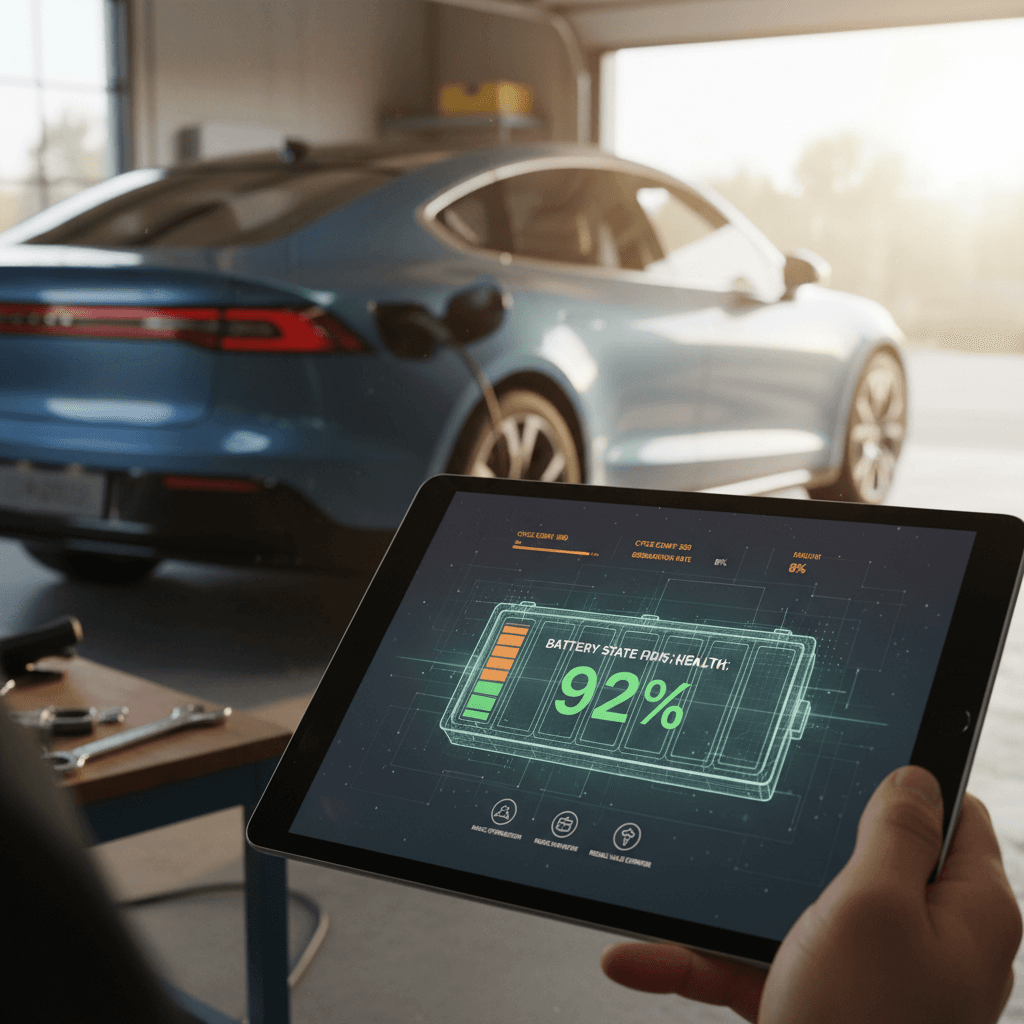
- Ask for a battery health report: on Recharged, that’s built into the Recharged Score; elsewhere, ask for OEM diagnostics or third‑party reports.
- Use options as a tiebreaker: between two similar cars, the one with better charging, safety, and comfort is usually the smarter bet.
How Recharged makes this easier
FAQ: EV options and resale value
Frequently asked questions
Bottom line: build an EV the next owner will want
If your goal is to protect resale value, don’t chase every shiny box on the order sheet. Spend where future owners feel it every day: range, charging, safety tech, and honest comfort. Those are the options that keep an EV desirable as the market moves fast around it.
And if you’re shopping used, lean on tools that surface those details for you. On Recharged, every car includes a Recharged Score Report with verified battery health, key options and fair market pricing, plus expert guidance if you want to talk through which configuration fits your life today, and still looks smart when it’s time to sell.