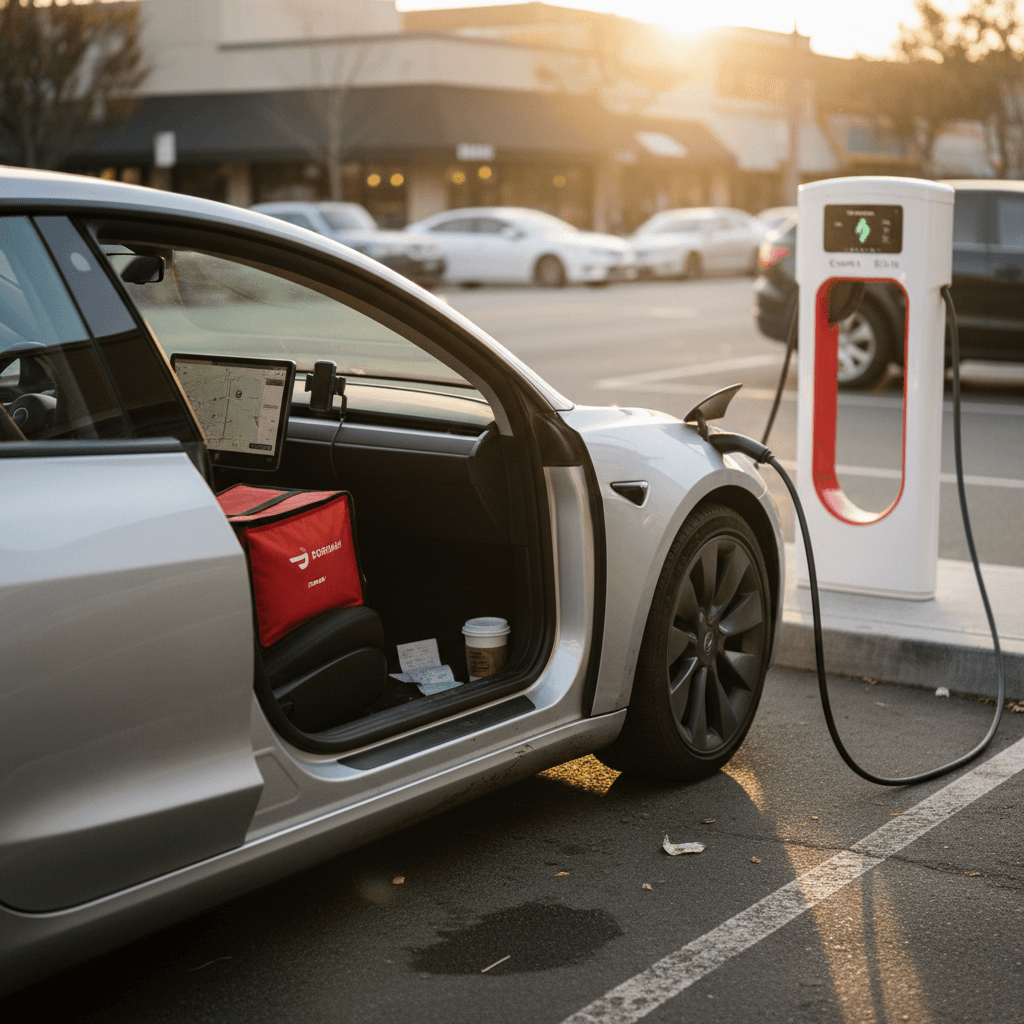
If you’re a DoorDash delivery driver or run gigs across multiple apps, you’re probably watching every dollar of fuel you burn. The idea of switching to an EV for DoorDash delivery is tempting: cheap “fuel,” less maintenance, and HOV lanes in some states. But you’re also asking the right question: will it actually make you more money after payments, charging and depreciation?
Why this guide is different
Is an EV worth it for DoorDash and other delivery apps?
High‑mileage economics for delivery drivers
For a light‑use commuter, those savings take years to show up. For a full‑time DoorDash driver doing 30,000 miles a year, they show up fast. The catch is that EVs often cost more up front and can depreciate faster than similar gas cars, especially if you buy new. That’s exactly why the used EV market is so interesting for gig drivers: you let someone else eat that early depreciation, keep the cheap fuel, and protect your margins.
New EVs rarely pencil out for pure gig work
Step 1: Decide if your delivery miles justify an EV
Before you compare models, sanity‑check whether your mileage is high enough to make an EV a financial tool rather than just a tech toy. For gig work, the main lever is miles per year, not calendar time.
- Under 10,000 miles/year on apps: You’re part‑time. A fuel‑efficient gas or hybrid car may be simpler and cheaper overall unless you really value the EV driving experience or get an unusually good deal.
- 10,000–20,000 miles/year: This is the gray zone. A used EV can beat gas on total cost of ownership if you have cheap home charging and a reasonable purchase price, but you’ll want to run the numbers.
- 20,000+ miles/year: You’re a high‑mileage driver. A well‑chosen EV with home charging almost always saves serious money on fuel and maintenance, and the more you drive, the stronger the case gets.
Quick mileage test
EV vs gas: real-world cost per mile for delivery drivers
Let’s run simple, conservative math for a typical DoorDash delivery pattern in the U.S. in 2025–2026. Adjust the numbers for your local gas and electricity rates, but the relationships usually hold.
Estimated per‑mile fuel/energy cost for delivery driving
Illustrative cost comparison for a delivery driver doing 25,000 miles per year in mostly city/stop‑and‑go traffic.
| Scenario | Assumptions | Energy cost per mile | Annual energy cost @ 25k miles |
|---|---|---|---|
| Gas car for delivery | Realistic 28 mpg in stop‑and‑go, $3.25/gal | ~$0.12/mi | ≈$3,000 |
| Efficient hybrid | 45 mpg city, $3.25/gal | ~$0.07/mi | ≈$1,750 |
| EV w/ home charging only | 0.30 kWh/mi, $0.16/kWh flat rate | ~$0.05/mi | ≈$1,250 |
| EV with TOU off‑peak rates | 0.30 kWh/mi, $0.10/kWh off‑peak | ~$0.03/mi | ≈$750 |
| EV using DC fast chargers heavily | 0.30 kWh/mi, $0.35/kWh public fast charge | ~$0.11/mi | ≈$2,750 |
Numbers are rounded for clarity; use your own utility and gas rates for exact math.
The punchline is simple: EVs only deliver their full cost advantage if you can charge cheaply at home or work. If you rely on expensive DC fast charging most days, your “fuel” cost can creep very close to, or even above, a frugal gas or hybrid car. That’s why charging strategy is as important as the EV you buy, especially for gig work.
Don’t plan your business around public fast charging
What makes a good EV for DoorDash? Key features to prioritize
Core EV features that matter for gig delivery
Range and charging are important, but they’re not the whole story.
Real‑world range, not brochure range
Fast, flexible charging
Cargo space & practicality
Comfort over long shifts
Safety & reliability
Predictable, low running costs
Used beats new for gig drivers
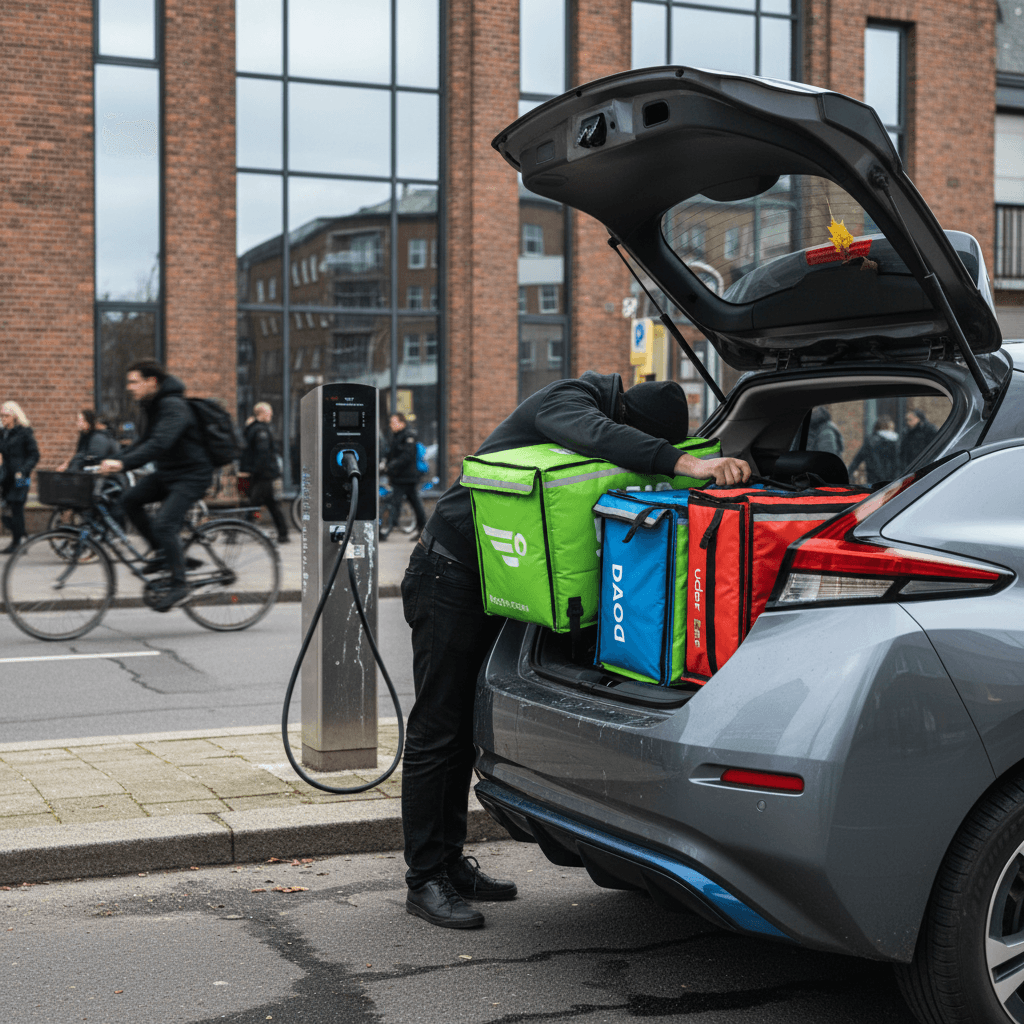
Best used EVs for DoorDash, Uber Eats & Instacart
There’s no single “best EV for every DoorDash driver,” but some models consistently hit the sweet spot on price, range and practicality in the U.S. used market. Below are categories with representative examples, always cross‑check local pricing, incentives and your own charging situation.
Used EVs that fit delivery‑driver needs well
Representative models that balance price, real‑world range and practicality for gig work. Focus is on trims commonly found in the U.S. used market.
| Category | Example models | Why they work for delivery |
|---|---|---|
| Value hatchbacks | Nissan Leaf (40 kWh), Chevy Bolt EV | Low purchase prices and compact footprints make them great for dense city delivery. Best for drivers with modest daily mileage and reliable home charging, as older fast‑charging and battery tech can be limiting. |
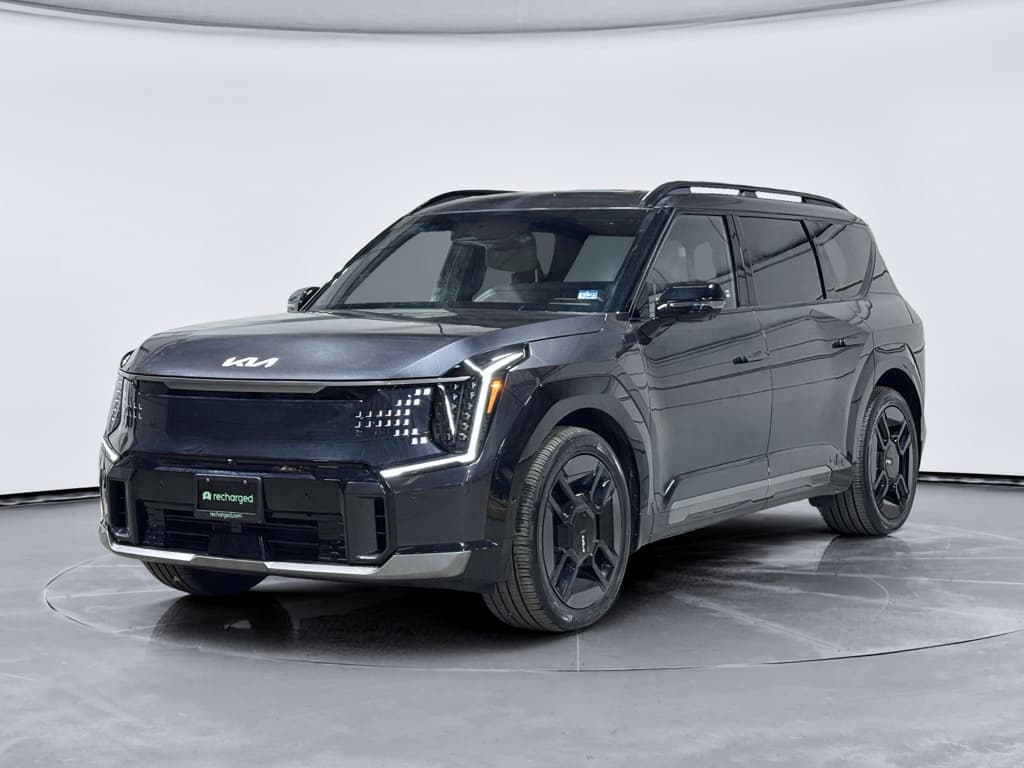
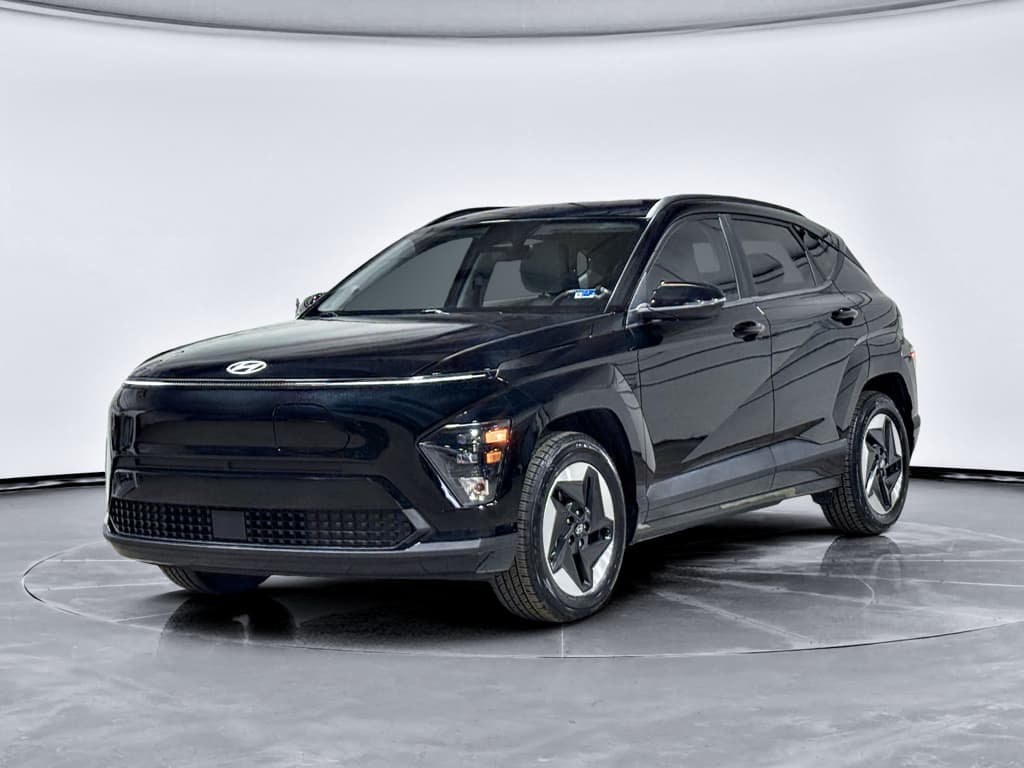
| Compact crossovers | Hyundai Kona Electric, Kia Niro EV, Chevy Bolt EUV | Efficient, comfortable and more headroom/cargo than hatchbacks. Many trims offer 200+ miles real‑world range, enough for a long shift without recharging. |
| Tesla sweet spot | Tesla Model 3 RWD (2018–2022), Model Y Long Range (high‑miles units) | Very efficient per mile, great fast‑charging network access, excellent app and route planning. High‑mileage used examples can be surprisingly affordable, but verify battery health and tire wear. |
| Bigger cargo haulers | VW ID.4, Hyundai Ioniq 5, Kia EV6 | For drivers who also do grocery‑heavy routes or mix in package work. You trade some efficiency and purchase price for comfort and space. |
Exact specs and ranges vary by model year and battery; verify details for any specific car you’re considering.
Be careful with the cheapest EVs on the market
For gig drivers, the question isn’t whether an EV *can* work, it’s whether the specific car you’re looking at has the battery health, range and cost structure to support your income targets.
That’s why Recharged bakes a Recharged Score battery‑health report into every used EV it sells. Instead of guessing how much range you’ll have left in year three of delivery work, you get an objective diagnostic based on how that pack is actually performing today.
Charging strategies that actually work for gig drivers
Home charging: the ideal baseline
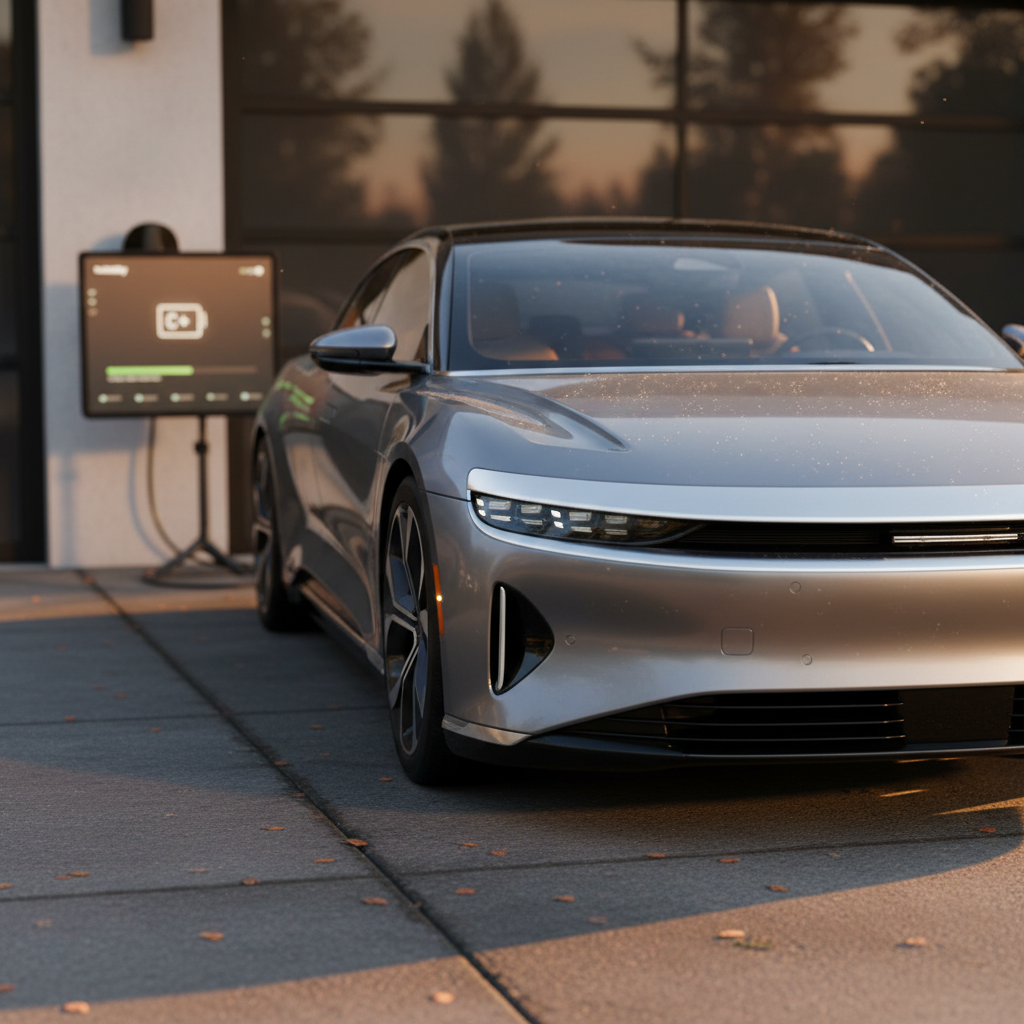
If you can install a Level 2 charger (240V) at home or already have access to one, that’s the foundation of a cost‑effective delivery setup.
- Charge while you sleep: Wake up with a full “tank” every day.
- Exploit off‑peak rates: Many utilities offer cheaper power at night, dropping your effective cost per mile.
- Less time wasted: You’re not sitting at a charger when you could be working or resting.
For apartment dwellers, some buildings now offer shared Level 2 charging. If yours doesn’t, it’s still worth asking the property manager; they may be more receptive when a resident shows a clear use case.
Public charging: how to use it without killing profit
You will eventually need public charging, between shifts, on long days, or when life gets in the way of your routine.
- Treat DC fast charging as a backup: Plan routes and shifts so it’s occasional, not daily.
- Favor slower Level 2 at low rates: Some workplaces, garages and city lots offer inexpensive or free Level 2 charging that’s great while you eat or shop.
- Know your local networks: Apps like PlugShare, ChargePoint, Electrify America, and Tesla’s app (if you can access Superchargers) are essential tools.
Think of public charging time as a scheduled part of your day, ideal for meal breaks and admin work, not random downtime that eats into your earning hours.
Design a daily charging rhythm
Battery health when you’re putting on serious miles
DoorDash and multi‑app work are unforgiving on vehicles: constant stop‑and‑go, heavy loads of food and drinks, and high annual mileage. With EVs, the question isn’t just “does it have enough range today?” but “will it still have enough range three years from now?”
- Understand degradation: All EV batteries lose capacity over time. A healthy used EV might lose 1–3% per year in typical use, while a hard‑used or poorly engineered pack can lose more, especially in hot climates or with constant DC fast charging.
- Range margin is your friend: If you need 120 miles a day to work comfortably, buying an EV that only does 130–140 miles when new leaves you no cushion after a few years of degradation.
- Charging habits matter: Frequently charging to 100% and running down to near‑zero is harder on most packs than keeping daily use in the 20–80% band. That’s easier when you have enough range for your routes.
- Use real diagnostics, not guesswork: Dashboard range estimates can be wildly optimistic or pessimistic depending on recent driving. A proper battery‑health test reads data from the pack itself and compares it to what a healthy pack should look like.
How Recharged helps here
Financing, depreciation and used EV pricing for delivery work
Compared with gas cars, new EVs still tend to carry higher sticker prices and steeper early‑life depreciation. Studies in 2024–2025 found that while EVs often save thousands on energy and maintenance over five years, only a portion of models fully offset their higher upfront cost when purchased new. That’s not the game you want to play as a gig driver.
Why used EVs are attractive for delivery
- Early depreciation already priced in: You’re buying after the steepest drop in value, which usually happens in the first 3 years.
- Lower monthly payment: Spreads your high mileage over a cheaper asset, which can make more sense than burning through a brand‑new car.
- Still plenty of life left: A 3‑ to 5‑year‑old EV with documented battery health can easily support several more years of heavy gig driving.
Financing tactics for gig workers
- Be honest about your usage: Hiding your mileage from a lender doesn’t change the fact that you’re putting 25k+ miles/year on the car. Structure your loan term so you’re not upside‑down deep into high‑mileage territory.
- Prioritize total cost per mile: A slightly higher payment on a much more efficient or reliable EV can still yield a better profit than the rock‑bottom payment on a thirsty gas car.
- Look for flexible solutions: Platforms like Recharged support financing, trade‑ins and even consignment, which can smooth the transition out of your current car into an EV without wrecking your cash flow.
Think in cents per mile, not monthly payment
Pre-purchase checklist for delivery drivers considering an EV
Checklist: Is this EV right for your DoorDash business?
1. Confirm your real daily mileage
Use your DoorDash and other app history to calculate an honest average miles‑per‑day and miles‑per‑month. Plan for your busiest days, not your slowest.
2. Verify home (or reliable) charging
Do you have a driveway, garage or dependable access to Level 2 charging? If you’re relying on public DC fast charging every day, this EV probably won’t deliver the savings you’re hoping for.
3. Check real battery health
Don’t rely only on the dashboard’s range guess. Get a proper battery‑health report. With Recharged, the Recharged Score gives you an objective view of remaining capacity before you commit.
4. Model‑by‑model research
Search for known issues on the specific model and year you’re considering: charging quirks, reliability problems, or recall histories that might hit you harder at 25k+ miles/year.
5. Inspect cargo and comfort
Bring your actual delivery bags and test how they fit. Sit in the driver’s seat for 10–15 minutes, adjust everything, and make sure you’re genuinely comfortable, this will be your office.
6. Run the cost‑per‑mile math
Estimate your payment, insurance and charging costs, then compare against your current gas car using realistic mileage. If the EV doesn’t clearly improve your cost per mile, keep shopping or negotiate.
7. Plan your exit strategy
If you’re going to hammer this car with gig miles, think ahead 2–4 years. Will you sell, trade in, or keep it as a personal car? Platforms like Recharged can help with trade‑ins or consignment when it’s time to move on.
FAQ: EVs for DoorDash and gig delivery
Frequently asked questions about running delivery gigs in an EV
Bottom line: who should (and shouldn’t) get an EV for DoorDash
An EV for DoorDash delivery drivers can absolutely be a profit‑boosting tool, but only when the fundamentals line up. High annual mileage, reliable home or workplace charging, and a well‑priced used EV with healthy battery capacity usually add up to lower cents‑per‑mile costs and fewer oil‑change‑style interruptions.
On the other hand, if you drive relatively few miles, rely entirely on expensive public fast charging, or stretch to buy an expensive new EV on a long loan, the math can quickly flip against you. In that world, a frugal hybrid or efficient gas car may still be the more rational choice.
If you’re serious about running your delivery work like a business, treat the car as a tool: run the numbers, verify battery health and be realistic about your charging options. That’s precisely where a transparent, EV‑only marketplace like Recharged helps, with verified battery diagnostics via the Recharged Score, fair‑market pricing, financing options, trade‑ins and even nationwide delivery so you can get the right EV without losing a week of earnings to car shopping.
Do that homework, and an EV can shift from a nice‑to‑have tech upgrade to a real competitive advantage, letting you keep more of every DoorDash, Uber Eats or Instacart dollar you earn.