If you’ve ever woken up on an air mattress in a damp tent, the idea of EV camping mode sounds like science fiction: quiet heat or A/C all night, no idling engine, no fumes, and a flat place to sleep. The catch is that every brand defines “camp mode” differently. In this EV camping mode comparison, we’ll look at how Tesla, Rivian, Hyundai/Kia, Ford, GM and others stack up for sleeping, working, and living out of your electric car.
EVs are secretly great tiny cabins
Why EV camping mode matters more than you think
When you sleep in a vehicle, three things decide whether you wake up refreshed or wrecked: temperature, noise, and flat space. Traditional cars fail the test, you can’t safely idle all night, and cracking the windows means bugs, noise, and condensation. A good EV camping mode keeps the cabin comfortable, powers devices, minimizes light and sound outside, and does it all without burning a tank of fuel.
- Consistent heat or A/C with the car safely “parked”
- Power for phones, laptops, lights, and small appliances
- Interior layouts that fold truly flat for a mattress
- Courtesy features like dimmed lights and quiet fans so you don’t annoy neighboring campers
- Smart battery limits so you don’t wake up stranded
The wrinkle is that camp mode isn’t standardized. Some cars have an actual button called Camp Mode. Others bury similar behavior under “Utility Mode,” “Stay On,” or don’t have it at all, you improvise with manual settings. That’s where this comparison comes in.
What “camp mode” actually does in an EV
Across brands, camp‑style modes tend to share a few core behaviors, even if they go by different names:
Common EV camp mode features
Same idea, different marketing names
Climate control stays on
Power & infotainment
Battery safeguards
Higher‑end implementations add extras tailored to camping: air‑suspension self‑leveling, dimmed exterior lights, V2L (vehicle‑to‑load) outlets that run your entire campsite, and even built‑in camp kitchens. Others give you the basics but expect you to bring your own creativity, and gear.
Quick EV camping mode comparison table
Major EV camping mode & features comparison
How the big players line up for sleeping and camping directly from your EV.
| Brand / Model | Has named camp mode? | Key camping tricks | Outlet / V2L power | Best for |
|---|---|---|---|---|
| Tesla Model 3 / Y / S / X | Yes – Camp Mode | Simple always‑on climate, screen & USB power, fun ambient modes | No household outlets (except Cybertruck); use 12V + inverters | Easy set‑and‑forget car camping; solo travelers & couples |
| Rivian R1T / R1S | Yes – Camp Mode | Self‑leveling suspension, courtesy lighting, Pet Comfort, gear tunnel | Multiple 120V outlets (up to ~1.5 kW shared) | Overlanding, truck‑bed or rooftop‑tent camping, gear‑heavy trips |
| Hyundai Ioniq 5/6, Kia EV6/EV9, Genesis GV60, etc. | No single button, but Utility/V2L modes | Comfortable cabins, good seat folding, strong V2L power at campsite | V2L adapters and interior outlets (typically ~1.9–3.6 kW) | Running a whole campsite: induction cooktops, heaters, e‑bikes |
| Ford F‑150 Lightning, Mustang Mach‑E, E‑Transit | Partial – features like Pro Power Onboard & Stay On | Huge power export on Lightning, decent cargo space, software still evolving | Up to 9.6 kW (Lightning), modest on others | Truck‑based camping, powering RVs, work‑and‑camp scenarios |
| GM Ultium EVs, VW ID.4 / ID.Buzz, Mercedes EQ models | Mostly no dedicated mode yet | Good interiors, some vans with camper conversions, early pet/camp concepts | Select models offer outlets; V2L spreading slowly | Comfortable road‑trip camping if you’re willing to tinker |
Headline camping features for popular EVs. Always confirm exact specs by model year and trim.
Check your exact trim and year
Tesla Camp Mode: The benchmark for simple, set‑and‑forget
Tesla coined the modern idea of Camp Mode, and it shows. On any recent Tesla sedan or SUV, you tap the climate menu, hit Camp, throw a mattress in the back, and that’s basically it. The car keeps the cabin at your set temperature, leaves the touchscreen and USB ports active, and shifts everything else into a low‑power state.
Tesla camp mode at a glance
Real‑world testing on the Model Y, for example, shows roughly 5–15% battery used over 8–10 hours in mild weather, more on frigid nights when the heat pump works harder. With a mid‑size battery, that’s often 20–40 miles of range traded for a hotel‑room‑level sleep and Netflix on tap.
Where Tesla shines for camping
- Dead simple UI: One tap to enable Camp Mode, clear visuals of energy use.
- Efficient HVAC: Heat pumps and good aerodynamics make overnight climate use modest on battery.
- Entertainment built‑in: Streaming, games, and big screens help rainy nights go by faster.
- Aftermarket ecosystem: Tons of fitted mattresses, window shades, and storage designed around Tesla interiors.
Where Teslas lag rivals
- No built‑in 120V outlets on most models, so running appliances takes inverters or extra gear.
- Not a truck: You don’t get truck‑bed flexibility or gear‑tunnel storage like Rivian.
- Ground clearance: Lower ride heights limit how far off‑road you’ll want to venture.
Rivian Camp Mode: For serious overlanders and gear junkies
If Tesla is the hotel‑room‑on‑wheels, Rivian is the cabin in the woods. The R1T pickup and R1S SUV are built around backcountry use, and their Camp Mode leans into that. You still get always‑on climate, but Rivian adds tricks that matter on dirt and gravel, not just in a KOA parking lot.
Rivian’s camp‑focused extras
Beyond just keeping you warm or cool
Self‑leveling suspension
Courtesy lighting
Built‑in outlets & gear storage
Energy use is similar to Tesla for basic climate, but Rivian’s larger battery packs and outlets give you more headroom for running gear. For long boondocking trips, especially if you pair the truck with a rooftop tent or bed platform, Rivian currently sets the standard.
Think in watt‑hours, not just miles
Hyundai & Kia: V2L champions for powering your campsite
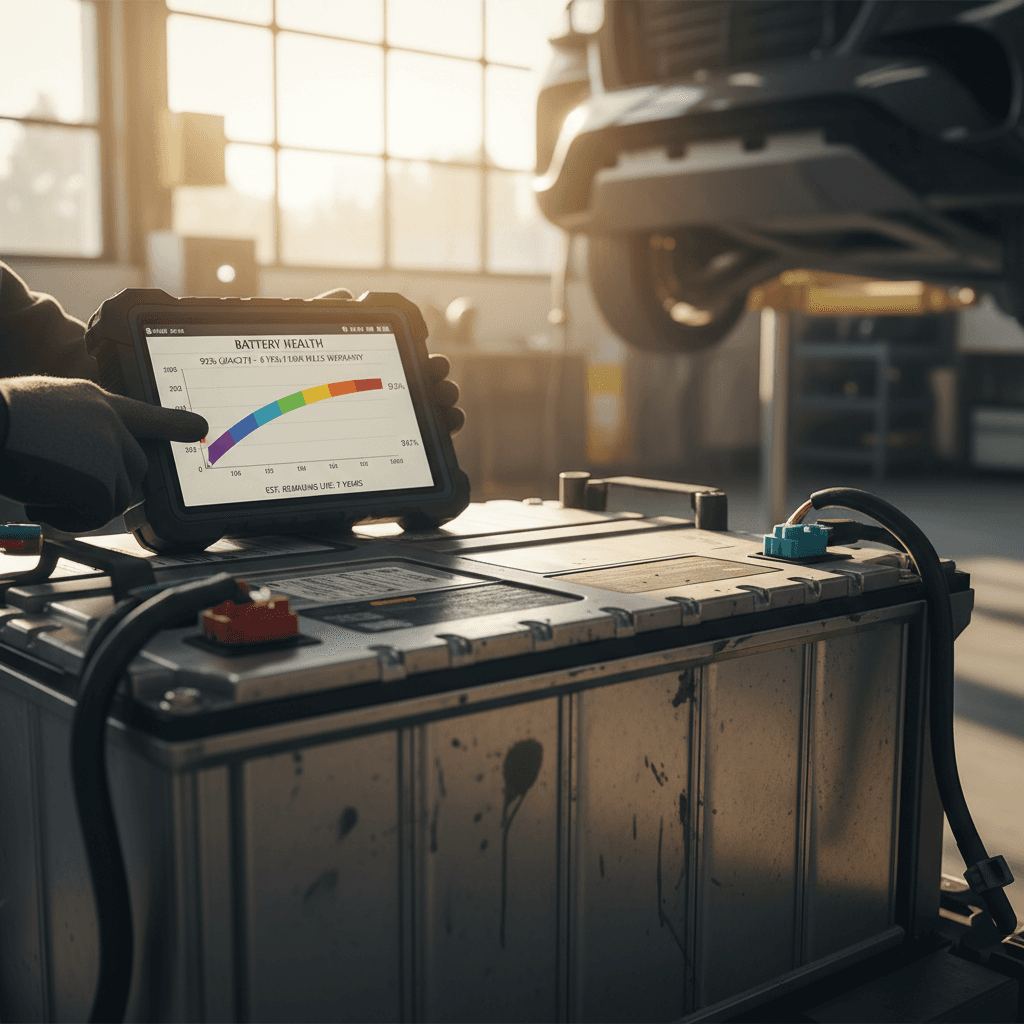
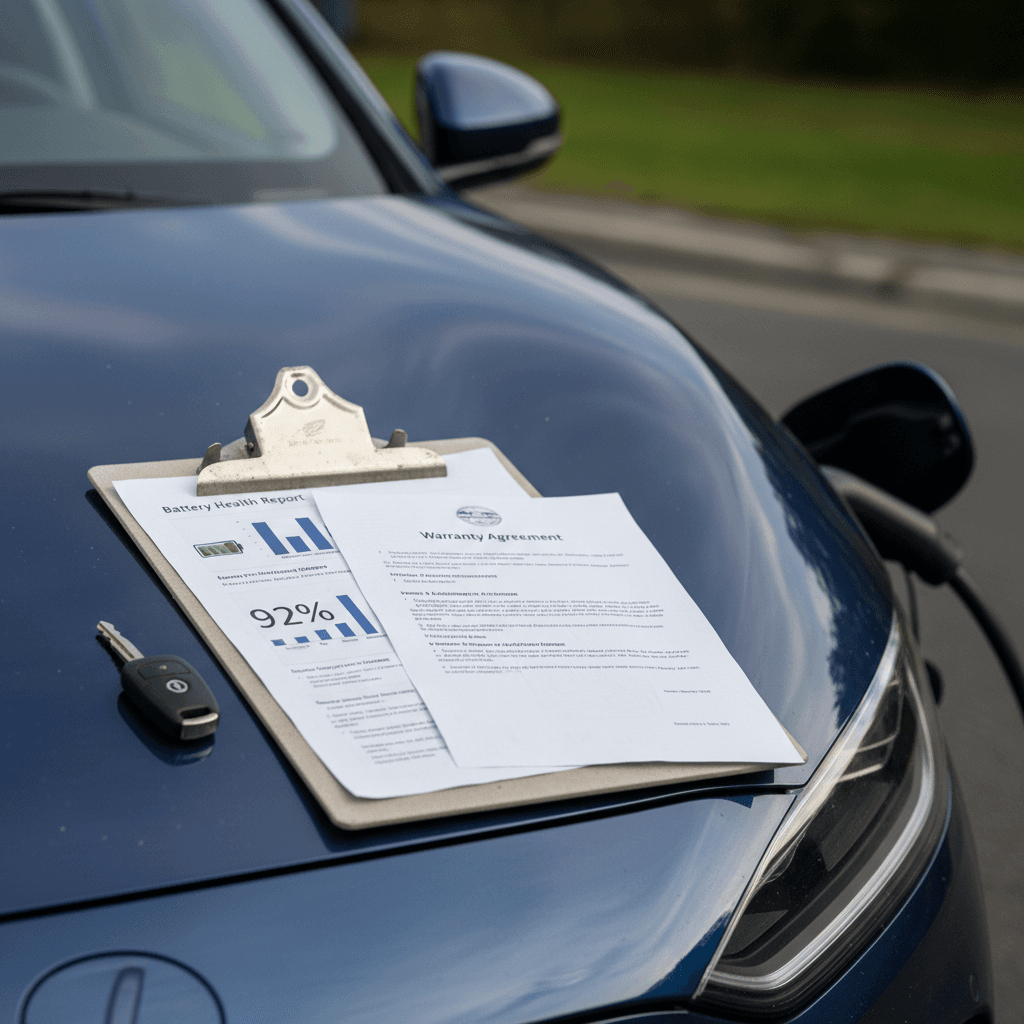
Hyundai, Kia, and Genesis went a different route. Their latest EVs, like the Hyundai Ioniq 5 and 6, Kia EV6 and EV9, and Genesis GV60, don’t always have a single “Camp Mode” button, but they do have something campers love: vehicle‑to‑load (V2L) power Several other automakers are clearly eyeing the EV camping crowd, even if their software is still catching up. Ford’s F‑150 Lightning is the obvious example: it can export up to roughly 9.6 kW of power through its Pro Power Onboard outlets, enough to run an entire RV or small cabin. GM’s Ultium trucks and SUVs, VW’s ID.4 and upcoming ID.Buzz, and Mercedes EQ vans and SUVs are following a similar arc with outlets and, increasingly, V2L. Strong hardware, evolving software The question every EV camper asks: “If I sleep in the car, will I have enough range to leave?” In most modern EVs, the answer is yes, if you arrive with a sensible buffer. Climate systems draw far less power than driving, and owners consistently report 5–10% battery loss overnight in mild weather, more like 15–20% on bitterly cold nights. Approximate figures for mainstream EVs with climate kept on and modest device charging. Always allow extra buffer for extreme heat or cold. Numbers assume a healthy battery and proper pre‑conditioning before you park for the night. Bring a tape measure and, if possible, your camping mattress to a test drive. Fold the seats, close the hatch, and check length, width, and any bumps or gaps. Specs on paper don’t show weird angles or hard trim pieces at knee level. Look for a clearly documented Camp Mode, Utility Mode, or equivalent that keeps climate and power on without sitting in the driver’s seat. If not, confirm that the car won’t shut everything down after 30–60 minutes. If you mostly need a warm cabin and phone charging, Tesla‑style setups are perfect. If you dream of induction cooking and running e‑bikes, prioritize models with built‑in 120V outlets or V2L capability like Rivian, Hyundai, Kia, and Ford trucks. A larger, efficient battery buys you more nights off‑grid. Cross‑shop usable kWh and real‑world consumption, not just EPA range, especially if you’ll tow or climb into high elevations. Check whether interior screens can fully dim, whether you can black out the windows easily, and how bright the exterior lights are when you open doors at night. Look up DC fast chargers near your favorite trailheads and parks, and confirm that the networks you rely on support your plug standard (CCS or NACS) without weird detours. Many of the best camp‑ready EVs, Tesla Model 3 and Y, early Hyundai Ioniq 5s, Kia EV6s, Rivian R1T/R1S, are already in the used market. You can often save tens of thousands versus new, then invest in better bedding, storage, and maybe even a rooftop tent. Because camping stress tests a battery, a verified health report matters more here than for a pure city commuter. You want confidence that a “80% to 60%” overnight drop really means what you think it does. If you’re shopping used, there’s a big difference between “can technically sleep in it” and “would happily spend a week living out of it.” At Recharged, every vehicle we list comes with a Recharged Score Report that includes verified battery health and fair‑market pricing. That’s crucial when you’re counting on your pack to run heat all night and still get you back to civilization in the morning. Because Recharged handles financing, trade‑ins, instant offers, and nationwide delivery, you can choose the right camping‑ready EV online and have it delivered to your driveway, ready for a shakedown night in the backyard before you head for the mountains. The upshot of this EV camping mode comparison is that you have real choice. You can gravitate toward Tesla’s polished software, Rivian’s wilderness‑ready trucks, Hyundai and Kia’s campsite‑power monsters, or a quietly capable van or SUV from Ford, VW, or Mercedes. The trick isn’t finding an EV that can camp, it’s picking the one whose quirks match your own. Do that well, and your next “hotel room” might just be parked under the stars, running silently on electrons instead of a noisy generator.Why V2L matters at camp
Camping trade‑offs
Quiet mini‑RV, no generator required
Ford, GM, VW & others: Good bones, fewer camp‑specific tricks
How other brands stack up
Ford F‑150 Lightning
VW ID.Buzz & electric campers
Emerging pet & camp modes
Aftermarket beats software… for now
Battery drain in camp mode: How much range you really lose overnight
Typical overnight camp‑mode battery use
Outside temp Example use case Estimated overnight loss What that feels like 50–70°F (10–21°C) Windows covered, moderate A/C or heat, light device charging 5–10% Like losing 15–30 miles of rated range on a mid‑size pack 30–50°F (-1–10°C) Heavier heating, occasional door openings 10–15% Plan for 30–45 miles of range lost Below 30°F (-1°C) Heat pump working hard, windy conditions 15–20%+ In smaller packs, you may burn through a fifth of the battery overnight Cold is the real battery killer
How to choose the best EV for camping (new or used)
Key questions before you buy an EV for camping
1. Can you actually lie flat?
2. Does it have a true camp or utility mode?
3. How much outlet or V2L power do you need?
4. What’s the usable battery size and efficiency?
5. How easy is privacy and dark mode?
6. What’s the charging situation where you camp?
Why a used EV can be perfect for camping
Models that punch above their weight for camping
How Recharged can help you find a camp‑ready used EV
Turn range anxiety into camp confidence
EV camping mode FAQ
EV camping mode FAQ