Search for information about EV brakes and you’ll see a lot of talk about regenerative braking, “one‑pedal driving,” and claims that pads last forever. The reality is a bit more nuanced: electric vehicles still have conventional brakes, they just use them very differently, and that has big implications for safety, maintenance, and what to look for when you’re buying a used EV.
Why EV brakes are different
How EV brakes work: regen plus friction
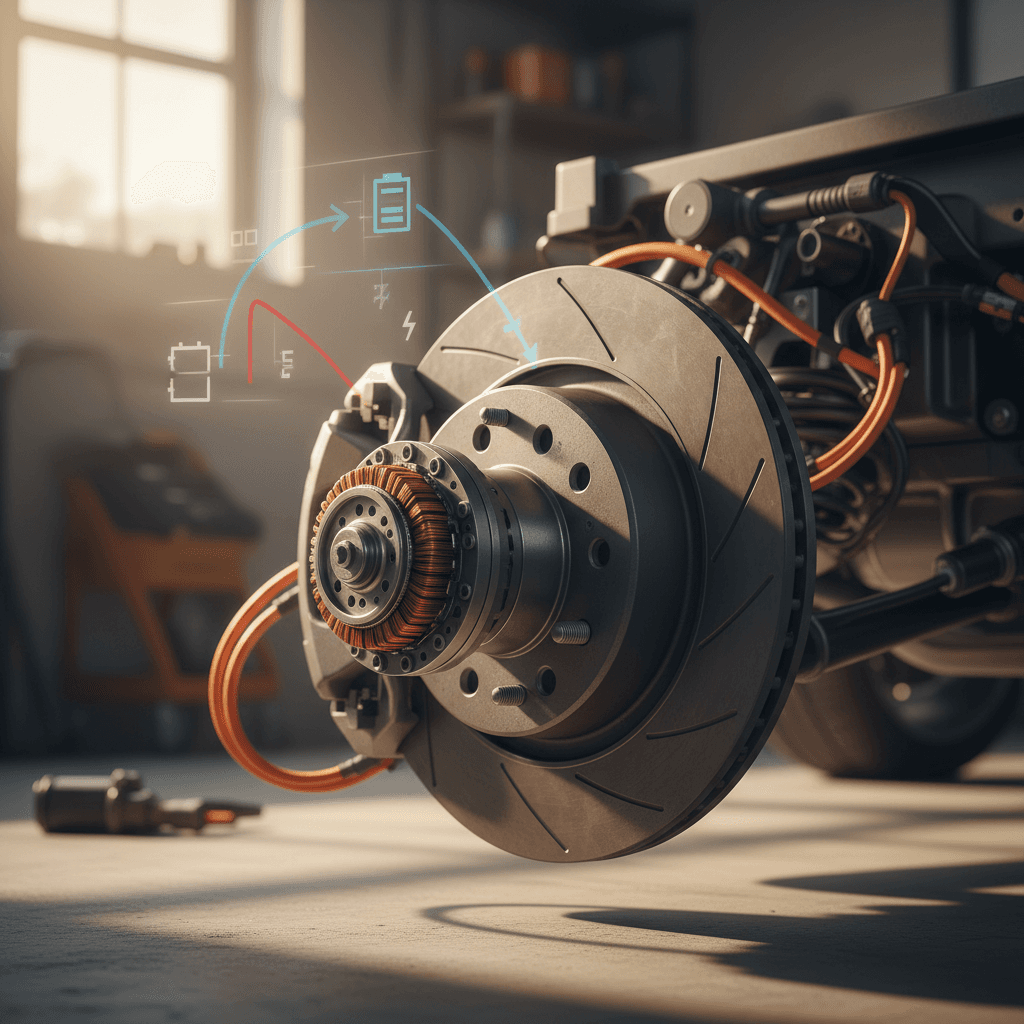
Modern EV braking systems combine two parts working together: 1. Regenerative braking (“regen”) uses the drive motor as a generator. When you lift off the accelerator or press the brake pedal lightly, the motor resists rotation, converting the car’s kinetic energy back into electricity and sending it to the battery. 2. Friction brakes are the same basic disc brakes you know from gas cars: calipers squeezing pads against metal rotors to create friction and heat. An onboard control system blends these two so that you feel one smooth stop. In many EVs, up to the majority of everyday deceleration is done by regen, and the friction brakes are held in reserve for hard stops and low‑speed final braking.
What regen braking means for wear and costs
In practice, that means you’ll likely visit a shop far less often for pads and rotors in an EV. But it also means the system can suffer from issues, like rust or sticking calipers, that you rarely see on a daily‑driven gas car.
Do EVs still use “regular” brakes?
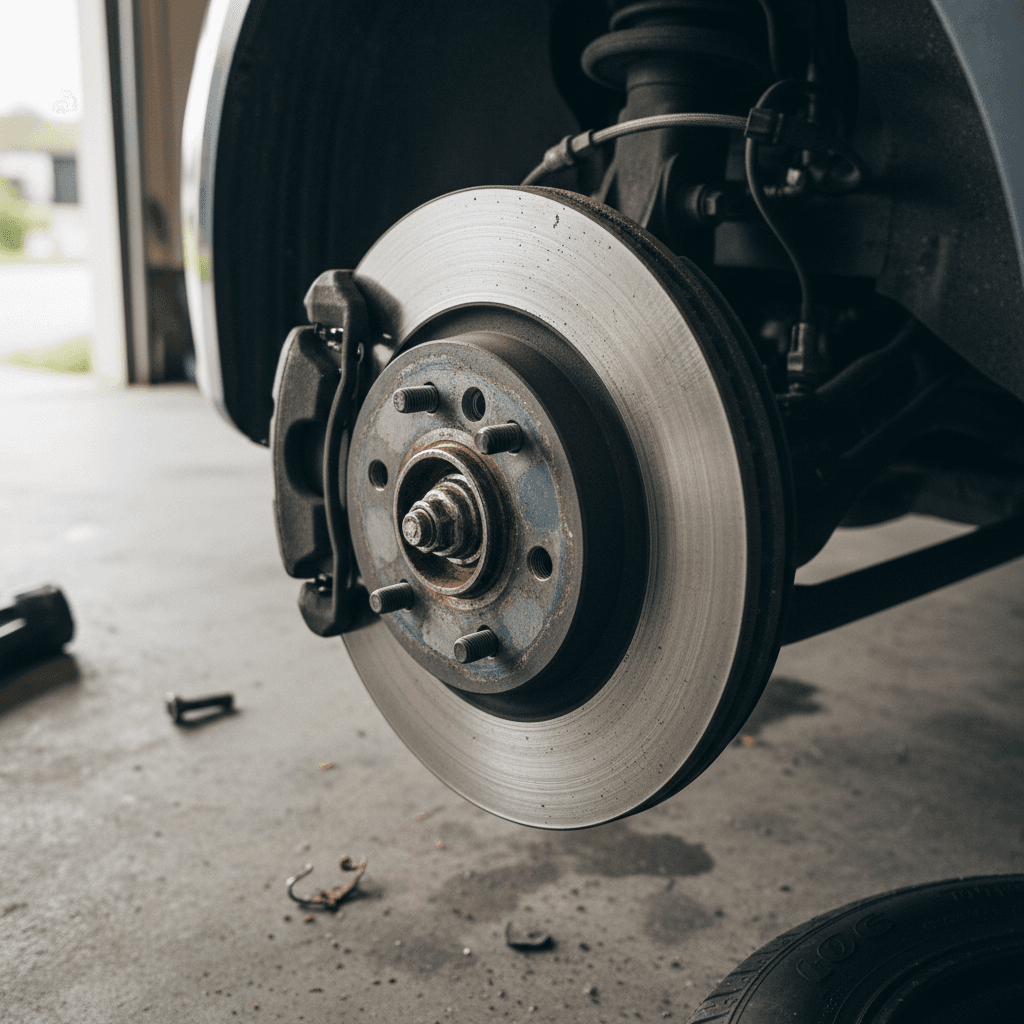
Yes. Every road‑legal EV sold in the U.S. today has conventional hydraulic disc brakes with pads, rotors, brake fluid, and (in most cases) a traditional parking brake mechanism. From the wheel end, an EV looks just like a gas car: caliper, rotor, pads, lines.
What’s the same as a gas car
- Hydraulic system with brake fluid
- Front and rear disc brakes (pads + rotors)
- ABS, stability control, and emergency assist systems
- Parking brake (mechanical or electronic)
What’s different in an EV
- Motor provides regen before friction brakes engage
- Brake pedal feel is often simulated by software
- One‑pedal driving modes increase regen when you lift off
- Brakes may sit unused for long stretches, especially in city driving
Try one‑pedal driving, but practice first
How long EV brakes last, and what they cost
Because regen does so much work, EV brake pads and rotors usually last far longer than they would on a comparable gas car driven the same way.
Typical EV brake life vs. gas car
Real‑world numbers will vary with driving style and climate, but the pattern is clear.
Gas car
- Front pads: 25k–40k miles
- Rears: 40k–60k miles
- Rotor replacement often every 2nd pad change
Mainstream EV
- Pads often 60k–90k+ miles
- Rotors may last the life of the car in mild climates
- Some owners report 100k+ miles on original brakes
Best‑case EV
- Gentle driving and lots of regen
- Routine cleaning and inspections
- Brake jobs measured in decades, not years
When an EV does need a brake job, the parts themselves aren’t exotic. Pads and rotors are similar to what you’d find on a comparable gas vehicle. What you’ll pay depends more on the brand and whether you use an independent shop or a dealer than on the fact that it’s electric.
Typical U.S. brake service costs for EVs
Broad, national averages for common services. Luxury or performance EVs can be higher.
| Service | What’s included | Typical EV cost (per axle) | How often? |
|---|---|---|---|
| Pad replacement | New pads, hardware, labor | $200–$350 | 60k–90k miles in normal use |
| Pads + rotors | Pads, rotors, hardware, labor | $350–$600 | When rotors are worn or rusted |
| Brake fluid flush | Flush and bleed hydraulic fluid | $100–$180 | Every 3–5 years |
| Caliper service | Clean and free sticky slides/pistons | $150–$300 | As needed (often due to corrosion) |
Actual costs depend on model, parts quality, and labor rates in your area.
Total maintenance picture
Common EV brake issues (that might surprise you)
Long‑lasting doesn’t mean trouble‑free. In fact, the very thing that makes EV brakes last so long, light use, creates its own set of issues, especially in wet or salty climates.
- Rotor rust and pitting: Because pads don’t regularly scrub the rotors, moisture and road salt can sit on the surface, leading to heavy rust and rough braking, even with low mileage.
- Sticking calipers and slides: Hardware that’s rarely exercised can corrode or seize, causing one wheel to drag or overheat.
- Uneven pad deposits: If friction brakes only come in during very hard stops, you can develop uneven friction material on the rotor surface, leading to vibrations.
- Glazed pads: Pads that rarely get hot can glaze when they’re suddenly pushed hard, hurting stopping performance until they’re replaced or properly bedded in again.
Software and recall issues
EV brakes in rain, snow, and cold weather
EV brakes are engineered to work safely in bad weather, but there are a few extra dynamics worth understanding if you drive in heavy rain, snow, or on winter‑treated roads.
How weather affects EV braking
Most of this is handled automatically, but knowing what’s happening gives you more confidence.
Wet conditions
- Regen behaves normally, but ABS and stability control may limit it if a wheel starts to slip.
- Lightly applying the brakes occasionally helps wipe water and surface rust off rotors.
Cold & snow
- Many EVs automatically reduce regen when the battery is cold or traction is low.
- You may feel the car rely more on friction brakes until conditions improve.
Don’t rely only on regen in low‑grip situations
Maintenance: what EV brakes actually need
You don’t need a special “EV brake mechanic.” You do need a shop that understands that long‑lasting doesn’t mean no maintenance at all. A sensible EV brake maintenance plan looks like this:
Core EV brake maintenance steps
1. Annual visual inspection
Have a technician check pad thickness, rotor condition, caliper slides, and flexible brake hoses, especially if you live where roads are salted in winter.
2. Brake fluid flush every 3–5 years
Moisture in old brake fluid can cause internal corrosion and soft pedal feel. Flushing the hydraulic system is cheap insurance.
3. Exercise the friction brakes
Once or twice a month, make a few firm (but safe) stops from moderate speeds to scrub the rotors and keep hardware moving freely.
4. Listen and feel for changes
New grinding noises, pulling to one side, or vibration under braking are not “just EV things.” They’re signs you should schedule service.
5. Keep software updated
Brake‑by‑wire and regen tuning live in software. Accept OTA updates promptly or ask your dealer to install any brake‑related campaigns.
Use an EV‑savvy shop
Used EV? Brake inspection checklist
If you’re considering a used EV, whether through a private seller, a franchise dealer, or a digital platform like Recharged, brake condition is one of the easiest ways to gauge how the car’s been used and stored.
What to look for in a used EV’s brakes
Look through the wheels
Surface rust is normal, but heavy flaking, deep grooves, or blue‑colored rotors suggest overheating or long periods of sitting.
Check for warning lights
Any ABS, stability control, or brake system lights should be treated as a do‑not‑buy signal until a shop scans the car and explains the codes.
Test low‑speed stops
On a test drive, pay attention to how the car feels at the last 5–10 mph. Pulsing or grinding at parking‑lot speeds usually means rotor issues.
Ask for service records
A recent brake fluid flush and documented pad/rotor service are good signs. Missing history isn’t a deal‑breaker, but price and inspection should reflect it.
Get a pre‑purchase inspection
A trusted, EV‑literate technician can measure pad thickness, check rotor runout, and spot sticking calipers before you sign anything.
Leverage structured reports
Platforms like Recharged include a <strong>Recharged Score Report</strong> with every vehicle, summarizing brake condition alongside battery health and other key systems so you aren’t guessing.
Driving tips to protect EV brakes and range
How you drive affects not only how long your EV brakes last, but also how much range you get out of every kilowatt‑hour. Think of regen and friction braking as tools you can manage consciously.
- Look ahead and lift early so regen can do most of the work instead of late, hard friction braking.
- Use the highest regen setting you’re comfortable with in normal driving, then dial it back in low‑traction conditions.
- Once a week or so, do a series of moderate‑to‑firm stops from 40–50 mph on an empty road to keep rotors clean.
- Avoid riding the brake pedal; let regen slow the car, then press the pedal decisively when you actually need friction braking.
- In the mountains, use a mix of regen and low gears (if your EV simulates them) so you don’t overheat friction brakes on long descents.
“Regen makes EV brakes incredibly durable, but they’re not immortal. The best‑cared‑for EVs are the ones whose owners understand both the electric side and the mechanical side of the braking system.”
EV brakes FAQ
Frequently asked questions about EV brakes
EV brakes are a good example of how electric vehicles change the ownership equation. You still have pads, rotors, and fluid to care about, but regenerative braking rewrites how often you service them and how much you spend over time. Understand how regen and friction work together, build a simple inspection routine, and you’ll get the safety you expect with fewer shop visits, and if you’re shopping the used market, tools like the Recharged Score Report make it much easier to see how well a car’s braking system (and battery) have been cared for before you buy.