If you want EV running costs without fully cutting the gasoline cord, a used plug-in hybrid can be the sweet spot. The trick in 2026 is choosing the **best used plug-in hybrid** for your life, not just the one with the loudest window sticker. Inventory has finally loosened up, but the gap between the stars and the duds is wide.
What this guide covers
Why used plug-in hybrids make sense in 2026
Plug-in hybrids are having a second act. New PHEV sales have grown alongside full EVs, and by 2024–2025 they were one of the fastest-growing segments globally. Automakers like Toyota, Hyundai, Kia, Jeep and Lexus leaned hard into plug-in powertrains, which means more **used PHEVs** are finally hitting the market at reasonable prices instead of COVID-era markups.
- You can often cover your daily commute on electricity alone, then fall back on gasoline for road trips.
- Used plug-in hybrids avoid many of the road-trip charging headaches that still plague pure EVs in some parts of the U.S.
- Depreciation has already knocked the sting out of the original sticker price, especially on higher-trim Toyotas, Jeeps and luxury brands.
- Battery technology and warranties from the late 2010s onward are proving more durable than early hybrids, especially from brands like Toyota, Lexus and Kia.
Who should skip a used PHEV
How we picked the best used plug-in hybrids
“Best” is doing a lot of work here, so let’s be clear about the criteria. A great used plug-in hybrid in 2026 is more than just a big battery and a big touchscreen.
Our selection criteria
What makes a used PHEV worth your money in 2026
Reliability & brand track record
We favor brands with strong reliability data in recent surveys, plus real‑world owner feedback. Toyota and Lexus still rule this space, with Kia and some Jeep powertrains showing well when maintained.
Useful electric range
We focus on PHEVs that can reasonably cover a commute, typically 20+ miles of EPA electric range when new, so you actually feel the EV benefit day to day.
Value & total cost
We look at original MSRP, current used pricing, equipment levels and remaining factory warranty. A "cheap" plug‑in with no warranty and spotty history is not a bargain.
We also weight **battery health transparency** heavily. That’s where Recharged’s battery diagnostics and Recharged Score report come in, we can show you independently verified battery health instead of guessing from a dashboard bar graph.
Best overall: Toyota RAV4 Prime
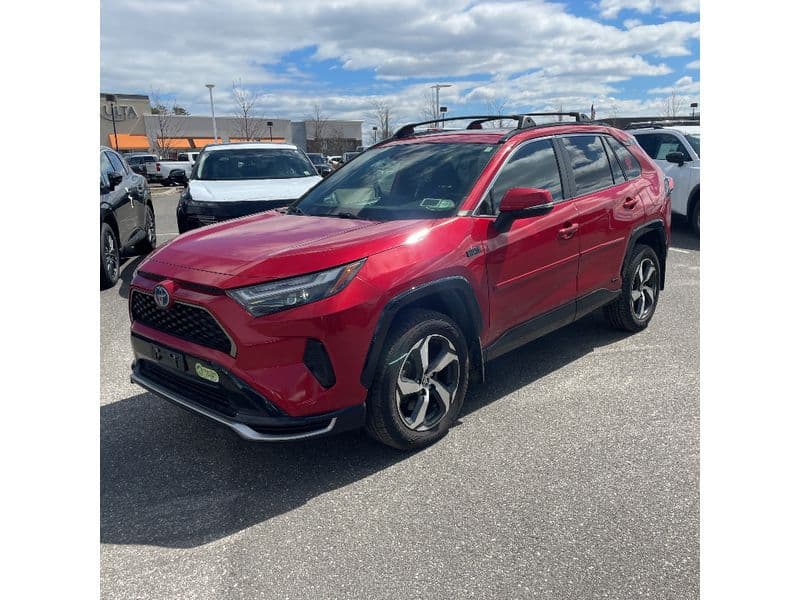
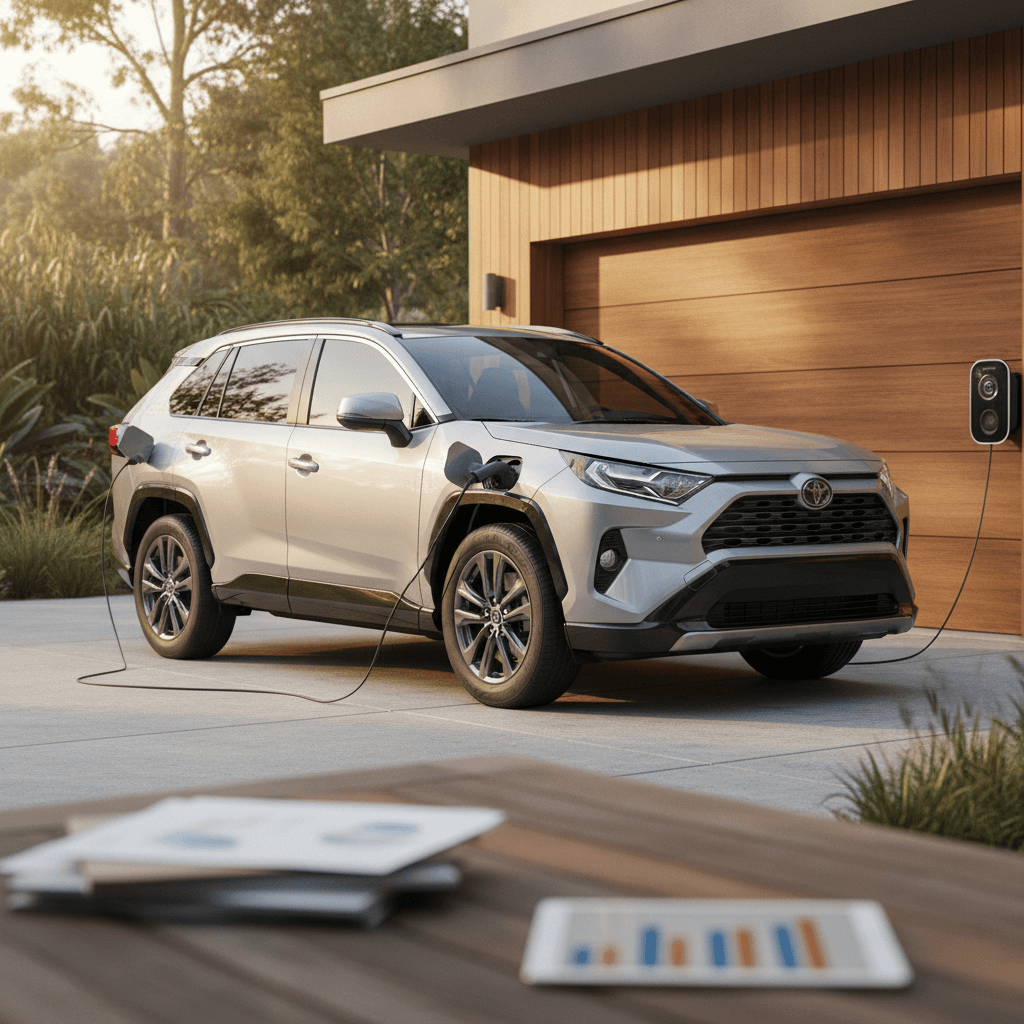
If there’s a king of used plug-in hybrids in 2026, it’s the **Toyota RAV4 Prime**. It’s the rare vehicle that checks every box: real EV range, family-friendly size, all-wheel drive, Toyota reliability and resale values that make traditional compact SUVs blush.
Toyota RAV4 Prime at a glance
Key specs and highlights for used shoppers
| Item | Spec / Detail |
|---|---|
| Model years to target | 2021–2025 (early 2026s just entering used market) |
| Approx. EPA electric range | 42 miles |
| Drivetrain | Standard AWD |
| Battery warranty | 8 years / 100,000–150,000 miles (varies by state) |
| Why it’s great used | High electric range, strong performance, top-tier reliability, huge owner base |
| Typical use cases | Commuters, small families, light adventuring |
Figures shown are for U.S.-spec RAV4 Prime models when new.
Why the RAV4 Prime tops the list
Best years and trims
The sweet spot for most buyers is a 2021–2023 RAV4 Prime SE or XSE. These years avoid the launch‑rush pricing insanity but still give you modern driver aids, decent infotainment and plenty of safety tech. By 2024–2025 Toyota had ironed out early supply constraints, so you’ll start seeing more of these as off‑lease vehicles with predictable histories.
What to watch for
- High demand pricing: Some sellers still treat the RAV4 Prime like it’s 2021 and charge near-new prices. Don’t.
- Towing and off-road use: Look for signs of heavy use, hitches, aftermarket suspension, trail rash, that could stress the hybrid system.
- Charging habits: Ask how often the owner plugged in. The whole point of a Prime is regular charging; chronic non‑charging can mask battery issues and fuel system varnish.
RAV4 Prime shopping reality in 2026
Best family hauler: Chrysler Pacifica Hybrid
Three-row plug-in hybrids are rare. **Chrysler Pacifica Hybrid** is still the only plug-in minivan sold in the U.S., which makes it the de facto best choice, and, helpfully, also a genuinely good one when you buy carefully.
Chrysler Pacifica Hybrid at a glance
Why this plug-in minivan still makes sense used in 2026
| Item | Spec / Detail |
|---|---|
| Model years to target | 2019–2023 (earlier if well-documented) |
| Approx. EPA electric range | 32 miles |
| Seats | Seven (captain’s chairs in second row) |
| Standout trait | Only plug-in minivan, great for school runs and errands on EV mode |
| Common complaints | Infotainment glitches, sliding door hardware, earlier transmission software quirks |
Pacifica Hybrid specs shown for 2017–2023 model years commonly available used.
Family use case sweet spot
Years and trims to favor
Look for 2019+ Pacifica Hybrids, where Chrysler had several years to polish the powertrain and software. Touring L and Limited trims typically offer the best blend of comfort and features without going overboard on price.
Known issues and checks
- Confirm software updates and recall work for the hybrid system and charging components.
- Inspect power sliding doors and tailgate; these are high‑wear items on kid‑duty vans.
- Check for roof rack use and towing if the van has hauled trailers or cargo boxes frequently.
Best plug-in off-roader: Jeep Wrangler 4xe
The **Jeep Wrangler 4xe** answers a question nobody was asking and yet makes perfect emotional sense: what if your open‑top, body‑on‑frame off‑roader could crawl a trail in near silence? As a used buy, it’s the ticket if you want PHEV tech without giving up lifestyle cred.
Jeep Wrangler 4xe at a glance
Key details for used shoppers in 2026
| Item | Spec / Detail |
|---|---|
| Model years to target | 2022–2024 for best balance of price and updates |
| Approx. EPA electric range | ~22 miles |
| Powertrain output | 375 hp (turbo-4 + electric motor) |
| Strengths | Serious off-road hardware, strong torque, silent trail crawling |
| Tradeoffs | Ride quality, wind noise, complex tech vs. simple old-school Jeeps |
Applies to 2021+ Wrangler 4xe models.
Trim choice matters on Wrangler 4xe
On the used market, Wrangler 4xe values are holding, but not at the fever‑dream levels of 2021. You’ll see significant discounts versus new, especially on heavily optioned Rubicon and High Altitude models that once stickered deep into luxury‑SUV money.
Best luxury choice: Lexus NX 450h+
If you want a plug-in hybrid that feels like old‑school luxury, quiet, beautifully screwed together, and relentlessly unproblematic, the **Lexus NX 450h+** is the answer. It shares much of its hardware with the RAV4 Prime but dresses it in richer materials and Lexus refinement.
Lexus NX 450h+ highlights for used buyers
Because the NX 450h+ is newer, the used pool is still small in 2026, and prices are stout. But if you find a well‑optioned example coming off lease, you’re essentially buying into Toyota’s plug‑in tech with a Lexus after‑sales experience and cabin.
Other strong used PHEV contenders
Worth a close look
Excellent used plug-in hybrids if you find a good example
Toyota Prius Prime
If you don’t need SUV ride height, the Prius Prime is the rational choice’s rational choice. Newer generations finally look good and drive with actual verve. Electric range approaches 40+ miles on late models, cabin tech is modern, and Toyota’s reliability record is sterling.
Hyundai Tucson Plug-in Hybrid
Hyundai’s compact PHEV SUV offers a pleasant ride, usable cargo space and around 30 miles of electric range when new. As 2022–2024 models come off lease, they’re becoming attractive value plays, especially if you find one with remaining battery warranty and a clean service history.
Kia Niro & Sorento Plug-in Hybrids
The Niro PHEV is a frugal commuter’s dream, while the Sorento PHEV adds three-row flexibility. Kia’s long powertrain warranties are a huge plus on the used market, making these especially compelling if you’re shopping in 2026.
Used PHEVs we’d approach with caution
Years and trims to target (and which to avoid)
Used PHEV years and trims: quick guide
General guidance, always confirm details for the exact VIN you’re considering.
| Model | Better years to target | Years to scrutinize | Notes |
|---|---|---|---|
| Toyota RAV4 Prime | 2021–2024 SE/XSE | Early 2021 builds | Later years have better availability and options; avoid paying a "scarcity tax". |
| Chrysler Pacifica Hybrid | 2019–2023 Touring L / Limited | 2017–2018 | Early vans had more recalls; absolutely confirm all hybrid-system campaigns. |
| Jeep Wrangler 4xe | 2022–2024 base/Rubicon | 2021 launch year | Pick simpler trims without air suspension for long-term sanity. |
| Lexus NX 450h+ | 2023–2025 | None yet obvious | It’s new; focus on off-lease units with full dealer service history. |
| Hyundai Tucson PHEV | 2022–2024 | Launch year | Look for updated software and complete maintenance records. |
| Kia Sorento PHEV | 2022–2024 | Launch year | Three-row layout is great, but check for any outstanding recalls. |
Use this as a starting point, then verify equipment and service history for each vehicle.
Battery health, range and warranty on a used PHEV
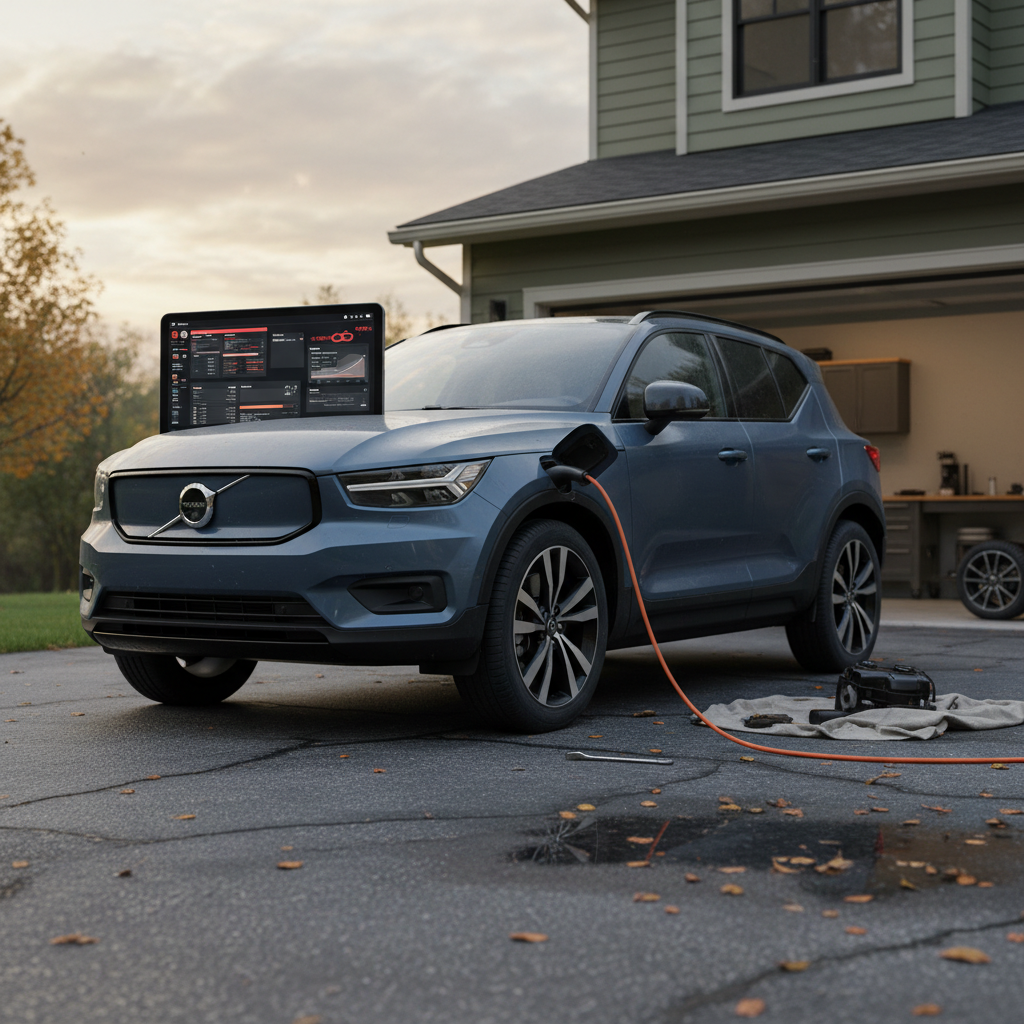
Battery health is the entire ballgame with a used plug-in hybrid. Unlike a regular hybrid, you bought this car for its **electric range**; if the pack is tired, you’re just dragging around a very heavy gas car.
How to judge a used PHEV’s battery
1. Know the original electric range
Look up the EPA electric‑only range for the exact year and model. That’s your baseline for what the car could do when it was new.
2. Compare to current real-world range
On a test drive, fully charge the car, reset the trip computer and drive a mixed route. If you only get half the rated electric range in mild weather, ask hard questions.
3. Understand the warranty window
Most plug-in hybrids have 8‑year battery warranties, sometimes longer in CARB states. A 2020 model in 2026 may still have meaningful coverage; a 2017 may not.
4. Don’t trust dashboard bars alone
Many cars only show a vague battery gauge. That’s better than nothing, but it’s not a health report, you need more data to make a big purchase decision.
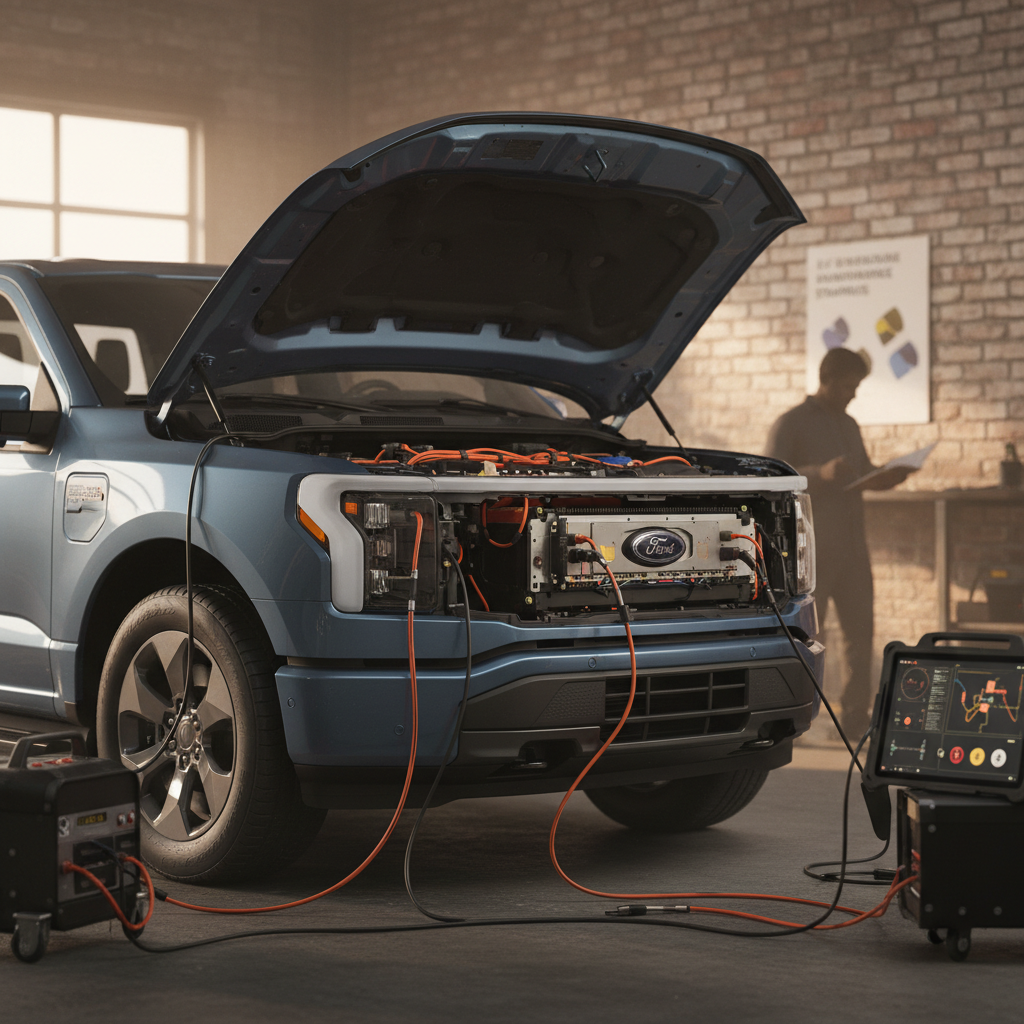
5. Ask for independent battery diagnostics
Tools like the <strong>Recharged Score</strong> pull pack-level data directly from the car to estimate state of health, giving you a clearer picture than the factory display.
Why Recharged leans so hard on battery data
What to pay: Pricing realities in 2026
Pricing on used plug-in hybrids has finally come down from the COVID bubble, but it’s still uneven. The same RAV4 Prime or Pacifica Hybrid can be priced thousands apart depending on region, mileage and how optimistic the seller is feeling.
How plug-in hybrids depreciate
- High original MSRP: Many PHEVs launched as premium trims, so they drop faster in the first 3–4 years than simpler gas versions.
- Battery anxiety discount: Some shoppers are still nervous about batteries, which can make a well‑documented car a bargain.
- Tax-credit hangover: Original buyers often had federal or state incentives; current used prices don’t directly reflect that, but it affects how some owners think about resale.
Smart ways to benchmark price
- Compare against similar non‑plug‑in trims; expect to pay more, but not irrationally more.
- Check multiple regions: some PHEVs are clustered in coastal states and command a premium there.
- Fold in fuel and maintenance savings over 5–7 years; a slightly higher purchase price may still pencil out.
How Recharged helps on price
Ready to find your next EV?
Browse VehiclesHow to inspect a used plug-in hybrid
Inspecting a used plug-in hybrid blends traditional used‑car common sense with a few EV‑specific checks. You don’t need to be an engineer, but you do need to be thorough.
Used PHEV inspection checklist
Verify charging equipment
Make sure the factory portable charger and, if included, any Level 2 equipment are present and functional. These can be pricey to replace.
Inspect the charge port and cable
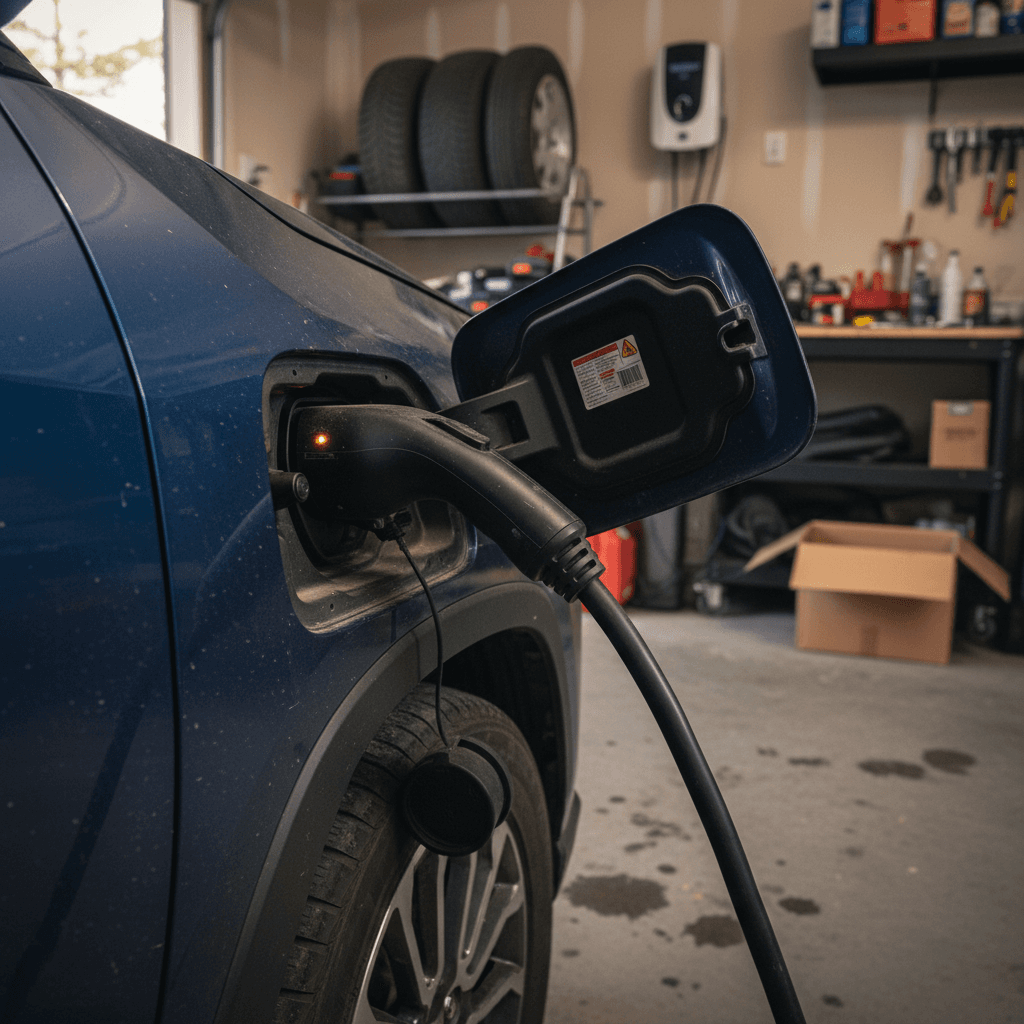
Look for bent pins, cracked housings, or evidence of overheating around the charge port and plug. They should click together firmly.
Scan for warning lights and codes
Any hybrid/EV system warning deserves real diagnosis, not a shrug. Have a shop or marketplace like Recharged pull diagnostic codes before you sign.
Check service and recall history
PHEVs often have software updates and specialized recall campaigns. Confirm they’re done, especially on early Pacifica Hybrids and Wrangler 4xe models.
Test both EV and hybrid modes
On a long test drive, start fully charged, run through EV mode, then keep driving as it switches to hybrid operation. Listen for odd noises or driveline shudders.
Look under the car
Battery packs are usually armored, but off-roaders and city beaters can take hits. Check for underbody damage near battery enclosures and cooling lines.
Don’t skip a specialist inspection
FAQ: Best used plug-in hybrids in 2026
Common questions about buying a used PHEV
Bottom line: Which used plug-in hybrid should you buy?
If you’re hunting for the **best used plug-in hybrid in 2026**, start by mapping your own life, not the brochure. Daily commute under 40 miles with access to home charging? A **Toyota RAV4 Prime**, **Prius Prime**, **Hyundai Tucson PHEV** or **Kia Niro PHEV** can turn most of your driving electric. Need space for three kids and a dog? The **Chrysler Pacifica Hybrid** or **Kia Sorento PHEV** deserve a hard look. Want to wheel in the woods without the V8 soundtrack? That’s **Jeep Wrangler 4xe** territory.
The common thread is this: buy the **cleanest, best-documented example you can**, insist on real battery data, and be honest about how often you’ll plug in. If you want a shortcut, start with a curated used PHEV from Recharged. You’ll see verified battery health via the Recharged Score, transparent pricing, and EV-savvy support from first search to delivery, so your new-to-you plug-in hybrid feels like a smart decision long after the novelty of the charging cable wears off.