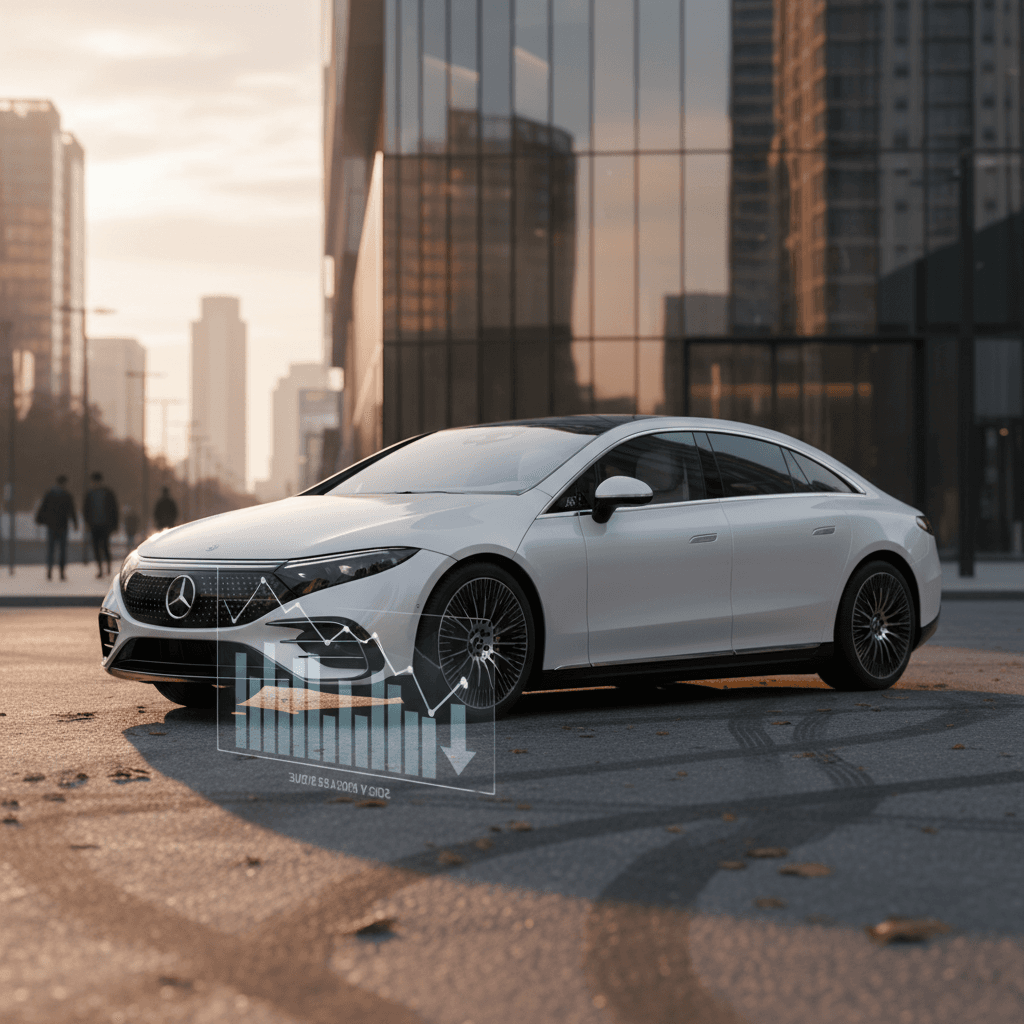
If you’re wondering how fast the Mercedes EQS depreciates, you’re not alone. Early buyers paid six figures for these flagship electric sedans and SUVs; a few short years later, many of those same cars are sitting on used lots for half the original sticker, or less. That sounds scary if you bought new, but as a used shopper, it can be an opportunity hiding in plain sight.
Quick Take
Overview: How Fast Does the Mercedes EQS Depreciate?
Let’s put real numbers to the question, “How fast does the Mercedes EQS depreciate?” Using current market data in early 2026, plus projections from resale guides and EV‑specific analysts, you can think of the EQS this way:
Mercedes EQS Depreciation Snapshot (Approximate, U.S. Market)
Individual results will vary by trim (450+, 580, AMG, sedan vs. SUV), mileage, options, and how heavily discounted the car was when new. But the broad story is consistent: the EQS falls hard, and it falls fast, especially compared with traditional S‑Class sedans and some rival EVs.
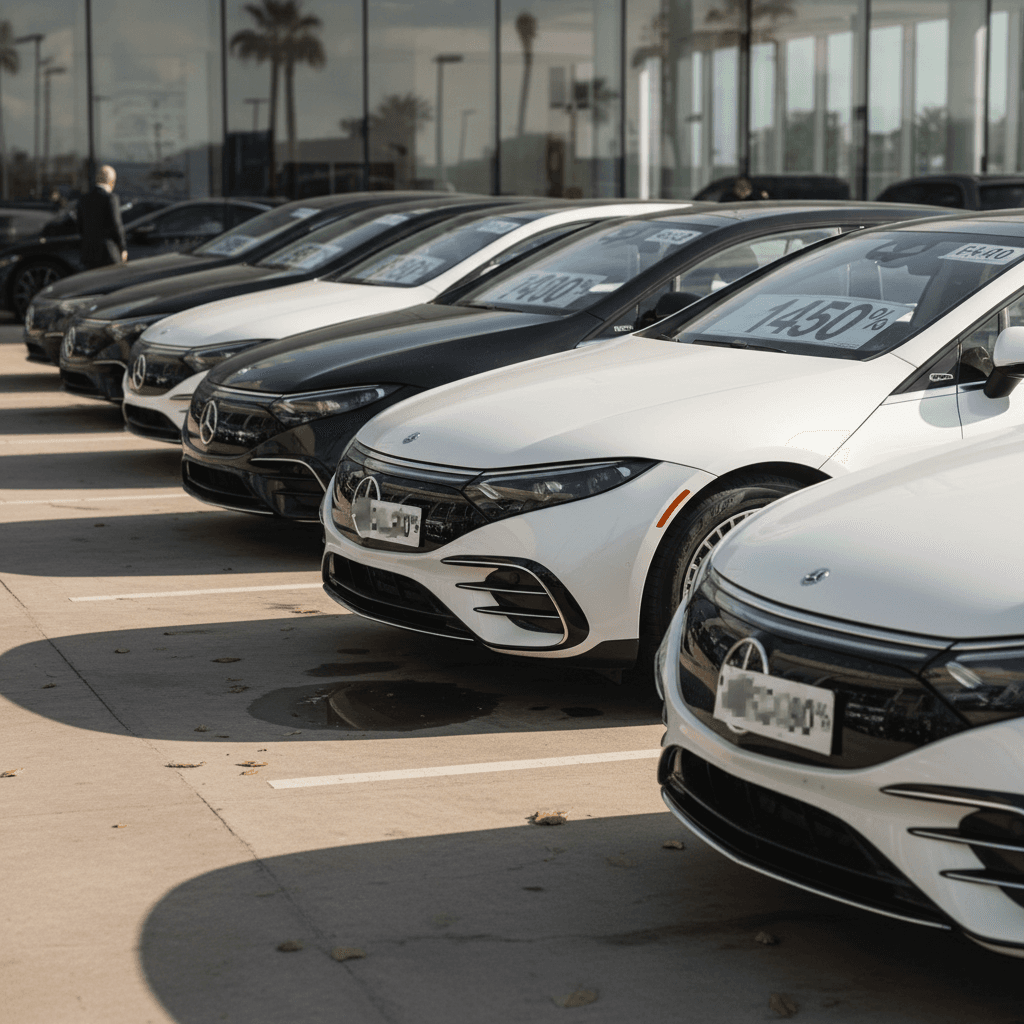
1-Year, 3-Year, and 5-Year EQS Depreciation at a Glance
To make this concrete, let’s walk through a simplified example based on a typical U.S. spec Mercedes‑EQ EQS 450+ sedan with an original MSRP around $105,000. These are ballpark numbers meant to orient you to the curve, not quotes for any specific VIN.
Illustrative Mercedes EQS Depreciation Curve
Approximate used market values for a well‑equipped EQS 450+ sedan that originally stickered around $105,000, assuming average mileage and condition in the U.S.
| Age | Odometer (approx.) | Typical Asking Price | Total Value Lost vs. MSRP | Percent Depreciation |
|---|---|---|---|---|
| 1 year old (MY 2025 in 2026) | 10,000–15,000 miles | $70,000–$80,000 | $25,000–$35,000 | ≈20–30% |
| 2 years old | 20,000–30,000 miles | $60,000–$68,000 | $37,000–$45,000 | ≈35–43% |
| 3 years old | 30,000–40,000 miles | $48,000–$60,000 | $45,000–$57,000 | ≈43–54% |
| 5 years old (projected) | 55,000–70,000 miles | $38,000–$45,000 | $60,000–$67,000 | ≈57–64% |
Actual values depend on trim, mileage, region, incentives, and whether the original buyer received big discounts when new.
MSRP vs. Reality
Why Does the Mercedes EQS Depreciate So Fast?
On paper, the EQS should hold its own: big Mercedes badge, lavish interior, cutting‑edge EV tech. In practice, it’s become a textbook example of how a mis‑timed, over‑priced luxury EV can get punished by the market. A few key forces are at work:
4 Big Reasons the EQS Falls So Hard in Value
It’s not just “because it’s an EV”, it’s the way this particular EV hit the market.
1. Very High Starting Prices
2. Aggressive Discounts and Lease Deals
3. Rapid EV Tech Turnover
4. Niche Styling and Mixed Reviews
Luxury EVs vs. Mainstream EVs
How EQS Depreciation Compares to Tesla Model S and Other Luxury EVs
The EQS isn’t the only luxury EV taking it on the chin, but it’s definitely on the front row. When you stack it up against direct competitors, a pattern emerges.
EQS vs. Tesla Model S
- 5‑year value loss: Both cars typically lose around 60% of original MSRP over five years.
- Market visibility: Tesla has more name recognition and a rabid fan base, which can help demand, until Tesla cuts new‑car prices and drags used prices down with them.
- Buyer confidence: The Supercharger network and long Tesla EV track record still matter to some used buyers, which can give the Model S a slight edge in resale momentum.
EQS vs. Other Luxury EVs
- Porsche Taycan: Also depreciates heavily, especially higher‑trim cars. Taycan buyers tend to be more performance‑driven, which can help demand for specific specs.
- BMW i7 / Audi e‑tron GT: These see big early drops too, but some versions started from slightly lower MSRPs, which softens the absolute dollar hit.
- Traditional S‑Class: Historically depreciates, but not as abruptly in the first 3 years as the EQS has in this unusual EV market cycle.
Read the Market, Not the Badge
What This Means If You Own or Lease an EQS
If you already own or lease an EQS, the numbers above can feel like a punch to the gut. But once you get past the shock, you can make level‑headed decisions about what to do next.
EQS Owners: Three Common Scenarios
Where you are in the ownership cycle should shape your strategy.
Almost Done With a Lease
You Bought New and Want Out
You’re Happy and Plan to Keep It
Watch for Negative Equity
Turning Bad Depreciation into a Great Used EQS Deal
Now flip the script. If you’re shopping in 2026 and you let someone else take the depreciation hit, the EQS suddenly looks very attractive. You’re getting a car that still feels every inch a modern flagship, whisper‑quiet, packed with tech, and effortlessly quick, for the price of a new mid‑trim crossover.
Smart Game Plan for Buying a Used EQS
1. Target 2–4‑Year‑Old Cars
This is the sweet spot where the EQS has already lost a huge chunk of value but is still young in EV terms. A 2022 or 2023 EQS in 2026 often costs roughly half of its original MSRP, with plenty of factory warranty left.
2. Compare Asking Price to Original Sticker
Look up the original MSRP (window sticker or online build tools) for the specific trim and options. It’s common to see 2022–2023 cars with original stickers around $115,000 listed in the high‑$40k to mid‑$50k range. That context helps you judge whether a deal is truly strong.
3. Prioritize Warranty Coverage
Make sure you understand what’s still covered, both the basic bumper‑to‑bumper warranty and the separate battery/EV component warranty. Buying inside the factory coverage window adds a big layer of protection on a complex flagship like the EQS.
4. Get Battery Health Verified
A healthy high‑voltage battery is the foundation of any used EV purchase. With Recharged, every car comes with a <strong>Recharged Score</strong> that measures real‑world battery health and range, so you know what you’re buying before you sign.
5. Check DC Fast‑Charging History
Frequent DC fast‑charging isn’t automatically a deal‑breaker, but a history of constant ultra‑fast sessions can age a pack faster. Ask for charging history if available, and look for cars whose owners mainly charged at home on Level 2.
6. Inspect Tech and Driver Assistance Features
On a car this digital, screen glitches, software bugs, and sensors matter just as much as leather and paint. Test the Hyperscreen, audio, driver‑assist features, and every switch and motor. Fixing tech gremlins out of warranty can get expensive.
Where Recharged Fits In
Ready to find your next EV?
Browse VehiclesUsed EQS Price Examples: What Real Cars Are Selling For
Exact numbers move around week to week, but current listing data and recent transaction reports paint a pretty consistent picture: early EQS sedans and SUVs are often selling for 40–60% below original MSRP by the time they’re three years old.
- Late‑model 2023 EQS 450+ sedans that originally stickered around $110,000–$120,000 frequently appear in the high‑$40k to mid‑$50k range with average mileage.
- Well‑equipped EQS 580 sedans and SUVs that pushed $130,000 new can sometimes be found in the $60k–$70k band after a couple of years on the road.
- High‑mileage or less‑desirable spec cars (unpopular colors, odd option mixes) can dip into the low‑$40k range surprisingly quickly, especially at auction or in slow retail markets.
Look Beyond the Asking Price
How Battery Health Affects EQS Resale Value
Here’s some good news: despite the doom‑and‑gloom on prices, there’s no evidence that EQS batteries are falling off a cliff. Like most modern EVs, you can expect gradual, single‑digit‑percent degradation over the first several years, assuming the car hasn’t been abused or overheated regularly.
Why Buyers Still Worry
- Battery replacement on a flagship EV is eye‑wateringly expensive, so shoppers fear the worst.
- Many used‑car listings don’t mention battery health at all, leaving buyers to guess.
- First‑time EV owners often overestimate how much range they actually need day‑to‑day.
How to De‑Risk Your Purchase
- Get a third‑party battery health report, not just a dashboard range estimate.
- Verify that any software updates related to the battery or charging have been applied.
- Test‑drive long enough to see realistic energy consumption on your typical routes.
The Recharged Score Advantage
7 Practical Tips to Protect Your EQS Value
If you already own an EQS, or plan to buy one used and keep it awhile, you can’t control the broader market, but you can absolutely influence how your specific car looks to the next buyer.
- Keep detailed service records, including EV‑specific maintenance and software updates. Buyers (and lenders) pay more for cars with a paper trail.
- Avoid obvious cosmetic damage. Wheels, bumpers, and interior trim are expensive to fix on a car like this; staying ahead of scuffs and curb rash pays off at trade‑in time.
- Charge primarily on Level 2 at home or work, and reserve DC fast‑charging for trips. It’s easier on the battery and often cheaper per kWh.
- Stay current on software. Ask your dealer about updates that improve range, charging behavior, or driver‑assist performance.
- Consider mileage. You don’t need to baby the car, but piling on 25,000 miles a year will push you into a smaller pool of buyers later.
- When you do sell, present your EQS like the flagship it is: clean, photographed well, with thoughtful listing details about options, battery care, and charging habits.
- If you’re financing, avoid overly long loan terms that leave you deeply underwater just as the depreciation curve flattens. Keep the payoff horizon reasonably close to the car’s real‑world value.
FAQ: Mercedes EQS Depreciation
Frequently Asked Questions About Mercedes EQS Depreciation
Bottom Line: Should EQS Depreciation Scare You Away?
The Mercedes EQS has become a poster child for fast‑falling luxury EVs. In the first five years, you’re likely looking at roughly 60% depreciation from MSRP, with the ugliest drops packed into the first 24–36 months. That’s painful if you bought new at full price, but for used shoppers, it’s an opportunity you don’t often see in the world of big‑badge luxury sedans and SUVs.
If you care about long‑term value and you’re EV‑curious, the smartest move is usually to let someone else buy new, then swoop in once the curve has bent. That’s exactly the gap Recharged is built to serve: carefully vetted used EVs, transparent battery‑health data, and pricing grounded in reality, not wishful thinking. If the EQS has been on your dream‑garage list, its rough depreciation story might be the very thing that finally makes it attainable.