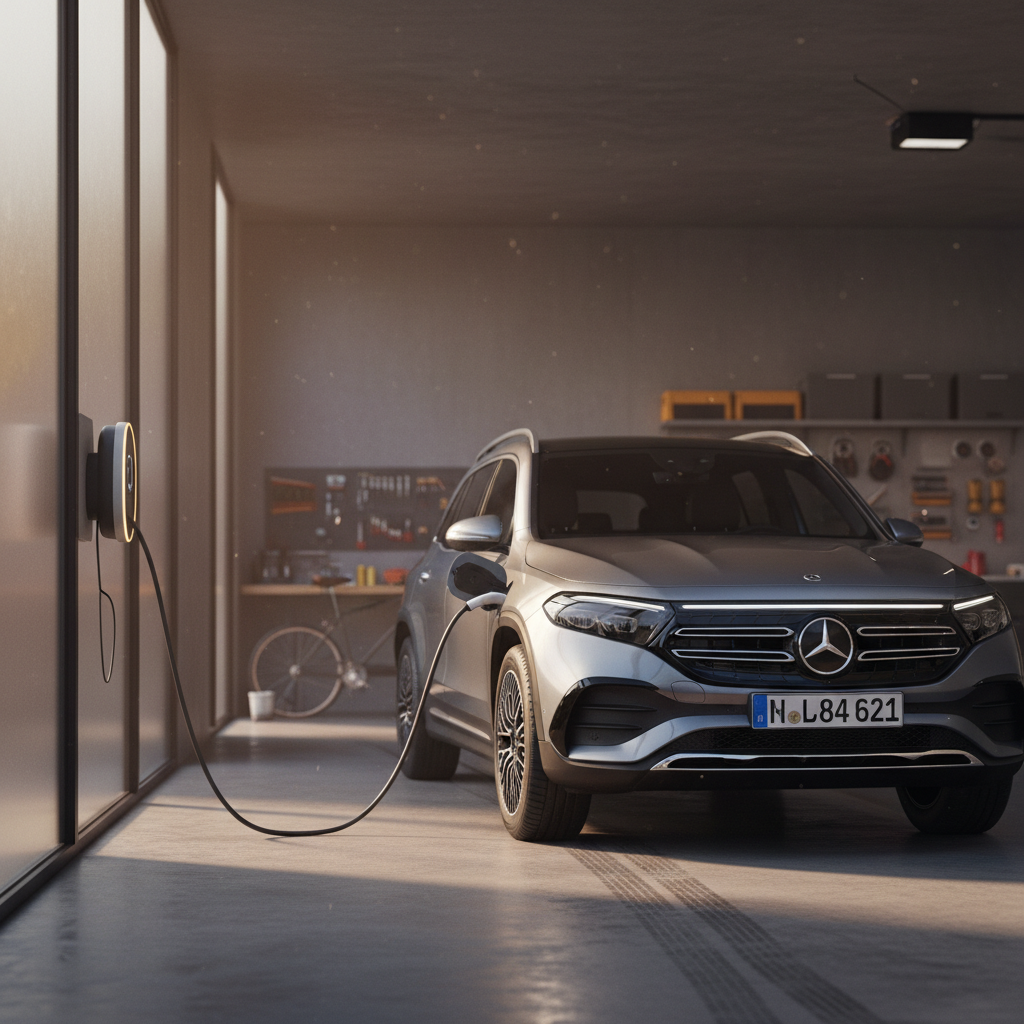
If you’ve shopped for an electric vehicle lately, you’ve probably heard scary numbers about battery replacement, often five figures. That’s why understanding EV battery insurance coverage isn’t just a fine-print exercise; it’s central to protecting your wallet. The good news is you have more protection than you might think, if you know where to look and how the pieces fit together.
Quick snapshot
Why EV battery insurance coverage matters now
EV batteries are engineered to last for years, but they’re also the single most expensive component in the vehicle. In 2025, a full pack replacement on a modern EV can easily run from around $8,000 to well over $20,000 installed, depending on pack size and vehicle segment. That’s enough to turn a minor ownership miscalculation into a major financial headache if you’re not protected.
EV battery costs and protection at a glance (2025)
The real risk
Who actually pays if your EV battery fails?
1. Normal aging and degradation
Over time and miles, all lithium‑ion batteries lose some capacity. Automakers expect this and build it into their EV battery warranty, usually with a capacity guarantee (often around 70%). If your battery drops below that threshold within the warranty period, the manufacturer typically repairs or replaces it at no cost to you.
2. Accidents, flooding, and fire
If your battery is damaged in a collision, flood, fire, vandalism, or other covered event, your auto insurance, specifically comprehensive and collision coverage, usually pays, minus your deductible. In severe cases, the insurer may total the car instead of replacing the pack.
3. Out‑of‑warranty failures
Once your factory warranty expires, failures that aren’t tied to an accident are generally your responsibility, unless you’ve purchased a well‑written extended warranty or service contract that explicitly covers the traction battery.
4. Financial shortfalls
If a big loss (like a totalled EV) leaves you owing more on your loan than the car is worth, gap insurance can help bridge that gap. It doesn’t fix your battery, but it can keep a battery‑related total loss from turning into a lingering loan balance.
What an EV battery really costs to replace
To understand why coverage matters, you need a realistic sense of EV battery pricing. Across mainstream EVs in 2025, a full high‑voltage battery replacement typically falls somewhere between $8,000 and $20,000 installed, depending on the vehicle and whether you use an OEM pack or reputable third‑party parts. Compact EVs with smaller packs sit near the low end; large luxury SUVs and trucks are on the high end.
Typical 2025 EV battery replacement ranges
Illustrative U.S. replacement ranges combining parts and labor. Real quotes vary by model, location, and parts availability.
| Vehicle segment | Typical pack size | Typical replacement range | Examples |
|---|---|---|---|
| Compact EVs | 40–60 kWh | $5,000–$8,000 | Early Nissan Leaf, BMW i3, city hatchbacks |
| Mainstream sedans & crossovers | 60–80 kWh | $8,000–$15,000 | Tesla Model 3/Y, Hyundai Ioniq 5, Chevy Bolt |
| Luxury EVs & SUVs | 90–110 kWh | $12,000–$20,000+ | Tesla Model S/X, Audi e‑tron, BMW iX |
| Electric trucks | 110–130+ kWh | $15,000–$25,000+ | Ford F‑150 Lightning, Rivian R1T/R1S |
These ranges help explain why it’s so important to know what coverage protects your particular EV battery.
Sticker shock vs. real‑world odds
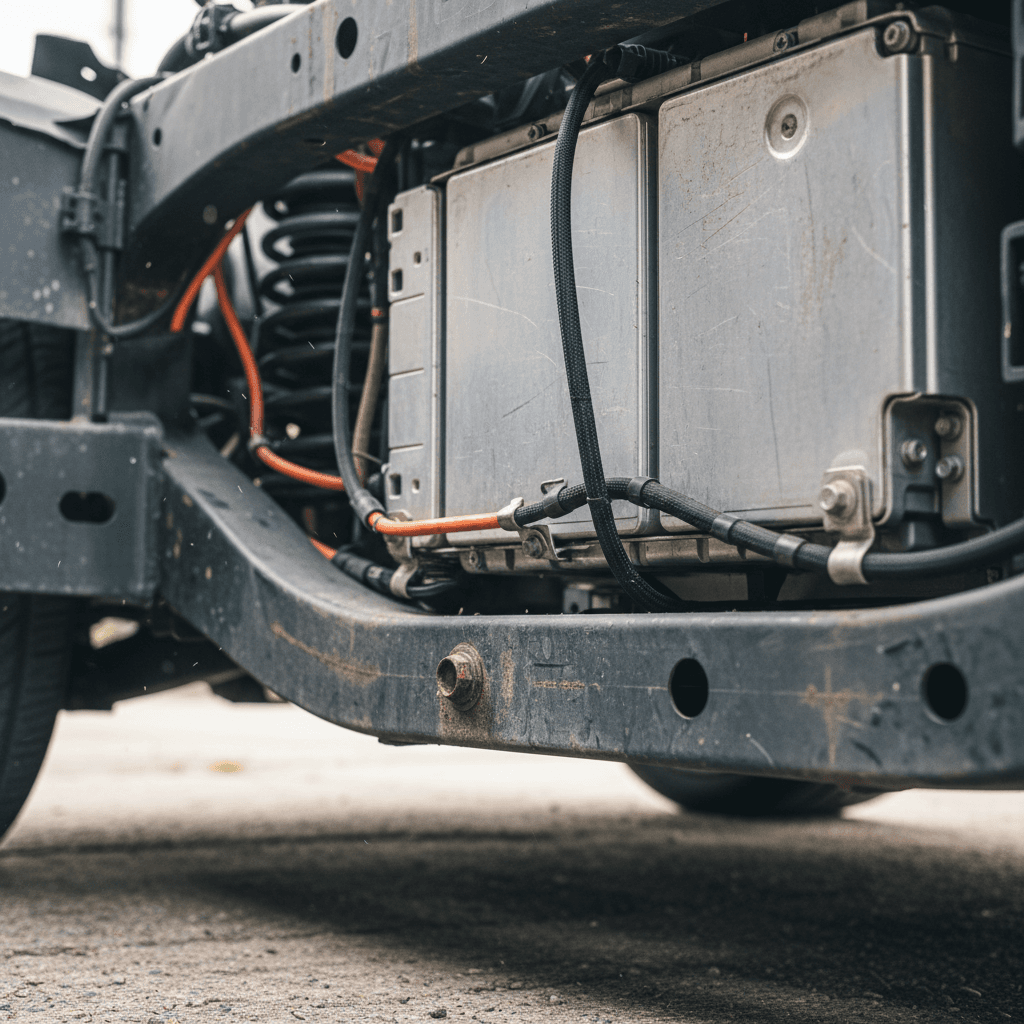
Factory EV battery warranties: your first line of defense
Before you think about specialized EV battery insurance, look closely at the warranty that came with the car. High‑voltage battery coverage is one of the strongest promises automakers make on an EV, and it often protects you longer than the basic bumper‑to‑bumper warranty.
Typical EV battery warranty terms
Exact details vary by brand, but most follow this pattern in the U.S.
Time & mileage
Most EVs carry 8‑year battery coverage, commonly paired with 100,000–150,000 miles, whichever comes first.
Capacity guarantee
Many warranties promise the pack will retain at least around 70% usable capacity within the warranty period, or the manufacturer will repair or replace it.
Fine print matters
Coverage usually excludes normal wear beyond the stated threshold and may list conditions such as using approved charging equipment or following recommended service intervals.
Check this first
- Review the battery warranty booklet or PDF, not just the general owner’s manual.
- Look for the years, mileage limit, and capacity percentage (often 70%).
- Note special exclusions (commercial use, extreme modifications, salvage titles).
- Confirm whether transfer to a second owner is automatic or requires paperwork.
How auto insurance treats EV batteries
Contrary to some online chatter, you rarely need a separate “EV battery policy.” In the U.S., the traction battery is usually treated as just another part of the car for insurance purposes. What matters is which coverage type applies to the event that damaged it.
Which parts of your policy can protect the battery?
1. Collision coverage
If you hit another car, a wall, or a pole and your battery is damaged, collision coverage typically pays for repair or replacement of the battery (or the whole car if it’s totaled), minus your deductible.
2. Comprehensive coverage
If your EV is damaged by flood, fire, falling objects, vandalism, or theft, comprehensive coverage usually steps in. Water intrusion into the battery pack or fire damage is handled here, subject to the insurer’s repair vs. total‑loss decision.
3. Liability coverage
Liability pays for damage you cause to others, not your own car. It <strong>won’t</strong> repair your own battery if you’re at fault and carry no collision or comprehensive coverage.
4. Personal injury and medical coverages
These protect people, not parts. They don’t repair or replace an EV battery.
Yes, a totaled EV can still be a win
Where EVs differ from gas cars is in claim size and repair strategy. Replacing a pack for $15,000+ can tilt an otherwise repairable car into total‑loss territory. Some insurers are still refining their EV repair policies, so it’s wise to ask your agent specific questions about how they handle battery damage, OEM vs. refurbished packs, and total loss thresholds.
Extended warranties, service contracts, and battery coverage
Once the factory battery warranty expires, or if you’re buying a used EV that’s close to the limit, many owners start eyeing extended warranties or service contracts advertised as EV‑friendly. Some are excellent; some are expensive ways to cover relatively low risk. The key is to read the contract as if you expect a battery claim to happen tomorrow.
What to look for in extended EV battery coverage
Judge every contract by how it treats the high‑voltage pack.
Clear inclusion of the traction battery
The contract should explicitly list the high‑voltage battery or “traction battery pack” as a covered component. Vague phrases like “all major electrical components” are not good enough.
Exclusions and capacity limits
Some plans exclude degradation, only covering complete failures. Others may mirror the OEM’s 70% capacity standard. Make sure you know whether gradual range loss is covered, or not.
Repair vs. replacement
Ask whether the administrator can authorize a full pack replacement or only limited repairs, and whether they use OEM, remanufactured, or refurbished packs.
Limits, deductibles, and transferability
Look at the maximum payout per claim, deductible, and whether coverage is transferable if you sell the car, important for resale value on a used EV.
Don’t assume you’re covered
Where gap insurance fits into EV battery risk
Gap insurance doesn’t repair batteries, but it can protect your finances from EV‑specific dynamics. Because EVs are often more expensive up front and can depreciate quickly in the early years, it’s easier to end up “upside down” on a loan, owing more than the vehicle is worth.
How gap insurance works
If your EV is totaled or stolen and the insurer pays less than your outstanding loan or lease balance, gap coverage kicks in to cover some or all of that difference. That’s especially valuable on an EV that’s only a few years old.
Why EV owners should consider it
Given high battery values, a moderate accident that damages the pack can quickly turn into a total loss. If you put little money down or financed over a long term, gap coverage can prevent a battery‑driven total loss from turning into a long‑lasting loan problem.
Pair gap with smart financing
Used EVs: coverage, risk, and how to protect yourself
For used EV buyers, the stakes around EV battery insurance coverage are highest. You may be inheriting a pack that’s partway through its warranty period, or one that’s already beyond it. On top of that, you can’t easily “see” battery wear the way you might spot a smoky exhaust on a gas car.
Key battery questions when buying a used EV
These matter more than any generic promise about “great battery life.”
Warranty time left
How many years and miles remain on the factory battery warranty? That’s your first and best layer of protection.
Current battery health
What’s the pack’s state of health (SOH) today? Tools like the Recharged Score use diagnostic data to quantify it so you aren’t guessing.
Usage history
Has the EV been fast‑charged constantly, stored in extreme heat, or used commercially? That history can influence long‑term degradation.
How Recharged reduces battery guesswork
Protection checklist for used EV buyers
1. Get a battery health report
Insist on objective data about capacity and degradation, not just a screenshot of the dash. A diagnostic‑based report like the Recharged Score can reveal how the pack is really performing.
2. Confirm remaining warranty
Ask to see documentation showing the in‑service date and mileage so you can verify how much factory battery coverage remains, and when it expires.
3. Review the title and claim history
Salvage or flood titles and past total‑loss claims can void factory warranties and complicate future battery coverage, even if the car was repaired.
4. Price out worst‑case scenarios
Get a rough sense of what a replacement pack would cost for that model. Then decide whether extended coverage or higher comprehensive/collision limits make sense.
5. Align coverage with holding period
If you plan to keep the EV well past battery‑warranty expiration, stronger service contracts or a lower purchase price become more important than if you’ll sell sooner.
How to check what coverage your EV battery has today
Whether you already own an EV or you’re eyeing a used one, it pays to map out your protection before anything goes wrong. Here’s a straightforward way to audit your coverage in under an hour.
5‑step EV battery coverage audit
1. Pull the factory warranty details
Locate your warranty booklet or log into the manufacturer’s owner portal. Note the <strong>battery warranty term, mileage limit, and capacity guarantee</strong> in writing.
2. Verify the in‑service date
The clock starts when the car was first sold or leased, not when you bought it used. A dealer invoice, Carfax‑style report, or digital service history can confirm this.
3. Read your auto insurance declarations page
Check that you carry comprehensive and collision coverage and look for any EV‑specific endorsements. Call your agent and ask specifically how they handle <strong>traction battery damage</strong>.
4. Review any extended coverage you’ve bought
If you have a service contract, find the section that lists covered components and exclusions. Make sure the high‑voltage battery is clearly named and that payout limits are realistic.
5. Fill the gaps, intentionally
If you discover big holes, like no collision coverage on a newer EV, or a soon‑to‑expire battery warranty, decide whether to adjust your insurance, add gap coverage, negotiate a lower price, or switch to a vehicle with better documented battery health.
EV battery insurance coverage: FAQ
Common questions about EV battery coverage
Bottom line: building a smart EV battery protection plan
A modern EV battery is designed to last, but it’s also the biggest line item in any worst‑case repair bill. Instead of chasing a magic “EV battery insurance” product, think in layers: a strong factory battery warranty, the right mix of comprehensive and collision coverage, optional gap protection if you’re heavily financed, and, especially for used EVs, objective data on battery health and fair pricing.
If you’re shopping used, working with a retailer that understands EVs can dramatically reduce your risk. At Recharged, every vehicle comes with a Recharged Score Report that verifies battery health, along with transparent pricing, financing options, and EV‑specialist support from start to finish. Combine that kind of insight with the coverage audit in this guide, and you’ll be well positioned to enjoy the benefits of electric driving without losing sleep over what’s happening inside your battery pack.