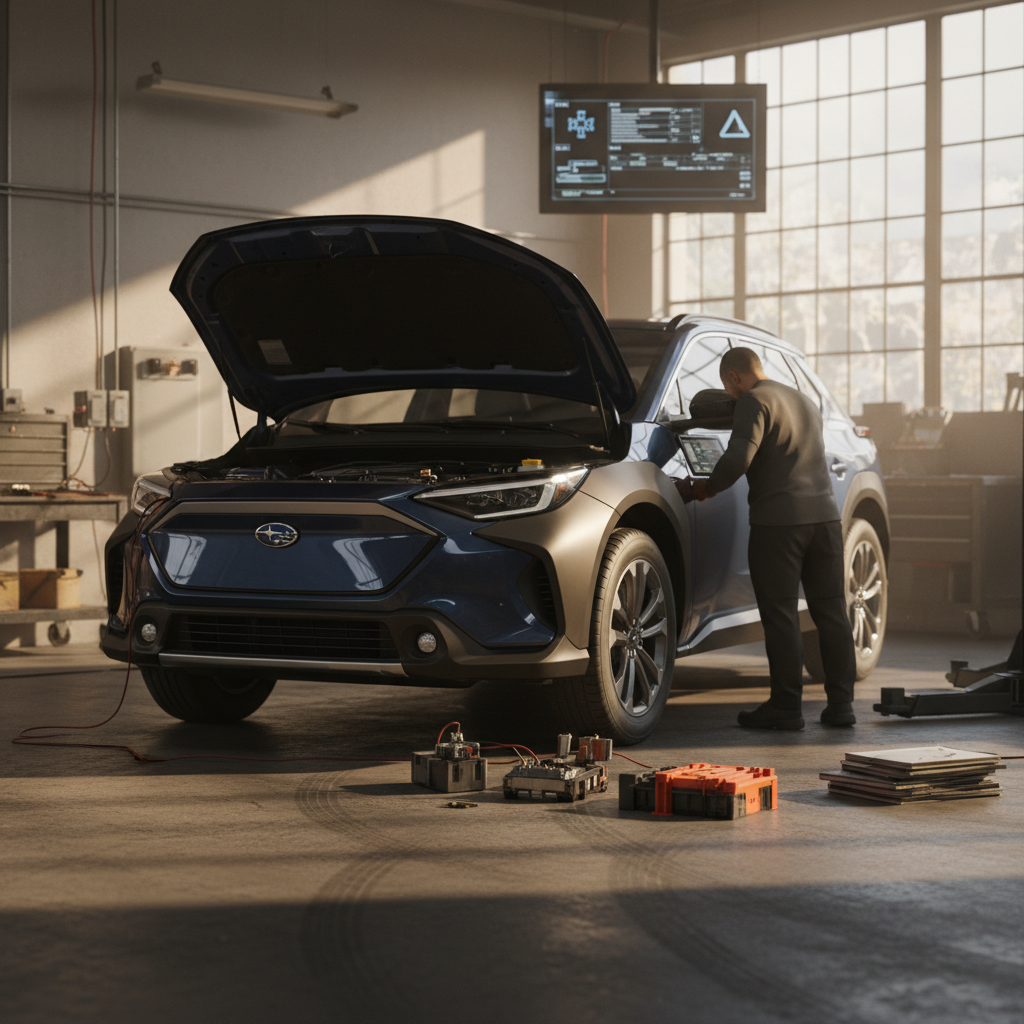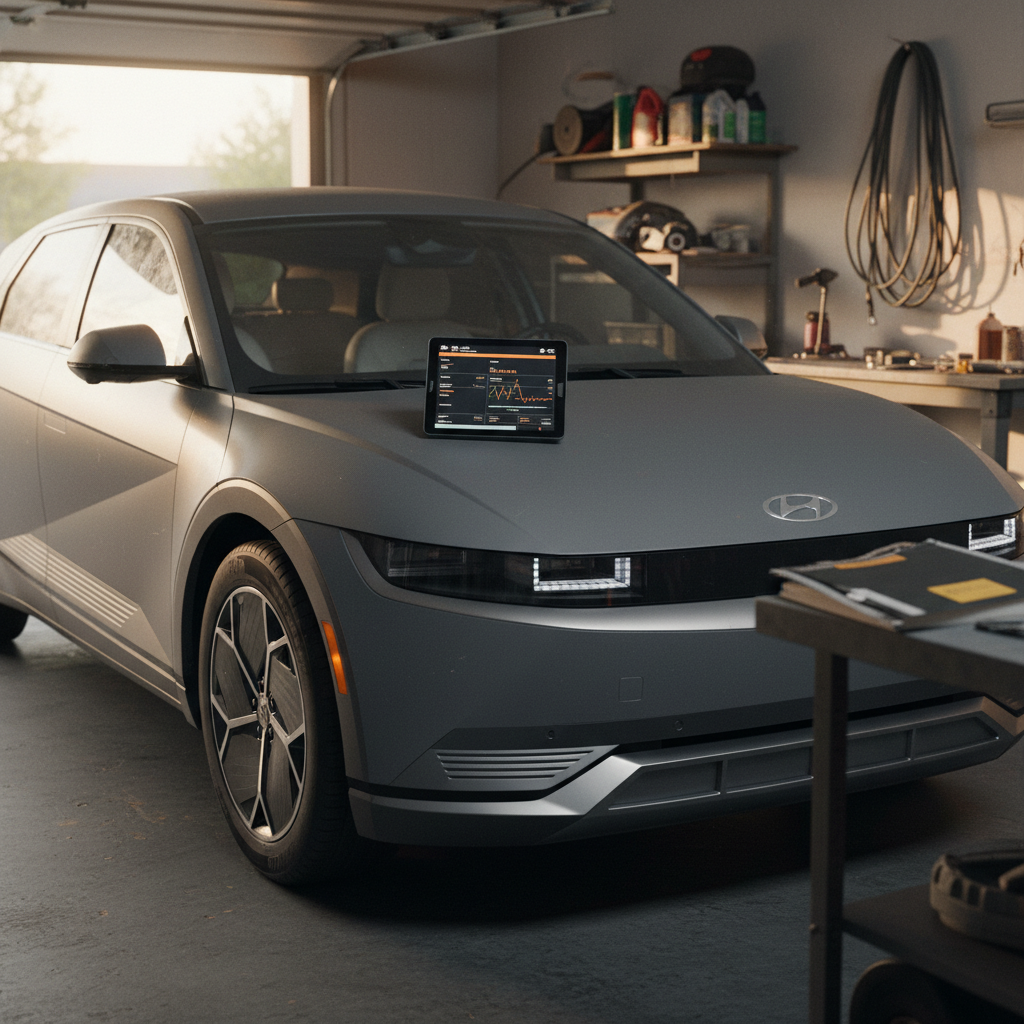
If you’re Googling “electric vehicle batteries for sale”, you’re probably staring down an aging EV, a scary dashboard warning, or a tempting deal on a bare battery pack. Before you spend five figures on a box of lithium, it pays to understand how the EV battery market really works in 2025, and when it’s smarter to buy a well‑vetted used EV instead of a standalone battery.
Quick reality check
Why people are searching “electric vehicle batteries for sale”
Underneath the search term “electric vehicle batteries for sale” you’ll usually find one of three real‑world situations:
- You already own an EV whose range has dropped and you’re pricing out a replacement pack.
- You found a cheap EV with a “bad battery” and you’re wondering if you can rescue it with a new pack.
- You’re not buying a car at all, you want used EV battery modules for a DIY solar or backup power project.
Those are very different use cases, and the market doesn’t treat them the same. Traction batteries for road‑worthy cars sit in a tightly controlled ecosystem, automakers, authorized service centers, and a handful of serious refurbishers. Second‑life and DIY packs live in a parallel universe with lower standards, lower stakes, and sometimes lower scruples.
Driving vs. everything else
How much do EV batteries cost in 2025?
2025 EV battery replacement snapshot
In 2025, full traction battery replacement typically runs in the $5,000–$20,000+ range once you factor in the pack and labor. Compact EVs with smaller packs (think early Nissan Leaf or Mini‑sized cars) sit at the lower end, while long‑range luxury models and electric trucks live at the top.
Typical 2025 EV battery replacement ranges
Approximate out‑of‑warranty pricing based on 2024–2025 market data and common pack sizes. Labor is usually an additional $1,000–$3,000.
| Vehicle category (examples) | Typical pack size | Approx. pack cost | Notes |
|---|---|---|---|
| Compact EV (Nissan Leaf, Mini SE) | 30–60 kWh | $5,000–$8,000 | Smaller packs, shorter range; among the least expensive to replace. |
| Mid‑size sedan/SUV (Tesla Model 3/Y, Hyundai Ioniq 5) | 60–80 kWh | $8,000–$15,000 | Most popular class; cost depends heavily on chemistry and brand. |
| Luxury long‑range (Tesla Model S/X, BMW iX) | 90–110 kWh | $12,000–$20,000+ | High‑range packs with premium pricing from OEMs. |
| Electric pickups (F‑150 Lightning, Rivian R1T) | 100–130+ kWh | $15,000–$25,000+ | Huge packs; still early in the cost‑curve story. |
These are broad ranges, not quotes. Always price your exact year, trim, and pack size.
Labor matters too
OEM vs used and refurbished EV battery packs
OEM replacement packs
- Who sells them: The original manufacturer or its dealer network.
- Pros: Correct pack, latest revision, software fully supported, strong warranty.
- Cons: Highest price, sometimes more than the car is worth, limited availability on older or rare models.
- Best for: Newer high‑value EVs still under or just out of warranty.
Used & refurbished packs
- Who sells them: Specialized rebuilders, salvage operations, a few brave dealers.
- Pros: Can be 30–50% cheaper than brand‑new OEM, keeps older EVs on the road.
- Cons: Quality varies wildly, pack history is often incomplete, warranties are shorter and more conditional.
- Best for: Older EVs whose full OEM pack price would exceed current vehicle value.
If you’re looking at electric vehicle batteries for sale with the intention of reviving a tired EV, the central question is value: what will your car be worth with a fresh battery, versus the total bill to get there? For a 10‑year‑old Leaf or first‑gen Bolt, a premium OEM pack can easily equal or exceed the car’s resale value. That’s why you see so many of these cars parted out instead of resurrected.
Think in “car value,” not “battery price”
Where electric vehicle batteries are actually sold
Three main channels for EV traction batteries
Who you buy from matters as much as what you buy.
Automakers & dealers
OEM parts departments can order full packs or modules for many models.
- Best for newer, higher‑value EVs.
- Pricing is consistent but rarely cheap.
- Integration and software support are straightforward.
Specialized battery rebuilders
Dedicated EV battery shops test, repair, and rebuild packs.
- Often offer refurbished or upgraded packs.
- Provide capacity reports and limited warranties.
- Usually require professional installation.
Salvage & second‑life suppliers
Yards and recyclers sell used packs and modules from totaled EVs.
- Cheapest source of cells per kWh.
- History is murky; condition varies.
- Often aimed at stationary storage, not road use.
Mainstream parts retailers and big‑box auto stores are still largely absent from the full traction battery market. You might see 12‑volt auxiliary batteries and portable power stations on the shelf, but the giant skateboard‑style pack under your EV is a different animal, heavy, high‑voltage, and tightly integrated with the car’s software and cooling systems.

Red flags when shopping EV batteries for sale online
Search “electric vehicle batteries for sale” and you’ll get a grab‑bag: legitimate refurbishers, scrapyards, and more than a few sketchy listings. When five‑figure components meet anonymous marketplaces, caution is not optional.
High‑risk signs to watch for
No verified capacity report
Any serious seller should provide a recent state‑of‑health (SoH) test or capacity report for the pack or modules, not just “low miles” or “pulled from running car.”
Vague or missing VIN and history
If the seller won’t share the donor vehicle’s VIN, model year, mileage, and reason for removal, assume the worst. Flood damage and severe crashes are common pack killers.
“As‑is, no warranty” on a major pack
Short, clearly defined warranties are reasonable. No warranty at all on a high‑voltage traction pack is a big red flag, especially if you’re planning to drive on it.
DIY‑only, no installer network
If the only plan is “bolt it in yourself,” consider the safety implications. High‑voltage work belongs in the hands of trained technicians with the proper equipment.
Price that’s too good to be plausible
If a pack is listed at half of the realistic market price, there’s usually a story behind it, and it rarely has a happy ending.
High‑voltage is not a hobby
Second‑life batteries: energy storage, not driving
As EVs age, more battery packs are stepping off the road and into a second career as stationary energy storage. Even when a pack has lost 30–40% of its original capacity, enough to make it feel tired in a car, it can still be excellent as the heart of a home battery system or microgrid.
Common second‑life uses for EV batteries
Where “too tired for driving” still means “perfectly useful.”
Home solar storage
Commercial microgrids
Off‑grid & backup systems
Why second‑life packs are cheaper
Battery health first: why buying a used EV can beat buying a battery
Here’s the twist the classifieds don’t show you: in many cases, buying a carefully vetted used EV is cheaper and simpler than buying a loose battery pack and trying to play Frankenstein. You’re not just getting cells; you’re getting an engineered system with thermal management, software, and a warranty.
Path A: Buy a bare battery
- Spend $8,000–$15,000 on a pack of uncertain history.
- Hire a specialist to install and program it.
- Still own an old car with old everything else, chargers, contactors, cooling system.
- Resale value limited by age, branding, and buyer anxiety.
Path B: Buy a properly vetted used EV
- Let someone else handle integration, safety, and software updates.
- Get a whole vehicle with a documented state‑of‑health report.
- Finance the purchase like any other car instead of writing a giant parts check.
- Enjoy warranty coverage from a reputable retailer instead of a line in a classifieds ad.
Where Recharged fits in
Ready to find your next EV?
Browse VehiclesHow Recharged evaluates EV batteries before sale
Battery health is the beating heart of a used EV. At Recharged, we treat it that way. Before any car ever hits our digital showroom or our Experience Center in Richmond, VA, its pack goes through a structured diagnostic process.
Inside the Recharged Score battery assessment
1. Data‑driven state‑of‑health scan
We use specialized diagnostics to read usable capacity, charge history, and error codes, not just what the dash display happens to show on a good day.
2. Thermal and charging behavior review
We look at how the pack warms and cools, how it behaves during DC fast charging, and whether anything suggests cell imbalances or cooling issues.
3. Visual and structural inspection
Technicians inspect pack housings, high‑voltage cabling, and mounting points for damage, corrosion, or evidence of impact or flood exposure.
4. Range and performance sanity checks
We drive the car and compare real‑world consumption and indicated range against what we’d expect for that model, year, and pack size.
5. Transparent reporting to the buyer
Findings are summarized in the <strong>Recharged Score</strong>, so you see battery health, not just paint color and wheel size, before you commit.
Ask any seller for their version of this
Checklist before you commit to a battery (or a car)
Whether you’re tempted by a cheap EV with a dead battery or you’re simply worried about your current car, a structured checklist will keep you out of trouble, and may steer you toward a smarter path like trading into a healthier used EV.
Your pre‑purchase EV battery decision checklist
Confirm your true problem
Is your issue really battery degradation, or could it be a bad sensor, DC‑DC converter, or cooling component? Get a professional diagnosis before you price packs.
Get at least two written quotes
If a replacement makes sense, price OEM and at least one reputable rebuilder. Include labor, programming, and any shipping or core charges.
Compare total spend to vehicle value
Look up the retail value of your EV with a healthy battery. If the battery job is more than half that number, it’s time to consider selling or trading instead.
Price out comparable used EVs
Browse used EVs with documented battery health, ideally with a report like the Recharged Score. You may find that for only slightly more money, you can move into a newer, healthier car.
Check financing and trade‑in options
A $10,000 battery bill is a cash event. Trading into a used EV through a retailer like Recharged lets you <strong>finance the whole vehicle</strong> and roll in a trade instead.
Think about your timeline
If you need a car next week, waiting for a rare battery pack to ship and be installed may not cut it. Buying a ready‑to‑drive used EV is often faster.
FAQ: electric vehicle batteries for sale
Frequently asked questions about EV batteries for sale
The bottom line on electric vehicle batteries for sale
Electric vehicle batteries for sale sit at an awkward intersection of high stakes and low information. The packs are expensive, the failure rates are low, and the wrong purchase can leave you with a dangerous science project instead of reliable transportation. In 2025, the smartest move for most drivers isn’t hunting down a bargain battery, it’s choosing the right used EV with a proven pack and transparent health data.
If your current EV truly needs a pack, get real quotes and compare them to the value of simply moving on. And if you’re EV‑curious but battery‑nervous, skip the anonymous listings. Shop used EVs that come with verified diagnostics, fair market pricing, and human help from people who live and breathe this technology, exactly what Recharged was built to provide.