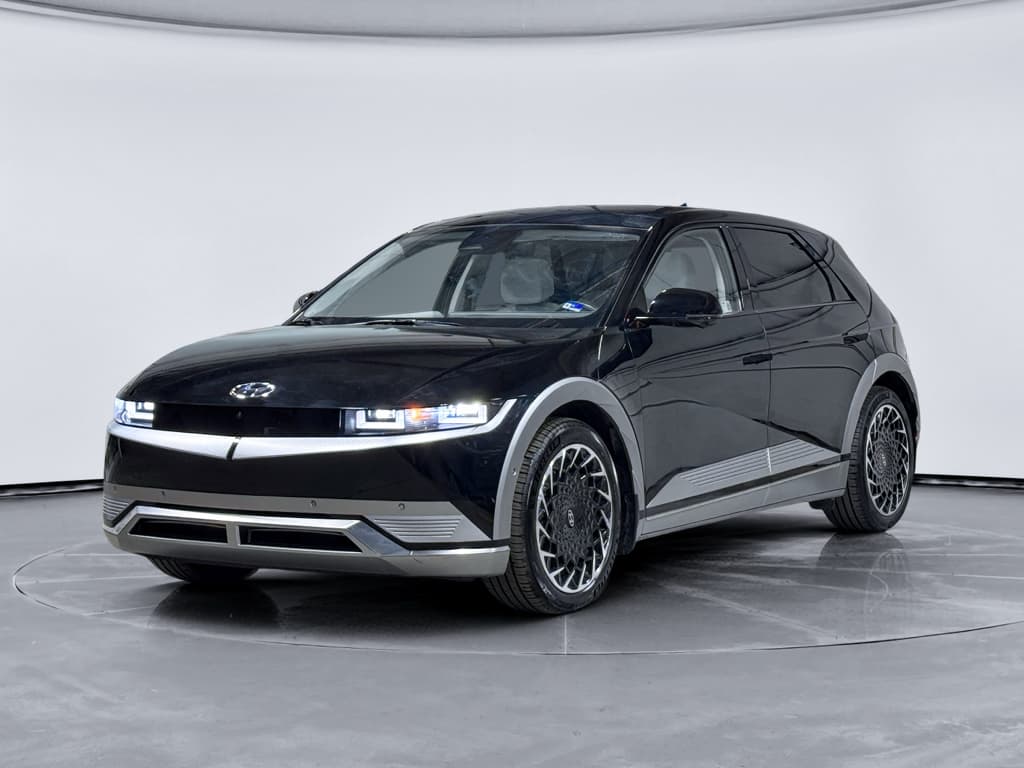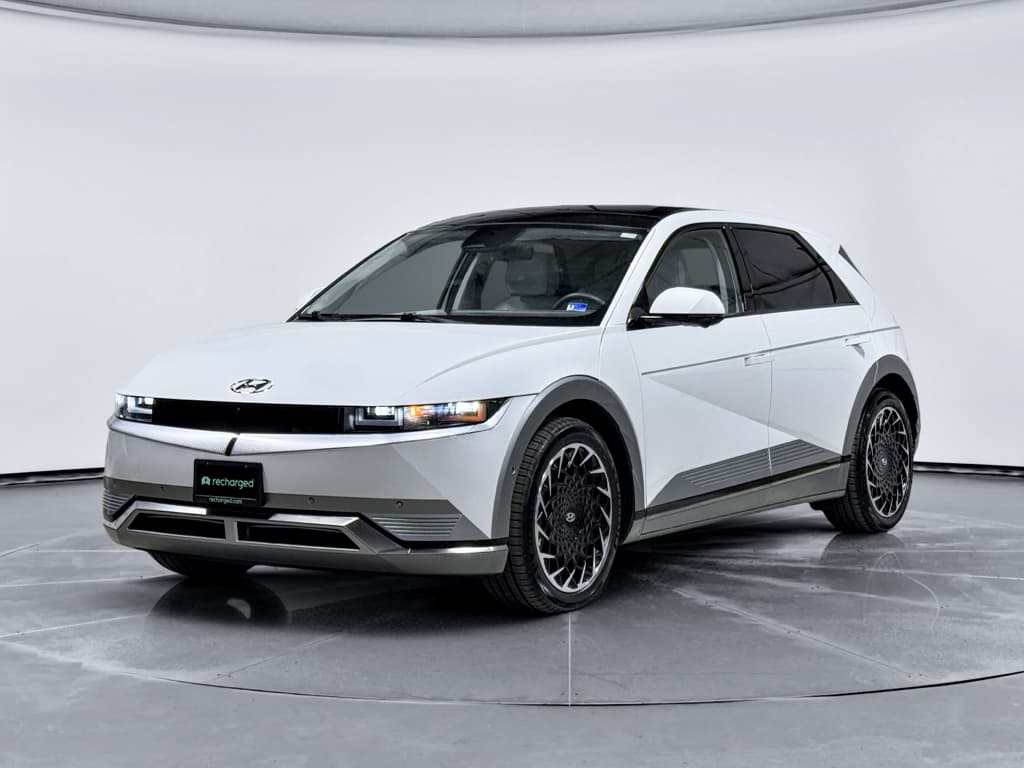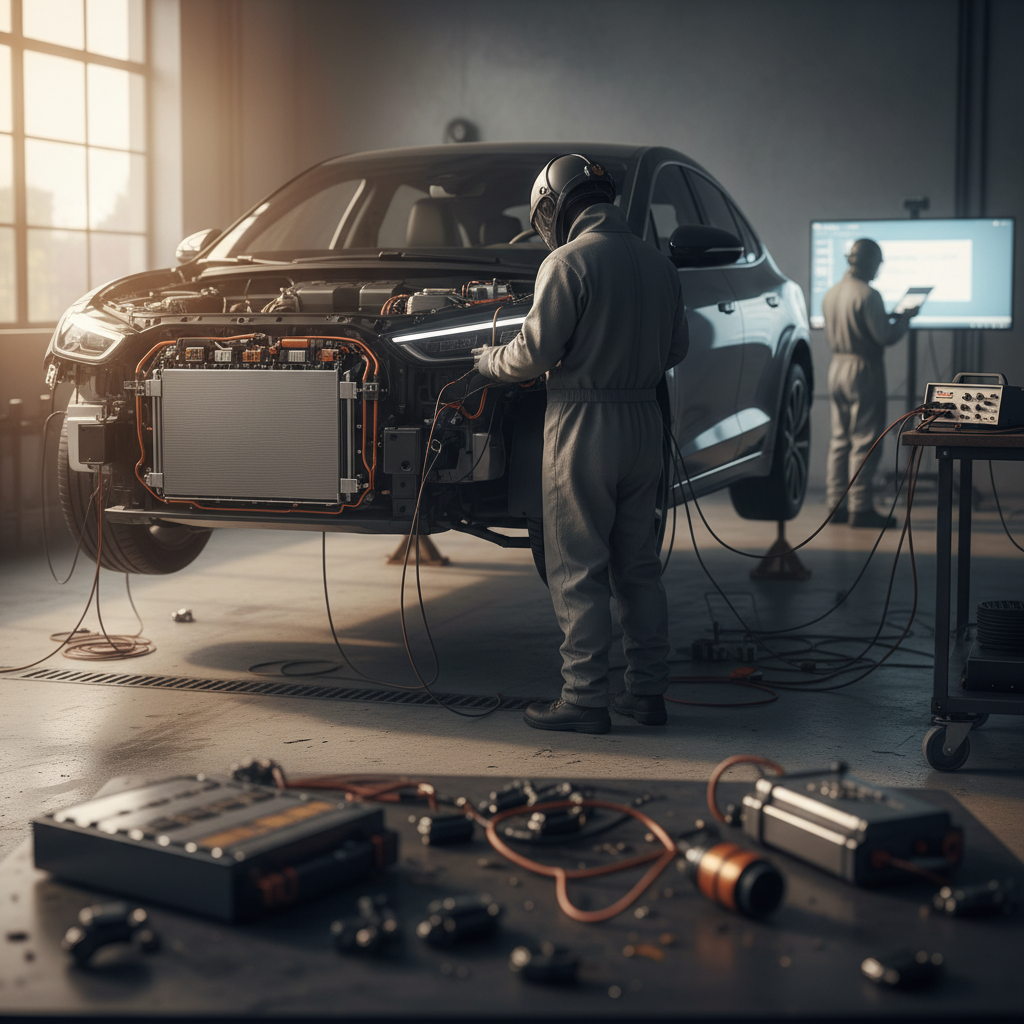
If you’re looking at a used 2022 Hyundai Ioniq 5, you’re not alone. Early Ioniq 5s helped put Hyundai’s E‑GMP platform on the map, bold styling, fast charging, and a roomy cabin. But the first model year also brought some well-documented headaches. This guide breaks down the most common 2022 Hyundai Ioniq 5 problems and fixes, how recent recalls changed the picture, and exactly what to check before you sign anything.
Big picture
2022 Hyundai Ioniq 5 reliability at a glance
How the 2022 Ioniq 5 is holding up
Reliability stories on the 2022 Ioniq 5 tend to split into two camps: owners who have had almost no problems, and those who’ve dealt with repeat 12‑volt battery or charging issues. That pattern points to specific components and software, not a fundamentally bad platform. Your goal, as a used buyer, is to separate the cars that have been properly updated and repaired from those that haven’t.
Biggest 2022 Ioniq 5 problems owners report
Most common 2022 Ioniq 5 problem categories
What owners and shops see most often on early Ioniq 5s
1. ICCU & 12V battery failures
The Integrated Charging Control Unit (ICCU) can fail or overheat, blowing a fuse and starving the 12‑volt system. Symptoms range from dead 12V batteries to complete loss of motive power and a no‑start condition.
2. Charging & power loss issues
Some 2022s experience slow or failed DC fast charging, charge interruptions, or reduced power warnings. In many cases, these trace back to the same ICCU/12V behavior or outdated software.
3. Brakes, suspension & NVH
Owner reports include parking brake roll‑back on inclines, occasional clunks from the suspension, and wind or road noise concerns, annoying but usually fixable with adjustment or parts replacement.
4. Software & infotainment glitches
Freezing infotainment screens, intermittent backup cameras, and hiccups in driver‑assist features crop up on some 2022s, typically resolved by software updates or module replacements under warranty.
Early-build 2022s need extra scrutiny
ICCU and 12V battery failures: causes and fixes
The single biggest reliability story on 2022 Ioniq 5s centers on the ICCU (Integrated Charging Control Unit) and the conventional 12‑volt battery it supports. When the ICCU misbehaves, it can stop properly charging the 12‑volt system. That relatively small battery is what wakes up the car’s computers and closes the high‑voltage contactors, so when it dies, the car is effectively bricked, even if the main traction pack is full.
- Dead Ioniq 5 after sitting parked for a few days, no interior lights, no response to the start button
- Multiple 12‑volt battery replacements within months, sometimes after already having a prior software update
- Warning messages related to charging or system errors right before the car loses power or fails to start
- Clicking relays and a flurry of dash errors, followed by a no‑start requiring a tow to the dealer
Why this matters
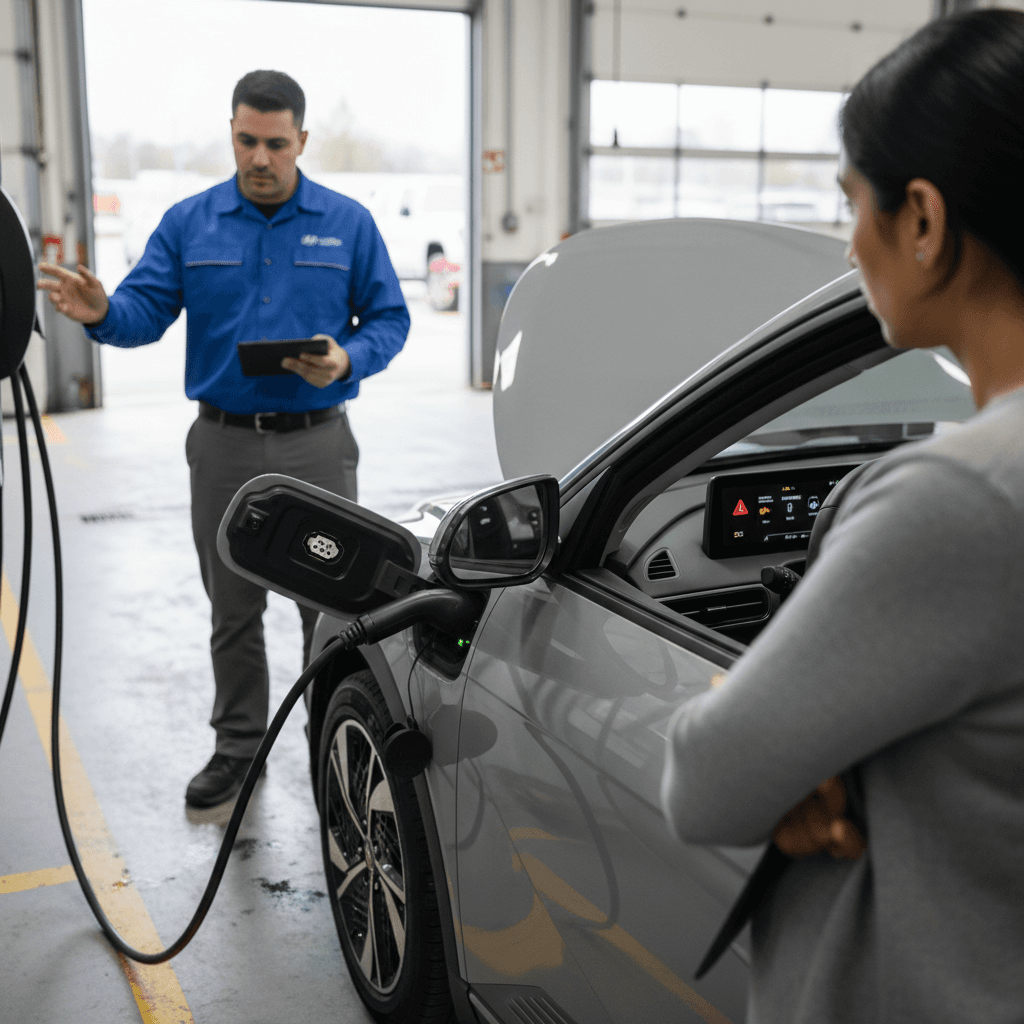
How dealers are fixing ICCU and 12V problems
Typical dealer repair path
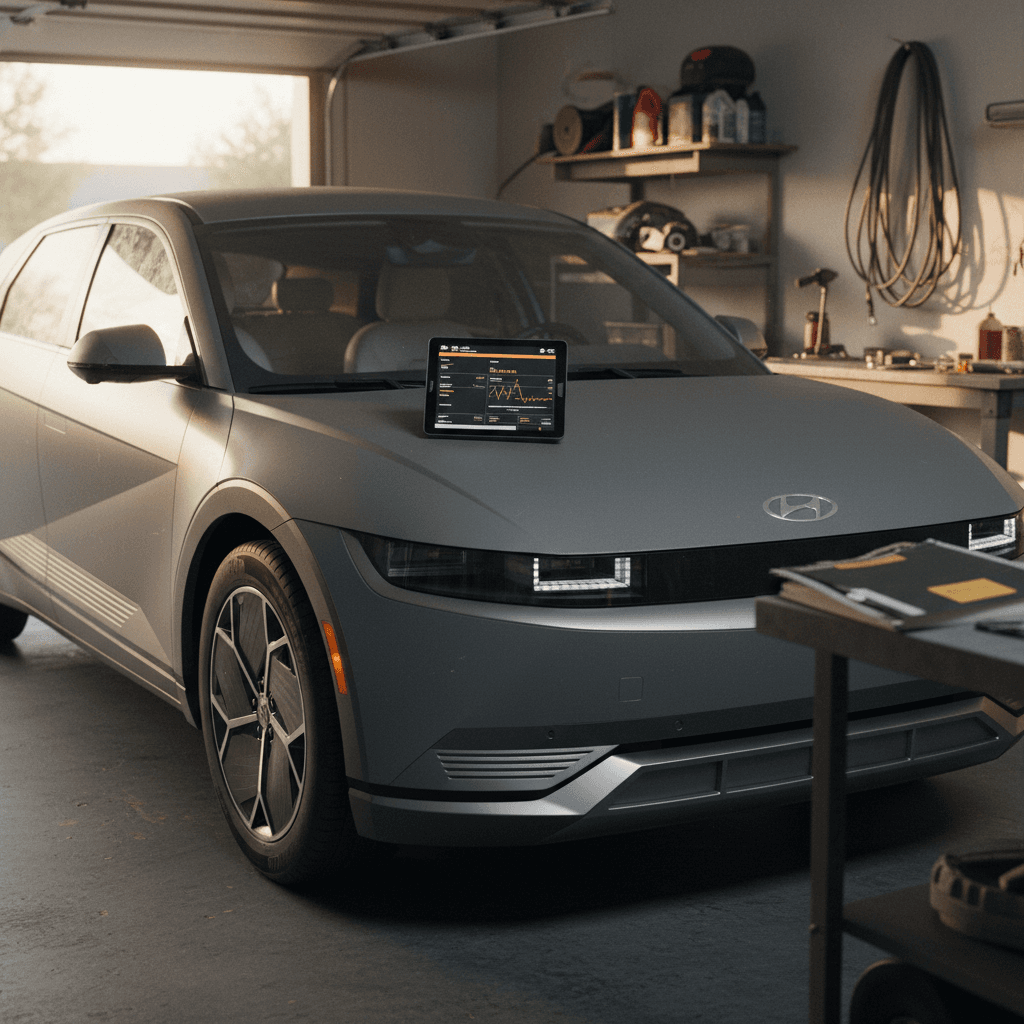
- Scan for ICCU‑related diagnostic trouble codes (often a DC/DC converter input or over‑voltage fault).
- Inspect the ICCU and replace the internal fuse or entire unit if damage is found.
- Install updated software that changes how the ICCU manages current and reduces thermal stress.
- Test the 12‑volt battery under load and replace it if it’s been deep‑cycled or fails a capacity test.
What you should ask for
- Proof that the ICCU recall and any related campaigns have been completed (you want the repair order, not just a verbal ‘yes’).
- Records of any 12‑volt battery replacements, including dates and mileage.
- Confirmation that there are no open recalls or pending campaigns on the VIN today.
- A written note on the dealer inspection stating that charging and starting behavior were tested after updates.
Smart upgrade: higher-quality 12V battery
Charging and sudden power loss issues
Because the Ioniq 5 is built around ultra‑fast charging, any hiccup in that experience feels magnified. On 2022 cars, most serious charging problems are tied back to the same ICCU and 12‑volt system behavior, but you’ll also see garden‑variety EV charging quirks that can usually be traced to the station or cabling instead of the car.
Common 2022 Ioniq 5 charging and power complaints
What owners report, what it usually means, and how it’s typically fixed.
| Symptom | Likely cause | What usually fixes it | What to do when buying used |
|---|---|---|---|
| Car won’t DC fast charge or stops charging early | ICCU/12V issue or station problem | ICCU replacement or software update; try another station first | Test DC fast charging during inspection at least once; watch for error messages |
| Dash shows "Limited functionality" or reduced power | System protecting itself due to fault or low 12V | Dealer diagnosis; repair ICCU or other components as needed | Walk away from cars with unresolved power‑loss history or repeated limp mode |
| Car won’t start after sitting for days | Weak or dead 12V battery, sometimes after parasitic drain | Jump‑start and 12V replacement; check for ICCU and software campaigns | Ask specifically how long the car can sit without being driven before issues appear |
| Inconsistent Level 2 charging at home | Faulty EVSE, wiring, or communication issue | Check breaker sizing and wiring; try a different charger | Bring a portable Level 2 or schedule inspection at a shop with a reliable unit |
Use this as a troubleshooting guide and a checklist when test‑driving a used Ioniq 5.
Don’t assume it’s “just the charger”
Brakes, suspension, and windshield complaints
Beyond electronics, 2022 Ioniq 5 owners report a smaller, but still important, set of traditional car issues: braking behavior, suspension noises, alignment, and the occasional windshield concern. These tend to be easier to fix than ICCU failures but are worth a close look on a test drive.
Non‑electrical issues to watch for
Most are fixable, but they’re negotiation leverage if you spot them early.
Parking brake roll‑back
Some owners report the car creeping backwards on slopes even when in Park. That may be a parking brake adjustment, software logic, or, in rare cases, a component fault.
Suspension clunks & alignment
Listen for clunks over bumps and check for uneven tire wear. Heavy EVs are hard on bushings and control arms; a worn component or misalignment can show up by year three.
Windshield & wind noise
Reports range from random cracking sounds near the windshield to wind noise at highway speeds. Look for existing chips or cracks and ask how they were repaired.
How to road‑test a 2022 Ioniq 5
Software, driver-assistance, and infotainment glitches
Like most modern EVs, the 2022 Ioniq 5 leans heavily on software. The upside is that many early bugs have been addressed with updates. The downside is that a car that’s missed dealer visits can still be running older code, with more frequent glitches as a result.
- Frozen or black infotainment screen that recovers only after a restart
- Intermittent backup camera or 360° view failures
- Steering assist or lane‑keeping that disengages unexpectedly
- Random warning chimes with no obvious issue, cleared by a restart
Typical software fixes
- Infotainment and navigation software updates applied at the dealer.
- Over‑the‑air updates (if enabled) bringing the car up to the latest revision.
- In some cases, replacement of a camera, radar, or control module under warranty.
What to do as a buyer
- Ask the seller to show you the car’s current software version screens.
- Verify with a Hyundai service department that all TSBs and campaigns have been applied.
- On your test drive, exercise every driver‑assist feature: adaptive cruise, lane centering, blind‑spot view, etc.
Key 2022 Hyundai Ioniq 5 recalls and campaigns
Hyundai has responded to Ioniq 5 issues with a mix of software updates, service campaigns, and a major recall covering ICCU and 12‑volt charging behavior on 2022–2024 E‑GMP vehicles. That’s good news if you’re shopping used, but only if the prior owner actually brought the car in.
Major recall and campaign themes affecting 2022 Ioniq 5
Always verify recall status by VIN before you buy.
| Area | What Hyundai addressed | Why it matters for you |
|---|---|---|
| ICCU & 12V charging | Inspection of the ICCU, replacement of fuses or the unit itself, and software to limit overcurrent and voltage spikes. | Reduces the risk of sudden power loss and repeat 12‑volt failures. |
| Power electronics cooling | Software tweaks to how pumps and fans run during fast charging and heavy driving. | Helps prevent overheating that can shorten component life. |
| Instrument cluster and driver alerts | Updates to warning logic and, on some cars, cluster software. | Improves the chances you’ll get clear warnings before anything serious happens. |
| Driver-assistance tuning | Calibration updates for lane‑keeping, collision avoidance, and related systems. | Can reduce false alerts and improve consistency of assists. |
The exact campaign IDs vary, but most 2022s will have at least a few of these on record.
Quick recall check tip
What to check before buying a used 2022 Ioniq 5
Used‑buyer checklist: 2022 Hyundai Ioniq 5
1. Pull a full Hyundai service history
Ask a Hyundai dealer to print the <strong>VIN’s full service and campaign record</strong>. You’re looking for ICCU‑related repairs, 12‑volt battery replacements, and confirmation that all recalls are complete.
2. Verify DC fast charging behavior
If possible, plug into a reputable DC fast charger during your test drive. The car should ramp up quickly and sustain a reasonable rate without dropping out or throwing error codes.
3. Inspect 12V battery age and condition
Open the frunk or under‑hood area and check the <strong>date code on the 12‑volt battery</strong>. A three‑ or four‑year‑old original battery is due for replacement regardless of history.
4. Test every driver-assist and camera
On a mixed city/highway route, run adaptive cruise, lane‑keeping, blind‑spot view, and parking cameras. Any intermittent failures should be investigated before you commit.
5. Listen for squeaks, clunks, and wind noise
With the radio off, drive over rough pavement and at highway speeds. Note any clunks from suspension, buzzing trim, or excess wind noise around the windshield or mirrors.
6. Review tire wear and alignment
Uneven tire wear on a three‑year‑old EV often points to <strong>alignment or suspension issues</strong>. Factor potential alignment or component replacement into your budget.
7. Get a high-voltage battery health check
Ask for a recent <strong>EV battery health report</strong>. At Recharged, every Ioniq 5 includes a Recharged Score that independently measures usable capacity and flags unusual degradation patterns.
Buying through Recharged
Preventive maintenance and owner tips
Once you own a 2022 Ioniq 5, the best way to avoid repeat problems is to keep the 12‑volt system happy, stay current on software, and treat the high‑voltage hardware with a bit of respect. None of this is exotic, it’s just different from a gas car’s maintenance rhythm.
Simple habits that reduce 2022 Ioniq 5 headaches
Small changes in how you park, charge, and update can make a big difference.
Keep the HV battery above empty
Avoid letting the main traction battery sit near 0% for days at a time. The car relies on that pack to maintain the 12‑volt system. Parking at 30–60% state of charge is a safe default.
Use scheduled charging intelligently
If you use smart or scheduled charging apps, monitor them for a few weeks. Some owners report quirky interactions that keep modules awake and slowly drain the 12‑volt battery.
Stay on top of updates
Accept over‑the‑air updates when available and schedule dealer visits when new campaigns are released. Many Ioniq 5 fixes are software, not hardware.
Document every issue early
At the first sign of repeated 12‑volt or charging behavior, get it recorded at a Hyundai dealer while you’re in warranty. A paper trail makes future fixes much easier.
Consider an EV‑savvy extended plan
FAQ: 2022 Hyundai Ioniq 5 problems and fixes
Frequently asked questions
Is a 2022 Hyundai Ioniq 5 still worth buying?
Taken in isolation, the list of 2022 Hyundai Ioniq 5 problems and fixes can look intimidating. But zoom out, and a familiar pattern emerges: a first‑model‑year EV with a few weak links in its early electronics and software, later patched through recalls and updates. If you focus on cars with documented ICCU and 12‑volt work, up‑to‑date software, and clean road‑test behavior, the 2022 Ioniq 5 remains a strong bet, especially given its charging speed, interior space, and long EV system warranty.
If you’d rather not untangle that history on your own, working with an EV‑specialist retailer like Recharged can simplify the process. Every vehicle we list comes with a Recharged Score battery health report, fair‑market pricing, and EV‑savvy guidance from inspection to delivery. However you shop, go in with eyes open, ask for documentation, and let the car’s service record, not just its styling, guide your decision.