Electric supercars have gone from science‑fiction to stopwatch‑verified reality. In 2025, the fastest electric supercars are nudging, or beating, 300 mph and sprinting from 0–60 mph in well under 2 seconds. If you’re trying to understand where these electric supercars fit into the EV landscape, and what their bleeding‑edge tech means for normal drivers and used‑EV shoppers, you’re in the right place.
Electric supercars in one sentence
What counts as an electric supercar in 2025?
There’s no legal definition, but in practice, an electric supercar (or hypercar) in 2025 checks a few boxes:
- Performance first: 0–60 mph in roughly 2.0 seconds or less and/or top speeds above 200 mph.
- Price in the stratosphere: typically six to seven figures; many are $1–4 million and limited to a few dozen units.
- Exotic engineering: multi‑motor powertrains, carbon‑fiber structures, active aero, race‑grade brakes and tires.
- Technology demonstrator: new battery chemistries, 800–1200V electric architectures, and advanced torque vectoring often debut here before filtering down to mainstream EVs.
That puts cars like the BYD Yangwang U9 Xtreme, Rimac Nevera, Pininfarina Battista, and Lotus Evija squarely in supercar territory, while sedans like the Lucid Air Sapphire and Tesla Model S Plaid blur the line between "supercar" and "super‑sedan."
Headline stats: how fast are electric supercars now?
Electric supercar performance snapshot, late 2025
Don’t compare these times to your daily commute
Top electric supercars to know in 2025
The roster of battery‑powered exotics keeps growing, but a few nameplates dominate the conversation in 2025. Here’s a snapshot of headline models and what makes them stand out.
Key electric supercars and hypercars, simplified
Approximate specs and positioning for some of the best‑known electric supercars. Numbers are manufacturer claims or widely cited independent tests, rounded for clarity.
| Model | 0–60 mph (approx.) | Top speed (approx.) | Power output (approx.) | Notable traits |
|---|---|---|---|---|
| BYD Yangwang U9 Xtreme | ≈1.7 sec | 308 mph | ≈2,950 hp | Current overall top‑speed record holder; 1200V architecture, limited to ~30 units. |
| Rimac Nevera | ≈1.7–1.8 sec | 258+ mph | ≈1,900 hp | Quad‑motor Croatian hypercar that set dozens of acceleration and braking records. |
| Pininfarina Battista | ≈1.8 sec | 217–222 mph | ≈1,900 hp | Coach‑built Italian hyper‑GT combining Rimac hardware with bespoke luxury. |
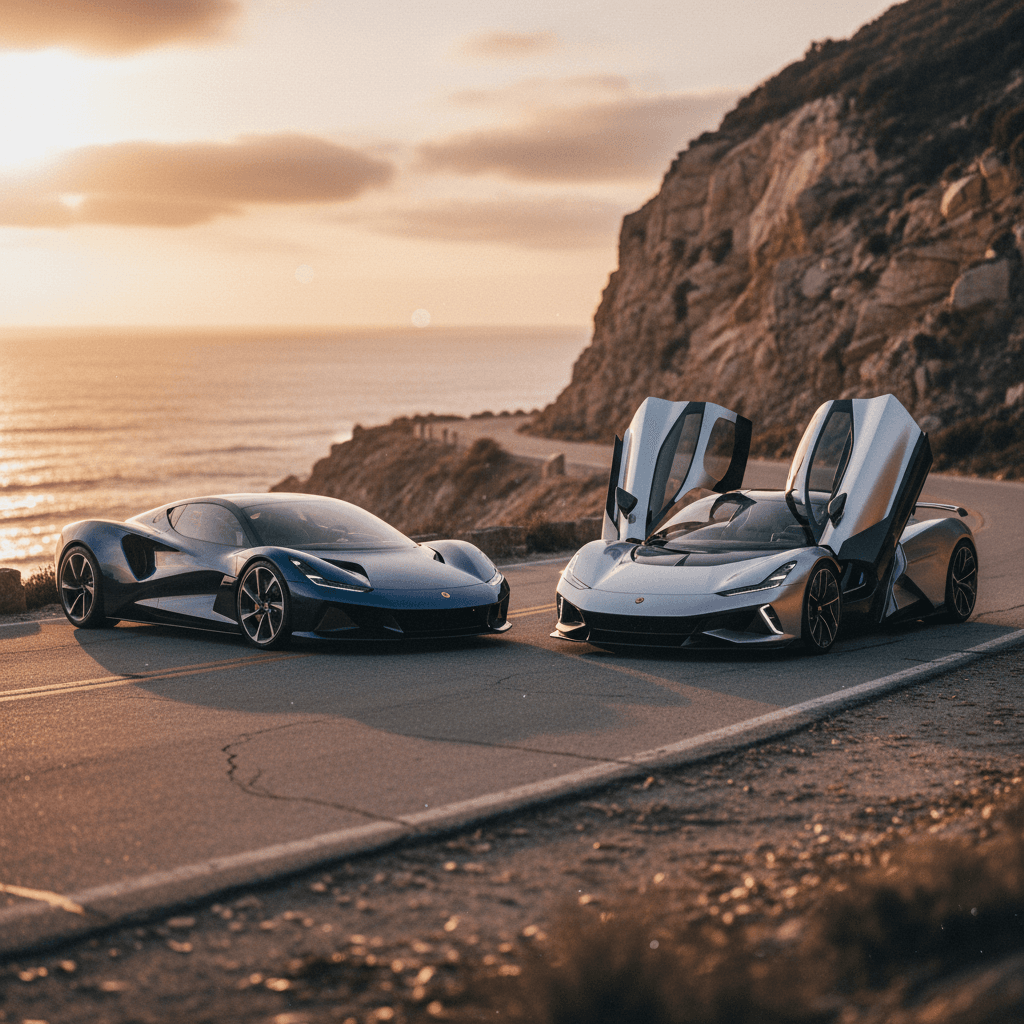
| Lotus Evija | ≈2.0 sec | ≈218 mph | ≈1,970 hp | Lightweight British EV emphasizing agility as much as straight‑line numbers. |
| Aspark Owl | ≈1.7 sec | ≈256 mph | ≈1,985 hp | Low‑slung Japanese hypercar with extreme aero and tiny production run. |
| Lucid Air Sapphire | ≈1.9 sec | 205 mph | ≈1,234 hp | Four‑door luxury sedan with supercar acceleration and long‑range capability. |
| Tesla Model S Plaid | ≈2.0 sec | 200 mph | ≈1,020 hp | Mass‑produced performance EV that brought sub‑2‑second launches to the mainstream. |
| Future Tesla Roadster (announced) | ≈1.9 sec (est.) | 250+ mph (est.) | ≈1,100 hp (est.) | Long‑promised halo car; timelines and final specs remain fluid. |
Specs are approximate and subject to change; many of these cars are produced in tiny numbers.
How the headline electric hypercars differ
All are absurdly fast, but they don’t all chase the same goal.
Yangwang U9 Xtreme
A record‑chasing Chinese hypercar designed to grab global headlines with a ~308 mph top‑speed run and wild four‑motor dance tricks.
Rimac Nevera
More of a benchmark engineering platform: record 0–60, 0–249–0 mph, and lateral performance, plus tech shared with other brands.
Battista & Evija
Ultra‑exclusive design statements for collectors who want bleeding‑edge EV performance wrapped in old‑world craftsmanship.
The tech that makes electric supercars special
Electric supercars aren’t just fast because someone cranked up the power. They’re rolling R&D labs for the technologies that will shape the next decade of EVs.
1. Multi‑motor powertrains and torque vectoring
Most electric supercars use three or four motors, often with one dedicated motor per wheel. That allows millisecond‑level control of how much torque goes to each tire.
- Torque vectoring: The car can over‑drive an outside wheel in a corner for sharper turn‑in or pull power from a slipping wheel instantly.
- Massive traction: Combined with sticky tires and sophisticated stability software, that’s how you get repeatable sub‑2‑second launches.
2. 800–1200V architecture and thermal management
Where many mainstream EVs still run 400V systems, electric supercars are jumping to 800V and even 1200V. Higher voltage means thinner cables, lower losses, and the ability to flow extreme power without everything melting.
- Advanced cooling loops for batteries, motors, and inverters.
- Optimized for short, intense bursts of power, as on track days or record runs.
More quiet revolutions under the carbon fiber
These details matter as much as horsepower.
High‑density battery packs
Some hypercars use higher‑density cells focused on power delivery rather than maximum range. Others experiment with new chemistries and pack layouts.
Active aerodynamics
Moveable wings, flaps, and underbody elements balance drag reduction on straights with huge downforce for corners and braking.
Software‑defined behavior
Drive modes radically alter how each motor behaves. Over‑the‑air updates can tweak launch profiles, stability settings, or even top‑speed limiters.
What this means for your next EV
Electric supercars vs. gas supercars
Where electric supercars dominate
- Instant torque: Electric motors deliver maximum torque from 0 rpm, so launches are brutally quick, often quicker than the wildest gas exotics.
- Simpler drivetrains: No multi‑clutch gearboxes or turbo lag. Power delivery is smoother and easier to modulate.
- Precision control: Software can adjust power at each wheel dozens of times per second, something no mechanical differential can match.
- Urban manners: They’re quiet and emissions‑free at the tailpipe, which matters in increasingly regulated city centers.
Where gas still has an edge, for now
- Refueling time: Even with megawatt‑class fast charging, a full recharge takes longer than a fuel stop.
- Weight: Large high‑power battery packs are heavy; gasoline still packs more energy per kilogram.
- Emotion & sound: For many enthusiasts, the noise and mechanical drama of a V8 or V12 are part of the appeal.
- Track stamina: Managing heat and state of charge over long track sessions is still more complex in EVs.
It’s no longer about "if" but "when"
Why electric supercars matter for everyday EVs
It’s fair to ask why anyone who just needs a reliable daily driver or a family EV should care about a $2 million, 300‑mph hypercar. The short answer: today’s headline‑grabbing electric supercars are quietly writing the playbook for the EVs that will hit mainstream and used lots over the next decade.
Trickle‑down tech from hypercar to daily driver
What starts on a racetrack rarely stays there.
Faster DC charging
800V+ platforms designed for hypercars make their way into premium sedans and SUVs, enabling shorter fast‑charge sessions on road trips.
Better stability & safety
The same software that helps a Nevera pull out of a 150‑mph slide helps a family EV stay composed on a wet freeway on‑ramp.
Lower long‑term costs
As exotic tech scales up, costs come down. That can mean more range and performance per dollar in the mainstream, and eventually in the used market.
If you’re thinking about owning an EV for more than a few years, or buying one used, these innovations matter. They influence battery durability, charging convenience, and how confident a car feels in bad weather or emergency maneuvers.
Can you actually buy an electric supercar used?
Yes, but only if you’re shopping at the very top of the market, and usually not through normal retail channels. Limited‑run hypercars typically trade hands privately, at high‑end dealers, or via auction houses rather than mainstream used‑car marketplaces.
Where electric hypercars actually trade
For most drivers, the more relevant "electric supercars" are high‑performance versions of otherwise practical EVs, cars like the Tesla Model S Plaid or Lucid Air Sapphire. These are already appearing, or will soon appear, on the used market in growing numbers. That’s where a platform like Recharged comes in: helping you understand what you’re paying for and what the battery has been through before you sign anything.
Thinking about a performance EV? How to shop smart
If full‑blown electric supercars are out of reach, a used high‑performance EV can still deliver supercar‑level acceleration with real‑world practicality. Here’s how to approach that decision intelligently.
Checklist for buying a used performance EV
1. Look past the 0–60 time
Sub‑3‑second launches are fun, but for daily life you’ll care more about range, charging curve, cabin comfort, and driver‑assist features. Make a clear list of must‑haves before you shop.
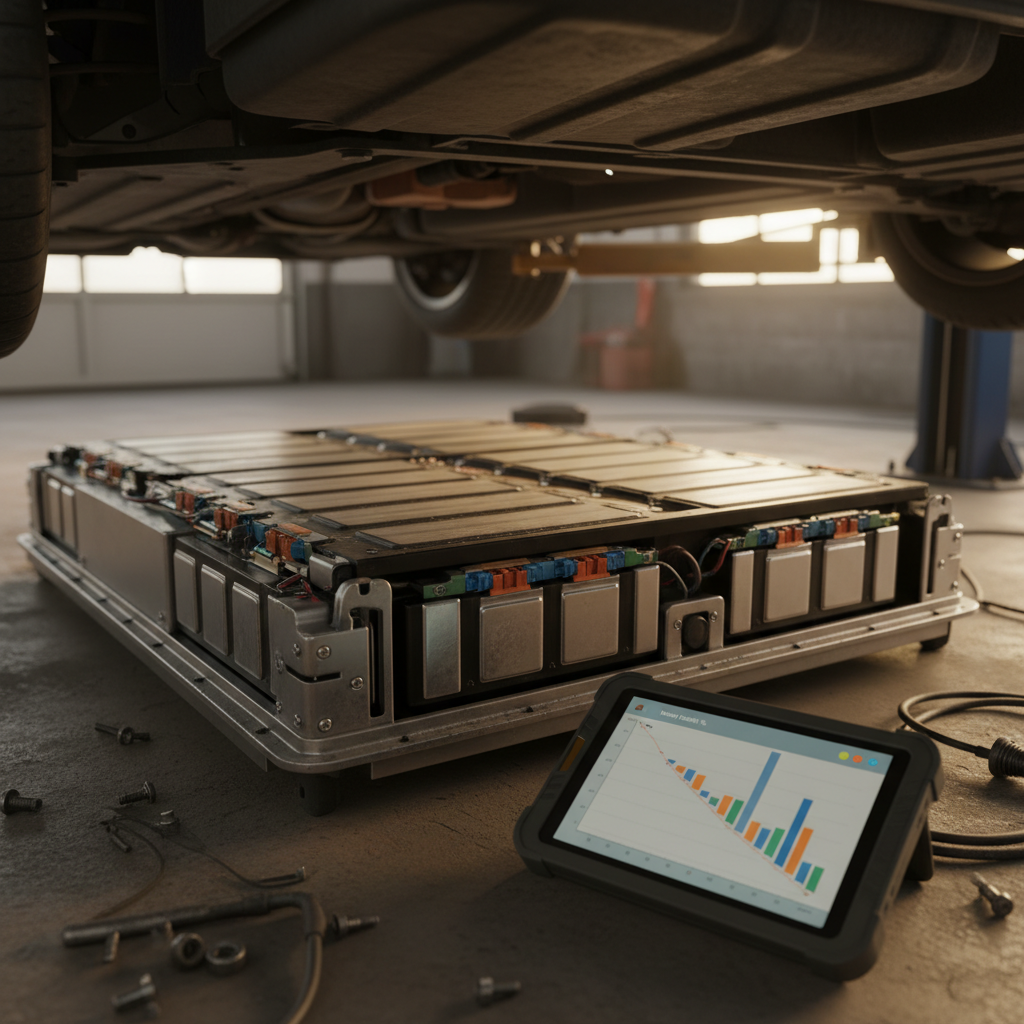
2. Investigate battery health, not just mileage
Two cars with the same odometer reading can have very different battery histories. Frequent fast‑charging, lots of track use, or high‑heat climates can all accelerate degradation.
3. Get a professional battery health report
A comprehensive assessment, like the <strong>Recharged Score</strong>, uses diagnostics and data to quantify remaining battery capacity and overall pack health, giving you more than just a guess based on range display.
4. Understand software and performance modes
Some performance EVs gate full power behind special modes or warm‑up procedures. Make sure you know how they work, and confirm any subscription‑based features transfer to you as the next owner.
5. Check tires, brakes, and suspension closely
Hard launches and track days are tough on consumables. Inspect for uneven wear, warped rotors, or aftermarket suspension changes that could affect ride and warranty coverage.
6. Run the numbers on insurance and financing
Super‑quick EVs can come with super‑sized insurance premiums. Get quotes early and explore financing options from EV‑savvy providers so you’re not surprised at delivery.
How Recharged can help
Ready to find your next EV?
Browse VehiclesElectric supercars FAQ
Common questions about electric supercars
Bottom line: where electric supercars go from here
Electric supercars started as rolling proof‑of‑concepts; by 2025, they’re setting outright speed and acceleration records, forcing the rest of the industry to respond. You may never see a Yangwang U9 Xtreme or Rimac Nevera on your commute, but their influence will show up in everything from how quickly your next EV fast‑charges to how confidently it handles a sudden lane change in the rain.
If you’re simply curious about the cutting edge, electric supercars are a glimpse of where vehicle performance is headed. If you’re shopping the real‑world market, especially used EVs, focus on the parts of that supercar tech that actually affect your life: battery health, charging convenience, and how the car feels when you drive it every day. That’s exactly where Recharged aims to make ownership simpler and more transparent, whether you’re buying a sensible commuter or a family EV that just happens to be quicker than yesterday’s supercars.