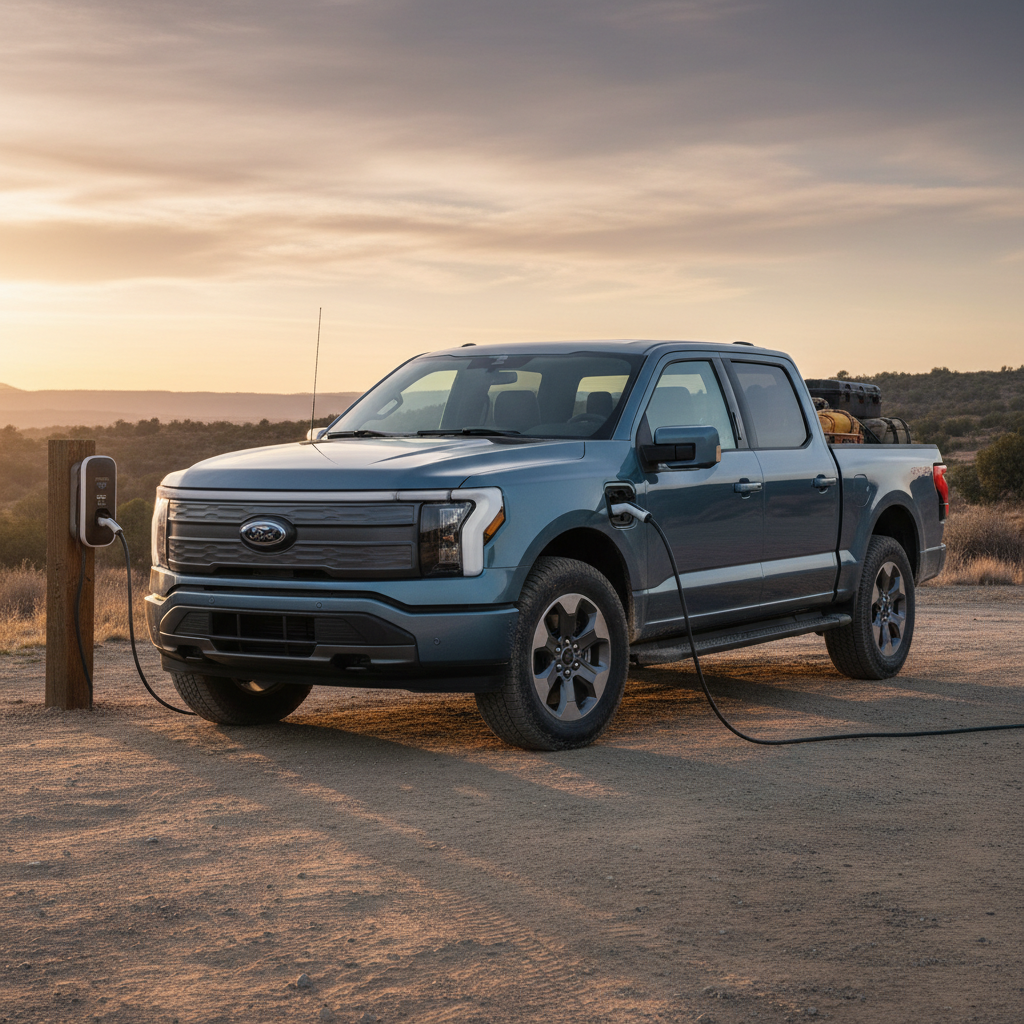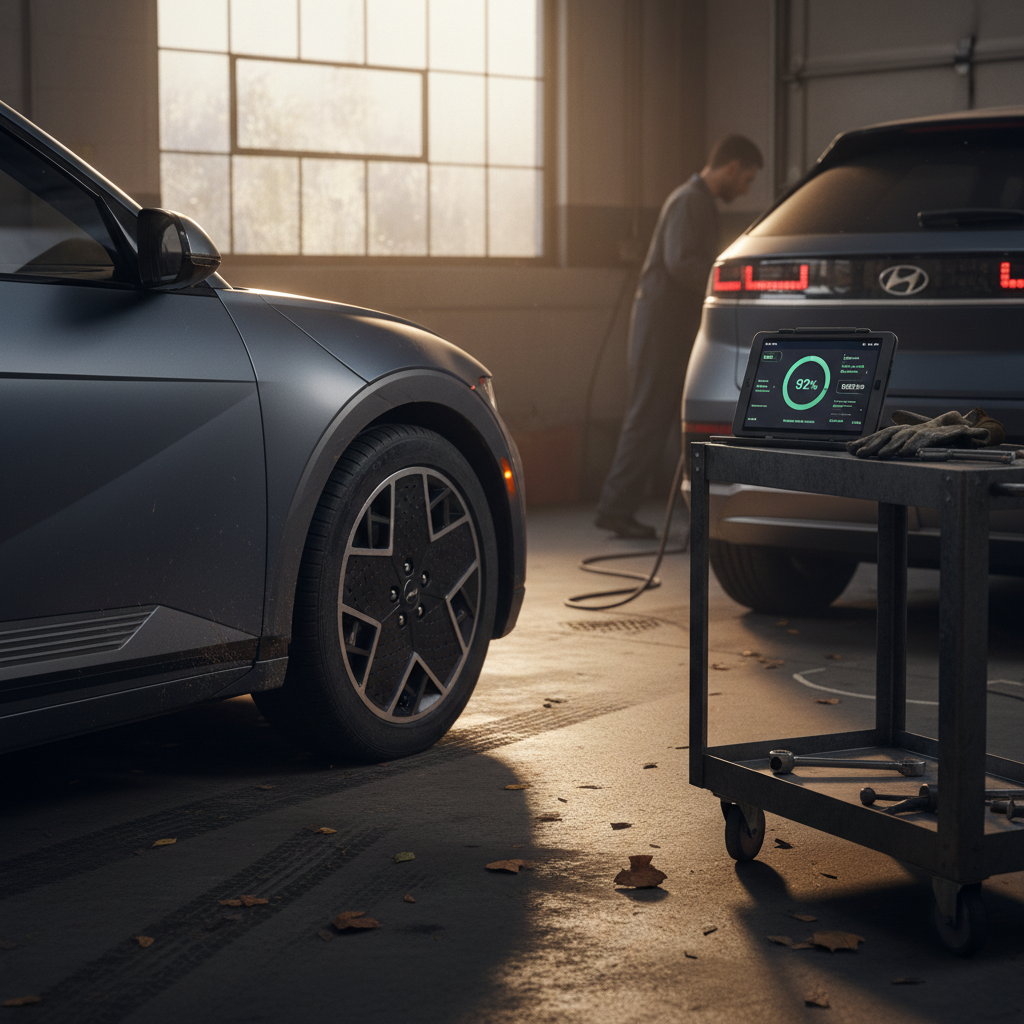
If you’ve been eyeing an EV but new prices make your eyebrows reach low Earth orbit, the phrase “electric second hand” is your new best friend. The used EV market in 2025 is flooded with off-lease Teslas, early Hyundai/Kia crossovers, and first-owner experimenters moving on to their second or third electric, exactly the moment savvy buyers step in and clean up.
A market in markdown mode
Why “electric second hand” makes so much sense in 2025
Two things are happening at once. First, the novelty phase of EVs is over; they’re just cars now. Second, the first big wave of three‑ to six‑year‑old electric cars is coming off lease. That combination means more supply and lower prices on second hand electrics than we’ve ever seen.
Used EVs by the numbers
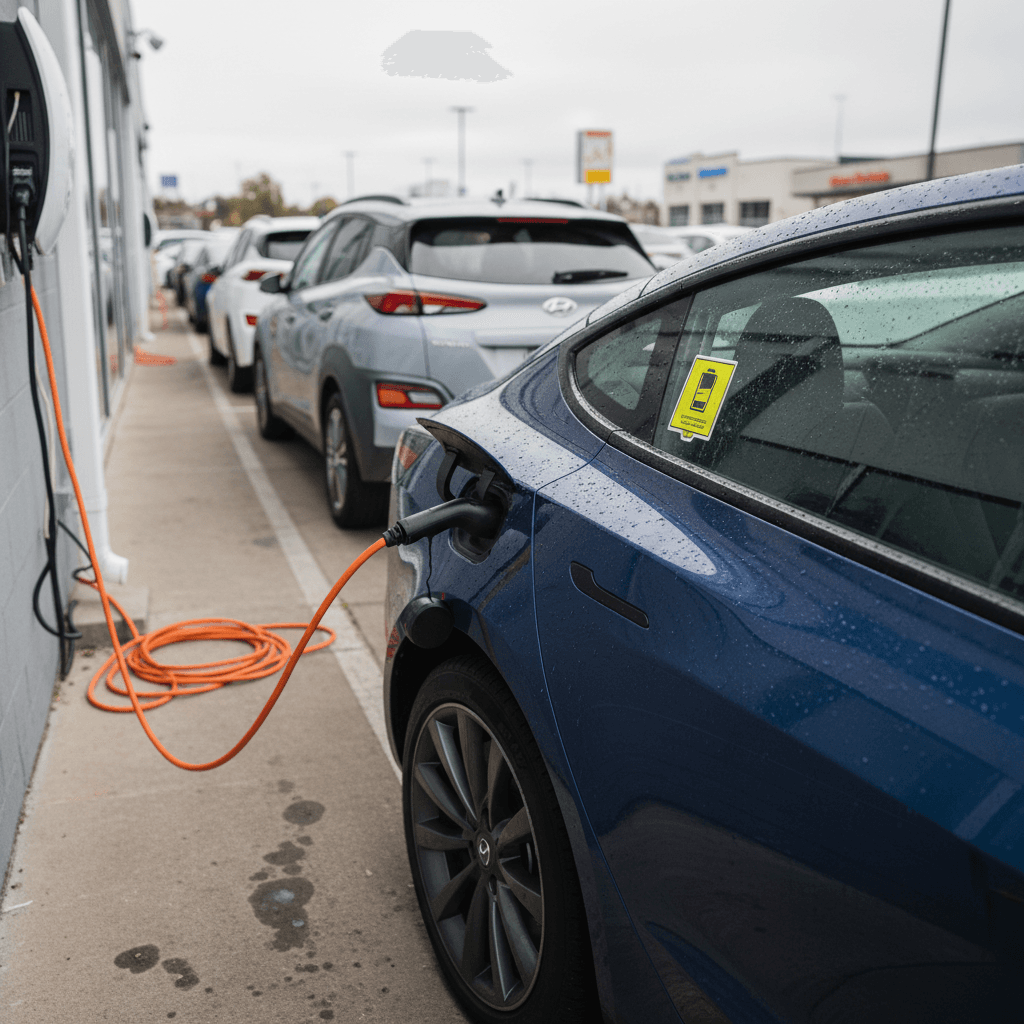
At the same time, technology has moved quickly. A 2018–2021 EV often has modern safety tech, decent DC fast‑charging, and software that can be updated over the air. You’re skipping the brutal first‑owner depreciation while keeping most of the useful life. That’s the sweet spot.
How the used EV market is changing
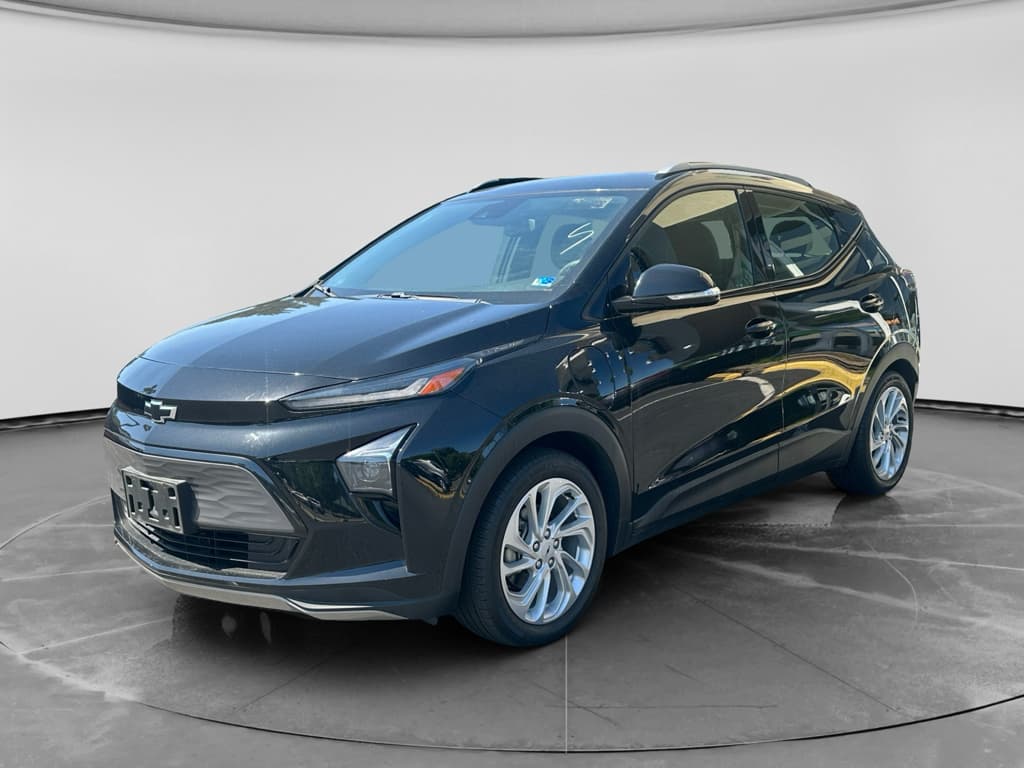
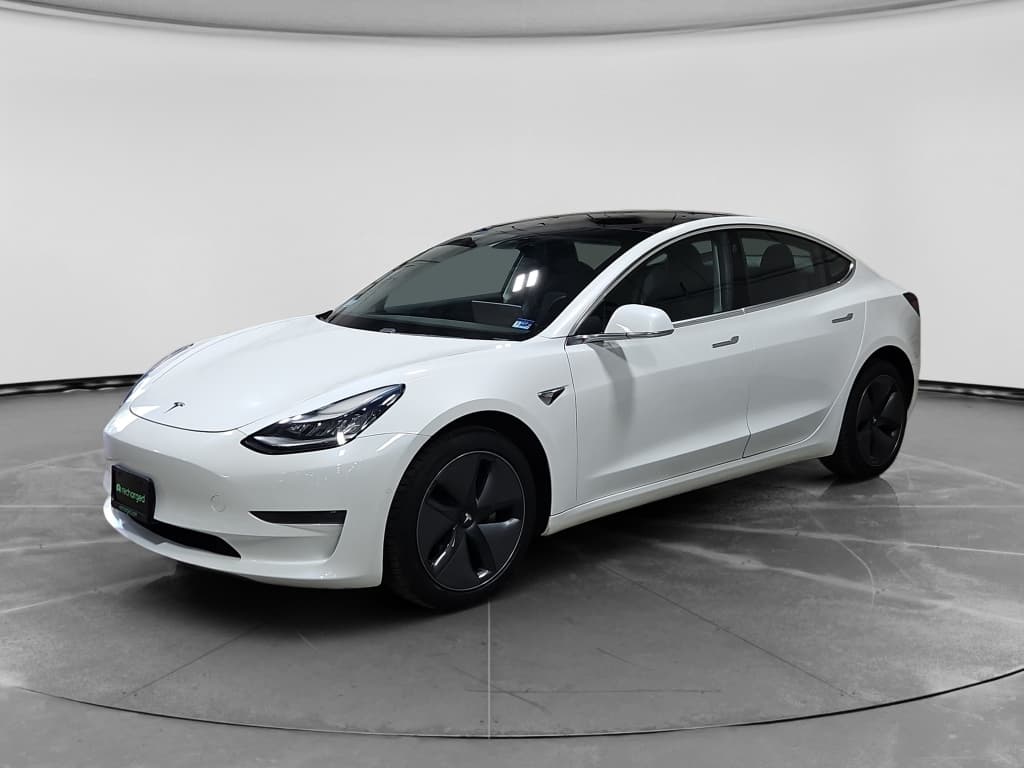
Scroll any major marketplace and you’ll see the shift. Early on, second hand EV meant a first‑gen Nissan Leaf with a golf‑cart range. Now you can find lightly used Tesla Model 3s and Ys, Chevy Bolts, Hyundai Kona Electrics, Kia Niros, VW ID.4s, even luxury options from Audi, BMW, and Mercedes.
What’s different about today’s second hand EV market
Not your older cousin’s Leaf fire sale anymore
Wave of lease returns
Longer‑range norm
Sharper depreciation
The caveat: values can be volatile
Key benefits of buying an electric second hand car
- Huge depreciation already baked in. It’s not unusual to see a three‑year‑old EV at 40–50% off its original sticker price, especially for higher‑end trims.
- Lower running costs. Electricity is typically cheaper per mile than gas, and EVs need less routine maintenance, no oil changes, fewer moving parts, and brake pads that can last twice as long thanks to regenerative braking.
- Quiet, quick, and modern. Even second hand, an EV is often smoother and quicker than an equivalent gas car, with up‑to‑date infotainment and driver‑assist tech.
- Incentives for used EVs. In the U.S., qualifying used EVs can still be eligible for federal tax credits and local perks, making “electric second hand” an even better value.
- Cleaner conscience. You’re stretching the useful life of a resource‑intensive product instead of commissioning another new vehicle from scratch.
Where Recharged fits in
The biggest myth: battery health fear vs reality
Mention “used electric car” at a cookout and someone will tell you a $20,000 battery horror story. Reality is more boring and, for buyers, kinder. Modern EV batteries are liquid‑cooled, carefully managed, and engineered to outlast the car. They do lose capacity over time, but gradually, not catastrophically.
The fear
“If I buy electric second hand, the battery will die and I’ll be on the hook for a replacement that costs more than the car.”
The mental image here is a phone battery, fine one year, useless the next.
The reality
Most EVs lose a few percent of capacity in the first couple of years, then degrade slowly. A well‑cared‑for pack might lose 10–15% of range over 5–7 years. Annoying if you road‑trip every weekend, but irrelevant if you commute 40 miles a day.
On top of that, mainstream automakers typically back their high‑voltage batteries for 8 years or 100,000 miles, sometimes more, and many second hand cars are still comfortably within that window.
The battery is not a consumable like tires; it’s a structural part of the car. If the pack has been cared for, a used EV will usually age more gracefully than a comparable turbo gas car that’s been thrashed.
Checklist: how to check battery health on a used EV
Battery condition is the single most important lever on a second hand EV’s value. Treat it like you would a compression test on a used sports car. Here’s how to get beyond vibes and into actual data.
Battery health checklist for electric second hand cars
1. Get a real battery health report
Ask for a <strong>State of Health (SoH)</strong> or capacity report from the manufacturer, dealer, or a third‑party service. Many modern EVs can produce this via their onboard diagnostics; others rely on tools similar to Recurrent‑style reports that predict usable range over time.
2. Compare current vs original range
Look up the EPA or manufacturer range for that model and year. Then fully charge the car to 100% and note the range shown on the dash. A modest gap, say, 10–15%, is typical. Much larger losses on a relatively new car are a bargaining chip, or a reason to walk.
3. Ask about charging habits
Frequent DC fast charging, always charging to 100%, or letting the car sit at 0% for long stretches is hard on batteries. Ask how the previous owner charged the car day‑to‑day. “Mostly home charging, 20–80%” is the answer you want to hear.
4. Check the battery warranty status
Use the VIN and in‑service date to confirm how much of the <strong>8‑year/100k‑mile (or better)</strong> battery warranty remains, and whether it transfers to subsequent owners. The closer you are to that warranty safety net, the more confident you can be.
5. Do a simple road test
On the test drive, reset a trip meter, drive 20–40 miles under normal conditions, and watch whether the indicated range drops roughly in step with miles driven. Wild swings or sudden drops can signal underlying issues.
6. Lean on platforms that surface this data
Marketplaces like Recharged now highlight <strong>battery health in the Recharged Score</strong> so you can quickly filter out problem cars and focus on vehicles with verified strong packs.
Beyond the battery: other vitals to inspect
Once the battery checks out, you’re back in familiar used‑car territory. Second hand EVs still have suspensions to bend, tires to wear, and previous owners with varying levels of mechanical sympathy.
Non‑battery checks that matter on a second hand EV
The boring stuff that saves you from surprises
Suspension & tires
Charging hardware
Software & safety tech
Avoid salvage‑title EVs unless you like gambling
How much should an electric second hand car cost?
Pricing on second hand EVs is…lively. A used Tesla Model 3 might be duking it out in the same price band as a new compact gas crossover. A seven‑year‑old compliance EV might be cheaper than your last vacation.
Typical second hand EV price bands (illustrative)
These aren’t quotes, just rough lanes to help you sanity‑check asking prices. Real numbers vary by market, mileage, incentives, and trim.
| Vehicle type | Age & mileage | What you often see | Key questions |
|---|---|---|---|
| Early city EV (Leaf, i‑MiEV era) | 7–12 yrs / 60–100k mi | Budget prices, sometimes under $10k | Is the remaining range actually useful for your life? |
| Compact mainstream EV (Bolt, Kona, Niro) | 3–7 yrs / 30–80k mi | Sweet‑spot pricing, often thousands less than comparable gas crossovers | How healthy is the pack, and does it still fast‑charge well? |
| Tesla Model 3/Y, premium EVs | 3–6 yrs / 20–70k mi | Big depreciation from original MSRP; wide spread based on spec and history | Is Autopilot/FSD included? Any signs of fast‑charge abuse? |
| Near‑new EVs (off‑lease) | 1–3 yrs / under 40k mi | Prices edging close to new after incentives but with big savings on tax and fees | Does a new‑car incentive make brand‑new cheaper for you? |
Always cross‑shop live listings and battery health info instead of anchoring on any single guide value.
Use more than one pricing lens
Financing and trade-in when you go electric second hand
Financing a second hand electric car isn’t that different from any other used car loan, except the numbers on maintenance and fuel are usually kinder on the EV side, which can justify a slightly higher purchase price.
Financing a used EV
- Many lenders now have specific EV‑friendly loan products, sometimes with lower rates or longer terms.
- Some buyers qualify for used EV tax credits; factor potential refunds into what monthly payment you’re comfortable carrying.
- Check how your insurance quote changes when you switch from gas to electric, the premium might rise, but fuel and maintenance savings often more than offset it.
Using your current car as a bridge
- A strong trade‑in or instant offer can plug straight into your down payment and soften any depreciation hit on the EV.
- With Recharged, you can get an instant offer or consignment quote online, then roll that value into a used EV you buy on the platform.
- If you’re nervous about the jump, consider a slightly cheaper second hand EV and keep a savings cushion for home charging installation or unexpected costs.
Why pre‑qualification helps
Why buying through Recharged changes the equation
You can scour classifieds, quiz private sellers about charging habits, and hope their answers are better than their spelling. Or you can treat a second hand EV like any other major purchase and insist on data, transparency, and some professional grown‑ups in the room.
What Recharged adds to the second hand EV experience
Less roulette, more report card
Recharged Score Report
EV‑specialist support
Digital buying, real delivery
Ready to find your next EV?
Browse VehiclesAdd in trade‑in options, instant offers, and consignment, and you can step into an electric second hand car without the usual used‑car theater. The whole point is to make the transition to EV ownership feel calm, informed, and, dare we say it, enjoyable.
Frequently asked questions about electric second hand cars
Electric second hand FAQ
Bottom line: should you go electric second hand?
If you strip away the hype and the horror stories, buying electric second hand is simply a question of matching the right car to the right life, with enough information to make the numbers make sense. For a lot of drivers in 2025, a three‑ to six‑year‑old EV with a healthy pack, honest range, and a sane price is the best version of the electric dream, quicker, quieter, and cheaper to live with than the gas car it replaces.
Do your homework on battery health, stay realistic about range, and treat price guides as guardrails rather than gospel. And if you’d rather have someone else pull the data and the diagnostics together, shop through a platform like Recharged, where every car comes with a Recharged Score, EV‑specialist guidance, financing, trade‑in options, and nationwide delivery. The future of driving may be electric, but the smart money is increasingly on electric second hand.