The 2024 Mercedes EQS is Mercedes-Benz’s flagship electric sedan: a sleek, ultra-quiet EV positioned as an electric S‑Class alternative. It delivers serious range, one of the most opulent cabins in any EV, and cutting-edge driver assistance, but it also comes with high pricing when new and some very real depreciation and software caveats you should understand, especially if you’re eyeing a used example.
Quick Take
2024 Mercedes EQS at a Glance
Key 2024 Mercedes EQS Sedan Numbers
For 2024, the EQS sedan lineup in the U.S. centers on three main versions: the EQS 450+ (single‑motor rear‑drive), EQS 580 4MATIC (dual‑motor all‑wheel drive), and the high‑performance AMG EQS. All share the same skateboard EV platform, air suspension, rear‑axle steering and enormous battery, but differ in power output, standard equipment and price.
2024 Mercedes EQS Sedan Trim Comparison
Approximate headline specs for the three main EQS sedan trims sold for 2024 in the U.S.
| Trim | Drivetrain | Power | 0–60 mph (approx.) | EPA Range (approx.) | 2024 Starting MSRP* |
|---|---|---|---|---|---|
| EQS 450+ | RWD, single motor | ~355 hp | ~5.9 s | ~350 mi | $105,550 |
| EQS 580 4MATIC | AWD, dual motor | ~536 hp | ~4.1 s | ~340–345 mi | $108,550 |
| AMG EQS | AWD, dual motor | ~649 hp | ~3.4 s | ~305 mi | $148,700 |
Figures are manufacturer or EPA estimates where available; real‑world results vary with weather, speed and driving style.
Note on Pricing
Powertrain, Range and Charging Specs
All 2024 EQS sedans use a large 107.8 kWh battery pack and support up to 200 kW DC fast charging. The base EQS 450+ drives only its rear wheels, while the 580 and AMG add a front motor for all‑wheel drive. For 2024, Mercedes bumped output: the EQS 450+ rose to about 355 hp, while the EQS 580 4MATIC climbed to roughly 536 hp, with both benefitting from a revised brake and regenerative system that feels more consistent underfoot.
- EQS 450+: 107.8 kWh battery, ~355 hp, ~419 lb‑ft, RWD
- EQS 580 4MATIC: 107.8 kWh, ~536 hp, ~633 lb‑ft, AWD
- AMG EQS: 107.8 kWh, up to ~649 hp, AWD with performance tuning
- EPA range window of roughly 305–345 miles depending on trim and wheel size
- DC fast charging up to 200 kW; 10–80% in about 30–31 minutes in ideal conditions
- Level 2 AC charging up to 9.6 kW on a 240 V / 40 A circuit (about 10–11 hours for empty‑to‑full)
Realistic Range Expectations
Driving Experience: Comfort First, Sport Second
From behind the wheel, the 2024 EQS feels like what it is: a very heavy, extremely refined luxury EV tuned far more for effortless comfort than track‑day thrills. The adaptive air suspension smothers broken pavement, the cabin is eerily quiet, and rear‑axle steering makes this long hatchback surprisingly maneuverable in tight city streets or parking garages.
Where the EQS Shines
- Ride comfort: Even on larger wheels, the EQS feels more S‑Class than sport sedan.
- Noise isolation: Triple‑pane glass and excellent sealing keep wind and road noise to a minimum.
- Highway composure: Long wheelbase and smooth torque delivery make 500‑mile days feel easy.
- Rear‑axle steering: Up to ~10 degrees of rear steer shrinks the car in tight spaces.
Where It Falls Short
- Weight: Pushing close to three tons, it can feel ponderous when hustled.
- Steering feel: Accurate but largely numb; this isn’t a driver’s car in the classic sense.
- AMG expectations: The AMG EQS is brutally quick but still doesn’t feel like a traditional AMG sports sedan.
- Regeneration tuning: Improved for 2024, but some drivers still find it less intuitive than the best in class.
Best Use Case
Interior, Tech and the Hyperscreen Experience
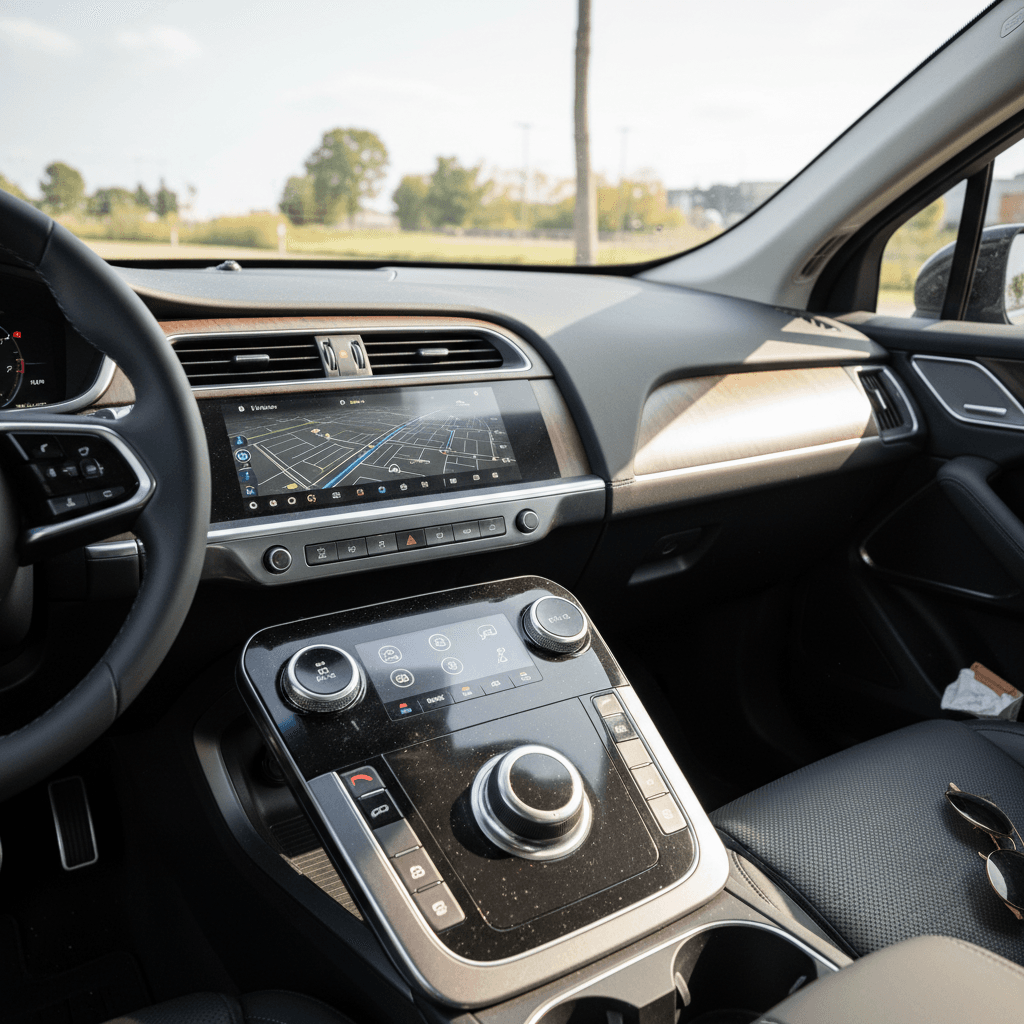
If there’s one reason people cross‑shop the EQS against a Tesla Model S, Lucid Air or Porsche Taycan, it’s the cabin. The materials, lighting and seat comfort are pure Mercedes flagship, and the optional (now standard for 2024) MBUX Hyperscreen spans the entire dashboard with three OLED displays under a single glass pane. It’s dramatic and genuinely useful once you climb the software learning curve.
MBUX Hyperscreen: Pros and Cons
A high‑drama interface that’s both impressive and occasionally frustrating.
What Works Well
- Visual impact: Nothing in this segment looks more futuristic.
- Passenger screen: Front passengers get their own display for navigation and media.
- Customization: Multiple themes, ambient lighting colors and widget layouts.
- Voice control: "Hey Mercedes" has improved; it handles many tasks without touching the screen.
Where It Stumbles
- Complexity: Layers of menus can bury simple settings, especially for first‑time users.
- Responsiveness: Earlier builds suffered lag and glitches; 2024 software is better but still not tablet‑fast.
- Learning curve: If you prefer physical buttons, this can feel overwhelming.
- Long‑term updates: You’re reliant on Mercedes’ OTA cadence to fix bugs and add features.
Level 3 Drive Pilot Availability
Real-World Charging: Home and DC Fast Charging
On paper, the EQS supports up to 200 kW DC fast charging, and independent testing has shown it can hold strong charging speeds on a compatible 150–350 kW station, going from roughly 10–80% in just over 30 minutes when the battery is pre‑conditioned. At home, the onboard AC charger tops out around 9.6 kW, which means an overnight refill from low state of charge on a 240‑volt Level 2 circuit.
Charging a Mercedes EQS: Practical Tips
1. Install a 40–48 A Level 2 charger
To take full advantage of the EQS’s onboard AC charging, you’ll want at least a 40‑amp, 240‑volt Level 2 charger at home. That gives you roughly 25–30 miles of range per hour, more than enough for overnight replenishing.
2. Precondition before fast charging
Use the navigation system to route to a fast charger so the car can pre‑condition the battery. This helps you hit higher charge rates sooner and spend less time parked at the plug.
3. Watch state of charge targets
Because of the big battery, it rarely makes sense to charge from 10% all the way to 100% on DC fast chargers. Stopping around 70–80% keeps charge power high and your time investment reasonable.
4. Don’t fear deeper discharges on road trips
The EQS battery is large and well‑buffered. Occasional runs down to 5–10% on road trips are normal as long as you’re not doing it daily in very hot climates.
5. Learn your local networks
Electrify America, EVgo, Tesla Superchargers with adapters, each has its quirks. Spend a weekend locally testing the stations you’re likely to rely on before your first 500‑mile drive.
Network Reality Check
Ownership Costs, Depreciation and Used Values
One of the most important parts of any 2024 Mercedes EQS review is financial reality. As an expensive, fast‑depreciating luxury EV in a softening premium EV market, the EQS has already experienced steep value drops from new. That’s painful if you bought early at MSRP, but it’s exactly what creates opportunity for shoppers in the used market.
EQS Ownership Economics: New vs Used
Why the EQS can be a depreciation trap new, but a value play used.
Buying New
- Pros: Full warranty coverage, latest software and hardware build, ability to spec exactly what you want.
- Cons: Heavy first‑owner depreciation, especially on six‑figure luxury EVs; potential incentives are weaker than in 2021–2023.
- Ideal for: Corporate fleets, high‑income buyers who value latest tech over TCO.
Buying Used (2–3 Years Old)
- Pros: Someone else already paid the steepest depreciation curve; you can often find low‑mileage, well‑optioned cars for 40–50% off original MSRP.
- Cons: Shorter remaining factory warranty; software quirks or early‑build bugs may need to be addressed.
- Ideal for: Value‑oriented buyers who want S‑Class comfort with mid‑priced‑EV money.
Leasing as a Hedge
Reliability, Battery Health and What to Watch For
Early EQS owners report a mix of experiences. Many have logged tens of thousands of miles with no major mechanical issues, while others have dealt with irritating software gremlins, occasional sensor faults, or HVAC quirks that required dealership visits. That’s fairly typical for a first‑generation, software‑heavy luxury EV: the platform itself seems fundamentally solid, but the digital layer can misbehave.
- Infotainment bugs and occasional lag or crashes in early software builds
- Door handle or door control glitches fixed with software or minor hardware replacement
- HVAC performance complaints (especially in rear rows on the SUV variant)
- Isolated but high‑profile cases of battery or high‑voltage component replacement under warranty
- Faster‑than‑expected tire and wheel wear on large 21" setups due to weight and potholes
Battery and High-Voltage System
Used EQS Inspection Checklist
1. Verify battery health and DC fast charge history
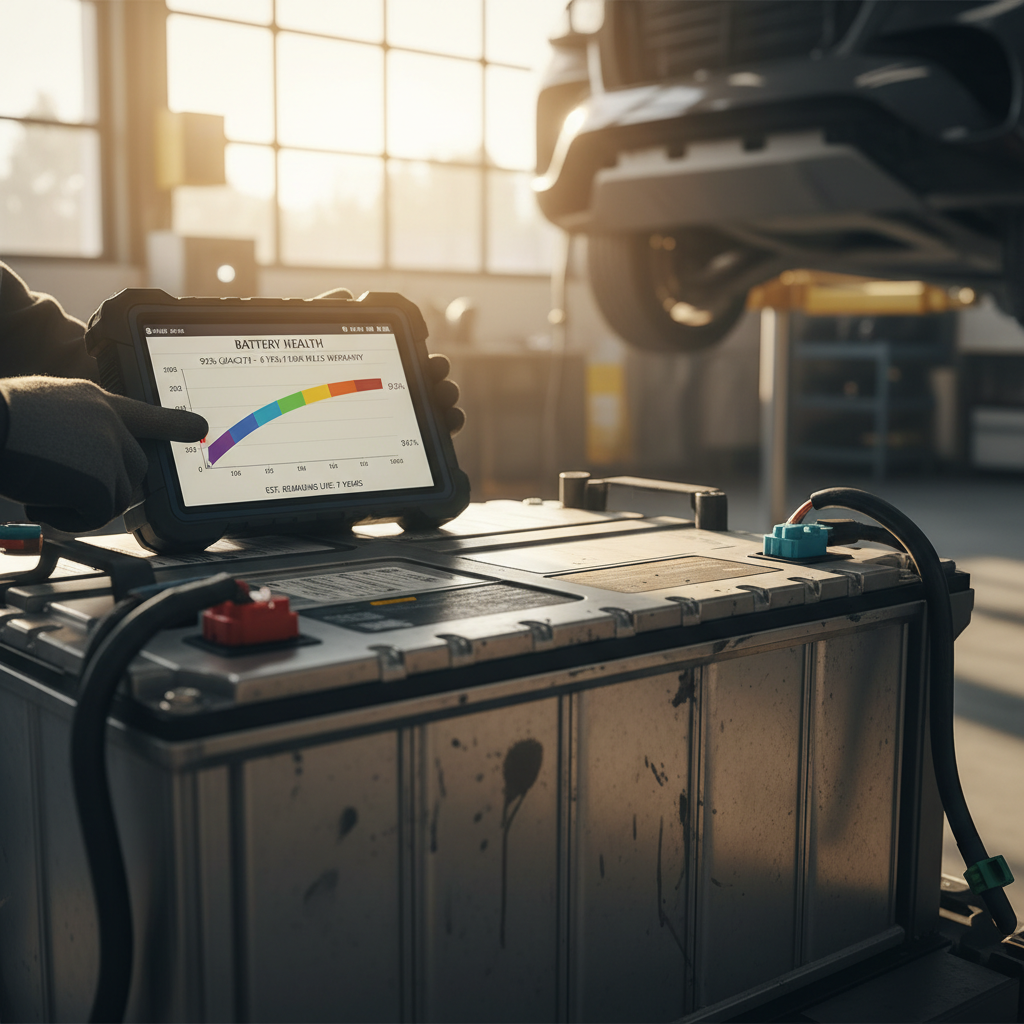
Request a formal battery health report that shows usable capacity vs. original and check for extremely heavy DC fast‑charging usage, which can accelerate aging if abused.
2. Confirm software is up to date
Ask the seller which software version the car is on and whether all outstanding campaigns or recalls have been completed. Many infotainment and driver‑assist glitches disappear after updates.
3. Test every power feature
Spend time checking seat motors, soft‑close doors, door handles, sunroof, ambient lighting, HUD, stereo, massage seats and all driver‑assist features. Luxury cars fail at the margins, find issues before you buy.
4. Inspect wheels, tires and brakes
The EQS is heavy and hard on 21" wheels and low‑profile tires. Look for bent rims, uneven wear and brake noise. Budget for a fresh set of high‑load‑rated tires if they’re near end of life.
5. Scan for warning lights or stored codes
On a test drive, check for any persistent warnings. A professional pre‑purchase inspection can scan the car for stored error codes that might not show on the main display.
Who the 2024 Mercedes EQS Is (and Isn’t) For
Great Fit If You Want…
- Maximum comfort: You prioritize a quiet, supple ride over razor‑sharp handling.
- Long, relaxed road trips: 300‑plus miles of usable range plus a plush cabin make interstate driving easy.
- Tech‑forward luxury: The Hyperscreen, ambient lighting and high‑end audio create a true concept‑car vibe.
- Discreet status: The EQS looks expensive but doesn’t shout about it the way some rivals do.
Probably Not For You If…
- You want a sports sedan: A Taycan or BMW i5 M60 will feel more athletic.
- You hate touchscreens: This is a very digital cockpit with few physical controls.
- You’re extremely risk‑averse about new tech: First‑gen luxury EVs inherently carry more software risk than mature ICE platforms.
- You need maximum cargo utility: The hatchback helps, but this isn’t an SUV; consider the EQS SUV or a different model if you need towing or frequent third‑row use.
Buying a Used Mercedes EQS with Recharged
If you’re intrigued by the 2024 EQS but wary of six‑figure new‑car pricing and early‑adopter risk, the used market is where this car really starts to make sense. That’s exactly the gap Recharged is built to fill: helping you shop confidently for a used EV with transparent data rather than guesswork.
How Recharged De-Risks a Used EQS Purchase
Battery health, pricing transparency and EV‑savvy support in one place.
Recharged Score Battery Health
Fair Market Pricing
EV-Specialist Support
Ready to find your next EV?
Browse VehiclesYou can handle the entire process digitally, from browsing and financing to trade‑in and nationwide delivery, or visit our Recharged Experience Center in Richmond, VA if you prefer to sit in the metal before deciding. Either way, the goal is simple: make a used EQS feel like a rational decision, not a leap of faith.
2024 Mercedes EQS FAQ
Frequently Asked Questions About the 2024 Mercedes EQS
Verdict: Is the 2024 EQS a Smart Buy?
Viewed purely as a new‑car proposition, the 2024 Mercedes EQS is an exquisite but expensive way to go electric, an opulent S‑Class alternative with strong range, serene manners and some lingering software baggage. Where it becomes truly compelling is as a used EV: the market’s early‑adopter jitters and rapid tech turnover have already pushed prices down to the point where you can get a flagship‑grade experience for far less than new.
If you value comfort, quiet and brand cachet over Nürburgring lap times, and you’re willing to lean on good diagnostics to de‑risk battery and software questions, the EQS earns a spot on your shortlist. Approached thoughtfully, with tools like a Recharged Score battery report, transparent pricing data and EV‑savvy guidance, it can be one of the most rational irrational purchases in today’s luxury EV space.