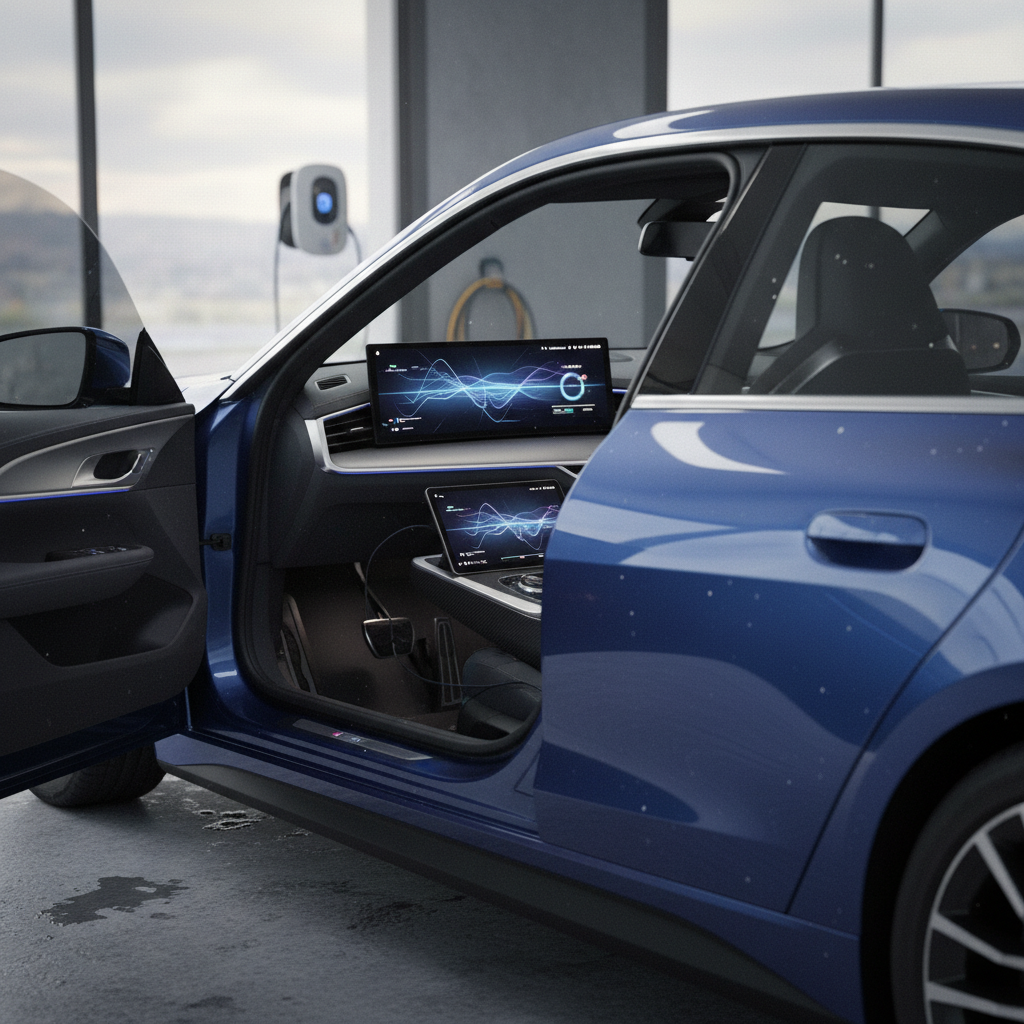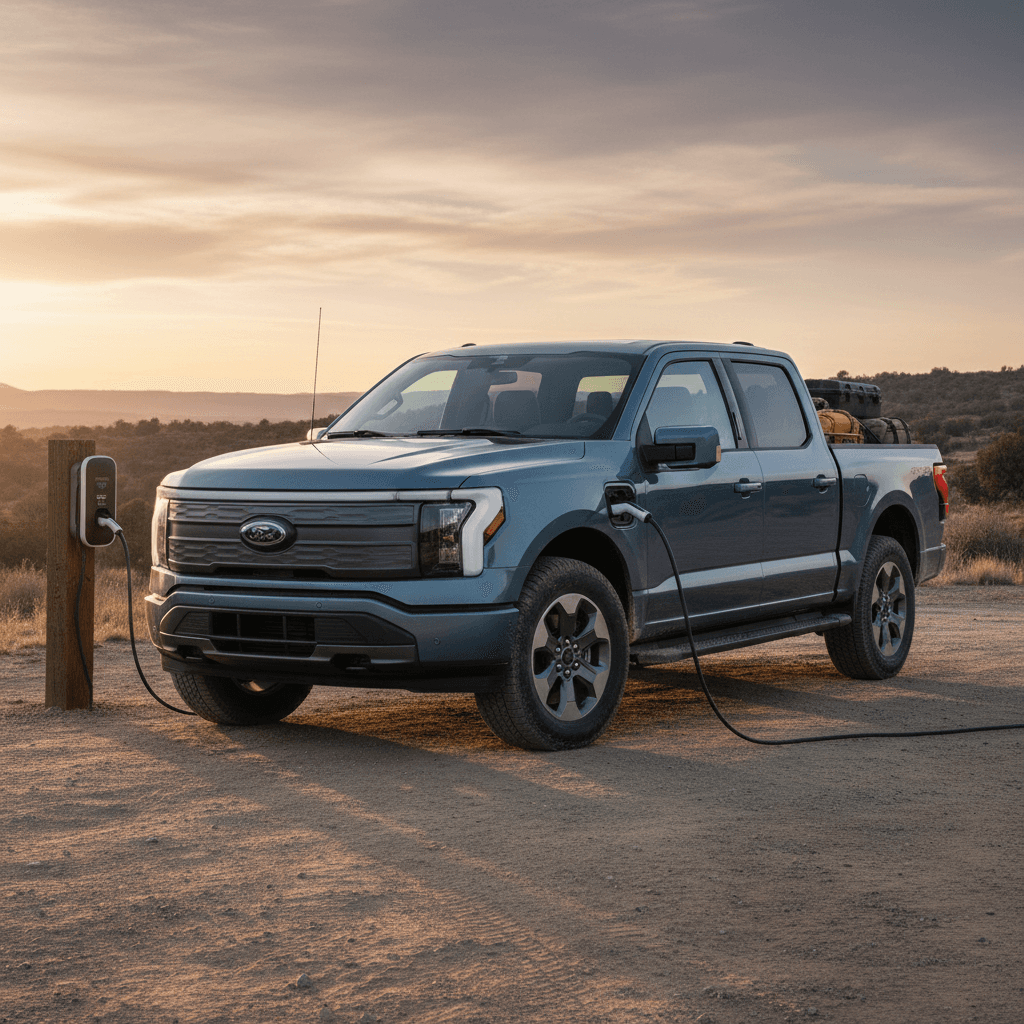
If you’re cross‑shopping the Ford F-150 Lightning vs Tesla Cybertruck, you’re not just choosing between two electric pickups, you’re choosing between two very different philosophies of what a truck should be. One is a familiar F-150 that happens to be electric; the other is a stainless‑steel design experiment with eye‑popping performance and polarizing practicality.
Two Very Different Takes on an Electric Truck
Overview: Ford F-150 Lightning vs Tesla Cybertruck
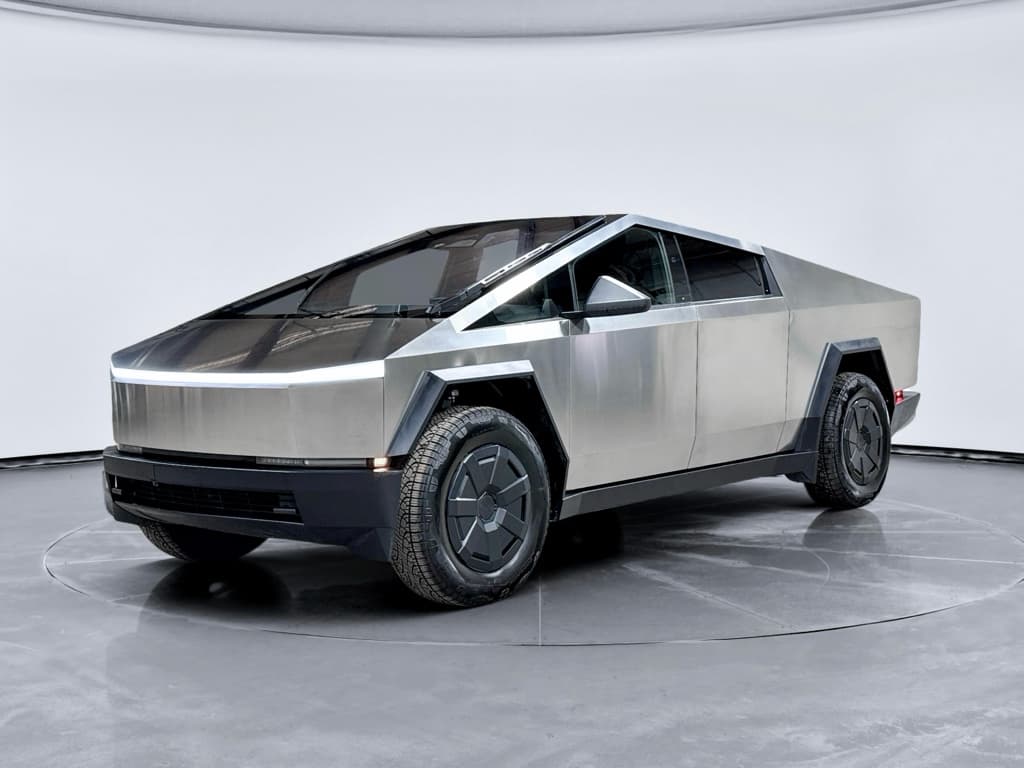
At a high level, the Ford F-150 Lightning is an electric version of America’s best‑selling truck, sharing the same basic cab and bed layout as a conventional F‑150. It’s aimed at current truck owners, fleets, and families who want a truck that behaves like a truck, just without tailpipe emissions. The Tesla Cybertruck, by contrast, is a clean‑sheet design with a stainless‑steel exoskeleton, wedge profile, and a cabin that feels closer to a sci‑fi concept car than a traditional pickup.
Ford F-150 Lightning
- Looks and feels like a conventional F‑150 from the driver’s seat.
- Trim walk from work‑focused Pro to luxury Platinum.
- Excellent Mega Power Frunk and Pro Power Onboard exportable power.
- Sold through Ford dealers with nationwide service and fleet support.
Tesla Cybertruck
- Radical stainless‑steel design with integrated vault‑style bed cover.
- Tri‑motor Cyberbeast and dual‑motor AWD offer supercar‑level acceleration.
- More payload on paper and a slightly longer bed than Lightning.
- Sold direct by Tesla with mobile service and fewer physical touchpoints.
Start With Your Use Case
Key Specs at a Glance
Ford F-150 Lightning vs Tesla Cybertruck: Core Specs
Approximate U.S. specs for popular trims as of late 2024/early 2025. Always check current manufacturer data before you buy.
| Spec | F-150 Lightning (Extended Range) | Cybertruck AWD | Cybertruck Cyberbeast |
|---|---|---|---|
| Horsepower | ≈580 hp | ≈590–600 hp | 845 hp |
| 0–60 mph | ~3.8–4.0 sec | ~4.1 sec | ≈2.6 sec |
| EPA range | Up to ~320 mi | ~340 mi | ~320 mi |
| Max towing | 10,000 lbs | 11,000 lbs | 11,000 lbs |
| Max payload | Up to ~2,235 lbs | Up to 2,500 lbs | Up to 2,500 lbs |
| Bed length | 5.5 ft | 6.0 ft | 6.0 ft |
| Architecture | 400V | 800V | 800V |
On paper, the Cybertruck wins raw performance and payload; the Lightning focuses on familiarity and utility.
Headline Numbers to Know
Price, Trims, and Real-World Value
Sticker prices move around with incentives and dealer inventory, but the broad picture is stable: a Ford F-150 Lightning is generally easier to get into at a lower price than a comparable Tesla Cybertruck, especially once you include dealer discounts and federal tax credits on qualifying trims.
How Pricing Shakes Out in the Real World
Approximate new MSRP ranges in early 2025 (before destination and incentives).
Ford F-150 Lightning
- Pro (commercial‑leaning) starts in the low–$50,000s when available.
- XLT and Flash trims with more equipment typically land in the mid‑$60,000s to low‑$70,000s.
- Platinum and special editions can climb into the $80,000s, depending on options.
Ford’s frequent pricing adjustments and dealer incentives make real‑world transaction prices highly variable, and some trims remain eligible for federal tax credits.
Tesla Cybertruck
- RWD entry model: high‑$60,000s starting price, with fewer features and lower tow rating.
- AWD: typically in the high‑$70,000s to low‑$80,000s, positioned as the volume model.
- Cyberbeast: from around $100,000, especially for early Foundation‑series builds.
Production has been constrained, and early Cybertrucks tend to transact at or near MSRP due to limited supply.
Value and Depreciation
- Lightning values have softened as more inventory hit the market and Ford trimmed prices on some trims.
- Cybertruck values are still forming, early builds may command a premium, but long‑term resale will track Tesla brand sentiment and production volume.
- Used pricing for both will heavily reflect battery health and real‑world range more than odometer alone.
Don’t Shop MSRP in a Vacuum
If you’re open to buying used, the value equation changes dramatically. Early Lightnings have already taken their initial depreciation hit, so a low‑mileage used truck with healthy battery diagnostics can undercut a new Cybertruck by tens of thousands of dollars while delivering very similar capability. That’s exactly the gap Recharged was built to surface clearly with transparent, battery‑aware pricing.
Range, Efficiency, and Charging Experience
On paper, the Cybertruck squeezes slightly more range out of a bigger battery thanks to its 800‑volt architecture and aero‑optimized shape. In practice, independent testing has shown surprisingly similar real‑world range between well‑equipped Lightning trims and Cybertruck AWD when driven without trailers at highway speeds. The story changes quickly once you hitch something heavy behind either truck.
- Ford F-150 Lightning extended‑range models typically advertise up to ~320 miles of range in ideal conditions.
- Tesla Cybertruck AWD is rated around the mid‑300‑mile mark, with the Cyberbeast slightly lower, and the RWD variant expected to sit in the ~350‑mile neighborhood when conditions are favorable.
- Towing heavy loads can cut effective range by half or more for both trucks, especially at higher speeds or in cold weather.
The Harsh Reality of EV Towing
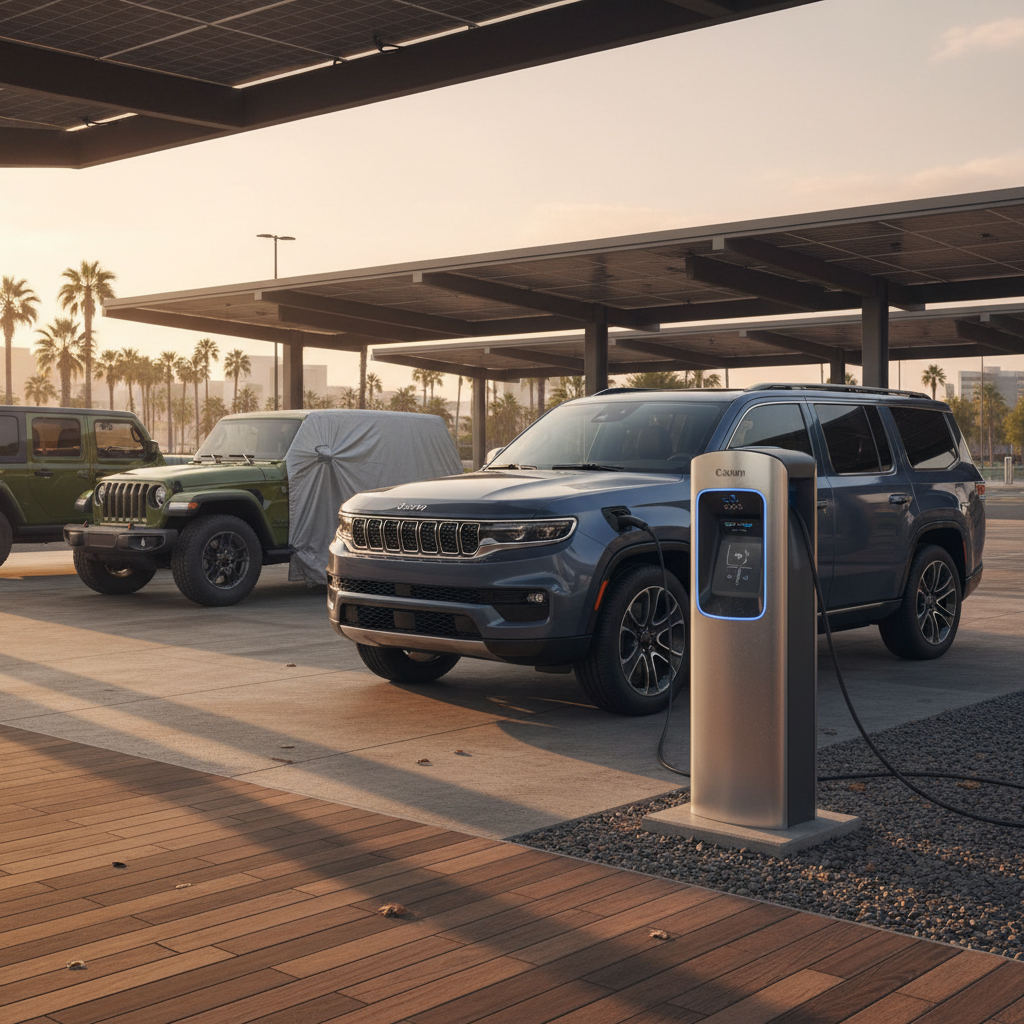
Charging the F-150 Lightning
- 400V architecture, DC fast charging up to roughly 150 kW depending on trim and conditions.
- Can use a wide range of CCS fast‑charging networks (Electrify America, EVgo, etc.).
- Home charging via 240V Level 2 is the sweet spot, especially if you install Ford’s home charging hardware.
- Intelligent backup power options can turn the truck into a home battery in outages with proper hardware.
Charging the Tesla Cybertruck
- 800V architecture with strong DC fast‑charging performance over 250 kW on Tesla’s Supercharger network.
- Seamless Supercharger experience remains a major everyday advantage for road‑tripping.
- Home charging also happens on Level 2; Tesla’s Wall Connector integrates charging controls via the Tesla app.
- Exportable power exists but is more limited on some lower trims than Ford’s Pro Power Onboard system.
Factor in Your Local Charging Reality
Towing, Payload, and Real Work Capability
Both trucks tow more than most owners will realistically pull on a daily basis, but there are important differences. The Cybertruck wins the spec‑sheet race on maximum tow rating and payload, while the Lightning counters with more traditional truck behavior, better‑developed trailer‑assist tech, and a dealer network steeped in truck use cases.
Towing and Payload Comparison
Headline capability numbers for popular configurations.
| Capability | F-150 Lightning | Cybertruck |
|---|---|---|
| Max towing | Up to 10,000 lbs (properly equipped) | Up to 11,000 lbs (AWD & Cyberbeast) |
| Base tow rating | 5,000–7,700 lbs depending on trim | 7,500 lbs (RWD) |
| Max payload | ≈1,950–2,235 lbs depending on battery | Up to 2,500 lbs |
| Trailer assist tech | Pro Trailer Backup Assist, Hitch Assist, Trailer Reverse Guidance, Smart Trailer Tow | Basic trailer functions; less advanced trailer‑assist tech so far |
| Real‑world towing range | Can fall into low‑100‑mile territory with large trailers | Similar story, significant range loss reported with heavy trailers |
Cybertruck edges out Lightning on paper; Lightning responds with excellent towing tech and a more familiar setup for long‑time truck owners.
For Serious, Frequent Towing
Bed, Frunk, and Everyday Utility
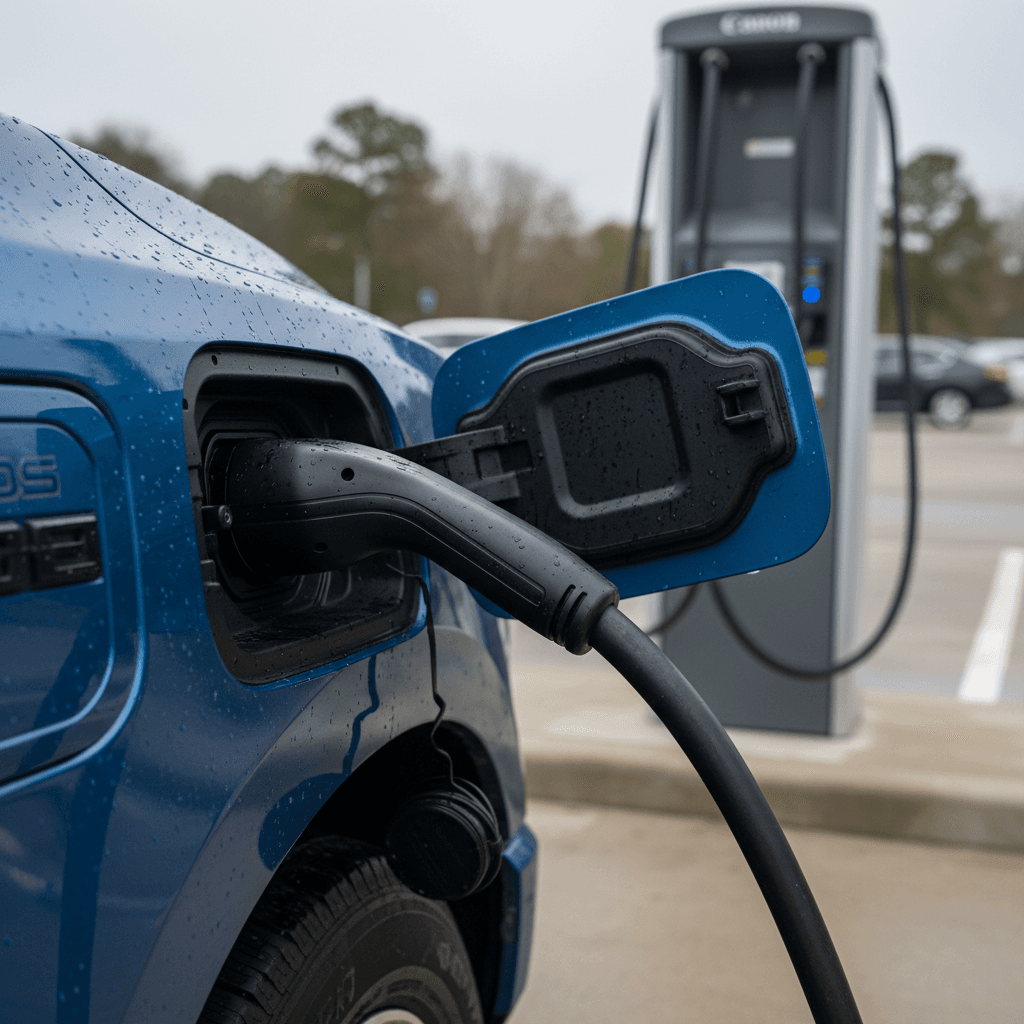
Where these trucks diverge most in daily life isn’t 0–60, it’s how you actually carry stuff. The Lightning leans into a massive powered frunk and a conventional open bed; the Cybertruck leans into a long, enclosed vault and sacrifices some frunk volume to its wedge profile and packaging.
How They Carry Your Gear
Lightning emphasizes frunk and open‑bed versatility; Cybertruck emphasizes the integrated vault.
Ford F-150 Lightning Utility
- Mega Power Frunk is one of the Lightning’s killer features, huge, weather‑sealed, easy‑loading, and low lift‑over height.
- Traditional 5.5‑ft bed works with existing F‑150 racks, caps, and many bed accessories.
- Pro Power Onboard exportable power turns the truck into a giant battery for worksites and camping.
- Interior and exterior storage feel familiar to anyone coming from an F‑150 gas or hybrid.
Tesla Cybertruck Utility
- 6‑ft composite bed with integrated locking tonneau cover creates a secure, weather‑sealed “vault.”
- Under‑bed storage plus side sail compartments add hidden cargo options.
- Frunk exists but is smaller and less square than the Lightning’s.
- Bed design works great for bikes, tools, and gear that benefit from being locked and out of sight, less accommodating for tall cargo without opening the cover.
Think About Where You Park
Tech, Interfaces, and Driving Experience
The Lightning and Cybertruck are both rolling tech platforms, but they feel radically different from behind the wheel. The Ford feels like a very quick, very quiet modern F‑150 with an oversized touchscreen. The Tesla feels like a spaceship, right down to the steering controls and minimalist interior.
Inside the F-150 Lightning
- Large portrait‑style touchscreen (in higher trims) running Ford’s SYNC 4A system.
- Conventional steering wheel, column shifter (on some trims), and familiar control layout.
- BlueCruise hands‑free driving on mapped highways in supported trims.
- Software updates and apps, but Ford is still catching up to Tesla in OTA maturity and interface polish.
Inside the Tesla Cybertruck
- Landscape touchscreen with Tesla’s well‑known minimalist UI and frequent over‑the‑air updates.
- Unconventional steering controls (yoke‑style or wheel variants) and very few physical buttons.
- Strong driver‑assist suite leveraging Tesla’s latest Autopilot/“Full Self‑Driving” stack, but with evolving feature sets and legal scrutiny.
- Cabin design prioritizes design statement over traditional truck ergonomics; some will love it, others will bounce off quickly.
Test Drive Before You Decide
Which Truck Fits Which Type of Owner?
Rather than asking which truck is “better,” a more useful question is: Which truck better matches your daily reality? Here’s how the F-150 Lightning vs Tesla Cybertruck typically map to different buyer profiles.
Match the Truck to Your Life, Not the Hype
Contractors & Tradespeople
Need to haul tools and materials locally, often under 80–100 miles a day.
Lightning’s Mega Power Frunk and Pro Power Onboard turn the truck into a rolling toolbox and generator.
Ford’s dealer network, fleet support, and repair ecosystem are familiar to most commercial buyers.
Suburban Families & Daily Commuters
Most trips are school runs, commuting, and weekend projects.
Both trucks are overkill in performance; focus on range, comfort, safety, and cargo flexibility.
Lightning often wins for child‑seat‑friendly rear seats and familiar interfaces; Cybertruck wins for curb‑appeal and tech‑forward vibe.
Lifestyle & Adventure Buyers
Weekend off‑roading, mountain bikes, camping gear, and road trips.
Cybertruck’s vault and Supercharger access make it appealing for road‑trip‑heavy lifestyles.
Lightning counters with great exportable power for camping and easier roof‑rack compatibility for bigger accessories.
Early Adopters & Brand Loyalists
If you’re a die‑hard Tesla fan, you already know where you’re leaning.
If you’ve owned F‑150s for years, Lightning will feel like home almost instantly.
Your comfort with each company’s approach to software, service, and communication should weigh heavily here.
Make a Simple Comparison Matrix
Buying Used: Lightning vs Cybertruck
Because electric trucks are expensive and early adopters tend to churn vehicles quickly, the used market, especially for the Lightning, is already interesting. Cybertruck supply is still ramping, but we’ll see more used examples as early owners move on or trade up trims.
Key Checks When Shopping a Used Electric Truck
1. Prioritize Verified Battery Health
Battery condition matters more than odometer. Ask for third‑party or OEM battery health reports. With Recharged, every truck includes a <strong>Recharged Score</strong> report so you can see real battery performance and degradation, not just a guess from the dash gauge.
2. Look Beyond Range Estimates in Ads
Online listings often quote original EPA range. A 3‑ or 4‑year‑old Lightning used mostly for towing will not perform like new. Compare claimed range to your real‑world commute and hauling needs, and be skeptical of vague language.
3. Inspect Towing and Work History
Check for hitch wear, wiring modifications, bed damage, and signs of heavy payload use. Frequent max‑load towing doesn’t automatically kill an EV, but it can accelerate wear on tires, brakes, and sometimes thermal systems.
4. Evaluate Charging Behavior
Ask how the previous owner charged: mostly at home Level 2 or constant DC fast charging? Extensive fast‑charging is not a deal‑breaker, but consistent high‑power use can add stress to the pack over time.
5. Confirm Software and Warranty Coverage
On both Lightning and Cybertruck, confirm software update status, recall work, and remaining battery and powertrain warranty. For Cybertruck specifically, early production quirks make service history especially important.
6. Consider Total Cost, Not Just Price
Compare payment, insurance, electricity vs fuel, maintenance, and expected depreciation. A slightly more expensive used truck with a healthier battery and strong diagnostics can be cheaper to own than a low‑priced example with unknown history.
How Recharged Simplifies Used EV Trucks
Ready to find your next EV?
Browse VehiclesFord F-150 Lightning vs Tesla Cybertruck FAQ
Frequently Asked Questions
Conclusion: Which Electric Truck Should You Buy?
If you strip away the hype, the Ford F-150 Lightning vs Tesla Cybertruck decision comes down to a simple fork in the road. If you want a truck that looks and behaves like a familiar F‑150, just quieter, quicker, and running on electrons, the Lightning is the safer, more practical choice. Its huge frunk, Pro Power Onboard, traditional bed, and dealer network all point in the same direction: everyday usability.
If you want a design statement with outrageous acceleration, a slick vault bed, and the best integrated fast‑charging experience on the market, the Cybertruck is the one truck that absolutely does not blend in. You’ll trade some traditional truck ergonomics and service familiarity for that, but for the right buyer, that trade is part of the appeal.
Whichever direction you lean, the fundamentals are the same: know how you actually use a truck, be realistic about towing and range, and don’t buy any EV, new or used, without understanding its battery health. That’s exactly where Recharged can help, with Recharged Score reports, EV‑savvy support, and transparent used‑truck listings that make it easier to pick the right electric pickup for the next decade, not just the next news cycle.