If you’re shopping for an EV, you’ve probably heard that an electric car warranty is “8 years and 100,000 miles.” That line gets repeated so often it sounds like a rule of nature. In reality, EV warranties are more nuanced, and if you’re buying used, understanding the fine print can easily be the difference between confidence and a five‑figure surprise repair bill.
Good news for EV shoppers
Why electric car warranties matter more with EVs
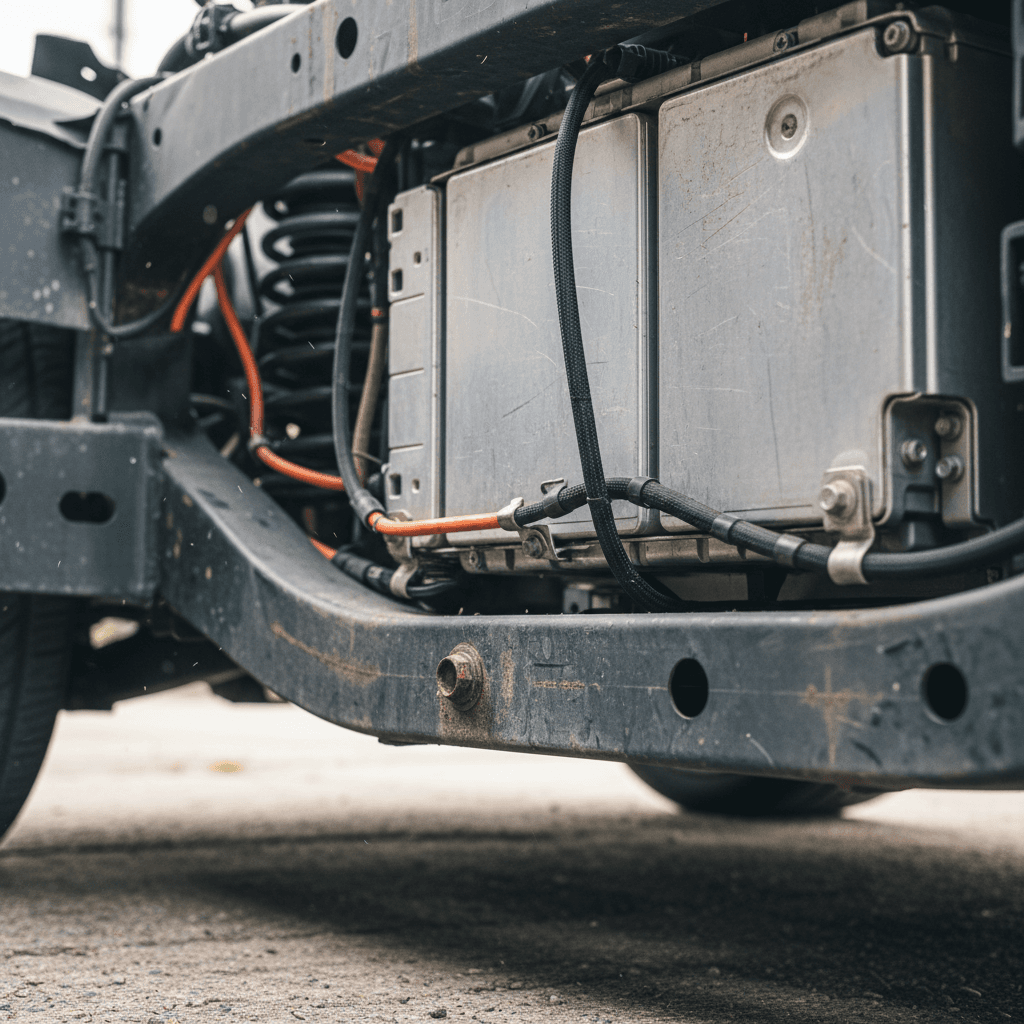
On a gasoline car, the most expensive components, engine and transmission, are covered by a traditional powertrain warranty. With an EV, the single biggest cost center is the high‑voltage battery pack. Replacement costs can run from the mid‑four figures into the tens of thousands of dollars, depending on model and pack size. That’s why EV shoppers obsess over warranties and battery health in a way gas buyers rarely do.
- EV batteries typically last much longer than early fears suggested, often 12–15 years or 100,000–200,000 miles in normal use.
- Most brands now provide a separate, longer battery/drive‑unit warranty in addition to the basic “bumper‑to‑bumper” warranty.
- Used EV buyers care less about paint or interior wear, and much more about remaining battery capacity and coverage.
Don’t rely on marketing headlines
How an electric car warranty works (and how it’s different)
At a high level, an electric car warranty looks familiar: you get a basic warranty, a powertrain warranty, corrosion coverage, and emissions coverage. The big difference is that EVs add a dedicated high‑voltage battery and electric drive unit warranty, with its own years, mileage caps, and conditions.
Typical gasoline car warranty
- Basic / bumper‑to‑bumper: ~3–4 years / 36,000–50,000 miles
- Powertrain: ~5–10 years / 60,000–100,000 miles
- Corrosion: ~5–12 years (often mileage unlimited)
- No separate coverage for a single ultra‑expensive component (the engine is just part of powertrain).
Typical electric car warranty
- Basic: similar 3–4 years / 36,000–50,000 miles
- EV powertrain: covers motor, inverter, reduction gear
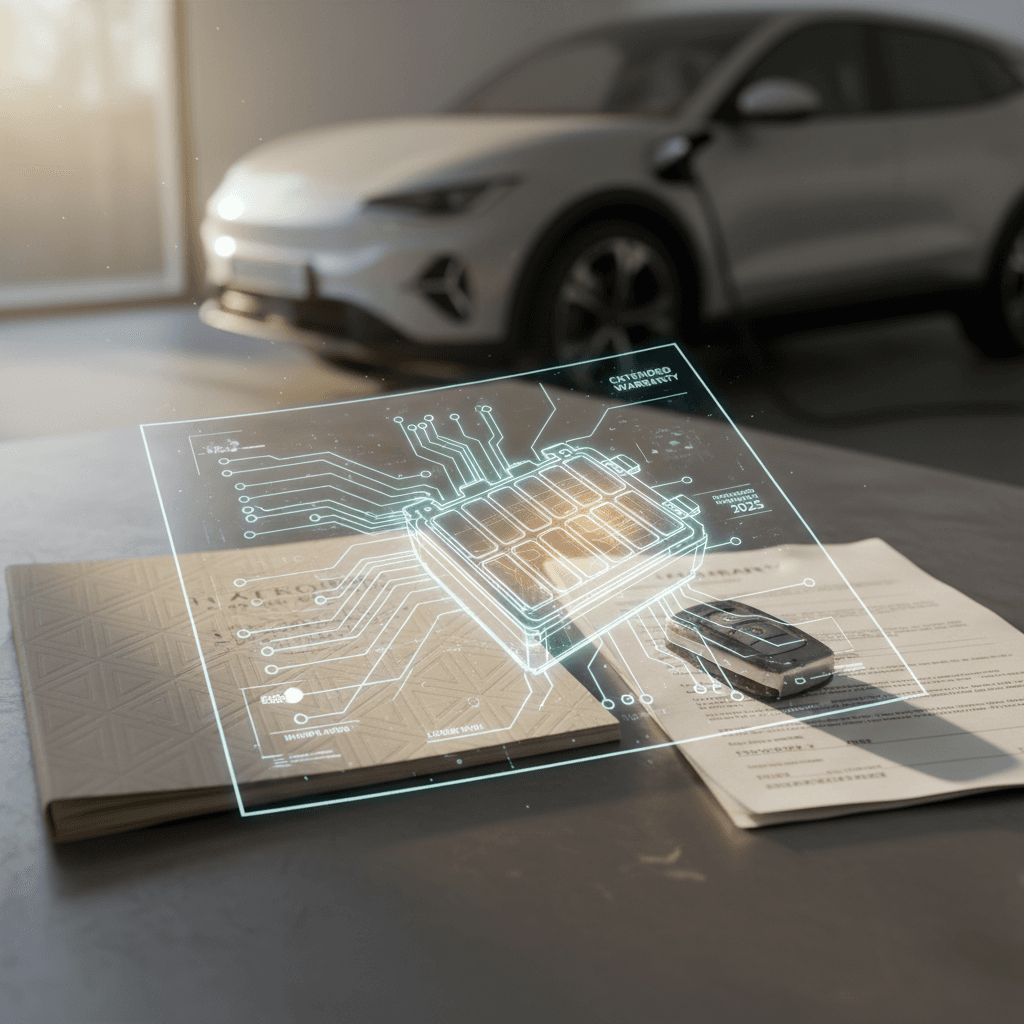
- High‑voltage battery warranty: usually 8 years / 100,000+ miles, sometimes longer
- Capacity guarantee: pack must stay above ~70% of original usable capacity during the warranty window.
Follow the shortest clock first
EV battery warranty: 8 years/100,000 miles and beyond
Ask any dealer what the battery warranty is and you’ll usually hear, “Eight years, one hundred thousand miles.” That’s become the de facto baseline in the U.S., and in some states, like California and other CARB states, certain plug‑in vehicles must carry at least 10 years / 150,000 miles of battery coverage to meet regulatory requirements.
Quick facts about EV battery warranties (2025)
That 70% capacity figure is important. EV batteries don’t typically “fail” overnight. They gradually lose capacity, which shows up as reduced range. Many warranties kick in only when capacity drops below a defined threshold, often 70%, so a car that’s lost 20–25% of its range may still be considered “within spec” by the manufacturer.
Real‑world degradation is often modest
What electric car warranties actually cover
With EVs, coverage falls into a few buckets. The trick is understanding which problems live in which bucket, and which bucket still applies at the age and mileage you’re shopping.
Main parts of an electric car warranty
Different issues go to different coverage buckets
Basic (bumper‑to‑bumper)
Covers most non‑wear items: infotainment, interior electronics, switches, HVAC, and many sensors.
Usually 3–4 years / 36,000–50,000 miles.
Powertrain / EV system
For EVs, this often includes the drive motor, reduction gear, and inverter.
Terms vary, frequently aligned with battery coverage.
High‑voltage battery warranty
Protects against defects in the pack and often capacity loss below a threshold.
Commonly 8 years / 100,000+ miles, some brands go longer.
- Defects in materials or workmanship in the battery, motor, or power electronics.
- Capacity loss beyond the guarantee (for example, falling below 70% of original usable capacity).
- Internal failures not caused by collision, flooding, or unauthorized modifications.
- Diagnostic and labor costs for covered repairs, when performed at an authorized dealer.
Warranties are designed for catastrophic problems
What’s NOT covered: exclusions that surprise EV owners
Automakers are getting more sophisticated, and more aggressive, about carving out exclusions. That’s especially true around charging behavior and modifications, because they don’t want to underwrite abuse or experimental tinkering.
Common EV battery warranty exclusions
Exact terms vary by brand; always read the official warranty booklet for your specific VIN.
| Area | Often Excluded or Limited | What it means for you |
|---|---|---|
| Charging behavior | Frequent DC fast charging above “recommended” levels; repeated 100% charges in hot weather | Occasional road‑trip fast charging is fine. Using a DC fast charger as your daily “gas station” may weaken your claim if the pack degrades quickly. |
| Non‑approved chargers | Use of unapproved or damaged charging equipment | If you use a sketchy third‑party charger or modified adapter and it damages the pack, you may be on the hook. |
| Modifications | Aftermarket battery heaters, “range‑boost” hacks, or opening the pack | Any tampering with the high‑voltage system is a warranty landmine. |
| Environmental exposure | Flooding, submersion, or severe corrosion from road salt | If the car sat in a flood or was driven with obvious underbody rust, expect resistance on warranty claims. |
| Neglect | Ignoring warning lights, failing to update software when instructed | If you keep driving with high‑voltage warnings for months, the manufacturer can argue you made things worse. |
Use this as a red‑flag checklist when reading any electric car warranty.
Watch for “renewable” or conditional warranties
Brand examples: Tesla, Hyundai, Mercedes & more
While headline numbers are converging, automakers still take different approaches to battery warranties. Below are illustrative examples, not a substitute for reading the official booklet for the exact model and year you’re considering.
Sample 2025 EV battery warranty terms (illustrative)
Always verify current terms for your specific model, year, and region before buying.
| Brand / Example Model | Years | Mileage cap | Capacity guarantee* | Notable twist |
|---|---|---|---|---|
| Tesla Model 3 RWD | 8 | 100,000 | 70% | Higher‑trim Teslas often get higher mileage caps (up to ~150,000 miles). |
| Hyundai Ioniq 5 | 10 | 100,000 | 70% | One of several brands using 10‑year battery coverage as a differentiator. |
| Mercedes‑Benz EQS | 10 | 155,000 | 70% | Luxury flagship with one of the longest time and distance combinations. |
| Mainstream compact EV | 8 | 100,000 | 70% | Typical baseline for many mass‑market models. |
These examples show how similar‑sounding warranties can differ in mileage and capacity guarantees.
Regulation is pushing floors higher
Used electric car warranty: transfer rules and gaps
Most modern EV battery warranties do transfer to subsequent owners, but that doesn’t mean you get the same deal the original buyer had. Some brands quietly shorten terms or reduce coverage levels once the car changes hands, especially on earlier plug‑in hybrids and compliance‑era EVs.
What usually transfers
- Battery and drive‑unit warranty: Commonly transfers for the remaining years/mileage.
- Corrosion warranty: Often fully transferable.
- Recalls and service campaigns: Always follow the car, never the owner.
Where gaps appear
- Shortened terms: Some early policies step down from 10 years to 8 or reduce mileage for second owners.
- Capacity coverage caveats: A few brands restrict capacity‑loss coverage to original owners.
- Documentation requirements: Missing service records can give OEMs ammunition to deny borderline claims.
Don’t assume “remaining warranty” without proof
How Recharged evaluates warranty and battery health
When you’re evaluating a used EV, you’re really evaluating two things: remaining warranty and current battery health. At Recharged, we build both directly into every listing so you’re not decoding fine print on your own.
What the Recharged Score tells you about warranty risk
Every Recharged EV comes with a battery‑centric report
Verified battery diagnostics
We run dedicated high‑voltage diagnostics and range‑focused tests, not just a quick OBD scan.
The Recharged Score surfaces usable capacity and flags abnormal degradation patterns.
Clear warranty snapshot
Each vehicle’s listing shows which EV warranties are still active, when they expire by date and mileage, and any known limitations.
No guessing based on model year and hearsay.
Ownership cost context
Our specialists walk you through how battery health and remaining warranty affect total cost of ownership, loan terms, and resale.
You’re not just buying a car, you’re buying a risk profile.
Ready to find your next EV?
Browse VehiclesEnd‑to‑end support from EV specialists
Checklist: key questions to ask about an EV warranty
Used electric car warranty due‑diligence checklist
1. What are the exact battery warranty terms for this VIN?
Ask for the official warranty booklet and a VIN‑specific coverage printout or screenshot from the OEM system. Look at years <em>and</em> mileage, not just one or the other.
2. Is there a capacity guarantee, and what’s the threshold?
Confirm whether the warranty covers capacity loss and at what percentage (for example, below 70%). Capacity‑only coverage without a clear threshold is hard to enforce.
3. Does capacity coverage transfer to me?
On some older EVs and plug‑in hybrids, degradation coverage applied only to the first owner. Make sure you know what applies to you as a second or third owner.
4. Are there usage or inspection requirements?
Look for any language about annual inspections, mandatory software updates, or “renewable” coverage. Missing a step can quietly void future protection.
5. Has the car ever had battery or high‑voltage repairs?
Warranty replacements can be good news, but undocumented third‑party pack work is a red flag. Ask for invoices or service history, not just verbal assurances.
6. What does the battery health data show today?
Don’t rely on the car’s range estimate alone. Ask for a battery health report, such as the Recharged Score, with measured capacity and historical trends.
FAQ: electric car warranty questions, answered
Frequently asked questions about electric car warranties
Bottom line: how to use warranties, not fear them
Electric car warranties aren’t something to fear, they’re a tool. Used well, they let you enjoy the benefits of an EV while capping your downside risk on the most expensive component in the vehicle. The key is to look past the marketing headline, understand exactly how the electric car warranty handles battery capacity, transfer rules, and exclusions, and then pair that with real battery‑health data on the specific car in front of you.
That’s exactly the gap Recharged is built to close. By combining transparent pricing, EV‑specific inspections, the Recharged Score battery report, and clear warranty snapshots for each vehicle, we turn warranty fine print into just another data point in a straightforward decision. If you’re considering a used EV, you don’t have to become a warranty lawyer, you just need the right information, presented clearly, before you sign.