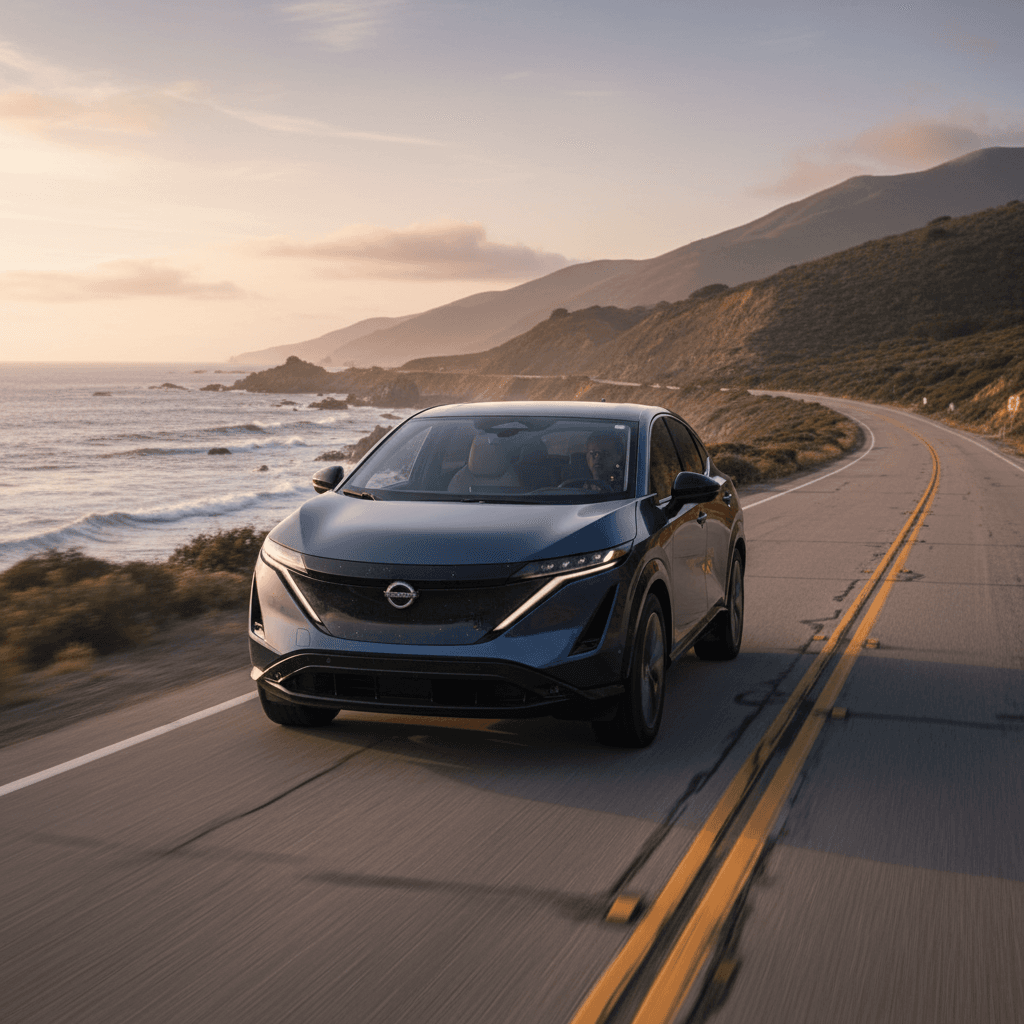
If you’re eyeing a Nissan Ariya and wondering whether it can handle real-world highway duty, you’re not alone. The combination of a roomy cabin, strong tech and a sizeable battery makes it look like an ideal EV crossover. This Nissan Ariya road trip review pulls together owner experiences, published specs and practical planning advice so you know what to expect before you commit to a multi‑hundred‑mile drive, or to buying one, especially used.
Quick verdict
Why the Nissan Ariya Makes People Curious About Road Trips
On paper, the Ariya checks most of the boxes you’d want for longer journeys: a usable battery up to roughly the mid‑80 kWh range, available all‑wheel drive, a smooth dedicated EV platform and Nissan’s advanced ProPilot Assist 2.0 hands‑free driver assistance on some trims. That’s a compelling recipe for families and commuters who want one EV that can do the daily grind and the annual road trip.
- Spacious two‑row crossover footprint with comfortable seating for four adults plus luggage
- Battery options that, in ideal conditions, can support 200–250+ miles of highway range between stops
- Advanced driver assistance (especially on Platinum+ trims) that can take the edge off long interstate legs
- Competitive pricing on the used market that makes it attractive versus new EVs with similar specs
Tip if you’re shopping used
Nissan Ariya batteries, range, and what that means on the highway
The Ariya comes in multiple configurations globally, but the pattern is similar in North America: a smaller pack for city‑focused drivers and an 87 kWh (usable) pack aimed at people who want more flexibility. Official test‑cycle ratings are higher than what you’ll see holding 70–75 mph on the interstate, so it helps to translate the brochure numbers into realistic road‑trip expectations.
Nissan Ariya battery options and realistic highway expectations
Approximate real‑world highway ranges assume mild weather, light cargo and steady 70 mph cruising. Your results will vary with speed, temperature, terrain and wheel/tire choice.
| Configuration | Usable battery | Official range (best-case trims) | Typical highway range window* |
|---|---|---|---|
| 63 kWh FWD | ~63 kWh | mid‑200 miles | 160–190 miles |
| 87 kWh FWD | ~87 kWh | low‑300 miles | 210–240 miles |
| 87 kWh e‑4ORCE AWD | ~87 kWh | just under 300 miles | 190–220 miles |
Use these figures as planning guidelines, not promises. Always leave a buffer in winter or in hilly terrain.
About those range estimates
Highway road-trip efficiency snapshot
Real-world road trip efficiency: what owners are seeing
Scan through Ariya owner forums and you see a consistent pattern: as a road‑trip car, the Ariya is efficient enough to feel confident, but not a range monster. Drivers who sit at 70 mph and use Eco mode with sensible climate settings tend to land around 3.0 miles/kWh on longer runs, sometimes better in warm weather and flatter terrain.
- In cold climates (near or below 0°F), highway‑heavy trips can dip to roughly 2.5 mi/kWh, which noticeably trims range.
- In temperate weather with mixed suburban and highway driving, drivers often see 3.5–4.0 mi/kWh, which helps stretch those legs.
- Speeds above 75 mph, roof boxes and aggressive acceleration all pull efficiency down quickly, just as with other EVs.
Efficiency sweet spot
DC fast charging performance on long drives
Road trips live or die on DC fast charging, and this is where the Ariya lands in the “good, not great” camp. It can accept up to roughly 130+ kW under ideal conditions, but the charging curve doesn’t hold those peak speeds as long as the best road‑trip EVs on the market.
- Peak DC fast‑charge rate is generally a bit over 130 kW when the pack is warm and you’re at a low state of charge (SOC).
- From about 10–60% SOC, you can often average in the 70–90 kW range, which translates to reasonable 20–30 minute stops.
- Above ~60–70% SOC, the charge rate tapers noticeably, so it’s usually faster to hop between chargers more often instead of stuffing the pack to 90–100%.
What a typical 87 kWh highway stop looks like
Weather and battery temperature matter
Comfort, noise and storage: Is the Ariya a good road trip cabin?
On comfort, the Ariya is a road‑trip overachiever. It rides on a dedicated EV platform with a long wheelbase for its size, and owners consistently praise the quiet cabin and supple ride. This is one area where it genuinely feels more premium than its price tag suggests, especially versus compact crossovers converted from gas platforms.
Long‑distance comfort highlights
Where the Ariya feels strongest when you’re stacking highway miles
Supportive seats
Quiet, calm cabin
Usable cargo space
Ride comfort
The Ariya leans toward comfort rather than sport. On long interstate runs, that’s usually what you want. Expansion joints, patched pavement and bridge seams are muted rather than sharp. The available e‑4ORCE all‑wheel drive adds weight but also a planted feel, especially in wet conditions.
Interior usability
The sliding center console, multiple storage nooks and generous second‑row legroom make packing and unpacking less of a Tetris game. With the rear seats folded, you can handle big Costco runs or vacation gear; with them up, a family of four can travel with luggage without resorting to a roof box in most cases.
ProPilot Assist 2.0 on road trips: when it shines and when it doesn’t
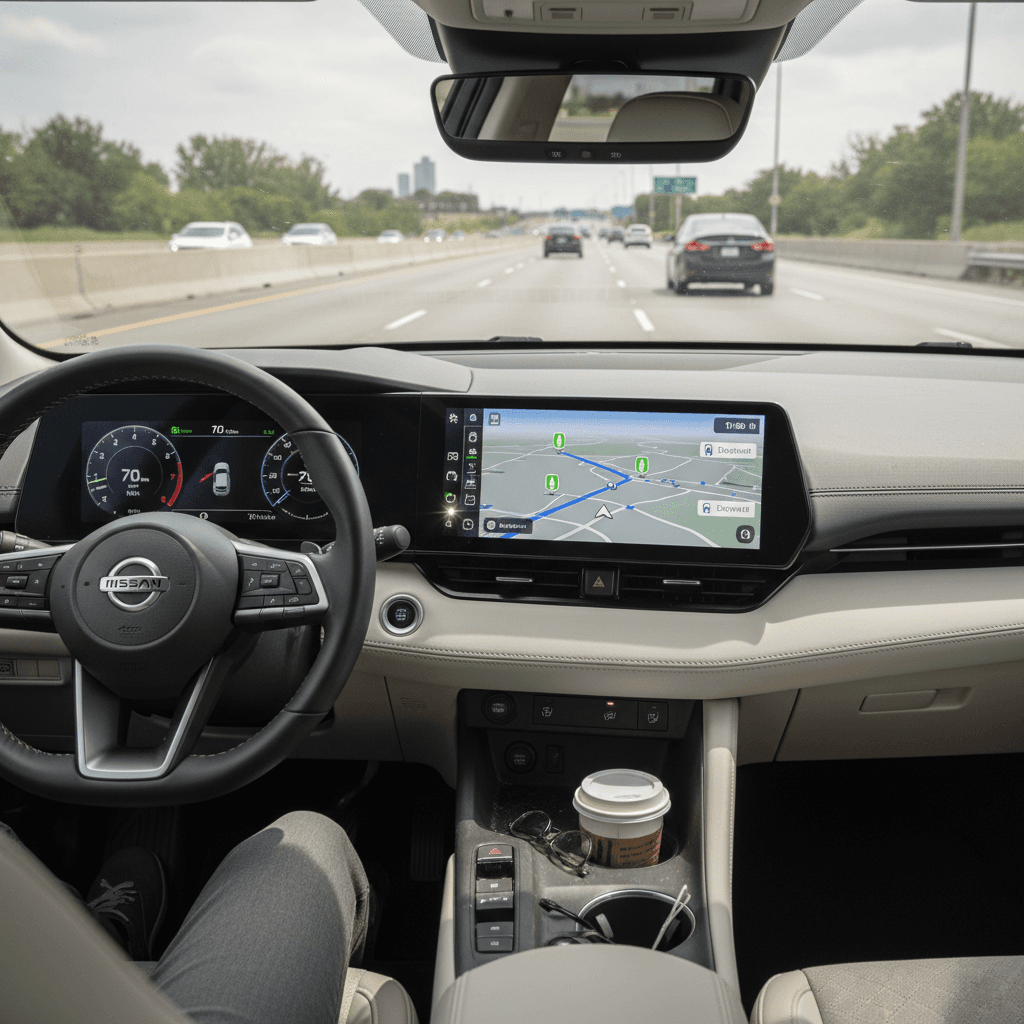
One of the Ariya’s most talked‑about road‑trip features is ProPilot Assist 2.0, available on higher trims like Platinum+. It adds hands‑free capability on certain HD‑mapped highways, automatic lane changes with the turn signal and more sophisticated lane‑centering than ProPilot 1.0.
ProPilot Assist 2.0 on the open road
Owner reports paint a nuanced picture
Where it works well
- Long, well‑marked interstates with HD mapping
- Heavy, stop‑and‑go commuter traffic
- Night driving when you’re mentally drained
Many drivers say it meaningfully reduces fatigue on multi‑hour legs.
Where it can frustrate
- Stretches without HD maps, where it drops back to basic assist
- Fog, heavy rain or worn lane markings
- Occasional "swimming" within the lane that unsettles some passengers
You still need to stay engaged and ready to intervene.
Hands‑free does not mean mind‑off
How the Ariya compares to other EV road-trippers
If you’re cross‑shopping EVs specifically for long‑distance use, the Ariya sits in a competitive but crowded field. It doesn’t win every category, but it combines comfort, usable range and pricing in a way that makes sense for a lot of shoppers, especially on the used market.
Nissan Ariya vs other popular EV road‑trip options
High‑level comparison focused on road‑trip priorities rather than full spec sheets.
| Model | Highway range feel | DC fast charging | Cabin comfort | Used value outlook |
|---|---|---|---|---|
| Nissan Ariya (87 kWh) | Solid; 200–240 mile legs are realistic | Average; not class‑leading, but workable with planning | One of the strongest points, quiet and refined | Attractive pricing vs newer competitors |
| Hyundai Ioniq 5 / Kia EV6 | Efficient with good legs at 70 mph | Excellent; 200+ kW peaks with strong curves | Comfortable but more firm/sporty | Strong demand keeps used prices higher |
| Tesla Model Y | Good range plus access to Superchargers | Very strong, especially with Tesla network access | Interior is minimalist, firmer ride | Wide availability and strong resale |
| Chevrolet Blazer EV / Equinox EV (emerging) | Competitive ranges on paper | Modern GM fast charging; still rolling out | Spacious, upright cabins | Too new for clear long‑term value trends |
Exact numbers vary by trim/year; treat this as a directional guide when you’re shortlisting test drives.
How to evaluate the Ariya against rivals
Planning a road trip in a Nissan Ariya: step-by-step
You don’t need to be a spreadsheet jockey to road‑trip an Ariya, but a few planning habits go a long way. Here’s a practical sequence you can follow for a weekend getaway or a cross‑country trek.
Step‑by‑step Ariya road trip planning
1. Start with honest range assumptions
In warm weather, plan legs of 180–220 miles in an 87 kWh Ariya and 140–170 miles in a 63 kWh version. In winter or mountains, trim those by at least 15–20% and leave a buffer.
2. Map fast chargers along your route
Use apps like PlugShare, ChargePoint, EVgo, Electrify America and your in‑car navigation to identify reliable DC fast chargers roughly every 80–120 miles along the main highways you’ll use.
3. Target lower state of charge at fast stops
Aim to arrive with 10–25% charge and leave around 60–70%. That’s where the Ariya charges fastest. Avoid lingering past 80–90% unless the next charger is sparse or risky.
4. Reserve hotels with Level 2 charging
Search for hotels with on‑site or nearby Level 2 chargers. Waking up to a full battery is a game‑changer, but always have a backup in case chargers are blocked or out of service.
5. Use drive modes smartly
Eco mode, moderate HVAC settings and e‑Step (if you like one‑pedal feel) can all help efficiency, especially in slower traffic. Don’t be afraid to switch back to Standard for hilly or twisty stretches.
6. Build in realistic breaks
Think of 20–30 minute DC fast‑charge stops as meal, restroom and stretch breaks. You’ll arrive fresher, and you won’t feel like you’re "waiting on the car" as often.
Road trip pros and cons summary by trim
63 kWh FWD
- Best for: Occasional 150–200 mile trips, regional travel, lighter budgets.
- Pros: Lower cost, lighter weight, still comfortable on the highway.
- Cons: Shorter legs, more frequent DC stops; winter range can feel tight.
87 kWh FWD
- Best for: Regular weekend trips, 300–400 mile days with 1–2 fast‑charge stops.
- Pros: Healthy range buffer, smooth and efficient in mild climates, strong value used.
- Cons: Only front‑wheel drive; DC charging still mid‑pack.
87 kWh e‑4ORCE AWD
- Best for: All‑weather travelers, mountain driving, families with cargo.
- Pros: Extra traction and power, planted feel at speed, same usable battery size.
- Cons: Slightly lower efficiency; higher purchase price.
Should you buy a used Nissan Ariya for frequent road trips?
If your calendar includes a couple of big trips a year plus plenty of weekend miles, a used Ariya, especially an 87 kWh example, can hit a sweet spot between cost and capability. The market has matured enough that you can often find low‑mileage vehicles with plenty of warranty remaining at a meaningful discount from new.
Used Nissan Ariya as a road-trip EV: quick scorecard
What to weigh before you sign
Why it’s a smart pick
- Comfortable, quiet cabin that punches above its price point.
- Usable highway range in the 87 kWh trims without overspending.
- Advanced driver aids available, including hands‑free ProPilot 2.0 on some trims.
- More approachable used pricing than many newer alternatives.
Where to be cautious
- Fast charging isn’t best‑in‑class; plan routes more carefully.
- Real‑world winter range can shrink quickly at highway speeds.
- Hands‑free driver assistance only works on specific mapped roads.
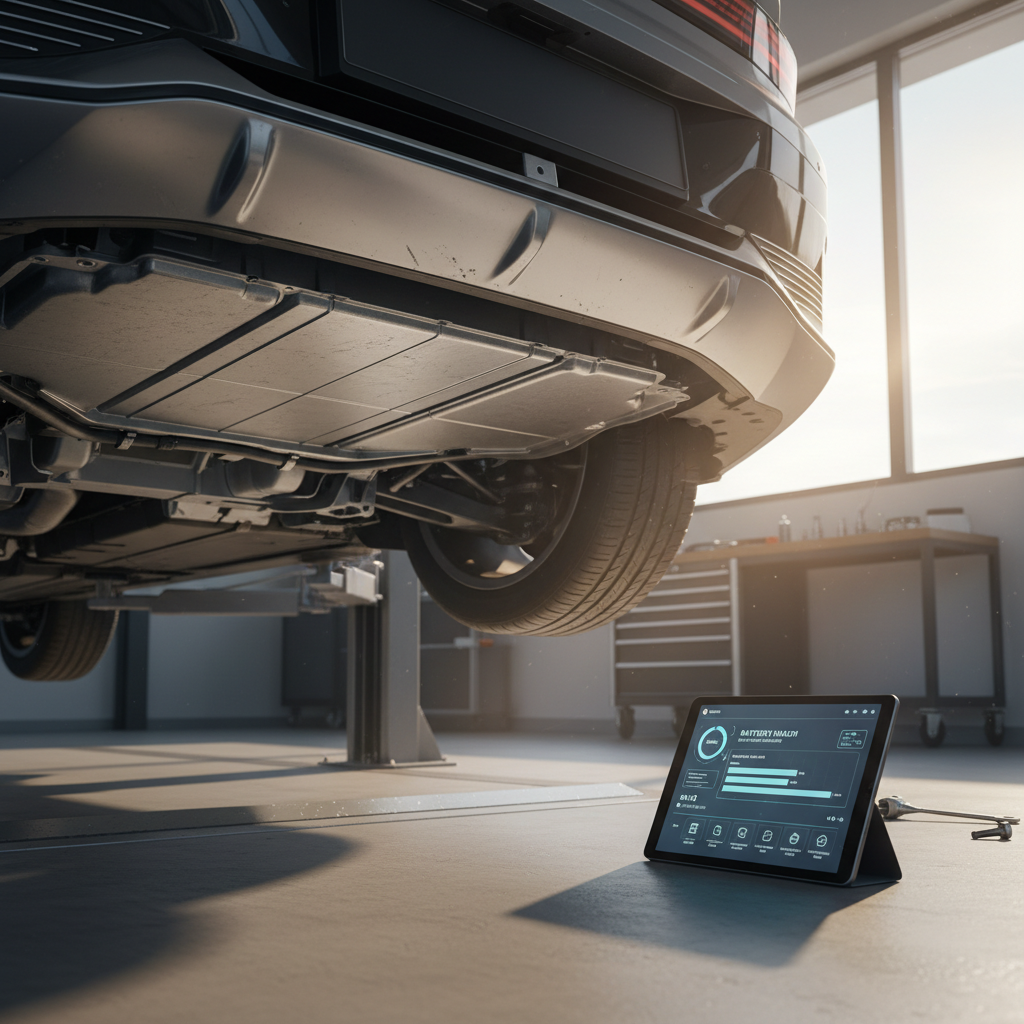
- As with any EV, battery health matters more than odometer alone.
How Recharged can help
Ready to find your next EV?
Browse VehiclesNissan Ariya road trip FAQ
Nissan Ariya road trip FAQ
Bottom line: How road-trip-ready is the Nissan Ariya?
For most drivers, the Nissan Ariya is road‑trip ready with asterisks. It delivers a quiet, comfortable highway ride, useful real‑world range, especially in 87 kWh trims, and driver‑assist tech that can take some of the sting out of long interstate slogs. The trade‑off is that its DC fast charging is merely decent, not best‑in‑class, so you’ll need to plan routes and stops with a bit more care than you might with the fastest‑charging EVs.
If your life involves a handful of 300–500 mile days each year, the Ariya makes a strong case as a do‑it‑all EV, particularly on the used market where pricing is compelling. If you’re in the camp that lives on the highway and stacks 700–800 mile days routinely, a quicker‑charging rival may fit better. Either way, going in with realistic expectations, and clear data on battery health from a trusted source like a Recharged Score Report, will make every mile more predictable and a lot more enjoyable.