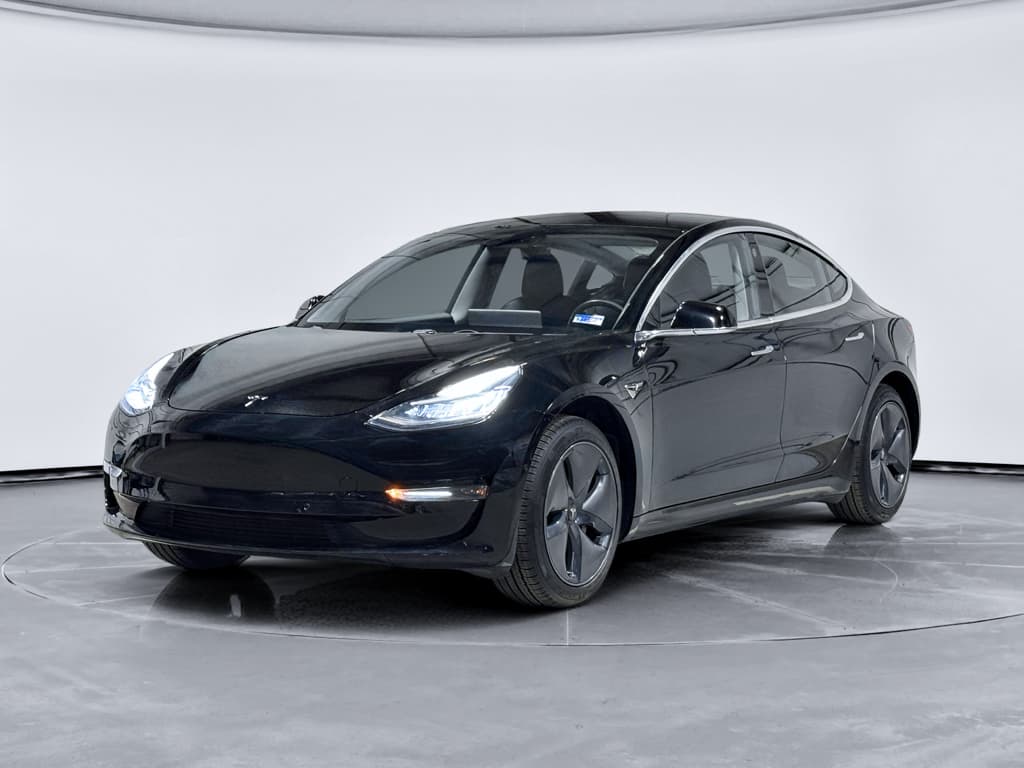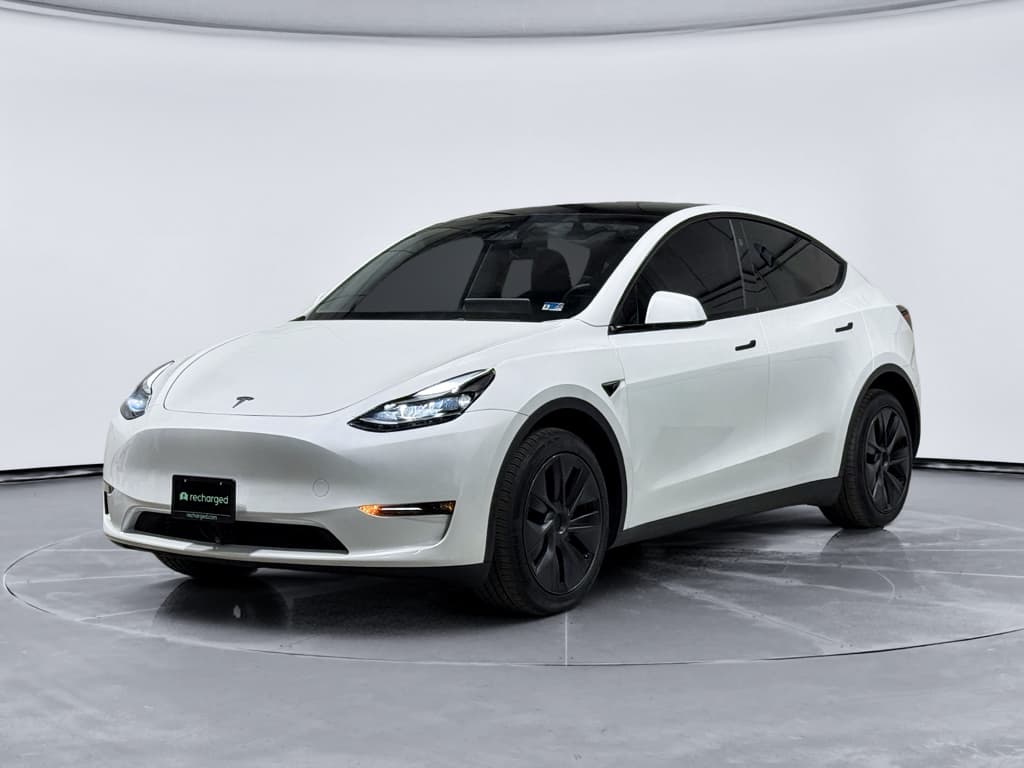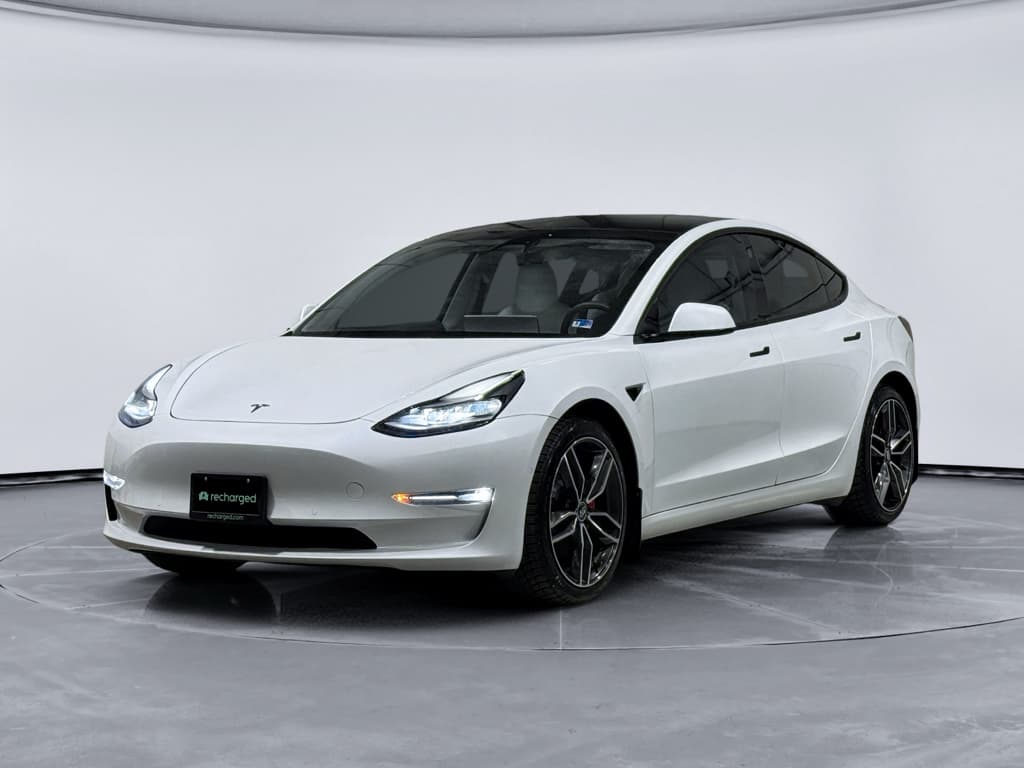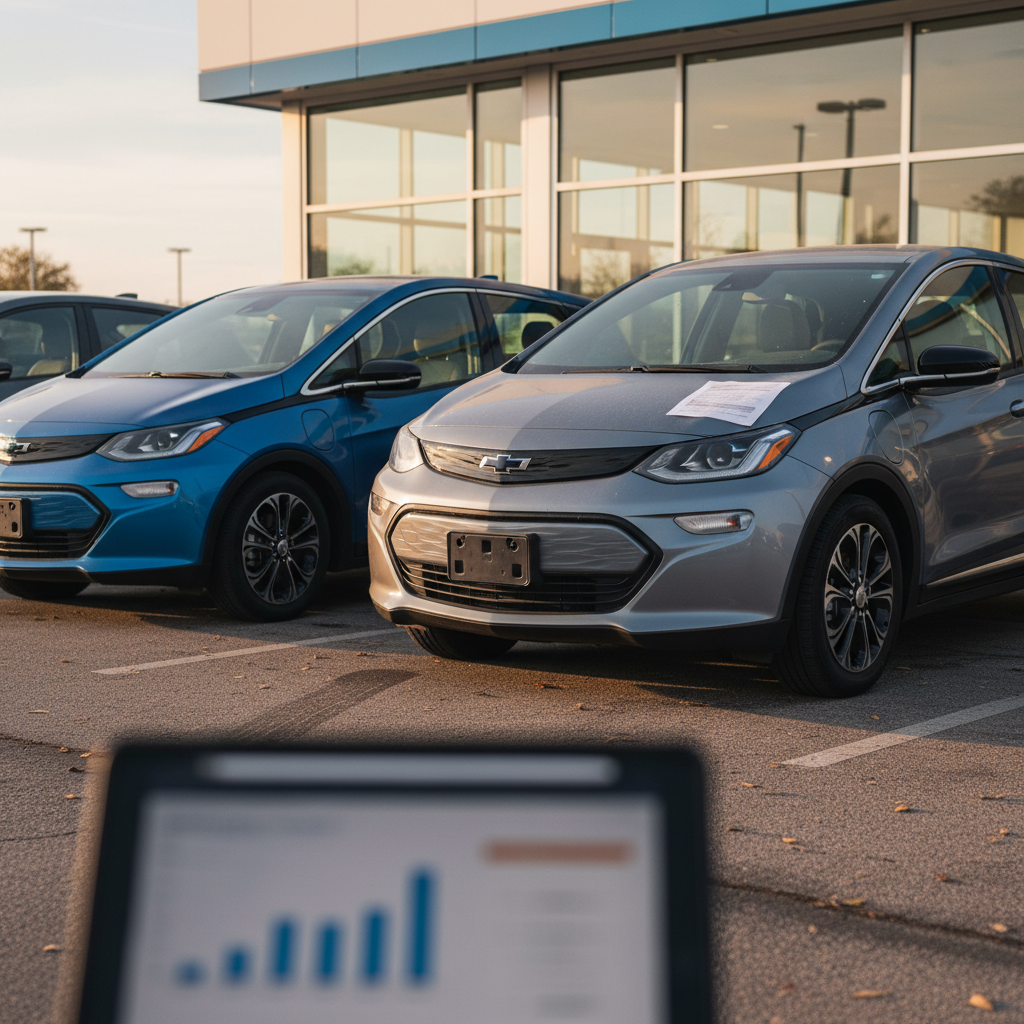
If you’ve gotten an insurance quote for your electric car and thought, “Wait, *what*?” you’re not alone. On average, insuring an EV in 2026 still costs more than a comparable gas car, but there are plenty of electric car insurance tips that can genuinely save you money, especially if you’re open to buying used.
The reality in 2026
Why electric car insurance feels so high right now
On paper, electric vehicles are usually safer bets than many gas cars: instant torque but strong stability control, advanced driver-assistance tech, and owners who skew a little older and more educated. And yet, EV insurance bills often land like a plot twist. That’s because insurers care less about how cool your car is and more about one thing: how expensive it is to make you whole after a claim.
- EVs typically cost more to repair, especially after collisions that affect the battery or high-voltage components.
- Parts can be harder to source, pushing up repair times and rental-car costs.
- Fewer shops are certified to work on EVs, which concentrates repairs at pricier facilities.
- Insurers still have limited long-term data on EV risk, so they price extra “uncertainty” into premiums.
Recent analyses of U.S. insurance data have found **EV crash repairs costing hundreds of dollars more on average** than comparable gas cars, and for some models, particularly high-end Teslas, the difference can run into the thousands for a single claim. Multiply that across millions of policies, and you get higher baseline premiums for the whole segment.
Brand matters more than “EV vs. gas”
How electric cars change the insurance math
Four EV-specific factors insurers care about
Understanding these helps you attack your premium from the right angles.
1. Battery replacement risk
If a collision damages the pack or its casing, insurers may have to replace the entire battery, or total the car. Structural battery designs can raise this risk.
2. Repair network & labor
EV-qualified shops are still a minority. Less competition means higher hourly rates and longer wait times, which flows straight into your premium.
3. Advanced tech features
Radar, cameras, and sensors in bumpers and windshields make small accidents surprisingly expensive. The upside: some of that same tech can earn you discounts.
4. Limited historical data
Insurers have decades of data on Civics and Camrys, just a few years on many EVs. Until the math gets clearer, they tend to price in some extra caution.
Quick checklist: 10 ways to lower your EV insurance
10 practical electric car insurance tips to save money
1. Compare at least 3–4 insurers
Different companies price EV risk very differently. A model that’s pricey with one carrier may be ordinary with another, especially if they have more EV experience.
2. Ask specifically about EV or "green vehicle" discounts
Some insurers quietly offer eco‑vehicle or alternative-fuel discounts, but don’t advertise them loudly. Ask point blank whether they reward EV ownership.
3. Consider a slightly higher deductible
If you have solid savings, raising your comprehensive and collision deductibles from $500 to $1,000 can trim premiums. Just make sure the higher out-of-pocket hit wouldn’t wreck your budget.
4. Enroll in telematics or "usage-based" programs
If you mainly commute gently and don’t rack up huge mileage, plug-in or app-based monitoring can earn big discounts by proving you’re a low-risk driver.
5. Bundle home or renters insurance
Bundling policies with the same insurer is still one of the easiest ways to get a 5–20% break on your auto premium, EV or otherwise.
6. Park off-street or in a locked garage
Garaged, off-street, or secured parking reduces theft and vandalism risk, insurers notice. Make sure your garaging address is accurate.
7. Keep your coverage clean of small claims
Filing a claim for every ding can nudge your premiums up. For truly minor cosmetic issues you can afford to fix yourself, sometimes it pays to pay cash.
8. Take advantage of safety & driver-course discounts
Defensive driving courses, teen-driver programs, and advanced safety tech can all earn price breaks. Ask your insurer which certifications they recognize.
9. Rethink unnecessary add-ons
Loan/lease gap coverage or new-car replacement can be smart on a new $70k EV, but may be overkill on a reasonably priced used model with a normal loan‑to‑value ratio.
10. Shop again at renewal, especially as EVs normalize
EV insurance pricing is changing fast. What’s expensive this year may be reasonable next year as more repair data and shops come online.
Choose the right EV with insurance in mind
If you haven’t bought your electric car yet, or you’re thinking about trading into a used EV, this is where you can move the needle the most. The **single biggest lever on insurance price is the car itself**: its value, repair costs, and crash record. You want the sweet spot where the technology is mature, the parts aren’t unicorns, and the battery isn’t astronomically expensive if something goes wrong.
New, high-end EVs
- Highest purchase price and replacement cost.
- Cutting-edge tech in bumpers and glass that’s expensive to recalibrate.
- Flagship models (think large luxury SUVs) often top national lists for costliest cars to insure.
If you’re price-sensitive on insurance, these are the cars to admire from a distance.
Well‑chosen used EVs
- Lower market value means lower comprehensive and collision premiums.
- More real‑world repair history for insurers to model accurately.
- Many mainstream models (Leaf, Bolt EUV, Kona Electric, ID.4, etc.) insure more like normal compact crossovers.
A gently‑used EV can give you the tech without the insurance sticker shock.
Use insurance quotes as a shopping tool
Because Recharged focuses on used EVs, we see this play out every day: a shopper moves from a pricey‑to‑insure performance model into a more modest crossover or hatchback and suddenly their quote makes sense. When you browse our inventory, your specialist can help you understand how things like trim, battery size, and safety features may impact insurance alongside the Recharged Score and battery health report.
Leverage discounts that favor EV drivers
Electric car drivers quietly qualify for some of the easiest insurance discounts on the market, they just don’t always know to ask. You’re already paying less for fuel and maintenance; with a little strategy, you can stack those savings with recurring discounts on your premium.
Discounts and programs that often pair well with EVs
Ask about these specifically when you call or quote online.
Green or low-emissions discount
Some insurers give a small percentage off for EVs, plug‑in hybrids, or eco‑labeled vehicles. It may not be huge, think “pays for a week of charging,” not a miracle, but it’s usually easy money.
Telematics / usage-based
High‑tech cars and tech‑comfortable owners are a perfect fit for app‑based programs that track braking, acceleration, and mileage. If you’re a smooth driver, the savings can be substantial.
Multi-policy & multi-car
Bundle your EV with a partner’s car, or combine auto with home or renters coverage. Insurers love stickiness; you get rewarded with lower combined rates.
Safe-driver rewards
Clean driving record, no at‑fault accidents, no DUIs, these still matter more than what’s under your hood. EV owners often benefit here because they tend to drive more conservatively.
Defensive driving / education
Online defensive driving courses and teen-driver education can help offset the added cost of insuring an EV for a new driver, which can otherwise be eye‑watering.
Home-charging & mileage patterns
If your EV means fewer long road trips and more consistent local miles, some insurers may see you as lower risk than your equivalent gas‑road‑warrior self. Usage-based plans capture this advantage best.
Where Recharged fits in
Ready to find your next EV?
Browse VehiclesDial in your coverage and deductibles (without leaving gaps)
Lowering your premium by gutting your coverage is like saving money by skipping brake pads: it works right up until it doesn’t. For electric cars, you want to be especially careful about how you tweak comprehensive and collision, because a single battery‑related claim can get very expensive, very fast.
How common coverage choices affect EV insurance costs
Use this as a starting framework, your exact needs may differ.
| Coverage choice | Impact on premium | Good idea when… | Be careful if… |
|---|---|---|---|
| Higher deductible ($1,000–$2,000) | Lowers premium, sometimes noticeably | You have a solid emergency fund and rarely file claims. | You’d struggle to pay that full deductible after a surprise accident. |
| Dropping comprehensive | Cuts premium, but removes protection from theft, fire, weather, vandalism. | The EV is older, low value, and you could afford to walk away from it. | The car still has meaningful value or a loan; you’d eat a big loss. |
| Dropping collision | Cuts premium substantially, but you won’t be covered for at-fault crashes. | Vehicle is inexpensive and fully paid off. | You drive in dense traffic or can’t easily replace the car out of pocket. |
| Reducing liability limits | Can trim premium a bit. | You truly can’t afford higher limits and drive very little. | You have assets or income to protect; medical and legal costs can explode. |
Higher deductibles usually lower your premium, but make sure the savings are worth the extra risk to your wallet.
Don’t skimp on liability for an expensive EV
Shop smart when you compare electric car insurance quotes
Comparing insurance for an electric car is like comparing spec sheets for EVs themselves: the devil is always hiding in the fine print. A $200 “cheaper” quote isn’t actually cheaper if the deductible is twice as high and the rental coverage disappears the minute you need a loaner while your battery pack is on backorder.
- Get quotes using the same coverage limits, deductibles, and drivers each time.
- Ask whether the estimate assumes OEM parts, aftermarket, or "whatever’s cheapest", that matters for complex EV components.
- Check how long rental coverage lasts; EV repairs can take longer if parts or qualified shops are scarce in your area.
- Look for EV experience: does the insurer list EVs by name in their tools or have EV-specific content on their site?
- Review how claims are handled, online, app, phone, and how quickly EV repairs are typically authorized.
“The headline ‘EVs cost more to insure’ is an average, not a law of physics. Model choice, repair networks, and how you structure your coverage can swing the numbers dramatically in your favor.”
Save more with used EVs and better battery data
Here’s the underrated trick: **insurance companies love predictability.** The more they know about how a vehicle ages, how often it’s wrecked, and what it costs to repair, the less they have to bake guesswork into your premium. That’s exactly where today’s used EV market shines.
Why used EVs can be an insurance sweet spot
When you buy through Recharged, every car includes a Recharged Score Report with verified battery health and pricing that reflects real-world degradation, not guesses. That transparency helps you understand the car’s true value, and can make conversations with lenders and insurers more straightforward, because you’re not flying blind on the single most expensive component in the vehicle.
How to use a used EV to your advantage
Electric car insurance FAQ
Common questions about electric car insurance and saving money
Key takeaways: Paying less to insure your EV
Electric car insurance in 2026 is a work in progress. Yes, the averages are higher, but they aren’t destiny. The car you choose, how you configure your coverage, which discounts you claim, and how you present yourself to insurers all have outsized impact on your final bill.
If you’re already in an EV, focus on what you can change this year: clean up your driving record, explore telematics, revisit your deductibles, and shop quotes with your current mileage and garaging habits in mind. If you’re still shopping, lean toward used EVs with solid battery health, mainstream repair networks, and pricing that doesn’t give underwriters heartburn.
Recharged exists to make that last part easier. Every used EV we sell comes with a Recharged Score Report, verified battery diagnostics, and expert guidance on total cost of ownership, including insurance. Combine that transparency with the money‑saving tips in this guide, and you’re far more likely to land an electric car that’s thrilling to drive and sensible to insure.