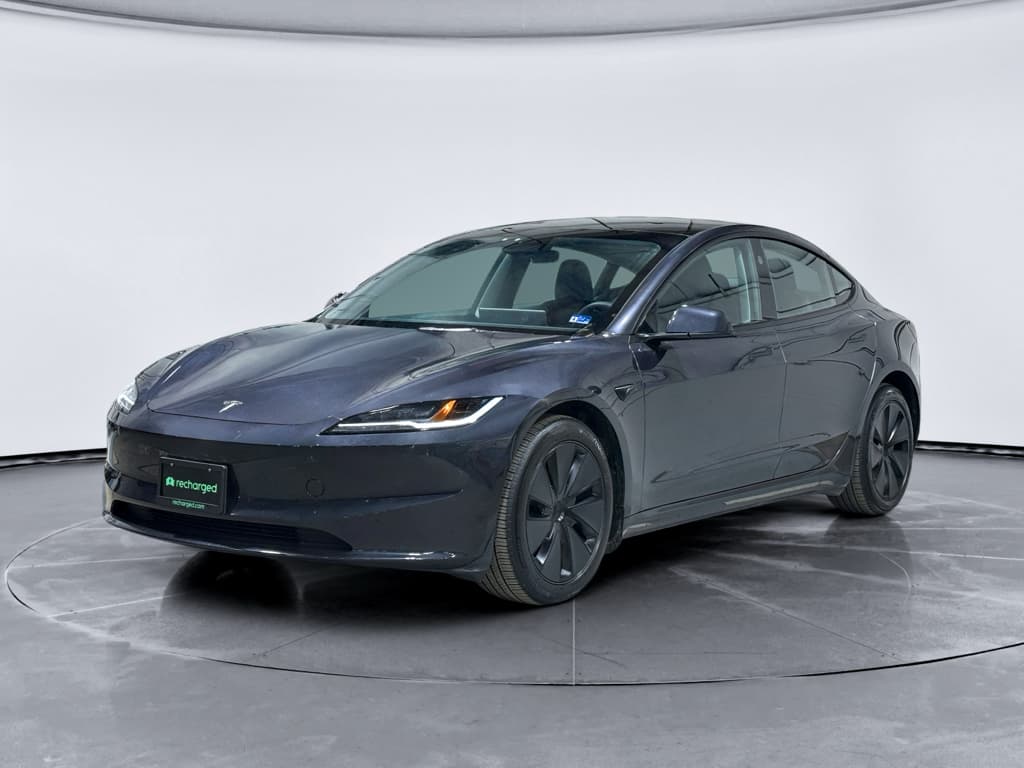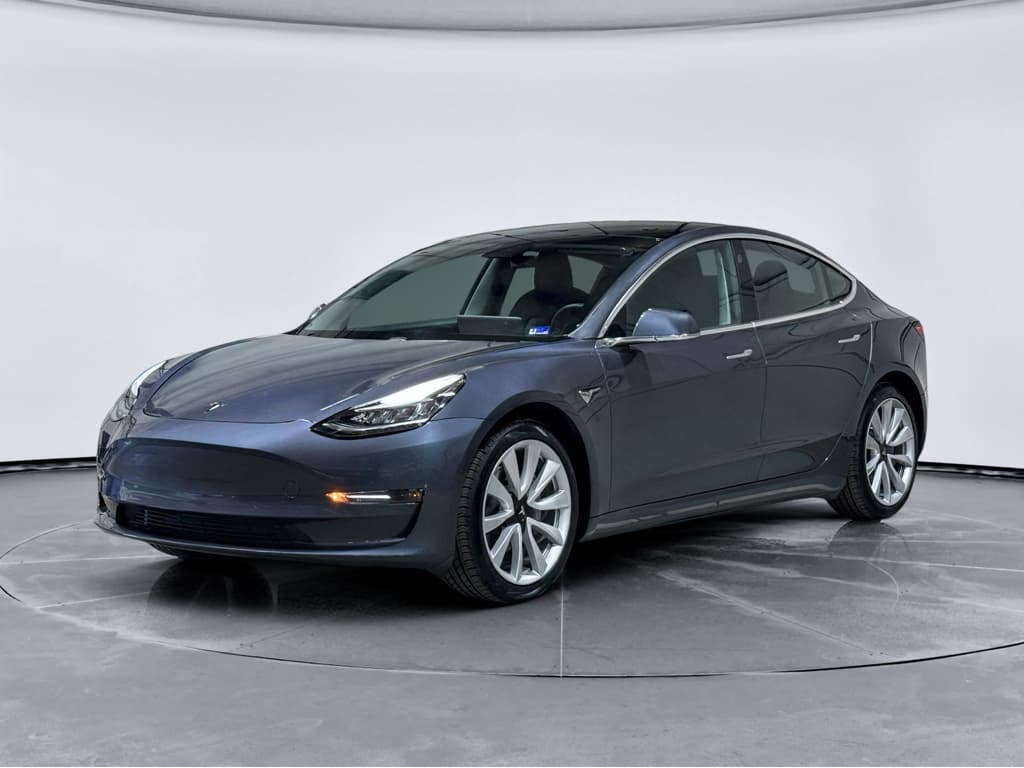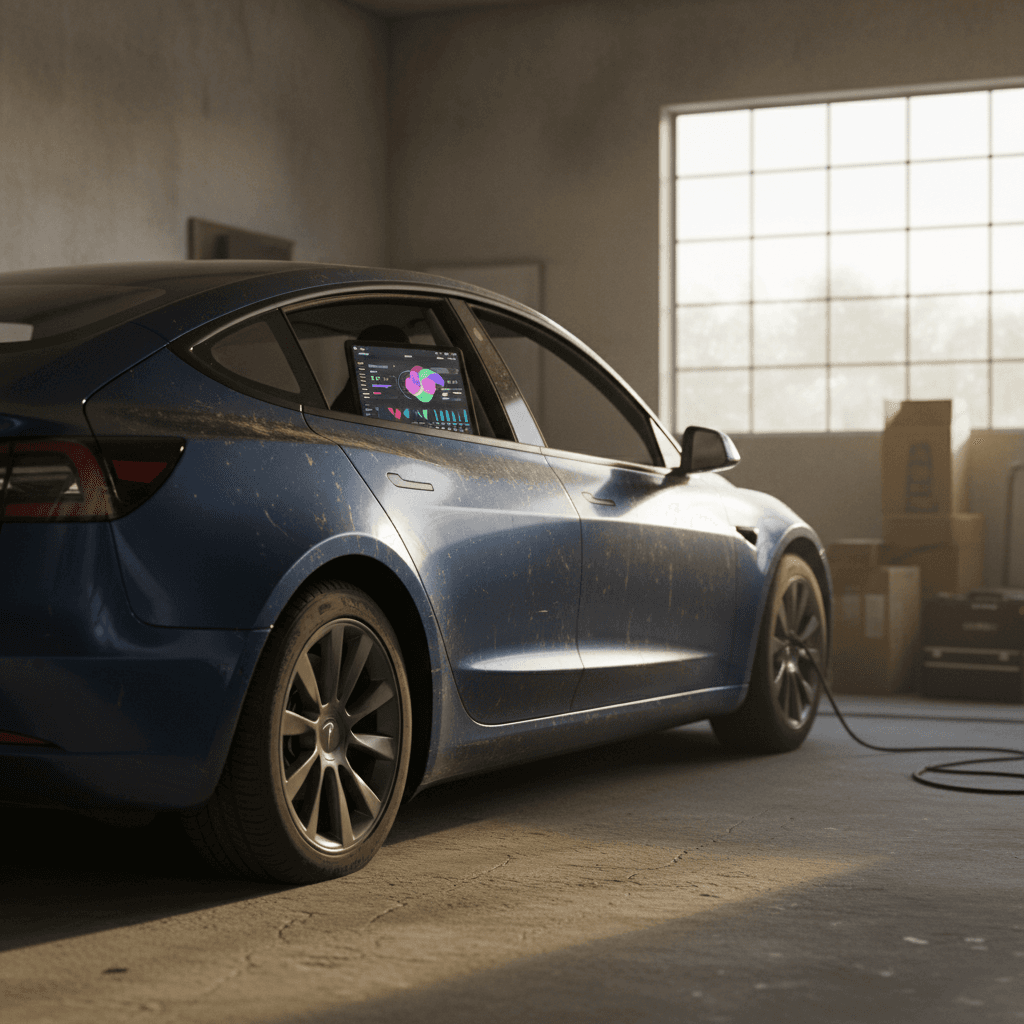
If you’re eyeing a used 2021 Tesla Model 3, reliability is probably your biggest question. The Model 3 has a strong track record for battery and motor durability, but the 2021 car also comes with a long list of recalls and some well‑documented quirks. This guide walks you through 2021 Tesla Model 3 reliability in plain English so you can decide if it’s a smart used buy, or a headache waiting to happen.
Context: Where 2021 Fits in the Model 3 Timeline
Overview: How Reliable is the 2021 Tesla Model 3?
2021 Tesla Model 3 Reliability Snapshot
For 2021, independent reliability surveys rate the Model 3 below average overall compared with other 2021 cars. The picture isn’t black‑and‑white, though. The core EV hardware, battery, motors, and single‑speed gearbox, tends to be robust. Most headaches show up in software, driver‑assist behavior, and build quality details like trim, paint, and glass. So the risk you’re managing is less, “Will the car die young?” and more, “How tolerant am I of software quirks, rattles, and service visits?”
Quick Take
Strengths: Where the 2021 Model 3 Does Well
Key Reliability Strengths of the 2021 Model 3
Why many owners keep them well past 100,000 miles
Durable Battery Packs
Real‑world data from fleets and high‑mileage owners shows moderate battery degradation on properly cared‑for Model 3s. Even past 100,000 miles, many 2021 packs still retain roughly 90% of their original capacity, enough for 200+ miles of realistic range for most trims.
Simple Drivetrain
With no engine, transmission, or exhaust, there are far fewer wear items than in a gas car. Electric motors and gear reduction units on the Model 3 have generally proven reliable, with failures being the exception, not the rule.
Low Routine Maintenance
No oil changes, spark plugs, or timing belts. Most 2021 Model 3 owners mainly pay for tires, wiper blades, and cabin filters. Brake wear is low thanks to strong regenerative braking, especially on highway‑heavy usage.
This underlying robustness is why a high‑mileage 2021 Tesla Model 3 can still be a smart buy. When you strip away the tech‑drama headlines, the expensive mechanical bits usually hold up well. That’s also where a used‑EV specialist like Recharged focuses diagnostic effort: confirming that the battery, motors, and charging systems are healthy before you ever see the car.
Common Issues on the 2021 Model 3
Now for the less rosy side of 2021 Tesla Model 3 reliability. While catastrophic failures are rare, there are enough recurring patterns that you’ll want to check any used 2021 closely before buying.
Typical 2021 Model 3 Problem Areas
The most commonly reported trouble spots, what they look like, and why they matter.
| Area | Typical Symptoms | Why It Matters | How Serious? |
|---|---|---|---|
| In‑car electronics | Freezing or blank center screen, Bluetooth glitches, camera or sensor warnings | You interact with the car through the screen, instability is annoying and sometimes safety‑relevant | Medium |
| Autopilot / adaptive cruise | Unexpected “phantom” braking, overly aggressive nags, inconsistent lane‑keeping | Can make driver‑assist stressful or unusable on some roads | Medium |
| HVAC & heat pump | Weak cabin heat, no defrost, noisy compressor, system failures in cold weather | Poor visibility and comfort; can be a safety issue in winter climates | Medium–High |
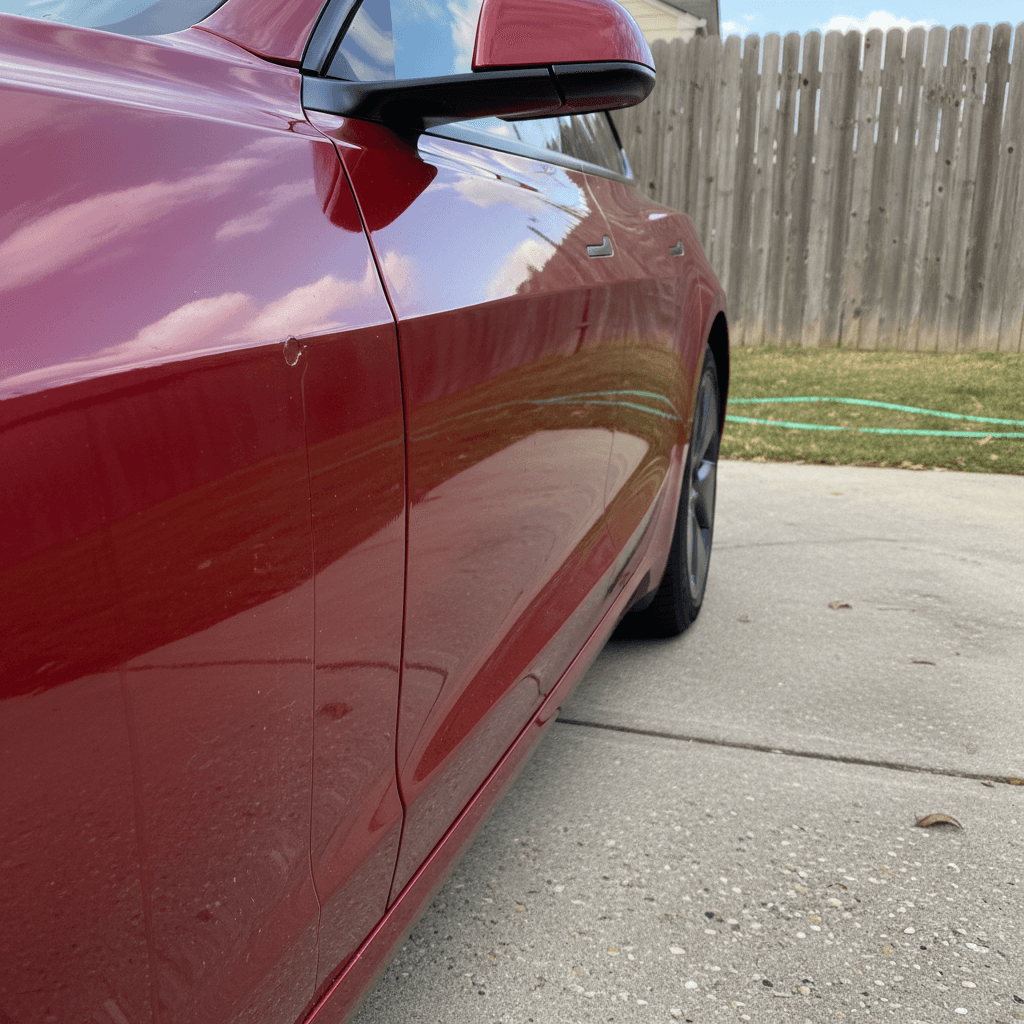
| Exterior trim & glass | Misaligned panels, loose trim, wind noise, occasional water leaks | Mostly cosmetic, but leaks can cause long‑term issues | Low–Medium |
| Charging hardware | Occasional charge‑port door faults or home‑charging handshake errors | Inconvenience and potential stranded scenarios if you can’t charge reliably | Medium |
| Suspension & noises | Clunks over bumps, interior rattles, squeaks from control arms or links | Annoying but usually fixable; worst case requires suspension work | Low–Medium |
Not every 2021 Model 3 will have these issues, but they’re the patterns to screen for during a pre‑purchase inspection.
Don’t Ignore HVAC Problems
Battery Life & Degradation on 2021 Model 3
Battery reliability is the single biggest concern for most used Tesla shoppers, and also the area where the 2021 Model 3 is strongest. High‑voltage pack failures do happen, but they’re rare and usually covered under Tesla’s 8‑year, mileage‑limited warranty. For everyday use, what you’ll notice is gradual range loss, not sudden death.
- Many 2021 Model 3 cars with 25,000–50,000 miles typically show only single‑digit to mid‑teens percentage capacity loss, depending on climate and charging habits.
- Even at 100,000 miles, a well‑treated pack often still retains around 90% of its original capacity, translating into a realistic 200–250 miles of mixed‑driving range for Long Range trims.
- Degradation is usually front‑loaded: you’ll see a noticeable drop in the first few years, then a slower, more gradual decline.
Ways to Protect a 2021 Model 3 Battery
What to Check Before You Buy
- Compare the car’s displayed full‑charge range to its original EPA rating for that trim.
- Ask for a screenshot of the energy or battery screen at high state of charge.
- Review charging history if available (how often it used Superchargers vs. home Level 2).
How Recharged Handles It
Every used EV sold by Recharged comes with a Recharged Score Report that includes battery‑health diagnostics. We use pack data and charging history where available to estimate remaining capacity and flag unusual patterns.
That means you’re not guessing about degradation, you see it quantified before you commit.
Recalls and Software Updates You Should Know About
One of the most confusing parts of 2021 Tesla Model 3 reliability is the recall story. The 2021 model year has been covered by more than 20 separate NHTSA recalls, ranging from minor labeling issues to safety‑critical items like backup camera visibility and Autopilot behavior. The good news: many of these were fixed via over‑the‑air software updates. The bad news: it can be hard for a used buyer to know what’s actually been addressed.
Recall & Software Health Checklist
1. Pull the official recall list
Use the VIN on NHTSA’s website to see all open and completed recalls for a 2021 Model 3. You’ll likely see a long list, focus on whether any are still open, not just how many exist.
2. Confirm software is current
On the test drive, check the software version and update status in the settings menu. A car that hasn’t been updated in many months might be missing important safety fixes.
3. Verify camera & sensor recalls
Pay special attention to any recalls related to the backup camera, forward‑collision warning, or Autopilot. Make sure the seller has documentation that these were addressed.
4. Ask about service visits
A 2021 Model 3 with multiple documented service visits for the same software or Autopilot issue may still have unresolved bugs, even if recalls are closed.
Autopilot is a Feature, Not a Reliability Guarantee
Real-World Ownership & Repair Costs
Reliability isn’t just about what can break, it’s about what it costs when something does. Compared with a similarly quick gas sedan, a 2021 Tesla Model 3 typically has lower routine running costs but can surprise you with software‑linked or body‑repair bills.
Typical 2021 Model 3 Cost Profile
Where you’ll save, and where you might spend
Areas Where You Usually Save
- Energy costs: Charging at home is usually cheaper per mile than gasoline, especially with off‑peak rates.
- Maintenance: No oil changes, far fewer fluids, and reduced brake wear thanks to regen.
- Emissions equipment: No catalytic converters, O2 sensors, or fuel system issues to worry about.
Areas to Budget For
- Tires: Instant torque and heavier curb weight can wear performance tires faster than on a compact gas sedan.
- Glass & trim: Windshields, glass roofs, and misaligned trim pieces can be pricey out of warranty.
- Out‑of‑network repairs: Body and paint work through Tesla‑approved shops is often more expensive than mainstream brands.
Warranty Still Matters on a 2021
Pre-Purchase Checklist for a Used 2021 Model 3
Whether you’re buying through a marketplace like Recharged or from a private seller, a structured inspection is your best protection against reliability surprises. Use this checklist as a starting point.
2021 Tesla Model 3 Reliability Checklist
1. Confirm build, trim, and warranty
Use the VIN to confirm it’s truly a 2021 model year, verify Standard Range / Long Range / Performance, and check how much battery and drive‑unit warranty remains based on in‑service date and mileage.
2. Scan for body & glass issues
Inspect panel alignment, doors, trunk, and glass roof. Look for water marks in the headliner or trunk that might signal leaks, plus abnormal wind noise on the test drive.
3. Test the screen and cameras
Cycle through navigation, Bluetooth, cameras, and settings. The screen should be responsive, and the backup and side cameras should show a clear, stable image with no glitches.
4. Drive with and without Autopilot
On a safe road, test adaptive cruise and Autopilot if available. Watch for sudden phantom braking, lane‑keeping oddities, or aggressive steering‑wheel nags that make the system hard to use.
5. Stress‑test HVAC
Run the HVAC through hot and cold settings, defrost, and different fan speeds. Listen for odd noises from the heat pump or compressor and confirm strong defogging performance on the windshield.
6. Evaluate charging behavior
If possible, plug into a Level 2 charger and confirm that charging starts quickly and remains stable. Check that the charge‑port door opens and closes reliably and that the cable seats firmly.
7. Review software and service history
Ask for a screenshot of the software version and any service invoices. Repeated visits for the same issue can be a red flag, even if each visit was “fixed under warranty.”
8. Get professional EV diagnostics
A specialist inspection that includes <strong>battery‑health data</strong>, like the Recharged Score, goes beyond a visual once‑over. It’s the best way to know what you’re really buying.
How Recharged Helps You Buy a Reliable Used Tesla
A 2021 Tesla Model 3 can be an excellent used EV, if you choose the right car. The challenge is that reliability on Teslas is less about age and mileage and more about how that specific vehicle has been built, updated, and used. That’s exactly the gap Recharged is designed to close.
What Recharged Does Differently
- Recharged Score Report: Every vehicle includes verified battery‑health diagnostics, charging behavior analysis, and a transparent view of range and degradation.
- Issue‑focused inspection: Our EV specialists specifically check known 2021 Model 3 problem areas, HVAC performance, Autopilot behavior, in‑car electronics, and trim quality.
- Fair pricing: We benchmark each car against the wider used‑EV market so you aren’t guessing whether phantom braking scars or cosmetic flaws are already “priced in.”
End‑to‑End EV‑Friendly Experience
- Financing built for EVs: You can finance a used Model 3 through Recharged with a fully digital process.
- Trade‑in or sell: Trade your current vehicle, get an instant offer, or use consignment to maximize value.
- Nationwide delivery: Shop online and have your car delivered, or visit our Experience Center in Richmond, VA if you prefer to see vehicles in person.
The goal is simple: help you enjoy the upside of a 2021 Model 3 without rolling the dice on the biggest reliability unknowns.
FAQ: 2021 Tesla Model 3 Reliability
Frequently Asked Questions About 2021 Model 3 Reliability
Bottom Line: Should You Buy a 2021 Tesla Model 3?
If your definition of reliability is “never needs attention and nothing ever glitches,” the 2021 Tesla Model 3 may frustrate you. Its software, driver‑assist systems, and build details simply aren’t as consistently polished as the most conservative gas sedans. But if you define reliability as “the big, expensive bits keep working and the car stays useful for a long time,” the 2021 Model 3 fares much better. Its battery and motors typically age gracefully, its day‑to‑day running costs are low, and the ownership experience keeps improving as software evolves.
The key is not to buy a 2021 Tesla Model 3 blind. Verify battery health, check recall and software status, test the tech hard, and be honest with yourself about your tolerance for occasional quirks. With that due diligence, and with tools like the Recharged Score Report and EV‑specialist support, a 2021 Model 3 can be a smart, future‑proof used EV rather than a reliability gamble.