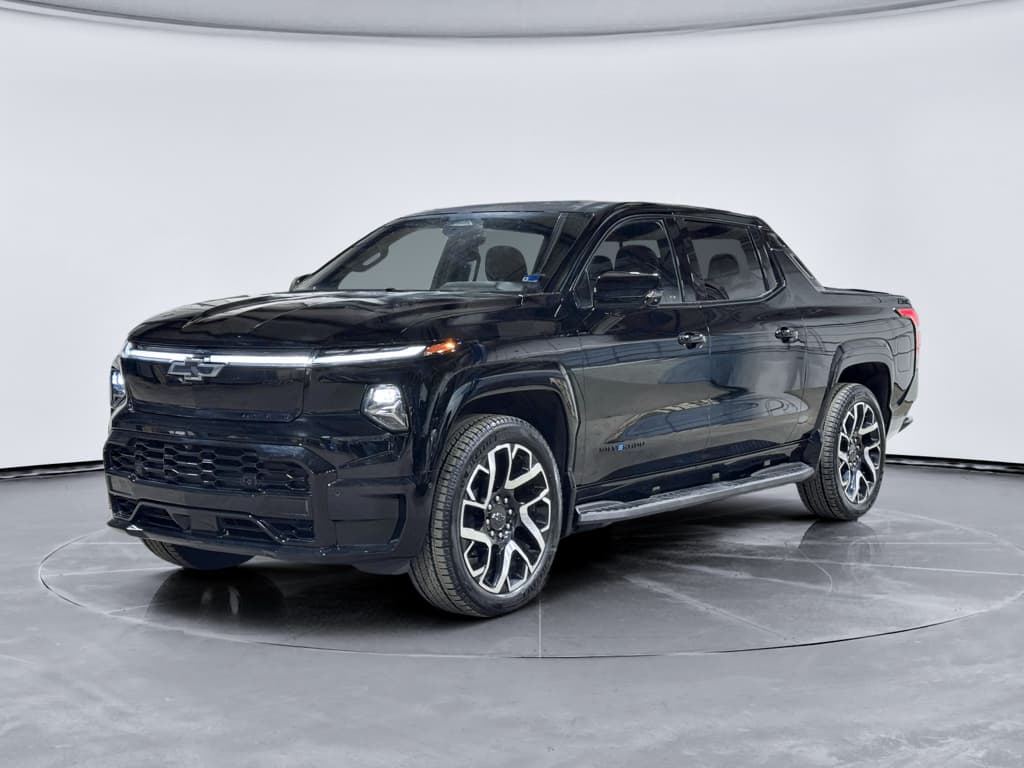
You didn’t buy a Chevrolet Silverado EV to baby it. It’s a work truck, a family hauler, maybe a weekend toy tugging a pair of jet skis. But if you want that big battery to age gracefully, and keep your real‑world range and resale value high, you need to understand how to maximize battery life without turning your life into a science project.
The short version
Why Silverado EV battery care matters
The Silverado EV’s giant battery pack is the single most expensive component in the truck. It dictates range, performance, and long‑term value. The good news: modern packs are designed to last many years. The bad news: misuse, constant fast‑charging, baking in heat, or living at 100% charge, can shave off meaningful range over time.
What smart battery care buys you
You feel these benefits every day you drive, and especially when you go to sell or trade in.
More usable range
Healthy cells hold more energy. That means more real‑world miles between charges, especially under load or in bad weather.
Higher resale value
Trucks with strong battery health scores command better prices. Platforms like Recharged verify this in a battery report.
Less stress, more confidence
When you know how your truck behaves at different states of charge, towing weights, and temperatures, long trips become routine, not roulette.
The big levers that affect EV battery life
Silverado EV battery basics in plain English
Chevy doesn’t advertise kilowatt‑hour numbers in glowing neon, but what matters is this: your Silverado EV’s battery is a massive pack of lithium‑ion cells managed by a sophisticated Battery Management System (BMS). The BMS is constantly deciding how much power to send and accept, when to cool or heat the pack, and how to protect it from you, the occasionally over‑enthusiastic owner.
- State of charge (SoC): The battery’s fuel gauge, measured in percent. Living between roughly 20–80% most days is easiest on the pack.
- C‑rate: How hard you’re charging or discharging the battery relative to its size. DC fast‑charging and hard acceleration raise the effective C‑rate and temperature.
- Thermal management: The truck’s liquid‑cooling and heating system that keeps the pack in a happy temperature window. It quietly runs in the background, especially during fast‑charging and in extreme weather.
Don’t fight the truck’s software
Daily charging habits to maximize battery life
If you remember only one section, make it this one. Daily charging behavior does more to shape long‑term Silverado EV battery health than anything you’ll ever do on a once‑a‑year road trip.
Smart everyday charging habits
1. Use Level 2 home charging when possible
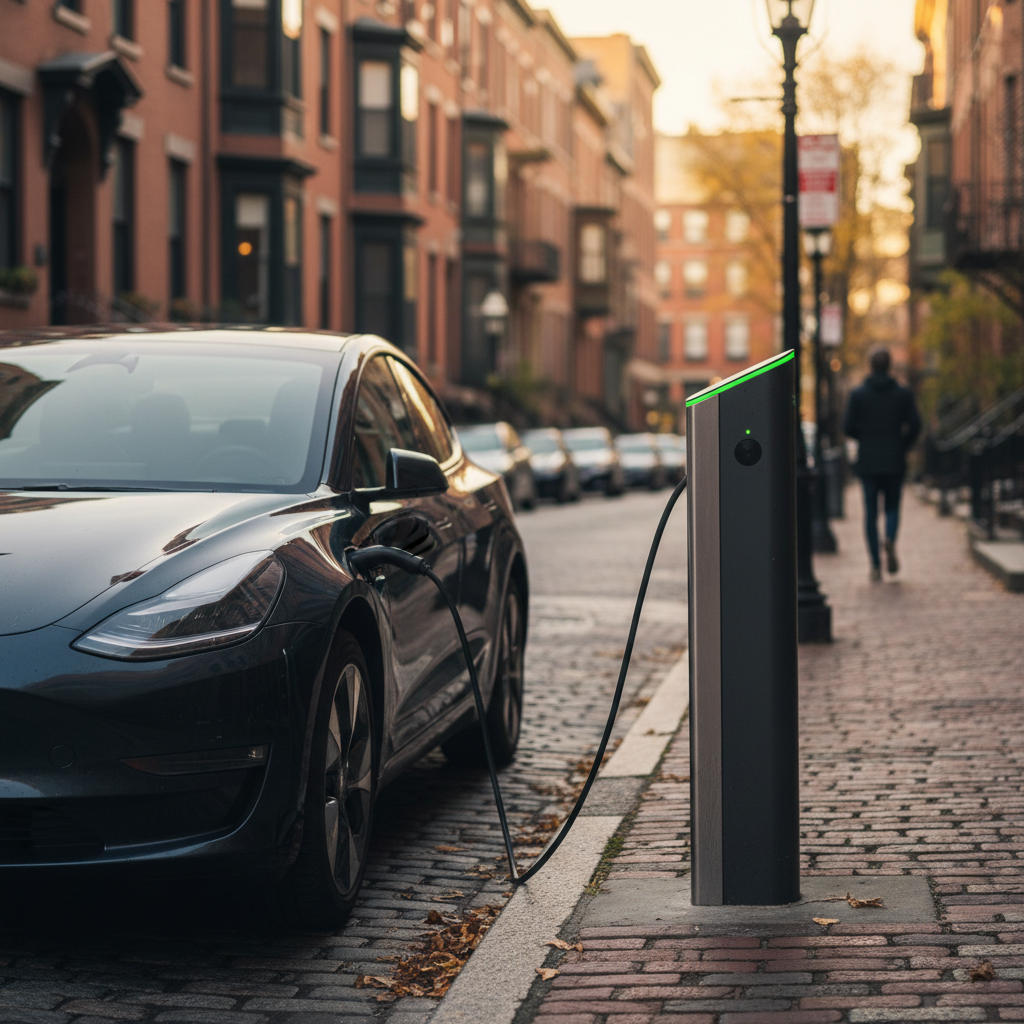
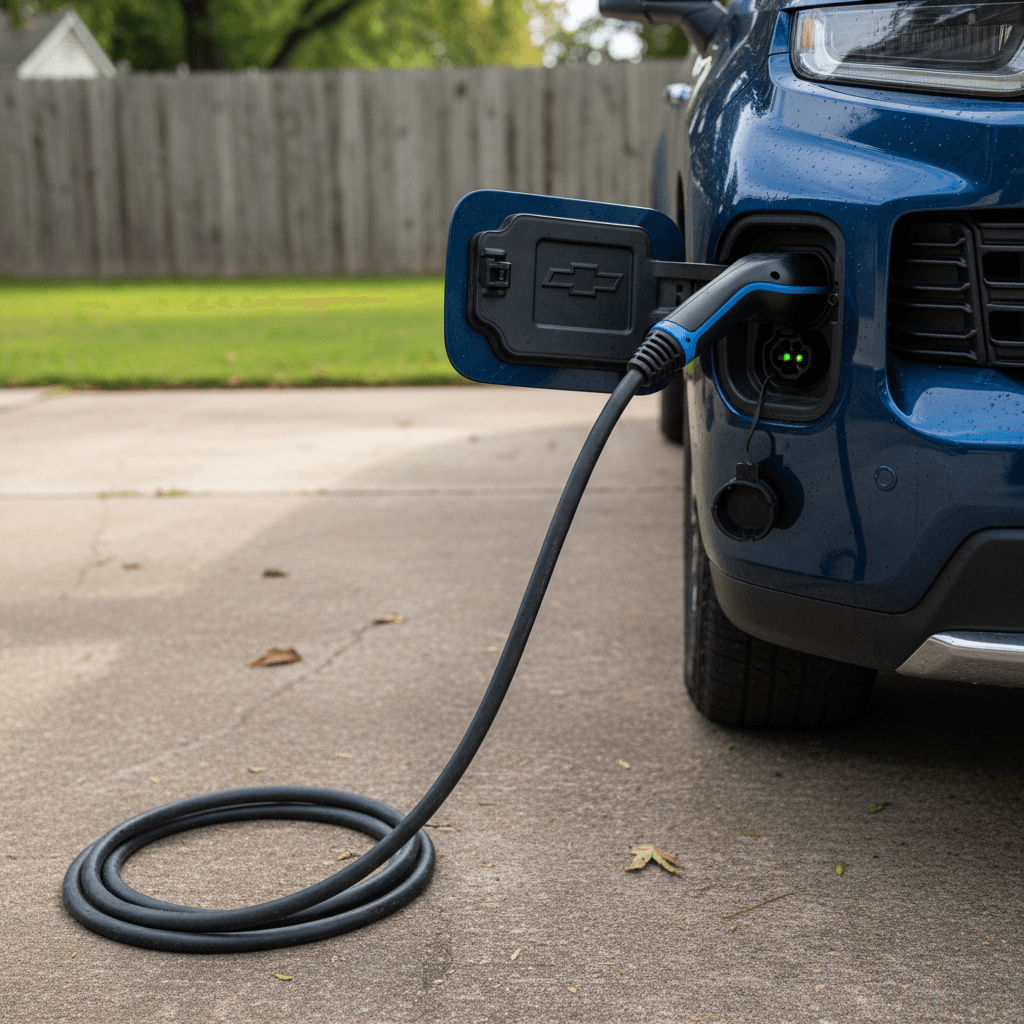
A 240V Level 2 charger in your garage or driveway is the gentle, consistent way to refill a big battery. It’s slower than DC fast‑charging but far easier on the pack and usually cheaper per kWh.
2. Aim for a 20–80% daily window
For commuting and errands, set your charge limit in the Silverado EV’s settings so the truck stops around 70–80% instead of 100%. Try not to let it habitually dip below ~15–20% unless you really need the miles.
3. Save 100% charges for big trips
Charging to 100% is useful when you’re leaving for a long drive. Just don’t leave the truck <strong>parked for days</strong> at 100%. Time at the top is more harmful than touching 100% briefly.
4. Schedule charging to finish before you drive
If your charger or utility supports scheduling, have charging complete shortly before departure. The battery spends less time at higher SoC, and in winter the pack will be warmer and more efficient.
5. Avoid chronic trickle charging
Level 1 (120V) charging overnight is fine in a pinch, but relying on it every day on a big‑pack truck is inefficient and can keep the battery sitting at higher SoC for longer stretches.
6. Prefer cooler times of day
In hot climates, start home charging late at night or early morning. Cooler ambient temperatures reduce pack stress and may help the truck taper less aggressively.
Bad habits to break
Fast charging and road trips: what’s safe for the pack
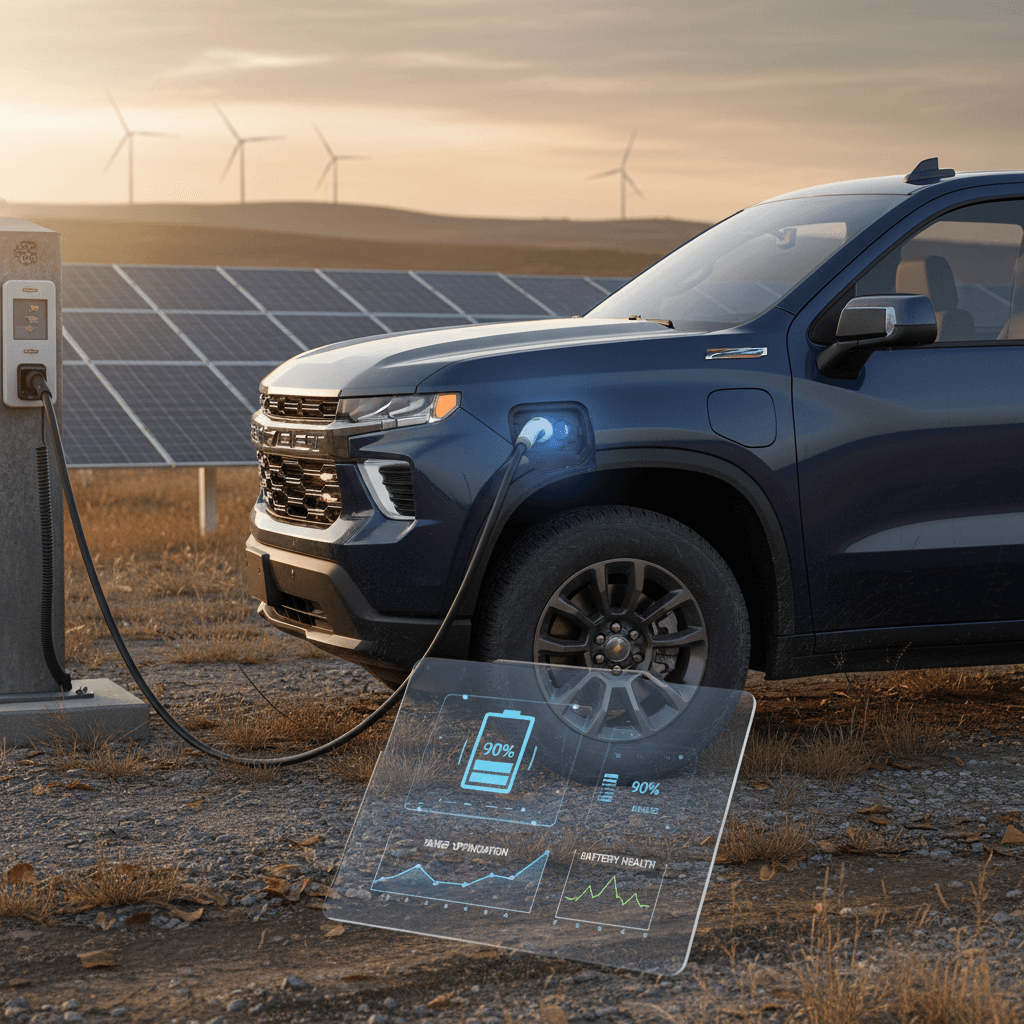
The Silverado EV is built to gulp electricity from high‑power DC fast‑chargers. You bought a long‑range electric truck, not a museum piece, using DC fast‑charging is absolutely allowed. The trick is to treat it as road‑trip infrastructure, not your daily lifeline.
Smart DC fast‑charging habits
- Arrive warm, not stone‑cold: After 20–30 minutes of driving, the pack is already closer to its ideal temperature for rapid charging.
- Charge in the middle band: Fast‑chargers are most efficient from roughly 10–60% SoC. Past ~70–80%, charge speed naturally tapers.
- Hop station to station: On trips, it’s usually quicker overall to charge more often but to a lower SoC, rather than sitting forever to reach 90–100%.
DC fast‑charging habits to avoid
- Living on DCFC: If your weekly routine is multiple fast‑charge sessions instead of home or workplace Level 2, you’re accelerating wear.
- Charging to 100% and walking away: On road trips, unplug once you’ve got enough buffer to comfortably reach your next stop.
- Repeated back‑to‑back sessions: The BMS will limit power if things get too hot, but serial rapid sessions build heat and stress.
Public charging and your wallet
Driving habits that quietly boost range
The Silverado EV is heavy, powerful, and almost silent, exactly the sort of truck that encourages hooliganism. Fun as that is, the laws of physics still apply, and the battery is footing the bill. A few subtle changes in how you drive can dramatically stretch range and reduce battery stress.
How your right foot affects your battery
Small habit changes, big impact on efficiency and battery stress.
| Habit | Battery Impact | Range Effect | What To Do Instead |
|---|---|---|---|
| Hard launches from every light | High current draw and heat | Noticeably lower range | Use smooth, progressive acceleration; save full thrust for when it matters. |
| High cruising speeds (80+ mph) | Sustained high power demand | Range falls off a cliff | Sit closer to the right lane; even 5–10 mph slower pays huge dividends. |
| Late, hard braking | Less time for regen, more friction | Wasted energy as heat | Look further ahead and ease off earlier to maximize regenerative braking. |
| Constant climate blasts | Extra load on battery | Shorter range in heat/cold | Use seat and wheel heaters where possible; moderate the HVAC settings. |
Focus on the left column if you care about range and long‑term battery health.
Use your truck’s coaching tools
Towing, hauling, and how to keep range realistic
You bought a truck precisely because you plan to tow and haul. Doing so in an EV isn’t sacrilege, it’s the job description. That said, towing a trailer the aerodynamic profile of a storage shed at 75 mph will absolutely savage your range, no matter the brand badge.
Silverado EV battery‑smart towing playbook
Think of these as rules of thumb, not commandments.
Plan shorter legs
With a heavy trailer, assume your effective range can drop dramatically, especially at highway speeds. Plan more frequent charging stops based on recent trip energy data.
Respect aerodynamics
Enclosed, low‑slung trailers hurt less than tall, bluff‑fronted boxes. A rooftop cargo pod plus a high trailer is a double tax on efficiency.
Pre‑plan chargers
Use route planners and apps that factor in towing and payload. Give yourself extra buffer until you know how your specific trailer and routes behave.
Payload, tongue weight, and safety
Weather, parking, and seasonal battery strategies
Weather doesn’t just affect your comfort. It quietly shapes how far your Silverado EV goes on a charge and how hard the battery has to work getting there.
In hot weather
- Park in the shade or indoors: High cabin and pack temperatures are stressful, especially if you’re near 100% SoC.
- Avoid baking at full charge: If you need 100% for a trip, time the charge to finish close to departure, not hours before.
- Let pre‑conditioning work: When fast‑charging, the Silverado EV may pre‑condition the pack for optimal temperature. Trust the software.
In cold weather
- Pre‑heat while plugged in: Use the remote start or app to warm the cabin and pack before you unplug. You’re burning wall power, not battery energy.
- Expect temporarily lower range: Cold chemistry is sluggish. Range and regen will improve as the pack warms up.
- Use seat and wheel heaters: They use less energy than cranking the cabin temp sky‑high.
Garage parking is quiet battery insurance
Long‑term storage and buying a used Silverado EV
Maybe you’re parking the truck for a few months between projects. Maybe you’re shopping the used market and wondering what the previous owner did to the battery. Either way, you’re right to think about long‑term behavior, not just today’s range estimate.
- If storing more than a few weeks, leave the truck around 40–60% charge, not full and not near empty.
- Leave the Silverado EV plugged into a reliable Level 2 charger if possible; the BMS can maintain charge and run thermal management as needed.
- Disable or reduce always‑on features that might slowly drain the pack while parked for long periods, if the software allows.
- When you return, don’t panic if the first few miles show odd efficiency, give the pack a few normal drive/charge cycles to rebalance.
Thinking about a used Silverado EV?
Quick Silverado EV battery‑care checklist
Silverado EV battery‑friendly habits at a glance
Charge mostly at home on Level 2
Use DC fast‑charging as a convenience tool for trips, not as your default fuel pump.
Live between ~20–80% most days
Reserve 100% for road trips or big towing days, and don’t routinely run down to near‑zero.
Keep the truck out of temperature extremes
Garages, carports, and shaded parking help. Try not to let it sit at high SoC in scorching sun.
Drive smoothly and dial back highway speed
The Silverado EV has torque to spare. Use it judiciously if you care about range and pack stress.
Plan realistically when towing
Expect lower range with trailers and heavy loads; plan more frequent charging stops until you know your setup.
If storing, park around 40–60% SoC
For multi‑week downtime, moderate state of charge plus a stable parking environment is ideal.
Chevrolet Silverado EV battery FAQ
Frequently asked questions about Silverado EV battery life
Key takeaways for living with a Silverado EV
The Silverado EV is not a fragile science experiment; it’s a heavy‑duty electric truck with a very expensive battery that happens to respond well to a little respect. Charge mostly at home on Level 2, live in the comfortable middle of the battery gauge, avoid turning DC fast‑charging into a lifestyle, and be thoughtful about where you park in extreme weather. Do that, and you’ll preserve not just range, but also the long‑term value you can recover when you’re ready to sell or trade.
If you’re already thinking ahead to that day, keep an eye on how your habits today show up in tomorrow’s numbers. When you shop used EVs on Recharged, every vehicle includes a Recharged Score Report with verified battery health and transparent pricing. That same kind of rigor will one day apply to your Silverado EV, so the better you care for the pack now, the more options you’ll have later.