If you’re shopping for an electric car right now, you’ve probably noticed two things: used EV prices are finally reasonable, but insurance quotes can feel anything but. In 2025, the cheapest EV to insure is usually not the flashiest new crossover, it’s a simpler, smaller model with mainstream parts and modest performance. This guide breaks down which EVs tend to be cheapest to insure, why premiums are higher than gas in the first place, and how to keep your costs under control, especially if you’re considering a used EV.
Key takeaway for 2025
Why EV insurance is different in 2025
EV insurance in 2025 at a glance
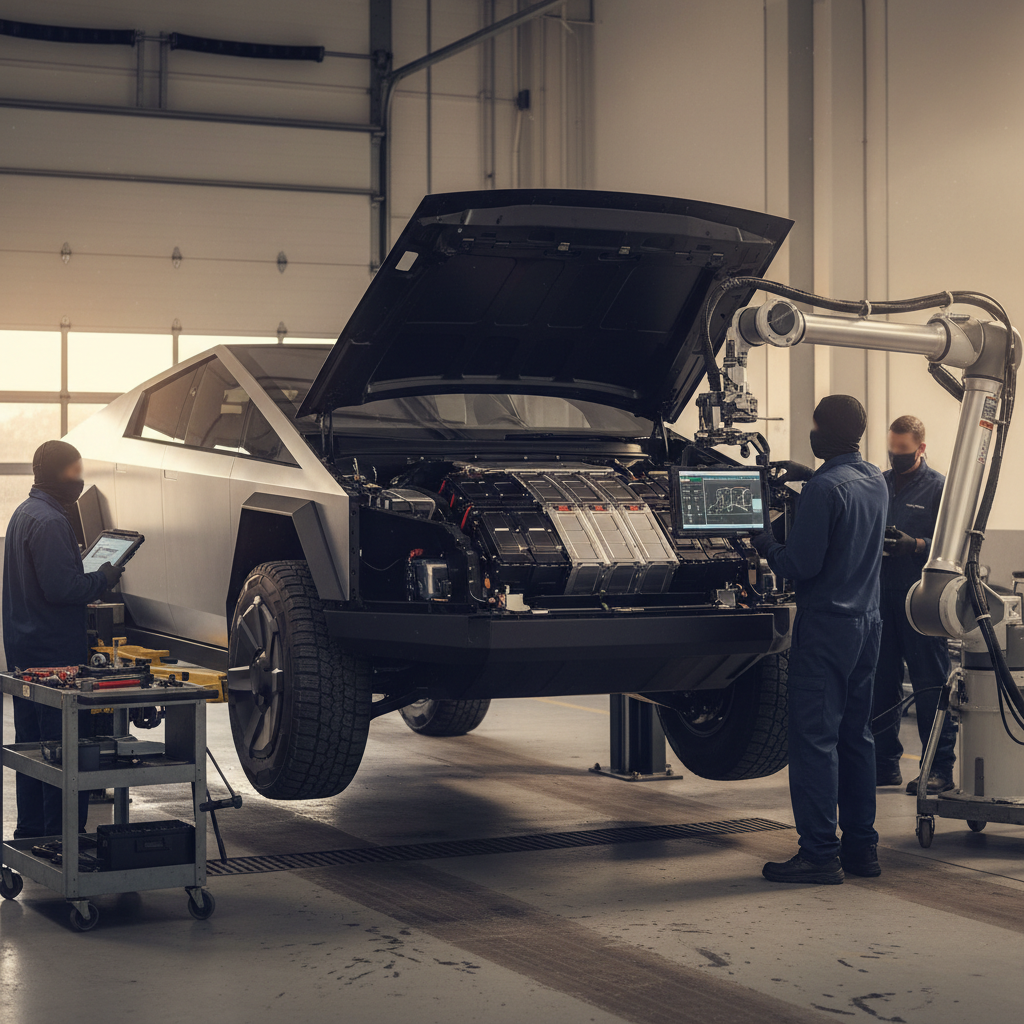
Two things drive most of the difference between EV insurance and gas‑car insurance today: repair economics and vehicle mix. EVs pack expensive battery packs and tightly integrated electronics into body structures that weren’t designed to be torn apart cheaply. That means a modest front‑end hit that would be an easy fix on a Corolla can become a five‑figure repair, or even a total loss, on some EVs. At the same time, the EV mix skews toward pricier crossovers and luxury brands, so the “average EV” just costs more to replace than the “average gas car.”
The important nuance for you as a shopper: insurance companies don’t hate EVs. They hate unpredictable, expensive claims. Smaller, simpler EVs with good parts availability and solid crash records are already seeing far more reasonable premiums. That’s the group we’ll focus on when we talk about the cheapest EVs to insure in 2025.
Why averages can be misleading
What actually makes an EV cheap to insure
6 factors that keep EV insurance premiums low
You can’t change the laws of physics, but you can choose an EV that’s easier and cheaper to insure.
1. Mainstream, modest vehicle
2. Easy, affordable repairs
3. Strong safety and crash data
4. Power and speed kept in check
5. Reasonable purchase price
6. Driver profile & usage
Practical rule of thumb
Cheapest EVs to insure in 2025: realistic shortlist
Every insurer prices risk a bit differently, and rates vary wildly by state. There isn’t a single, official “cheapest EV to insure” for all of 2025. But national datasets, insurer studies and repair‑cost analyses all point toward the same types of models: older, mainstream compact EVs and smaller crossovers from brands with big dealer footprints.
EVs that tend to be cheaper to insure (especially used)
These models consistently show lower‑than‑average EV insurance quotes in many markets. Exact premiums will depend on your profile and location.
| Model | Segment | Why it’s usually cheaper to insure | Best value sweet spot |
|---|---|---|---|
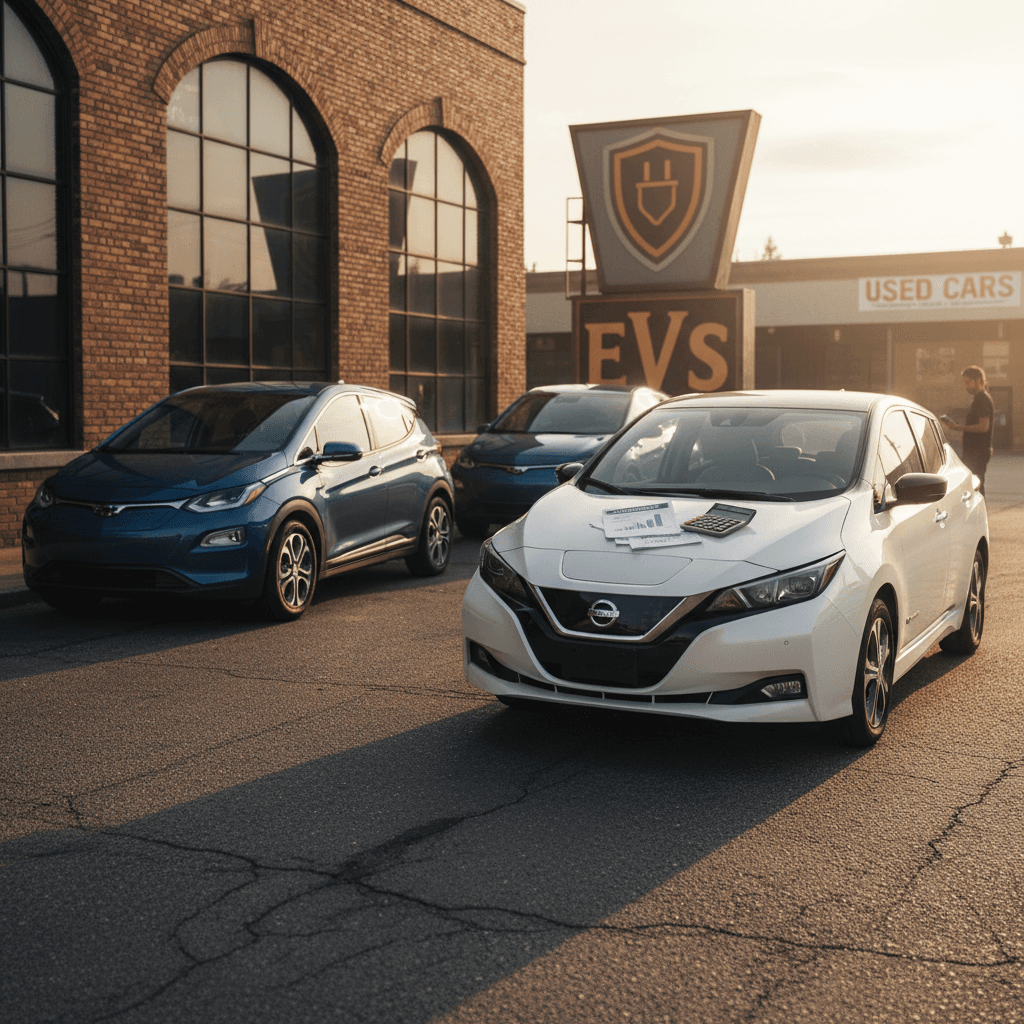
| Nissan Leaf (2018–2024) | Compact hatchback | Low purchase price, modest power, long track record, mainstream parts and plenty of totaled donor cars for used components. | 3–6 years old with under 60k miles; earlier cars work well as second commuter cars. |
| Hyundai Kona Electric (2019–2024) | Subcompact crossover | Small footprint, good safety scores, solid reliability record and Hyundai’s broad dealer network support. | Off‑lease examples 3–5 years old; SE/SEL trims without big wheel upgrades. |
| Kia Niro EV (2019–2023) | Compact crossover | Practical, efficiency‑focused packaging and shared parts with hybrid siblings keep claim costs more predictable. | First‑gen Niro EV in EX/EX Premium trims, especially if priced under $25,000. |
| Chevy Bolt EV / EUV (2017–2023) | Subcompact hatchback | Now‑discontinued but widely sold; batteries were replaced under recall, and prices have fallen sharply, which helps on total‑loss math. | Post‑battery‑recall cars with documented pack replacement; EUV for extra space with similar risk profile. |
| Hyundai Ioniq Electric (2017–2021, where available) | Compact hatchback | Lower‑power, efficiency‑oriented hatchback with simpler hardware than newer 800‑volt platforms; not a performance car. | As an inexpensive second car in markets where they were originally sold (primarily coastal states). |
| Mainstream FWD trims of compact crossovers (e.g., Ioniq 5 SE, VW ID.4 Standard, Subaru Solterra Premium) | Compact crossover | Non‑performance trims, single‑motor, smaller wheels and tires, all help keep repair and replacement costs tamer than AWD or performance variants. | Base or mid trims, not the top “launch” or performance packages. Look 2–4 years off the showroom floor. |
Use this as a starting list to compare quotes, don’t treat it as a guarantee.
What about trucks and luxury EVs?

Used vs. new: how much does model year matter?
Why used EVs often win on insurance
Insurance companies think in replacement‑cost terms. A lightly used compact EV that costs $18,000–$28,000 to replace will almost always be cheaper to insure than a brand‑new $45,000 crossover, even if they share similar safety tech.
- Lower total loss exposure: It’s simply cheaper for the insurer to write a check if the car is totaled.
- More real‑world data: A 5‑year‑old model has years of claims history, so pricing is less of a guess.
- Less cutting‑edge tech: Older EVs often have simpler sensors and cheaper body panels, which helps collision and comprehensive rates.
Where newer EVs can still be competitive
There are cases where a new EV doesn’t explode your insurance budget:
- Entry‑level trims: Base models of compact EVs, especially with smaller wheels and no performance packs, tend to be rated more favorably.
- Advanced safety suites: If you’re moving up from an older gas car with minimal safety tech, the accident‑avoidance benefits of a modern EV can partially offset its higher repair costs.
- Discount stacking: New‑car, telematics, and multi‑policy discounts can help a newer EV land close to a cheaper used one on a monthly basis.
Why 3–7‑year‑old EVs are a sweet spot
How to lower EV insurance costs no matter what you drive
7 smart ways to make your EV cheaper to insure
1. Get quotes before you fall in love with a specific EV
Before signing anything, plug a few candidate VINs into quote tools (or call your agent) so you can see how different models stack up. A car that’s $30 per month cheaper to insure can save more than a slightly lower APR over a typical loan term.
2. Compare FWD vs. AWD and performance trims
Insurers often treat dual‑motor and performance variants as different vehicles. If you’re flexible on all‑wheel drive or 0–60 bragging rights, you may find hundreds of dollars a year in savings by choosing the calmer version of the same EV.
3. Adjust deductibles and coverage smartly
Raising comprehensive and collision deductibles from, say, $500 to $1,000 can noticeably cut premiums. Just make sure you have the cash set aside for a worst‑case claim and don’t skimp on liability coverage, it’s usually the cheapest part of the policy relative to the protection it provides.
4. Use telematics or “usage‑based” programs
Many insurers offer substantial discounts if you allow them to track your driving via an app or plug‑in device. EV owners, who often drive smooth and predictable miles, are prime candidates to benefit from these programs.
5. Ask about EV‑specific discounts
Some carriers offer green‑vehicle or EV‑owner discounts, especially in states that promote electrification. They’re rarely huge on their own, but stacked with other discounts they add up.
6. Bundle and clean up your risk profile
Bundling auto and home/renters insurance, adding a second vehicle, or bringing a young driver onto a family policy can all change the math. So can clearing tickets or improving your credit‑based insurance score where allowed.
7. Don’t over‑insure low‑value older EVs
If you’re driving an older EV that’s worth, say, $8,000–$10,000, it might not make sense to carry the same collision coverage you’d want on a $30,000 car. Work through the numbers with your agent before dropping coverage, but don’t assume “full coverage” is always optimal.
Coverage mistakes to avoid
How Recharged helps you control EV insurance costs
Insurance is just one line item in EV ownership, but it’s a persistent one. At Recharged, we try to make that line item as predictable as possible by focusing on used EVs and surfacing the information insurers actually care about, especially battery health and realistic vehicle value.
Buying used with Recharged: why it often insures better
The way you buy your EV can make insurance conversations much easier.
Verified battery health
Fair, transparent pricing
The right EV for your use case
Nationwide buying, local quotes
Trade‑in and instant offer options
Human help when you need it
Ready to find your next EV?
Browse VehiclesCheapest EV to insure 2025: FAQ
Frequently asked questions about cheap EV insurance in 2025
In 2025, the cheapest EV to insure isn’t a single magic model, it’s a type of car: compact, mainstream, modestly powered and, very often, used. If you’re willing to trade a bit of flash for lower premiums and predictable ownership costs, the market is finally on your side. Focus on well‑understood models like the Leaf, Kona Electric, Niro EV and Bolt; shop used where it makes sense; and treat insurance quotes as a core part of your buying decision, not an afterthought. And if you want a partner that bakes those cost realities into every step of the process, Recharged is built to help you find the right used EV, with the right insurance bill to match.