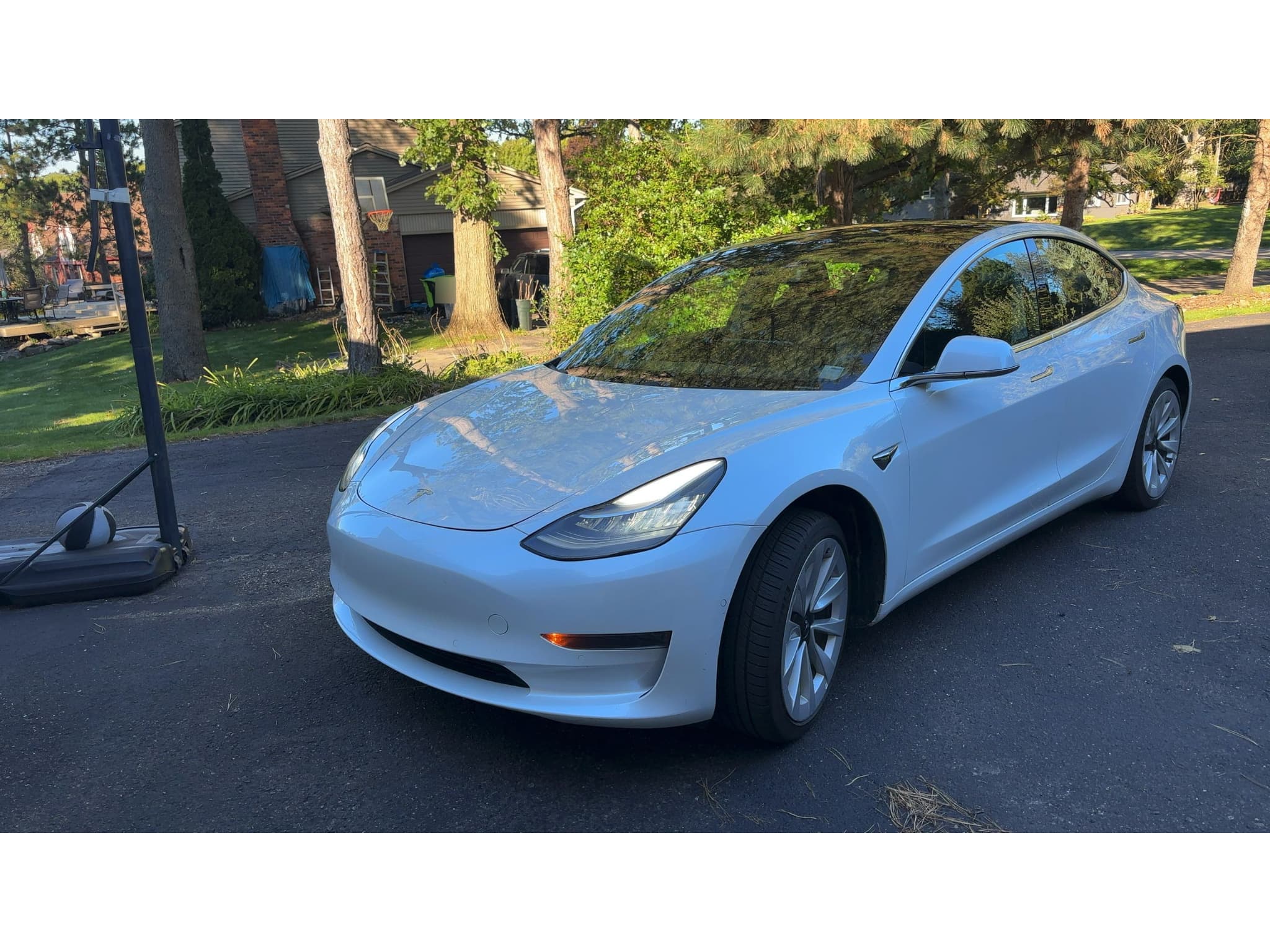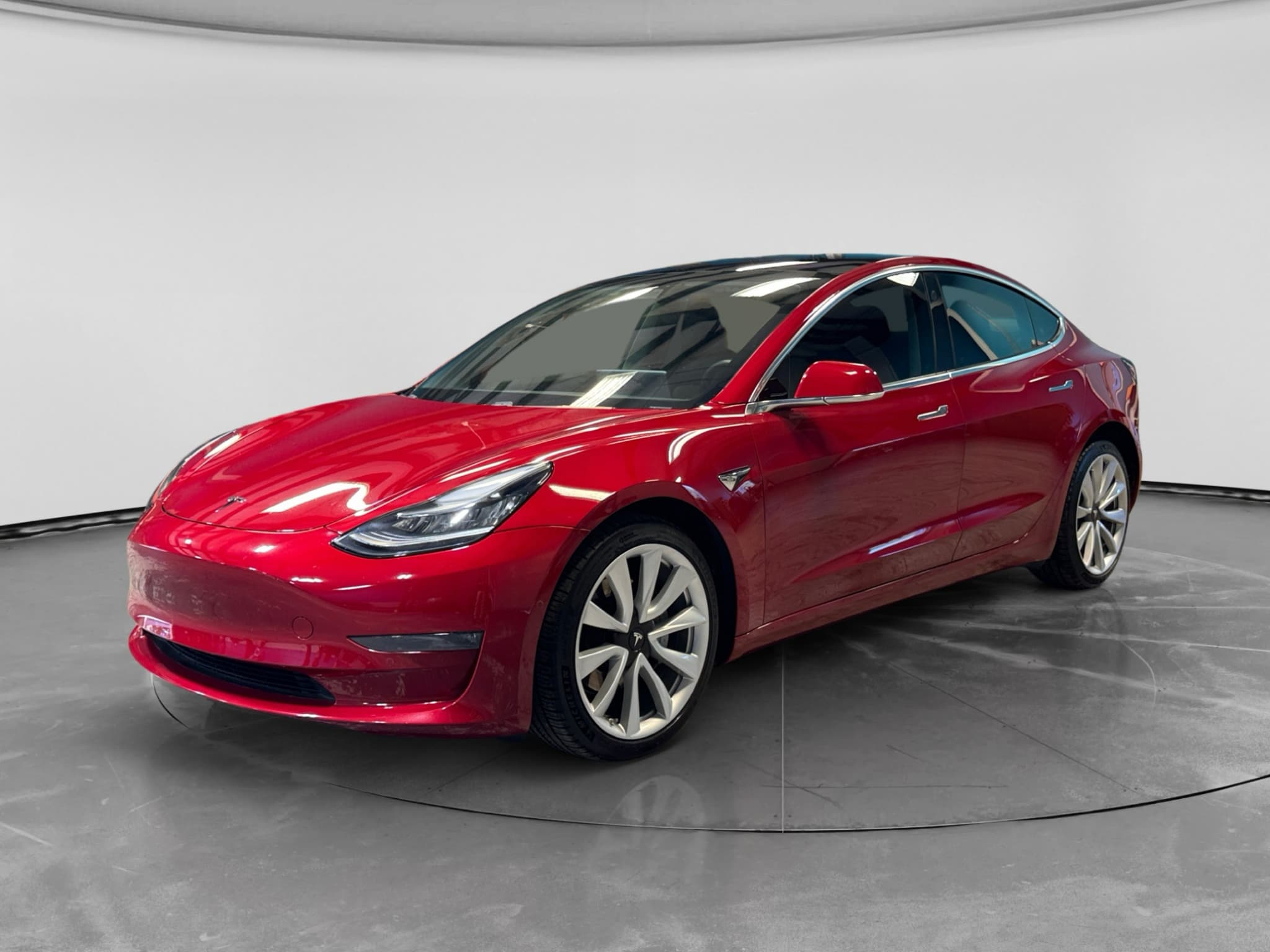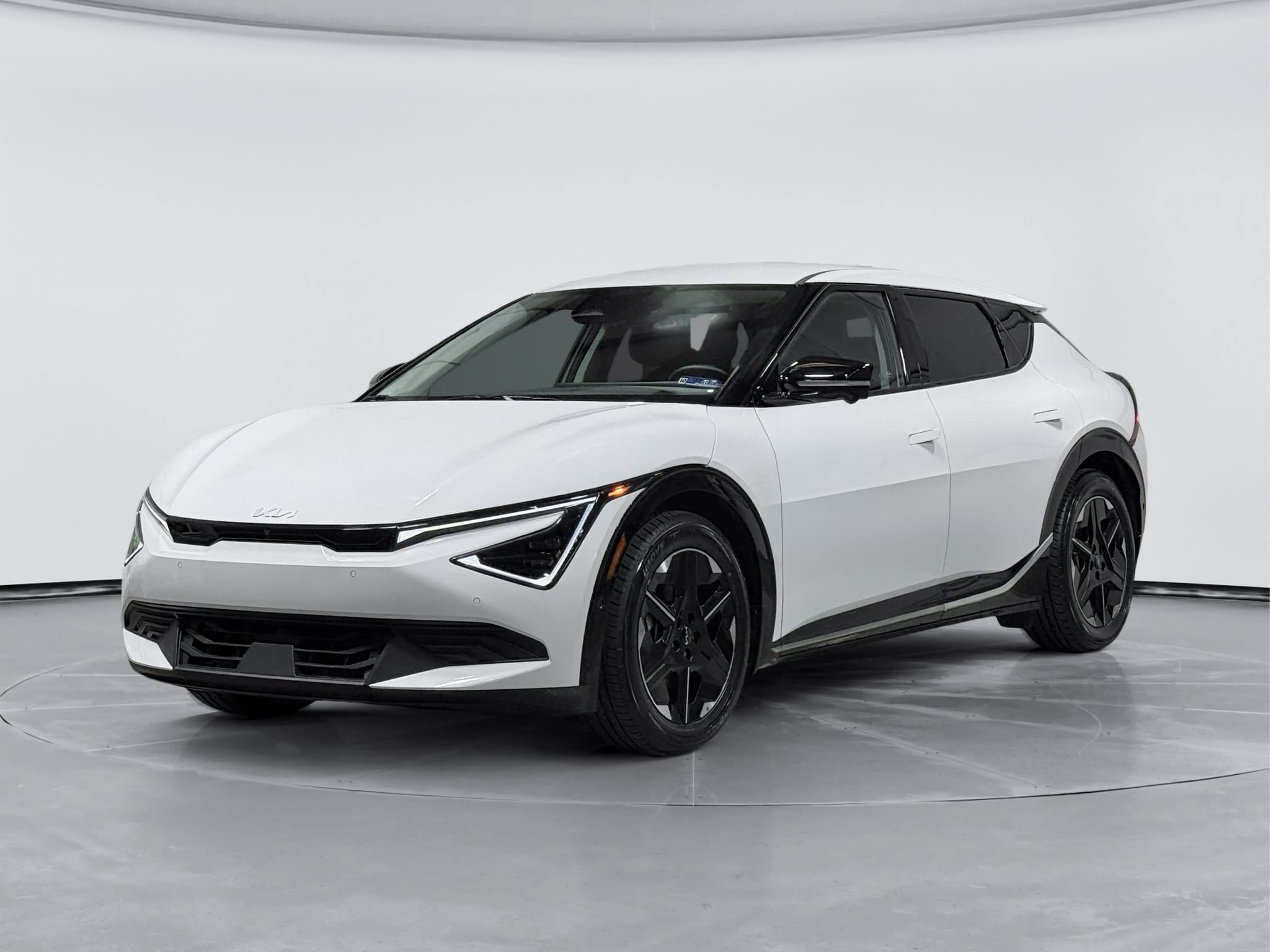
The only dependable way to compare electric car insurance cost by model is to request quotes for the actual vehicles you’re considering. Published averages can’t account for your address, driving record, coverage limits, deductible, insurer or the exact vehicle identification number. Use model-level information to build a shopping list, but use VIN-specific quotes to make the final decision. Insurance belongs in your broader EV cost-of-ownership calculation alongside financing, charging, registration and maintenance.
Why insurance cost changes by EV model
Insurance cost changes by model because insurers evaluate the vehicle’s value, configuration, repair requirements, safety equipment and claims record. Two EVs with similar purchase prices can therefore produce different premiums, while different versions of the same model may not cost the same to insure. Performance, all-wheel-drive and other higher-value configurations can also change a quote. Your own driver and location information remains just as important as the vehicle.
- Exact model year and VIN: These identify the vehicle and factory configuration for the insurer.
- Trim and performance level: More powerful or higher-value versions can be rated differently.
- Repair complexity: Glass, cameras, sensors, body panels and labor requirements can affect claim costs.
- Vehicle value: The amount exposed in a theft or total-loss claim can influence physical-damage coverage.
- Claims experience: Each insurer uses its own history and rating method for a model.
- Your policy: Address, driver history, annual mileage, limits and deductible can outweigh model-level differences.
Every insurance company rates EVs differently. You shouldn’t expect a problem simply because the vehicle is electric, but you should confirm the exact vehicle with your carrier before you finish the purchase.
How to compare insurance costs by model
Compare EV models by collecting equivalent quotes rather than assigning each one a universal dollar amount. The following models give you a useful cross-section of hatchbacks, sedans and crossovers, but the table intentionally avoids unsupported national premium estimates. Enter the same driver, address, coverage limits and deductible for every quote. That keeps the vehicle, not a changing policy setting, as the main variable.
EV model insurance comparison worksheet
Use these model-specific checks when requesting otherwise identical quotes.
| Model | Vehicle type | Details to verify | Best comparison method |
|---|---|---|---|
| Chevrolet Bolt EV | Compact hatchback | Year, trim, VIN | Same-policy quote |
| Nissan Leaf | Compact hatchback | Year, trim, VIN | Same-policy quote |
| Tesla Model 3 | Sedan | Configuration, VIN | Compare multiple carriers |
| Tesla Model Y | Crossover | Configuration, VIN | Compare multiple carriers |
| Ford Mustang Mach-E | Crossover | Trim, drivetrain, VIN | Same-policy quote |
| Hyundai Ioniq 5 | Crossover | Trim, drivetrain, VIN | Same-policy quote |
No model has one universal insurance price; quote the exact VIN before buying.
Don’t compare mismatched policies
What Recharged sales data adds
Recharged sales data shows why purchase price should be treated as one insurance input rather than the whole answer. Across 1,796 EVs sold by Recharged during the trailing 12 months, buyers paid an average retail price of $29,901 and a median retail price of $27,297. Among 417 EVs listed on Recharged at the snapshot date, the median asking price was $30,997. Those are retail vehicle prices, not insurance premiums, but they illustrate the wide market context an insurer may encounter across used EV models.
The practical takeaway is that “electric car” isn’t a narrow insurance category with one representative value. Recharged’s sold vehicles ranged across a broad retail-price spectrum, and current listings do as well. A used hatchback and a high-value performance EV shouldn’t be expected to produce interchangeable quotes. Start with the specific vehicle rather than a generic EV average.

Recharged data
Recent EV sold prices
$27,297
median sold price
What buyers actually paid through Recharged, not list price.
- Lowest
- $500
- Average
- $29,901
- Highest
- $129,998
Monthly median sold price
Based on Recharged sales in the last 12 months
Recharged data
Used EV prices at Recharged
$30,997
median list price
Current list prices for matching inventory at Recharged.
- Lowest
- $12,996
- Average
- $34,803
- Highest
- $146,998
Average Recharged Score on these listings
4.8 / 5
Range
3.7 – 5.0
Based on available listings
Every EV is battery-tested with a Recharged Score. Nationwide delivery.
How to get an accurate EV insurance quote
You’ll get the most useful answer by pricing insurance before signing the purchase paperwork. Ask the seller or retailer for the VIN, then request equivalent quotes from your existing carrier and several alternatives. Save each quote or coverage summary so you can compare the terms rather than relying on the headline premium alone. Add the winning quote to your monthly budget before deciding how much EV you can comfortably afford.
Your pre-purchase insurance checklist
Get the exact VIN
A model name alone may not identify the configuration your insurer needs to rate.
Hold driver details constant
Use the same drivers, address, annual mileage and usage for every model.
Match policy limits
Keep liability, collision, comprehensive and uninsured-motorist limits identical.
Use the same deductible
Changing the collision or comprehensive deductible can distort the comparison.
Review optional coverage
Check rental reimbursement, roadside assistance, glass treatment and other add-ons separately.
Confirm the final vehicle
Rerun the quote if you switch model years, trims or VINs before delivery.
Insurance should also be checked alongside the vehicle’s physical and battery condition. A used-EV buying checklist can help you evaluate accident history, tires, charging equipment and warning lights before purchase. Recharged also includes a Recharged Score Report with verified battery-health information on its vehicles. Battery health and an insurance premium answer different questions, so don’t substitute one check for the other.
How to lower the premium without choosing the wrong EV
You can pursue a lower premium by changing how you shop for coverage before abandoning the EV that best meets your needs. First, compare multiple insurers because rating methods differ; that difference is something the Recharged team encounters when buyers ask about switching coverage. Then test deductibles and optional coverages while preserving adequate financial protection. Finally, compare alternate model years or configurations if one particular VIN remains expensive to insure.
- Request quotes from multiple insurers using the same policy settings.
- Ask about discounts for bundling, payment method or eligible safety features, without assuming you qualify.
- Compare a higher deductible only if you could comfortably pay it after a claim.
- Quote another model year or configuration of the same EV.
- Recheck the price before delivery if the original quote expires or the VIN changes.
Compare the total monthly cost
Instant offer, trade-in, or consignment. Pickup available.
Electric-car insurance cost FAQ
The bottom line
The best electric-car insurance comparison is a set of VIN-specific quotes built with identical policy details. Model-level averages may help you start shopping, but they can’t tell you what your household will actually pay. Price insurance early, compare the full coverage terms and include the result in your EV affordability calculation before choosing the vehicle.