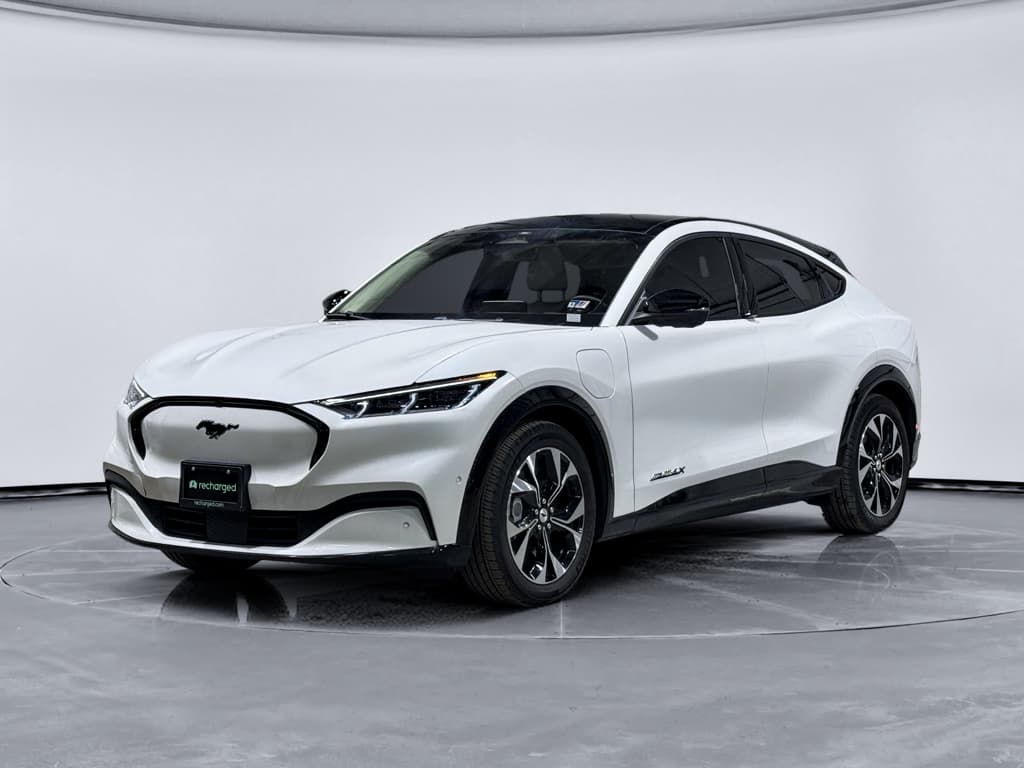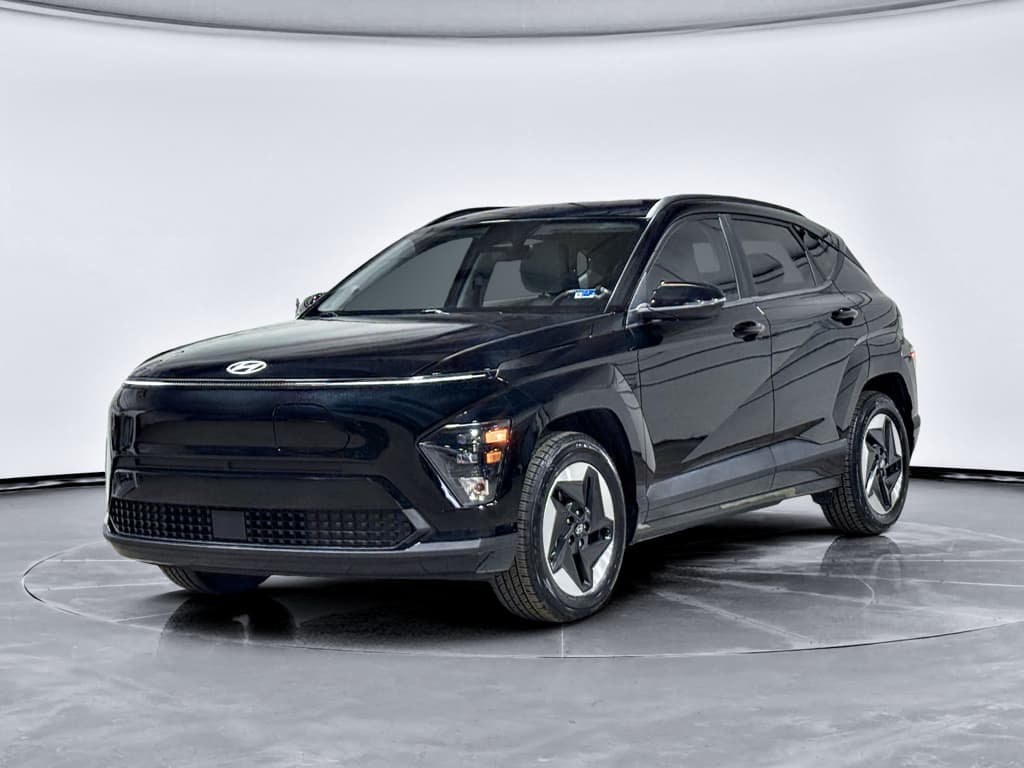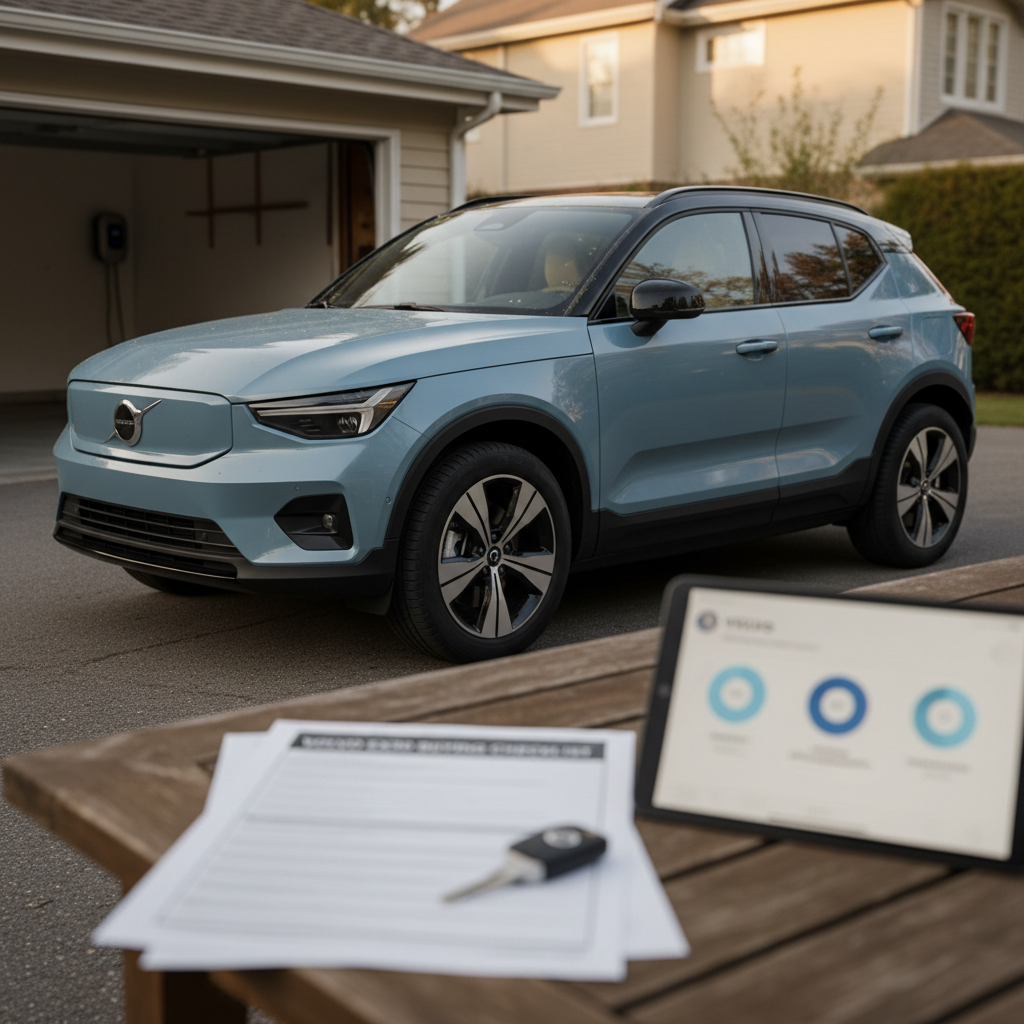
You’re shopping for a used electric car and every listing seems to shout a different promise: “Certified!”, “dealer inspected”, or just a lonely Carfax link and a shrug. If you’re wondering whether a certified used EV vs regular used is actually worth the extra money, you’re asking exactly the right question, because with EVs, the stakes are higher, and most of that risk is hiding inside the battery pack.
Quick takeaway
Why the certified vs regular used EV decision matters
On a gas car, a certified pre‑owned (CPO) badge mostly tells you someone has changed the fluids, fixed obvious defects, and stapled on a warranty. With EVs, it’s different. The single most expensive component, the battery, can quietly erase the value of the entire car if it’s unhealthy. And yet most traditional certification checklists still treat the battery like just another box to tick.
Why used EVs reward careful buying
That combination, used EVs getting cheaper and more plentiful, plus very expensive batteries that usually age well but sometimes don’t, is exactly why you need to be deliberate about whether certification is giving you real protection or just a warm fuzzy feeling.
What “certified used EV” actually means
In broad strokes, a certified used EV in the U.S. means a vehicle that has been inspected and reconditioned to meet a manufacturer or dealer program’s standards, then sold with additional warranty coverage. But the devil, and with EVs, the battery, is in the details.
Common elements of manufacturer CPO EV programs
What you usually get when you see the certified badge
Multi‑point inspection
Basic battery checks
Extra warranty coverage
Certification ≠ full battery report
- Manufacturer CPO: Run by the automaker, often with stricter age and mileage caps and brand‑backed warranties.
- Dealer CPO or “certified”: Run by an individual dealer or third‑party warranty provider, sometimes with looser standards and more marketing spin than substance.
- Online marketplace “certified”: May focus on convenience and return windows, but battery diagnostics can be shallow or outsourced.
How regular used EV sales work today
A regular used EV is any used electric car sold without a formal certification program, think franchise dealers moving trade‑ins, independent lots, or private‑party sales. Here, you’re largely on your own to figure out whether the car is a great deal, or a discounted science project.
Dealer & independent lots
These sellers often treat EVs like any other used car. They’ll offer a mechanical inspection, maybe a fresh detail, and a test drive. Battery health is usually summarized in air quotes: “Seems fine.”
Some will sell you an aftermarket warranty that covers high‑voltage components with more fine print than a mortgage. Read very carefully before assuming the battery is protected.
Private‑party sales
Private listings can be cheaper but also more opaque. Sellers may genuinely not know their battery’s condition beyond the range number on the dash. That range is influenced by recent driving and climate and is not a proper health test.
Here, a third‑party inspection and a proper battery health report go from "nice to have" to "non‑negotiable."
Think like an appraiser
Certified used EV vs regular used: side‑by‑side comparison
Certified used EV vs regular used at a glance
How the two paths usually stack up for real buyers
| Factor | Certified used EV | Regular used EV |
|---|---|---|
| Typical seller | Brand dealer, some large platforms | Franchise dealer, independent lot, private seller |
| Inspection | Multi‑point checklist; EV depth varies | Highly variable; may be basic safety only |
| Battery testing | May include basic diagnostics; deep SOH report is hit‑or‑miss | Rarely more than "no warning lights" unless you request it |
| Cosmetic condition | Reconditioned to program standards | More wear acceptable; cosmetic issues common |
| Warranty | Extra coverage on top of original battery warranty | Original battery warranty only (if still active), plus optional third‑party add‑ons |
| Pricing | Higher asking price; certification premium baked in | Lower prices but also wider quality spread |
| Return/exchange policy | Often 3–7 day window with mileage cap | Dealers sometimes offer limited returns; private sales usually as‑is |
| Peace of mind | Stronger on paper, depends on real battery data | Depends entirely on your own inspection and battery report |
Programs vary by brand and dealer, but these patterns hold across most of the market.
The battery question: where most buyers get burned
Battery health is the quiet hinge on which every used EV deal swings. A three‑year‑old EV with 90% battery health is basically just getting started. The same car at 72% health may still drive, but you’ve bought yourself a permanently shrunken fuel tank and a future resale problem.
Battery health basics for used EV shoppers
What matters more than the certification label
State of Health (SOH)
Heat & fast charging
Climate & use pattern
The expensive surprise
Warranty differences: beyond the window sticker
Most modern EVs carry an 8‑year/100,000‑mile (or similar) battery warranty from the factory. That coverage usually follows the car to subsequent owners, whether certified or not. The catch is that these warranties typically promise that the pack will retain at least about 70% capacity during that window and only trigger when you fall below that line.
What certification usually adds
- Extended bumper‑to‑bumper coverage beyond the original 3–4 year term.
- Some extra protection on electronics, interior components, and convenience features.
- Roadside assistance and trip interruption coverage.
These perks are nice, but they don’t magically strengthen the underlying high‑voltage warranty the way many shoppers assume.
What’s already true on a regular used EV
- If the car is under 8 years/100,000 miles (varies by brand), you likely already have battery coverage as a second owner.
- Most warranties require the battery to fall below a set health threshold (often ~70%) before replacement is approved.
- A used EV with documented 85–90% SOH and plenty of warranty time left can be as safe a bet as many certified cars.
How Recharged handles warranties
Pricing & depreciation: are you paying twice for peace of mind?
EVs tend to shed a big chunk of their value in the first three years, especially the tech‑forward models whose new‑car prices keep leapfrogging each other. That’s exactly why the used EV market is suddenly interesting: someone else has already taken the brutal part of the depreciation curve for you.
Why certified EVs usually cost more
And when that premium actually makes sense
Built‑in certification premium
Nicer cosmetic condition
Risk vs. savings
A smarter way to think about price
Inspection checklist: what to demand either way
Whether you go certified or regular used, the smartest thing you can do is treat the car like an airplane you’re about to fly: you want logs, not vibes. Here’s what should be on your must‑have list before you sign anything.
Non‑negotiables for any used EV purchase
1. Verified battery State of Health
Insist on a <strong>quantitative SOH number</strong>, not just “battery is fine.” This can come from OEM diagnostics, a reputable third‑party battery report, or a platform like the Recharged Score.
2. Clear fast‑charge and climate history
Ask where the car spent most of its life and how it was charged. Frequent DC fast charging in very hot regions deserves extra scrutiny, even on certified cars.
3. Remaining battery warranty in writing
Confirm the in‑service date, mileage, and any transfer conditions so you know exactly how many years and miles of pack coverage remain.
4. High‑voltage safety inspection
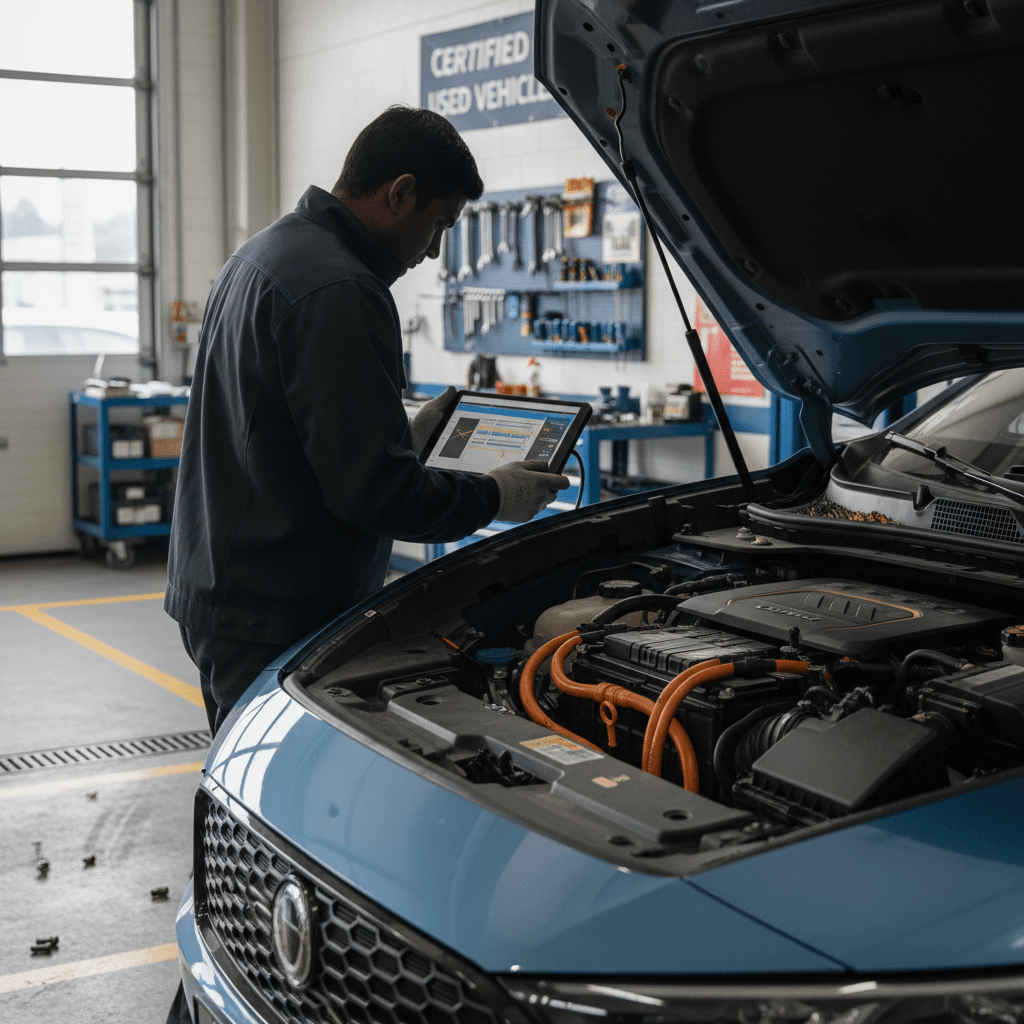
Have a technician familiar with EVs inspect the orange‑cable high‑voltage system, connectors, and cooling circuits, not just brakes and tires.
5. Software & recall status
Make sure all battery‑related recalls and software updates are completed. Many EVs have had critical updates for pack management and charging behavior.
6. Real‑world range test
On your test drive, reset a trip meter, do a mix of city and highway driving, and compare energy use and indicated range to what a healthy example of that model should deliver.
Red flag on both certified & regular used
Where Recharged fits in: battery‑first used EVs
Recharged was built around the exact gap that certified programs and regular used EV sales leave open: transparent, verified battery health. Instead of asking you to trust a label, every vehicle comes with a Recharged Score Report that treats the battery and charging system as the main event, not an afterthought.
How Recharged changes the certified vs regular debate
Think of it as certification that starts with the pack, not the paint
Deep battery diagnostics
EV‑specialist inspection
Fully digital, with human help
Ready to find your next EV?
Browse VehiclesFinancing that fits the decision
FAQ: certified used EV vs regular used
Frequently asked questions
Bottom line: when to choose certified vs regular used
Think of certification on a used EV as a package of nice‑to‑haves: cleaner cosmetics, extra warranty coverage on the small stuff, and a bit more hand‑holding. Those can absolutely be worth paying for, if the underlying battery story is solid and documented. But if the choice is between a glossy certified badge with a mystery pack and a regular used EV with a crystal‑clear, healthy battery report, the rational move is to follow the electrons, not the marketing.
Your best‑case scenario is simple: a used EV, certified or not, that comes with verified battery health, transparent pricing, and expert guidance. That’s the hole Recharged was built to fill. Start your search with the battery in mind, and you’ll spend the next decade enjoying quiet, low‑maintenance miles instead of wondering when the pack will send you a five‑figure love letter.