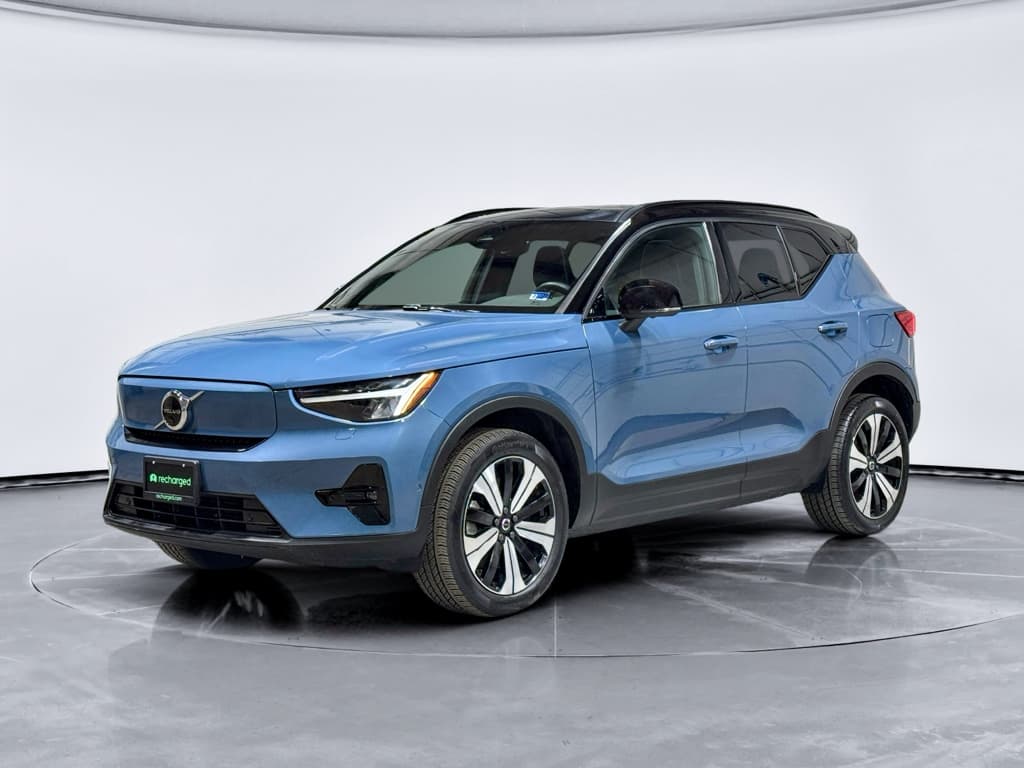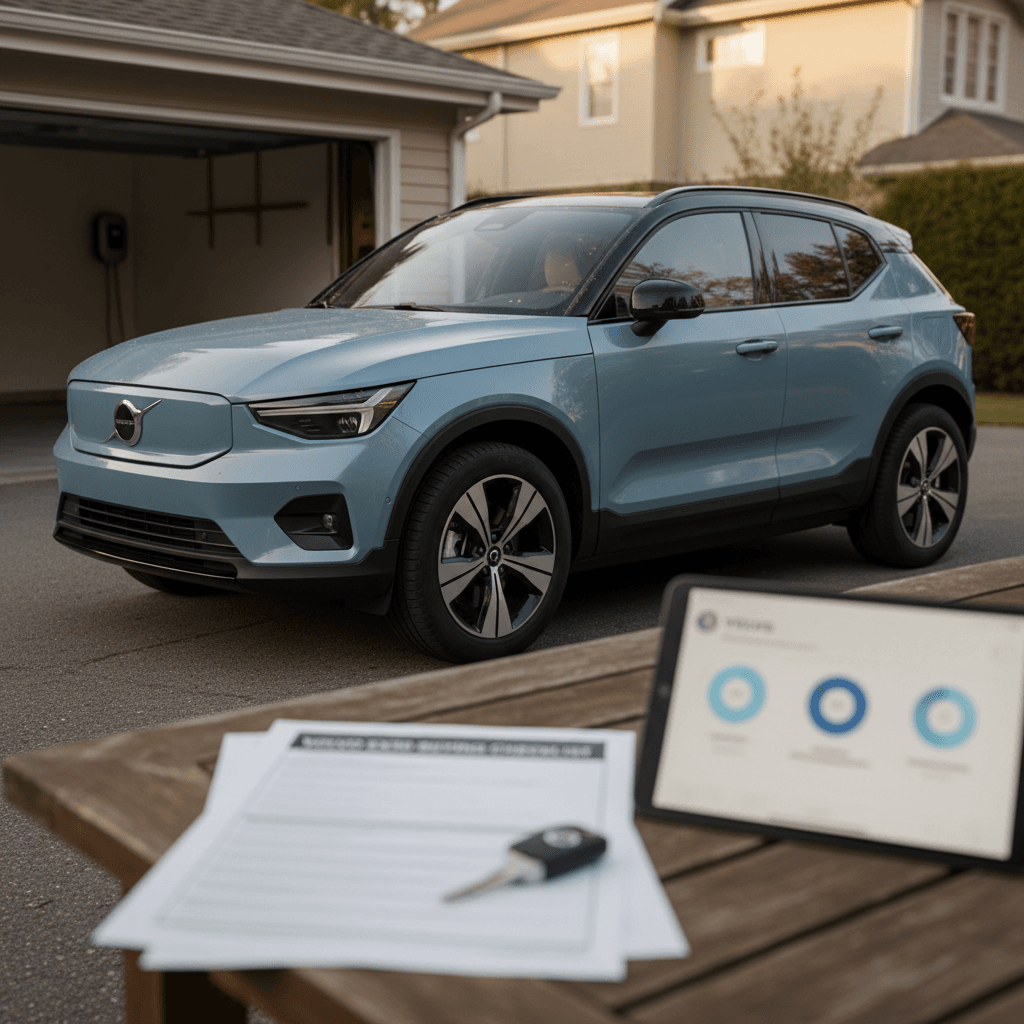
The Volvo EX30 buying checklist starts with one simple truth: this is a small EV with big‑car personality. It’s quick, stylish, and packed with Volvo safety tech, but it’s also a brand‑new model with evolving pricing, software, and recall stories. Before you sign a contract or wire a deposit, walk through this checklist so you know exactly what you’re getting into, especially if you’re considering a used EX30.
Quick snapshot: Where the EX30 fits
Why the Volvo EX30 is on so many shortlists
Volvo EX30 key numbers to know
Important context for U.S. buyers
Step 1: Clarify how you’ll use your EX30
Before you dive into specs and trim names, get clear on how the EX30 will actually fit into your life. It’s a small, city‑friendly crossover, not a family hauler or long‑distance road‑trip SUV in the way a Tesla Model Y or Hyundai Ioniq 5 might be.
Common Volvo EX30 use cases
Match your daily reality before you pick powertrain or trim
Urban commuter
If most of your driving is city and suburb runs under 60 miles a day, the EX30’s compact size and strong regen braking make it easy to live with.
- Parking garages and tight streets are no problem.
- Range is more than enough for weekday use.
Weekend road‑tripper
Plan a few highway trips a year? The EX30 can handle them, but you’ll want to think about range, charging network coverage, and cabin comfort.
- Highway efficiency isn’t this car’s strongest suit.
- Cabin and cargo space are fine for 1–2 people, tight for 4.
Small‑family runabout
For school runs and errands with young kids, the EX30’s back seat and cargo area can work, but it’s cozy.
- Two car seats will fit, but with limited legroom.
- Stroller + groceries will fill the cargo area quickly.
Range reality check
Step 2: Choose the right Volvo EX30 powertrain and trim
For U.S. buyers, the EX30 lineup has essentially boiled down to two powertrains and a couple of well‑equipped trims. Knowing what you’re paying for, and what you can skip, is half the battle.
Volvo EX30 powertrain and trim cheat sheet
Exact configurations vary by model year and market, but this captures the key decisions for most U.S. shoppers.
| Powertrain | Drive | Est. EPA range | 0–60 mph | Typical trims | Who it suits best |
|---|---|---|---|---|---|
| Single Motor Extended Range | RWD | Up to ~261 mi | ≈5.1 s | Plus | Best all‑rounder for commuters who want range and value. |
| Twin Motor Performance | AWD | Around 250 mi or less | ≈3.4 s | Plus, Ultra, Cross Country | Performance‑focused drivers and all‑weather buyers who value traction. |
| Cross Country (Twin Motor only) | AWD | Roughly 200–225 mi depending on wheels | ≈3.6 s | Ultra | Style‑ and adventure‑oriented buyers willing to trade range for looks and capability. |
Use this as a starting point, then confirm the exact spec sheet on the car you’re buying, especially if it’s used.
Trim‑level highlights to check
Trim and powertrain checklist
1. Decide if you really need AWD
The Twin Motor EX30 is shockingly quick and adds all‑wheel drive, but it costs more and usually delivers slightly less range. If you live in a mild‑climate area and mostly drive on pavement, the Single Motor Extended Range is plenty quick and easier on your budget.
2. Confirm actual range on the window sticker
Don’t rely on a brochure. Check the EPA range on the Monroney sticker (or listing details on a used car). Higher‑trim wheels and tires can nibble at range.
3. Check which safety tech is standard vs. optional
Many driver‑assist systems are bundled by trim. If you care about a 360° camera or semi‑automated lane centering, make sure the exact car you’re looking at has those packages.
4. Look at wheel size and tire type
Larger wheels look great but may ride firmer and cut range. If you’re in a snowy climate, budget for a second set of wheels with winter tires.
5. Compare new vs. used pricing carefully
Because the EX30 is still new in the U.S., used examples may be close in price to new, but you might find early‑build cars with higher depreciation. Weigh warranty coverage against the savings.
Step 3: Range and charging checklist
Range and charging are where expectations and reality most often collide. The EX30 can be an excellent daily EV if you understand its strengths and limitations, and have a plan for where it will plug in.
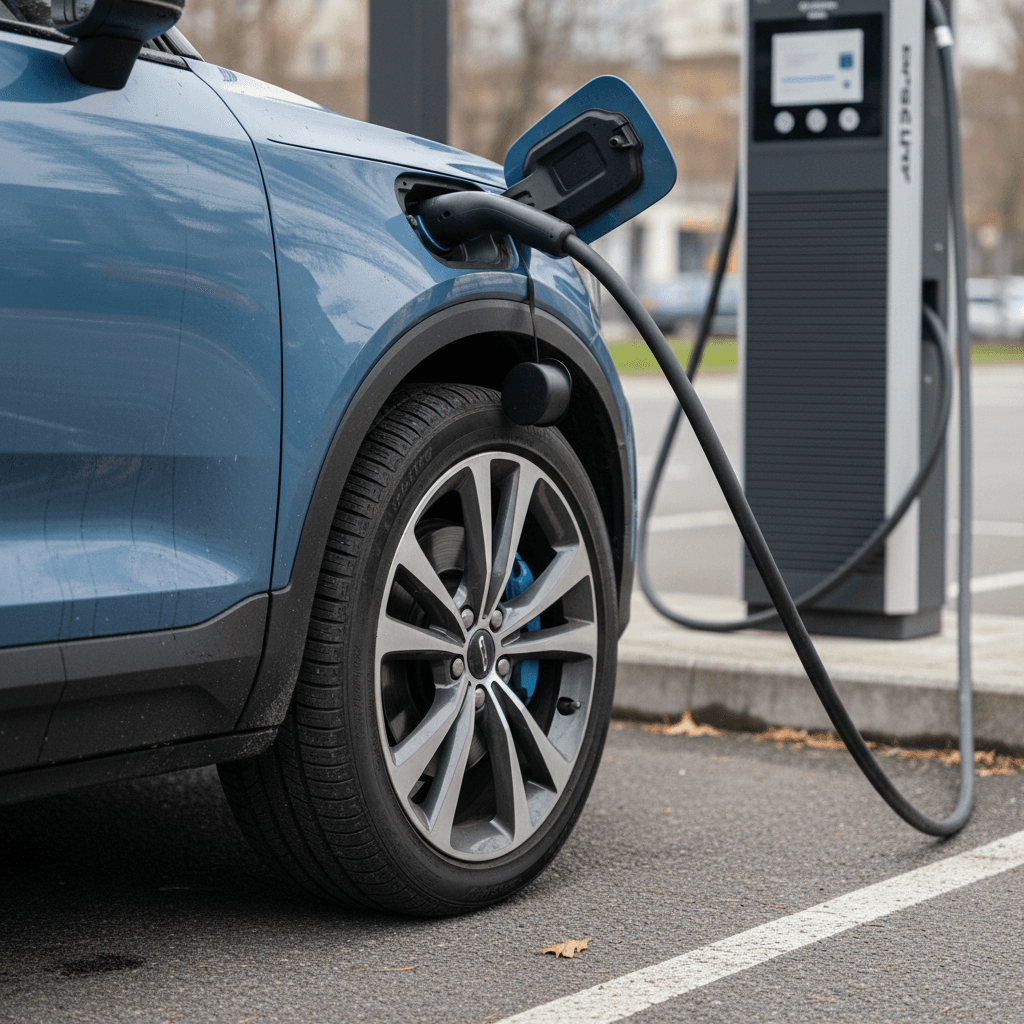
Volvo EX30 charging essentials
Answer these questions before you buy
Home charging
- Do you have a 240‑volt outlet or wallbox? A Level 2 charger at home turns the EX30 into a plug‑in appliance you never think about.
- Apartment or condo? Ask about existing EV infrastructure, HOA rules, and who pays for electricity.
- Garage vs. street parking: Outdoor extension‑cord charging is not a long‑term solution.
Public and DC fast charging
- Check coverage on your routes: Look at apps like PlugShare, ChargePoint, and the vehicle’s built‑in Google Maps to spot DC fast chargers along your typical long trips.
- Understand speed limits: In ideal conditions, you’re looking at roughly 10–80% in around 25–30 minutes on a capable fast charger.
- Factor in cold weather: Winter can slow charging and shrink range significantly.
Highway and cold‑weather range
Range and charging checklist
1. Map your longest regular trip
Look at the furthest place you drive at least once a month, family, weekend house, regional office, and verify there are at least two fast‑charging options near your route, not just one lonely station.
2. Confirm connector type and adapters
The EX30 uses the North American Charging Standard (NACS) or CCS depending on region and model year. Make sure you understand which port your car has and whether you’ll need an adapter for certain networks.
3. Ask about onboard charger rating
Most EX30s have an onboard AC charger that comfortably supports typical 32–40 amp Level 2 home charging. If you already have a wallbox or plan to install one, confirm compatibility and amperage so you’re not over‑ or under‑buying hardware.
4. Check included charging equipment
Does the car come with an AC charge cable, and does it match your home setup? Replacing lost equipment can be expensive.
Step 4: Safety, driver‑assist, and crash protection
Volvo trades heavily on its safety reputation, and the EX30 follows that script with a thick bundle of standard and optional systems. But not every car on the lot has the same equipment, and software maturity matters just as much as hardware.
Core safety structure
- Rigid passenger cell and multiple airbags, including side curtain coverage.
- High‑strength steel around the battery pack to help manage crash forces.
- Pedestrian and cyclist detection baked into the driver‑assist suite.
Driver‑assist tech to inspect
- Automatic emergency braking with intersection assistance.
- Lane‑keeping assist and lane centering when using Pilot Assist.
- Adaptive cruise control with full‑stop capability.
- Blind‑spot monitoring, rear cross‑traffic alert, and 360° cameras on higher trims.
Stay current on recalls and safety campaigns
Step 5: Tech, usability, and software quirks
The EX30’s interior shows the best and the worst of modern EV design. You get a big central touchscreen with Google built‑in, clever storage solutions, and great audio, but also a heavy reliance on software for even basic tasks. Early owners have reported occasional bugs and odd behaviors that are worth understanding before you buy.
Volvo EX30 tech: what shoppers should test
Plan an extended test drive and push every button, real and virtual
What shoppers tend to love
- Google built‑in: Native Google Maps, Assistant, and apps make navigation and voice control straightforward.
- Harman Kardon audio: Optional sound system with punchy, clear audio for such a small cabin.
- Minimalist cabin: Scandinavian design, clever storage, and sustainable materials give it a distinct personality.
Quirks and complaints to watch for
- Software glitches: Some owners report intermittent error messages, blacked‑out screens, or nervous lane‑keeping behavior that improves (but doesn’t always vanish) with updates.
- Screen‑heavy controls: Basic tasks like adjusting mirrors or climate may require digging into menus; see if that bothers you day‑to‑day.
- Digital mirrors and cameras: Make sure all cameras and sensors initialize correctly on start‑up.
How to test tech on a demo drive
Step 6: Total cost of ownership and financing
Sticker price is only part of the Volvo EX30 story. Electricity is usually cheaper than gasoline, and maintenance needs are lower than a comparable gas SUV, but insurance, depreciation, and financing can swing the math.
Costs likely to be lower than a gas SUV
- Fuel: Home charging on off‑peak rates can dramatically undercut gas costs, especially if you drive a lot of city miles.
- Maintenance: No oil changes, timing belts, or exhaust systems. Brake wear is gentler thanks to regenerative braking.
- Local incentives: Some utilities offer rebates on home chargers or discounted EV charging plans.
Costs that can surprise first‑time EV buyers
- Insurance: Newer EVs with lots of sensors can be expensive to repair after a crash, pushing premiums up.
- Depreciation: Rapid changes in EV tech and incentive rules can move used values faster than you expect.
- Home charging install: If you don’t have a suitable 240‑volt circuit, budget for an electrician visit and possible panel upgrade.
Financing and ownership checklist
1. Compare lease vs. loan vs. subscription
Leasing can protect you from long‑term depreciation risk and lets you hand back the car when newer tech arrives. Loans make more sense if you plan to keep the EX30 for 7–10 years. Some markets also offer subscription‑style plans; read the fine print on mileage and wear.
2. Check EV tax credits and state incentives
Because the EX30 is assembled outside the U.S., many configurations won’t qualify for the full federal EV tax credit, but you may still see benefits through leasing or state‑level incentives. Confirm the latest rules before you assume anything into your budget.
3. Get pre‑qualified before you shop
Arriving with a pre‑qualification in hand gives you a clear price ceiling and makes it easier to compare dealer or marketplace offers. <strong>Recharged</strong> can help you <a href="/financing">pre‑qualify for EV financing online</a> with no impact to your credit score.
4. Estimate your 5‑year cost of ownership
Add up loan or lease payments, insurance quotes, electricity estimates, and expected maintenance. Compare that number to your current vehicle or a hybrid alternative so you’re sure the EX30 still pencils out.
Step 7: Inspecting a used Volvo EX30
Because the EX30 is new to the market, used examples are just starting to appear. That makes a structured inspection even more important, you don’t have 10 years of owner history to lean on. This is where a data‑driven health report can save you from buying someone else’s experiment.
Used Volvo EX30 inspection checklist
1. Battery health and fast‑charging history
Ask for a <strong>battery health report</strong> that goes beyond the dashboard estimate. Frequent DC fast‑charging, extended high‑state‑of‑charge storage, and extreme heat can all accelerate degradation. With Recharged, every vehicle includes a <strong>Recharged Score Report</strong> so you can see verified battery health before you commit.
2. Recall and software‑update status
Run the VIN through Volvo’s recall checker and ask for service records. Confirm that the car has the latest major software updates installed, especially those related to driver‑assist systems, charging, and any battery‑safety campaigns.
3. Charging hardware and port condition
Inspect the charge port for signs of overheating, corrosion, or physical damage. Check that the charging flap opens smoothly and seals properly, and that all included cables and adapters are present and undamaged.
4. Test‑drive for software gremlins
On your drive, watch for warning lights, glitchy screens, unexpected restarts, or strange behavior from lane‑keeping and adaptive cruise. Take notes and don’t accept “they all do that” as an answer without seeing documentation.
5. Interior wear and water leaks
Run your hands along door seals and headliner, and lift cargo‑area mats to check for dampness or past leaks. Try every seat adjustment, window switch, and door handle, especially if the car has seen a harsh climate.
6. Verify warranty transferability
Confirm how much of the original <strong>bumper‑to‑bumper</strong> and <strong>high‑voltage battery</strong> warranty remains, and whether there are any conditions that could limit coverage for a second owner.
How Recharged simplifies used EX30 shopping
Ready to find your next EV?
Browse VehiclesVolvo EX30 buying checklist at a glance
Here’s a condensed, printable Volvo EX30 buying checklist you can keep on your phone or bring to the showroom. Use it whether you’re cross‑shopping new inventory or a used EX30 on a marketplace.
- Daily use: commute distance, passengers, cargo, climate demands.
- Powertrain: Single Motor Extended Range vs. Twin Motor Performance; confirm real EPA range and your priorities (range vs. speed vs. AWD).
- Trim: Plus vs. Ultra (and Cross Country variants); verify specific features like Pilot Assist, 360° camera, and Harman Kardon audio on the exact car you’re buying.
- Charging: Home Level 2 plan, public network coverage on your regular routes, and connector/adapter needs.
- Safety: Crash‑test ratings, active‑safety equipment presence, and recall completion status.
- Tech and comfort: Screen responsiveness, driver‑assist smoothness, seat comfort, cabin noise at highway speeds.
- Ownership costs: Insurance quotes, expected electricity cost, maintenance plans, and 5‑year total cost of ownership versus your alternatives.
- Used‑specific: Battery health report, DC fast‑charge history, software‑update log, and detailed cosmetic/mechanical inspection.
- Deal structure: Lease vs. finance vs. cash; verified out‑the‑door price with taxes and fees, and any trade‑in value if you’re selling a current vehicle.
FAQs: Volvo EX30 buying questions, answered
Volvo EX30 buying FAQ
Bottom line: Is the Volvo EX30 right for you?
The Volvo EX30 is a compelling package: a compact, characterful EV that feels premium without being ostentatious, and fast without shouting about it. For the right driver, someone who values design, safety tech, and city‑friendly size more than maximum range, it can be a fantastic daily companion.
Use this Volvo EX30 buying checklist to pressure‑test that fit. If the car lines up with your driving patterns, charging options, and budget, and especially if you can pair it with a solid battery‑health report, it’s well worth a serious look. And if you decide a used EX30 is the smarter play, Recharged can help you compare vehicles side by side, understand their battery health via the Recharged Score, sort out financing, and have the right car delivered to your driveway with far fewer surprises.