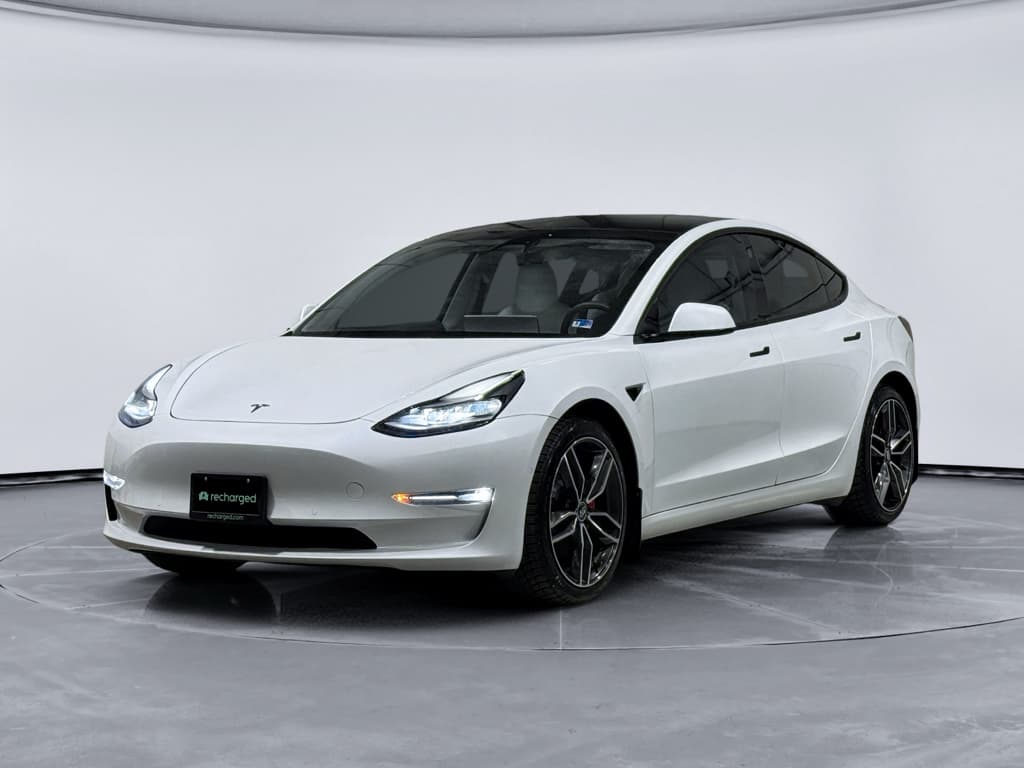
Selling a Tesla Model 3 in a private sale can easily net you thousands more than a trade‑in or instant‑offer site, but only if you prepare the car properly, price it for today’s softer Tesla market, and handle payment and ownership transfer the right way. This guide walks you step‑by‑step through how to sell a Tesla Model 3 private sale, with specific tips for EVs and Tesla’s app‑based ownership system.
Good to know about today’s Tesla market
Why sell your Tesla Model 3 in a private sale?
Why private sale can pay more
- Higher sale price: Private‑party buyers typically pay more than dealers because they aren’t building in auction fees, reconditioning costs, and profit margin.
- You control the story: You can explain software options, battery health, and your ownership history in detail, things many generic dealers gloss over.
- Better fit for niche configs: Unusual specs (Performance, rare colors, aftermarket wheels) often make more sense to an enthusiast buyer than to an algorithm.
When a private sale may not be ideal
- You need money tomorrow: A private sale can take days or weeks; instant offers are much faster.
- You hate logistics: You’ll be managing photos, messages, test drives, and paperwork.
- Your car has issues: Significant cosmetic damage or an accident history can make dealer or marketplace solutions like Recharged’s selling options less stressful.
Private sale rule of thumb
Step 1: Understand what your Model 3 is really worth
Before you list anything, you need a realistic view of your Tesla Model 3 private‑party value. Tesla resale values have become more volatile since 2023 as new‑car price cuts and a flood of off‑lease Teslas hit the market, so don’t rely on old assumptions about EVs “holding value.”
Build a pricing range, not a single magic number
Use multiple data points and then adjust for your car’s specifics.
Online pricing tools
Start with sites like KBB or Edmunds to get:
- Private‑party value
- Trade‑in value
- Retail asking prices
Use these as guardrails, not gospel.
Real listings in your area
Search for similar Model 3s on:
- Facebook Marketplace
- Cars.com, Autotrader
- EV‑focused sites
Pay attention to what’s been listed for weeks vs what disappears quickly.
Instant offers as a floor
Get instant offers from Tesla, CarMax, or EV‑focused buyers.
These numbers give you a hard floor, your private‑sale target should usually be comfortably above them, or the hassle isn’t worth it.
How to adjust your price for your specific Model 3
Use this as a quick mental checklist when you compare your car to online values.
| Factor | Stronger Than Average? | Weaker Than Average? | What It Means |
|---|---|---|---|
| Mileage | Under ~30k miles | Over ~70k miles | +5–10% or −5–10% impact on price |
| Battery health | Documented, above average | Unknown or unusually low | Proof can add hundreds to perceived value |
| Software & options | FSD/EAP, premium wheels, recent HW | Base spec, missing features | Loaded cars attract more buyers but don’t always recoup full option cost |
| Accident history | Clean Carfax, no repairs | Structural or airbag damage | Major accidents can shrink buyer pool dramatically |
| Cosmetics | Fresh tires, minimal wear | Curb rash, dents, worn interior | Imperfections are negotiation leverage, for the buyer |
Positive numbers usually justify pricing at the top of your range; negative numbers push you toward the bottom.
Don’t anchor on what you paid
Step 2: Prepare your Tesla Model 3 for sale
The difference between a rushed sale and a top‑of‑market result is usually in the prep. The good news: because the Model 3 doesn’t have a traditional engine bay to detail, you can make it look great quickly if you focus on the right areas.
Pre‑sale prep checklist for a Model 3
1. Deep clean inside and out
Wash, clay, and wax the exterior; clean wheels and de‑yellow headlamps if needed. Inside, vacuum thoroughly, wipe all hard surfaces, and clean the touchscreen and glass. Remove personal items from door pockets and frunk/trunk.
2. Fix inexpensive cosmetic issues
Touch up small paint chips, clean curb‑rashed wheels if possible, replace missing Aero wheel covers, and fix burned‑out bulbs. Professional paintless dent repair for one or two small dings is often money well spent.
3. Address obvious maintenance
Buyers know EVs have lower maintenance, but worn tires or wipers still stand out. If you’re near tread limits or your cabin air filter is long overdue, consider replacing before listing, or price the car accordingly and disclose it.
4. Gather both key cards and accessories
Locate both key cards, charger bundle (if included), and any accessories you’re selling with the car (floor mats, roof rack, etc.). A complete package signals careful ownership and avoids last‑minute haggling.
5. Remove personal data and profiles (later)
Before handoff, but after payment, plan to do a factory reset, sign out of streaming services, and delete driver profiles. We’ll cover the exact timing in the ownership‑transfer step.
Don’t over‑invest in perfection
Step 3: Document battery health and service history
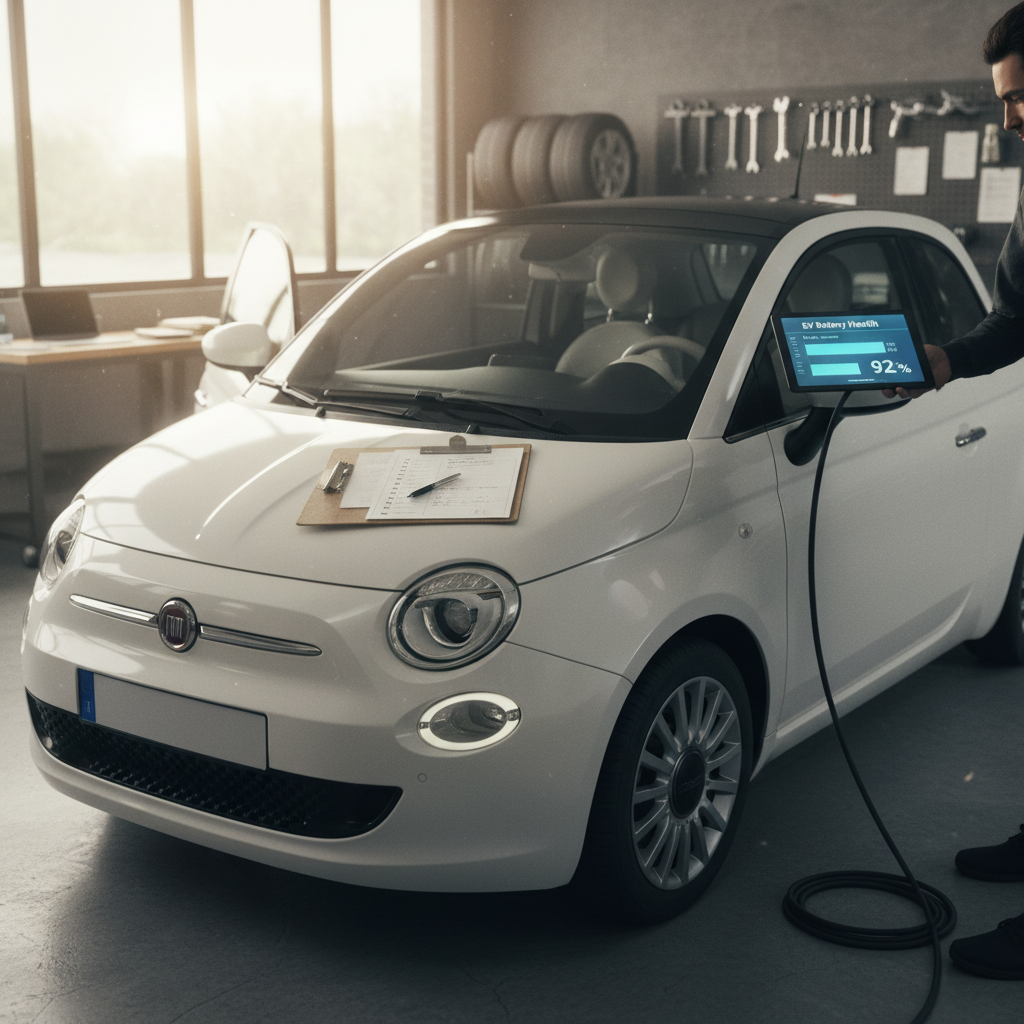
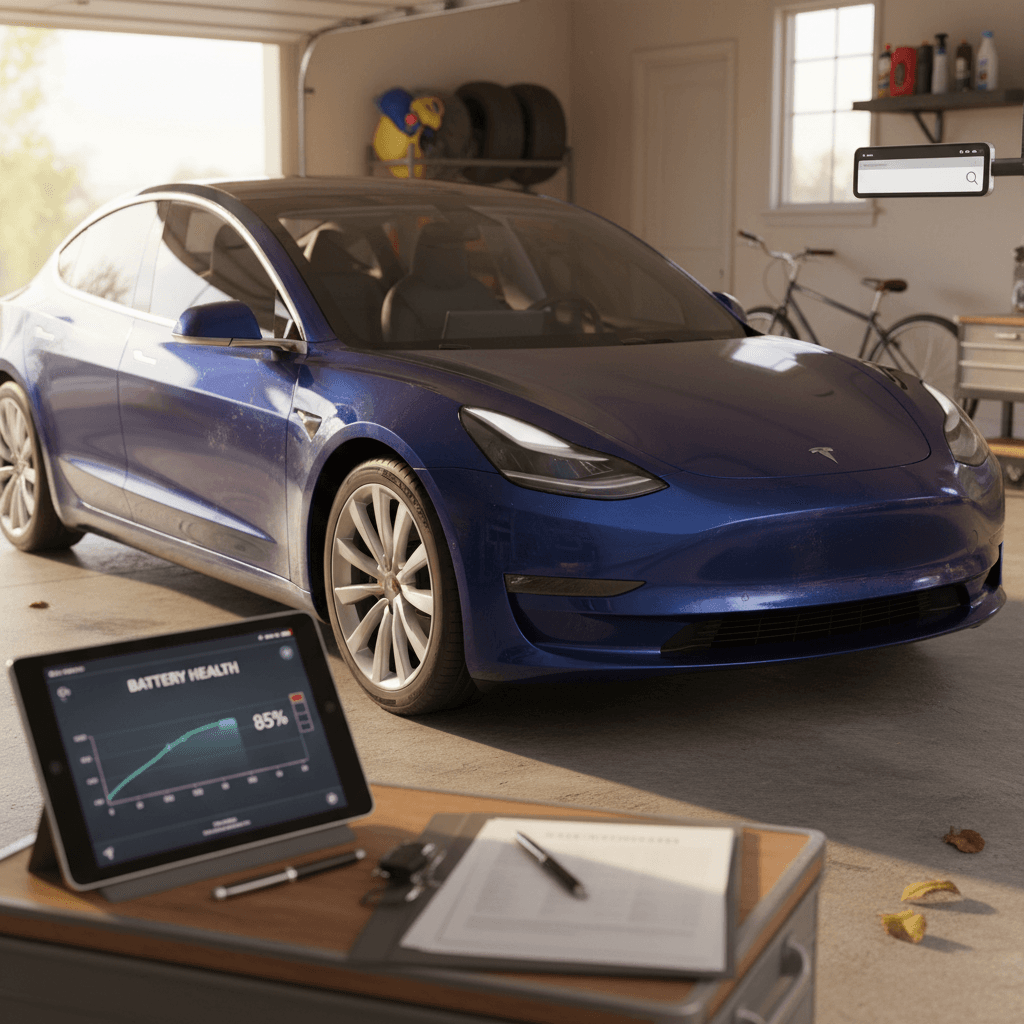
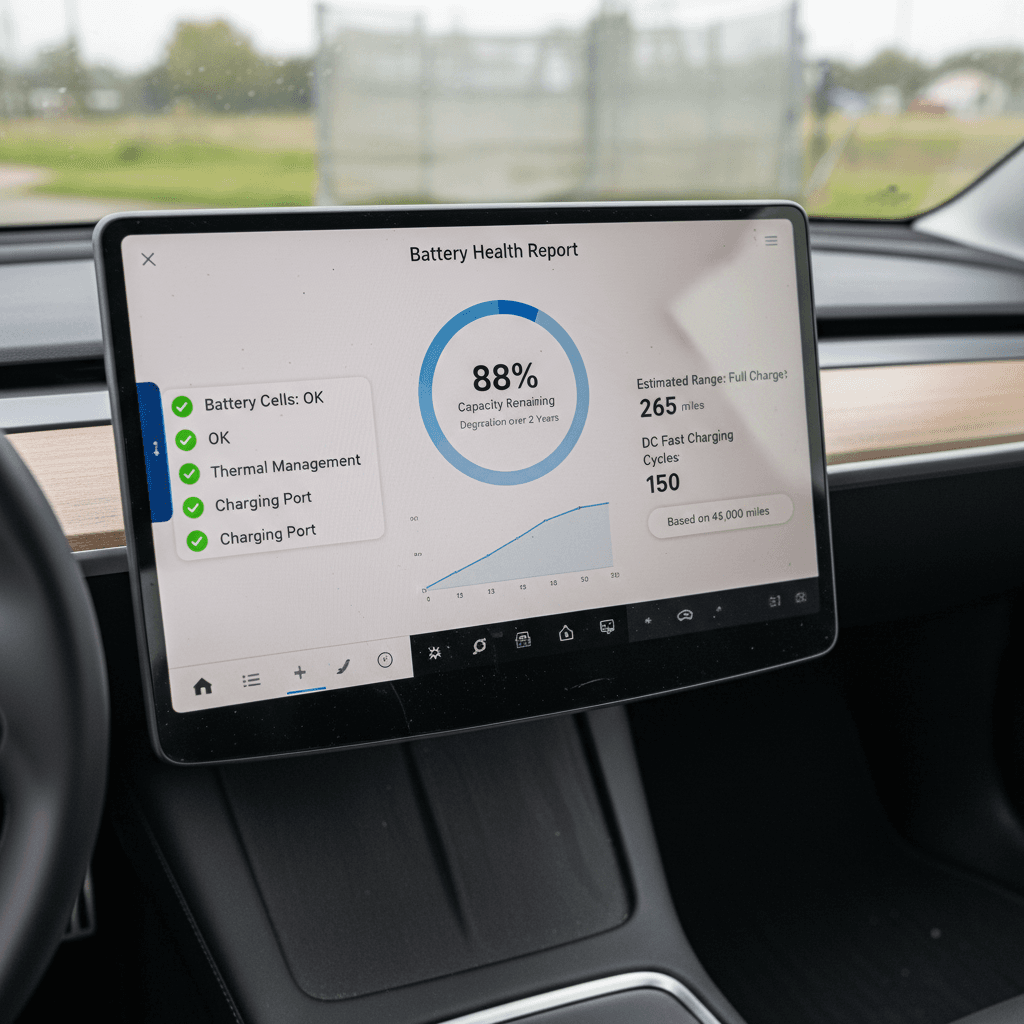
On an EV, battery health is the new engine compression test. Private‑sale buyers are rightly worried about degradation and replacement cost. If you can show that your Model 3’s pack is aging normally, you’ve removed the biggest psychological barrier to paying a fair price.
Ways to prove your Model 3’s battery is healthy
Combine at least two of these for maximum buyer confidence.
In‑car energy & range data
Show screenshots of:
- Rated range at 100% charge
- Recent efficiency (Wh/mi)
- Trip energy graphs from mixed driving
Explain your typical driving and climate.
Service history & warranties
Download your Tesla service invoices and note:
- Any high‑voltage or drive‑unit work
- Software or hardware upgrades
- Remaining battery/drivetrain warranty
Third‑party battery report or Recharged Score
Consider a third‑party battery health report or a Recharged Score battery diagnostic. A quantified, independent battery score can be a powerful marketing asset and helps justify your asking price.
How Recharged can help here
Ready to find your next EV?
Browse VehiclesStep 4: Create a high‑converting listing
Most Tesla Model 3 private‑sale listings fail in the first five seconds: bad photos, vague descriptions, and no mention of battery health. Your goal is to make it instantly clear that you’re a serious, transparent seller and that your car is worth short‑listing.
- Shoot photos in soft daylight, not harsh midday sun, with a clean background.
- Take a full walk‑around set: front 3/4, rear 3/4, side profiles, wheels, interior, trunk, frunk, and close‑ups of any flaws.
- Photograph the touchscreen showing odometer, software version, and rated range at a known state of charge.
- Avoid heavy filters; buyers want accuracy, not Instagram.
Sample Tesla Model 3 listing title
2021 Tesla Model 3 Long Range • 31k miles • Clean history • Battery report
That’s it. Year + trim, mileage, condition, and proof of battery health, exactly what serious shoppers scan for.
Key details to include in your description
- Year, trim (RWD, Long Range, Performance), color, interior color
- Mileage, wheel size, and tire brand/age if recent
- Ownership history ("second owner," "no accidents," etc.)
- Charging habits (mostly home Level 2 vs frequent DC fast charging)
- Battery health proof (third‑party report, range screenshots)
- Included software options (EAP/FSD), and whether they transfer
- Known flaws and what you’ve already fixed
Be honest about Autopilot & FSD
Step 5: Manage inquiries and test drives safely
Once your listing is live, you’ll quickly learn that selling a sought‑after EV means sifting through dreamers, low‑ballers, and the occasional scammer. A simple process keeps your time investment sane and your risk low.
Safe inquiry and test‑drive process
1. Screen buyers via chat first
Ask how they plan to use the car, whether they’ve driven a Tesla before, and if they’re pre‑approved for financing or paying cash. Serious buyers answer directly; scammers go vague or push for off‑platform communication.
2. Meet in a safe, public location
Arrange test drives during daylight in a busy location with cameras, bank or shopping‑center lots work well. Avoid giving out your home address until you’re very comfortable, if at all.
3. Check ID and insurance
Before anyone drives your Model 3, verify their driver’s license and proof of insurance. Take clear photos of both and text or email them to yourself so they’re timestamped.
4. Go on the first test drive
For an unfamiliar, high‑torque EV, ride along on the first drive. Walk buyers through basic controls and insist on responsible driving. Limit the route to 15–20 minutes.
5. Set expectations about pricing
Before meeting, make it clear whether your price is firm or negotiable. At the car, let buyers spot flaws and ask questions before talking numbers, then reference your pricing research and battery documentation when you respond.
Red flags to walk away from
Step 6: Handle payment, title, and paperwork correctly
The highest‑risk moment in any private sale is when money and title change hands. With a Model 3, that usually involves coordinating three systems at once: your bank, your state’s DMV, and Tesla’s own ownership records.
Safer ways to accept payment
- Cashier’s check at the buyer’s bank: Meet at the issuing bank; watch the teller print the check and verify its authenticity.
- Wire transfer in a branch: Have the buyer initiate a wire to your account while you both sit with your banker. Release the car only after funds show as collected, not just “pending.”
- CASH only for small balances: For large deals, piles of cash create as many problems as they solve. Use banks and paper trails.
Title and bill of sale basics
- Confirm how your state handles EV sales tax, odometer disclosure, and e‑titles before meeting.
- Fill out a simple bill of sale with VIN, mileage, price, and "as‑is" language, signed by both parties.
- If you still have a loan, your lender technically owns the title, coordinate payoff and timing with them in advance.
Pro move: Use the buyer’s bank branch
Step 7: Transfer Tesla ownership in the app
Unlike a gas car, selling a Tesla isn’t done when the title changes hands. The car also has to move from your Tesla account to the buyer’s, or you’ll still see their location, trips, and charging in your app, and in some cases, you could still be billed for Supercharging.
- With the buyer present and payment complete, perform a factory reset from the car’s Service menu to erase personal data and driver profiles.
- In the Tesla app, go to My Products → your Model 3 → Remove or Transfer Ownership. Follow the prompts to start the transfer to the buyer’s email address.
- Have the buyer log into their Tesla account or app, tap Add Product, and enter the VIN if prompted.
- Hand over both key cards once you’ve initiated the transfer and removed the car from your app.
- Explain that Tesla may take anywhere from a few minutes to several days to process the transfer fully. In many recent private‑sale cases it’s been nearly instant, but Tesla still quotes 3–5 business days as a typical window.
- Until the transfer is final, make sure the buyer has a physical key card with them for driving and charging; they won’t be able to use phone‑as‑key right away if ownership isn’t processed.
Don’t transfer before you’re paid
Private sale vs selling through Recharged
Running a private sale well takes time, comfort with strangers, and some risk tolerance. If you start down that road and decide it’s more work than it’s worth, there are alternatives that still respect the unique value of a Tesla, without dumping it at a generic auction buyer.
Two ways to sell your Tesla Model 3
You don’t have to choose between rock‑bottom trade‑ins and risky private listings.
DIY private sale
- Potentially highest price if you find the perfect buyer
- You manage photos, listings, test drives, and payment
- Must vet buyers and handle scams yourself
- Great if you enjoy the process and have time
Selling through Recharged
- Recharged Score Report with verified battery health and pricing transparency
- EV‑specialist team markets your car to a nationwide audience of EV shoppers
- Options for instant offer, trade‑in, or consignment depending on your timeline
- Digital process with support on paperwork, payoff, and delivery logistics
If you want many of the financial benefits of a private sale with less hassle, Recharged is built for exactly this use case.
Common Tesla Model 3 selling mistakes to avoid
- Pricing off what you owe instead of what the market will actually pay.
- Ignoring recent Tesla price cuts and listing $5,000 above similar cars, then wondering why the phone is silent.
- Failing to show any battery‑health or charging‑habit evidence, which makes savvy buyers assume the worst.
- Letting strangers test drive alone without copying ID and insurance first.
- Accepting an electronic payment and handing over the car before funds have fully cleared.
- Transferring Tesla ownership in the app before payment is complete or paperwork is signed.
- Hiding accident or repair history that the buyer will eventually find on a vehicle‑history report.
FAQ: Selling a Tesla Model 3 in a private sale
Frequently asked questions
Selling a Tesla Model 3 in a private sale isn’t rocket science, but it does reward preparation, honesty, and respect for how EV buyers think. If you price off today’s data, document your battery health, protect yourself on payment, and handle Tesla’s ownership transfer carefully, you’ll give serious buyers every reason to pay a strong number for your car. And if you decide you’d rather have expert help without giving away your equity, Recharged is here with EV‑specific valuations, Recharged Score battery diagnostics, and multiple paths to turn your Model 3 into cash on your terms.