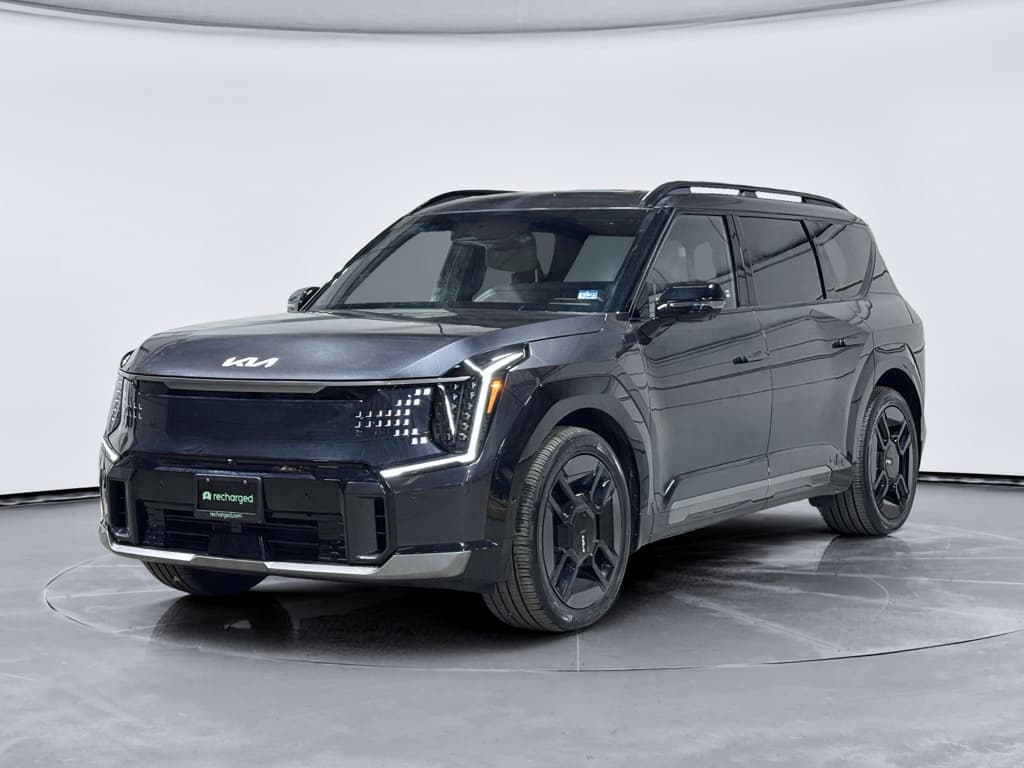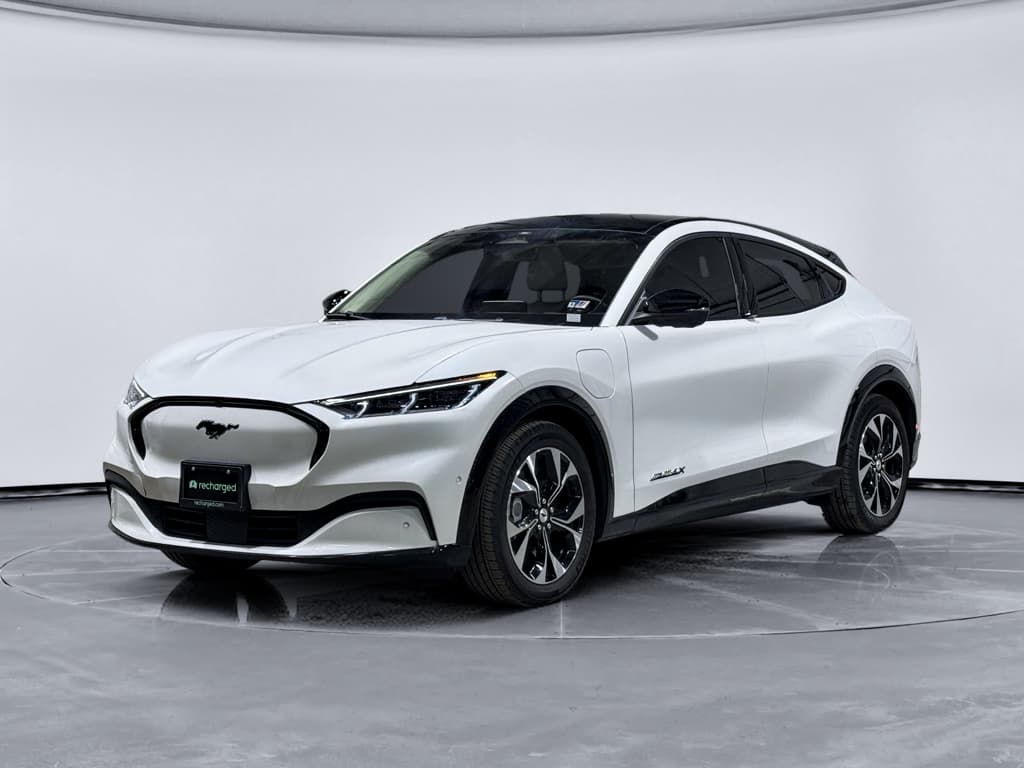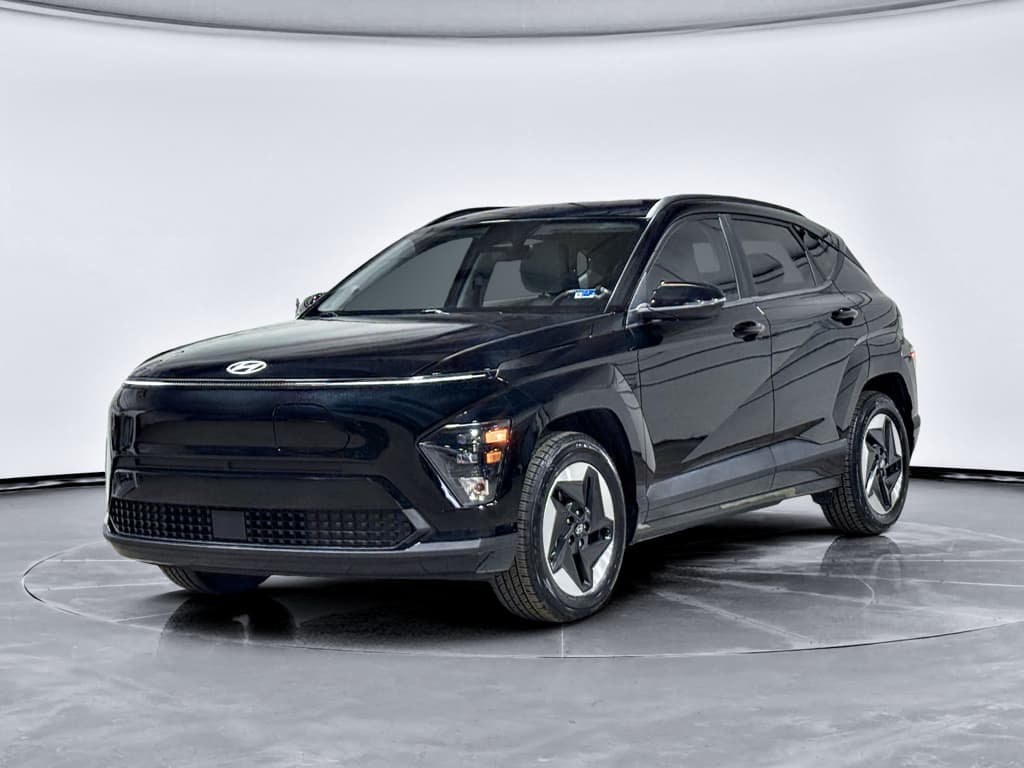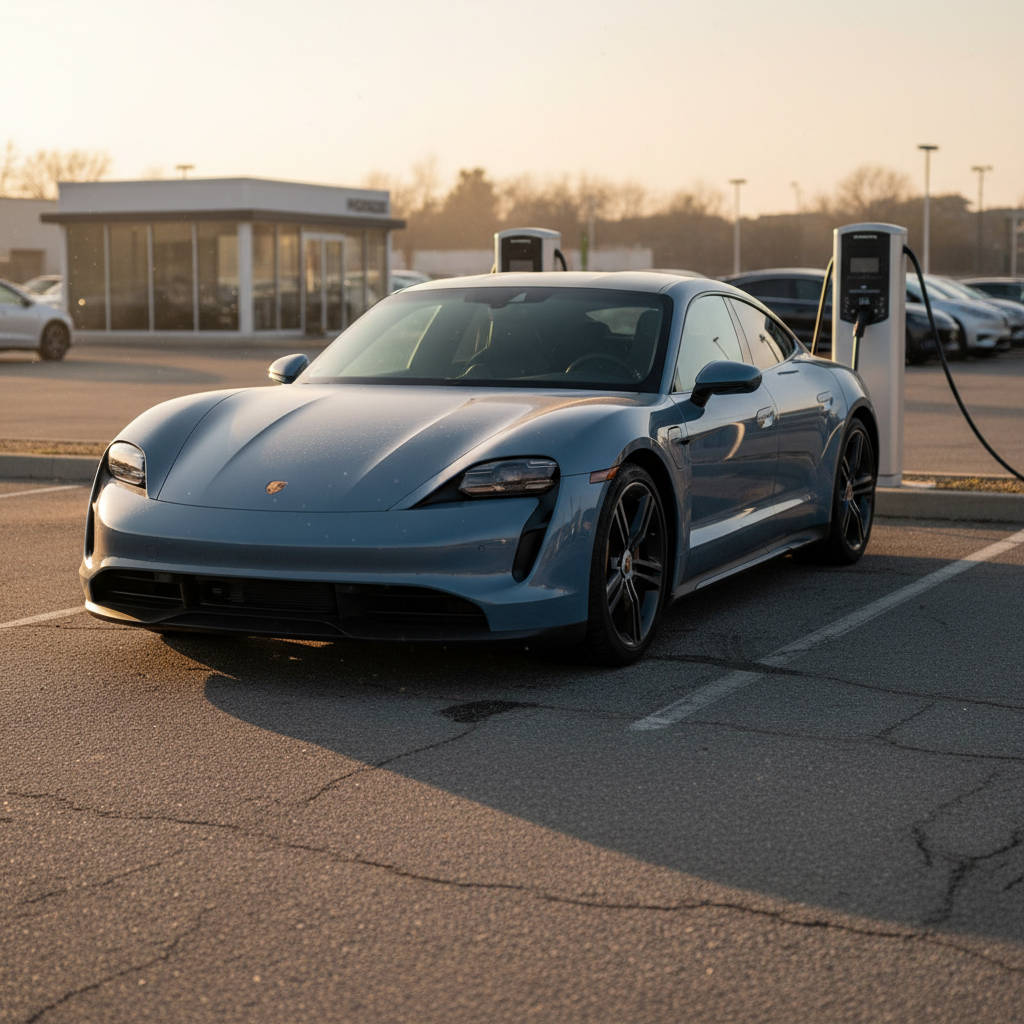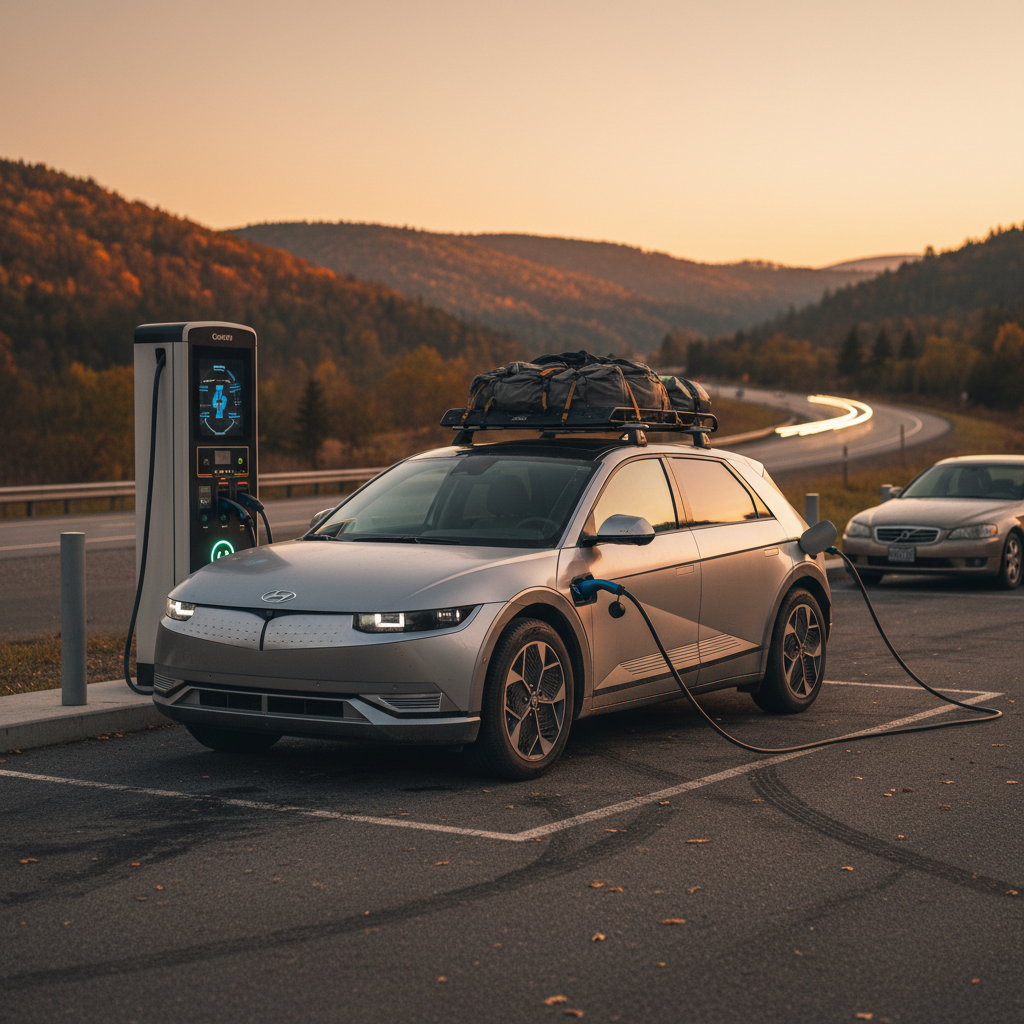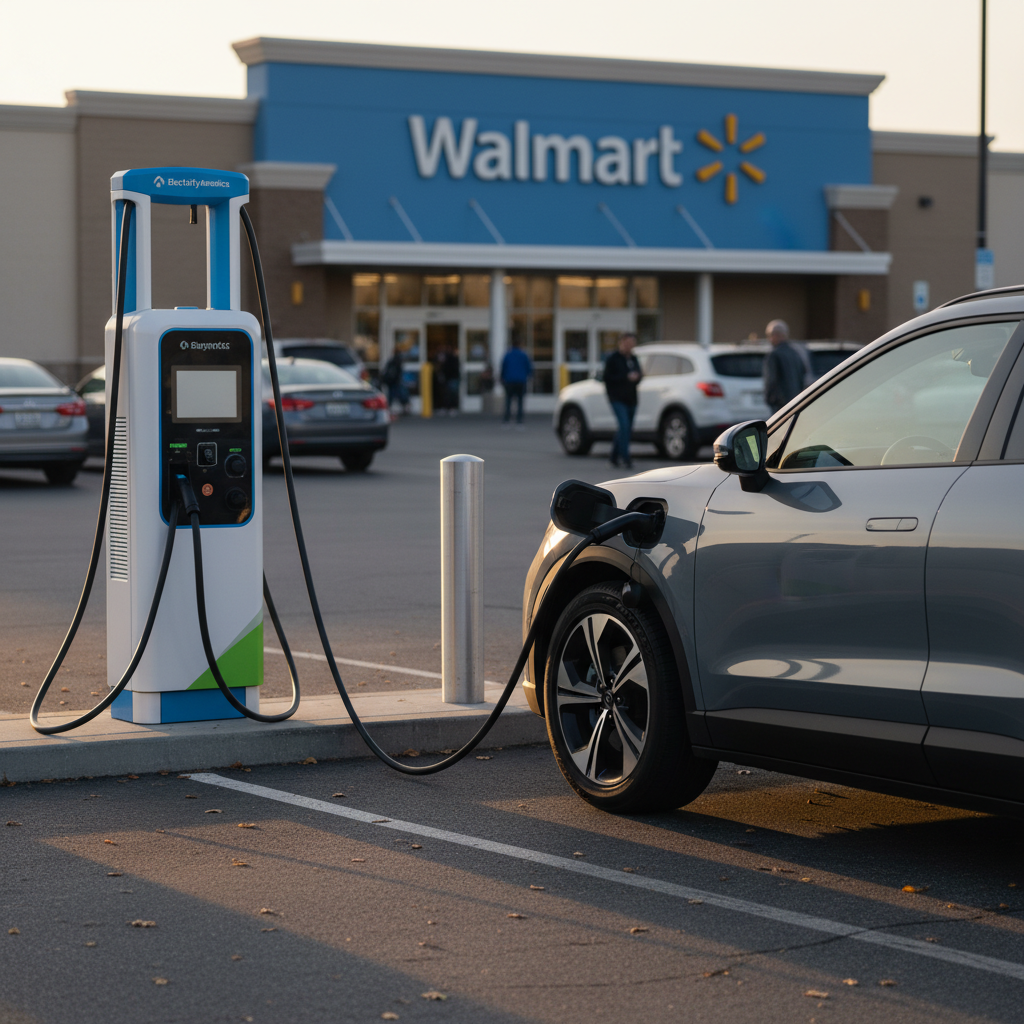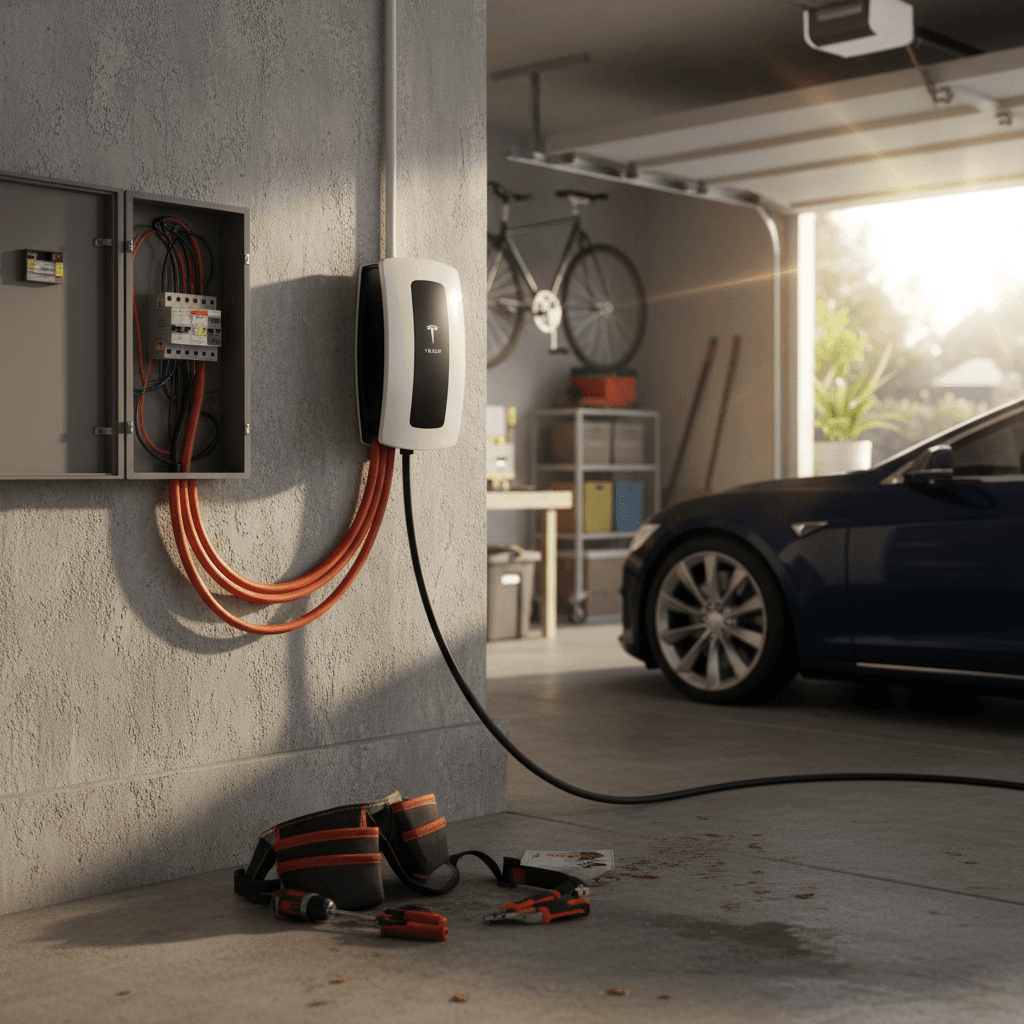
Yes, in most U.S. homes you *can* charge two EVs at home at the same time, but the right way to do it depends on your electrical panel, your driving habits, and the equipment you choose. With the right setup, two electric cars can comfortably share one garage or driveway without tripping breakers or wrecking your power bill.
Quick answer
Can you charge two EVs at once at home?
From an electrical standpoint, there’s nothing magical about charging two electric cars at once. An EV charger is just another large appliance, like an electric oven or heat pump. If your panel and wiring are sized correctly, you can absolutely run **two Level 2 chargers** or a **dual‑port charger** at the same time, your home just has to stay within its overall load limits.
- You can always plug one EV into a Level 2 charger and another into a Level 1 (120V) outlet at the same time, as long as the circuits are separate and properly sized.
- Many homes can support two 240V EV charging circuits with modest panel upgrades or by using load management.
- Smart chargers can automatically slow one car down if the other is drawing more power, keeping the total under a safe limit.
Where people get into trouble
Four main ways to charge two EVs at home
If you’re asking, “Can I charge two EVs at home at the same time?” what you really need to know is *which configuration* fits your house and budget. Here are the four most common approaches, from simplest to most capable.
Dual charging options for home EV owners
Pick the setup that matches your panel, parking, and budget.
1. One Level 2 + one Level 1
What it is: One car on a 240V Level 2 wallbox, the other on the portable 120V charger that came with the car.
- Lowest upfront cost
- Slow overnight top‑ups for the second car
- Often works with no panel changes
2. Two separate Level 2 chargers
What it is: Two 40A–60A circuits, each with its own Level 2 charger.
- Fastest and most flexible
- Great for high‑mileage households
- May require panel upgrade or load management
3. Dual‑port Level 2 charger
What it is: One wall‑mounted unit with two cables that share a single 240V circuit.
- Cleaner install, one breaker
- Built‑in load sharing logic
- Often supports scheduling and app control
4. Smart splitter on one 240V circuit
What it is: A UL‑listed smart splitter that plugs into a 240V outlet and feeds two EVSEs, automatically managing current.
- Can avoid panel work in some homes
- Useful where only one 240V run is practical
- Must be sized and installed very carefully
A simple rule of thumb
How fast will two EVs charge at the same time?
Charging speed depends on **circuit amperage**, **vehicle onboard charger rating**, and whether your equipment can share power dynamically. When two EVs are on the same circuit, the charger (or smart splitter) usually divides the available current between them.
Typical home charging power when sharing
Illustrative examples assuming 240V circuits and common EV home setups. Actual speeds depend on your specific car and equipment.
| Circuit / Setup | Max power available | When 1 EV charging | When 2 EVs charging | Approx. miles added overnight* |
|---|---|---|---|---|
| 40A Level 2 (one EV) | 9.6 kW | 9.6 kW to one car | N/A | 180–220 miles |
| 40A Level 2 (two EVs load sharing) | 9.6 kW total | 9.6 kW to one car | About 4.8 kW each | 90–120 miles each |
| 50A dual‑port charger | 12 kW total | Up to 11.5 kW to one car | About 6 kW each | 110–140 miles each |
| Level 2 + Level 1 | 9.6 kW + 1.4 kW | Fast charge main car | Second car ~4–5 mi/hr | Main car full + 40–50 miles on second |
Shared circuits charge both EVs more slowly, but for overnight charging many households still wake up full.
Real‑world perspective
Do you have enough electrical capacity for two EVs?
Before you hang a second charger, you need to know whether your **main panel** can handle the additional load. Many newer U.S. homes have 200‑amp service, which is friendlier to dual‑EV households than an older 100‑amp panel, but the only way to know for sure is a proper load calculation.
Key signs you may need a panel upgrade
- Older home with a 60A or 100A main breaker
- Multiple large electric appliances (range, dryer, heat pump, water heater, hot tub)
- Existing EV charger already on a 50A–60A breaker
- Frequent tripped breakers when several appliances run at once
Ways to make two EVs work without a full upgrade
- Use a lower‑amp setting on one or both chargers (for example, 24A instead of 40A).
- Install a load management device that throttles EV charging when the house load is high.
- Use Level 1 for the lower‑mileage vehicle and Level 2 for the main commuter.
- Stagger charging schedules so only one EV charges during peak hours.
Don’t guess on panel capacity
What does it cost to set up charging for two EVs?
Costs vary widely by house, but you can get a ballpark for planning. Hardware is only part of the picture; trenching, long wire runs, and panel upgrades often dominate the bill.
Typical cost ranges for dual‑EV home charging (U.S. ballpark)
Remember incentives
Safety and electrical code considerations
Charging two EVs at home isn’t inherently risky, but it magnifies any weaknesses in your wiring. The National Electrical Code (NEC) treats EV charging equipment as a continuous load, which means circuits must be sized conservatively and equipment must be listed and installed correctly.
Safety checks before you add a second EV charger
Confirm circuit sizing and breaker ratings
Each 240V circuit feeding EVSE must be sized for continuous duty, typically a 40A charger on a 50A breaker, or a 48A charger on a 60A breaker. Don’t push circuits to 100% of breaker rating.
Use listed, purpose‑built equipment only
Avoid homemade Y‑adapters, non‑listed splitters, or repurposed RV adapters. Look for UL, ETL, or equivalent listings on chargers and smart splitters.
Pull permits where required
Most jurisdictions require a permit for new EV circuits or panel work. It protects you, ensures inspection, and can be crucial if you ever sell the home or file an insurance claim.
Mount hardware correctly
Dual‑port chargers and splitters add cable weight. Make sure they’re anchored to studs or masonry, and that cables are supported to avoid strain on connectors.
Respect outdoor and wet‑location ratings
If one car charges outdoors, use enclosures and equipment with appropriate NEMA and weather ratings. Keep connections out of standing water and protect cables from traffic.
About sharing dryer or range outlets
Planning checklist for two‑EV households
Before you order a second charger, or your second EV, step back and design the whole system. A bit of planning now makes life with two electric cars dramatically easier later.
Step‑by‑step planning for charging two EVs at home
1. Map your drivers and mileage
Write down typical weekly miles for each driver, plus any regular road trips. The higher‑mileage vehicle should get priority access to the fastest charger.
2. Audit your existing electrical loads
Make a list of big electric appliances (range, dryer, AC, heat pump, water heater, hot tub). Your electrician will need this for a load calculation.
3. Decide where each car will park
Garages, driveways, and carports dictate cable lengths and whether you need one charger between two spaces or two chargers in different locations.
4. Choose a charging strategy
Pick between two independent Level 2 chargers, a dual‑port charger, or a smart splitter plus one or two EVSEs based on your panel capacity and budget.
5. Plan for future flexibility
If you might add solar, battery storage, or a third EV later, talk with your electrician about oversizing conduit, panel space, and cable runs now.
6. Get at least two quotes
Installation pricing can vary a lot. Get multiple bids and ask installers about rebate paperwork and experience with EV projects, not just general electrical work.
How charging two EVs affects your utility bill
Running two EVs from one home can double or even triple your kWh usage, depending on how much you drive, but that’s usually replacing gasoline, not adding a new expense on top. The key is to control when you charge and, where available, to use time‑of‑use (TOU) rates.
Ways to keep costs in check
- Use charger apps or your car’s settings to schedule both EVs to charge during off‑peak hours.
- If your utility offers EV‑only TOU rates, enroll and configure each car to respect that window.
- For lower‑mileage vehicles, dial back the maximum amperage, slower charging still fills the battery by morning and reduces demand spikes.
Monitoring your usage
- Many smart chargers and dual‑port units track kWh by vehicle in their apps.
- Some utilities provide Green Button or similar data so you can see how EV charging affects your bill.
- If you’re thinking about rooftop solar, that usage history is invaluable for sizing the system.
Fuel savings still dominate
Used EV buying tips for two‑car households
If you’re adding a second EV to the driveway, the car you choose should fit both your **range needs** and your **home charging plan**. That’s where a clear view of battery health and charging behavior really matters, especially on the used market.
Pairing the right used EV with your charging setup
Match vehicle range and charging speed to each driver.
Match range to the right driver
Give the longer‑range EV (and/or the one with faster onboard AC charging) to the driver with the longest commute or regular highway trips.
Check real battery health
Battery degradation affects how often you need to charge. Tools like the Recharged Score give you verified battery health so you know whether a used EV will keep up with daily duty without constant top‑ups.
Plan your install before you buy
Before you finalize a second EV purchase, price out the charging work. It’s easier to bake a $1,000–$2,000 install into the total ownership cost than to be surprised later.
When you buy through Recharged, every used EV comes with a Recharged Score Report that includes independent battery diagnostics, fair‑market pricing analysis, and expert guidance on home charging. That makes it much simpler to answer not just “Can I charge two EVs at home at the same time?” but “Will these specific cars fit my daily life and my electrical panel?”
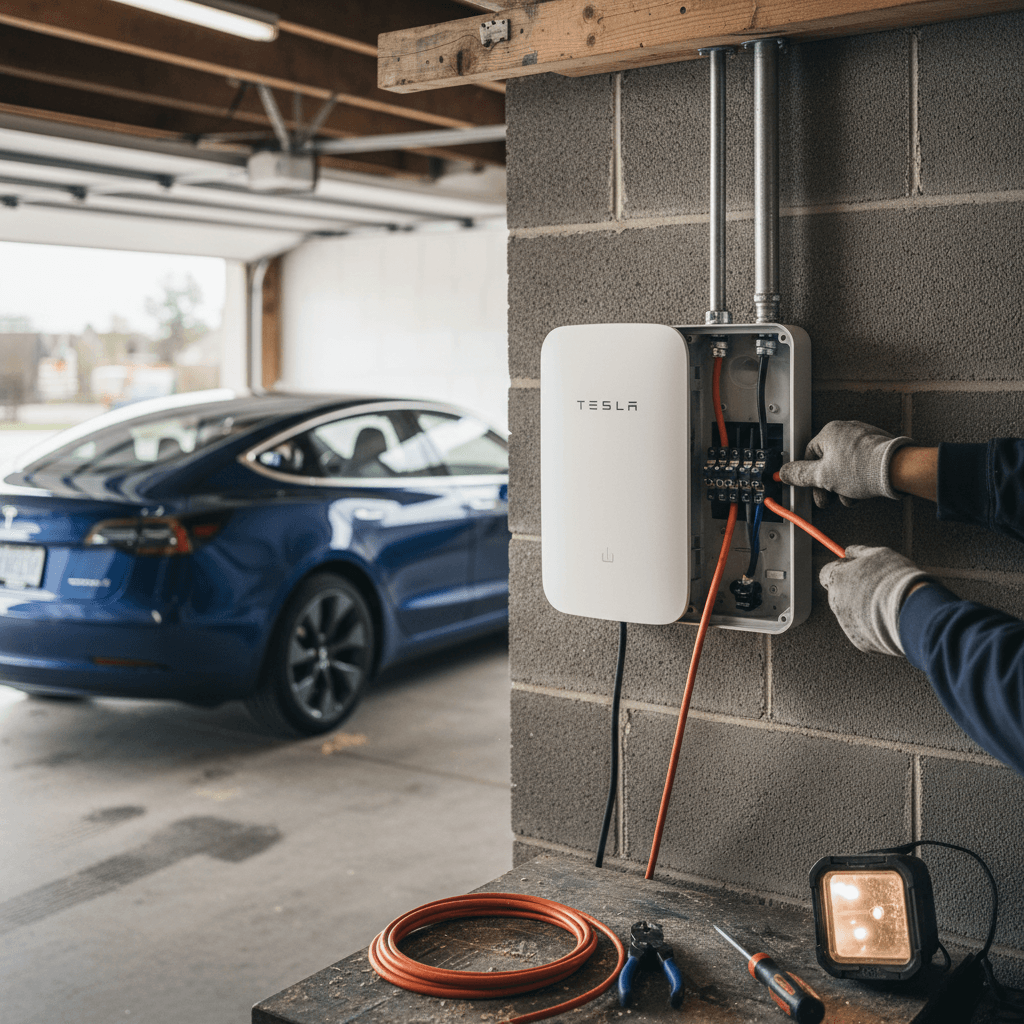
FAQ: Charging two EVs at one home
Common questions about charging two electric cars at home
Bottom line: Two EVs, one driveway
Charging two EVs at home at the same time is absolutely doable, and for most households, it’s more about smart planning than raw electrical muscle. Between dual‑port chargers, smart splitters, and flexible Level 1 plus Level 2 combos, you can build a setup that fits your panel, your parking, and your driving patterns without breaking the bank.
If you’re shopping for your second EV, or upgrading from an older plug‑in to a battery‑electric model, it’s worth thinking about your **home charging design** at the same time. A used EV with healthy battery diagnostics, paired with a right‑sized charging setup, can deliver the convenience of waking up to two “full tanks” every morning. And if you need help matching vehicles, range, and home charging, Recharged’s experts, and the Recharged Score battery health report, are built to guide you from driveway layout to daily commute.