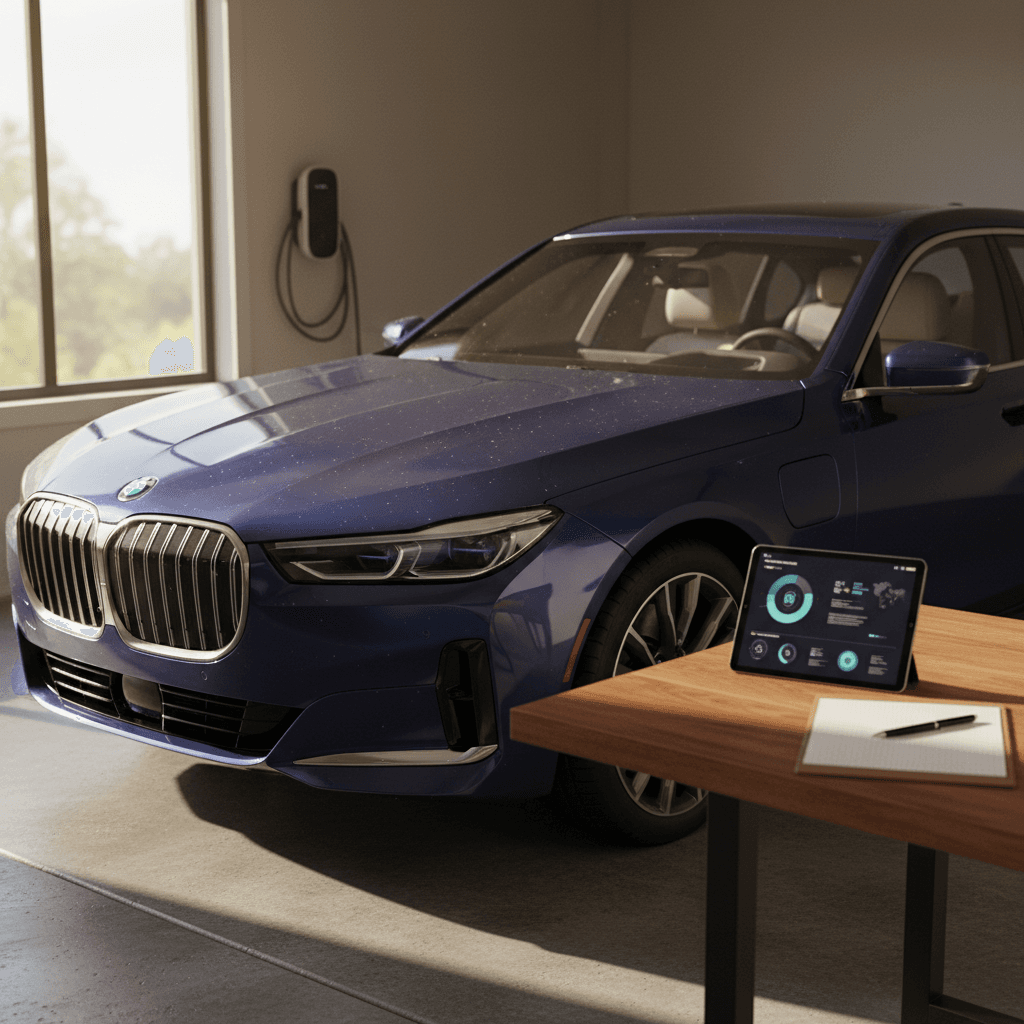
If you’re getting ready to sell your BMW i7, a generic used‑car checklist won’t cut it. Luxury EV buyers care about battery health, software, options like the Theatre Screen, and how the car was charged just as much as mileage and paint. This BMW i7 selling checklist walks you through everything step‑by‑step so you can avoid surprises, justify your asking price, and choose the right way to sell, whether that’s trade‑in, instant offer, consignment, or a private sale.
Good news for i7 sellers
Why you need a BMW i7–specific selling checklist
The i7 isn’t just another used sedan. It’s a flagship electric 7 Series with a ~101.7 kWh high‑voltage battery, complex driver‑assist and infotainment software, and options that can move value by tens of thousands of dollars. Buyers browsing used BMW i7 listings will compare battery health, charging history, and warranty coverage as carefully as leather quality or wheel size. A tailored checklist keeps you from under‑selling a well‑equipped car, or overpricing one with issues.
- Battery condition and charging behavior impact value more than on gas 7 Series.
- Big‑ticket options (Theatre Screen, Executive Package, Bowers & Wilkins audio) change your competitive set.
- Software, over‑the‑air updates, and driver‑assist features must work flawlessly to justify a premium price.
- Depreciation on BMW EVs is steeper than many buyers expect, so you need hard data to support your number.
Luxury‑EV reality check
Step 1: Confirm your BMW i7 specs and options
Before you talk numbers or create listings, you need an accurate snapshot of exactly which BMW i7 you have. Trim, options, and wheel size meaningfully affect range, demand, and resale value.
BMW i7 specs & options checklist
1. Decode your VIN
Use your BMW app, window sticker, or a VIN decoder to confirm model year, trim (eDrive50, xDrive60, M70 xDrive), drive type, and factory options. Buyers will ask, and listing tools often decode this automatically, so make sure it’s right.
2. List major option packages
Identify big‑value packages: Executive or Luxury Seating, M Sport, Theatre Screen, Bowers & Wilkins audio, Rear Executive Lounge, Driving Assistance Pro, and climate packages. These often matter more than small cosmetic add‑ons.
3. Note wheel size and tires
Record OEM wheel size (e.g., 19", 20", 21") and current tires. Larger wheels can reduce range, but they’re visually desirable. Note if you’re including a second set of wheels or winter tires.
4. Document software features
Confirm that BMW ConnectedDrive services, driver‑assist features, and any active subscriptions (e.g., advanced driver assistance, remote services) are working. Make a short list of key convenience and safety features that will matter to a buyer.
5. Gather original accessories
Locate two key fobs, BMW wallbox or mobile charger (if included), charging adapters, trunk cargo accessories, manuals, and any window sticker or order sheet. Having a complete kit tells the buyer you cared for the car.
Pro tip: Keep your options list handy
Step 2: Document battery health and charging history
For a used EV, and especially a six‑figure luxury EV, battery health is the headline. The i7’s usable battery capacity is roughly 101.7 kWh, but what buyers really care about is how much real‑world range and performance your specific car still delivers and how gently it’s been treated.
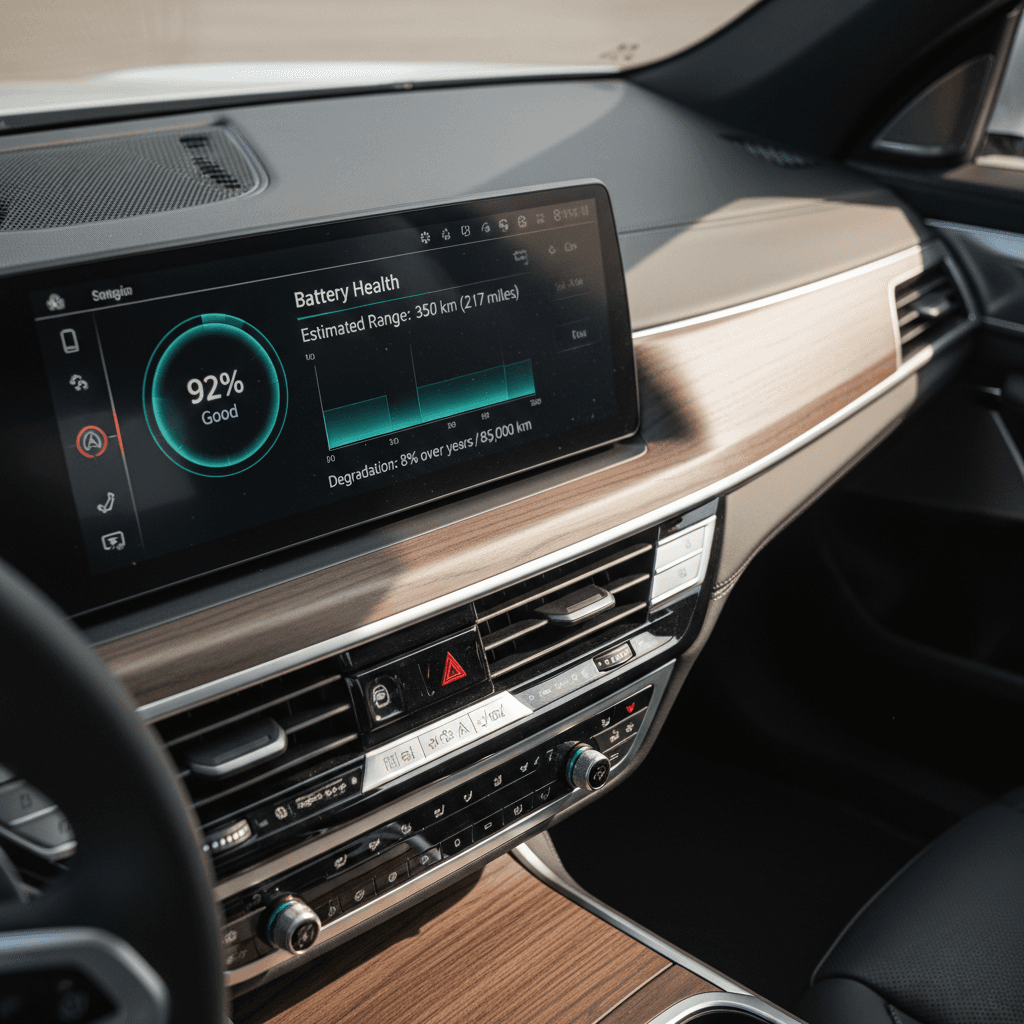
Battery health evidence buyers actually trust
Collect as many of these as you reasonably can before listing your BMW i7.
Range screenshots
Take clear photos of the instrument cluster or central screen at:
- 100% charge (or your typical max charge, e.g., 80–90%).
- 50–60% charge on a normal day.
- Low battery warning (if safe).
Mention temperature and driving mode to give context.
Charging behavior
Note how you’ve typically charged:
- Home Level 2 vs. DC fast charging share.
- Whether you usually stop at 80–90%.
- Any long‑term storage habits.
“Mostly home Level 2, rarely DC fast” is a strong selling point.
Service & diagnostics
Pull recent service records and any EV system checks from BMW. If you’ve had a recent high‑voltage system inspection or battery evaluation, keep that paperwork handy.
Buyers love seeing a clean, documented history.
What about the BMW battery warranty?
If you want to go a step further, a third‑party diagnostic like the Recharged Score battery health report can quantify pack health instead of relying on guesses from the dashboard. On Recharged, every listed EV, including a BMW i7, comes with a verified battery health report, which can make your car more attractive than similar private listings that just say “range seems fine.”
Step 3: Understand BMW i7 depreciation and set a pricing target
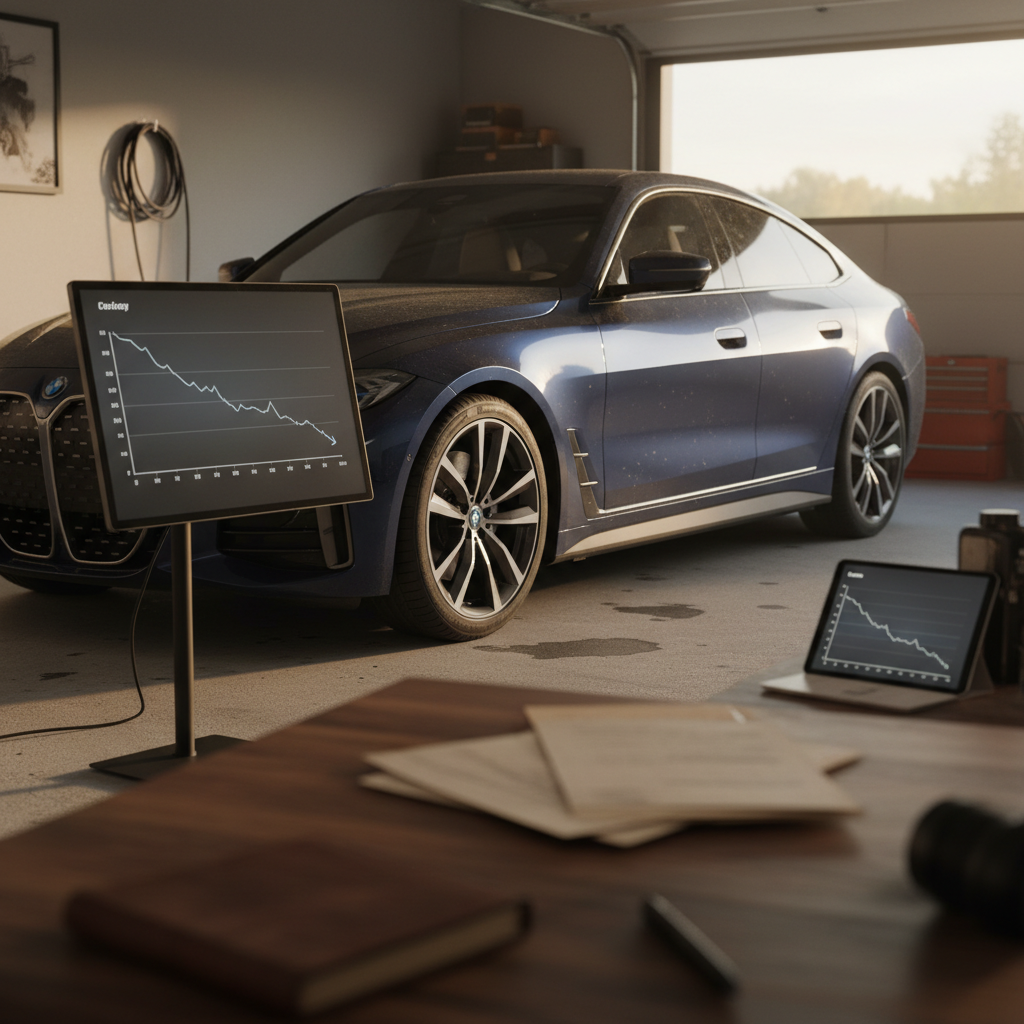
The toughest part of selling a BMW i7 is swallowing the depreciation curve. Early luxury EVs, especially from German brands, have dropped faster than many owners expected. That doesn’t mean you can’t get a strong deal, but it does mean you need data, not feelings, when setting your ask.
BMW i7 value & depreciation snapshot
Key pricing drivers for a used BMW i7
Use this as a quick reference when reconciling guide values with real‑world listings.
| Factor | Pushes Price Up | Pushes Price Down | What to Note in Listing |
|---|---|---|---|
| Mileage | Under 20,000 miles | Over 50,000 miles | Exact mileage, highway vs. city use |
| Battery & charging | Mostly home Level 2, documented care | Heavy DC fast charging, unknown history | Charging habits and any battery reports |
| Trim & options | M70, Theatre Screen, B&W audio, Executive packages | Base eDrive50 with few options | List major packages, show window sticker if you have it |
| Condition | No curb rash, clean interior, no accidents | Body repairs, wheel damage, odor, stains | Detail any imperfections honestly |
| Warranty | High‑voltage and bumper‑to‑bumper remaining | Out of warranty, lapsed service history | List battery and factory warranty expiration dates |
Don’t price your i7 off a single book value. Cross‑check online appraisals with real listings and your car’s specific condition.
Start with a pricing range, not a single number
Step 4: Decide how to sell your BMW i7
How you sell your BMW i7 matters almost as much as how you price it. A flagship EV attracts a narrower, more informed shopper than a mainstream crossover, and not every sales channel is equally good at explaining battery health and high‑end options.
Dealer trade‑in or instant offer
- Pros: Fast, low‑effort, reduces sales‑tax on your next car in many states.
- Cons: Dealers may be conservative on EV values, especially high‑MSRP models. Limited chance to tell your car’s story.
- Best for: Owners who value convenience over squeezing every last dollar.
Private sale or specialist marketplace
- Pros: Potentially higher sale price, especially for well‑optioned, low‑mile i7s with strong documentation.
- Cons: More work: photos, messaging, test drives, paperwork, and possibly remote buyers.
- Best for: Owners willing to invest time to reach an EV‑savvy audience.
Where Recharged fits in
Ready to find your next EV?
Browse VehiclesStep 5: Prepare your i7 physically for sale
A BMW i7 lives or dies on first impressions. Buyers expect S‑Class‑level presentation; anything less sends a signal that the battery and tech may have been neglected too. A modest investment in prep can easily add thousands to the perceived value.
Physical prep checklist for your BMW i7
1. Get a professional detail
Spring for a high‑quality interior and exterior detail, including seat and carpet extraction, leather conditioning, and careful cleaning of piano‑black trim. Ask the detailer to pay special attention to touchscreens and glossy surfaces that highlight fingerprints.
2. Address “cheap‑to‑fix” flaws
Fix curb‑rashed wheels, replace missing trim caps, and repair rock chips or small dents where cost‑effective. Replace inexpensive items like worn wiper blades or missing floor mats. These low‑cost fixes prevent buyers from mentally discounting the car.
3. Clean up the charging area
If you’re including a BMW wallbox or mobile charger, clean it and coil cables neatly for photos. A tidy charging setup suggests thoughtful ownership and reassures buyers about how the car was charged.
4. Reset and declutter the cabin
Remove personal items, clear out the glovebox and trunk, and reset BMW ID profiles and navigation history before test drives. Leave only the essentials: manuals, charging accessories, and a small folder with service records.
5. Take high‑quality photos
Shoot the car clean and in good light. Capture a full walk‑around, all four wheels, front and rear seats, trunk, Theatre Screen if equipped, and close‑ups of the dashboard showing mileage, battery charge, and remaining range.
Don’t hide known issues
Step 6: Build a trustworthy listing that highlights EV benefits
Most used‑car listings still read like generic spec sheets. For a BMW i7, you’ll convert more serious buyers if you write like an informed owner who understands both luxury and electric‑specific benefits, and backs them up with documentation.
What to include in your BMW i7 listing
Use this structure whether you’re listing privately, on an EV marketplace, or filling out a consignment intake form.
Headline & summary
Lead with trim, year, mileage, and a key selling point:
“2024 BMW i7 xDrive60 • 18k mi • Theatre Screen • Battery health verified”
Add 2–3 sentences about condition, options, and why you’re selling.
Detailed spec & option list
Convert your earlier research into a clean bullet list:
- Trim, exterior/interior colors.
- Major option packages.
- Wheel size and tire type.
- Driver‑assist and tech features.
Battery, range & charging story
Explain how the car has been used and charged:
- Typical real‑world range you see.
- Home charging setup and approximate cost.
- How often you used DC fast charging.
- Mention any third‑party battery report.
Write like a human, not a brochure
Step 7: Screen buyers, test drives, and remote sales
Serious BMW i7 buyers care about the details, and they’ll likely come prepared with specific questions about range, charging networks, and software. Having a plan for communication and test drives protects your time and your car.
Screening and test‑drive checklist
1. Pre‑qualify buyers politely
Before meeting, confirm that the buyer understands insurance, registration, and charging basics and that they’re comfortable with your asking range. For remote buyers, ask if they have a plan for transport and payment.
2. Share documentation upfront
Offer to email or share a folder with service records, battery screenshots, and the Carfax or equivalent report. This filters out tire‑kickers and shows you’re transparent.
3. Choose a safe test‑drive route
Pick a route that shows off the i7’s strengths: highway smoothness, quiet cabin, driver‑assist, rear‑seat comfort, and a stop or two that demonstrate one‑pedal driving and regen without scaring the buyer.
4. Manage charging questions
Be ready to explain how you typically charge, what home charging would cost the buyer, and how they can use public DC fast charging on road trips. If possible, show your home setup or a nearby public charger.
5. Plan for inspection and payment
Decide in advance whether you’re comfortable with independent inspections, remote buyers using escrow, or bank transfers only. For high‑value EVs, consider closing the deal at the buyer’s or your bank.
Let specialists handle the heavy lifting
BMW i7 selling checklist summary
Selling a BMW i7 is closer to selling a high‑end tech product than a typical used sedan. The owners who get the best outcomes aren’t necessarily the ones with the rarest specs, they’re the ones who can prove how well the car has been cared for and make buyers feel confident about living with a flagship EV.
- Confirm your exact trim, options, wheels, and included accessories.
- Document battery health and charging behavior with screenshots and records.
- Research depreciation and real‑world listings to set a realistic pricing band.
- Choose the right sales channel: trade‑in, instant offer, consignment, or private sale.
- Invest in detailing and minor reconditioning to protect your price.
- Write a listing that explains both the luxury and the EV benefits clearly.
- Screen buyers carefully and have a plan for test drives, inspections, and payment.