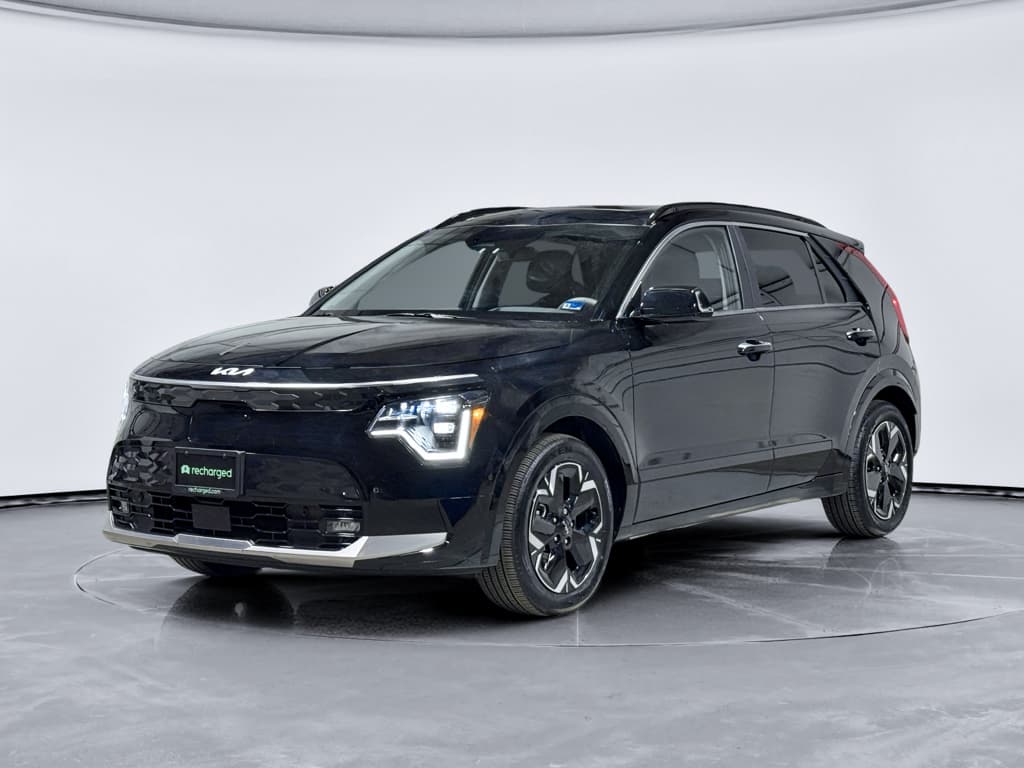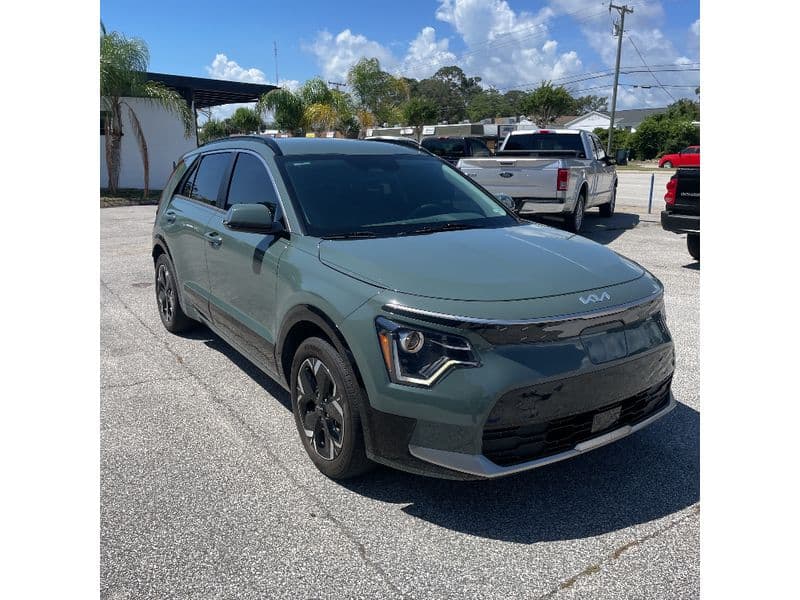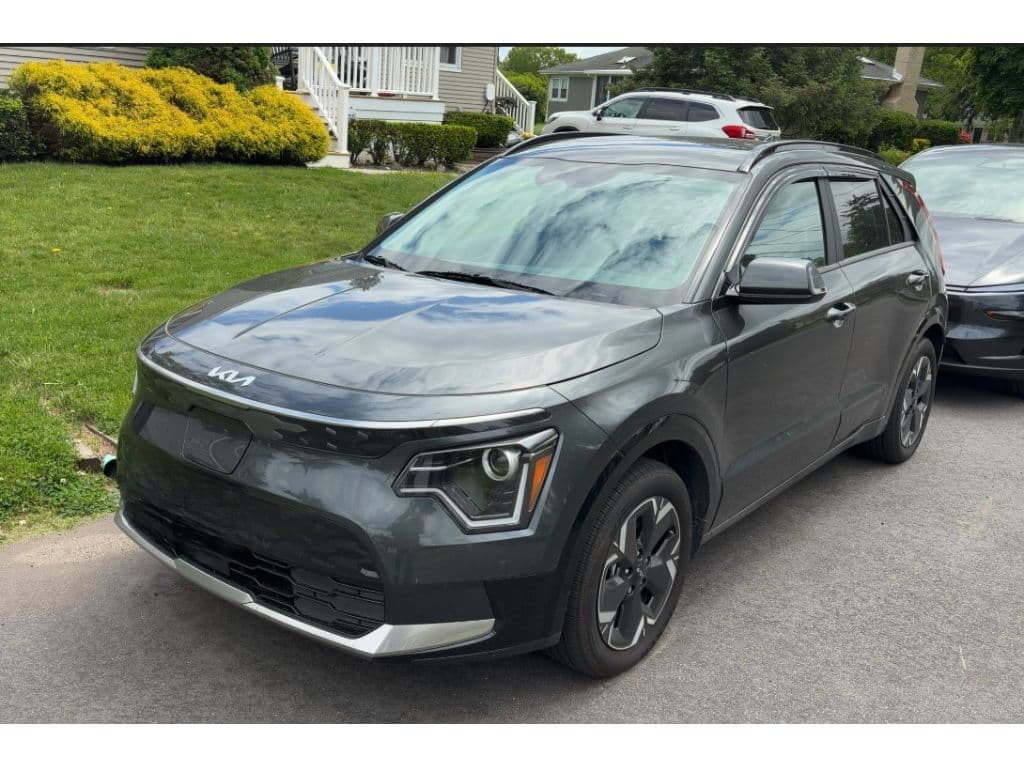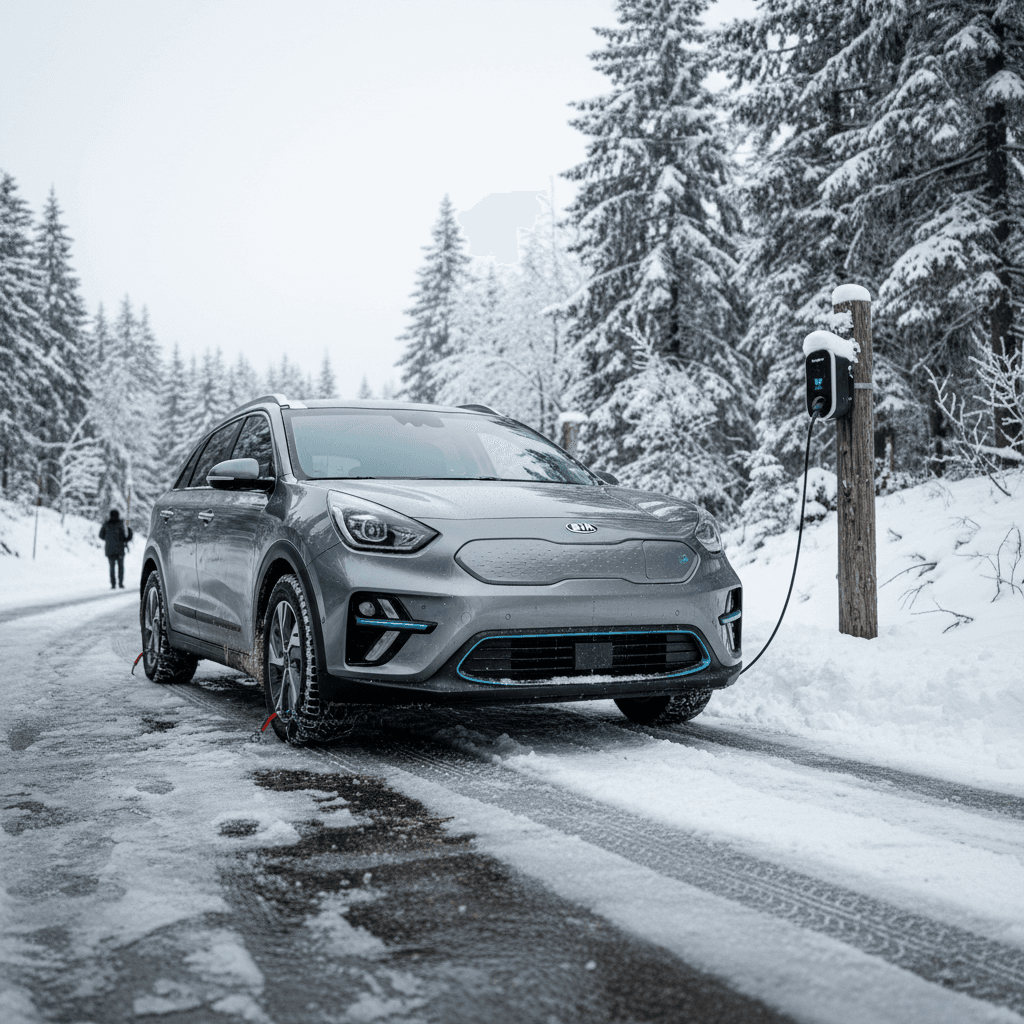
If you live where winter means real snow and slick ice, you’re right to ask whether the Kia Niro EV is best for snow and ice or if you should look at something with all‑wheel drive. The Niro EV is front‑wheel‑drive only, but its low center of gravity, strong traction control, and available cold‑weather features make it surprisingly competent in winter, if you set it up correctly and understand its limits.
Quick Take
Kia Niro EV in Snow and Ice: The Short Answer
Where the Niro EV Shines
- Front‑wheel drive puts weight and power over the steering wheels for good traction.
- Heavy battery pack gives a low center of gravity and stable feel on slick roads.
- Smooth, precise electric torque and quick stability control help prevent wheelspin.
- Available heat pump and battery warmer reduce winter range loss and keep you comfortable.
Where It’s Not the “Best” Choice
- No all‑wheel drive option, limiting deep‑snow capability and hill starts.
- Low-ish ground clearance for an SUV means it can plow snow sooner than taller crossovers.
- Like every EV, it sees significant range loss in cold weather, around 25–35% in real use.
So is the Kia Niro EV good for snow and ice? For most drivers in the U.S. who deal with plowed streets, occasional storms, and highway slush, the answer is yes, with winter tires. For regular unplowed backroads, steep driveways, or ski‑town living, an AWD EV or a taller crossover will serve you better.
Traction, Drivetrain & Handling on Slippery Roads
All U.S. Niro EVs are front‑wheel drive (FWD). In winter, that’s not a bad starting point. With the heavy battery under the floor, a Niro EV feels planted and calm, and you don’t have the tail‑happy feel you sometimes get with rear‑wheel‑drive EVs in the snow.
What Affects Niro EV Grip in Snow and Ice
It’s less about the badge, more about the setup.
Front‑Wheel Drive
FWD sends power to the front wheels, which also steer. On packed snow or light slush, that can be more predictable than rear‑drive, especially with gentle throttle.
Traction & Stability Control
The Niro EV’s traction and stability systems react quickly when they sense slip. Owners routinely report that with snow tires and ESC on, the car feels composed even in storms.
Ground Clearance
Ground clearance is closer to a hatchback than a true SUV. Fine for plowed roads, but you can high‑center in deeper snow banks or rutted side streets sooner than in a taller crossover.
FWD vs AWD Reality Check
In independent reviews, testers typically describe the Niro EV as secure but not sporty in winter. The steering is light and predictable, and the car’s weight actually helps it track straight in slush. Add a good set of winter tires and most owners find it more confidence‑inspiring than many compact gas cars they’ve owned.
Cold-Weather Range: What You Actually Get in Winter
Kia Niro EV Winter Range Snapshot
Like every EV, the Kia Niro EV loses range in cold weather. In mixed city and highway driving with temperatures around 20–32°F, many owners report 25–35% less range than the EPA rating once you factor in cabin heat and cold pavement. That lines up with independent winter tests, which have put the Niro EV’s cold‑weather range in the roughly 170–195‑mile band on a full charge.
How the Niro EV Compares to Other EVs
- Short trips in town with lots of defrost use and seat heaters can shrink your winter range more than a steady highway run.
- High speeds, headwinds, heavy snow on the road, and soft winter tires all add drag and reduce efficiency.
- Preconditioning the cabin and battery while plugged in can preserve both comfort and usable range.
- Using Eco mode and moderate cabin temps (say 68°F instead of 75°F) can easily save 10–15% energy on a long winter drive.
If you plan regular winter highway drives of 150–180 miles between chargers, the Niro EV can do the job, but you’ll want to plan charging stops conservatively in deep cold. For shorter commutes and errands, the winter range is more than adequate.
Winter Features That Help the Niro EV in Snow
Recent Niro EVs (especially 2023–2025 examples in colder regions) can be equipped with a suite of winter‑friendly gear that makes life much easier when the temperature drops. If you’re shopping used, these are the features to look for.
Key Kia Niro EV Winter Features to Look For
Not every used Niro EV has all of these, check the window sticker or features list.
Heated Seats & Steering Wheel
Heated front seats are common, and a heated steering wheel is standard on many upper trims or cold‑weather packages. They’re much more efficient than cranking the cabin heat, helping preserve range.
Battery Warmer & Heat Pump
Some Niro EVs come with a battery warmer and heat pump for the HVAC system. Those help the car charge and drive more efficiently in the cold and reduce the brutal hit from resistive heating.
Remote Preconditioning
With Kia’s connected services, you can pre‑heat the cabin while the car is still plugged in. That means you step into a warm cabin and a pre‑conditioned battery without sacrificing driving range.
Drive Modes & Regen Settings
Eco mode softens throttle response and can help in low‑grip situations. Adjustable regenerative braking lets you fine‑tune how aggressively the car slows when you lift off the accelerator, useful on slippery surfaces.
Shopping Tip for Cold Climates
Where the Kia Niro EV Struggles in Snow and Ice
Even if you love how the Niro EV drives, it’s important to be realistic about where it’s not the absolute best choice for winter. Two factors matter most: drivetrain layout and ground clearance.
- No AWD option: all Niro EVs sold in the U.S. are front‑drive. There’s no dual‑motor all‑wheel‑drive variant like some competitors offer.
- Lower ride height than big SUVs: on a plowed interstate you’re fine, but in 8–10 inches of unplowed snow you can drag the belly and lose steering control earlier than in a taller crossover.
- Steep, icy hills: starting from a stop on a steep incline in freezing rain or hard‑packed snow will expose FWD’s limits quickly, even with good tires.
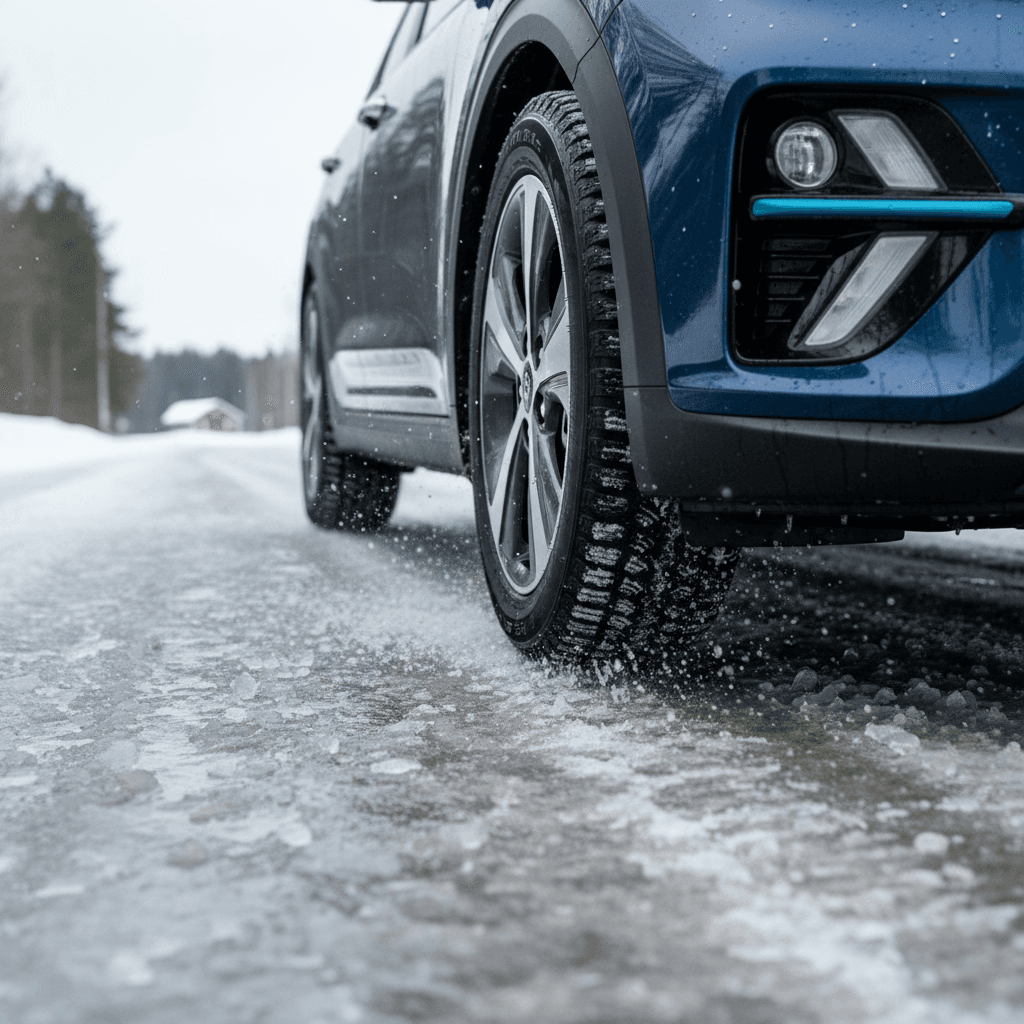
- Stock all‑season tires: factory low‑rolling‑resistance rubber is tuned for efficiency, not grip. Many owners report big improvements in snow only after swapping to dedicated winter tires.
Don’t Overdrive the Car in Ice Storms
How to Set Up a Niro EV for Harsh Winters
If you already own, or are about to buy, a Niro EV and want it to perform as well as possible in snow and ice, your winter setup matters more than the badge on the grille. Think of it in three buckets: tires, settings, and charging habits.
Essential Winter Setup for a Kia Niro EV
1. Install Quality Winter Tires
A good set of dedicated snow tires (on all four corners) is the single biggest upgrade you can make. They dramatically improve braking and acceleration on snow and ice compared with all‑season tires.
2. Consider Smaller Wheels
If your Niro EV has large‑diameter wheels with low‑profile tires, switching to a slightly smaller wheel size with taller winter tires can improve ride comfort and snow performance.
3. Use Eco Mode in Storms
Eco mode softens throttle response and reduces sudden torque spikes that can spin the front tires. It’s especially helpful when pulling away from stops or climbing snowy ramps.
4. Tame Regenerative Braking
Dial back to medium or low regen on slick roads. Aggressive one‑pedal driving can cause the front wheels to lock briefly on ice when you lift off the accelerator, even before you touch the brake pedal.
5. Precondition While Plugged In
On cold mornings, use the Kia app or in‑car settings to warm the cabin and battery before you unplug. You’ll use grid power for heating instead of draining your battery on the first few miles.
6. Watch Tire Pressures
Tire pressure drops as air gets colder. Check and adjust pressures as winter sets in, underinflated tires hurt efficiency and can feel sloppy on snow.
What a “Dialed‑In” Winter Niro EV Feels Like
Buying a Used Kia Niro EV for Winter Duty
If you’re cross‑shopping used EVs and wondering whether a Niro EV is a smart winter choice, the answer is often yes, especially when you value efficiency and comfort as much as ultimate traction. But you’ll want to verify a few winter‑specific details before you sign.
Used Kia Niro EV Winter Buyer Checklist
Questions to ask and items to verify before you buy a Niro EV for cold‑climate driving.
| Item | What to Look For | Why It Matters in Winter |
|---|---|---|
| Cold‑Weather Package / Heat Pump | Listed option code or mention of heat pump, battery warmer, heated wheel | Improves comfort and reduces winter range loss, especially in deep cold. |
| Tire Type & Condition | All‑season vs dedicated winter tires; tread depth | Fresh, quality rubber is critical for traction and braking on snow and ice. |
| Battery Health | Independent battery health report (like a Recharged Score) | Healthy pack holds more energy, giving you more buffer in winter when range shrinks. |
| Charging History & DC Fast Use | Normal, mixed use vs heavy fast‑charge use only | Moderate usage patterns are healthier for long‑term winter range performance. |
| Previous Climate | Vehicle history from cold vs hot regions | Cars from extremely hot climates may see more battery wear than those from temperate or cold regions. |
You can check many of these items in the listing description, window sticker photos, or a Recharged Score Report.
When you shop with Recharged, every used EV comes with a Recharged Score battery health report, so you’re not guessing about winter range. Our specialists can also walk you through whether a specific Niro EV has the right cold‑weather equipment for the way you drive.
If You Need Something More Snow-Capable
Not everyone’s winter is the same. If you’re in a dense metro area with quick plowing and mostly flat streets, the Niro EV is more than enough with the right tires. If you’re dealing with mountain passes, unplowed backroads, or frequent ice storms, you may want to look at EVs that are truly optimized for harsh winter duty.
When the Niro EV Isn’t the Best Winter Choice
Situations where another EV layout makes more sense.
Regular Deep Snow or Unplowed Roads
If you often leave your driveway before the plows, consider a taller EV SUV with AWD and more ground clearance. That buys you extra traction and less risk of high‑centering in snow ruts.
Steep, Icy Hills
For steep hills that glaze over in freezing rain, dual‑motor all‑wheel drive is a real advantage, especially when starting from a stop or making low‑speed turns on ice.
One‑Car Household in Harsh Climates
If this will be your only vehicle in a region with frequent winter storms, an AWD EV with a slightly larger battery and more ride height can offer extra peace of mind.
How Recharged Can Help Compare Options
Kia Niro EV Winter Driving: FAQ
Frequently Asked Questions About the Kia Niro EV in Snow and Ice
Bottom Line: Is the Kia Niro EV the Best EV for Snow and Ice?
If your question is whether the Kia Niro EV is the single best EV for snow and ice, the honest answer is no, dual‑motor, higher‑clearance SUVs will always have an edge in deep snow and on treacherous hills. But if you’re asking whether a Niro EV can be a confident, efficient winter daily driver in a typical U.S. climate with plowed streets and the occasional storm, the answer is yes, especially when you invest in proper winter tires and choose a car with the right cold‑weather features.
For many shoppers, that combination of solid winter manners, reasonable range, and compact‑SUV practicality makes a used Niro EV a smart, budget‑friendly way to go electric without dreading January. If you want help comparing specific Niro EVs, or weighing them against more snow‑focused AWD models, Recharged can pull real battery‑health data, pricing, and winter‑range expectations into one clear picture so you can buy with your eyes open.