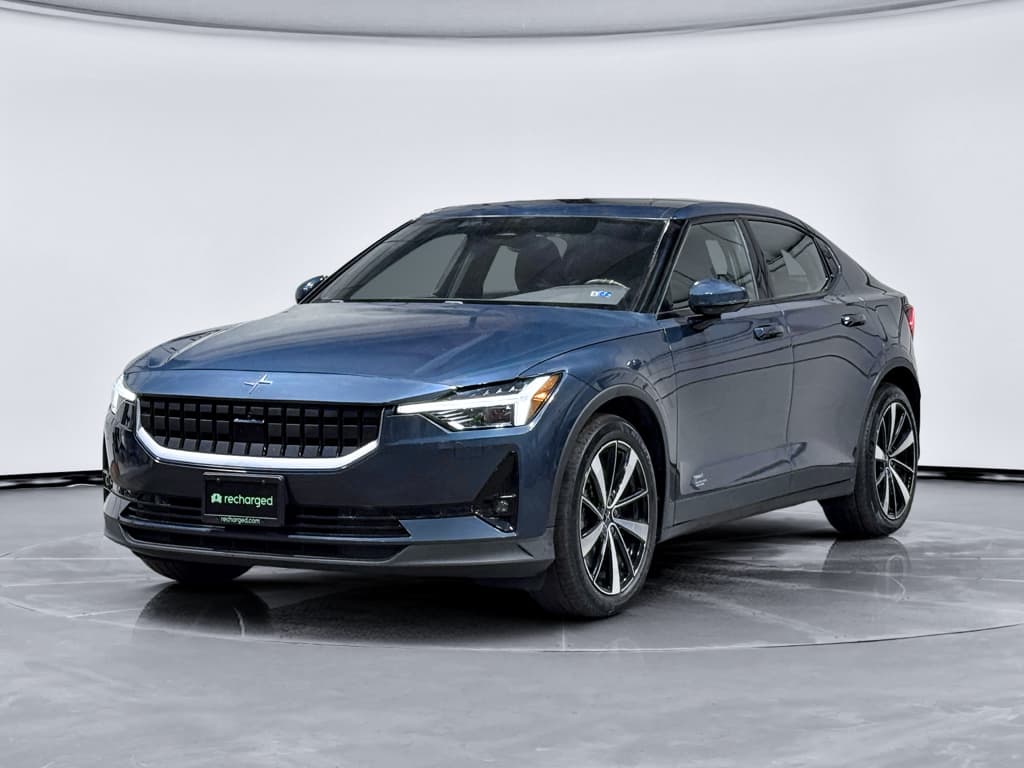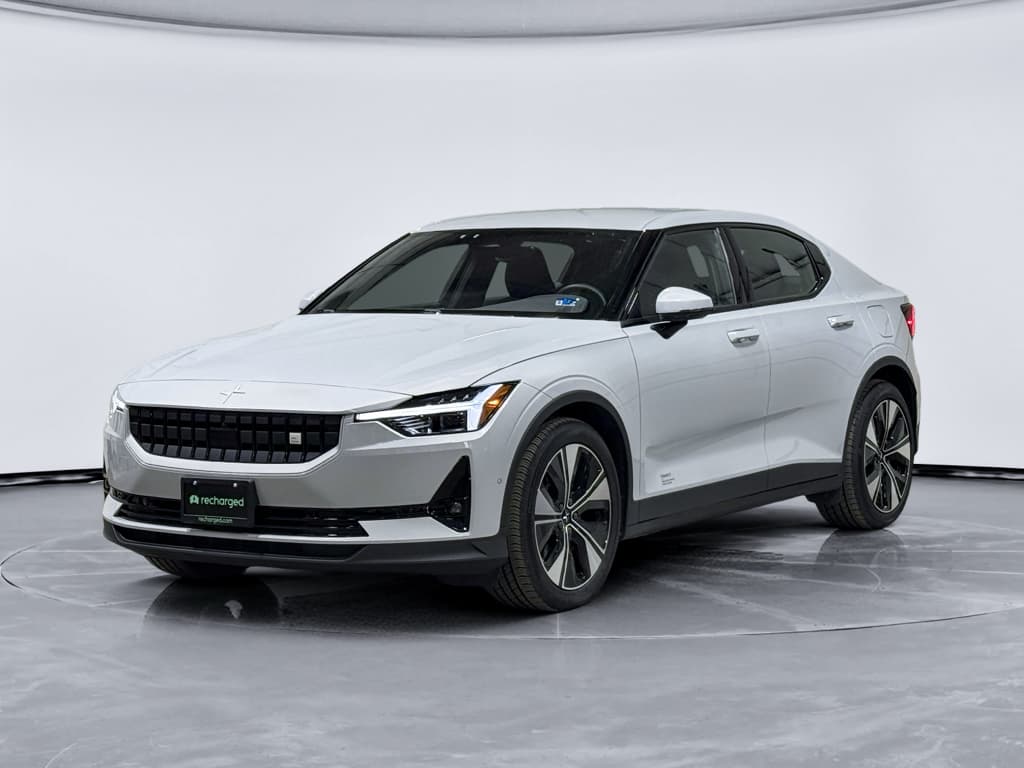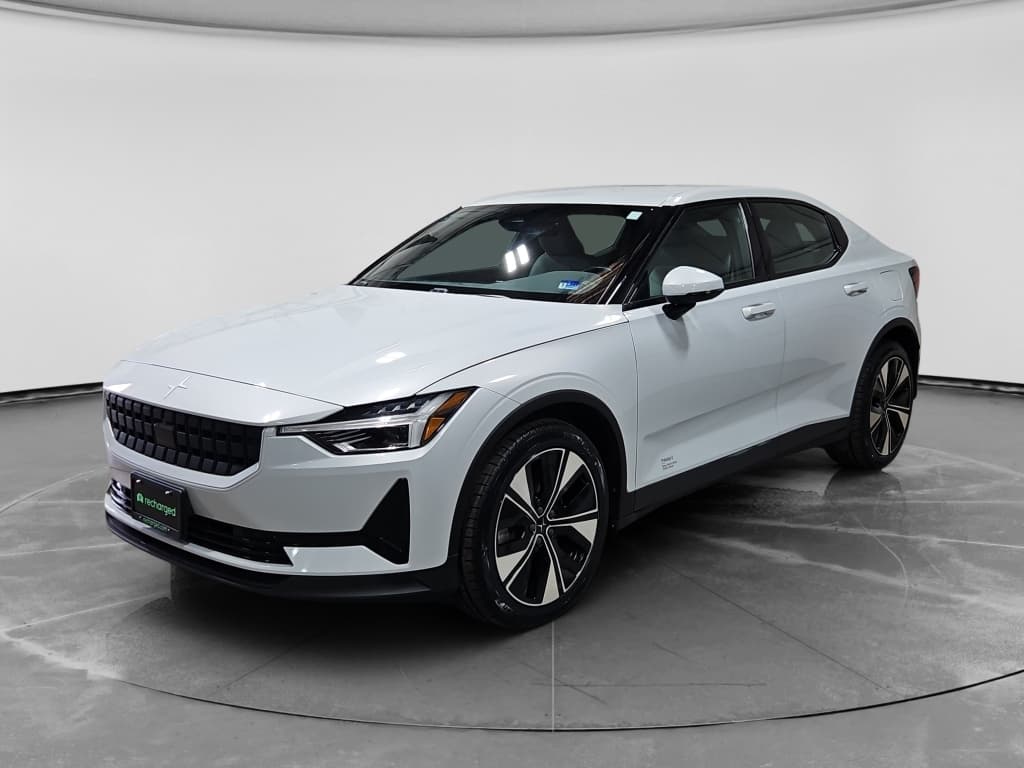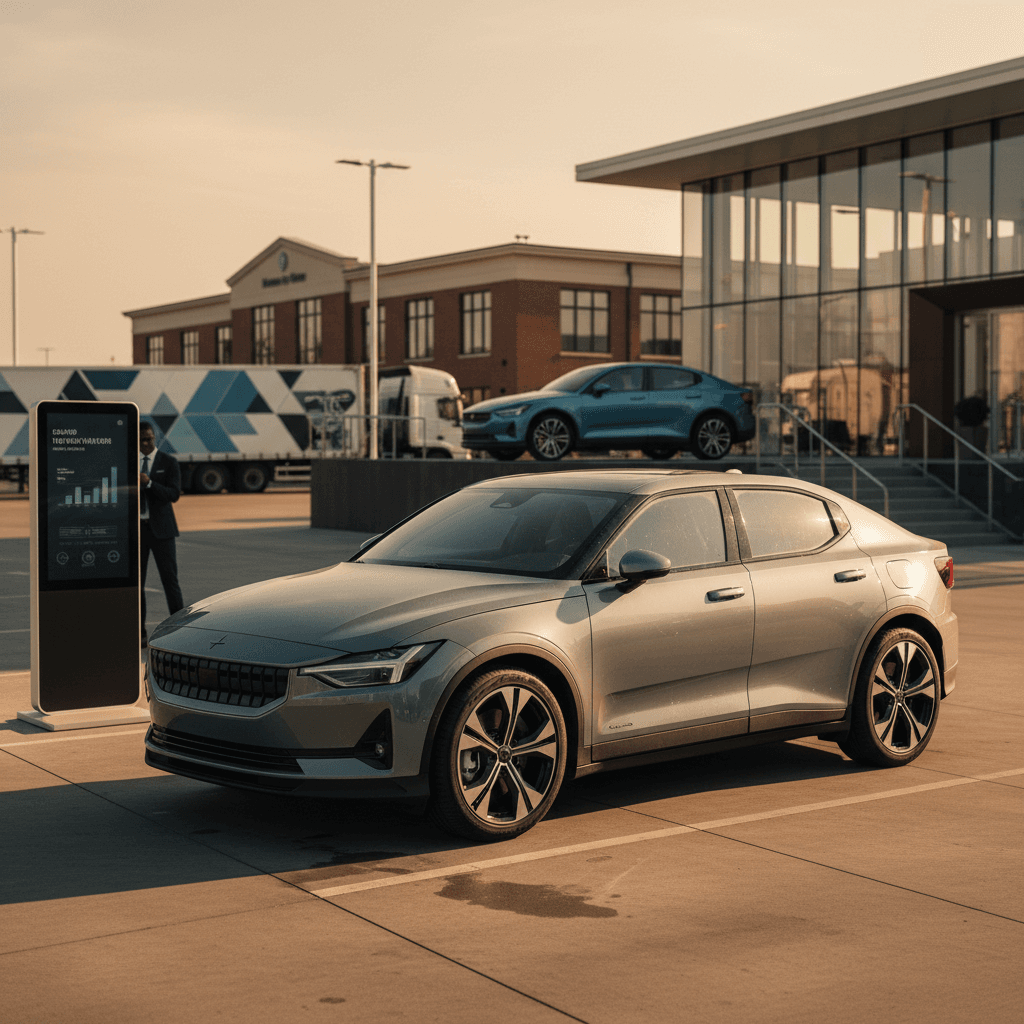
If you’re wondering where to sell a used Polestar 2, you’re not alone. Early buyers got hit with sharp depreciation, and by 2026 the Polestar 2 sits in that awkward middle ground: a fantastic car that the market doesn’t always know how to price. The good news is you still have multiple ways to sell it, some fast and painless, others slower but with real money on the table.
The short answer
Why Polestar 2 resale feels different in 2026
Before you decide where to sell your Polestar 2, it helps to understand the market you’re walking into. The Polestar 2 launched as a premium Tesla Model 3 rival, with early cars stickered in the $60,000–$70,000 range. Fast‑forward a few years, and many 2021–2023 cars are trading in the high‑$20,000s to mid‑$30,000s depending on mileage and spec. Luxury EVs in general have seen aggressive price cuts on new models, and when new prices fall, used values follow.
- Price cuts and incentives on new EVs pulled used values down across the segment.
- Brand awareness for Polestar still lags Tesla, which narrows your buyer pool.
- The Polestar 2 is no longer the newest toy; SUVs like the Polestar 3 and 4 are stealing attention.
- Battery tech and range have improved quickly, making older specs look dated on paper even when they still drive beautifully.
Reality check on depreciation
Quick overview: where to sell a used Polestar 2
Common ways to sell a used Polestar 2
Where to sell your used Polestar 2: pros, cons, and payoff
A side‑by‑side look at the most common selling options for Polestar 2 owners in the U.S.
| Option | Speed | Effort | Typical payout vs. best case | Best for |
|---|---|---|---|---|
| Dealer trade‑in | Fastest (same day) | Very low | Lowest (often −$3k to −$6k) | Buying another car today and value isn’t top priority |
| CarMax / Carvana / online buyers | 1–7 days | Low | Low to medium (slightly above dealer, still below private) | Sellers who want convenience with minimal paperwork |
| Private‑party sale | 1–6 weeks | High | Highest (your true “market value”) | Owners who can wait and are comfortable screening buyers |
| EV‑focused marketplace (like Recharged) | 1–4 weeks | Medium | High (near private‑party pricing) | Sellers who want help marketing an EV and verifying battery health |
| Wholesale / auction | Dealer‑only or niche | N/A for most owners | Variable, often at the low end | Dealers moving inventory, not typical retail sellers |
Exact values vary by market, mileage, and timing, but the patterns are surprisingly consistent.
30‑second decision rule
Option 1: Trade in to Polestar, Volvo, or another dealer
Dealer trade‑ins are the classic “easy button.” You hand over your Polestar 2, sign a few forms, and the value gets subtracted from the price of your next vehicle. You can typically trade a Polestar 2 at Polestar and Volvo retailers, as well as other brand dealers that understand EVs and are comfortable reselling them.
- Pros: Fast, minimal hassle, you avoid strangers and test drives in your driveway. In many states, you only pay sales tax on the difference between the new car and your trade‑in, which effectively improves the offer.
- Cons: Dealers have to leave room for auction risk and reconditioning costs, so trade‑in offers on used Polestar 2s can be thousands below what a retail buyer would pay. Some Polestar or Volvo locations don’t want to hold niche used EVs and may send them straight to auction, which keeps offers conservative.
- Who it suits: You’ve already picked your next vehicle, value your time more than squeezing out every dollar, and you want everything handled in one visit.
Don’t forget the tax math
Option 2: Online car buyers like CarMax and Carvana
Large used‑car retailers and online buyers, think CarMax, Carvana, Vroom, regional chains, have become a popular way to sell used EVs, including the Polestar 2. You enter your VIN, mileage, and condition, upload a few photos, and get a firm offer that’s usually good for several days.
How online buyers handle a used Polestar 2
Similar process, different business models, but the same goal: buy low, sell retail.
Instant online quotes
Pickup and paperwork
Pricing sweet spot
Use them as your floor
Option 3: Sell your Polestar 2 privately
Selling privately, whether on Autotrader, Cars.com, Facebook Marketplace, Craigslist, or local EV groups, usually unlocks the highest price for your Polestar 2. You’re capturing the full retail value instead of letting a middleman take a margin. The trade‑off is that you become the salesperson, the finance department, and sometimes the body shop all in one.
Why private sale can pay more
- You can price competitively against similar listings, not against low wholesale values.
- Buyers shopping used Polestar 2s often know exactly what they want, Pilot Pack, Plus Pack, heat pump, and will pay for the right spec.
- You keep every dollar above your payoff instead of splitting it with a dealer or national buyer.
The trade‑offs
- You’ll need to respond to messages, schedule test drives, and weed out low‑effort offers.
- Some buyers are still wary of EVs; you may find yourself explaining range, charging, and battery health over and over.
- You’re responsible for drafting a bill of sale, managing lien payoffs, and completing title transfer correctly.
Safety first with private buyers
Option 4: Specialized EV marketplaces like Recharged
Because EVs are different from gas cars, a used Polestar 2 benefits from being sold where buyers actually understand them. That’s where EV‑focused marketplaces such as Recharged come in. Instead of treating your Polestar 2 like just another used sedan, these platforms lean into the things that make it special, and the things buyers worry about most.
How Recharged helps you sell a Polestar 2 with confidence
Expert support, verified battery health, and a buyer audience that already wants an EV.
Verified battery health
Fair market pricing
EV‑specialist support
Ready to find your next EV?
Browse VehiclesWhy an EV‑first audience matters
Recharged data
Selling to Recharged
We're actively buying EVs
Offer volume is up versus the prior 3 months.
Final purchase amounts are set after inspection and review.
Based on Recharged purchase offers as of Jul 23, 2026
Recharged data
How long EVs take to sell
34
median days on market
Days from listing to sale for matching vehicles Recharged sold.
- Fastest
- 0 days
- Average
- 47 days
- Longest
- 518 days
Based on Recharged sales as of Jul 23, 2026
Option 5: Auctions and wholesale options
Most individual Polestar 2 owners will never sell directly at auction, that’s dealer territory. But it helps to know this world exists, because it shapes the offers you see. When a dealer or online buyer lowballs you, they’re often looking at the number they expect to get if they send your car straight to a wholesale lane or online dealer auction.
- Wholesale buyers price in transport and reconditioning costs, plus auction fees, on top of their profit margin.
- If the local market is saturated with used Polestar 2s, dealers may only be comfortable paying true auction money.
- You might hear that a dealer is “at auction price” and can’t go higher; that’s a hint they’re not planning to retail your car themselves.
What this means for you
How much is my used Polestar 2 worth right now?
Values move constantly, but by early 2026, many U.S.‑market Polestar 2s fall into a few broad buckets. Think of these as ballparks, not offers for your exact VIN:
Approximate U.S. Polestar 2 value ranges (early 2026)
Typical asking prices for well‑kept cars with average mileage; local markets and equipment can move your car above or below these bands.
| Model year | Typical mileage | Rough private‑party range | Rough trade‑in / online‑buyer range |
|---|---|---|---|
| 2021 | 25k–45k miles | $24,000–$30,000 | $18,000–$24,000 |
| 2022 | 20k–40k miles | $26,000–$32,000 | $20,000–$26,000 |
| 2023 | 15k–35k miles | $29,000–$35,000 | $23,000–$29,000 |
| 2024 | 10k–25k miles | $33,000–$40,000 | $27,000–$33,000 |
| 2025 | Under 20k miles | $38,000–$45,000+ | $32,000–$38,000+ |
These ranges are directional only. A Recharged Score Report or live appraisal will give you a more precise number for your specific Polestar 2.
Factors that move you off the averages
How to get top dollar for your Polestar 2
Pre‑sale checklist for a stronger Polestar 2 offer
1. Pull your service and software history
Download or print maintenance records and note major software updates. A well‑documented Polestar 2 makes buyers more comfortable about long‑term reliability.
2. Get a battery health snapshot
If you sell through Recharged, the Recharged Score includes verified battery diagnostics. Otherwise, be ready to discuss observed real‑world range, charging habits, and any high‑voltage repairs.
3. Fix the easy stuff
Touch up curb rash if it’s cheap, replace missing trim caps, and address cracked glass. Small cosmetic flaws give buyers mental “discount tokens” they’ll cash in during negotiations.
4. Detail the car, especially inside
A clean, odor‑free cabin is critical in a premium EV. Consider a professional detail so the vegan interior or leather surfaces look as special as they did on delivery day.
5. Photograph it like a listing pro
Shoot in daylight from all angles, plus interior, wheels, tires, infotainment, odometer, and charging screen. Clean, sharp photos can add real money to your final sale price.
6. Decide your bottom line in advance
Know the lowest number you’ll accept, informed by instant offers from dealers or online buyers. That keeps you from making emotional decisions in the heat of negotiation.
Let Recharged do the heavy lifting
Choosing the right selling path for you
Pick the selling strategy that fits your life
You need it gone this week
Get instant offers from at least two online buyers (CarMax, Carvana, etc.).
Ask your Polestar or Volvo dealer for a trade‑in quote if you’re buying another car anyway.
Compare all offers after factoring in sales‑tax savings on trade‑ins.
Take the cleanest, quickest offer and schedule pickup or drop‑off.
You want maximum money
Research asking prices for similar Polestar 2s on used‑car sites.
Get a couple of instant offers to establish your floor.
List the car privately and/or start a selling process with an EV marketplace like Recharged.
Be patient for the right buyer who understands options, range, and battery health.
You want guidance and less hassle
Reach out to an EV‑focused platform like Recharged for an evaluation.
Discuss whether an instant offer, trade‑in, or consignment‑style listing fits best.
Let specialists handle pricing strategy, listing content, and buyer questions.
Use expert support to navigate payoff, title work, and shipping if the buyer is out of state.
Bottom line
FAQs about selling a used Polestar 2
Frequently asked questions about selling a Polestar 2
A used Polestar 2 is one of the most interesting EVs you can buy right now, and that makes it an interesting car to sell, too. Whether you choose a quick trade‑in, a national online buyer, a private listing, or an EV‑specialist marketplace like Recharged, the real win is matching the channel to your priorities. Come in with realistic expectations, a clean car, and clear documentation, and your Polestar 2 will find its next home on terms that work for you.