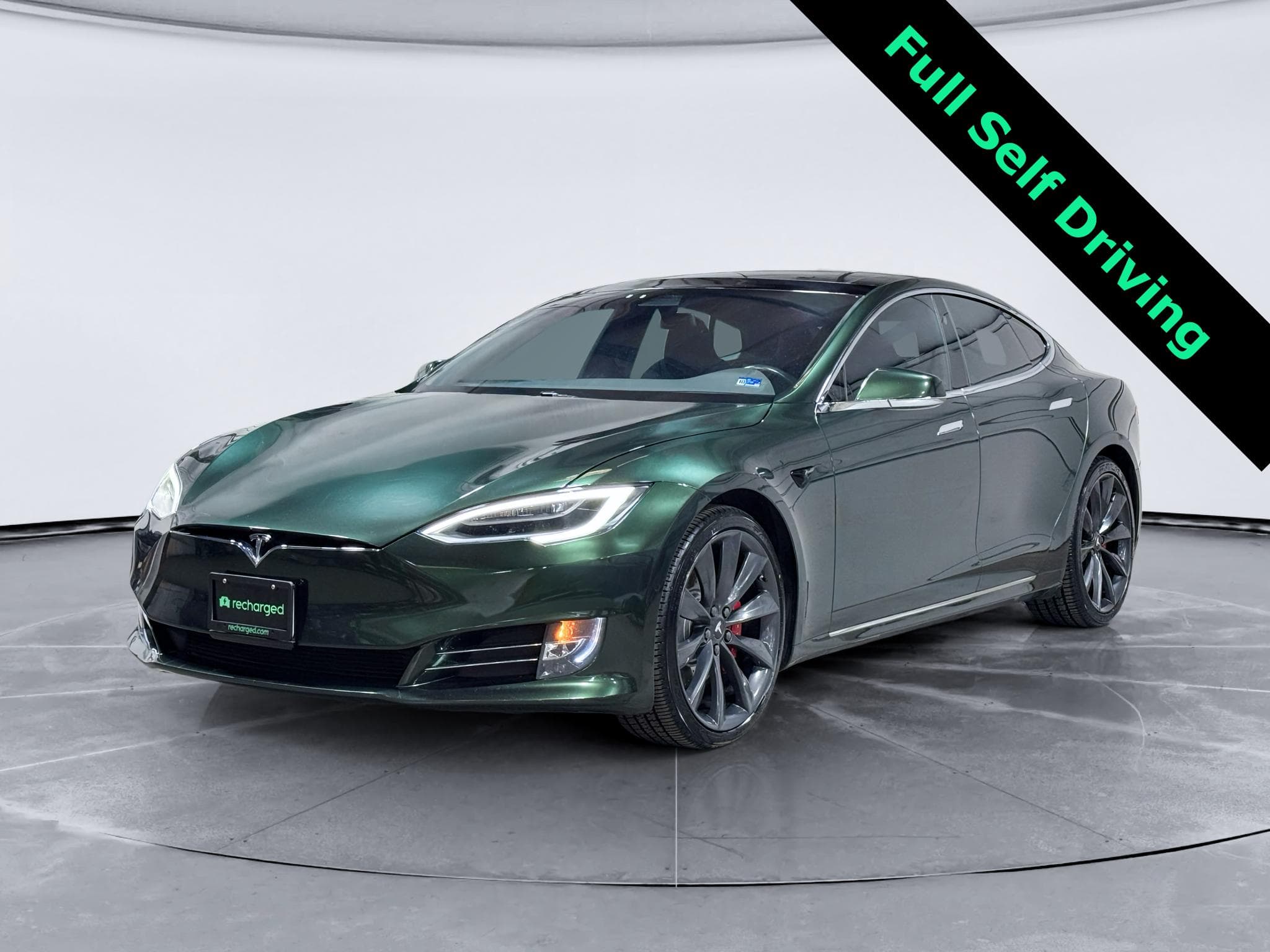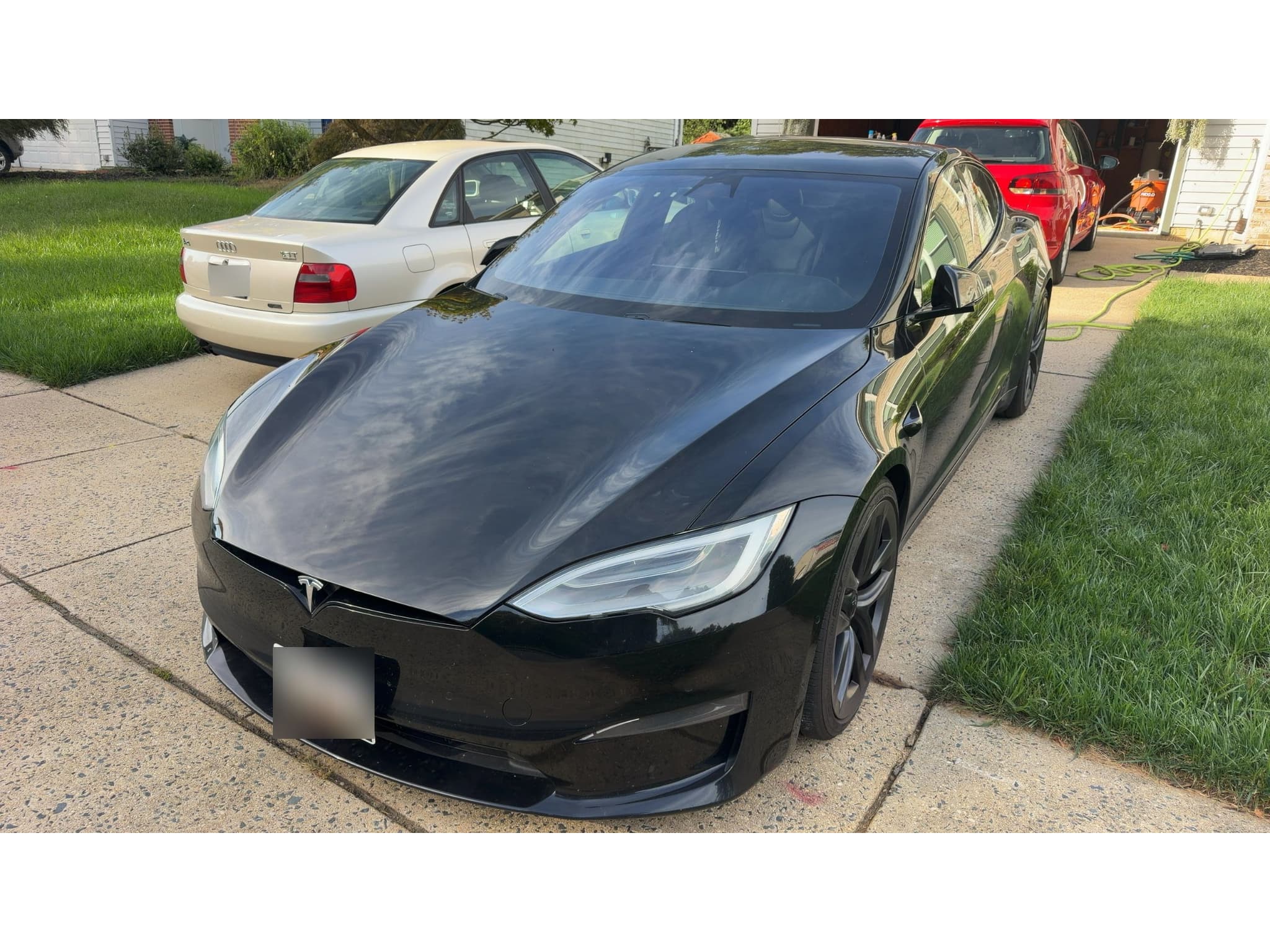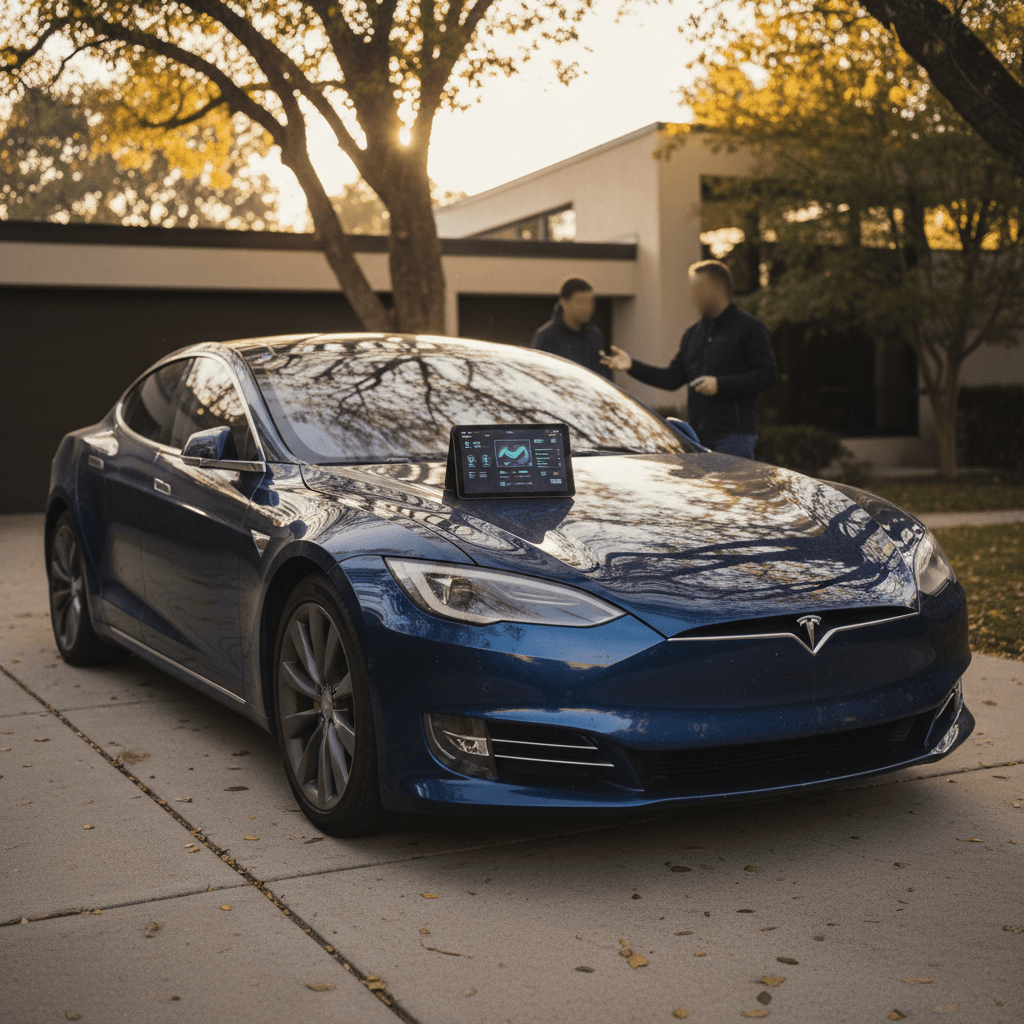
A Tesla Model S is not a generic used car, and selling it like one can leave important value questions unanswered. Its configuration, mileage, battery condition, accident history, tires, glass, paint, software or account-linked features, and title status all help shape a real offer. The practical goal is to give a buyer enough verified information to price the car confidently, then choose the sale route that matches your priorities.
The simplest way to sell your Model S
The simplest route is to collect your vehicle details, request an EV-specific valuation, compare your available sale paths, and complete the paperwork before releasing the car. If you’re still establishing a reasonable target, start by learning what your EV may be worth rather than relying on an asking price for a vaguely similar Model S. Asking prices don’t show what a buyer will actually pay, and small differences between two cars can materially change their valuations.
- Record the model year, exact configuration, current mileage, VIN, exterior color, interior color, wheel setup, and included equipment.
- Disclose accident history and describe the condition of the paint, glass, wheels, tires, cabin, displays, charging equipment, and other major features.
- Confirm whether you hold the title or have a loan payoff, then collect the lender information if money is still owed.
- Request a written, vehicle-specific offer and check its inspection terms, payment method, pickup expectations, and expiration date.
- Compare the offer with a trade-in, consignment, or private-sale route based on your desired price, speed, and workload.
- Sign the required sale documents, confirm payment, coordinate pickup or delivery, and follow the buyer’s instructions for the Tesla app transfer.
Describe flaws before the inspection
What Recharged’s Model S data shows
Recharged’s reviewed data shows both active Model S seller demand and a remarkably broad retail price range. The latest snapshot recorded 228 Model S offer requests, compared with 322 in the prior period; this is a demand signal that Recharged is actively buying the vehicle, not an estimate of your offer. The lower request volume also makes a fresh, car-specific valuation more useful than an old quote or a remembered market price.
Across 21 Model S vehicles sold by Recharged during the trailing 12 months, buyers paid an average retail price of $51,612 and a median retail price of $49,599. Final retail prices ranged from $19,998 to $129,998, which shows how widely Model S age, configuration, mileage, history, and condition can separate one car from another. These are retail prices paid by buyers, not seller proceeds, and a Recharged instant offer or trade-in will typically be several thousand dollars below the eventual retail figure.
A useful Model S valuation begins with specifics: configuration, title status, accident history, paint, glass, tires, equipment, and an honest condition report. The clearer the vehicle story, the more confidently the inventory team can price it.
The takeaway is simple: there is no responsible one-price answer for every used Model S. Treat broad retail numbers as proof that the market spans very different cars, then get an offer based on your VIN and current condition. A verified EV battery-health assessment may also help replace guesswork with evidence when evaluating or marketing the car.
Recharged data
Selling to Recharged
We're actively buying Tesla Model-S
Final purchase amounts are set after inspection and review.
Based on Recharged purchase offers
Recharged data
Recent Tesla Model-S sold prices
$49,599
median sold price
What buyers actually paid through Recharged, not list price.
- Lowest
- $19,998
- Average
- $51,612
- Highest
- $129,998
Monthly median sold price
Based on Recharged sales in the last 12 months
Instant offer, trade-in, or consignment. Pickup available.
Which selling option fits you best?
Your best selling route depends on whether you value convenience, maximum price potential, or a simple vehicle replacement most. A private listing may create more upside, but you’ll handle inquiries, test drives, payment security, paperwork, and possibly a lender payoff yourself. An instant offer reduces that workload, while consignment sits between a direct sale and a fully do-it-yourself listing.
Ways to sell a Tesla Model S
Compare the workload, likely pace, and central trade-off before choosing a sale route.
| Sale route | Best for | Seller workload | Typical speed | Main trade-off |
|---|---|---|---|---|
| Recharged offer or consignment | EV-specific support | Low | Fast to medium (days to weeks) | Convenience vs. payout |
| Traditional trade-in | Replacing the car | Low | Fast | Less EV specialization |
| Private sale | Price-seeking sellers | High | Usually slower | More work and risk |
| Auction or wholesale | Quick market exposure | Medium | Varies | Uncertain final price |
Speed is a general expectation, not a guaranteed transaction timeline.
When comparing offers, make sure you’re comparing the same transaction. One number may be contingent on inspection, another may subtract transportation or other charges, and a trade-in may be bundled into the price of your next vehicle. Review the net amount you’ll receive, the payment timing, who handles the payoff and pickup, and what can cause the offer to change.
Prepare the car for an accurate offer
Good preparation means documenting the Model S accurately, not spending heavily to make it look new. Wash the car, remove personal belongings, gather its equipment, and take clear photographs in even daylight. A buyer needs to see the vehicle as it is, including imperfections, because undisclosed condition issues can lead to a lower revised offer later.
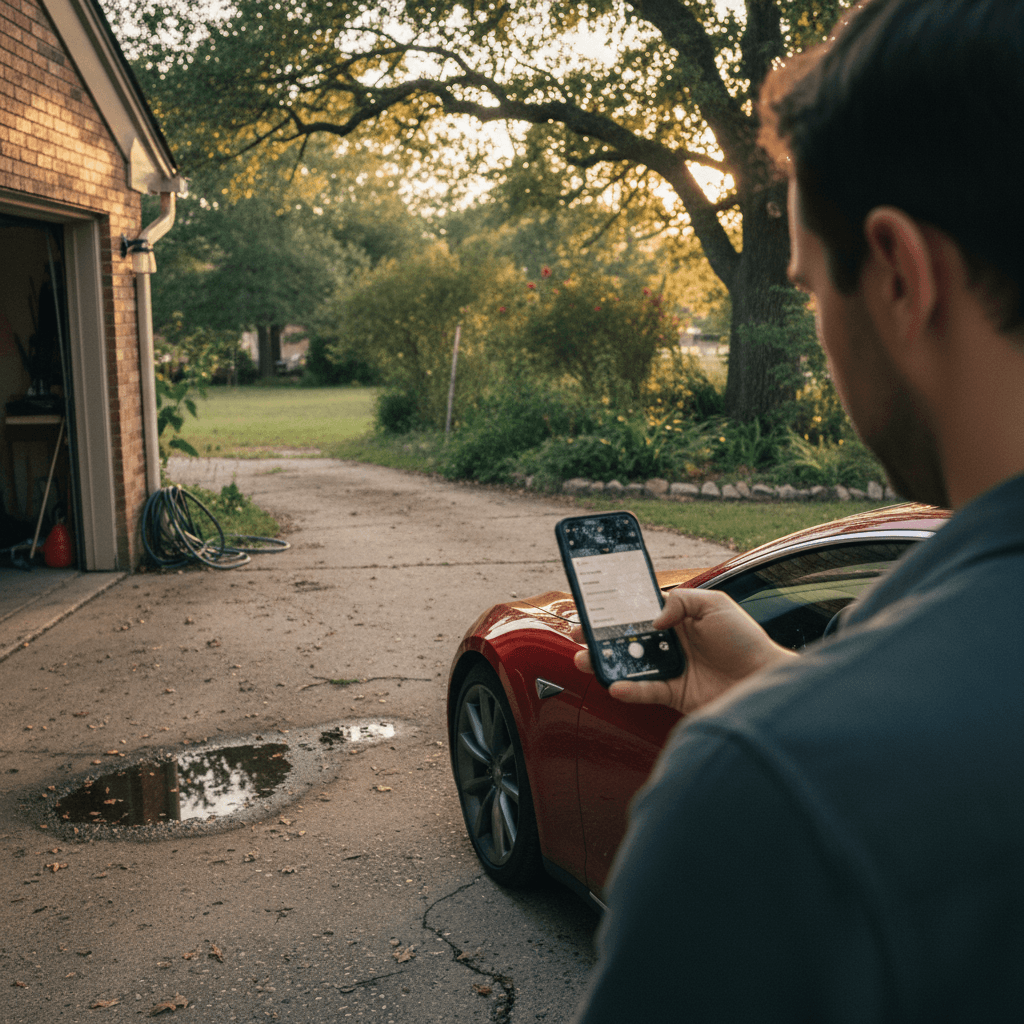
Model S sale-preparation checklist
VIN and vehicle details
Confirm the VIN, model year, mileage, configuration, colors, wheels, and included charging equipment.
Title or payoff information
Locate the title or obtain the lender name, loan account details, and current payoff instructions.
Condition photographs
Photograph every side, the cabin, displays, wheels, tires, glass, charging port, and visible damage.
History and service records
Gather available repair, maintenance, tire, accident, and ownership records without including unnecessary personal information.
Keys and accessories
Collect all key cards or other access devices, mobile charging equipment, adapters, and accessories included in the sale.
Tesla account details
Review the vehicle shown in your Tesla app and be ready to follow the buyer’s transfer instructions at handoff.
Be precise about features that may affect interest, but don’t assume an account-linked benefit transfers with the vehicle. The Recharged inventory team asks sellers about details such as driver-assistance software, charging benefits, ownership history, accidents, tires, and title status because each can require verification. If you aren’t sure whether a feature follows the car, say so and let the buyer confirm eligibility before assigning value to it.
Handle payment, pickup, and ownership transfer carefully
Complete the financial and legal steps before treating the Model S as sold. Confirm the buyer’s identity, the final amount, payment method, bill of sale, title or payoff process, pickup arrangements, and the exact point when possession changes. For a broader look at these safeguards, use the guide to selling an electric car as a companion checklist.
Don’t transfer app access too early
If a loan remains, ask who obtains the payoff quote, where the funds go, and how any remaining proceeds reach you. If you hold the title, verify how it must be signed and delivered for your transaction rather than guessing. Keep copies of the bill of sale, odometer disclosure, payment confirmation, pickup record, and other completed documents.
A clean handoff should feel uneventful: the bill of sale is executed, funds are arranged, pickup is scheduled, and the seller is guided through the Tesla app transfer. Each step should be clear before the car leaves.
Every EV is battery-tested with a Recharged Score. Nationwide delivery.
Tesla Model S selling FAQ
A complete description produces a cleaner sale
The strongest Model S sale begins with a complete vehicle description and ends with a controlled handoff. Gather the VIN, configuration, condition details, history, title or payoff information, photographs, and included equipment before asking for offers. Then compare your net proceeds and workload, not just the headline price, and confirm payment before the car, title, or Tesla app access changes hands.